
Translated material
“While he was dying, they looked at it, and when he died, they ran in”

 Photo: “Important Stories”
“While he was dying, they looked at it, and when he died, they ran in”
Former prisoners talk about torture and lack of medical care in the Vladimir colony, where Alexei Navalny was transferred
Politician Alexei Navalny, serving a prison sentence in the Vladimir region, has been on a hunger strike since the end of March, demanding that a doctor be allowed to see him. Doctors assess his condition as critical. On April 19, the Federal Penitentiary Service reported that prison doctors decided to transfer Navalny to the hospital at Vladimir correctional colony No. 3.
This colony is popularly called “Motorka”. Throughout Russia, FSIN officers are frightening uncooperative prisoners by taking them to institutions in the Vladimir region, which are known for their monstrous conditions. “Motor” is considered the most terrible among them. Prisoners from other Vladimir colonies are often transferred there as punishment for refusing to cooperate with the prison administration. Those who manage to get out talk about beatings, electric shocks and rape.
“Important Stories” publishes monologues of three prisoners who, over the years, served their sentences in correctional institutions in the Vladimir region and sooner or later ended up in “Motorka”.
“They can do anything to you”
Dmitry Novikov, served his sentence in correctional colony No. 3 of the Vladimir region in 2016–2019
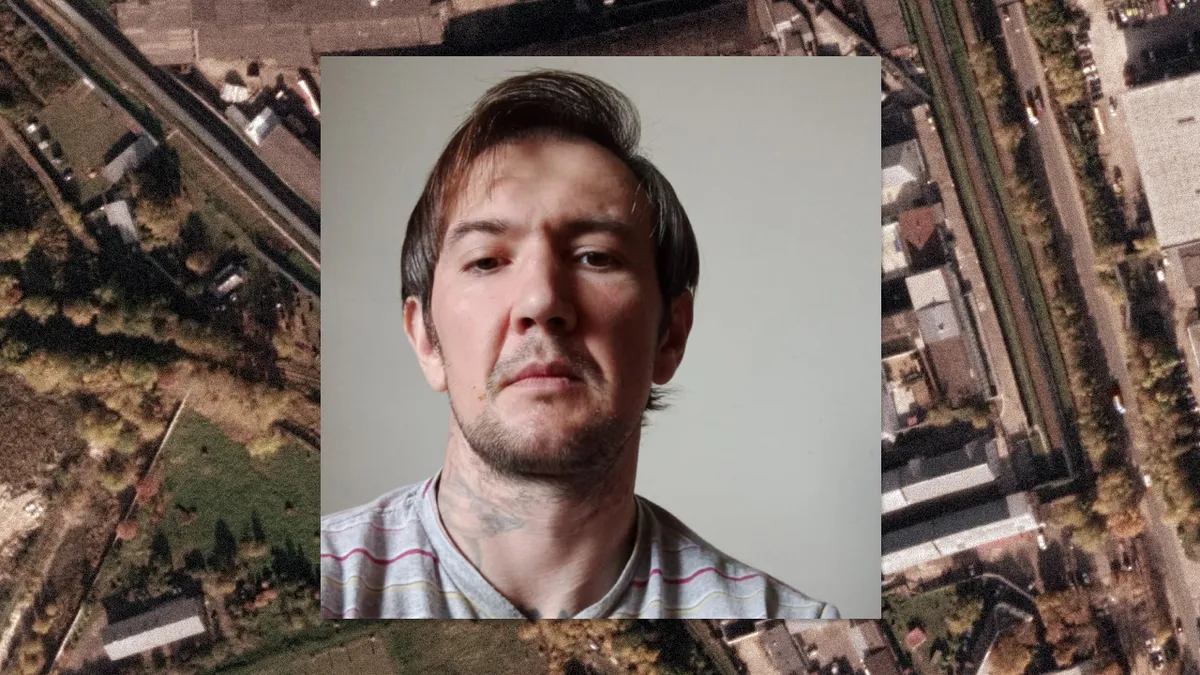 Photo from personal archive; Google © 2021 Maxar Technologies
Before Vladimir, I served time in Kazan and the Tyumen region - in 2010 I was convicted of attacks on anti-fascists. I later contacted the guys who we were accused of attacking, they even contacted the prosecutor’s office and wrote that their employees at Center “E” forced them to write complaints against us. In 2011, I was also accused of allegedly creating an extremist community: they came up with the name “Kazan Division” and found my accomplices. The FSB officers tried to put pressure on me in the colony through thieves and the administration, they offered to memorize the text and record a video, which I gave up on everything - I refused. And literally a couple of weeks later, without explanation, they told me: “Get ready, tomorrow you have a stage in the morning.” The guard said that they were taking me to Vladimir.
When I was already being transported in the transport carriage, I found out that it was bad there - “red” control, don’t expect anything good. I didn’t know where exactly they were taking me, but everyone said that God forbid I end up on the Motorka. This is it, this is the end.
First, I was taken to Vladimir pre-trial detention center No. 1, from where I was supposed to be sent to a camp. There were then “press huts” ( cells where prisoners are mocked by correctional officers and “press officers” from among the convicts in order to persuade them to refuse testimony or sign the necessary confessions. - Ed. ) in the basement. In one of them they immediately beat me, tied me up and threw me under the bed. As I understood, at that time their goal was not to knock something out of me, but simply to show that “you don’t belong here.” I stayed there for probably 10 days. And from there I was sent to “Motorny” ( one of the names of the Vladimir Correctional Colony No. 3 - Ed.) , to the hospital.
Arriving there looks normal: they take you through a checkpoint, the guard tells you “please be kind,” and asks if you have any complaints. Why is this done? Because the FSIN convoy department and the camp administration have different bosses, and all employees have video recorders. Just so that it doesn’t happen that a record suddenly disappears on two registrars [from different departments] - that would be suspicious.
In the detention rooms, they took away almost all my personal belongings and books and said “not allowed,” although I came from the same institution and the censors had already checked my books in two or three places. Some medications, even if you have a certificate that they are prescribed to you, are also not given to you - they are thrown away right in front of you.
Support those who tell the truth about conditions in Russian colonies and prisons. Your donation will help us produce more honest reporting and interviews.Support “Important Stories”Then they lead you through some corridors for a long time. Through the administrative building in IK-3 you can get to any point in the camp: all the corridors there are through, and they are duplicated, that is, if you are oriented, you can go through the entire colony with these labyrinths and not appear on any cameras at all. For example, you can be beaten, stabbed with something, and the “activists” will drag you along these corridors to where you need to go.
They start the stage from the medical unit. And when you leave this medical unit... Do you know how in the tsarist army they were forced through spitzrutens ( flexible thick rods or metal ramrods, which in the 18th–19th centuries were used for punishment in the armies of different countries. - Ed. )? So, there are actually “activists” standing there in the corridor ( prisoners who participate in torture in order to receive privileges from the prison administration. - Ed. ): They are yelling at you, they are swearing at you, you move exclusively by running, at this moment you are still “flying in” from all sides. You run into the room, there stands an “offended” ( a prisoner occupying the lowest level in the unofficial prison hierarchy - Ed. ) with his genitals exposed and yells: “Who should I fuck?!” At this moment, you no longer understand anything, and they put you “in a stretch” ( a position in which you need to put your legs as wide as possible, rest your head and raised arms against the wall; after that they can beat you on your legs so that the prisoner spreads them wider. - Ed. ).
The administration is present: they indicate who to hit harder, who to hit on the head, and who not to touch, because he “helps them solve crimes.” When we were being transported, there was one such guy.
While we were standing on the stretch, someone was filming how they were beating us: they then show all these techniques on cable in the colony - so that they don’t forget what’s going on. After that, they force you to take a broom, you sweep - this is also filmed on camera - and they ask you questions: “Are you giving up thieves’ traditions?” and others. Then they force you to strip down to your underpants, sometimes you take off your underpants, they take you into the quarters where the operative sits, they beat, kick, and offer to write a confession if you have another crime. This is how you end up in quarantine.
Quarantine everyday life goes like this: you are woken up at six in the morning, and if, for example, you woke up at half past five, you cannot get out of bed for half an hour. If you get up, they will punish you: in the exercise yard above the quarantine there are many “dead zones” for CCTV cameras; they will take you to some corner, poke you, and explain that you are wrong.
After breakfast, you are taken out to do chores: you sweep the parade ground for exactly half an hour. Even if you sweep it in 10 minutes, you will still spend half an hour sweeping already clean asphalt - because sweeping is supposed to take half an hour. Then the stairs and the duty room are washed, and only then you return to quarantine and sit down. You can sit like this: either you look down, your hands behind your back, or you read the printout: it indicates the leading employees of the [colony], who does what, who has what rank, who has what reception time. You learn all this by heart, at any moment they can ask you: if you haven’t memorized it, you and everyone else will be punished.
I spent two weeks in this quarantine. After that, I was sent to a barracks with strict conditions of detention - SUS. In SUS, representatives of all services come to see you throughout the day, and these “activists” also go on a spree - to beat someone up, humiliate someone, just so you don’t relax. It also happened that they took you to the gym and simply beat you, mocked you, forced you to squat and run under the threat of being fucked. Naturally, you don’t think about any resistance there, because in such cases there are always 10–15 “activists” helping, and if necessary, they will call more. The fact that they wave their genitals in front of their faces is already in the order of things. At some point you stop paying attention to it. But with me it also happened that mop handles were shoved up people’s ass. They can do anything to you. I spent about a year in this mode.
Then, since I had an article for extremism, local FSB agents came to see me. This was in 2017. They congratulated me on the fact that even though I was going home in August, I would not go home: they said that while I was serving my sentence in Tyumen, I allegedly made two reposts on the Internet, in which they saw propaganda of extremism. I was sent to trial “at the place where the crime was committed,” but I didn’t get the truth there, they gave me another two and a half years and took me back to Motorny.
I wrote that I was not allowed to go to Motorny, that my life was in danger there. He wrote everywhere, right down to military intelligence. Naturally, this did not play any role, that is, I even opened the case once ( attempted suicide. - Ed. ). I was still transported to Vladimir, although I said on the [convoy] video recorder that I couldn’t go there, they would kill me there. They brought me there and immediately sent me to the therapeutic department. There they immediately told me: “You are suicidal, we can just kill you now calmly. Choose: either they carry you out of here feet first, or in half an hour they come from the Internal Security Department of the Federal Penitentiary Service, you sign that you have no complaints and no force was used against you.” I understood that this was all real, and I signed everything.
As a result, I was locked in the EPKT ( a single cell-type room, often a cell with a stricter regime of detention. - Ed. ), in solitary confinement, and there they periodically performed all sorts of experiments on me. They injected drugs: haloperidol ( an antipsychotic drug, used for schizophrenia and manic disorders. - Ed. ), Madame Depot (" Moditen Depot" is an antipsychotic drug, used for schizophrenia. - Ed. ).
I was sent to the psychiatric ward a couple of times. How do they get there? If necessary, the following arrangement is played. Allegedly, the video recorder accidentally turns on and they tell you: “Convict, you are behaving inappropriately.” After this, the DVR turns off, and the duty officer writes a report, everyone signs for it, and you are put “under examination” for 21 days.
When I was there, [the department] seemed to have five workers’ wards and two under renovation. They strip you naked and tie you to the bed. They can untie you, drag you to a repair ward, and beat you there. They don’t really explain why they beat me, they say: “You know everything yourself.”
Naturally, no one complains there. Human rights activists sometimes come. Excuse me, I can’t say anything good about this POC in the Vladimir region. We are in SUS, we have no glass in the windows, they are somehow sealed with polyethylene, it’s winter. A woman comes in wearing a fur coat down to her toes and says: “Why, it’s warm here.”
Although, if they are expecting a serious commission with which they cannot come to an agreement or which must dig up something, they may not touch you at all for a week or two. They will forget about your existence. They will apply ointment to you. They smeared us with “Savior” ointment - after each beating they gave us a whole tube to cover all the bruises and abrasions.
I stayed there until December 2019. In August [2019], an FSB agent came to see me again and offered this option: “Listen, your Tatar FSB agents again asked for your sentence to be extended. But here we are correcting everything, that is, we don’t want to spoil our own statistics to please them. I have this proposal for you. Either you are now giving an interview to Russia-24, saying that you have completely reformed here. We will print the text, you will learn everything, tell it and go home. If you refuse, we will still have to listen to our colleagues and shut you down.” I decided that it would be better to give this interview .
I was actually released. Right at the exit, while I was waiting to receive the things that were stored in the warehouse, a security officer ( employee of the Center for Combating Extremism, CPE - Ed. ), already from Vladimir, came up to me and said: “The Tatarstan people asked me to find out what your plans are, where you are going.” Of course, I was not eager to share my plans with him and said: “Don’t blame me, but let my plans stay with me.”
“Every day they bring ointment to smear bruises”
Pavel Zotov, was held under investigation in pre-trial detention center No. 1 of Vladimir in 2008, served his sentence in correctional colonies No. 3, No. 4, No. 6 of the Vladimir region in 2009–2021
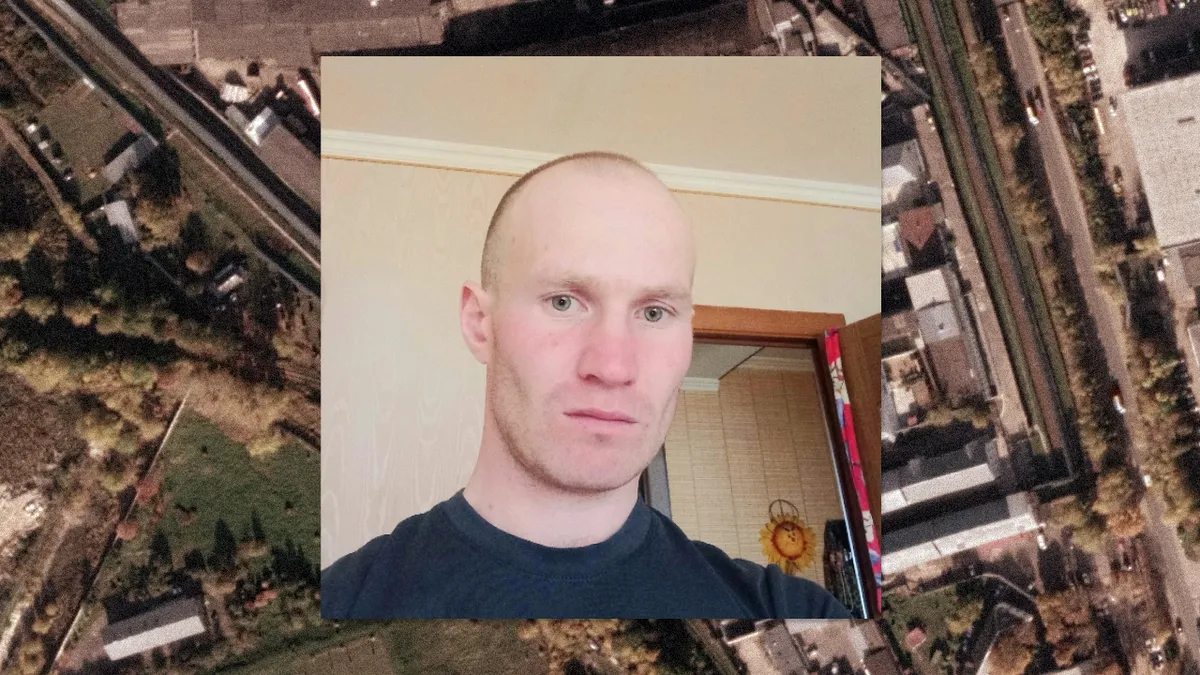 Photo from personal archive; Google © 2021 Maxar Technologies
I myself am from the city of Sobinka, Vladimir region, when I was detained, at first I was sitting with us, in the area. My articles were 105, 162 (murder, robbery). Then, when the case was transferred to the Vladimir Regional Court, they were transferred to pre-trial detention center-1 in Vladimir. There was nothing there then, there was no lawlessness on the part of the administration. It was only later, when I was in the camp, that I learned from rumors that there were “press huts” there.
After the verdict, I was sent to IK-4, the city of Vyazniki [Vladimir region]. In December 2009, I was taken from there to IK-6, Melekhovo village. There they beat and scolded me, more harshly than in Vyazniki. They immediately put us on stretch mark and beat us on the legs so that we would sign everything and abandon the thieves’ traditions. We were kept in quarantine for two weeks, then transferred to a detachment.
In 2011, I heard about this movement: you write a statement against each other, for example, for grievous bodily harm, send it to the court [of another region], it refuses after the statute of limitations has expired. But they still have to consider it and refuse; in response to the refusal, you write a complaint and according to it they take you out of this Melekhov. And we hatched such schemes so that we could leave there for a little rest. They rode like this periodically, but the administration didn’t like it, because information came out from the camp about what they were doing there, and these “activists” were later met in freedom and beaten. The administration began to fight us.
In 2013, I came to Melekhovo from such a trip, the operative took me into the office and said: “You go there, circle around for something, write refusals of your applications.” I refused, he took me into another office, and there were five masked people in garbage clothes. At first I thought they had come from the department, but then it turned out that they were prisoners in disguise. They laid me down, stripped me naked, tied my hands and feet from behind, and held me by the head. The first procedure started: they started beating me on my heels with a baton, I endured this pain. Then they untied my legs, spread them apart and began to beat me in the balls with a baton, I also endured this. Then they said: “We need to piss on him, we’re calling a ‘rooster’, let ***** extinguish it (what the heck).” I realized that there was no point, I signed all these refusals.
There was this [activist] Kormiltsev, he fell out with them. They beat him, he became angry with them [the colony staff]. He conveyed an apology to me through another prisoner: he said that when these “masks” met me, he was there and did nothing, just stood with a camera. He said that he wanted to write complaints against them, that he had a video that he filmed right in the camp. I didn’t really believe it, but I said I didn’t mind. He wrote for two days, but someone burned him. He was immediately removed from there to the medical unit - it’s like a second quarantine: if they close it, you won’t be able to shout to anyone.
After some time, we found out that these videos were already free, his wife gave them to some journalist, and they were posted . They began to work on them, they came from the FSB, they began to say that this was a photomontage. Social activists from Vladimir and Moscow stepped up and filed a case. The investigators called us: they offered us long dates and calls. Then they began to threaten us with an article about disorganizing the activities of the colony (Article 321 of the Criminal Code of the Russian Federation), they said that we wanted to make some kind of coup. In the end, we didn’t take any risks, we took Article 51 ( we refused to testify against ourselves - editor’s note ), we asked for a defense lawyer, but no one provided one.
In 2015, I went to Vologda, wrote complaints there, and asked for a safe place. But they refused and sent me back. I thought: that’s it, they brought me to kill me, I was so afraid to go there. And then they said the opposite to me: “Please, Pavel Valentinovich.” The investigator called everyone, but I didn’t. It turned out that someone wrote for me that I refused to testify. Then the investigator left, and everything calmed down, the case was closed, and they decided that the video was an edit. But it became normal to sit there, [Sergei] Krokhalev became the boss there, and under him everything changed altogether. If you want, play backgammon, call, go on dates.
In 2019, Krokhalev left, and [Roman] Sahakyan came to replace him. I did not find a common language with him. He began to charge everyone to work: sick, not sick, it doesn’t matter. And in the medical unit they gave me bed rest, but they didn’t like it. I told them: “For health reasons, I won’t take your work away, I need to undergo an examination, I’ve been sitting here for 13 years and have never had this examination done.” And in our medical unit there was nothing at all - if something was needed, they were taken to the “troika” ( IK-3. - Ed. ). I had to go to this “troika”. I knew it was fucked up, but I thought that there was nothing left to get home.
In January 2021, after the holidays, I'm going there. We just jump off the crater, there is an operative, two pieces of trash and a doctor, they examine me under the camera, ask me to take off my pants and lift my T-shirt. They lead further, in the search room they are met by the caretaker and an employee, and they begin to insult. Ведут дальше, заводят в штаб, только заходишь — сразу ставят «на растяжку», там семь–восемь зеков в масках тебя лупят, обзывают, «петухами» ( изнасилованием. — Прим. ред. ) пугают. Потом вызывает оперативник, ты к нему бежишь, они тебе подножки ставят, ты падаешь. Оперативник объясняет: «Если будешь режим шатать, ты понимаешь, что с тобой будет, ты же знаешь, у нас армянин недавно заезжал, знаешь, что с ним случилось». ( вероятно, речь о заключенном Горе Овакимяне, который в 2018 году умер в больнице при ИК-3. — Прим. ред. ).
Потом приходишь в больницу эту, я в терапии [терапевтическом отделении] был на первом этаже, а на втором хирургия. А психиатрия раскинута: на первом и втором этаже две палаты. Заходишь, там орут санитары [из числа заключенных], они переодеваются в белые халаты, я сначала подумал, вольные врачи. Там опять эти «растяжки», начинают бить по ногам, валят. После избиений тебя на камеру с метлой снимают, записывают твои отказы от воровских традиций и сразу берут расписку, что никакая сила к тебе не применялась. Потом поднимаешься в палату под ругань. Утром подъем, всем командуют санитар и уборщик-«обиженный», если ты чего-то натворил, с лагеря еще подтягиваются ребята и начинают меры принимать.
 Photo: “Important Stories”
Пока ты там находишься, тебе каждый день приносят мазь «Бодяга» — мазать синяки. Они знают: раньше трех недель ты никуда не выйдешь, и каждый день мажут. Врачи там есть, водят уже в другой корпус в больницу, там все процедуры стандартные: кровь берут, мочу, флюорографию мне делали. На полное обследование у них оборудования нет. Мне нужна была консультация аллерголога, я разговаривал с начальником больницы, а он сказал, что для этого нужно в вольную больницу везти: «доживешь до освобождения».
Лежим мы в палате, и тут привозят прямо в плохом состоянии [заключенного] Диму Дугина из СИЗО-3 «Кольчугино», у него цирроз печени. Он задыхается, к нему подходят санитары, говорят: «Да че его лечить, он завтра помрет», — а врачей никого нет. Он сутки мучился, к нему никто не подходил, ничего не делал, потом ему принесли какой-то аппарат для вентиляции легких. Он не мог ни ходить, ни вставать, ссался, срался там, мы ему как-то помогали, эти [санитары] вообще никакой поддержки не оказывали.
Он пролежал сутки, на следующий день встал, попросил позвать дневального — он до этого вообще не говорил. Говорит дневальному: «Дай мне святой водички». Потом сказал, что-то ему плохо, будет блевать, ему тазик принесли. Он сел и как будто засыпать начал. Я понимаю, что он умирает, зову врачей, кричу, дневальный прибегает, валит Дугина на эту кровать, пульс трогает и говорит: «****** (кошмар), отъехал». Записал время, пошел врачам сказал; через двадцать минут только пришли врачи с мусорами. Нас из этой палаты вывели.
А на следующий день пацан, который напротив этой палаты сидел, мне говорит: «Они там целую реанимацию развернули, таких аппаратов поприносили». Пока Дима помирал, они на это просто смотрели, а когда он умер, они там забегали, чисто на камеру показать, что они ему все делали. Вот такие там врачи. Хотя женщины в возрасте, общительные, не сказал бы, что они конченные. Но против системы не попрешь — им приходится на это идти. Я там полторы недели еще пробыл, никаких проверок не было, информации по минимуму. Потом меня вернули в Мелехово, а оттуда я в марте освободился.
«Если ты не будешь сотрудничать с управлением, тебе будет плохо»
Антон Ромашов, содержался под следствием в СИЗО-1 Владимира в 2017 году, отбывал наказание в исправительных колониях №3, №6 в 2017–2020 годах
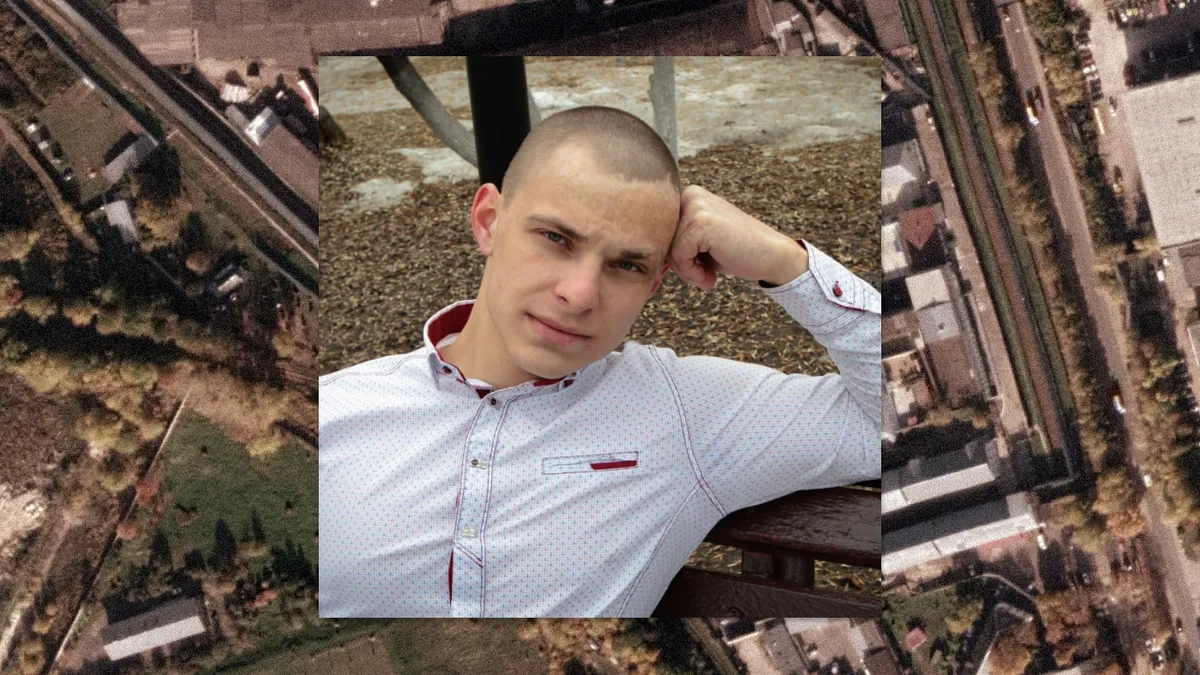 Фото из личного архива; Google © 2021 Maxar Technologies
Меня закрыли, потому что у моих друзей нашли наркотики. Я еще несовершеннолетний был. Они купили наркотики, попались и сказали, что я их угостил, что якобы заставил их употреблять. Хотя они употребляли уже два года. В декабре 2016 года ко мне пришли два опера: «Если ты сейчас не подпишешь всё, что нужно, не признаешь вину, то едешь в следственный изолятор. Там ты свои почки выплюнешь». Я им не поверил, я их послал.
Мне пришили статью 230 УК РФ (склонение к употреблению наркотических веществ), стали вешать на меня пять эпизодов по ней и по 228.1 УК РФ (незаконные производство, хранение, сбыт наркотических веществ), говорили, что я чуть ли не торговец. Я по первому эпизоду, хранению, дал показания, по остальным, которых вообще не было, сказал, что позже дам. Мы с адвокатом еще написали заявление о том, что, если я без него буду показания давать, то, значит, были пытки.
А 31 декабря меня увезли в СИЗО-1 Владимира. Сначала в одной камере сидел, в январе 2017 года меня перевели в другую. Меня там встретили семь человек, сразу связали, начали избивать. Говорят: «Чего там со следачкой не поделил? Ты понимаешь, куда попал?» Я все отрицал, говорил, что не причастен, на себя брать не буду. Меня всю неделю привязывали, избивали, в конце недели с меня сняли штаны и поднесли ко мне половой орган. Говорят: «Если ты сейчас не дашь показания, мы тебя просто изнасилуем». Я согласился, не хотел быть в колонии человеком с пониженным статусом. Они меня развязали. Я подписал уже готовые распечатанные показания, отказ от адвоката, от законного представителя, бумагу, что я хочу сотрудничать с оперативными отделами УФСИН по Владимирской области, помогать им работать.
После этого меня повезли в ИВС ( изолятор временного содержания. — Прим. ред. ) на следственные действия. Один из прессовщиков СИЗО-1 мне сказал: «Ты всё равно сюда вернешься. Если что-либо не так сделаешь, не подпишешь, приедешь — мы тебя изнасилуем». Приехал в ИВС, мне следователь говорит: «Ты понимаешь, за что туда попал? Ты знаешь, что надо делать». Опять сует мне показания распечатанные, я их подписываю, потому что мне деваться некуда. Отказываюсь от адвоката, отказываюсь от отца как от законного представителя. Когда всё подписал, мне дали свидание с родителями сразу, ко мне пришли бабушка с отцом. Я им все это рассказал и меня увезли опять в СИЗО.
Когда это убийство ( в феврале 2017 года заключенный СИЗО-1 в камере убил «прессовщика» Юрия Филиппова. Подробно об этом «Важные истории» рассказывали здесь . — Прим. ред. ) произошло в следственном изоляторе, я начал везде жаловаться. Потому что мой эпизод был один, хранение, я его признал. А мне пять эпизодов предъявили. Начали приезжать из УФСИН с проверкой, говорят мне: «Если ты сейчас напишешь, что этого [остальных эпизодов] не было, поедешь сидеть в ИК-6, Мелехово, тебя там изувечат, сделают инвалидом и после еще изнасилуют». Я испугался и отказался [от жалоб] снова.
Subscribe to the "Big Stories" newsletter Be the first to know about the most important stories in the countryМеня осудили, дали мне пять лет, хотя я на суде рассказал, что пытки были, и про убийство «прессовщика» рассказал. Прокурор говорил, что делали проверку, ничего не нашли, что я обманываю следствие, чтобы уйти от наказания. Меня должны были этапировать в колонию в Мелехово из СИЗО, ко мне пришли, когда я в суде начал жаловаться, сказали идти без вещей на вызов к адвокату. Я выхожу, меня грузят в автозак и везут в ИК-3 на «Моторку». Высаживают, там какой-то боксик для ожидания. Забегает семь человек в масках и без маски Роман Саакян ( На Саакяна жалуются многие заключенные владимирских учреждений, подробно о его карьере «Важные истории» рассказывали здесь . На тот момент Саакян был начальником оперотдела владимирской ИК-2. — Прим. ред. ). Они меня окружили, а Саакян начал избивать и говорить: «Если ты не будешь сотрудничать с управлением, тебе будет плохо». Часа два били.
Я про «Моторку» слышал, что там есть такое отделение, психиатрическое — туда просто возят на ломки. Привозят туда нормальных людей, которые не сотрудничают со следствием, кладут в эту больницу и начинают колоть какими-то препаратами, избивают. Сидел в одной камере с таким: его там в тазик с водой ставили, электричеством пытали в этой дурке.
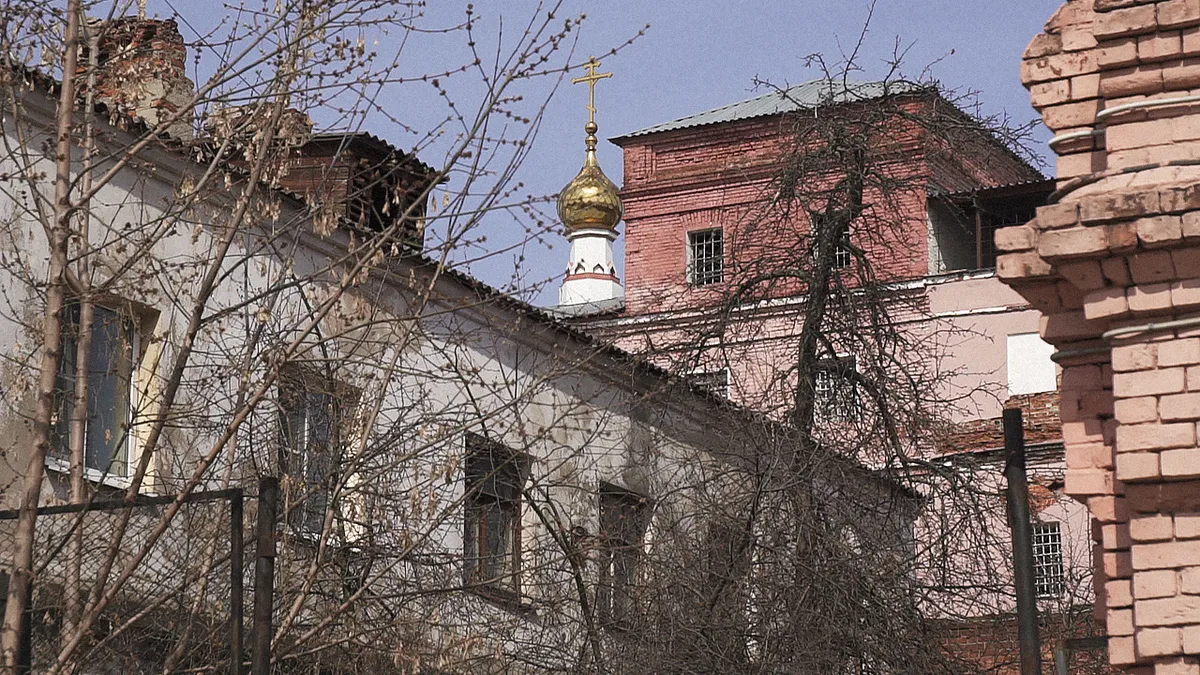 Photo: “Important Stories”
После ИК-3 меня увезли в Мелехово отбывать наказание, все хорошо было, меня никто не трогал, как обещали они. Весь этап избили, кроме меня. Я видел, что одного даже в больницу после этого забрали.
В 2018 году ко мне [в колонию] приехал следователь, сказал, что возбудили дело по факту пыток в этой «пресс-хате» и нужно дать объяснительную. Я не испугался, дал все показания. Следователь настоял на том, чтобы меня закрыли в безопасное место. Меня закрыли на 90 суток в ЕПКТ, я там один сидел. Меня содержали как злостного нарушителя, хотя у меня ни единого рапорта не было, только поощрения. Потом подняли на отряд, хотя я просил о переводе в другую область, потому что один из «прессовщиков» в СИЗО-1 был в той же колонии. Там меня позвали на разговор к еще одним «прессовщикам», они меня били часа полтора, пугали. Но я так и не согласился с ними. Я знал, что они меня не изнасилуют, потому что видел документы, где следователь просил начальника ФСИН о моей безопасности.
Меня увезли на следственные действия, и в итоге мы осудили одного из «прессовщиков» из СИЗО-1, Егора Куралева. Потом еще поехали по оперативнику СИЗО-1 Василию Воскобойникову судиться, уже в 2020 году ( В сентябре 2019 года участника «пресс-хаты» Егора Куралева осудили по статье об истязаниях, оперуполномоченного Василия Воскобойникова в ноябре 2020 года приговорили по статье о превышении должностных полномочий к трем годам лишения свободы с запретом работать в системе ФСИН в течение полутора лет после освобождения. Подробно о расследовании дела об организации пресс-хаты в СИЗО-1 Владимира «Важные истории» рассказывали здесь . — Прим. ред. ). Только его осудили [из сотрудников], хотя со мной в СИЗО и другой оперативник говорил, спрашивал, буду ли я в «пресс-хате» работать, им помогать.
Начальник СИЗО, Алексей Емельянов, теперь вообще в Москве во ФСИН генерал какой-то засекреченный, он даже судье не сказал, кем теперь работает ( «Важным историям» не удалось узнать нынешнее место работы Емельянова. — Прим. ред. ). Он был на суде, всячески заступался за Воскобойникова. Меня в это время во «Владимирском централе» держали, в одиночке. Меня там не трогал никто, не подходил вообще. Просто давили тем, что я сидел один, и тем, что целыми днями музыка играла.
Потом я подал заявление, чтобы мне остаток срока заменили на исправительные работы, мне его одобрили, а после этого уже отменили приговор. И я на суды по Воскобойникову ездил уже как свободный человек.
Editor: Alexandra Zerkaleva
Support thosewho is telling the truth! You can become our donor by making a one-time or monthly donation. We want to depend only on you - those who want to know the truth, those who are not afraid to be free. Help us tell you the Stories That Matter.Support Important Stories