
Translated material
"We were deceived." Evenki villages die out in the Angarars
In the bend of Lena in the Kachug district, whose name has gone from the Evenki Kocho, denoting the bend of the river, there is a whole scattering of Evenki villages. Twenty years ago, they were densely populated by Evenki-hunters, who lived in the sale of skins of a fur beast. Now in the very populated of the villages there are no more than a dozen people. How the Evenki-hunters live in the village of Chinong, which the spring thaw is cut off for several months from civilization-in the report of the correspondent of Siberia. Realities.
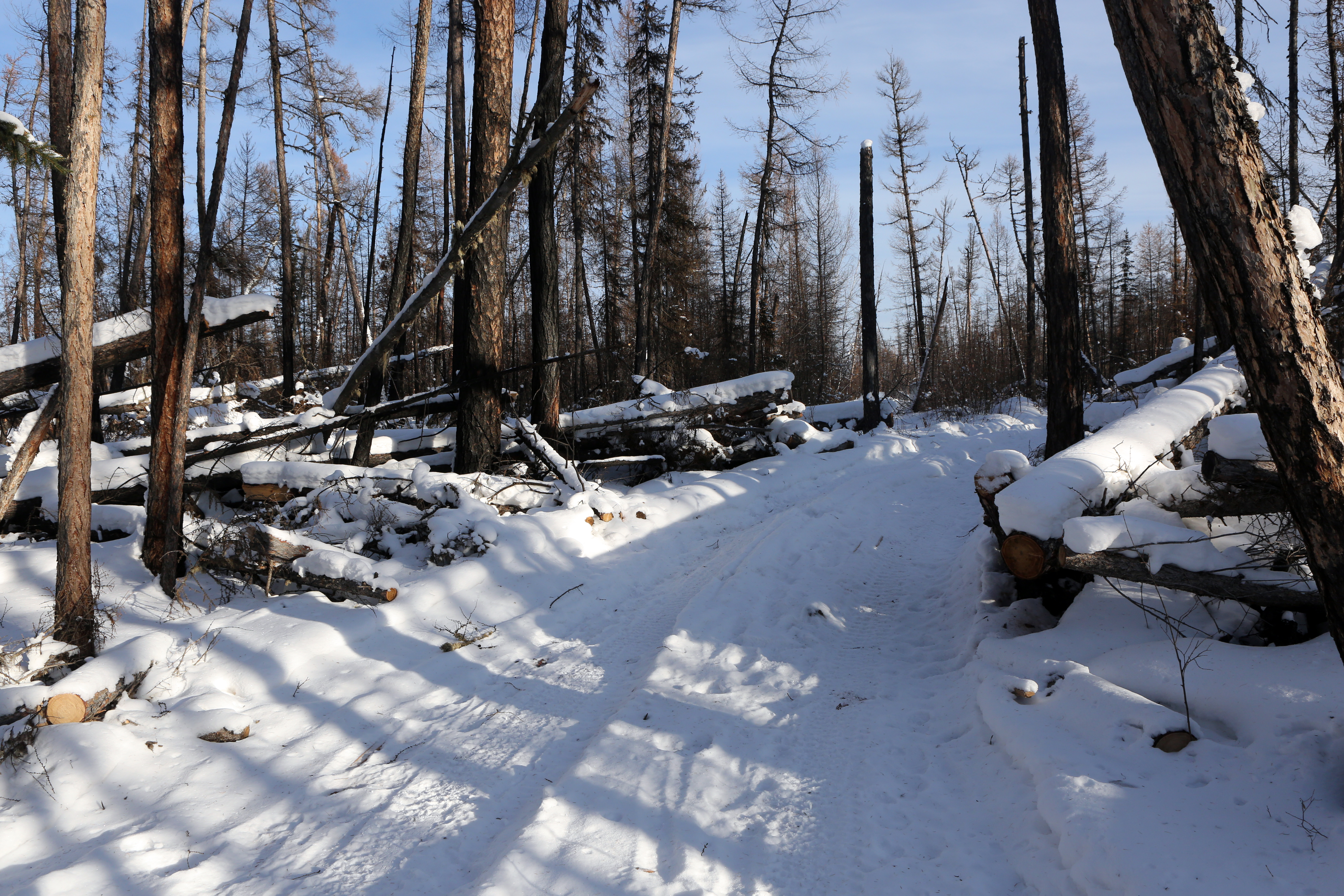
Ax and guns - road set
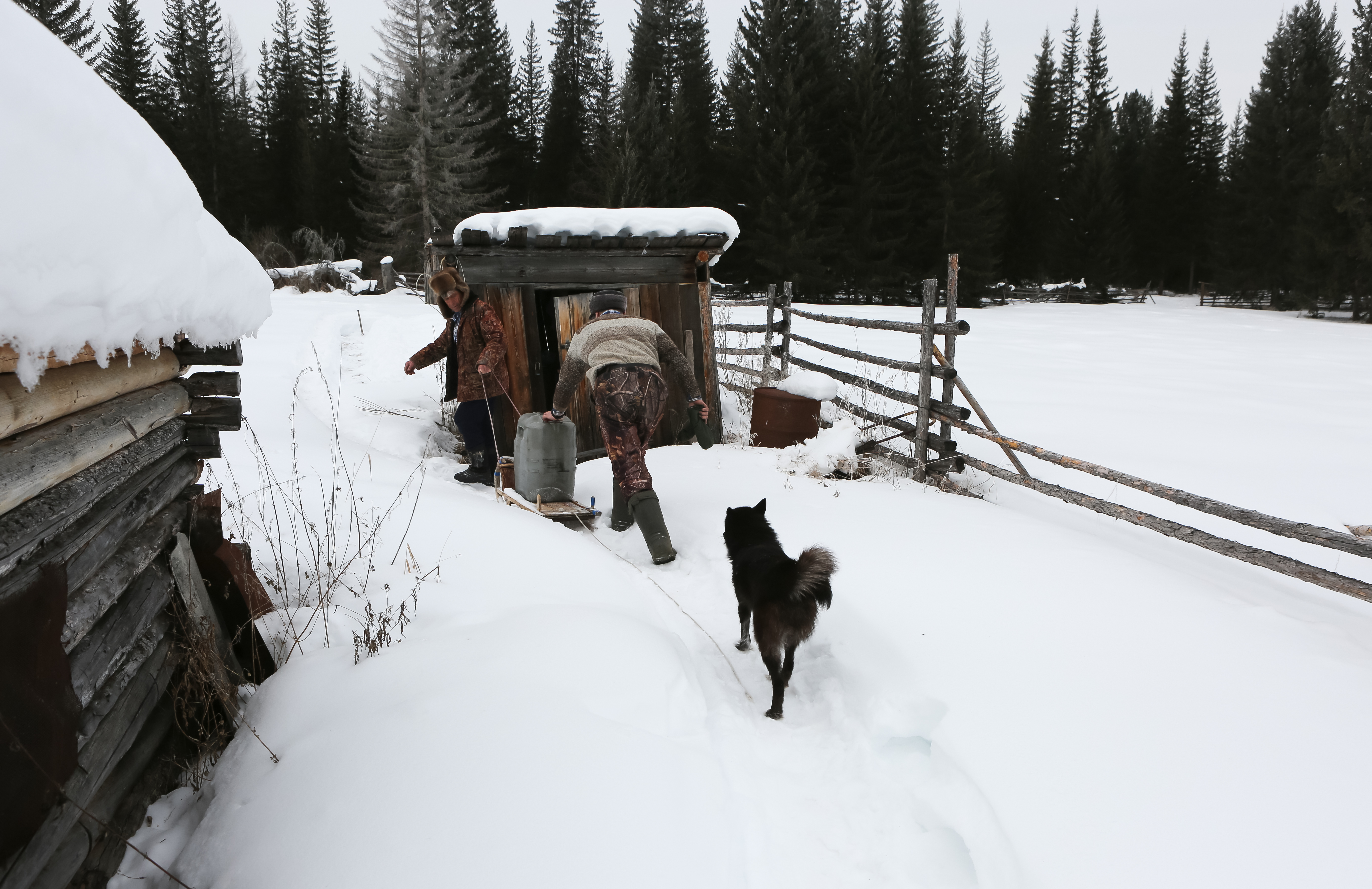
In order to get to the chinning, you need to stock up on fuel and a large road set, which usually includes a good ax, saw, jack, guns, ideal - satellite phone: there is no place to wait for help in this wilderness.
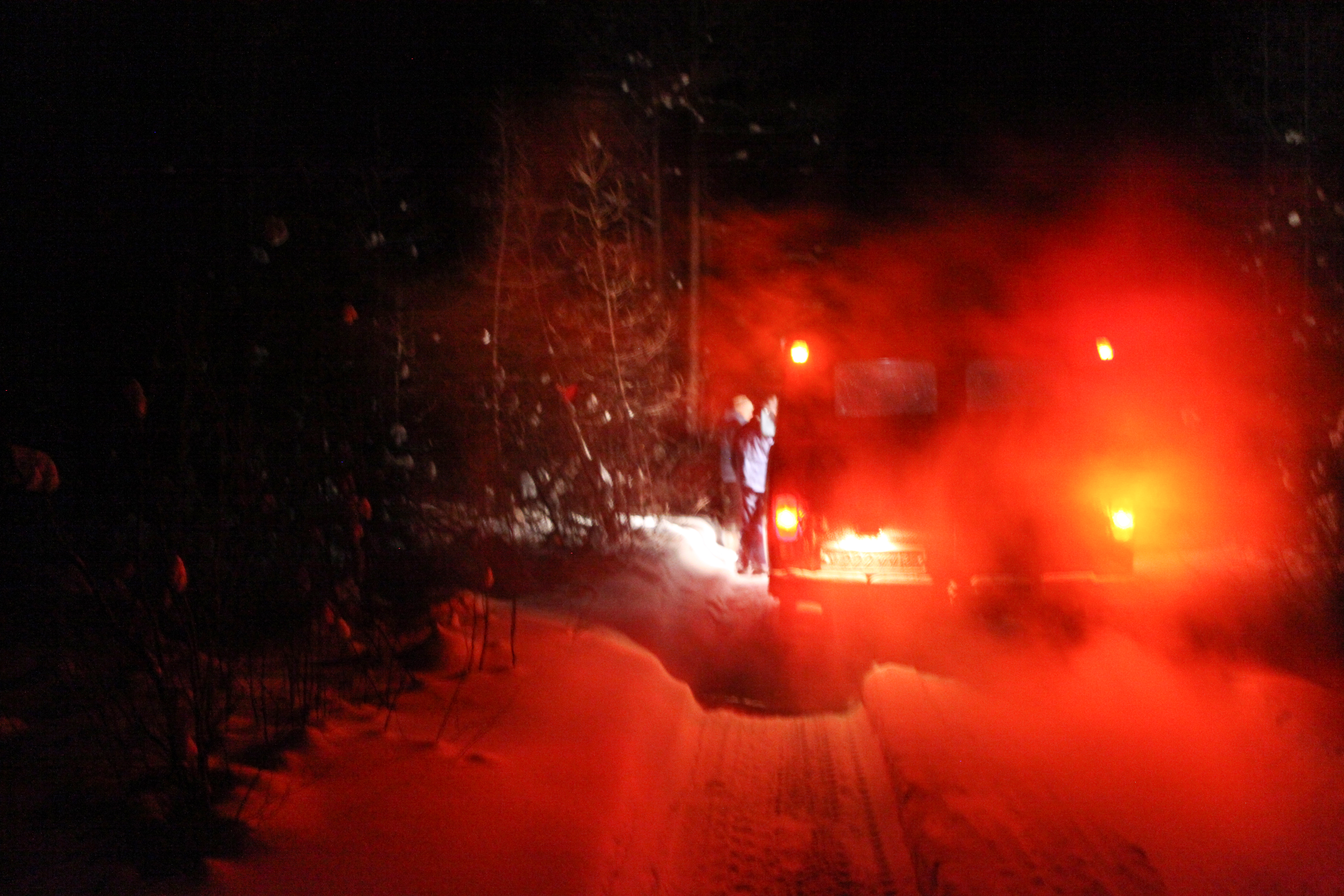
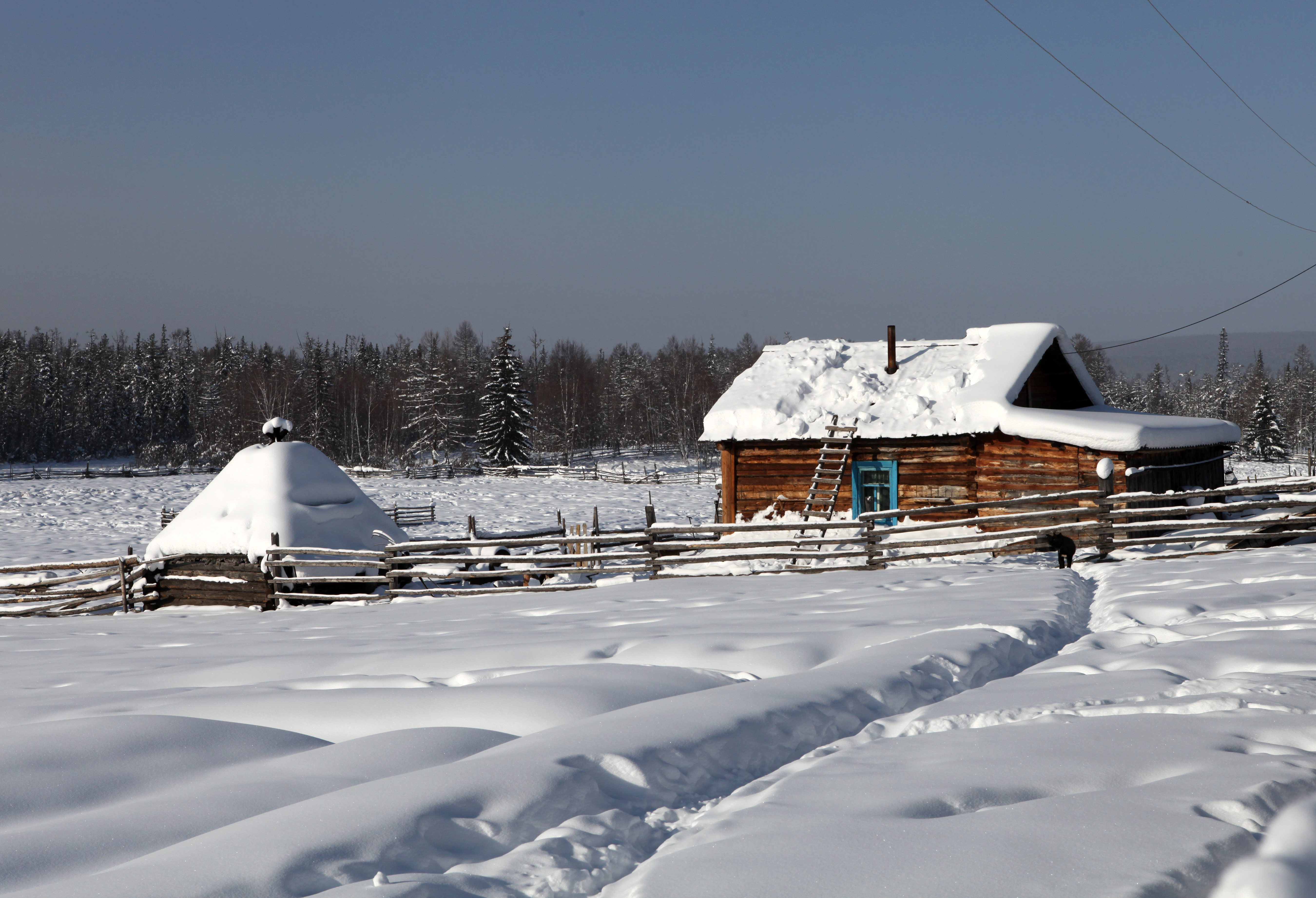
The usual cellular communications and electricity ends about 80 kilometers to the chinning - already at the entrance to the borrowed in Yukhta the useless phone can be turned off. Here, in the place of the once large village, Irkutsk businessman erected something like an estate: he divorced rabbits, sowed the fields of oats to attract wild goats. He himself arrives at the weekend, the rest of the time the watchman is looking at the estate, just in case, noting who drove by.
Travelers usually immediately take a course on Shevikan, which is still 15 kilometers. In Soviet times, the collective farm "Shock Hunter" worked here. Despite the name, the collective farmers were mainly engaged in grain sowing and cattle growing. Admission to the taiga was strictly limited. Hunting rifles were taken from the men, and they, as they could, hid the trunks until the best of time. Until now, when analyzing old houses, people find a double -barreled. Until 1953, residents turned to the area, the region, they say, even to Moscow, trying to change the status of the farm to the commercial: alas, nothing happened.
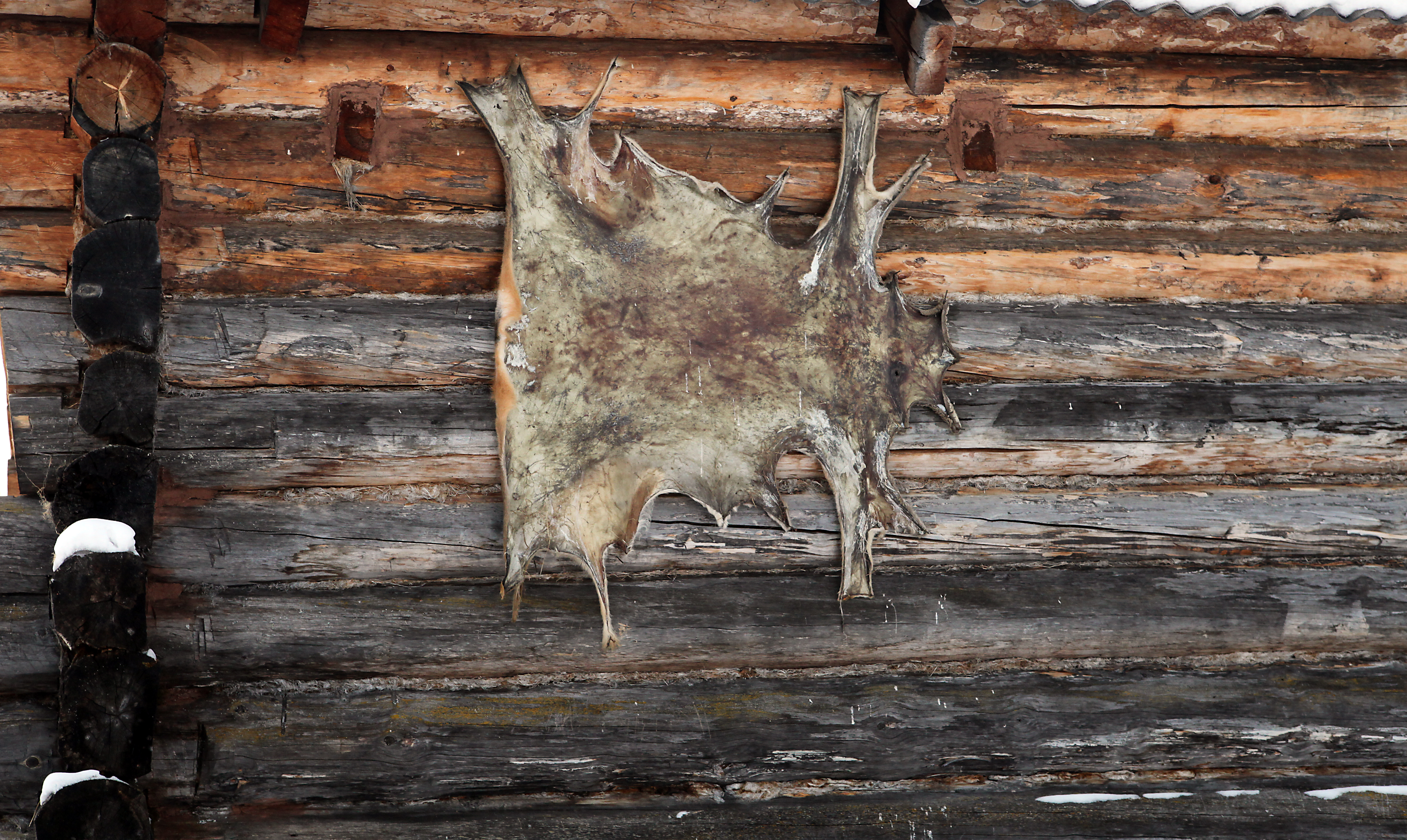
Today, several houses survived in Shevkan, which hunters use as transshipment bases. Pensioner Nikolai Chulin comes to his father's estate for many years, lets the peasants at the wait, although he no longer hunts, walks only for lingonberries.
“In the year before last, I went to my lrunchik on my own hole, and the bear scolded me ( tracked down, stolen. - S.R. ), now, a guy,” says Nikolai Romanovich. - I drove along the path normally. True, Lyska, as a bad one, tried to start jumping, but I still did not understand anything. And when he was returning, then near the bridge the bear rushed at us, I don’t know how I got in the saddle. The horse shied to the side, the bear only clawed on the saddle, now, man.
In the old days, forest fires and other natural disasters bypassed Shevikan side, and the locals believed that they were protected by a miraculous icon from troubles. The work of masters of the 18th century is a four -part iconostasis, which depicts a George the Victorious, Nikolai Miracles, Maria Egyptian and Rev. Anastasia, the Holy Martyr Vlasius and Modest (are considered the patrons of cattle breeding), was stored in the chapel on the edge of Shevkan ( by the beginning of the 19th century, almost all the Evenks were already baptized; Russian The Orthodox Church specially sent missionaries to the north, who often connected the shamans to their help.
In the 50s, activists of the party cell decided to roll out the chapel, and build a club out of logs. The strip began with icons and lamps - they were thrown out into the street. Shevkan residents, as they could, saved the objects of the cult. Ustigna Lobova secretly brought home the largest icon, hiding her behind the closet.
Close relatives, including party organizer Grigory Davydovich, knew about the whereabouts of the relic, but kept a secret.
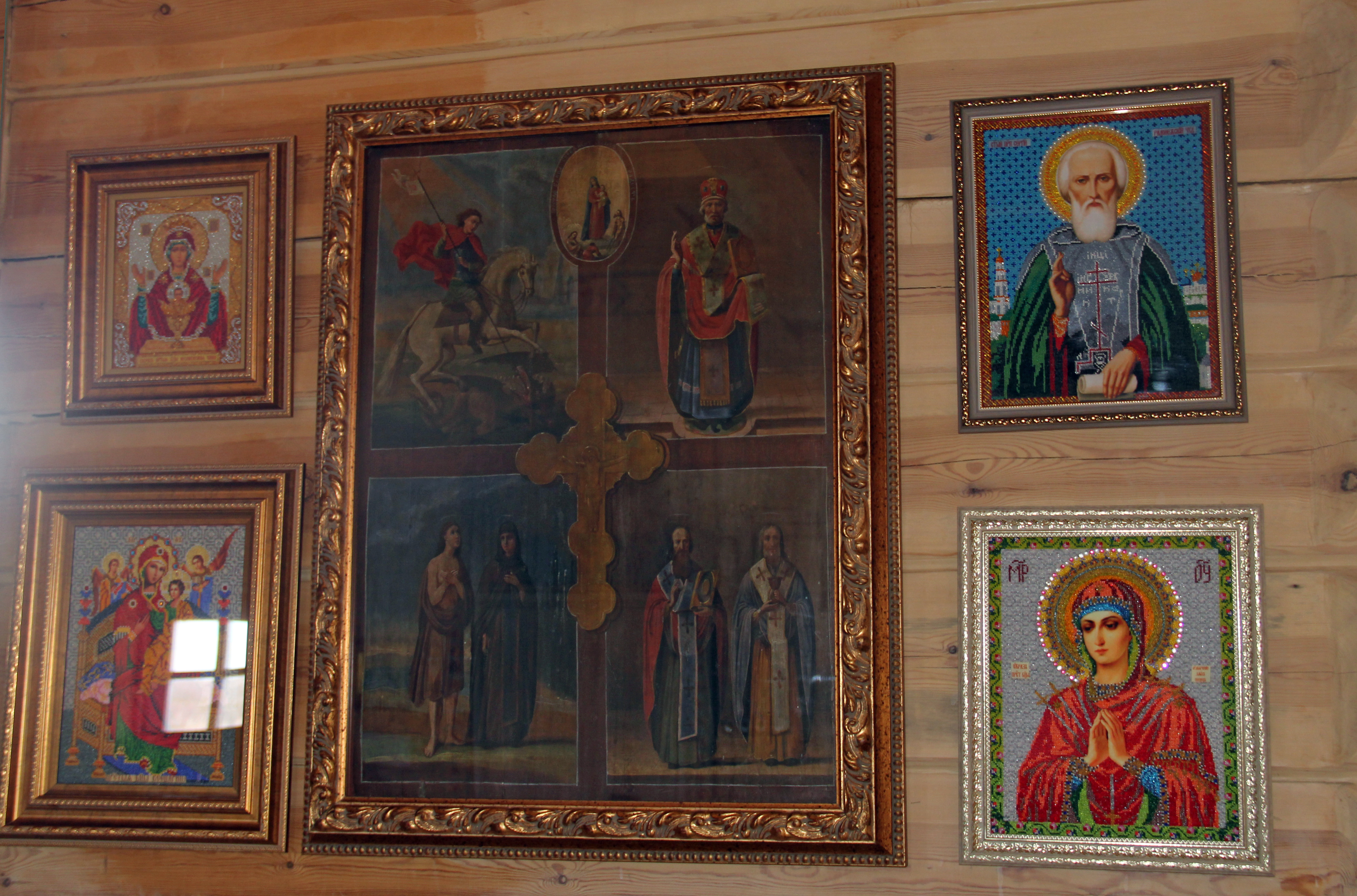
A few years later, the owners of the house moved to Kachug.
“She asked her mother why the iconostasis was not taken away,” recalls Ustinya Lobova’s daughter, 85-year-old Albina from Kachug. - He says that many times they tried to take him out of the house, but they seemed to be left near the threshold, and left the iconostasis behind the cabinet. When the husband did not go along with the hunt, he began to wipe the icon - and immediately mined. Believe me, do not believe.
Another case that the locals are directly associated with the icon occurred in the village in the summer of 2015.
“We went to Shevikan with a comrade to a family meeting,” says Alexander Rudykh . - A big relative gathered, they remembered everyone almost to the fifth knee, talked. Everything was fine, and in the evening they unexpectedly argued about the icon stored in the hut of the frontal ones. I don’t remember how it all started, I don’t know why I doubted its significance, even scolded a little in the end. Women asked to stop the dispute - they say, this is not good. The next day, everyone went home, including we. This is where something happened that I could not explain. Just left the village, I asked to stop to get water on the road - after yesterday I was thirsty.
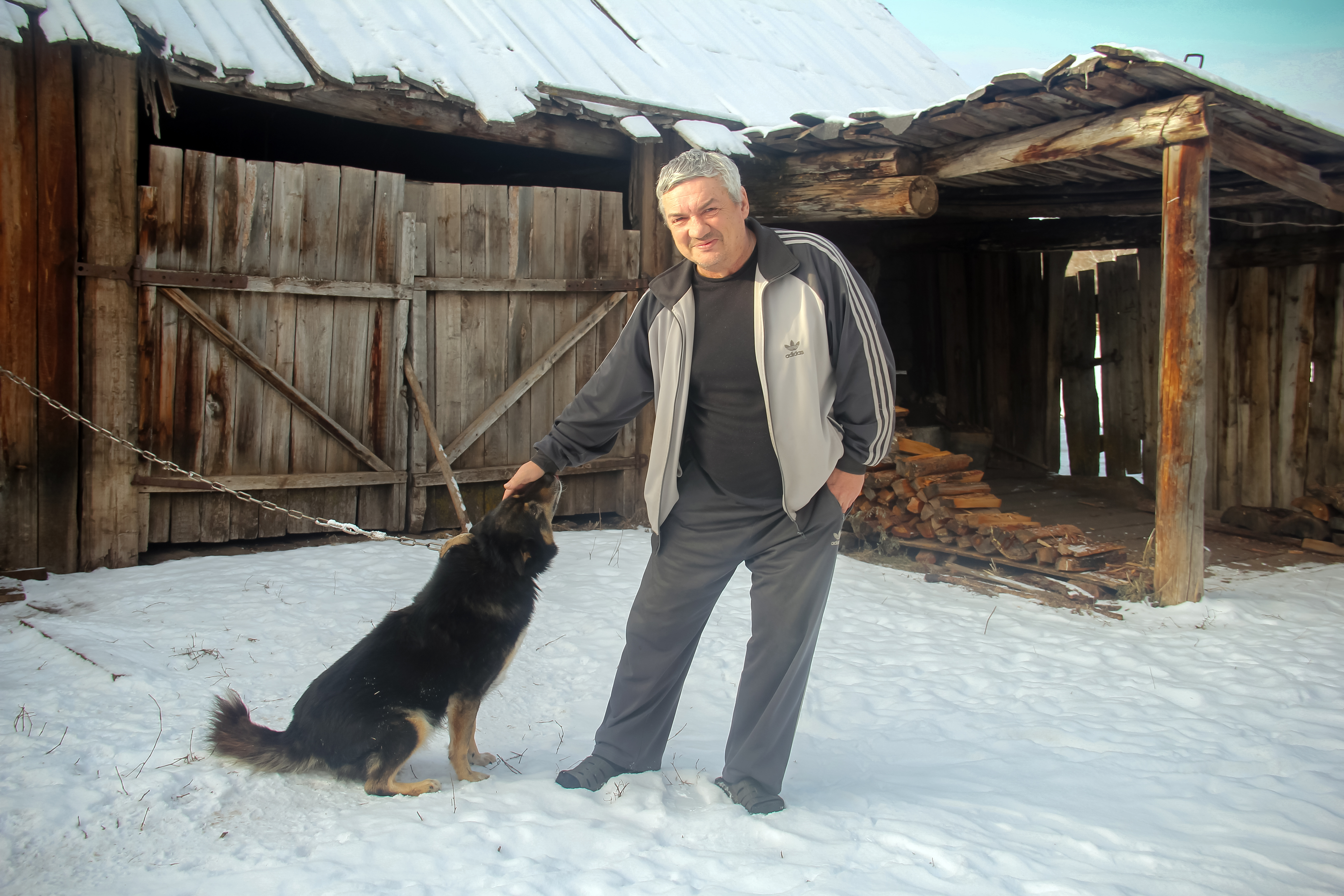
- The shore is steep, I moved a little further, where a gentle descent. There was, maybe two hundred meters or a little more - and I got lost. Can you imagine? As if the veil formed in front of me. It began to rain when I went out onto the road again, I didn’t find any traces, I stand in one T -shirt and boots, in my lighter pocket, in my hands a bottle of water. I don’t understand how many minutes have passed, the hours where people. I have not heard either the voices or the signal of the car. Night came, then day, again night ...
He was helped by the skills in a military school in the forest: in a degree in Alexander Aviation Technician, he studied in Leningrad.
- Then the men all nested me: why didn’t the river go with the flow? It is easy to reason from the side. Then there was a drought, the river shallow, even it is not clear where it was running. And the veil did not fall. I spent the night by the fire, I thought a lot, mentally asked for forgiveness from everyone.
On the fourth or fifth day, Alexander began to take off the pauses and eat them, washed down with water. Suddenly I came across a winter house, in which there was no one for a long time. I found a little flour in the barrel, but it was so faded that there was impossible from it.
- But the half -banks of the honey came by the way - he was eager with boiling water. Not far from the hut stumbled upon the hunting tower, climbed and fell asleep on the foam mattress. At the height, I lay for two days, restoring my strength, - the Rudykh re -experiencing my wanderings.
About a week later, being in a half-fainting state, Alexander stumbled upon a solid winter of the inspectors of the Baikalo-Lensky reserve. Inside I found a large supply of products and clothes.
- There were cereal, condensed milk, cookies, a jacket and trousers hung. I spent a week on the cordon, hoping that the inspectors would appear, at the same time it was necessary to treat my legs - the skin hung with shreds, but by that time I did not feel pain. Nobody appeared in the winter house, and I went down the stream, realizing that most rivers flow into Lena. When I got to the winter of the Kolganov brothers, I saw a watchman at the fire, I realized - he survived! Having reinforced, he decided not to stay up for a long time, but to move on, about 40 kilometers remained to the house - nonsense compared to what had already passed. The main thing is to understand where to go. Wandering, clearly realized that this was such a punishment for doubting the importance of that icon in the Lobov family, and I gave myself the word: I will be alive - I would definitely swipe. My relatives have already buried me, collected wake, because 28 days have passed since the loss, and only my mother believed that I would return. And I returned.
And in 2017, in 2017, the icon, which was stored for more than 60 years, was transported from an abandoned village to the center named after St. Innocent, which opened in the neighboring village of Anga.
From hunting to hunting
The noise of a helicopter, which laid several circles over the taiga in search of a suitable place for landing, violated the quiet measured life of the Evenki village of Chinongi. The last time the helicopter was seen here last year during the arrival of the governor’s election, and before that two months earlier - on voting on a change in the constitution. The voting procedure, according to the locals, passed so quickly that no one had time to sell one liter of cranberries, although in previous years during the elections, according to the memoirs, the trade was briskly. Evening policy treats indifferently - they do not see the direct connection between the results of voting and life in Chinong, they know a couple of federal and local politicians, and that’s all.
- Putin, of course, I know, and Zhirinovsky, that is what Shchapov ( a native of the Kachug district Mikhail Shchapov, a competitor of the current head of the region Igor Kobzev in the September elections of the Irkutsk governor. - SD ) from the locals. I don’t know who [voted] for whom, we are not talking about it. It is more important for us to sell the berry to teachers or doctors from the area who entered the commission - we will sell a lot, consider the elections won, ” Vadim Nikolaevsky jokes the old -timer.
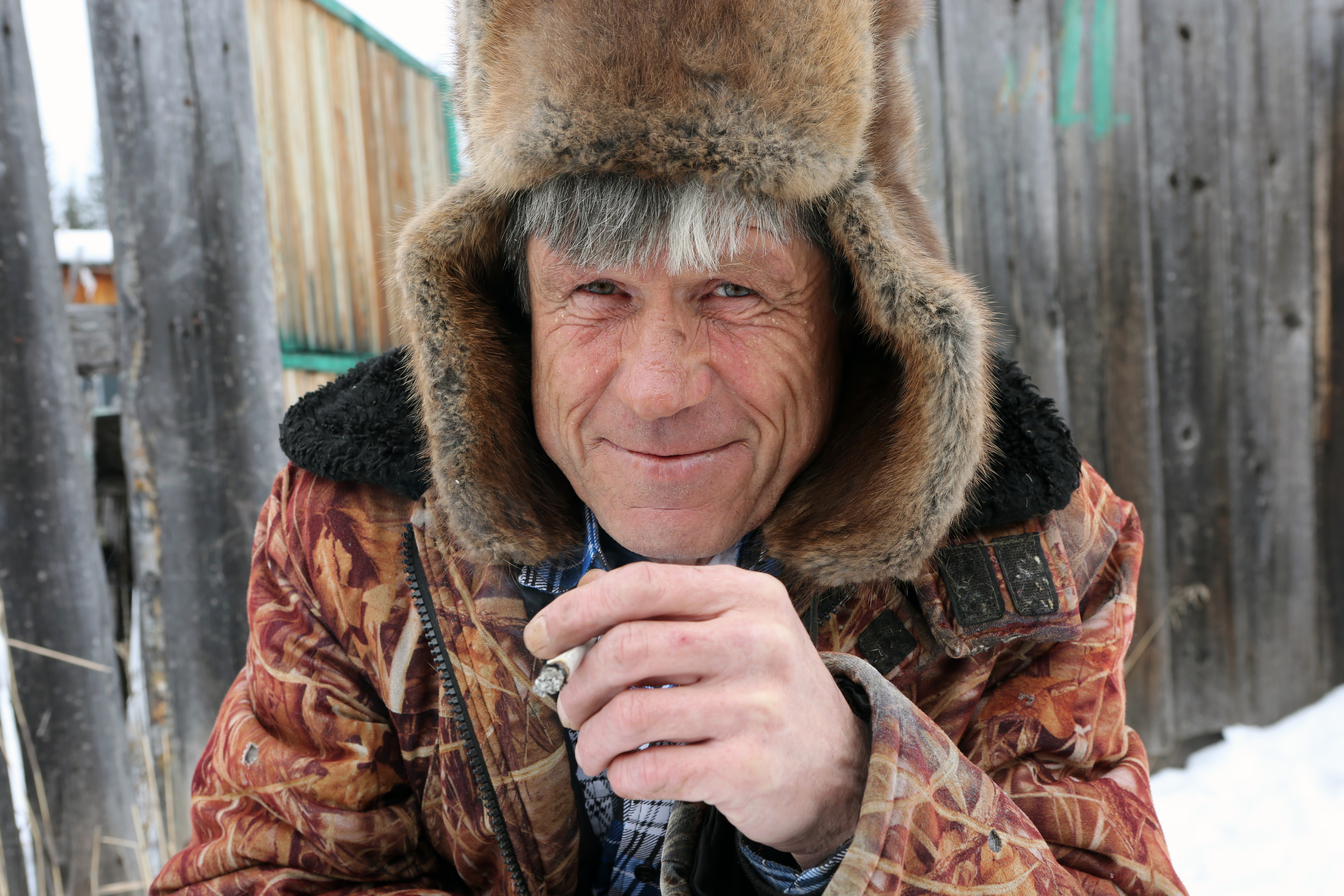
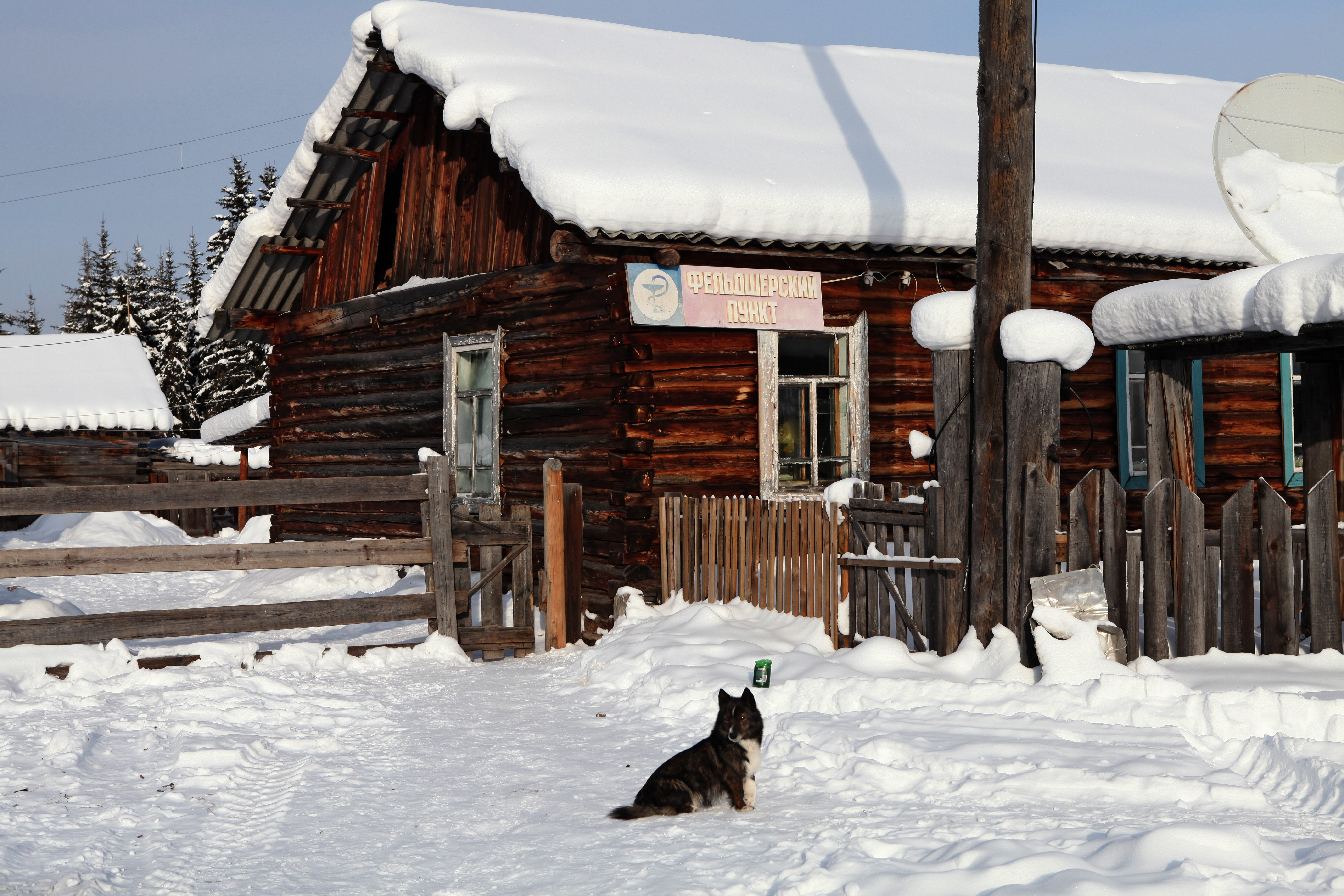
Since the only paramedic point was closed in the village more than 15 years ago, the urgent medical assistance of the Chinongs can receive urgent medical assistance only by calling the Helicopter of the Ministry of Emergencies. They try not to abuse this: over the past couple of years, a helicopter of rescuers in Chinong flew only twice, once by mistake.
“I think that something happened if the helicopter was sent,” says Vladimir Skornyakov, the head of the hunting community. -From the cabin of a helicopter, someone shouts to me: "Man, where is the sick?" I say: "I am not in the know. What is the sick?"
I hear: "A woman with acute appendicitis where?" -"So, today there are two grandmothers in Chinon: my Nina, she is alive-well, they just drank tea, and Masha, who was still sleeping, probably came from the district center yesterday."
"Is there still?" “There are no others,” I say. “For the winter they left for Kachug, they will come soon.” - "Is this Chanchur?" I realized that non-named, since they do not call the villages in our way. We say - Chanchur. "What are you, this is in a completely different side!" - "Far?" - They ask. "Directly 100 kilometers, maybe. Does the pilots have no map?" I don’t know how the story ended, but they flew out of the chinning.
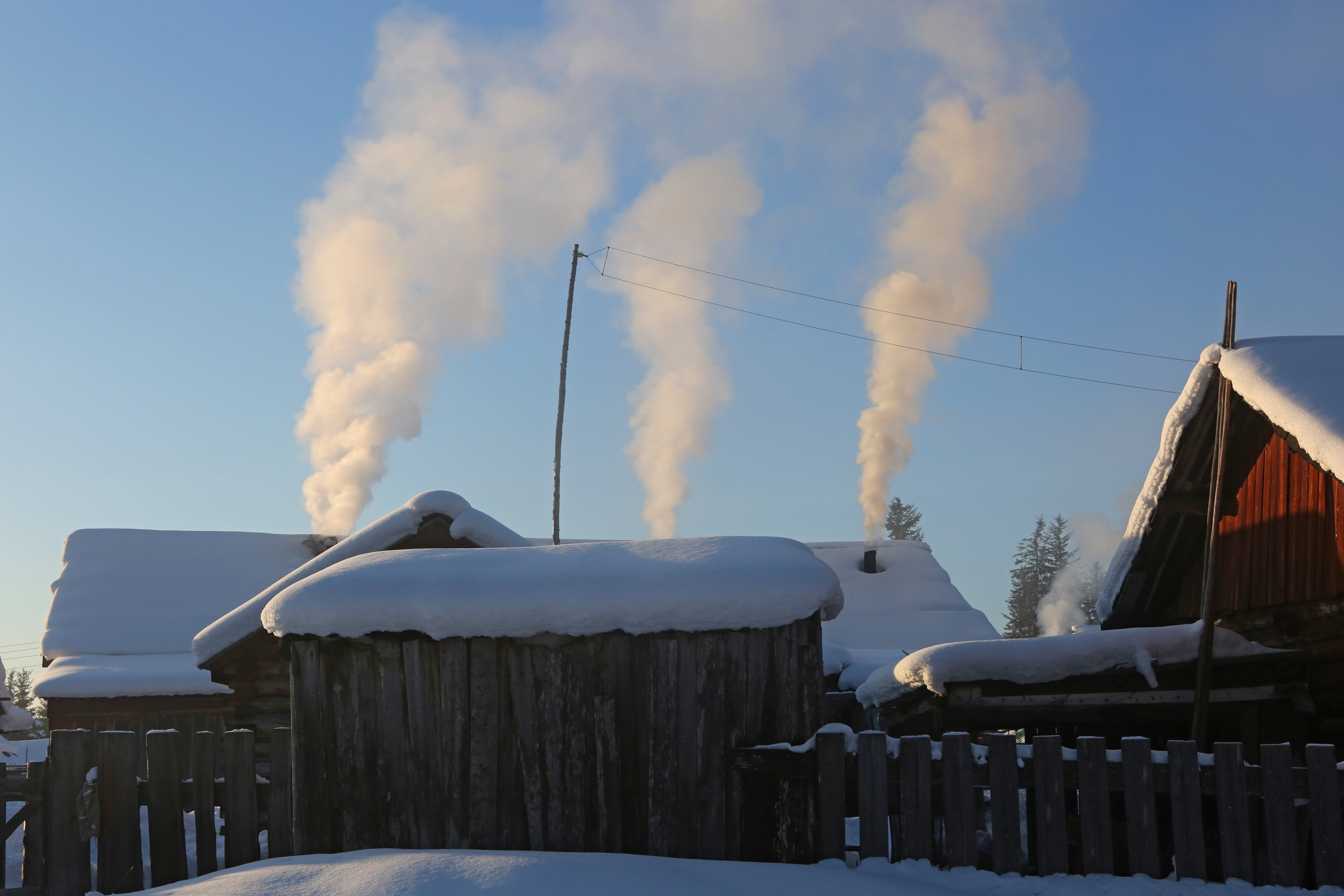
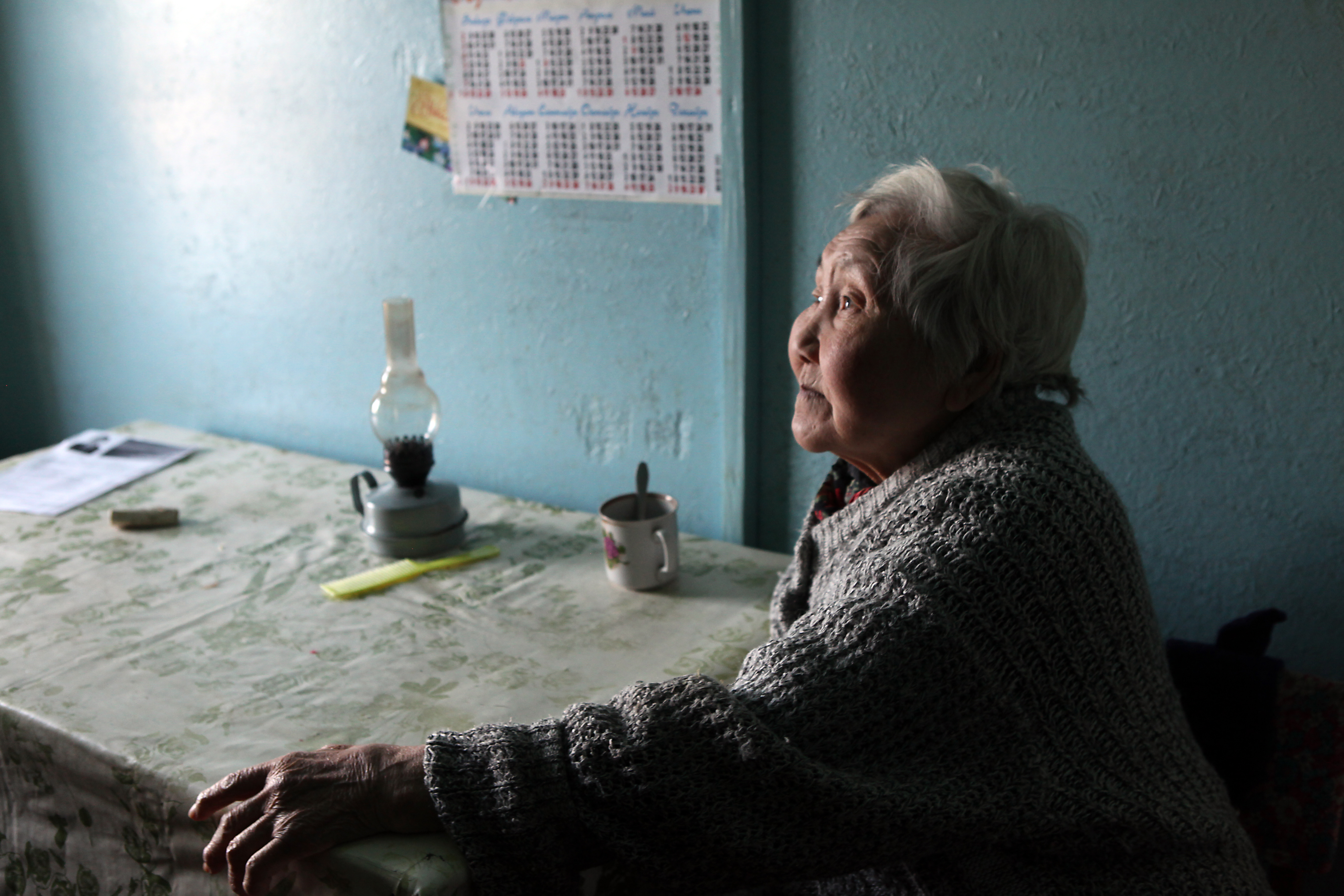
The helicopter incident will be in the top of local news for a long time - in Chinong, rarely what happens. It is not customary for the Evenks to sober up to the whole village even about large prey, whether it is a raisher or a trophy lenok, there will be no farm. Life among the taiga is subordinated to the natural calendar, here its own rules of behavior and measured success. Here they are not happy about Fridays, Mondays are not upset, and the wall calendar is almost the most useless thing in the house. However, men wrap the Mahorka in his leaves. The news here is not divided by the geographical principle, messages from Irkutsk, Moscow, and even from Washington, for residents of Chinongi - information from the parallel world.
The basis of the well -being of the Chinong families is hunting. If the head of the family managed to get a large beast - a habitat, a snoop or at least a couple of goats, live satisfying. Otherwise, they interrupt with fish, hoping for a more successful neighbor - in Chinon they must share meat with fellow villagers.
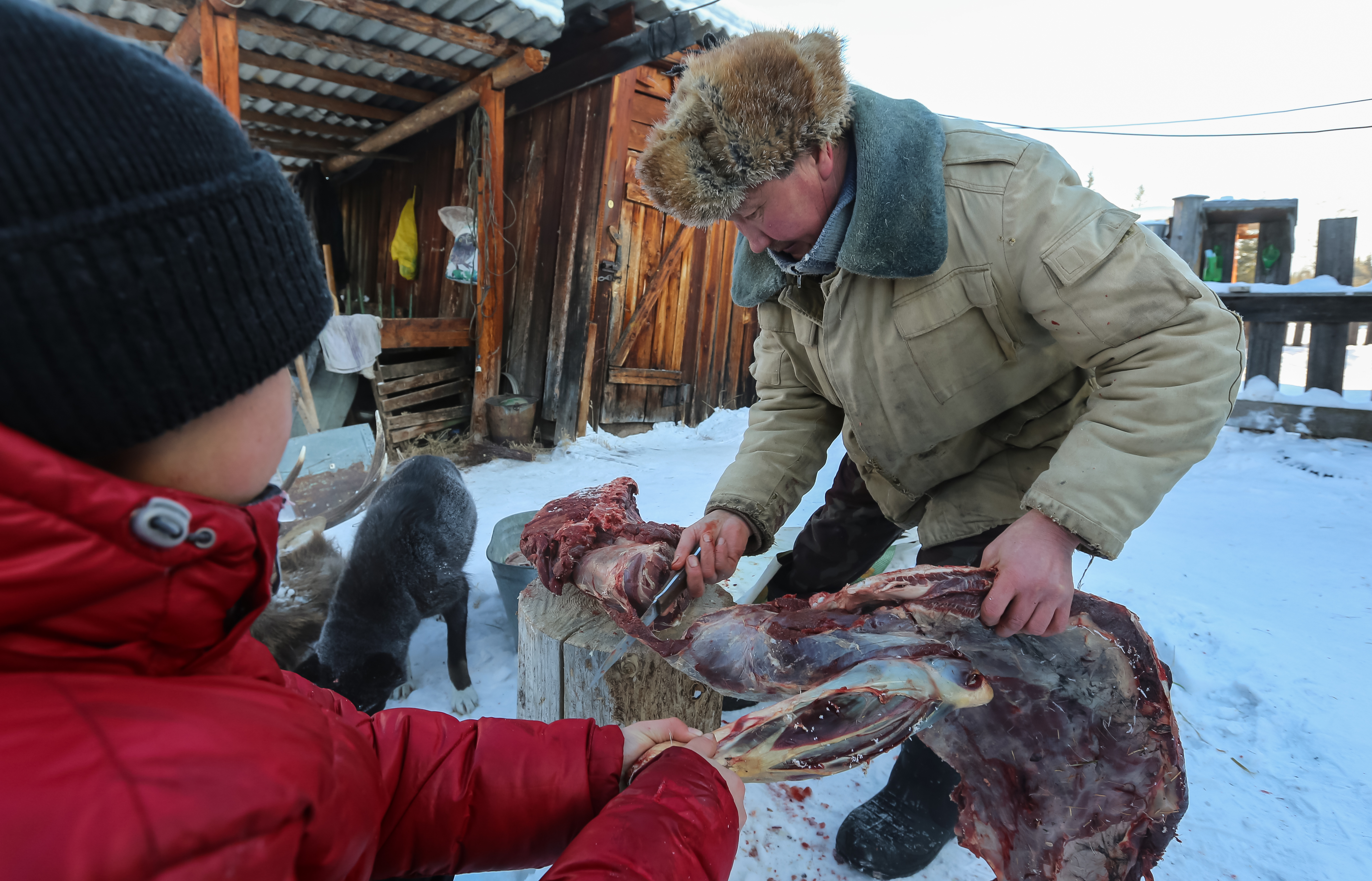
A separate article of income was and remains sable.
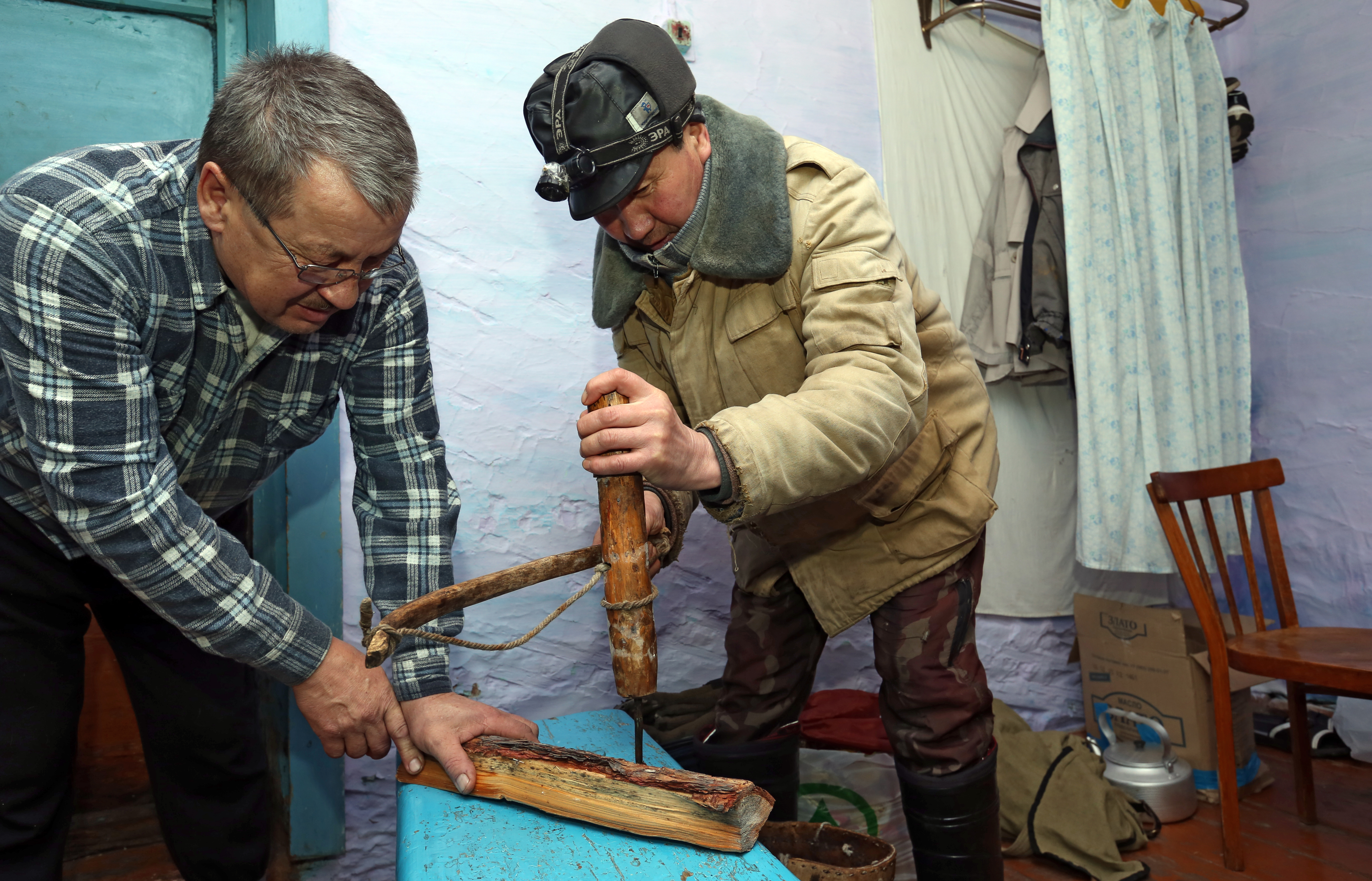
- It happened that men for a good season brought 100 skins and more. No one will ever tell you - Fortune will turn away, ”explains the experienced hunter Georgy Safonov . - Without acute need - for example, you need to buy a boat, motor or gun, the fishing industry do not hand over all the goods to resellers - the next year it can be lean. Due to the drought or fires, for example, the berry, cedar nuts will not be laid, because of this-the bird will fly away, and sable migrates behind it. Then we climb into the family "cube". But actually keeping so much less sense.
The price of "soft gold", according to hunters, steadily falls for many years in a row.
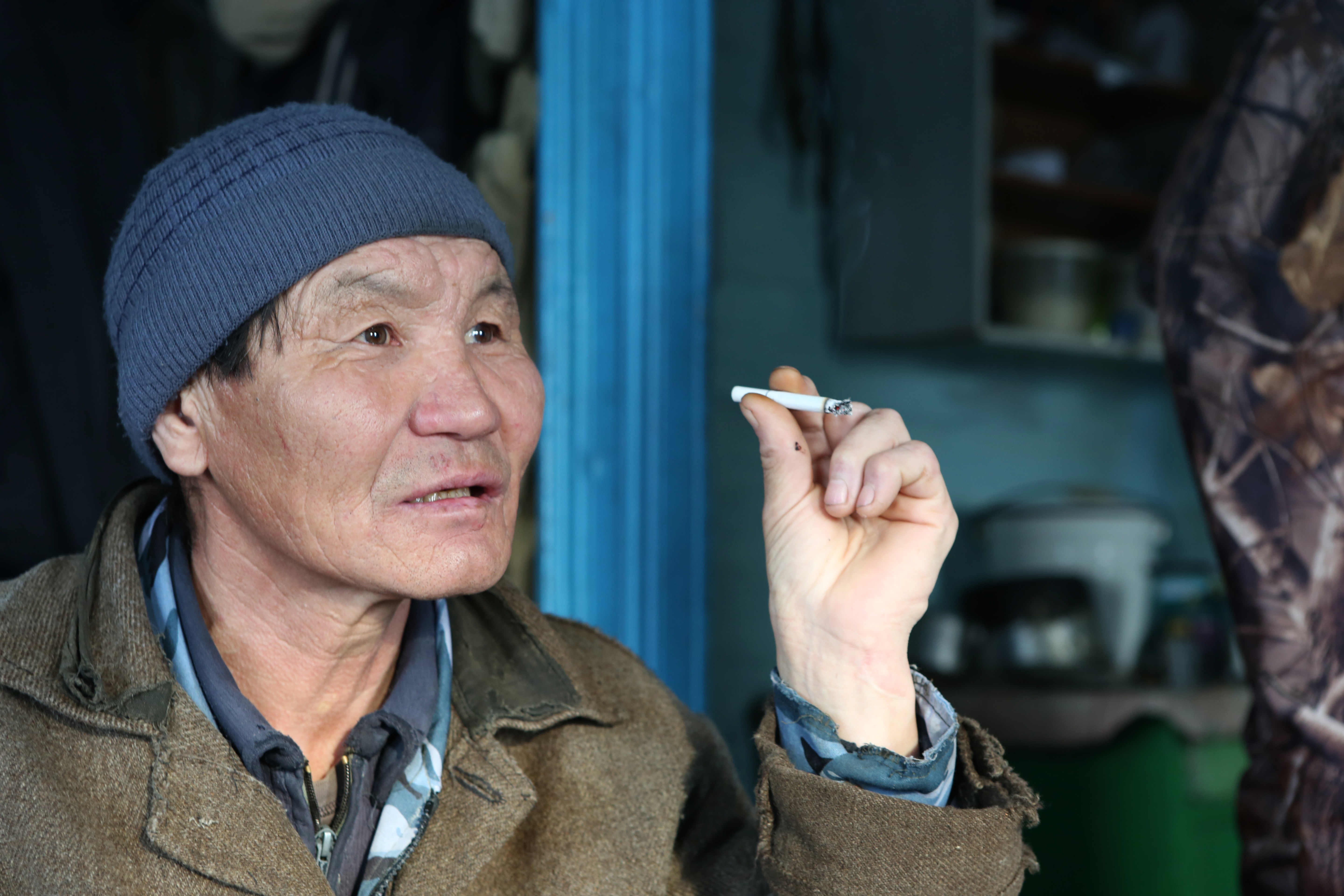
- Luck today sell an excellent sable skin with a session for three thousand. No, not dollars, but rubles, ”Skornyakov nods approvingly to the journalist’s calculations in a hurry: the annual revenue of the hunter's family at best reaches 200 thousand rubles for the whole family. - First -stage expenses - gasoline, ammunition, boat motor. The fuel is imported by the winter road, so about 400 liters are needed at once. This is a minimum, in the well -fed times in every yard there was a ton of gasoline, no less.
Store and first -aid post closed, the club was left
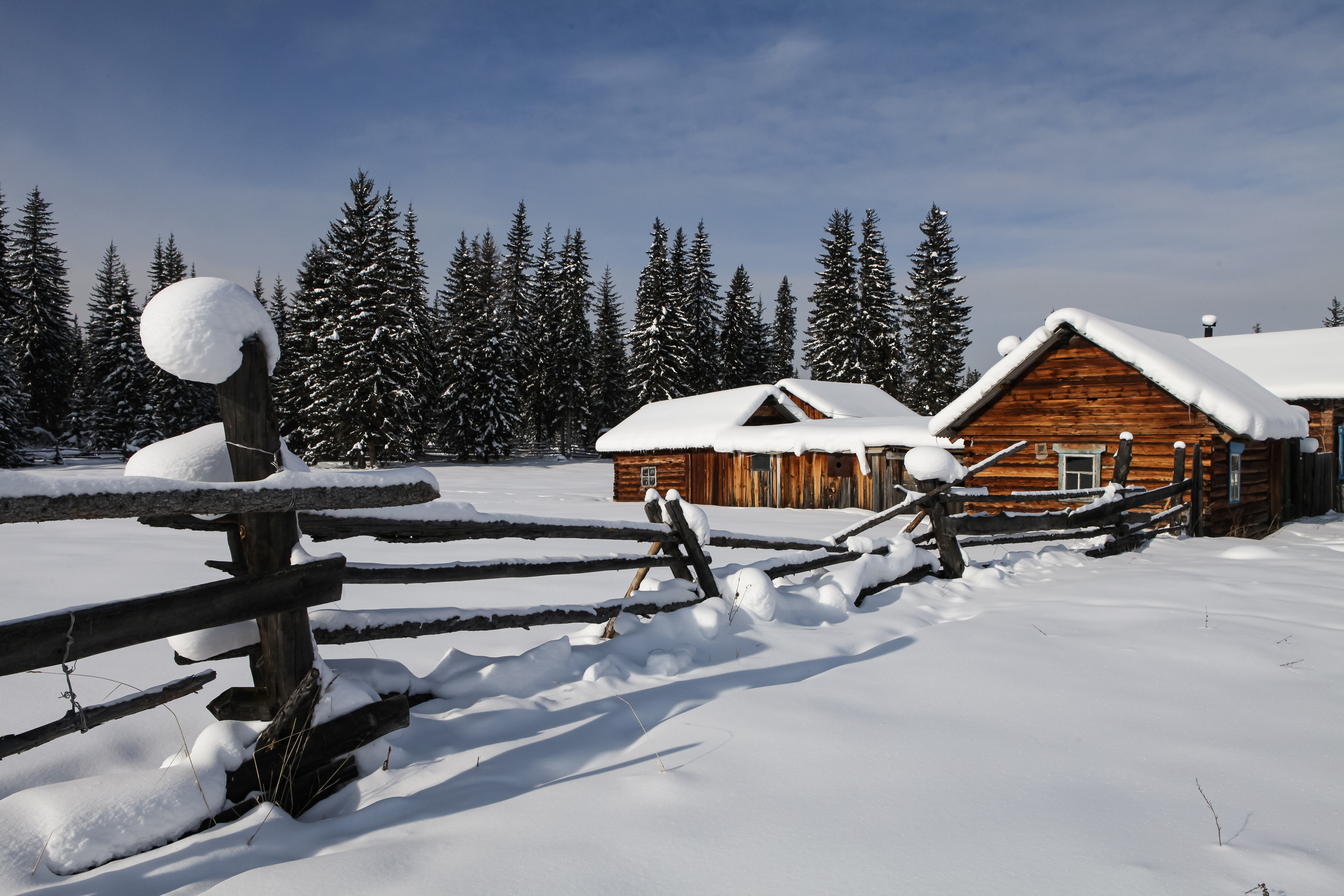
No one knows the exact date of the foundation of the village today. It is known that in 1928, on Bolshoi Saghan ( family meeting.-S.R. ) it was proposed to relocate the Tuturo-Ochuul Tungus to the Katanga district. Then the idea with relocation was transformed into the idea of creating the Upper Tutur camp. So the villages of Murinya, Tyr, Chinong, the top of Tutura appeared.
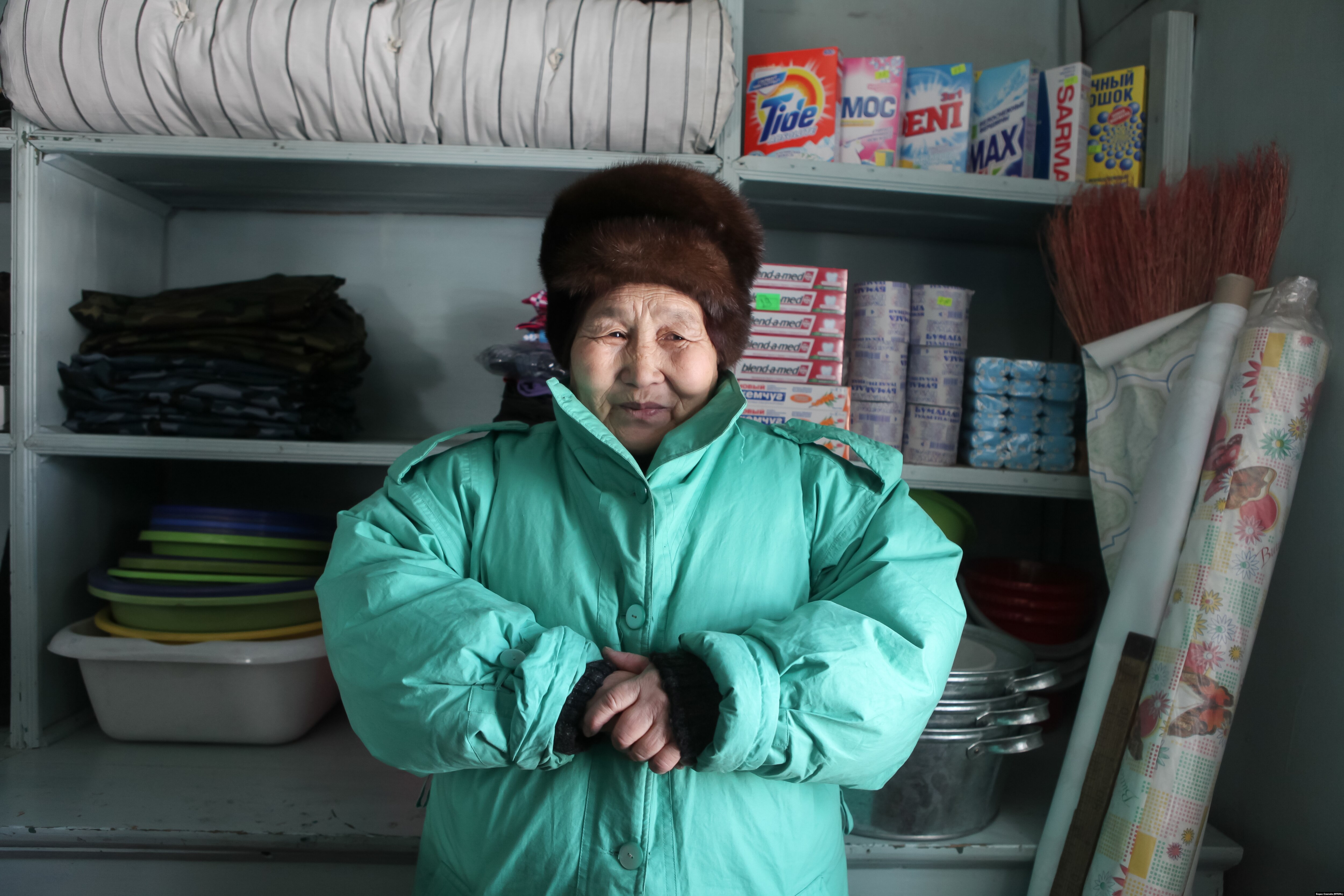
“At first we lived in Murinier, the families were big,” recalls Evdokia Innokentievna Monastyreva . - From morning till night on the street, children's laughter, noisy. Then we moved to the chinning. I worked in the store until it closed in 1996. The goods were imported once a year. The products were disassembled and placed on the shelves for a week, no less, a lot of things were brought: flour, sugar, salt, canned food, cereals - this is always a lot. Just imagine: the salt ended at home - where to run? To a neighbor? And he also does not have, but to the nearest store more than a hundred kilometers. The demand for salt increased sharply in the autumn, during the period of the harvesting of fish. Soap, washing powder was necessarily brought, the peasants of one smoke, probably half a month - were disassembled. Behind my counter lay a debt notebook. Not everyone had money and did not always, but I want to, smoke - all the more, so they asked to let go for the recording. That's what they have never been imported to the village with me is vodka. I immediately set the condition - no alcohol, the trouble is for ours. How many young ones have gone ahead of time because of him.
The alcohol niche was safely filled (and filling now) the buyers of furs, berries, they generously supplied the hunters with "fiery water", taking the goods for nothing. There were cases when, for example, a bucket of lingonberries or cranberries were given for a “bastard”.
“The 200-gram bubble, count, for a glass,” Safonov admits. - This is the most popular currency here. For alcohol, the locals are carried and visiting fishermen to the most fishing places. They themselves would not get there, a complex and dangerous course.
If Evenki never catch and shoot more than they can eat, then the newcomers are devastated by forests and rivers, as far as there are enough "pockets". They go from all over the region, and from the west of the country-large officials are very fond of local VIP-hunting. Locals later themselves complain about the bezbie and non -opposition, but the visitors are not able to abandon alcohol gifts.
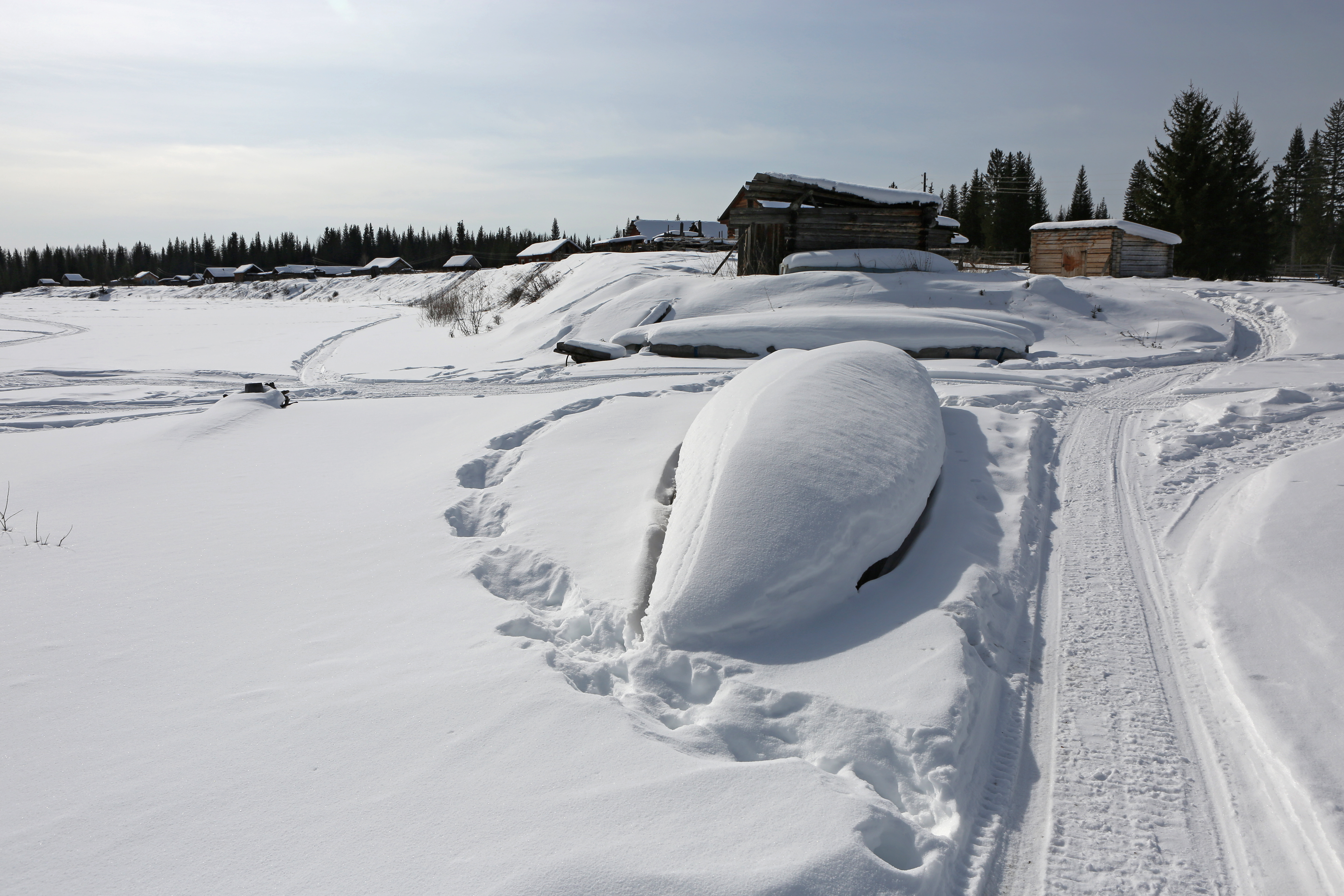
Even earlier than the store-in the early 90s. - The medical center ceased to exist in the village - the paramedic Alexander Vasilievna Safonova died. Baba Shura caused a helicopter only in the most extreme case - patients, even women in labor, often delivered to the district center herself, on horseback.
“Nobody needs anything today,” says Vadim Skornyakov , “I can imagine that a correspondent of the district newspaper would come under the Soviet government and wrote such a note about the fact that a store or a first-aid post was closed in Chinon. The next day, half of the district committee would have rushed here, they had such a sneezer-pier-and the store would have earned again. What to say? I went to the city to the hospital, checked, they say that in three months you need to go through the check again - and this is July, you won’t get out of here. If you get sick, one exit - hire men to dig a grave in advance.
The long-liver among social facilities was a rural club, however, it opens only as an election site on the election campaign, when a couple of posters are diluted with a pair of posters, which they choose-deputies, governor or president, are diluted.
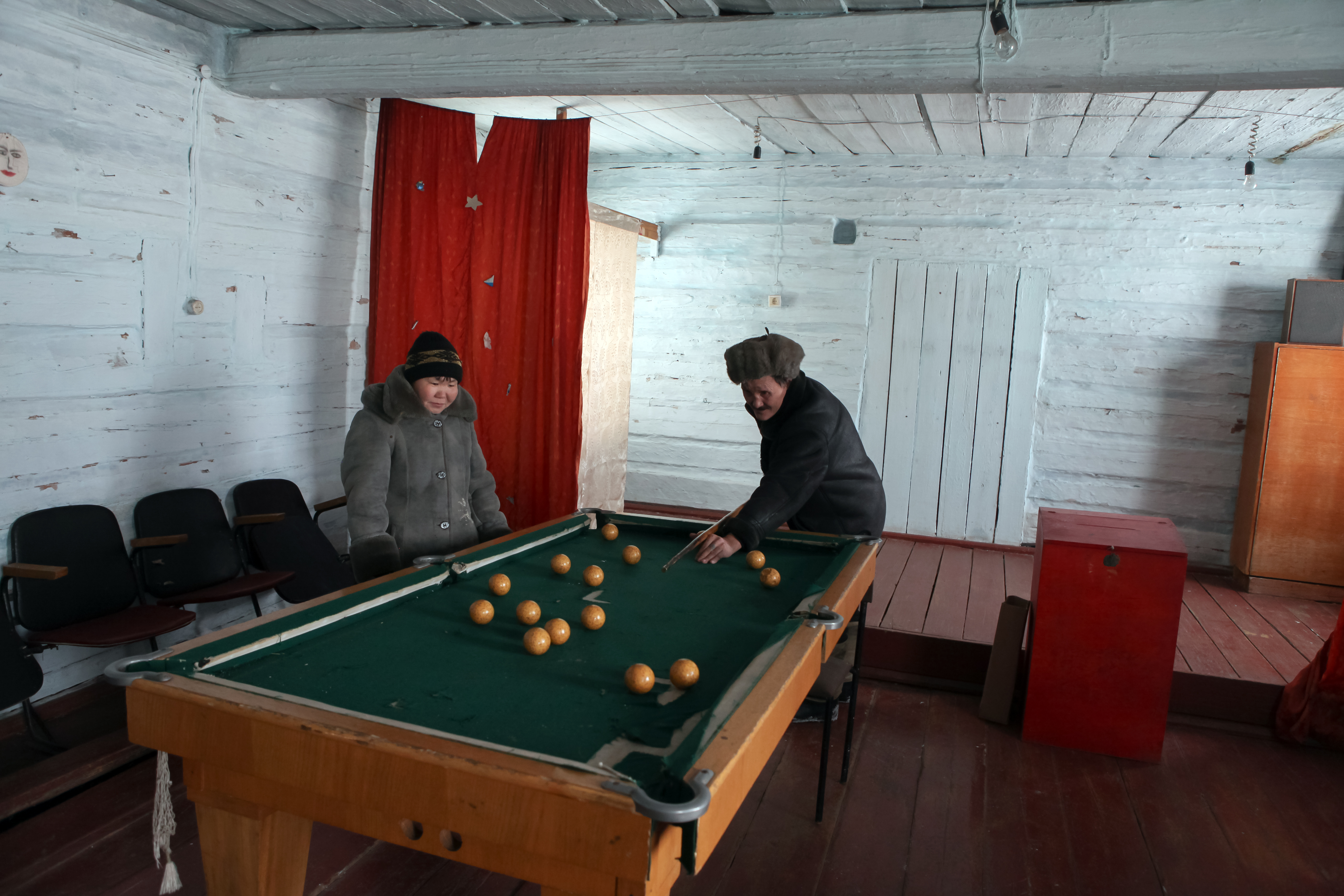
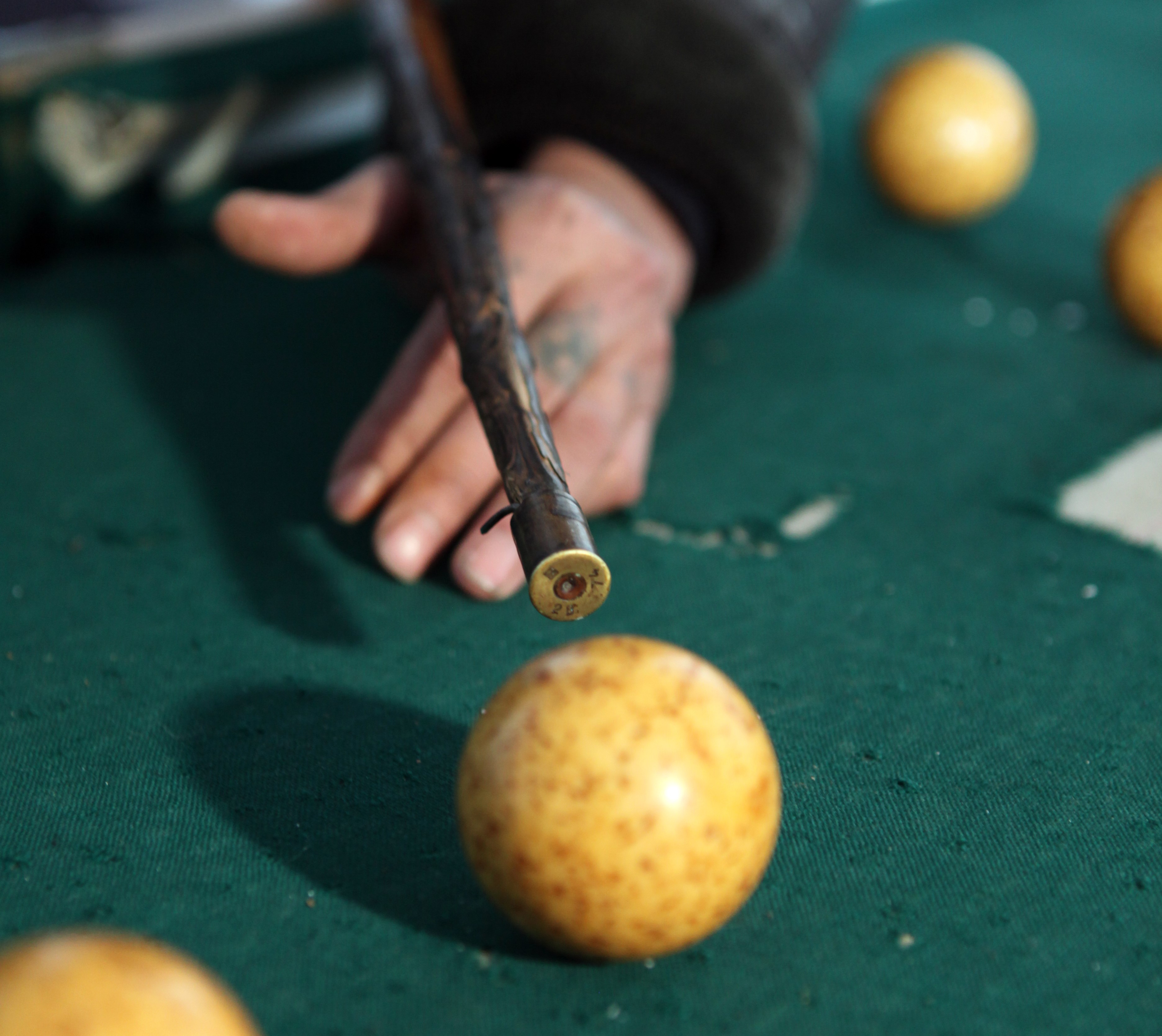
Many years ago, a large billiard table was brought here, but it was so long ago that the commissies did not remember even about a year, in the general opinion - in the early seventies. During this time, cloth has expired to the holes, the lures were won. The homemade cue crowned the 32nd caliber sleeve, and even it was demolished from an endless number of blows, and the balls cracked.
The problem of employment under the Councils was solved by the Coopzeropromsom. In addition to furs and fish, the Evenks harvested wild roses, and then they handed over, receiving a salary, licenses for the production of the beast and cartridges. From time to time a helicopter flew. The diesel power station gave light, and the taiga - firewood for heating.
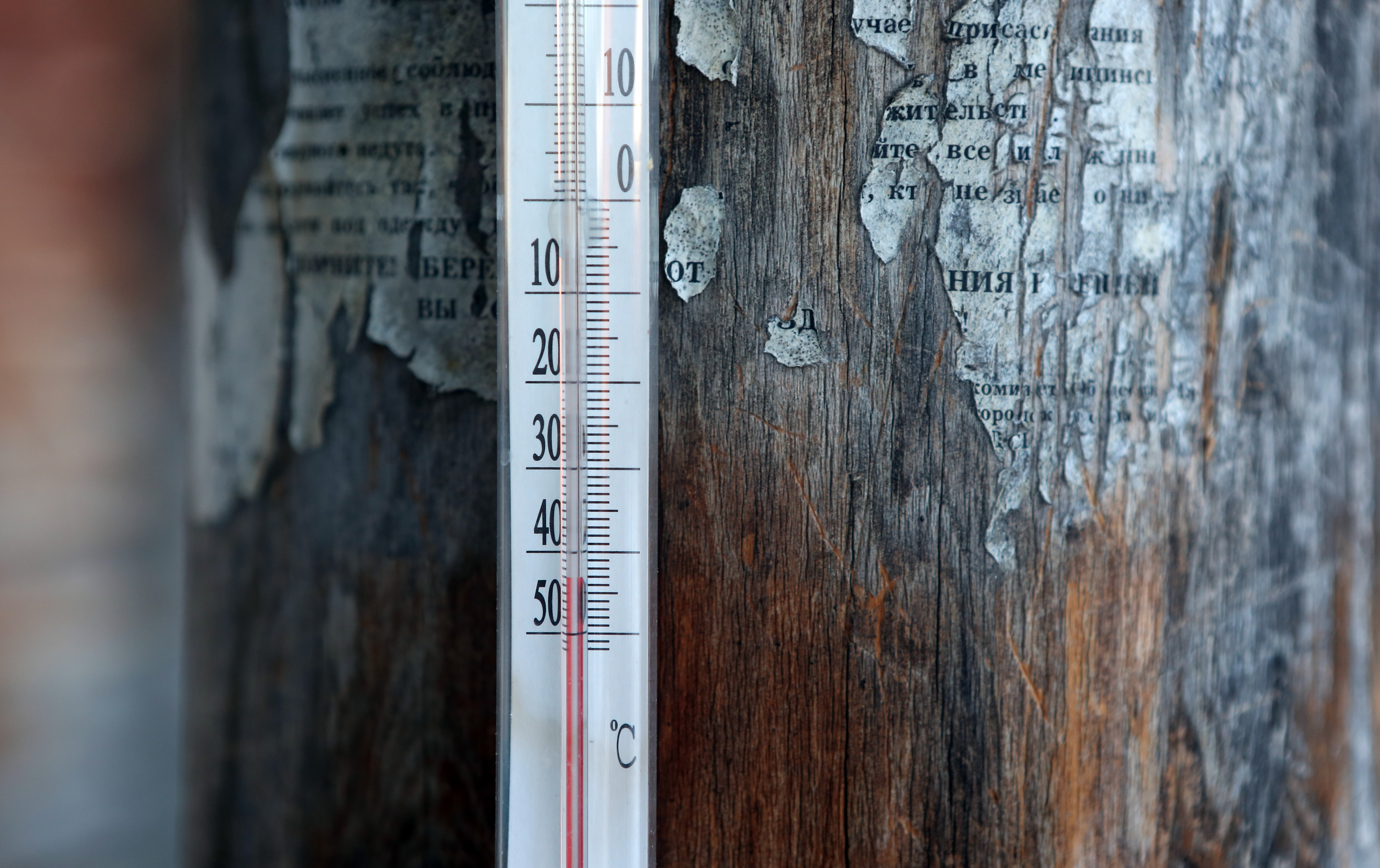
“In the 95th or 96th, I don’t remember exactly, Diesel has broken,” says Vladimir Skornyakov . - They took him to Kachug for repairs, but never returned. Since then we have been living with lamps, candles. We go to bed when it gets dark, we get up - when it dawns. At one time, the generators were scored, but they eat fuel, for me, it is better to season the boat and put the nets than to burn gasoline. Three or four years ago, solar panels were set-the light in the house appeared, you can even watch TV, but the freezer of energy is no longer enough. Зимой-то она не нужна, на улице за –50 бывает, а вот летом пригодилась бы.
– Состарились мы, поэтому боимся оставаться тут на зиму, без доктора – уже несколько лет подряд в ноябре выезжаем в Качуг, берём с собой собак и живём там до апреля. Дом просто замораживаем – здесь никто ничего не тронет. Зимовать в Чинонге уже боязно: случись что, кто приедет? Говорят, Путин приказал снова провести электричество в дальние сёла. В Вершине дизелёк поставили, и к нам электрики приезжали в прошлом году, но посмотрели и уехали. We are waiting.
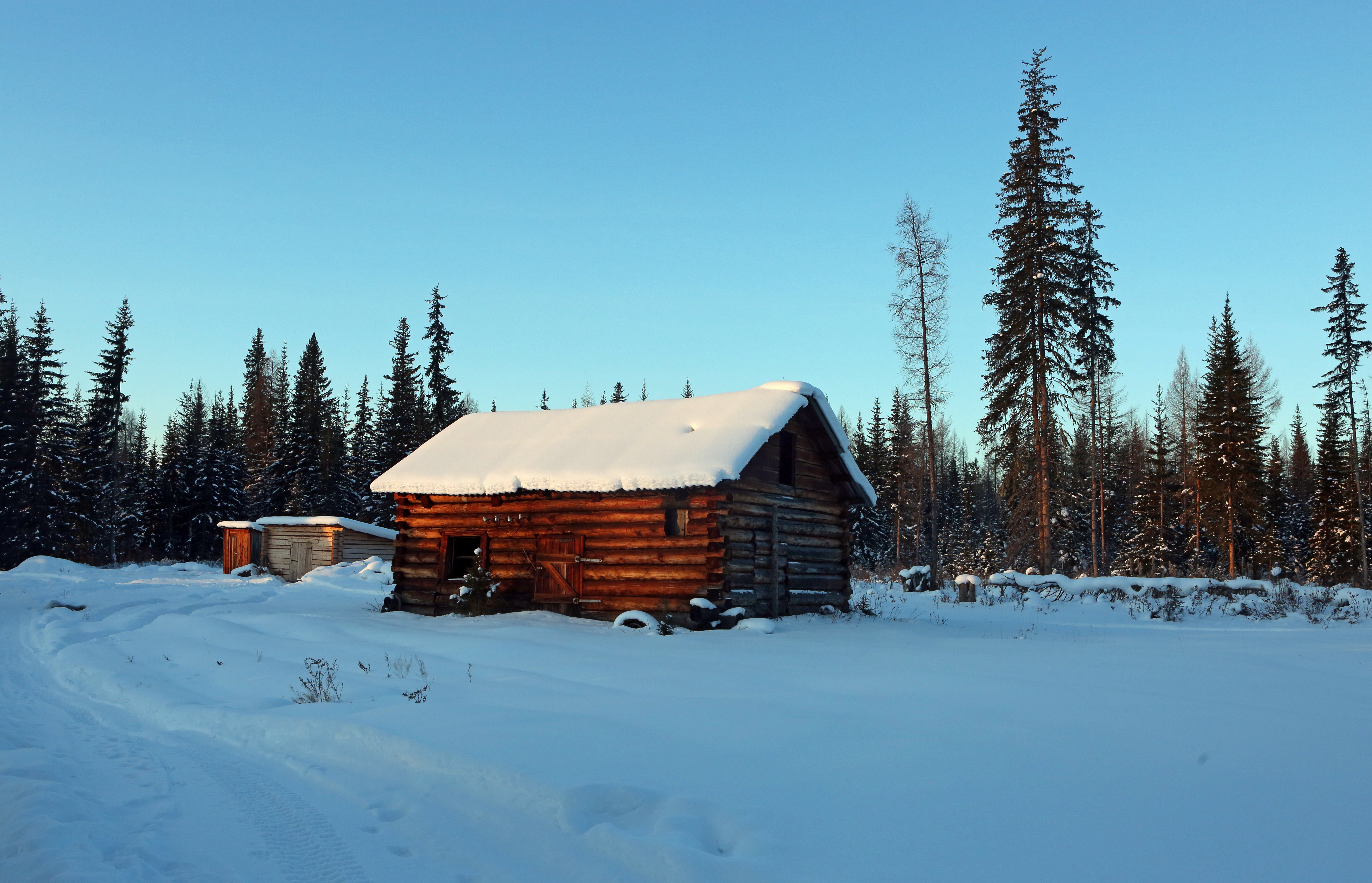
Вот чего никогда в Чинонге не было, так это школы, даже начальной. Дети учились в интернате в Вершине Тутуры, потом в Бутаково.
– По лесу нас сопровождали взрослые, а потом забирала машина, – вспоминает Андриян Хромов . – Так пока идём, мы с Серёгой Усовым из рогаток умудрялись рябчиков настрелять – птичек было много.
В 2017 году Чинонгу покинул последний ученик Ваня Сафонов , он учится в иркутском колледже при сельхозакадемии, приезжая в деревню лишь два-три раза в год: чаще просто не получается всё из-за той же дороги.
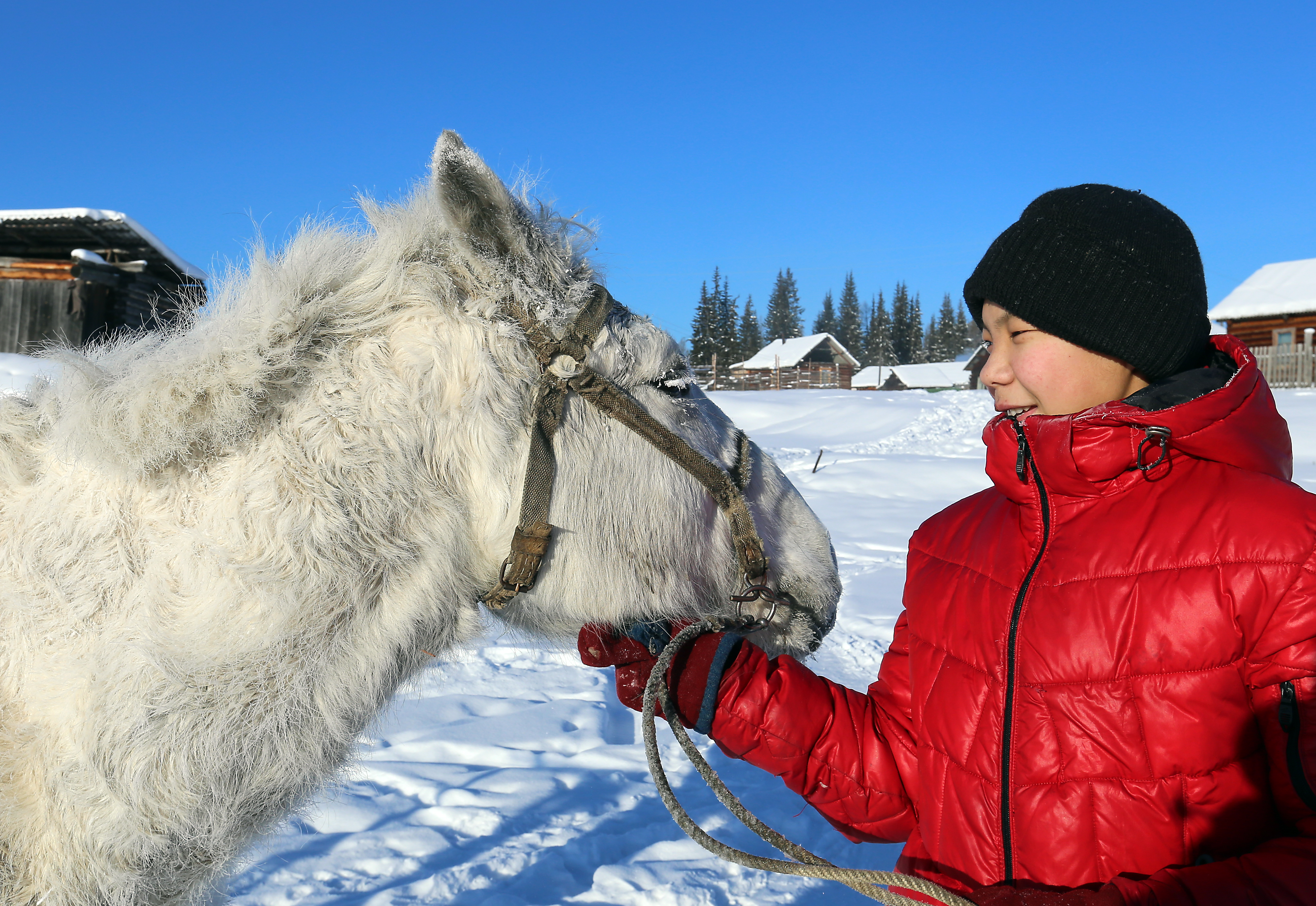
Ваня рано остался сиротой, опекунство над ним оформили Семён и Эльвира Сафоновы. Обязанностей в морозный день у парня немного – дров натаскать и коня напоить.
– Ваня, тебе нескучно одному среди взрослых?
– Нет, сейчас помогаю по хозяйству, летом рыбалкой занимался, на велике гонял, ну, Ильюха Бутенко из Тырки в гости приходил.
– Так до Тырки 17 километров…
– С отцом они приходили.
– Кем мечтаешь работать?
– Охотоведом.
– В Чинонге?
- Don't know…
Этого не знает никто. Трудоустроиться в родных местах эвенкам почти невозможно.
Обман государственного масштаба
После сокращения коопзверопромхоза эвенки надеялись на работу в Байкало-Ленском заповеднике, границы которого проходят относительно недалеко от деревни. Руководство охраняемой территории обещало основать в Чинонге один из кордонов, взяв на работу местных мужиков.
– Москва решила иначе... Кордон оставили в Анге, а нас – без работы, – говорит Скорняков. – Потом делали тут земли традиционного пользования, а как дошло дело до нас – передвинули границу дальше. Опять мимо.
В 2007 году эвенки написали обращение к на тот момент губернатору Иркутской области А. Г. Тишанину:
"Уважаемый Александр Георгиевич! К Вам обращаются эвенки д. Чинонга и д. Тырка Качугского района Иркутской области. При организации Байкало-Ленского заповедника коренным жителям (эвенкам) обещали, что на родовых землях будет создано Киренское лесничество. Контору намечалось построить в д. Чинонга, на берегу реки Киренги. При этом жители села получают ряд рабочих мест в заповеднике. На сегодняшний день мы оказались обманутыми. Центр лесничества находится в селе Анга, в доме, который принадлежит руководителю лесничества Бутакову В., на расстоянии более 100 км от границ заповедника. О какой охране заповедника может идти речь, если охрана бывает два месяца в году на территории лесничества, в промысловый сезон, когда все госинспекторы Киренского лесничества с большим количеством охотничьих собак отправляются в заповедник для охоты.
Это нашло подтверждение на общем собрании эвенков и руководства заповедника в июле 2006 года. На этом же собрании руководитель Росприроднадзора Иркутской области сказал: "Договоритесь с госинспектором и охотьтесь вместе". Из выступления на данном собрании председателя комиссии от Росприроднадзора Бовиной И. так и осталось непонятным, будет ли осуществлено строительство конторы Киренского лесничества в д. Чинонга, как это было предусмотрено проектом заповедника. Директор заповедника Заяц А. М. обещал трудоустройство в Киренское лесничество нашим людям. Мы в очередной раз обмануты. Убедительно просим Вас восстановить справедливость в решении данного вопроса... дать возможность самим охранять тайгу". Подписи: Хромов, Дорофеева, Широких и др.
Justice did not triumph. Как и в истории с территорией традиционного природопользования (ТПП), о создании которой было заявлено в 2014 году. Важный для эвенков проект обсуждали на заседании правительства региона под руководством тогдашнего губернатора Сергея Ерощенко в 2012 году.
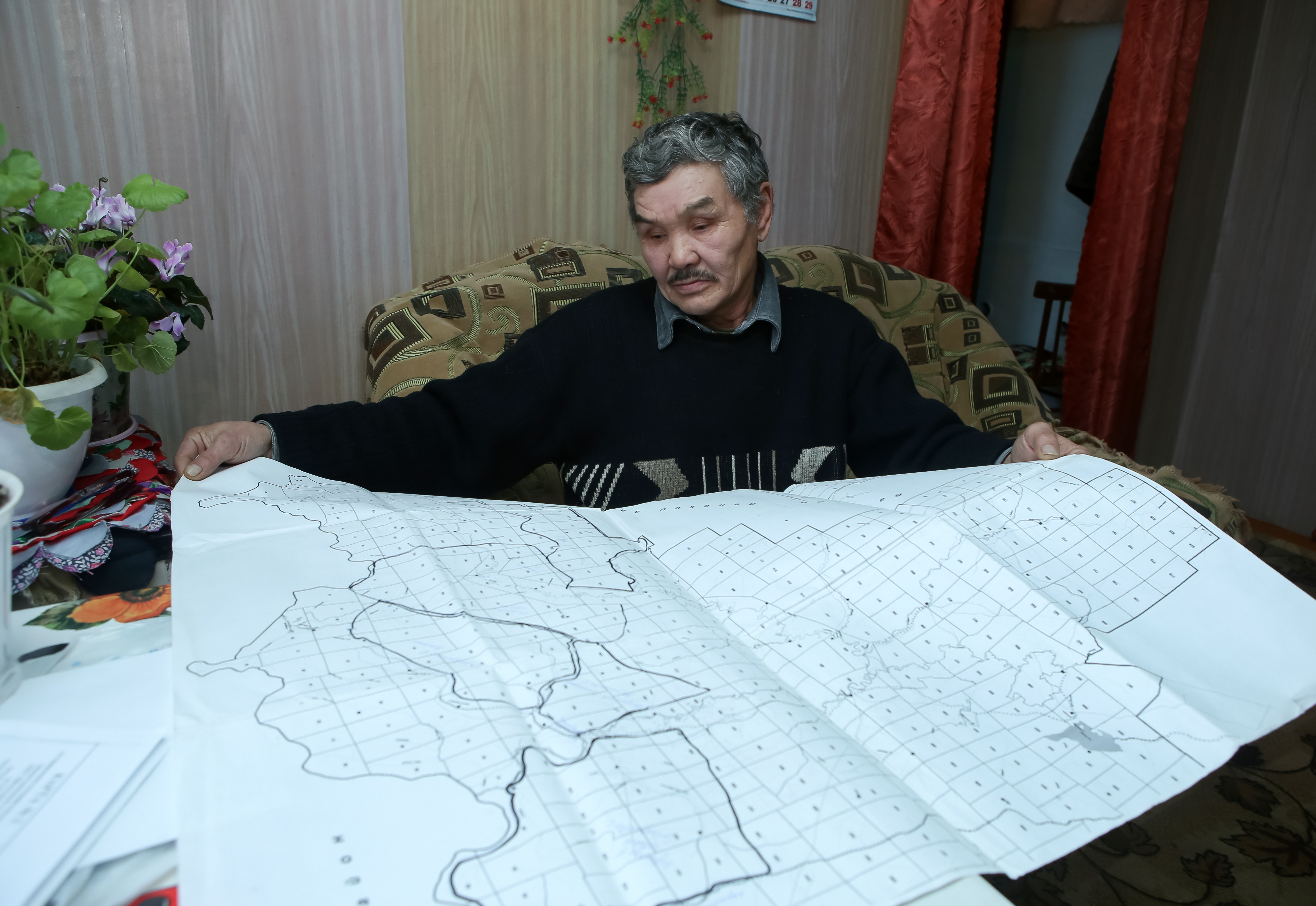
– Мы тогда обратились к губернатору с просьбой защитить исконную среду обитания коренных малочисленных народов. Площадь особой территории – 679 893 гектара. Материалы, которые обосновали ТТП в Качугском районе, прошли государственную проверку ( государственную экологическую экспертизу. – С.Р. ), – вспоминает Сафонов. – На этих землях в приоритете были бы охота, рыболовство, сбор дикоросов, народные промыслы. А потом – раз, и оказалось, что почти половина ТТП убыла из плана – ее отдали под нож лесорубам. Еще до создания ТТП деляны сдали им в аренду.
Лесозаготовительные компании предложили эвенкам небольшую материальную компенсацию, заверив, что максимально аккуратно будут вести работу. На самом деле об аккуратности и речи нет, вздыхают эвенки.
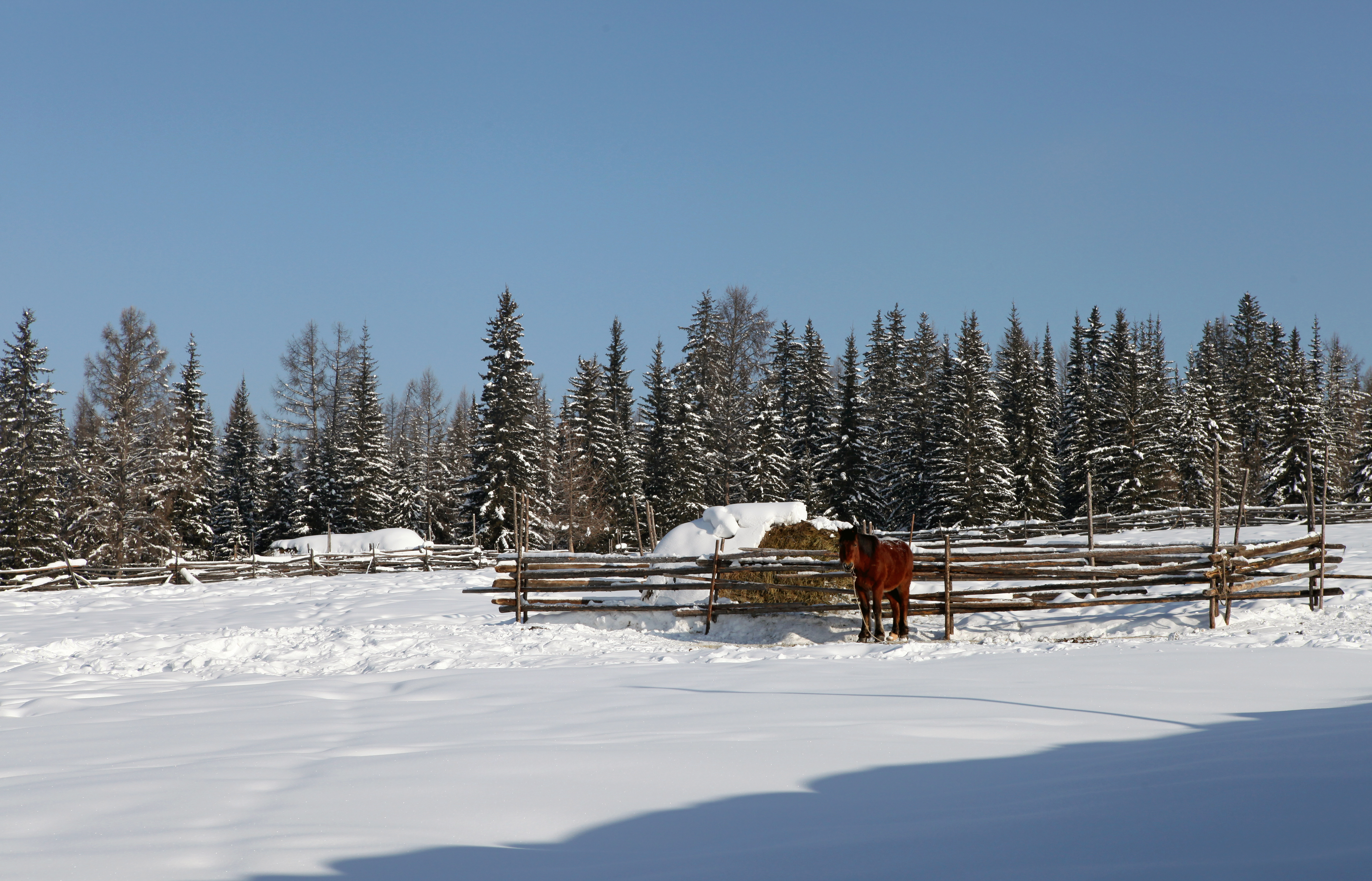
– Деловую древесину здесь пилят давно. Ждем, что в итоге нас оставят в лесу без леса и у реки без рыбы. Крупного зверя почти не стало. О диких северных оленях помнят лишь старики, – признается Скорняков.
Считается, что пути миграции северных оленей отрезали дороги, ведущие к БАМу. Лоси, по словам охотников, держатся только в границах заповедника, изюбри тоже кардинально изменили свое поведение. Ещё лет 15–20 назад все было иначе – самой эффективной считалась осенняя охота на реву.
– Стоило протрубить в рог, имитируя крик самки, – по два-три быка бежали со всех ног, а мы стояли-выбирали, кого добыть, – глаза у опытного охотника Георгия Сафонова загораются и тут же тухнут – последний раз крупного изюбря в деревне добыли три года назад, фортуна улыбнулась его сыну Семёну.
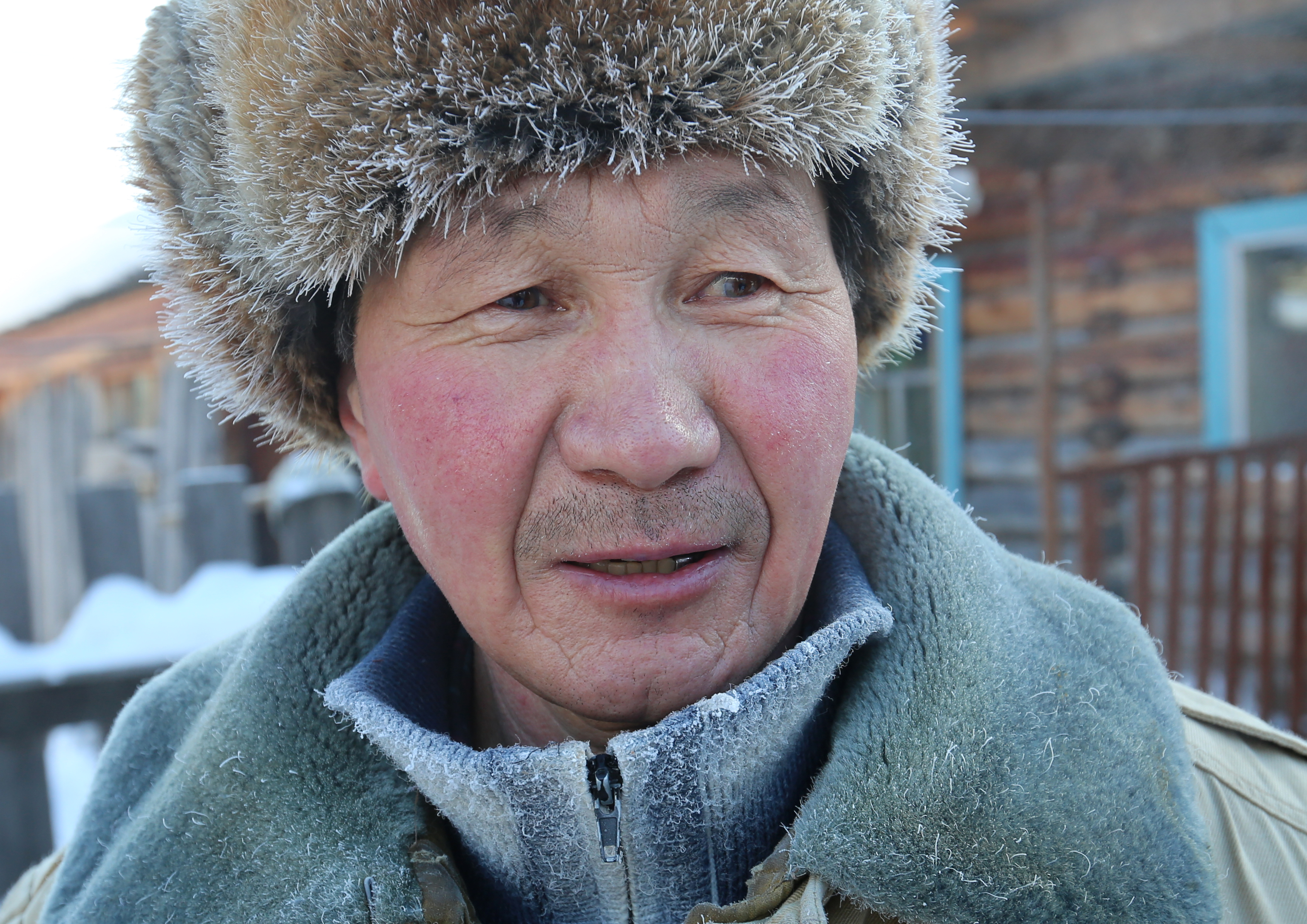
– Бык-семилетка ( возраст считают по отросткам на рогах. – С.Р. ) лежал за большой колодой, – вспоминает Семён Сафонов . – Услышав шум веток, он подскочил, а я выстрелил, не слезая с лошади. Сразу не понял, попал или нет. Привязал коня, пошёл смотреть внимательно и увидел капли крови – значит, зацепил. Начал преследовать. Обычно в таких случаях зверю дают возможность остановиться и залечь, после чего он не может уже подняться, но не было на это времени, поэтому гнал. Добрал зверя, уже когда начало темнеть. Разделал тушу, часть отвёз в зимовье, а когда ехал за оставшимся мясом, то меня едва не опередили волки.
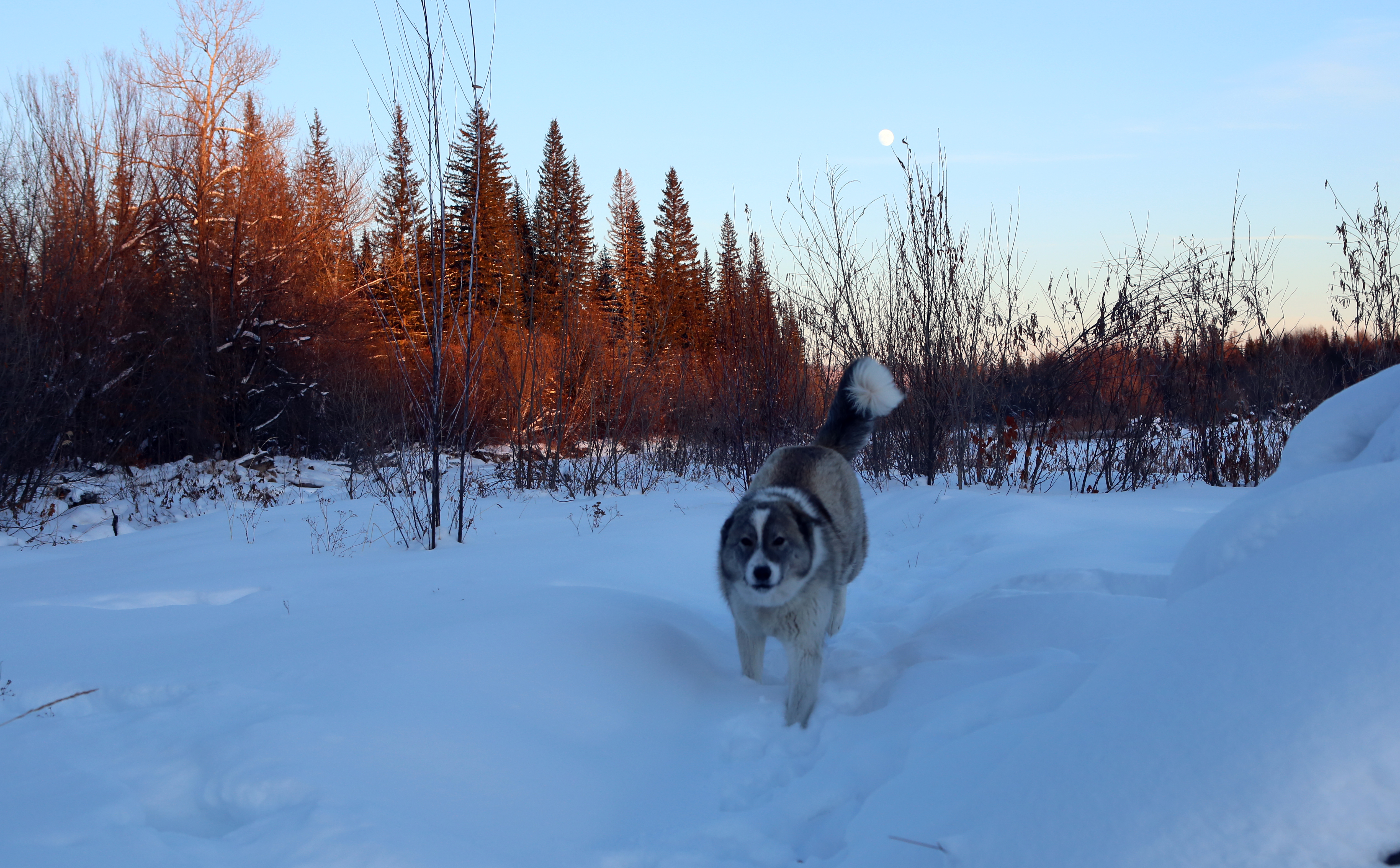
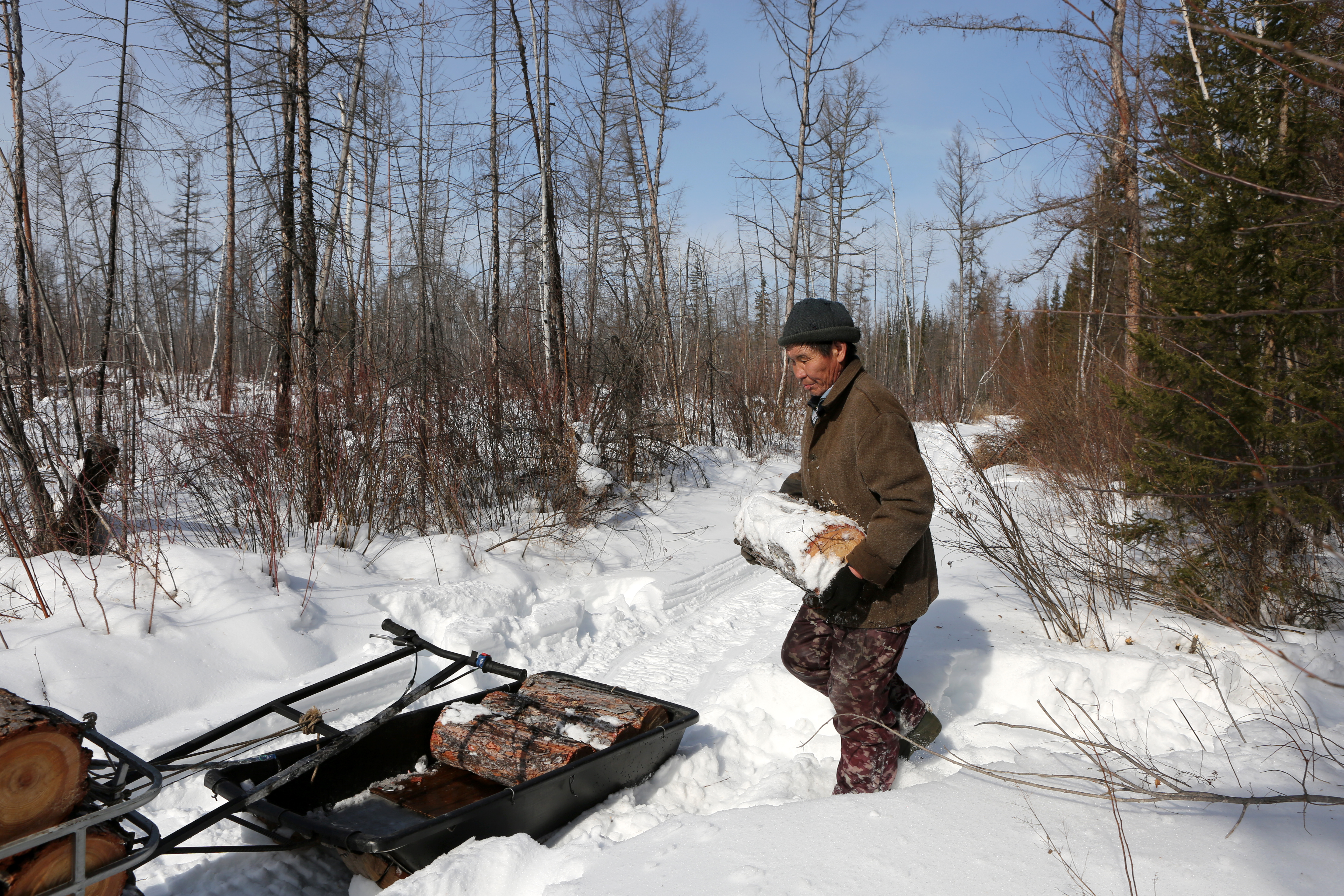
Пока держится снег, но уже нет лютых морозов, эвенки заготавливают дрова. Самым популярным видом транспорта считается мотобуксировщик, или по-народному мотособака.
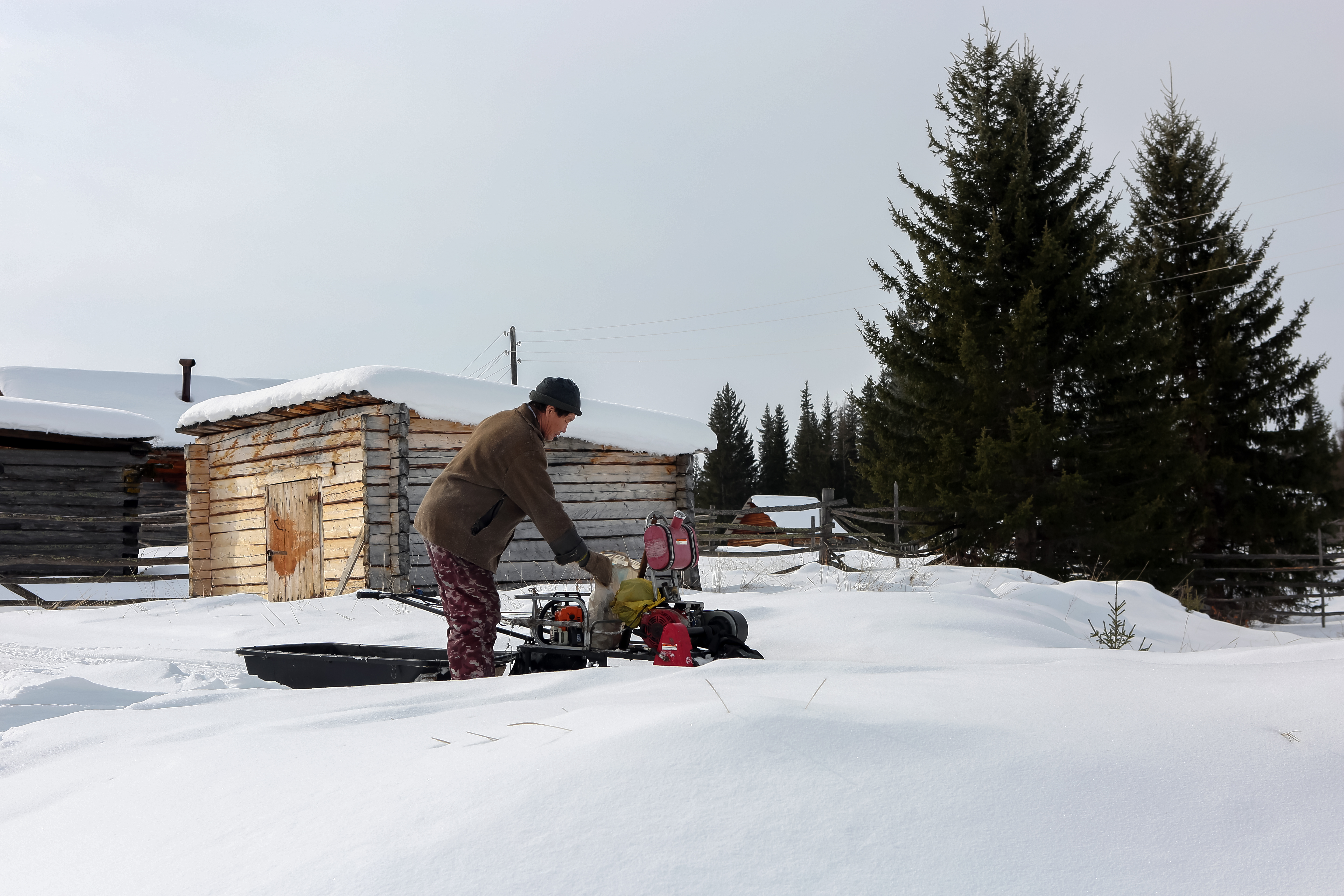
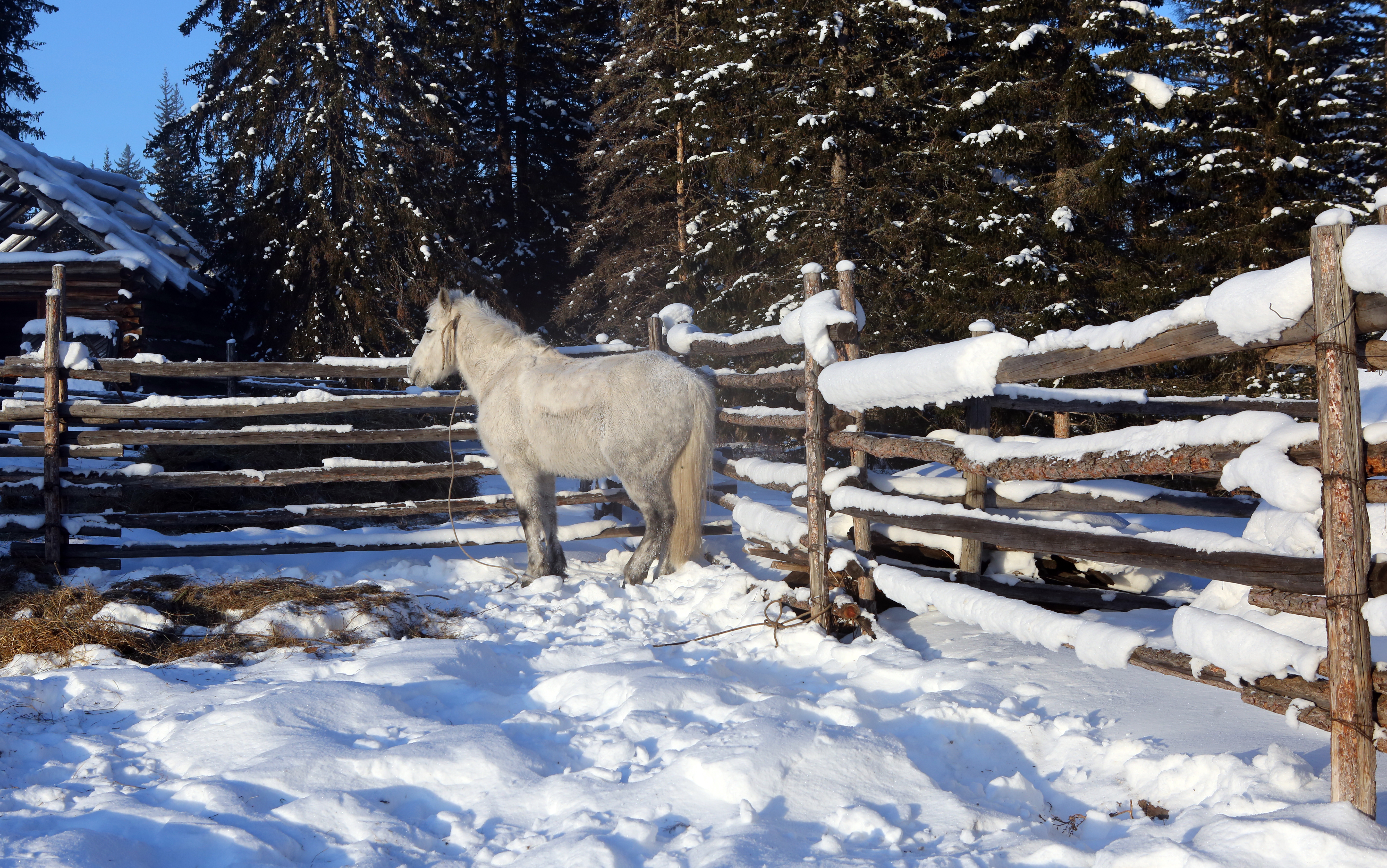
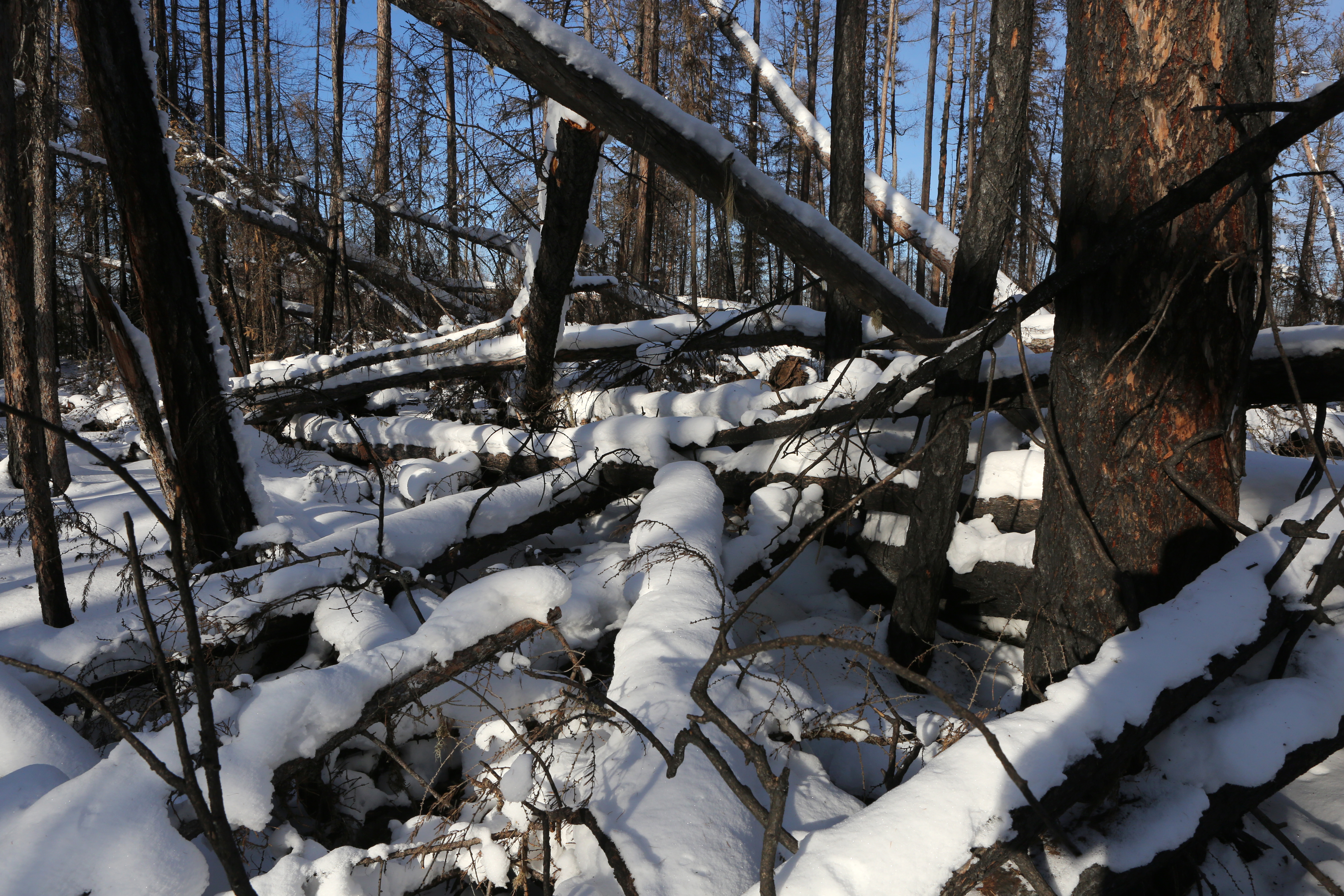
– Предки ходили на оленЯх, а мы вот на мотособак пересели. По сравнению со снегоходом, движки у них экономичные, везёт, конечно, меньше, но лучше лишний раз съездить, топлива все равно меньше уйдёт, – объясняет Георгий Сафонов. – У нас в деревне есть две лошадёнки, но по глубокому снегу толку с них мало – только гужи порвёшь. Года четыре назад к деревне подошёл верховой пожар, опасались, что сгорим: полыхало совсем рядом, но потом ветер сменил направление – и мы уцелели. Почва местами на метр глубиной обуглилась, корни у деревьев подгорели, потом их свалило ветром – пилИ да пилИ. Тепло уже – самое время работать, на рыбалку пойдем, когда Киренгу начнёт ломать, чтобы сетями. А сейчас городские в основном с удочками сидят – у них денег, видимо, много, если за столько километров ездят.
Доживёт ли Чинонга до 100 лет?
Деревня вымирает стремительными темпами. По данным 2006 года, в Чинонге проживали 56 человек. По итогам переписи 2010 года – 15 мужчин и 14 женщин, то есть 29. 20 человек умерло по болезни или старости, двое в результате алкогольного отравления, многие пожилыми переехали в Качуг, и захотят ли вернуться – вопрос. Сейчас в летний период в Чинонге живёт не больше 10 человек, зимой и того меньше.
За 15 лет в деревне образовалась всего одна новая семья, но нет детей. Население неуклонно стареет, сегодня самому молодому жителю Чинонги, холостяку Скорнякову – уже за сорок. Останется ли кто-нибудь из коренных жителей в Чинонге лет через 7, когда деревне исполнится сто лет? Сами эвенки не исключают, что накопившиеся проблемы отпадут сами собой, потому что решать их будет уже не для кого.