
Translated material
Enter twice in the same Cheka
Russia was driven back to the power of the "specialists": the mechanism and the perpetrators are revealed by political scientist Nikolai Petrov
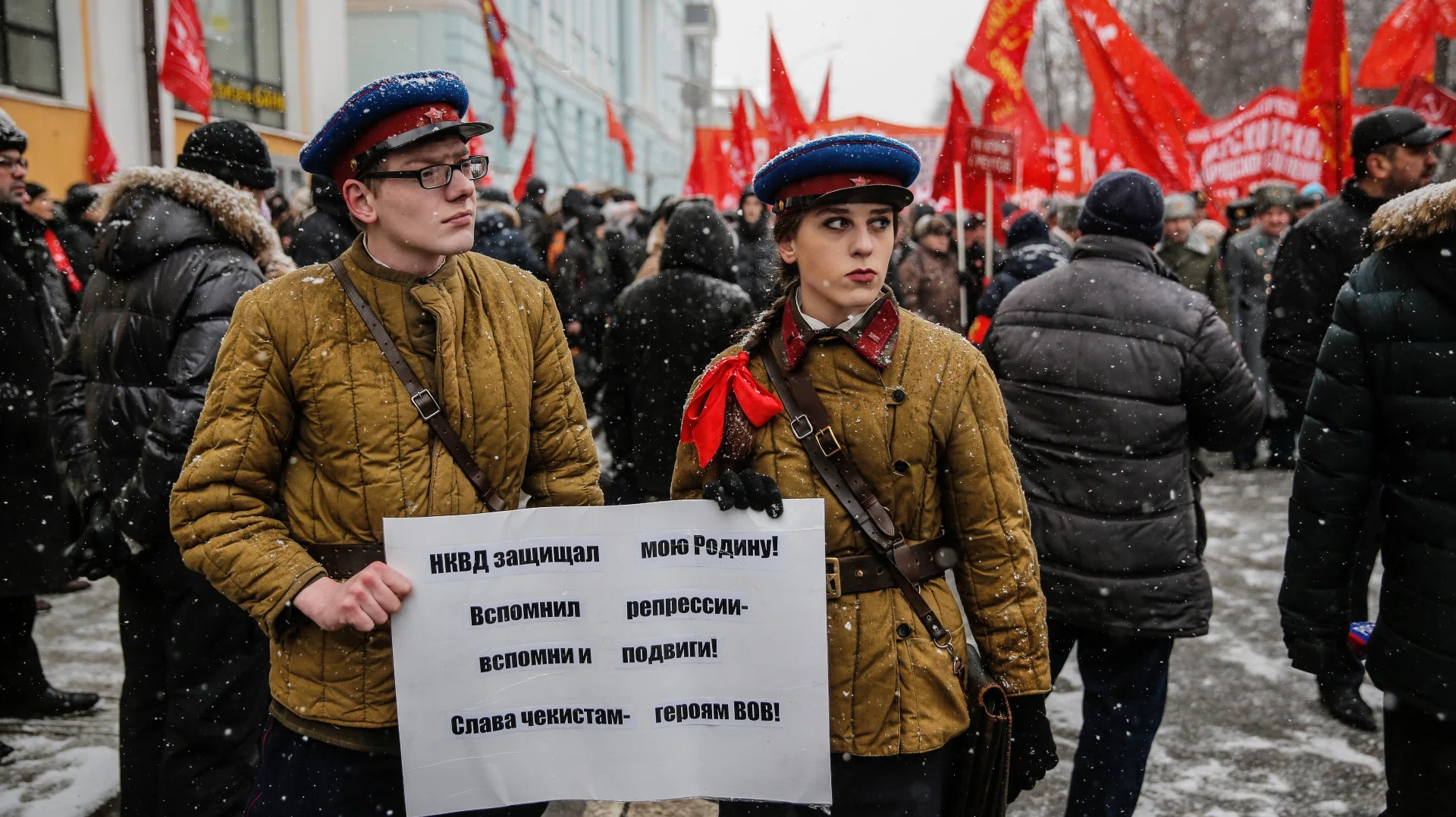
The peaceful departments from the post office to Rospotrebnadzor in recent years began to start a uniform to match the military. Political scientist Nikolai Petrov, a professor at the Higher School of Economics - the Department of Politics and Management, explains why this is not a manifestation of policeocracy. He calls the principle of Russian management of Russia a Chekistocracy.
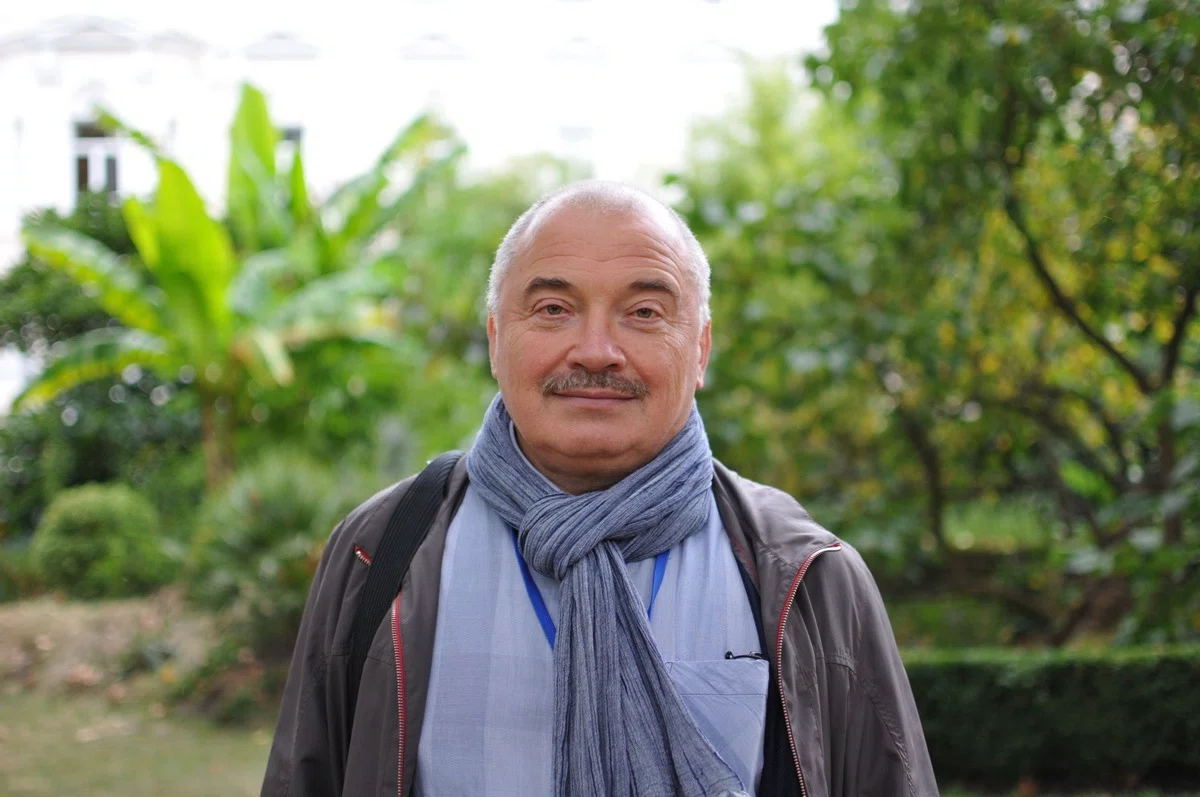
- Nikolai Vladimirovich, what does this desire of officials to put on uniform mean, why do they need it?
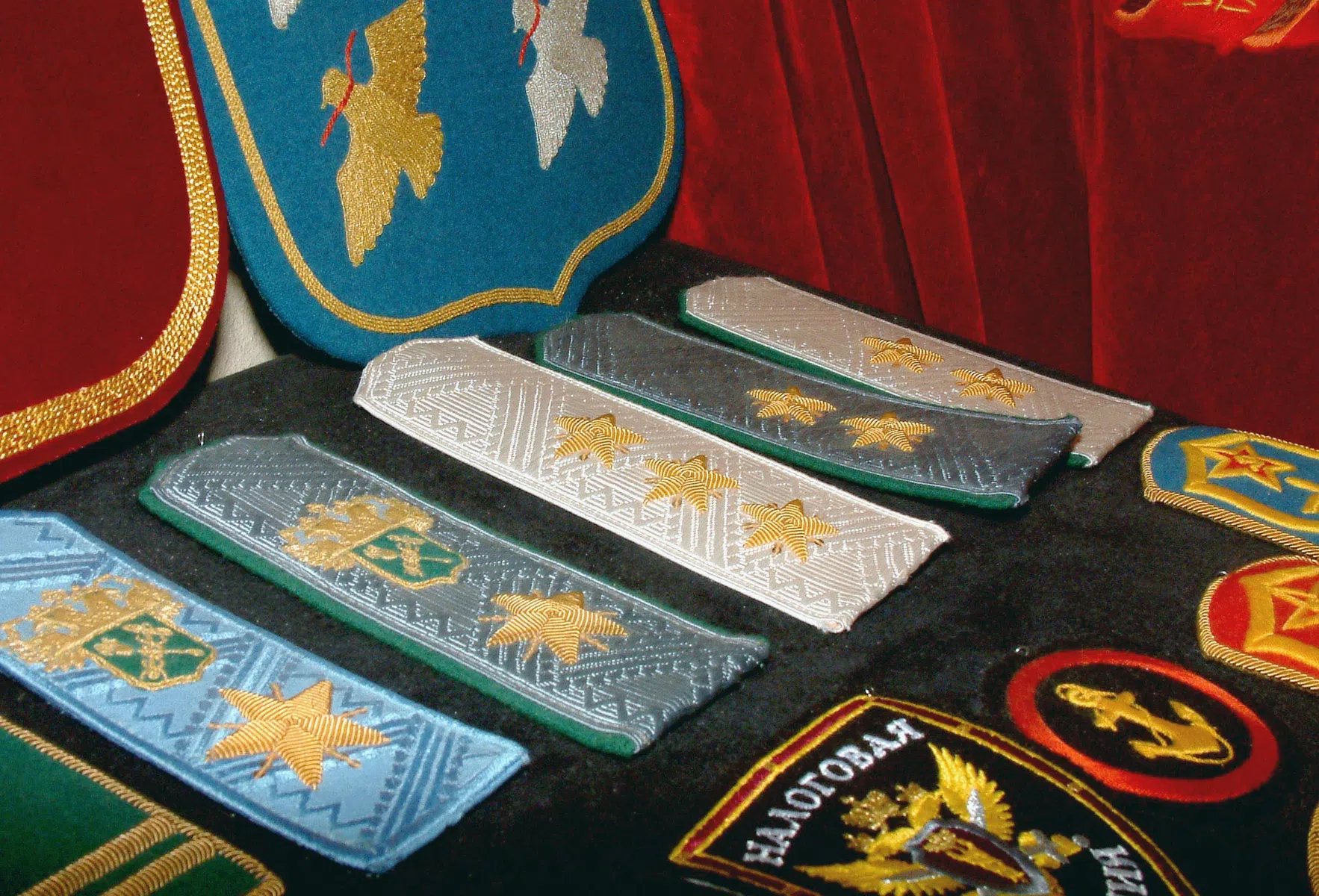
- There is also a table of ranks - a table of the ratio of class ranks of the Federal State Civil Service, military and special ranks, class ranks of prosecutors and classrooms of justice. It was approved by presidential Decree of February 1, 2005. Something similar was in the time of Stalin, when both various departments and students, for example, geologists, also bore form. This is a demonstration that the state plays an increasing role with us, and the fact that inside this state all are serving people. It seems to me that this is such a demonstration of the country's movement to more and more strict control of the state in all areas, and the sovereign people are all its soldiers to one degree or another.
-So it’s not from above that someone tells them to dress in shape, they themselves want to be involved in the power structures.
- Yes, this is such an affiliation. We see from pollution how many young people want to go to work both in power structures and in the state -owned company. This is such a demonstration of serving the state. And in a situation where confrontation with the West is intensified, this is a demonstration that we are in the same army against enemies. Uniform is an external manifestation, but there is an inner essence, more serious. When the economy stagnates, belonging to the state, state financing, and budget flows mean relative well -being. Therefore, any department tries to emphasize how important it plays in providing the state - it is in such semi -army categories.
- Since we are in shape, then we are important and necessary?
- Yes, this means that we are sovereign. This goes simultaneously from people - as an attempt to stand under the wing of power as a source of all the benefits, and from the parties. So, I would say, such a bureaucous paternalism manifests itself.
In a situation where they cannot provide themselves in business or somewhere else, they want to lean against a strong state.
- Strengthening the role of the state began in our country about fifteen years ago, and this moment began to manifest so clearly only in recent years. What has changed and when?
- You can consider this such bureaucrated fashion. Since 2014, we have a completely different political regime. When confrontation with the West began to appear in increasingly strict forms, a demonstration of its loyalty, belonging to this state, became important. And the leaders of the departments look: the neighbors are already in the uniform, and they themselves are still in civilian clothes.
- Like fools.
-Yes, yes. Do not demonstrate loyalty and involvement.
-Somewhere else in the world is there the same wide class of security forces as in Russia?
- It is no coincidence that the word “security forces” is one of those that our great and mighty Russian language gave the world. In the world there was an idea of militocracy. In the countries of Latin America, in Turkey, somewhere else the military could have a great full power, play an important role, and this was called a militocracy. And when Vladimir Putin and the team came to power, analysts used this particular concept - “militocracy”. It was clear and established.
-But it still speaks of the power of one power structure-the military. And we have the concept of “security forces” unites employees of a large number of departments - from police to the Ministry of Justice.
- In the Soviet Union, in fact, there were only three powerful power departments: the Ministry of Defense, the KGB and the Ministry of Internal Affairs. Already during the time of Yeltsin, the KGB crushed into many parts, either 14 or 17 structures arose.
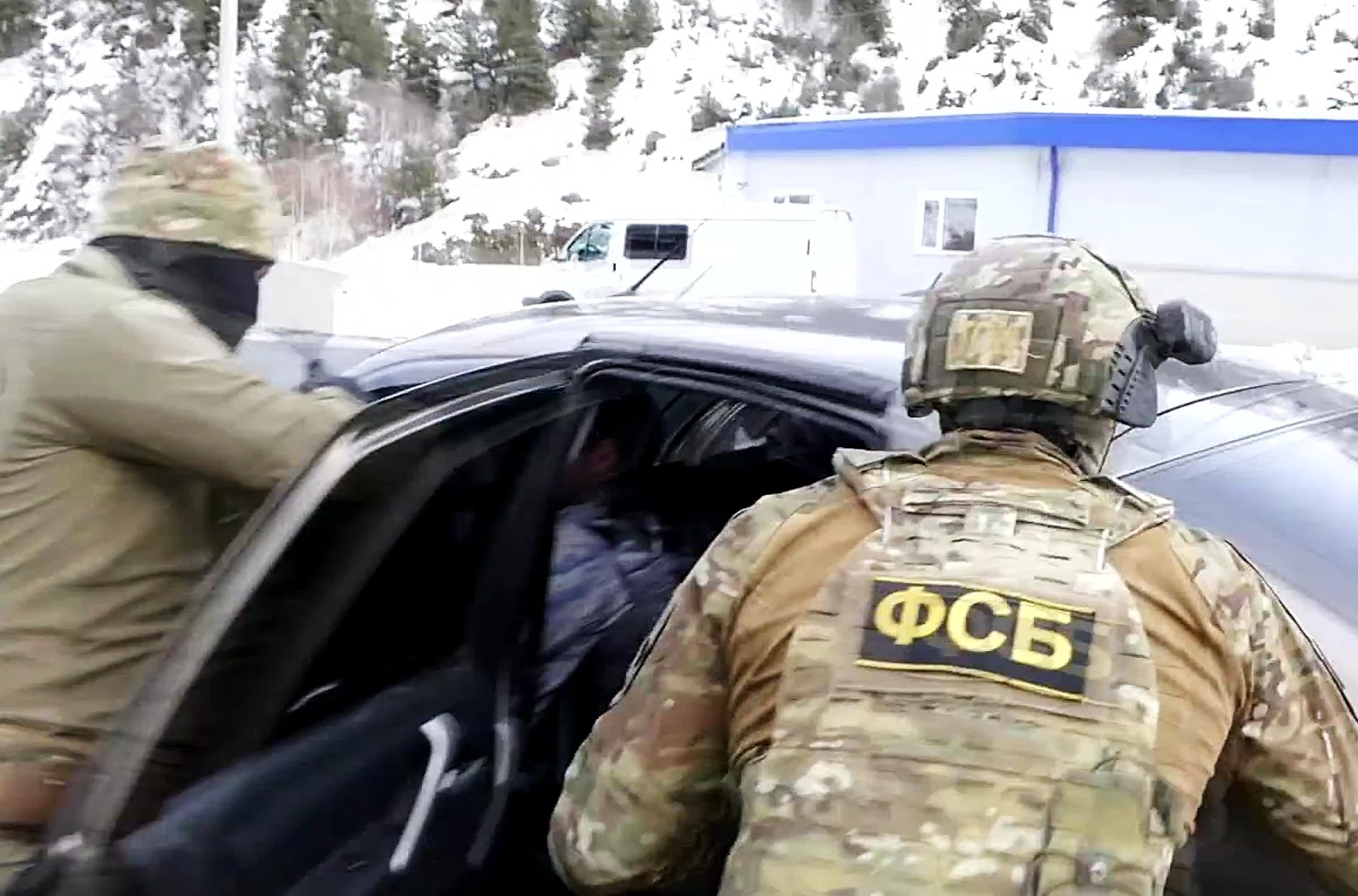
The idea of those who called themselves democrats was that we divide the KGB into pieces - and as a result, we turn it into structures from the monster, each of which performs one function. But these bustling departments received not only forms, but also “content”: the right to engage in operational-search activities, weapons and so on. Then the process partially went in the opposite direction, for example, they entered the FSB back, something was saved, like the TFR, from the prosecutor's office, and today we have about two dozen departments with functions and suppression, and conducting some armed actions, and so on. The most active - the FSB has always played the guiding and controlling role in all these transformations. Therefore, it seems to me that from the very beginning the word “militocracy” was not very accurate.
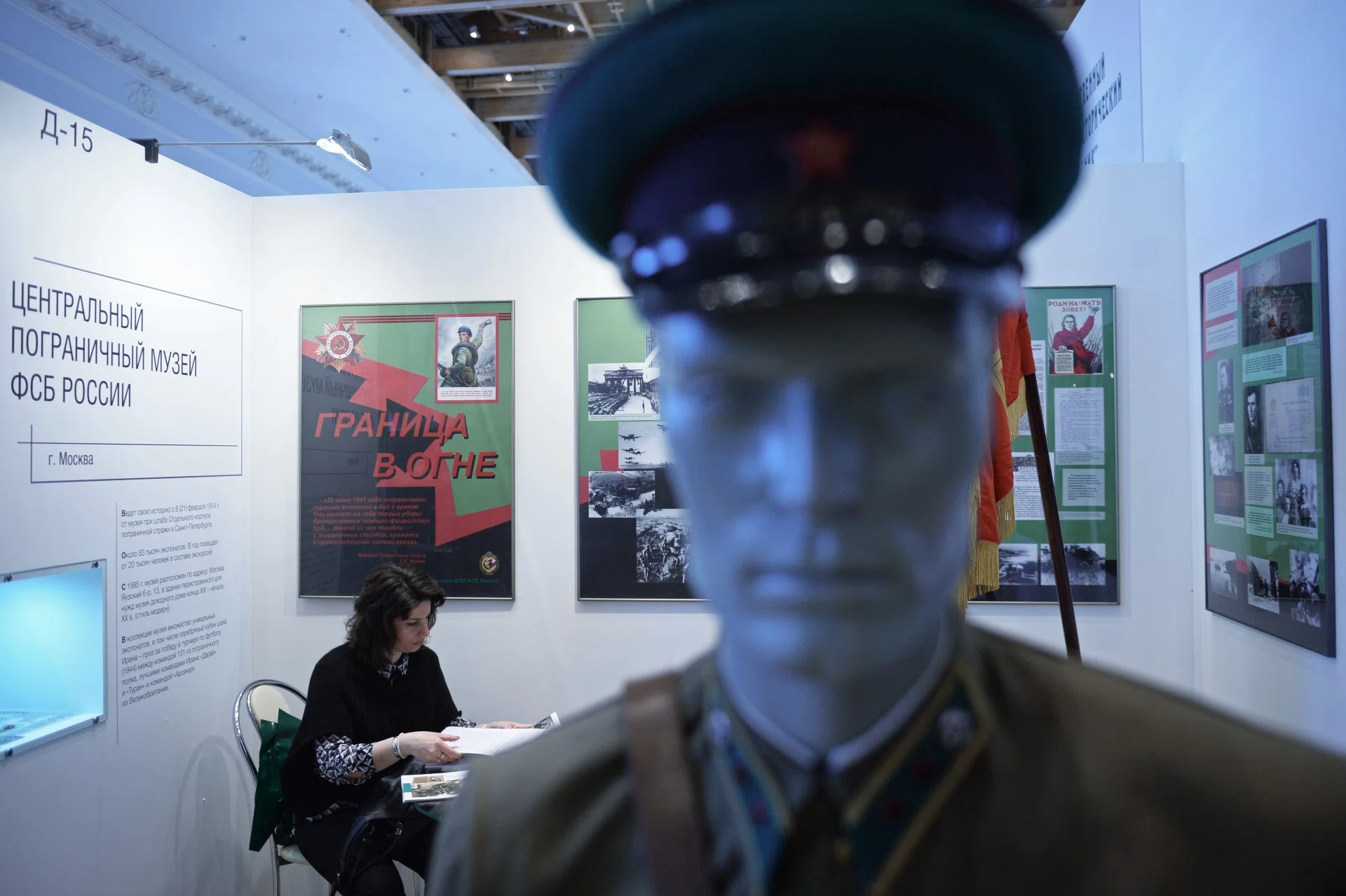
We have this, rather, Chekistocracy. We did not talk about the strengthening of the role of the military. We came to power people with a background in the KGB and its other reincarnations.
- That is, this actually began even in the time of Yeltsin, when the KGB wanted to crush, and actually “multiplied”?
- No, in fact, it began with the advent of Putin. Its two main personnel supports were the structures of the former KGB, where he had many colleagues, and the administration of St. Petersburg. It was from there that the appointments to a variety of positions went, including not related to the Chekists.
- Then the “St. Petersburg” ended, and the Chekists were a reserve?
- Of course, because the Chekists are a corporation, and it, like any corporation, has a very branched structure. When the presidential colleagues ended directly, subordinate colleagues went - and so on. And we saw that a significant part in the highest echelons of power is made up of people who previously wore shoulder straps. Over time, people who are known for sure that they served in the KGB remains less and less - simply because of age. And then you have to think out: if a person in the biography has some inexplicable gap of five to ten years, about which they only say that he served his homeland, then they concluded that he worked in the KGB.
“So they really worked there.”
- Therefore, I believe that we need to talk about Chekistocracy. When Putin proclaimed the “vertical of power”, in fact, these were different verticals of numerous departments. Today we have two megaverticals: one, as in Soviet times, the Chekist, the other is the presidential administration and the structures subordinate to it.
- In Soviet times, the KGB competed with the CPSU, they looked after each other. Now the FSB and the presidential administration interact the same?
- These are the same conditional kagebovniks. Of the two verticals, we had one. Mentally, this is one and the same. Therefore, there is no external control here. It is only important whether you can cope with the task. And how do you cope with her - this is not interested in anyone if you do not violate the notorious state interests.
- So, after all, they cannot cope, as we have seen many times in recent years, and will disgrace.
- But there are tasks - and tasks. Successfully poison someone in the distance-they cope with this poorly, because high-class professionals are needed here, and the system does not reproduce them. But in order to tightly control the situation in the country and maintain a monopoly on power, this requires a completely different tools. And they cope with this quite decently. If Putin until some point believed that special services can be used for different purposes as a complex multifunctional tool, today he understands that this is a rather rude tool. But he reconciled with this, he suits him, because he still allows him to achieve his goals.
- Or maybe we just do not know about "subtle instruments"? Why are they "thin"?
- I think that they, most likely, are not. Of course, we do not know about something. But how important are these "subtle instruments"? If you have a short planning horizon, if you do not need to think about what will happen in 20 years, but you just need to maintain control over the situation today, then the existing tool is quite happy with you.
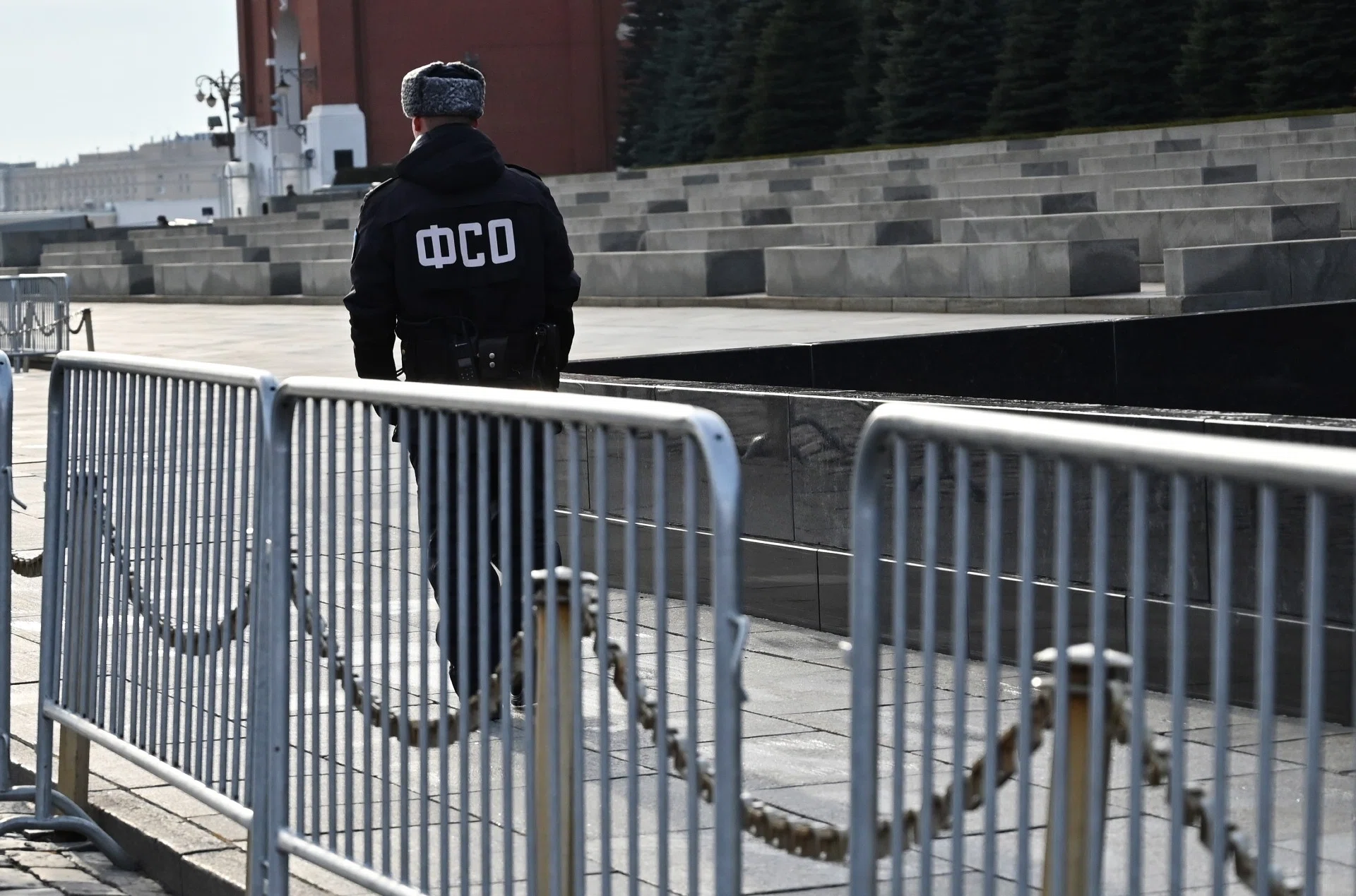
Previously, the KGB was not in the Lada and with the Ministry of Internal Affairs, and the KGB was usually the winner in conflicts. Now the FSB, in fact, crushed all the so -called power structures under itself. Natives of the FSB or FSO (this, in fact, the same thing) either directly became bosses, or at some second level exercise control over all departments-even in no way connected with the power. Above universities, for example. Now in any state -owned company, in any university there is necessarily at the level of the deputy head of a person who is either a “current reserve” or he is simply a native of the FSB. And this is not just control, this is the introduction of a special corporate mentality. After all, the point is not even in the share of these people in management structures, but in the fact that they brought a certain mentality, a certain order of behavior.
- What are their mentality and their rules of conduct characteristic?
-The main thing is that it is assumed that some events are necessarily worth some external forces. This is what Putin constantly says - and what is sometimes perceived as trolling: “cookies from the State Department” and so on.
If not we did it, then someone did it against us. And who plays against us? Conditionally - CIA. So, all this did the CIA.
All these “foreign agents” are not at all a figure of speech that must be used to put a stigma on a person or organization.
“You want to say that they really think so?” They are actually sincerely confident that people cannot protest against them without the harmful instructions of the West, and who is not with them - those “foreign agents”?
- Yes, this is their idea of what is happening.
- Not propaganda, not a way to straighten the gyrus, but they really believe in it?
-I think this is how their brains themselves are arranged: this is a foreign agent, because in our country there cannot be political actors who want to think something against us. And if there are such, if obstacles are reposed, if Navalny refuses to poison him immediately, it is attacked by external forces. Therefore, I believe that a “foreign agent” is a rather accurate definition coming from their mentality. This follows - "the end justifies the means." This is a completely obvious thing in law enforcement agencies. If something needs to be done in the interests of the state, then it does not matter what means we will do. We serve the state, which means that we are free to violate the law, as you like, while we are realizing the interests of the state.
- It sounds very scary.
- This is very scary. Because it is legal, moral, and any relativism. Moreover, the principles that are corporately understandable to them do not only act within our country. When they go into a wide political and social life, we see what we see today.
- What exactly? Explosions in the Czech Republic? Poisoning in Salisbury?
- Not only. You can take any person, accuse him of anything - and you do not even have to suffer especially to finding evidence, if we are talking about the "benefits of the state." "You are to blame for what I want to eat." This is also scary because it leads to the complete degradation of these structures.
- That is, the chemist of Kudryavtsev, who talked with Navalny, or Petrov and Boshirov in an interview with Simonyan answered questions so dishonestly not because they were fools, but because they believe that they can do everything?
“It seems to me that this is so.” They are raised so. They really consider themselves “cream” in the sense that they personify state interests. And in this sense, they are sure that they are free to act as the higher chief permits.
- And you can take the enemy and poison, there is nothing terrible in this, since he is an enemy?
- Certainly. In the conditions of such a dependent judiciary, this is an illustration of what a country can turn into, where someone is derived from the action of laws.
-This is also scary because these structures themselves, as you said, are degrading-they are learned to act in more or less professionally.
- We see that they are doing well inside the country, because what accusation they will write - such a decision will make. But for the same reason, they look complete idiots on the outer stage. There it becomes immediately obvious. And within the country, under the slogan about state interests, not only them act, but all the others - and the Investigative Committee, the prosecutor’s office, and the judiciary, and so on.
- About state interests - how do they understand them themselves?
- As this is understood in the FSB, and how they announce this. That is, the FSB today has such a status that if she says that such a person is a killer, then any court, regardless of the seriousness of the evidence, agrees with this. Because this is a state interest.
- Who and at what point gave the FSB the right to decide what to consider state interest? Should someone say this to him from above?
- They themselves said this “from above”.
- When?
- We even before Putin, under the late Yeltsin, had a situation where there was actually no system of separation of powers, there were no retirement and counterweights, but only the President’s power striving for the Absolute. And when a representative of this corporation became president, he endowed them with such a right.
- In the Soviet Union, the Chekists were considered highly professional, highly moraine, with clean hands and so on.
- This is a myth. They began to degrade for a very long time. In the 1920s, they morally degraded, and then already in all other meanings. Just during the time of Andropov there was such a campaign to propagate the KGB. With Julian Semenov, his and other authors with novels, films. They were shown with such thin intellectuals and at the same time statesmen. Therefore, for a long time there was such a faith for a long time that everyone was stealing around, everyone has long sold the interests of the state, drag everything in their pocket, and there is the only structure that the analysis conducts wonderful, and retains devotion to the interests of the state - this is the KGB.
But I had such a personal experience. In 1993, I worked at the Presidential Headquarters for the preparation of a referendum. Our task was to analyze forecasts and understand how everything would look. To this task, I got the opportunity to watch all folders with the reports of special services for regions regarding voting forecasts. I started reading with the thought that now I will see secret secrets and a real deep analysis. And when he began to read, he saw some kind of collection of gossip-who changed to whom, who is sleeping with whom, who said what. Lastly, there were some forecasts, but completely sucked from a finger and designed to hear at the top.
Because the closed department cannot maintain a high level of qualifications. Precisely because it is closed.
It will find itself and experts, and tell them what to write. I repeat, it was 1993, before Putin arrived, there was still how much time.
- When the social camp collapsed, the archives were opened in different countries, humanities and former dissidents began to come to power, Vaclav Gavel, in Poland - Leh Valens in the Czech Republic. We also opened the archives in a dosage, a native of the special services came to power. Why so?
- I think different factors have developed here. To a large extent, those who, at the stage of the collapse of the old state, did not fully realize how important it is to deal with all these structures. At some point, it seemed that all this itself would fall apart and collapse. Because of this, in many ways there was a qualitative degeneration of these structures. Those people who could have been able to get a job in another life. And we saw billionaires like Alexander Lebedev, and just pretty people like Yuri Kobaladze. People like them left - and no longer returned there.
Others left - and for some time in private companies played the roles of security deputies, and then began to return. When the state began to strengthen, and this began under Yeltsin, the idea arose to unite newly disparate departments, in fact - to revive the KGB. He was then convinced that this should not be done. But later, when he had already concentrated great power in his hands, he began to understand that such a structure would be useful to him. The authoritarian leader, or at least to this prone, is convenient when he has a supercare at hand, solving all his problems. And if they sometimes endure the law, then you can not pay attention to this. We gradually rolled down to the current situation. This is not to say that Putin came and changed something.
- The Chekists in the USSR had a lot of prerequisites to be such intellectuals, erudite people, with a wide horizons: they visited abroad, knew languages, had access to literature. It turns out that those who succeeded in this simply left, and the remaining are the result of a negative selection?
- I think it was already a natural process. The intellectual part was always small and, by definition, could not, even if she wanted to, set the tone in how this whole structure would develop. And still no factors work to stimulate a higher intellectual level in this structure.
- But after all, it is believed that there are two conditional clans - “liberals” and “security forces”. It turns out that the counteracting force seems to be evident?
— Мне кажется, что с 2014 года либералы, или те, кто тогда назывались либералами, оказались сильно задвинуты. Беда ведь еще и в том, что у нас и в 1990-е годы не было традиций демократических институтов. И либералы тогда действовали как большевики. В том смысле, что они считали: чем меньше их контролируют, чем меньше они людям объясняют, тем лучше, потому что они одни знают, как надо. То есть вся разница между условными Чубайсом и Патрушевым была в том, что Чубайс решал задачи хозяйственные и политические, а Патрушев — задачи сыска. Но оба старались максимально избежать внешнего контроля — и со стороны малообразованных граждан, и со стороны алчных депутатов, и так далее. В этом смысле у либералов ментальность была абсолютно такой же. Они были менее опасны, потому что не носили пистолетов, но ментально они были такими же.
— Мы с вами начали разговор с понятия «силовики», а говорим до сих пор только о чекистах. А что, все остальные — это какие-то придатки к ним и подпорки? Какую роль играют все остальные силовики?
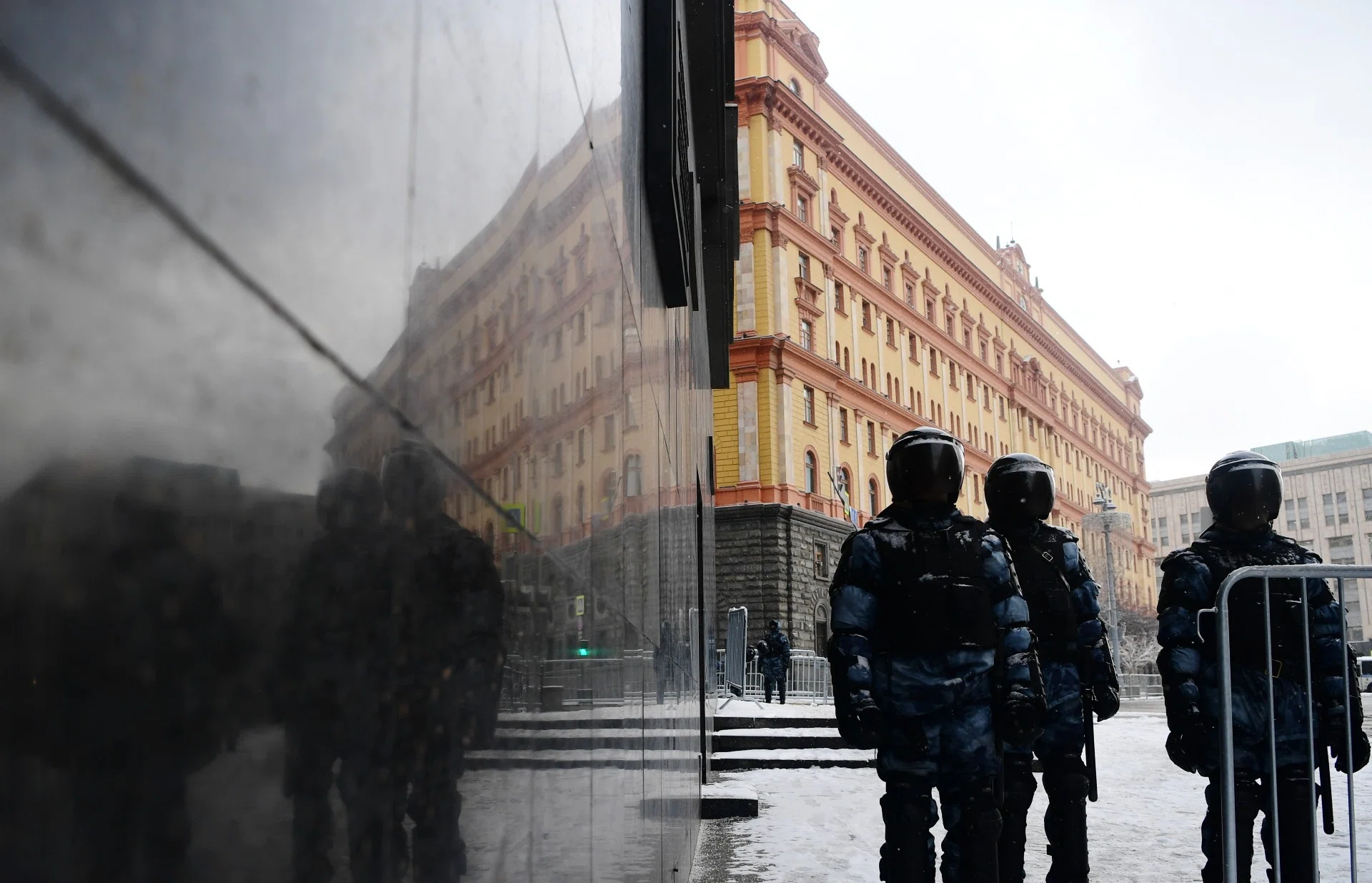
— Когда мы говорим о чекистах, то имеем в виду не только ФСБ, но еще и ФСО, и службу безопасности президента, и все те щупальца, которые проросли в остальные структуры. Кто у нас глава Федеральной таможенной службы? Генерал-полковник ФСБ. А кто глава ФСИН, Росгвардии? И во всех остальных структурах есть «присадка» из чекистов. Поэтому мы правильно о них говорим. Это такой «спинной мозг», который контролирует работу остальных органов. Армия у нас играет сейчас очень подчиненную роль — о ней можно не говорить.
— А полиция?
— Да, но часть полиции забрали — и сделали из нее Росгвардию, а с Золотовым во главе это, по сути, тоже продолжение чекистской структуры. Остаются прокуратура и СКР, которые и раньше играли подчиненную роль, и сегодня фактически обслуживают все, что связано с интересами ФСБ.
То есть ФСБ выступает как стержень, на который нанизаны остальные ведомства с более подчиненной ролью.
— Вы помянули недобрым словом наши суды. А с ними-то что произошло, как они стали фактически тоже «силовиками»? Я работала в судах в начале 2000-х, и тогда были ужасно интересные, по-настоящему состязательные процессы, и я видела оправдательные приговоры. Когда и что сломалось в этой системе?
— Здесь надо анализировать опыт еще 1990-х годов. Тогда было сделано много хорошего, но было и плохое. Мы тогда не позаботились о том, чтобы происходящие изменения закрепить, сделать необратимыми, сделать так, чтобы они приняли институциональный характер.
Казалось, что если управление ФСБ в Москве — или как она в то время называлась — возглавляет хороший человек Евгений Савостьянов, то и вся эта бесчеловечная система обретает человеческое лицо. Казалось, что проще модернизировать страну, если пока не строить жестких механизмов и институтов, иначе они создадут препоны и в модернизации. Дескать, пусть сейчас всем руководят просто честные люди, а потом уже мы что-нибудь придумаем. Оказалось, что это была ошибка, без институтов это не работает.
— Почему так поменялась милиция? И почему среди всех силовиков полиции стали отводить такую незначительную роль? Я знакома с несколькими операми, чудом уцелевшими в системе, и они жалуются, что МВД низвели до уровня какого-то агентства.
— Думаю, если бы к власти пришли милиционеры, то они могли бы действовать в интересах своей корпорации и подчинять им интересы остальных ведомств. Но с МВД все поломалось в 2014 году. Для себя я описываю ситуацию так. Еще в 2011-м Путин разочаровался в ФСБ, которая не смогла ни предсказать, ни предотвратить протесты в декабре. Тогда произошел откат, и некоторые ведомства лишились внешнего контроля со стороны ФСБ. В том числе лишилось его МВД. В МВД ведь службой собственной безопасности руководил Константин Ромодановский — это был чистый контроль со стороны ФСБ. А Рашид Нургалиев? Это был контроль со стороны ФСБ на уровне министра внутренних дел. Позвали Владимира Колокольцева — как «своего», милицейского. И на протяжении трех лет не только из МВД, из разных других структур уходили внешние «кураторы», то есть шло обратное развитие.
Но в 2014 году ситуация изменилась. С одной стороны, прошла Олимпиада, где ФСБ, считается, себя замечательно проявила. С другой стороны, Запад стал поджигать цветные революции у нас под носом. И на кого тут полагаться? Не на милиционеров же, которые занимаются всякой ерундой.
— А на людей, которые спалились на баночках с мочой и «спалили» заодно весь олимпийский триумф? Чекисты и потом не раз давали Путину поводы для расстройства. Он не разочаровался в них снова?
— Путин, как я уже говорил, разочаровался в возможности использовать их для решения сложных задач. Но с задачей сохранения его власти они справляются. Сегодня они — главная опора режима.