
Translated material
"We went beyond"
The ostentatious expulsions of diplomats are evidence of the rapidly deteriorating relations between Russia with other countries. Explains Leonid Mlechin
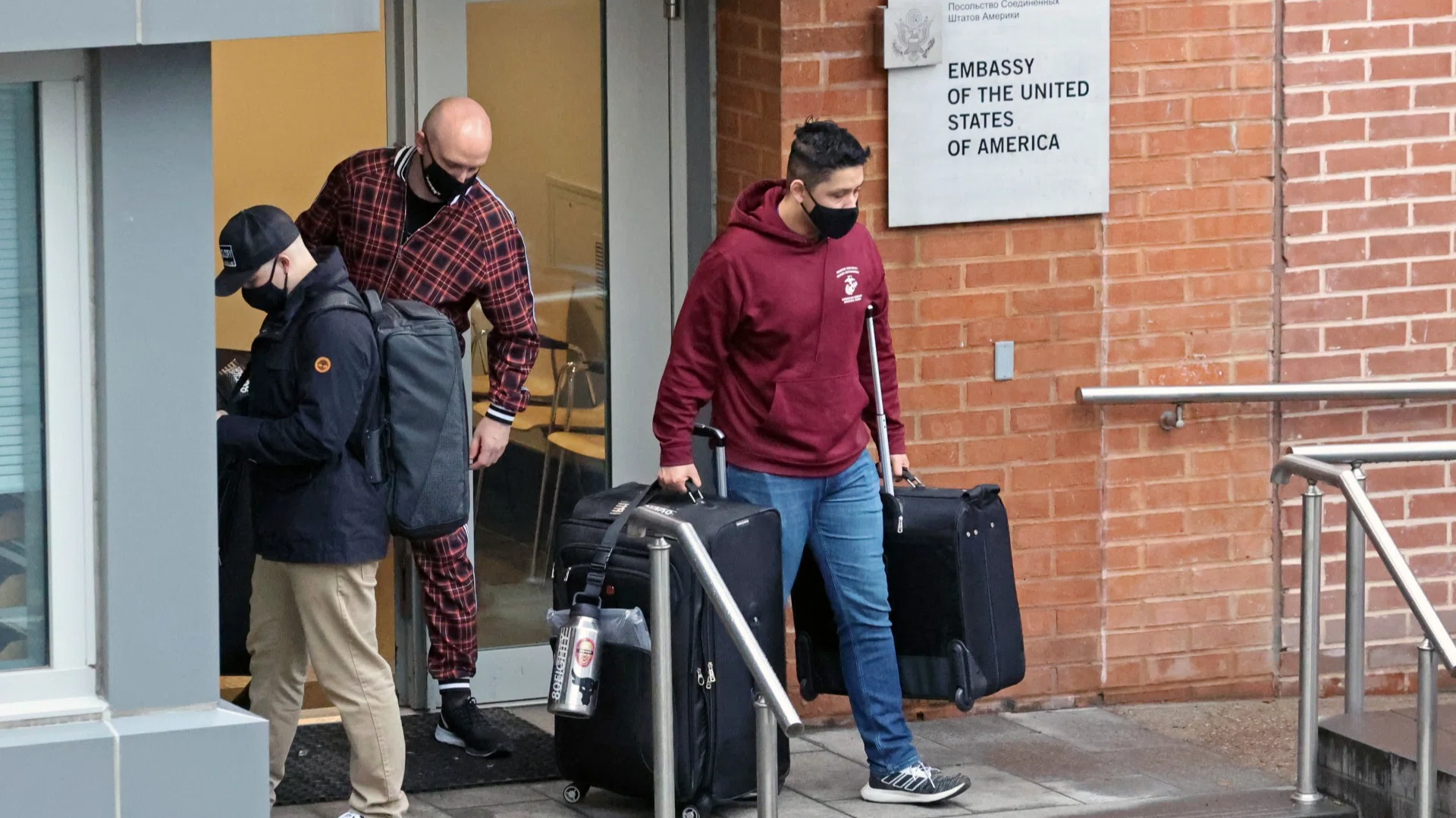
Intelligence information is necessary for the analysis of complex political processes in the situation “worse than the Cold War”, which was predicted by Minister Lavrov. But who will get it if everyone sends the scouts?
Contrary to the widespread opinion, counterintelligence around the world does not always turn to his Ministry of Foreign Affairs with a request to immediately send a scout working under a diplomatic cover. If you managed to find out who he is really, then he is not a very good professional. Why put it up? He can be replaced by a more skillful intelligence officer ... It is more practical to monitor who opened up, study his methods of work and communications: he will suddenly bring the agent recruited by him with his colleagues.
If someone is sent with a scandal, this means that there is a desire to publicly express displeasure with the policy of some country. When the relationship develops normally, spy scandals do not arise.
Without noise and dust
During the Second World War, American counterintelligence focused on Germans and Japanese, and Soviet intelligence officers worked in the United States relatively freely. President Franklin Roosevelt ordered the Federal Bureau of Investigations (FBI) not to touch the Soviet intelligence officers or, at least, not to bring the matter to the scandal.
The resident of foreign intelligence in New York Gayk Ovakimyan was detained by the FBI employees, but he was allowed to leave calmly. Assistants of the Air Force, Colonel Pavel Berezin and Major Konstantin Ovchinnikov on June 10, 1941, were declared by persons Non Grat “for using their diplomatic status for acquiring inappropriate military information”, but after the attack of fascist Germany on the Soviet Union they were allowed to remain and continue work. Intelligence officer Vasily Zarubin, who worked under the roof of the Third Secretary of the Embassy, employees of the FBI spotted in 1944, but he left without a scandal.
In the era of discharge, in 1975, under US President Gerald Ford, State Secretary Genry Kissinger and the Soviet ambassador to Washington Anatoly Dobrynin agreed that in the event of spy scandals, both countries would avoid publicity. In other words, if the scout working under the diplomatic roof came across, then he will be asked to leave, make an official representation of the authorities, but will not report this to the press and arrange a hype.
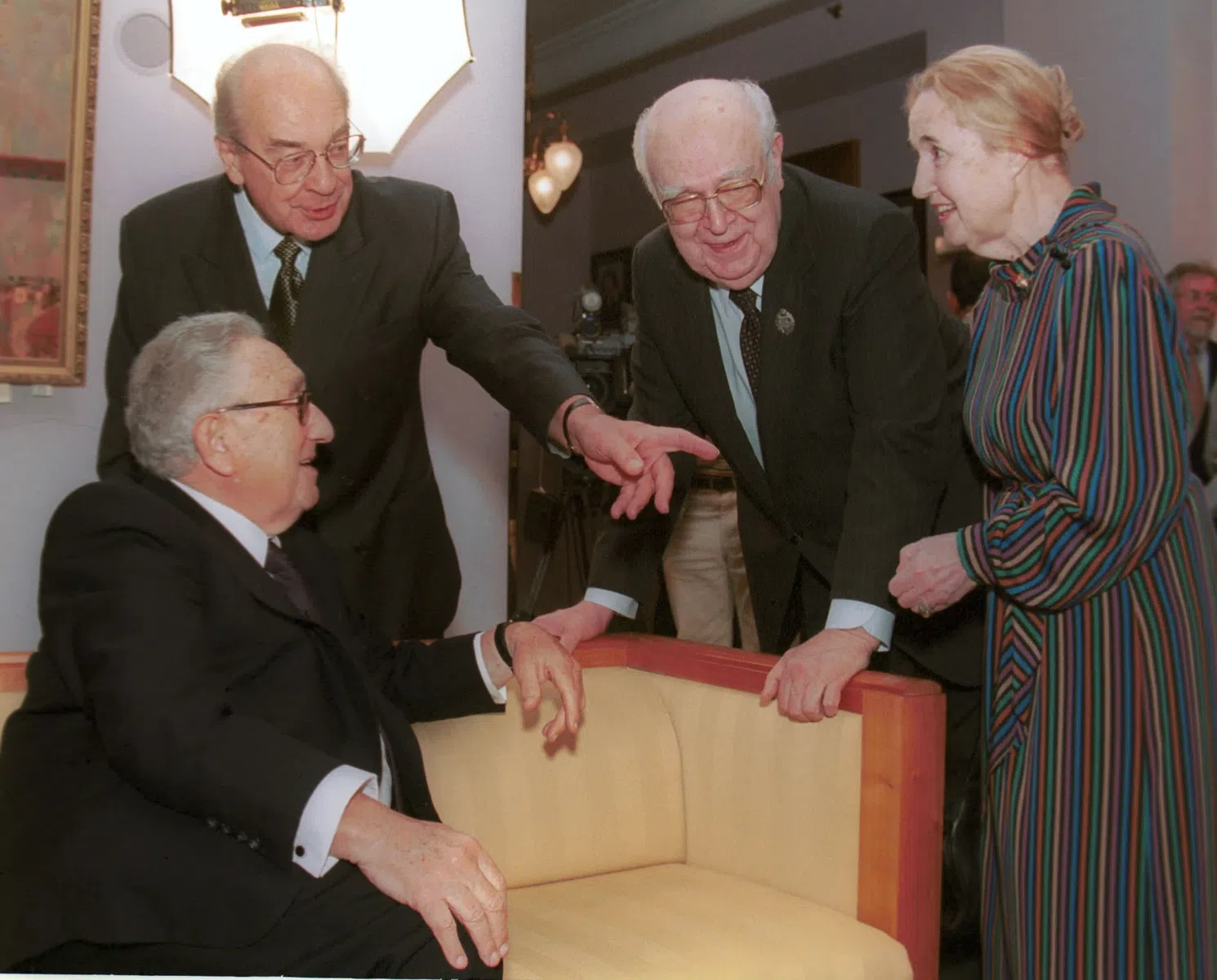
Even in those days, there were secret channels of communication between intelligence. Representatives of the special services were found in cases where one of the parties seemed that the other "went beyond."
In 1976, the director of the CIA William Kolby instructed his employees to meet with the KGB officers to find out if Soviet operatives were involved in the murder of the CIA resident in the Athens Richard Welsh. The meeting took place in Vienna. American intelligence officers with a threat said that "they would not tolerate it." KGB officers were outraged by this assumption: everyone knows that militants from the Cyprus terrorist group killed the American resident.
After in 1984, the resident of the CIA in Beirut William Bacley was abducted, the director of the department William Case ordered to meet with KGB representatives to find out if they had to do with this operation. After a new meeting in Vienna, the Americans were convinced that "the Russians were not involved in this."
In turn, the KGB officers made their complaints to the heads of the CIA. They believed that Soviet intelligence officers flee to the west not of their own free will, and the Americans abduct them using drugs.
"We will not miss a single blow"
Loud expulsions have always been political in nature.
Oleg Lyalin, senior engineer of the Soviet trade mission in London, asked for political asylum in the British in 1971. Lyalin told the British that he was a major, an employee of residency, and issued everyone he knew. He said that in Moscow he served in the department “B” (intelligence and sabotage) of the first main department of the KGB, in the London residency was responsible for the preparation of sabotage work in British ports and on naval communications.
And the relationship between London and Moscow at that time was extremely bad. There were much more Soviet diplomats in England than English in Moscow. The British suspected that there were few real diplomats among them.
The escape of Lyalin became a welcome occasion. On September 24, 1971, London sent 105 Soviet citizens.
General Viktor Budanov, who was then in London in his first fence, told me:
-After Lyalin’s transition to their side, we knew: something would follow, but we never thought that a campaign of such scale would be undertaken against us. In the history of intelligence, this was not.
Mass expulsions occurred later. On April 5, 1983, French President Francois Mitteraran ordered to send a large group of Soviet diplomats from the country, who were accused of actually engaged in espionage. They say that Mitteran himself chose 47 names from hundreds of “candidates” presented to him by counterintelligence. True, out of fifty -seven (ultimately) expelled, according to experts, only 37 were identified by special services.
Moscow abstained from the response, not wanting to spoil the special relationship with Paris - in France the socialist government supported by the Communists came to power.
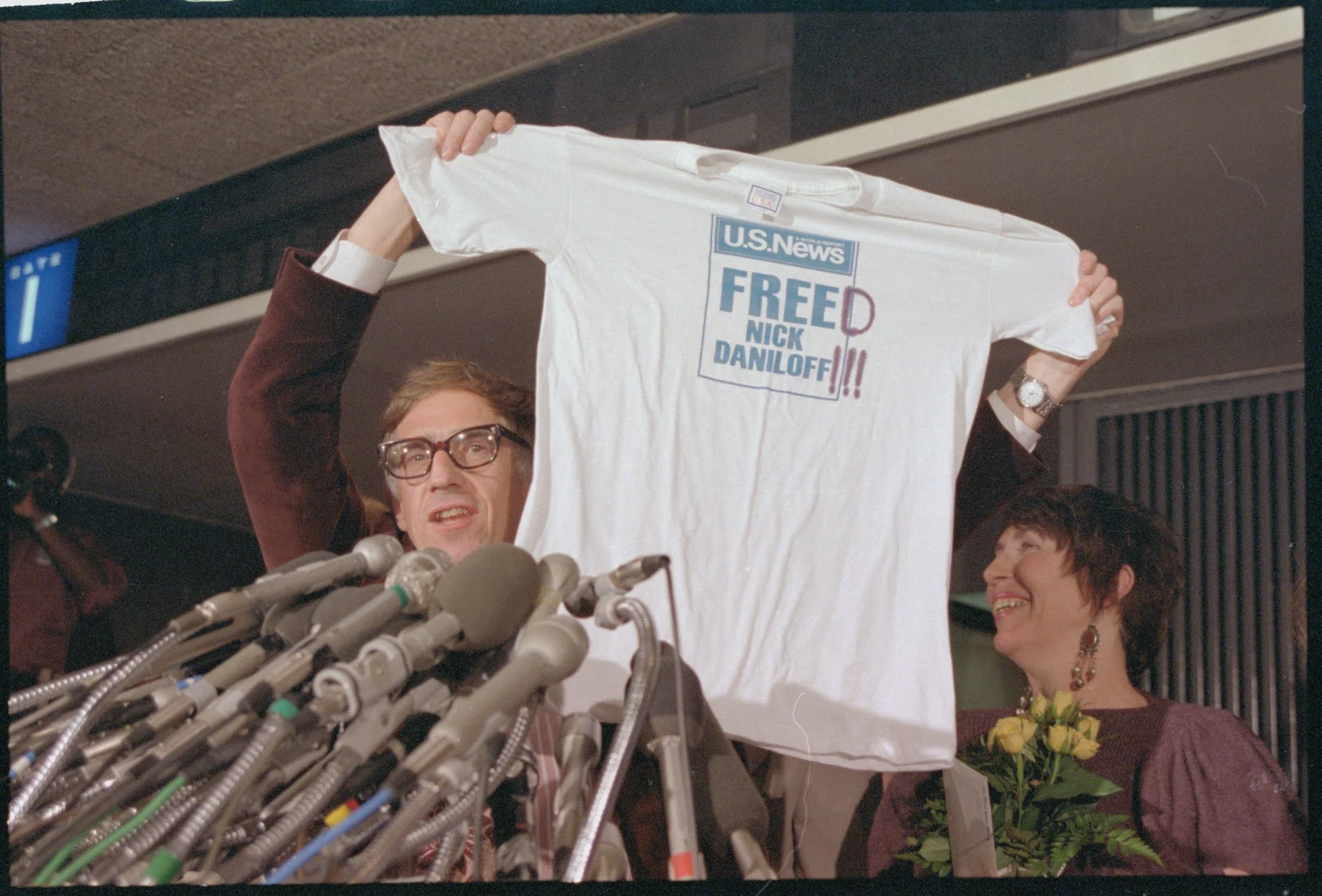
But at first they did not get along with American President Ronald Reagan. In New York, the FBI agents arrested the Soviet UN employee Gennady Zakharov, who was accused of espionage. In Moscow, American journalist Nicholas Daniloff was detained. The United States sent more than 70 employees of the Soviet embassy and representative office at the UN, calling them identified officers of the KGB and GRU. In October 1986, the American embassy in Moscow was banned from hiring Soviet citizens to work at the embassy and the residence of the ambassador. And in the Spaso House, only three Italians remained as hired power ...
But the arrest in 1994 of the CIA employee Oldrich Eims, who worked for Moscow for many years, fell on other times. The official representative of the foreign intelligence service, General Alexander Lysenko, was expelled from Washington. In response, the Russian side asked to leave Moscow as an adviser to the American embassy James Morris, who headed the CIA residency.
The head of the SVR Evgeny Primakov said then: "We will not miss a single blow." But these expulsions were limited. President Bill Clinton did not want a spy scandal to interfere with partnership with democratic Russia.
“Questions arose,” Bill Clinton recalled, “if Russia is conducting spy activity directed against us, should we cancel or suspend the provision of assistance to it? At a meeting with representatives of both parties in Congress and answering questions from journalists, I spoke out against the cessation of Russia's support. In addition, the spies were not only among the Russians. ”
Sanctions and arrests
Leon Panetta, appointed by the Director of the CIA under President Barack Obama, recalled how he invited the Soviet intelligence head to the CIA headquarters in Langley. In the reception of the head of American intelligence on the walls - photographs, among them was a picture of the Soviet colonel Oleg Penkovsky, who worked for both Americans and the British and was shot in 1963 by the verdict of the military collegium of the Supreme Court of the USSR. According to Panetta, the Moscow guest looked at Penkovsky’s photograph and grimaced.
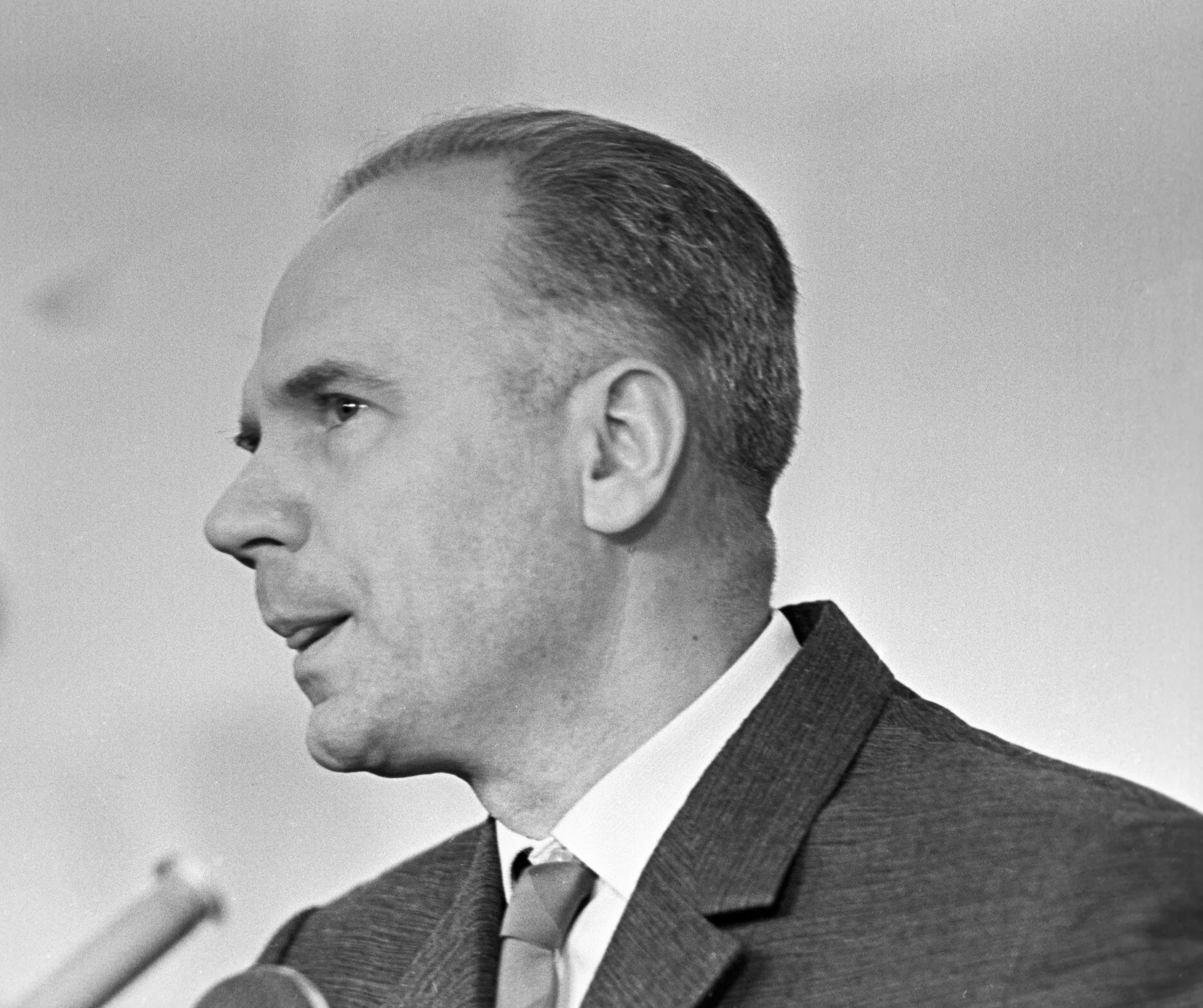
When Leon Panetta arrived in Moscow, he was taken to the CDL restaurant. He did not like the kitchen - unlike a business conversation about how the United States and Russia can share information on topics of mutual interest.
The latter at the Obama Director of the CIA John Brennan came to Moscow in March 2016. He negotiated mainly about Syrian affairs.
“We exchange information,” said Brennan. - I think it is necessary. I firmly intend to continue working with my Russian colleagues. Regardless of our disagreements regarding Syria, I intend to make every effort to work with special services of other countries in order to prevent terrorist attacks.
However, the relationship quickly came to naught. In May 2017, the US Congress approved the budget of the reconnaissance services for the new financial year.
The State Department, together with the FBI, was instructed to tighten the rules for the stay of Russian diplomats in the country, obliging them to preliminary notify them about all trips throughout the country. Strengthened control complicated the work of both diplomats and scouts.
President Obama, leaving the White House, imposed new sanctions. Thirty -five employees of Russian diplomatic institutions were declared persons Non Grata, they had to return to their homeland. The State Department closed two suburban mansions used by Russian diplomats for relaxation: there is a tennis court, a swimming pool, a football field ...
In Moscow, the Minister of Foreign Affairs Sergey Lavrov spoke:
- Of course, we cannot leave such antics unanswered. Reciprocity is the law of diplomacy and international relations. Therefore, the Russian Foreign Ministry, together with our colleagues from other departments, submitted a proposal for consideration by the President of Russia to declare Persons Non grata of thirty-one US Embassy in Moscow and four diplomats from the US Consulate General in St. Petersburg. In addition, it is proposed to forbid Americans to use their cottages in Silver Bor and a warehouse on Dorozhny Street.
But President Putin decided differently:
- We will not send anyone.
He wanted to show that Obama has not seriously perceived and intends to deal with the new owner of the White House. Donald Trump approvingly responded on Twitter: “A great idea with a delay! I always knew that he was very smart. ”
But hopes associated with Trump did not materialize. The situation only worsened.
The conflict with the United States is fundamental. It's not about disagreements on individual issues. And forced cooperation in some areas does not change the general situation. The confrontation, as in the past, is generated by acute geopolitical rivalry, the mismatch of political systems and moral landmarks. There are no conditions for a trusting dialogue. New Cold War. Confrontation of intelligence.
Scandalous arrests and expulsions are evidence of rapidly worsening relationships.
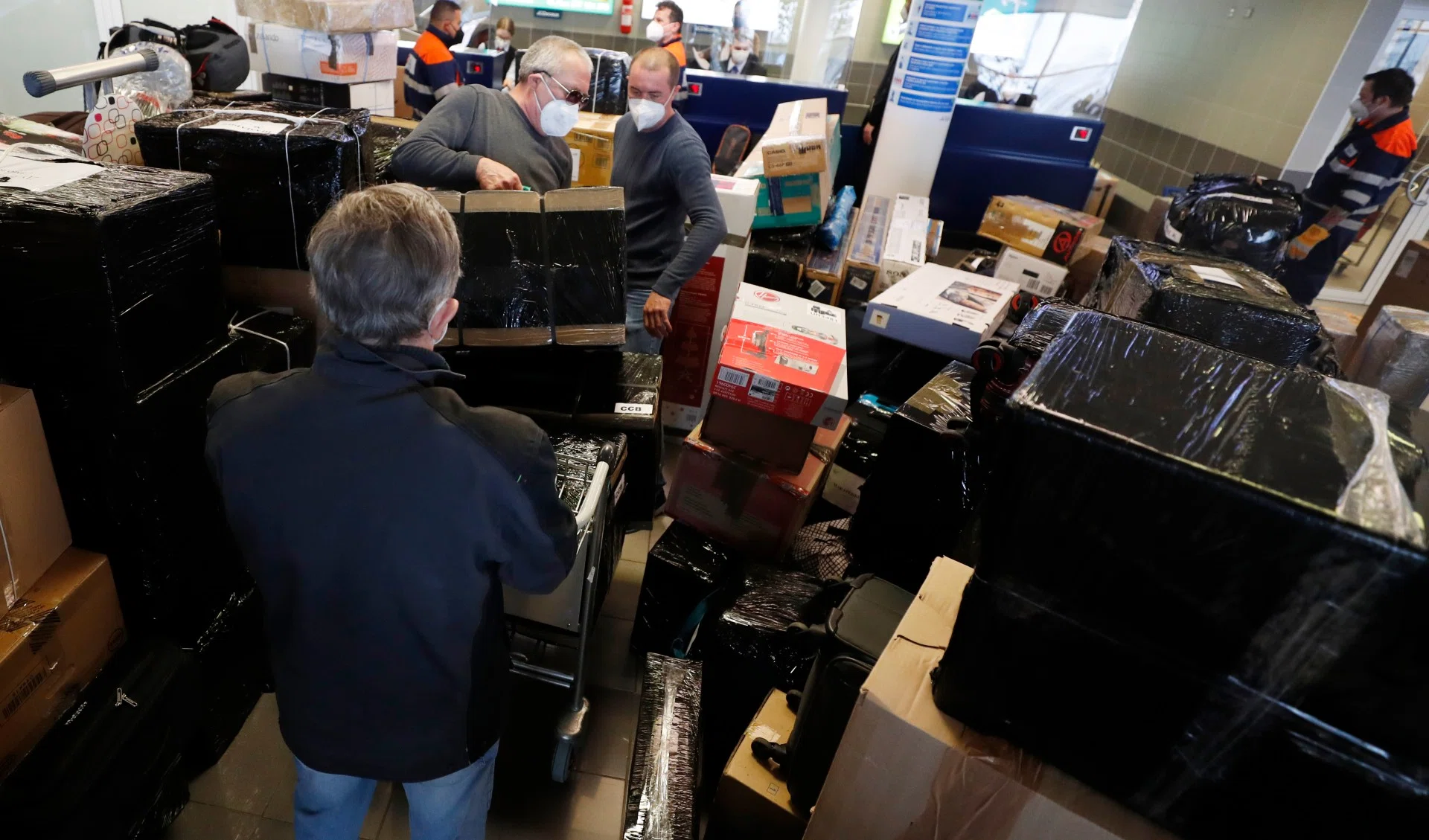
Triumph of counterintelligence
In the era of a sharp confrontation, intelligence is especially valuable.
“Intelligence,” Yevgeny Primakov told me, “often prevents events that could undermine stability.”
Intelligence is an integral element of strategic stability. Roughly speaking, this is: if I know firmly that the neighbor is not going to attack me, I can not spend extra money on weapons. So you can't do without intelligence ...
But today, all over the world, political intelligence in a difficult situation. Intelligence and counterintelligence is a shield and a sword, like offensive and defensive weapons, between which there is constant competition. At each historical stage, someone prevails. Now the top is undoubtedly taking counterintelligence.
The last two decades, the special services focused on the fight against international terrorism. They have never received such huge funds. Multiply on revolutionary achievements of modern technologies, they provided an unprecedented flowering of counterintelligence. As a result, in the competition with reconnaissance, counterintelligence broke forward. Traditional reconnaissance operations abroad have become extremely risky.
A very talented Soviet intelligence officer told me how he received the task to get to the United States. And there, in the south of the country, on the border with Mexico, to prepare caches for communication with a very valuable agent. Near the mountain, lifted by dozens of abandoned mines and mines, where silver and tin were once mined. So there are more than enough places suitable for the equipment of hiding places.
Nearby, the base of American strategic aviation. And the scout saw how B-52 bombers take off with nuclear weapons on board. His heart is Yokalo - he imagined that these planes could take a course on Moscow. Therefore, his work is so important! Someday, he thought, through the hiding places he had arranged by the most important intelligence of the most important agent, invaluable information would come to prevent a nuclear blow to Moscow.
How did he get to the United States? He flew from Moscow to Helsinki with a Soviet passport to someone else's name. In the Finnish capital, in the hotel, he presented another. The first passport was destroyed on the same day. From Helsinki on a ferry moved to Stockholm. There we got on the train and arrived in Copenhagen already with the third passport. In the Danish capital spent the night. The next day, he sat on the plane, which delivered him to Canada. And from there - to the United States.
All! His trace was lost, and no counterintelligence is able to establish that he arrived from the Soviet Union. And he could complete the special task of the center ...
Now this is impossible. The electronic eye is watching each of us.
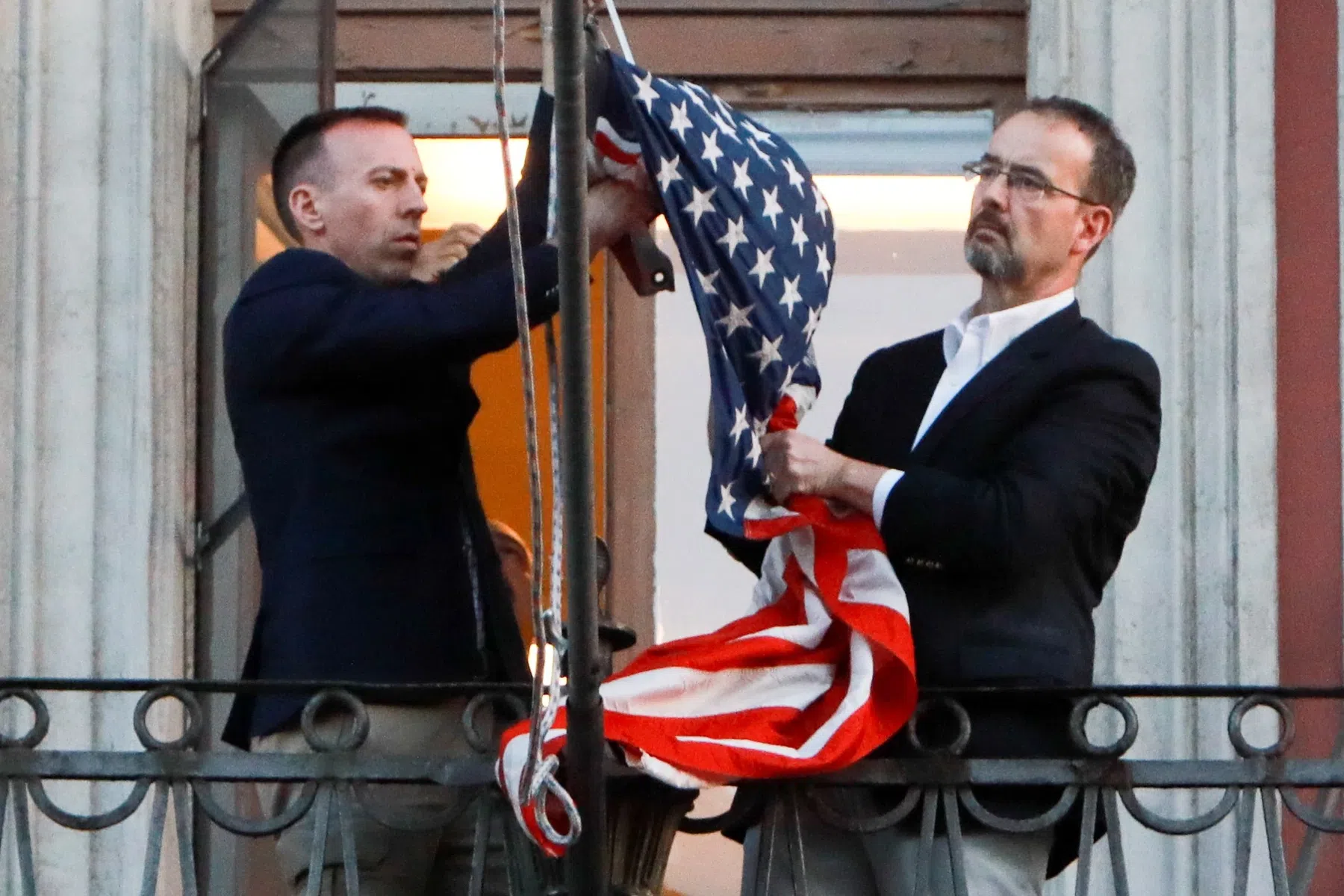
The triumph of suspicion
Attention is attracted by combat groups that conduct operations abroad. But they immediately return home. And then they send scouts. No matter how paradoxical this sounds, the reduction of the intelligence apparatus is not good for anyone.
Political intelligence should warn about the occurrence of a threat to the country's national security, predict wars, revolutions, government coups, a decline in governments, large terrorist attacks and even epidemics ... Intelligence - the source material for the analysis of complex political processes. How to get it?
Scouts working under legal cover have always been in a difficult position. The counterintelligence and the police followed them. They could not leave the embassy unnoticed. The meeting with the agent was held as a military operation, almost all the cash forces of the residency were involved in it. They took special precautions. Sometimes they made several false trips to crush the forces of outdoor observation, following the embassy. Then someone took the operational employee to the city. In a quiet place, he jumped out of the car, ran to the other side, where another employee was picked up in his car and took him to the assigned place.
The special agent of the FBI Robert Hansen issued more secrets to the Soviets than anyone in the history of American counterintelligence. He cared about his own security. I never met with Soviet intelligence officers. He used hiding places. His curators from Moscow recognized the true name of their agent only after 16 years.
He led a modest lifestyle corresponding to his salary. He did not spend the money received from Moscow, so as not to attract the attention of suspicious colleagues. He knew that a special interdepartmental group was studying the affairs of all special services, in particular, looking for those who live beyond their means, buy expensive cars and jewelry, often traveling abroad ... And still he was arrested in February 2001, when he left over -secret documents of the FBI.
And with the current possibilities of electronic control and outdoor observation services, the work of foreign intelligence becomes incredibly complicated.
The usual ways of sending illegal immigrants with a passport to someone else's name have gone the past. And any contacts are extremely dangerous.
There are not so many recruited agents. The main task of the resident employee is to develop an intelligence of the environment. He must constantly look for people who can represent interest, meet with them, try to talk. Receptions and meetings are part of the work. They do not go to receptions in order to relax, but in the hope of getting valuable information. But how to hold such meetings in the digital era, when nothing can be hidden when everything and everything is in the palm of your hand?
* * *
The Cold War is a tragedy of mistakes, misunderstanding of thoughts, intentions and aspirations of the other side. And the worse they understand, the more they hate and are afraid of each other. The triumph of suspicion!
Great demand for cold heads and highly professional analysts. And they extremely need reliable information that political intelligence gives. But when everyone around the scouts is sent, they are not collected, but suitcases.