
Translated material
Grain of doubts
The authorities banned buckwheat from Russia. What is the point and what will happen to the prices?
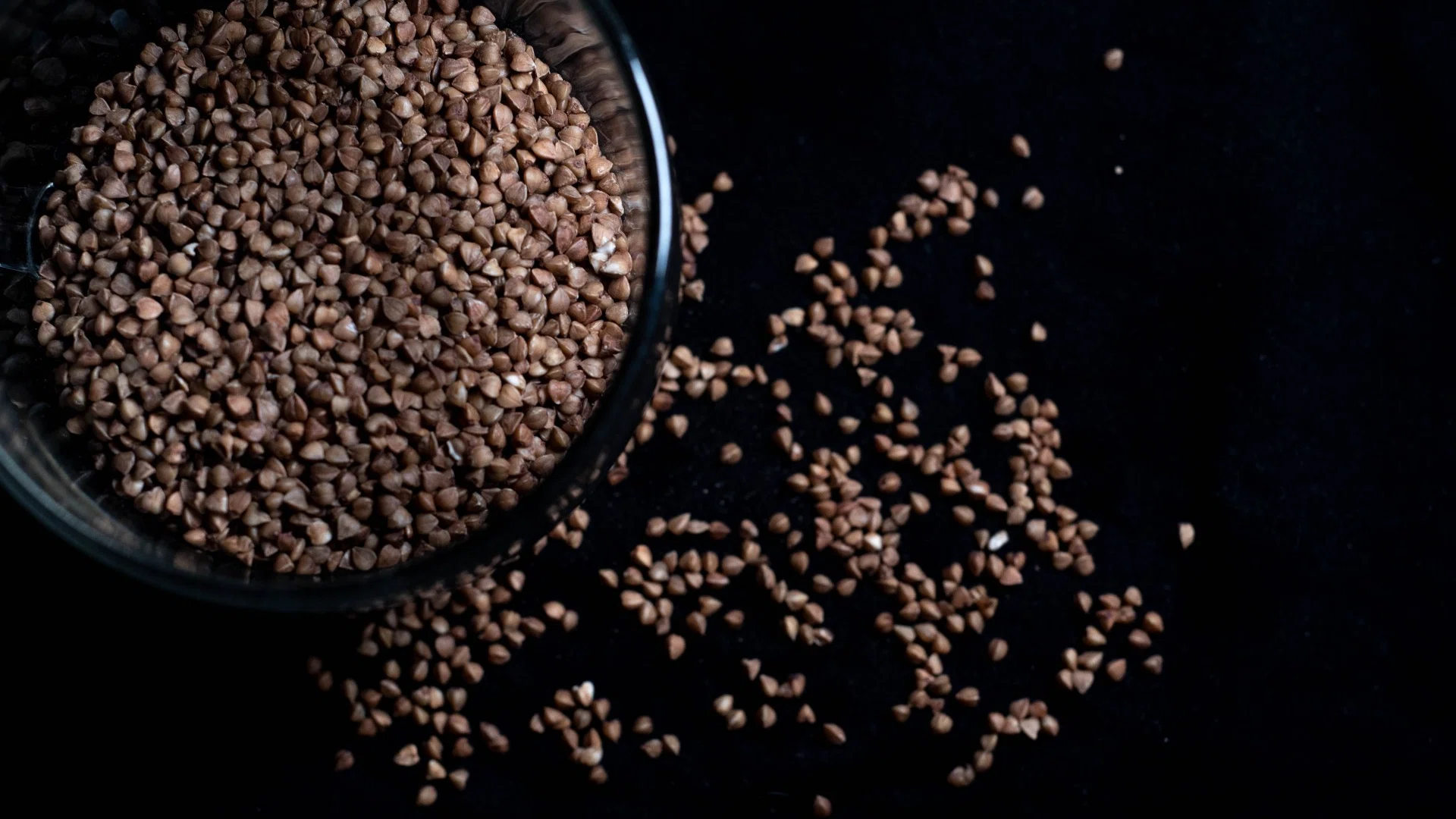
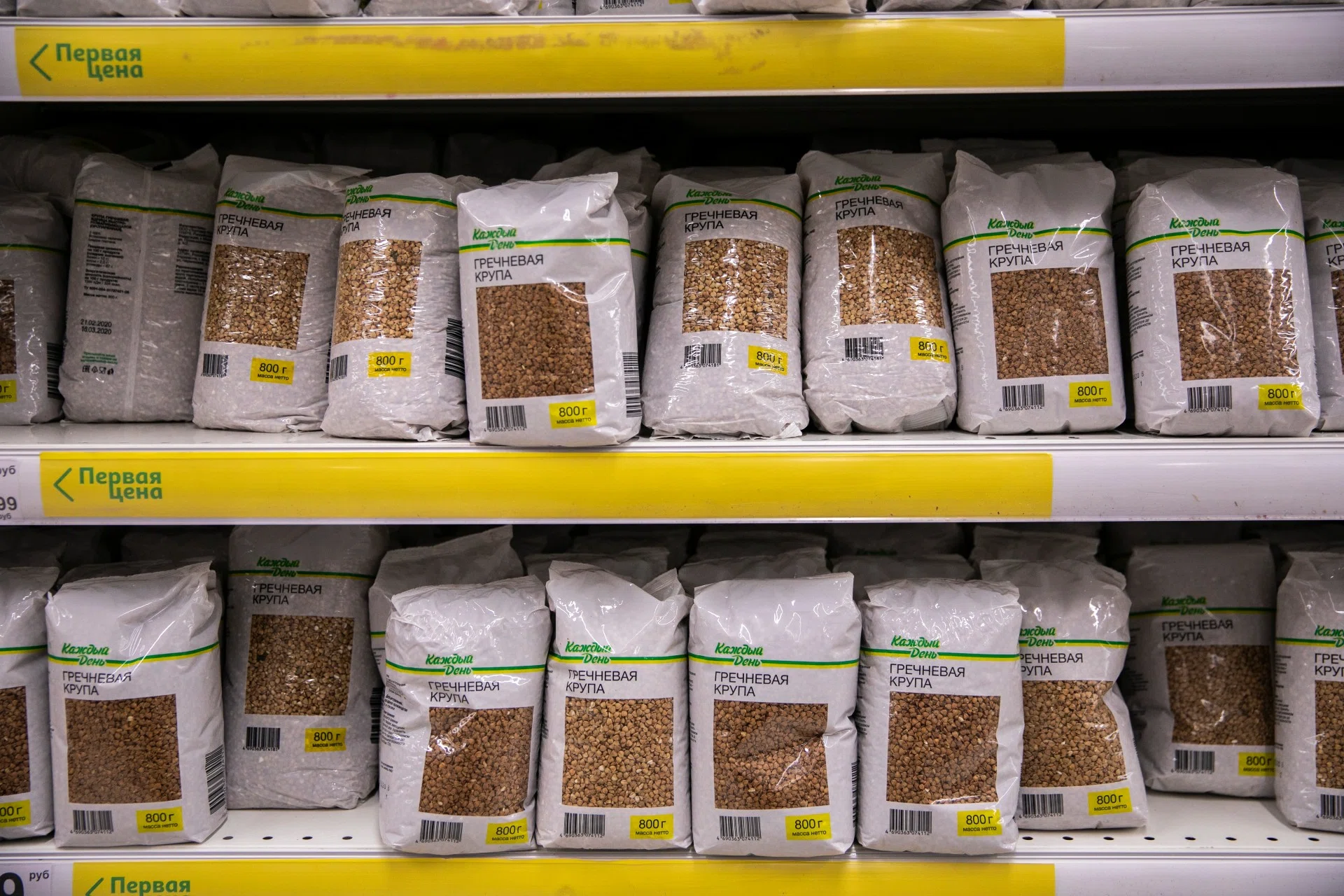
A ban on buckwheat exports (more precisely buckwheat, cereals of coarse grinding from buckwheat and buckwheat grain of the collapsed, as stated in the government’s decree ) will operate in Russia from June 5 to August 31, 2021. This was done, as follows from the document, in order to maintain the necessary volumes of buckwheat in the domestic market and prevent sharp fluctuations in prices.
That is, the logic here is this: after the ban on the export of buckwheat, her offer in the domestic market will grow, which should restrain the rise in prices.
Such a non -destructive decision of the government appeared because it was worried about a significant increase in the exports of Russian buckwheat in recent months. According to grain exporters, the largest buyer of Russian buckwheat from July 1, 2020 to April 21, 2021 became China - 26.2 thousand tons. This is followed by Latvia - 14.3 thousand tons and Ukraine - 13.2 thousand tons. In total, Russia in 2020 collected 893 thousand tons of buckwheat. (in 2019 - 786 thousand tons).
And what about the prices due to which the ban has been introduced? In the period from the beginning of 2021 to April 26, 2021, prices, according to the Federal State Statistics Service, rose 4.4%in Russia in Russia on Greek-Yadritsa. This is higher than official inflation in general for the same period - 2.7%. But, as you can see, price indices are not so different. Nevertheless, such a radical decision is made.
Let me remind you that the president in a recent message to the Federal Assembly said that it is necessary to look for market regulation mechanisms, and only in time and in the amount that is necessary. And regarding the directive setting of prices, he said that "there is no need to bring a shadow on a wicker here and scare everyone." The ban on export is not yet the directive setting of prices, but you definitely can’t call it a market mechanism.
Now let's see what happens when we do not even prohibit, but only limit the export of any product. There is a good example - grain.
In Russia, on February 15, 2021, the quota was introduced for export of grain in the amount of 17.5 million tons (valid until June 30, 2021). Secondly, wheat began to be taxed with an export duty of 50 euros per ton (from March 1, 2021), corn-25 euros, barley-10 euros per ton (both were introduced since March 15, 2021).
Result: Russia in April 2021 set 830 thousand tons of wheat abroad, which is 75% less than the same period of 2020 (3.24 million tons).
This is called a collapse of exports.
We look at the prices: wheat flour prices from the beginning of 2021 to April 26, 2021 increased, according to Rosstat, by 3.2%, which, taking into account such powerful restrictive export measures.
Well, the government does it right, increasing export duties or even prohibiting export? It is better, of course, to do without it. Without a ban on export - for sure. And the introduction (increase) of export duties should not reduce exports.
Firstly, when this happens with wheat, Russian exporters lose the market. Imagine: with such difficulty we entered export markets with certain goods, and then suddenly we leave them. No, we don’t leave, we just run away, we can say. It is obvious that the place of Russian exporters in world markets will not be empty. They will quickly take him. Losses for the economy in this case will be huge. Price - billions of US dollars.
Secondly, agricultural producers in export restrictions will change the structure of crops, or even reduce sown areas. As a result, after a relatively short-term period of holding prices, we risk obtaining their growth due to the fact that the offer in the Russian market will fall again.
As a result, we will lose worldly markets, and prices, after some time, will continue to grow.
It causes serious concern and how this idea - a limitation, or even a ban on export - rapidly masters the minds of our officials. Already, the Ministry of Industry and Trade proposes to include in the list of goods that are significantly important for the domestic market of Russia and in respect of which in exceptional cases temporary restrictions or the ban on export, iron ore, semi -finished products made of iron and unleged steel, steel rental, and copper -sized, copper and aluminum wire and irreversible aluminums can be established. In the opinion of officials, restrictions on the export of these goods should help restrain the increase in prices for metal products sold in the domestic market.
And the Ministry of Energy offers to do the same in relation to gasoline and other oil products. This Ministry also prepared the appropriate draft government decision. The justification is similar: in order to prevent price growth. The ban on exports can affect 13 items of oil products, including car gasolines of brands 80, 92, 95, 98.
The ban on export, as we see, becomes popular. And it is unlikely that everything will be limited to buckwheat.
The indicated measures will still have a limited effect from the point of view of restraining prices for prices also because this growth is not only associated with export, but also with a mass of other factors: weakening the ruble, ineffective state regulation of natural monopolies, clumsily attempts by state regulation of prices as a whole, insufficient competition, Russian antisancins, etc. There will be much more from such rigid prohibitive measures.