
Translated material
Prison in prison
As colonies deprived of the prisoners of all rights and contact with the outside world. Secrets of a schizo
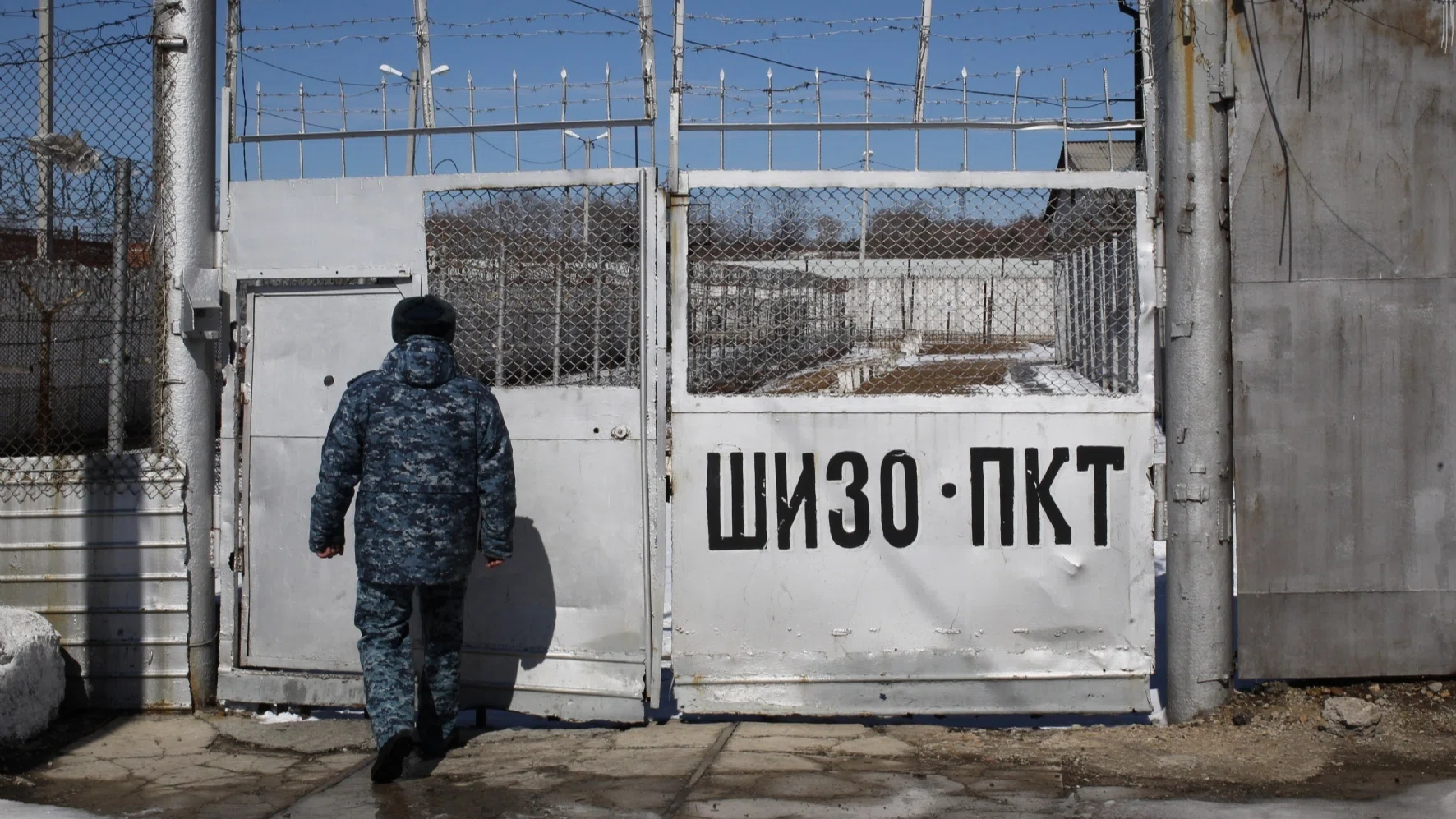
In custody, each prisoner has the right to a lawyer and a conversation with relatives. But only until it is convenient for the FSIN employees. It is possible to isolate the prisoner from the outside world for weeks and even months - this is how the FSINESS punish violators of order. A fight, drinking alcohol, drug trafficking, as well as a slight unshaven and refusal to say hello to an employee of the colony can cause a penalty. And a person finds himself in a penalty isolator (schizo).
The Date Department has studied all complaints of “malicious violators” about the FSIN over the past eight years. Every year, attempts to achieve compensation for illegal stay in the penalty isolator are becoming more. At the same time, Russian courts prefer to stably refuse convicts - since 2012 only one lawsuit has been fully satisfied.
Russia is an absolute leader ( ECHR.Police-Barometer.ru, included by the Ministry of Justice in the register of organizations performing the functions of a foreign agent ) by the number of complaints to the European Court of Human Rights. In the top three of the most common violations of the rights that the court recognizes annually, is inhuman appeal. These are 30% of all decisions made by the ECHR since 1959.
By the number of violations of the forbid torture, Russia is more than doubled by other countries: 76 decisions in favor of the applicant;
Next are Türkiye (31) and Ukraine (19). Moreover, 13 of these 76 decisions, the ECHR made in 2020.
Such violations of human rights are characteristic of places of imprisonment. Colonies and investigative insulators are the most closed to the civil society of the institution. This creates ideal conditions for cruelty to people.
A formally prisoner has a whole set of rights: for unlimited dates with a lawyer, parcels, telephone conversations. But administration employees can deprive a person of any contact with the outside world. It is enough to recognize the convicted person with a “malicious violator of the procedure for serving a sentence”, which means transferring into a separate camera and canceling almost all rights.
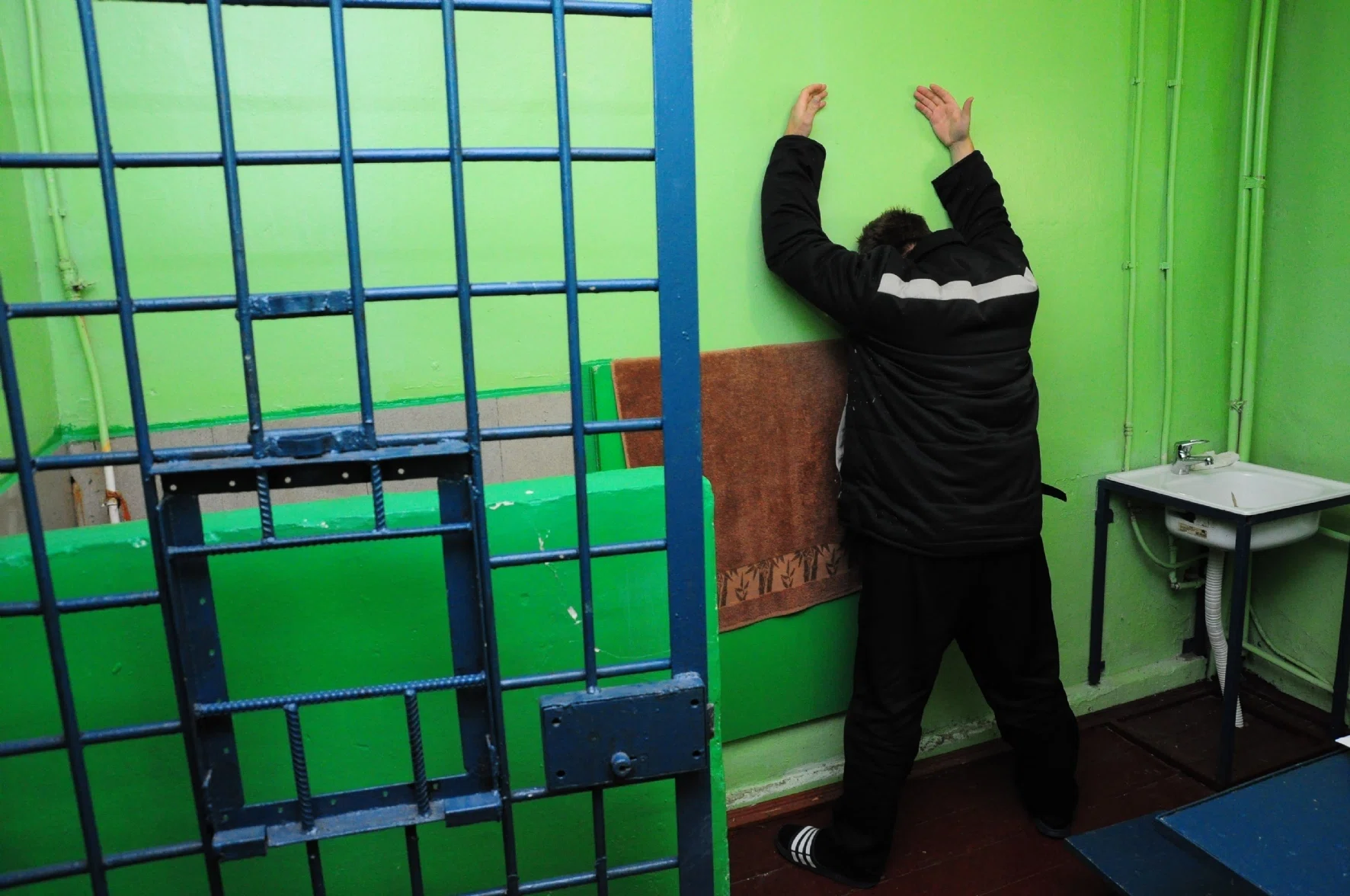
The consumption of alcohol or drugs, hooliganism, sodilling or lesbianism, insulting the FSINESS, refusal to treat the recovery. In addition to placing a chamber type (PCT), a penalty area (schizo) or a punishment cell (schizo in the pre -trial detention center), the intruder has the right to make a reprimand or assign a fine.
Putting is the most stringent way of punishment. An isolated prisoner loses the right to date, telephone conversations, parcels, purchases. Walking time is limited to one hour per day.
Shiso is torture
In addition to absolute isolation from the usual hut, schizo is distinguished by the conditions of detention, which, as the complaints of prisoners show, are close to torture.
“There was no exhaust ventilation in the cell, daylight did not fall through the window, there was no drain tank over the sanitary unit, it was cold, wet and damp,” this is how one of the prisoners describes the punishment cell in his complaint about the pre-trial detention center-1 in the Orenburg region.
In the same SIZO-1, according to another prisoner, “there was an open toilet in the cell, from where an unpleasant smell came from, because of which it was impossible to eat food. It was also impossible to go to the toilet, since the video camera was aimed at the bathroom. ”
During placement in the schizo, violators cannot independently buy even the most necessary things, so they are completely dependent on the colony employees. So, the convicted person from IK-4 in the Arkhangelsk region complains that he was "not given toilet paper, soap, washing powder, toothpaste, brush, razor, bedding."
The imprisoned of the IK-16 in the Murmansk region was forced to sleep on the floor on which the rats were running, and bounced his back. In court, the plaintiff admitted that "because of the existing conditions of content, he was forced to open his veins," and "demonstrated a rodent in a plastic bottle that he fed." The judge recovered ten thousand rubles from the FSIN.
The conditions of detention in a schizo are significantly tougher, therefore, a doctor must examine a convicted person before the placement, according to the law . Only if the violator, according to a medical opinion, will be able to carry out isolation, he is sent there.
However, doctors in Russian colonies are controlled not by the Ministry of Health, but by the FSIN.
Any disobedience to the administration’s employees can threaten problems at work and dismissal, which means that the decision on placement is not always objectively.
“I contacted the medical unit constantly with stomach pain and weakness. He told the medical unit that I have an ulcer and she was aggravated annually, ” the complaint about IK-4 in the Ivanovo region said. Due to pain in the stomach, the convict could not go to work, because of which he was sent to the schizo. Before eating, he "asked to measure pressure and give medications." The doctor replied that "they give nothing from pressure and this does not interfere with the convict’s stay in the schizo."
Despite the diagnosed epilepsy, the doctor of the medical correctional institution in the Republic of Khakassia allowed to support the prisoner in a single chamber. “Employees did not respond to epilepsy attacks, anti -epileptic drugs did not give,” says the convicted person in the complaint .
Do not please the FSINOVS - malicious violation
Employees of the administration make a decision on placing in a schizo on their own. In addition to drinking alcohol, “disobedience to representatives of the administration” can also become a “malicious violation”. It is possible to interpret this wording, as judicial practice shows, without any special restrictions.
The inspector of the duty service in the SIZO-4 in the Kemerovo region “demanded a report”, despite the fact that the prisoner did not know what it was. Having not received an answer, the inspector sent the offender to the punishment cell. The Angero-Suzhensky city court did not discover violations in the actions of an employee of the pre-trial detention center.
The convicted person from IK-29 in the Kirov region admits the complaint that he could not say hello to the administration employee, since "at that moment he was talking with another employee and could not see him." For which he was expelled in the penalty area.
Dirty clothing and unshaven can also cause a penalty. Although an untidy appearance is not included in the list of violations.
The “malicious offender” in IK-8 in the Novosibirsk region “had a hair length on the head of 53 millimeters instead of the set 20 millimeters”, for which he was punished. The judge of the Kalininsky district court agreed that the convict “is obliged to comply with the rules of personal hygiene,” and rejected the complaint.
Two IK-2 prisoners in the Oryol region were expelled for three months in PCT (chamber-type premises) for the lack of a distinctive sign on a jacket. In relation to measures of influence on both convicts, judge Alianova E.L. I did not see violations.
For employees of the Federal Antimonopoly Service, placement in the insulator is a convenient and unpunished way to get absolute power over a person. There is always an occasion to recover. In addition to fictional violations of order, prisoners complain about provocations by employees.
“Without taking pain from torture,“ stretching ”, trying to stop torture and endure the pain,” concluded from the Karelian IK-7 “was forced to bite himself by the right shoulder, which is why the colony officers of the colony were drawn up an act of placement in a schizo.” In the insulator, the convict admitted in the complaint , "beating and torture" stretching "continued with renewed vigor."
The IK-18 employee in the Murmansk region, according to the prisoner, constantly shot him on the phone, including during a long date. The applicant named the FSINICA actions with a provocation in order to send him to the penalty area.
The term of stay in the schizo is limited to 15 days. In fact, the administration’s employees have the right to constantly renew this period, drawing up more and more violations, which can stretch the sentence up to several months.
45 days spent in a penalty isolater, a concluded from the IK-5 in the Khabarovsk Territory. Due to the prolonged content “in cold and dampness without personal belongings,” according to the convict, he fell ill with sinusitis.
For obscene abuse, the convicted person from IK-17 in the Nizhny Novgorod region spent 50 days in a schizo. Throughout the sentence, he was "provided only with a one -time nutrition." The Krasnobakovsky District Court considered the time of stay in the penalty isolator quite reasonable.
Nobody will hear you here
The course on reforming the penal system was declared by the government in 2010. However, only after the publication of 2018, the torture in the Yaroslavl IK-1 was filmed in the video, the Human Rights Council outlined real problems of the system. The main thing is its closeness.
Almost the only “window” to the places of forced content are members of public observation commissions. They have the right to visit IR and pre -trial detention center without special permission. Despite this, in the Rostov Region alone, up to 1,500 units of appeals to the FSIN is recorded in the year with a request to visit local colonies and investigative insulators.
Three years ago, the PMC lost their independent status. And now, although it is impossible to refuse the PMC members, even if they want to visit the cells of isolated prisoners, in practice this rests on the decision of the administration.
The members of the PMC notified their visit and "immediately said that all the locked premises would be bypassed." However, the IK-2 employees in the Irkutsk region "forbidden to call the convicts who are in the EPCT for a personal conversation." The judge of the Oktyabrsky District Court of Irkutsk did not find an offense in the actions of the FSINESS.
The head of IK-6 in the Kirov region ignored the request of the PMC member about the reason for the placement of one of the prisoners in the schizo. The court left a complaint to the human rights activist without consideration.
The lawyer remains the main defense of the convicted person at the place of enforcement. With it, the number of dates is not limited by law. And only isolated prisoners are deprived of even this possibility - all dates and telephone conversations are banned.
No one forbade the lawyer formally to invite a lawyer to him, but this mechanism is not fixed in case of placement anywhere. The Constitutional Court in January 2021 rejected the complaint of the prisoner who, during the content in the penalty insulator, was not able to contact the defender. The court noted that a stay in a schizo does not cancel the right to an independent appeal to a lawyer, but did not explain how to initiate a meeting.
Savings on prisoners
Since 2020, Russian courts are obliged to appoint monetary compensation for violations of the conditions of detention. The law has been adopted in order to unload the European Court of Human Rights from the flow of complaints. The ECHR can now reject the appeal if the applicant has passed the Russian court or compensation has already been paid. At the same time, its amount should be based on the average amount, which is agreed by the authors of the bill with the ECHR: 3 thousand euros (231 thousand rubles).
The mechanism works weakly. The number of complaints from 2019 for illegal stay in the schizo and kartsere continued to grow, and the number of satisfied claims fell.
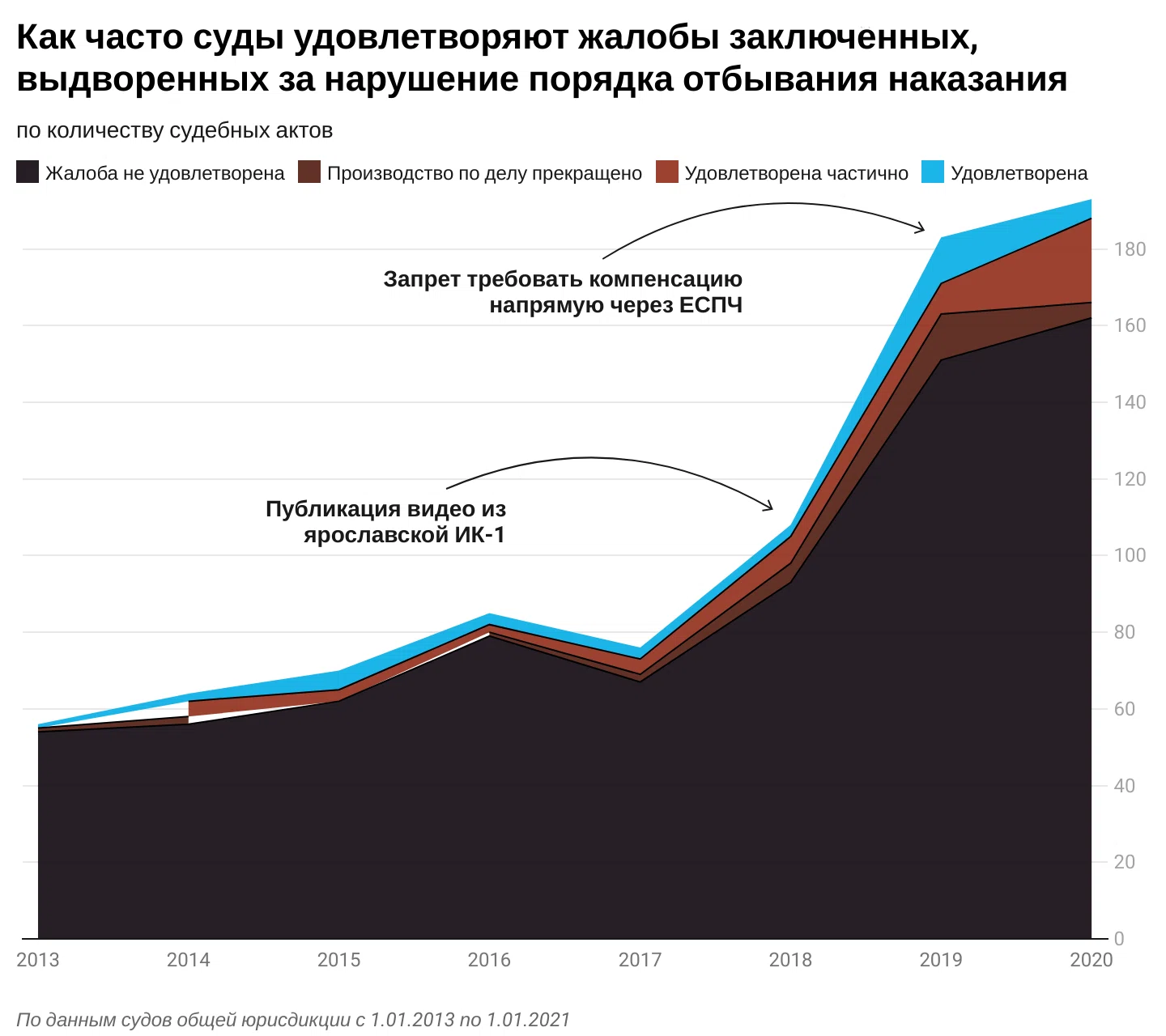
Previously, with the requirement to pay compensation, the prisoners immediately applied to the ECHR, now they should go to the local court. Half of the requirements to compensate for moral damage after staying in the schizo falls in 2020.
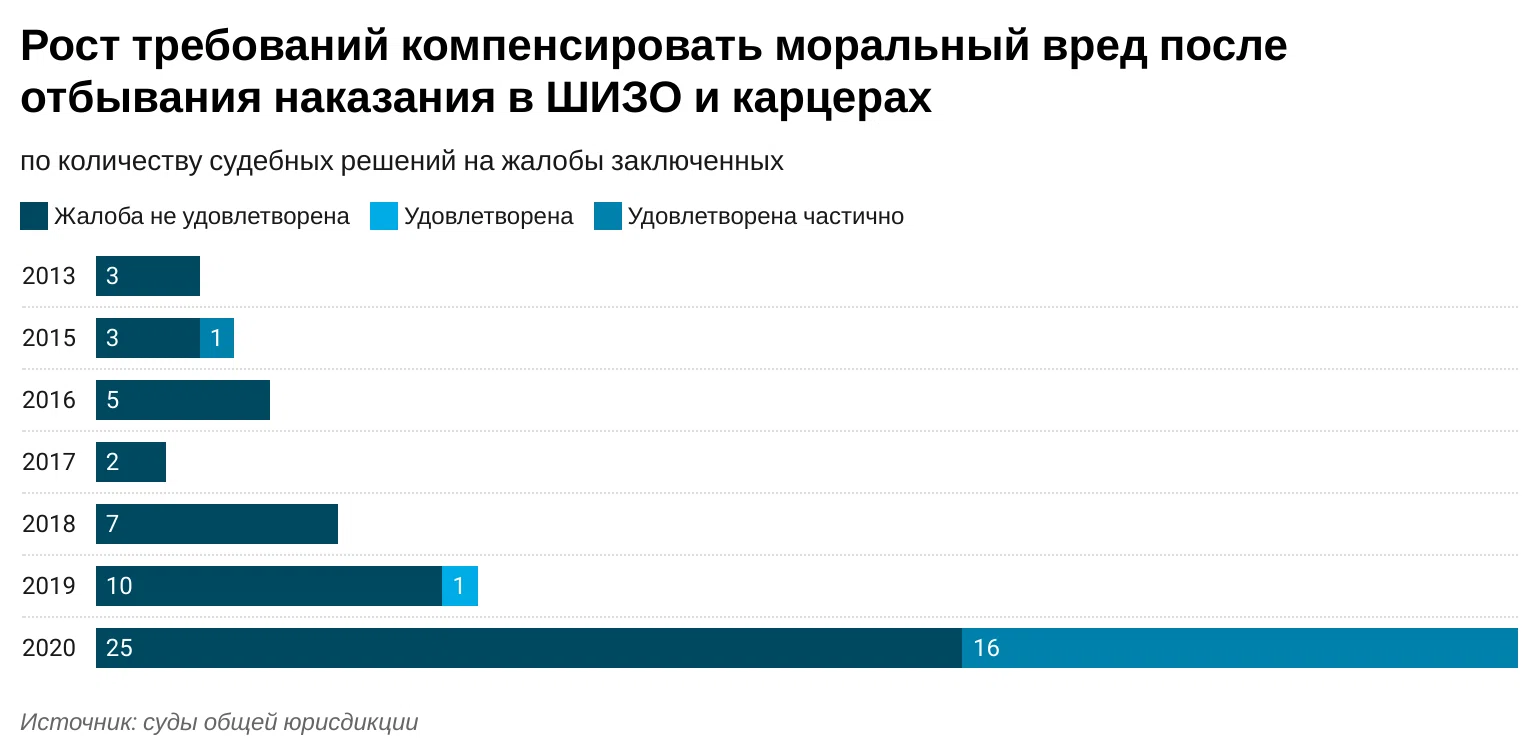
Courts prefer to ignore the recovery of damage. At best, they are partially satisfied. That is, they recognize the violation without the right to compensation. Or set a amount that is much less than a line.
On average, the amount of compensations for the illegal serving of punishment in the schizo and kartsere in Russian courts is 19.5 thousand rubles. In the ECHR - 3 thousand euros (231 thousand rubles).
The minimum, according to our data, compensation amounted to 3 thousand rubles. A prisoner from IK-2 in the Irkutsk region “took off his jacket”, for which his stay in the penalty area was extended for 10 days. The Angarsk city court completely satisfied the lawsuit. At the same time, the judge appointed compensation not 500 euros that the applicant demanded, but a modest 3 thousand rubles.
Yabed does not like here
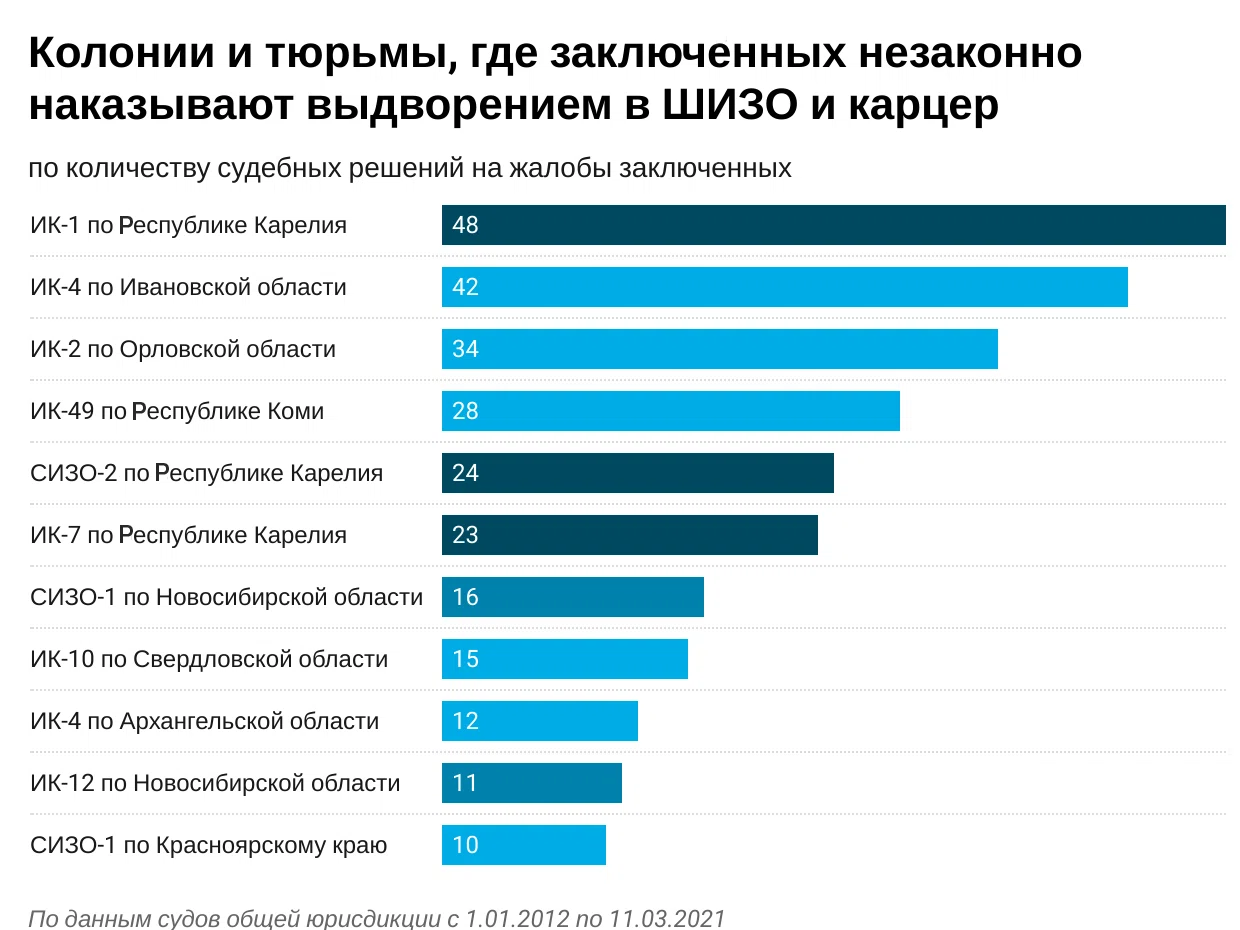
Most often, prisoners complain about the conditions of stay in the Karelian schizo and croaks. Perhaps in these places of conclusion, a really more stringent handling of “violators”. However, not every institution has a real opportunity to write a complaint. For a person, in custody, whose life largely depends on the relationship with the administration’s employees, to demand the protection of rights in court can be dangerous or even impossible.
“We were forced to write explanations for“ imaginary ”violations of the maintenance regime, reporting on cellmates. In case of refusal to neglect themselves or cellmates, threats, insults and physical violence followed. We were brought out in handcuffs to the corridor or in a bath box (room of the duty inspector), where there are no cameras, and beat all day until you write the right explanatory or report, ”the prisoner from IK-6 in the Orenburg region admits in court.
“After filing an application for a crime by the administration’s employees,” the incident from the IK-7 in the Republic of Karelia “ceased to issue medicines, its condition began to deteriorate”. “In inpatient treatment,” he admits the convict in the complaint , “was denied“ surgical reasons ”.
Daria Talanova,
"New"
As we thought
We unloaded all judicial acts within the framework of the CAS and GAS, in which the defendant is the units of the FSIN, and the texts contain the words “schizo” and “punishment”. Further, we left only those acts where in the descriptive part we are talking about expulsion (that is, there are words “schizo” and “punishment”) to exclude documents where these words are used in the motivation part when quoting legal acts.In order to study the number of satisfied applications for the recovery of compensation for non -pecuniary damage and the amount of these compensations, we identified those where the phrase “recovery/award of compensation” was identified from the downloaded court decisions. From the resolution of these acts, we identified the amount of compensation, which the court appointed, and from the descriptive - which the applicant requested.
COMMENT
Citizens bosses, go to court. As in the case of the army guardhouse, the decision on placement in the schizo should be made in court
In prisons and colonies of Russia, more than 400 thousand prisoners are contained. How many of them are in penalties (schizo), chamber -type premises (PCT) or in the so -called strict conditions of content (SUS), apparently, even in the leadership of the Federal Penitentiary Service. Because the schizo, PCT, SUS in the Criminal Executive Code of Russia are considered disciplinary sanctions, which the head of the colony or prison has the right to apply. At the same time - often even by an oral order.
Human rights activists and the press write a lot about the fact that schizo, PCT, SUS is a type of torture. It is in these closed and low -coded spaces that prisoners are most often beaten, who, during the serving of “disciplinary sanctions”, lose even minimal rights. And the complete isolation is the basis of the lawlessness arranged by the colonies and prisons, who expect that no one will ever know what is happening in the dungeons of penalties.
Meanwhile, inherently, the premises in the schizo, PCT or SUS are a change in the regime of serving the sentence. And the appointment of a sentence of sentence is the exclusive law of the court.
Ten years ago, human rights activists drew attention to the fact that the army guard consults contradict the Constitution of Russia. In 2001, the State Duma deputy from the Yabloko faction, Sergei Popov, initiated an appeal to the Constitutional Court, which signed more than 100 deputies. The request stated that under the disciplinary charter, “arrest with the contents in the guardhouse” is a disciplinary sanction. But the deputies noticed that the guardhouse is a premises for the maintenance of the arrested military personnel. At the same time arrested without a court decision.
On October 3, 2002, the Constitutional Court made a ruling. But by that time the problem had already been resolved, since on July 4, 2002, the army charters were amended, and the Constitutional Court stated: “Thus, the provisions of the General Vo -Voino Charters, the constitutionality of which was disputed by applicants, lost the force before the consideration of the case in the meeting of the Constitutional Court of the Russian Federation, which is the basis for the termination of proceedings for this request.”
Five years later, the guardhouse was restored in the army. But the federal law, which entered into force on January 1, 2007, deprived commanders of units of the right to arrest military personnel. Yes, for self -carriers, booze, violation of the rules for handling weapons of soldiers and officers can again be sent to the guardhouse, but only by decision of the garrison tribunal.
From the standpoint of the right of schizo, PCT or SUS, they are no different from the guardhouse. And it is obvious that in order to minimize arbitrariness in colonies and prisons, it is necessary to bring the Criminal Executive Code of Russia and internal regulatory documents of the Federal Penitentiary Service in accordance with the Constitution. And to deprive the chiefs of the colonies and prisons of the right to change the convicted person of serving the sentence imposed by the court. The right to put into dungeons should only be among district or at least just peace.
Irek Murtazin,
"New"COMMENT
The level of repression grows on both sides of the fence
The prison (with a capital letter) in Russia is an institutional part of both the judicial system in the broad sense of the word and the political structure of the country. The main factor in the prevention of not only crimes, but also any undesirable for the regime of behavior is traditionally considered here the punishment and its actual (and not just legal) severity.
The current study of the Date of the “New” generally only illustrates the already known, no one particularly hides torture conditions in places of imprisonment. Moreover, recently before the ECHR, which is believed to us more and more “alien”. In prison, it should be scary, the one who is here should be deprived of any human rights - the knowledge of these realities in itself builds a degree that is potentially threatening the real or imaginary criminal, and this is also an integral part of the state criminal policy.
The penitentiary system is a mirror of society not only in the sense of a generalized portrait of those who are contained in places of imprisonment, but also in the sense of cruelty of the regime, which is actually, and not only legally applies to them. The hypothesis is that the level of repressions and their cruelty on both sides of the fence with barbed wire grows in parallel, however, the identification of such correlations requires deeper and labor -intensive studies than the newspaper can afford.
Leonid Nikitinsky,
observer "New",
Member of the HRC