
Translated material
On seven fronts
Military Dovers of the Photo Reporter of Damnskiy. Photos in the Russian press are published for the first time
Dedicated to those who save peace and country from pandemia
After my move from Kyiv to Moscow in 2012, already being an experienced photojournalist, I finished my started projects without starting to create new ones in Russia. But in August 2016, I saw on the Internet an announcement that front -line negatives of the Soviet photojournalist Valery Damnsky, who shot during the Great Patriotic War in Crimea (1944) and Germany (1945), were sold.
I have been working with a military theme for a long time. But I have never met the name of the photographer from the announcement. Although the cost of the archive was very high for me, I decided to meet with the seller.
The next day I looked at these materials live.
Valery Dolzonsky was born on May 15, 1914 in Moscow. From the first days of the war, Dolzonsky asked for the front, despite the “white ticket” due to poor vision. He wrote to all the addresses and invariably received the answer: "We do not need a blind photographer at the front." And only at the end of 1943, the family was credited with the photo correspondent of the Military Medical Museum (VMM) of the Red Army and sent to the war for documenting and collecting the material to provide first aid to the wounded Red Army soldiers. Valery Dolzonovo removes on seven fronts of the Great Patriotic War, until its end in Berlin.
From the biography of Valery Dolongo:
“During my service in the VMM, that is, from November 1943 to May 1945, I had to work on seven Fronts of the Second World War. As a rule, I was sent to those sections of the fronts where large -scale military operations were planned. As the material was accumulated, I returned from the first echelons to any medical battalion or the nearest hospital, where I conducted the manifestation of the captured film and, if possible, with the very first opportunity I sent negatives to Moscow. ”
Dolzonsky was awarded the Order of the Red Star and the Order of the Patriotic War of the II degree. During his lifetime, he had one exhibition, after which he was unfairly forgotten.
The front-line archive of Valery Damnsky consisted of two large parts: the liberation of Crimea (April-May 1944) and the end of the war in Germany (April-May 1945).
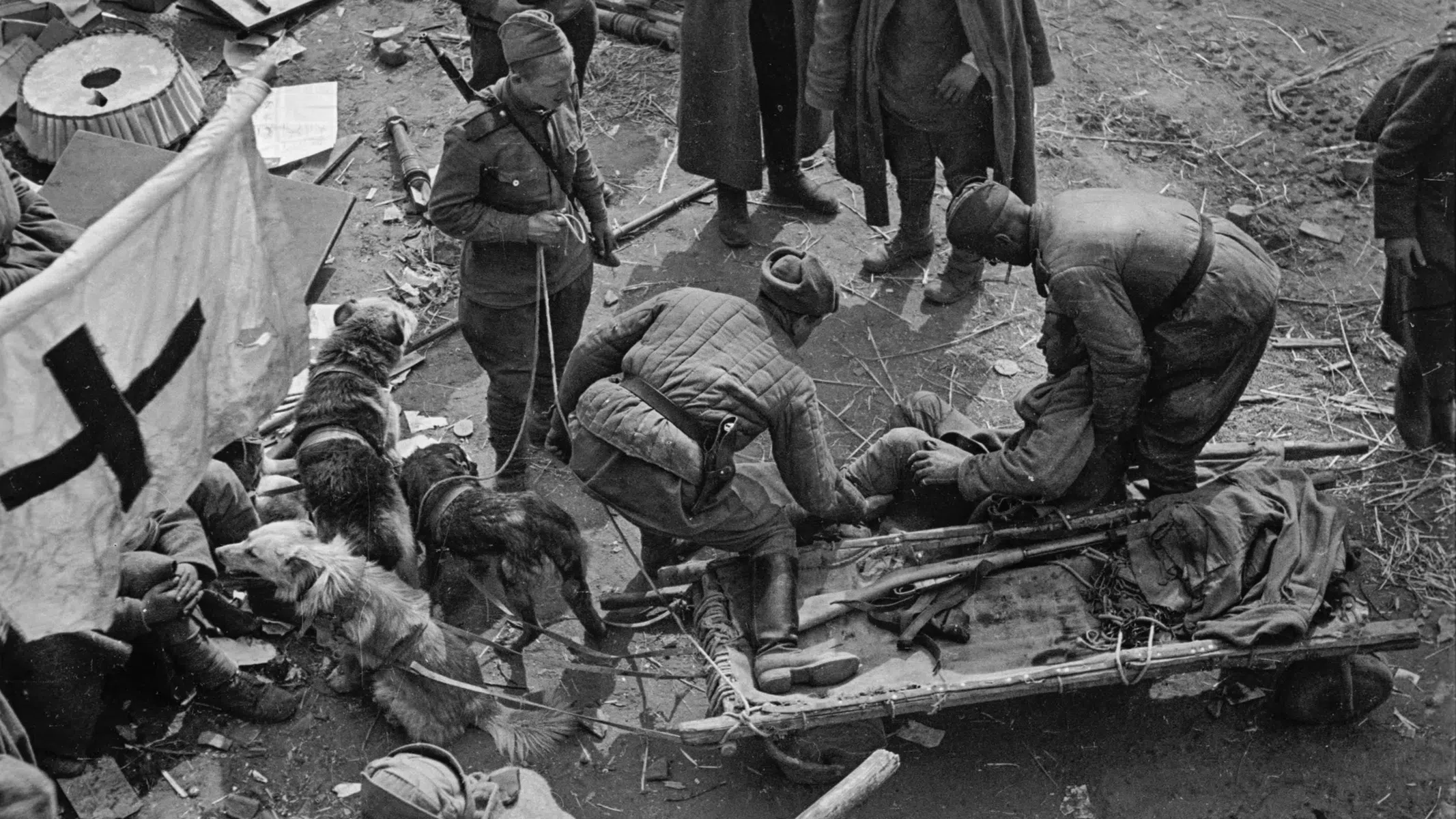
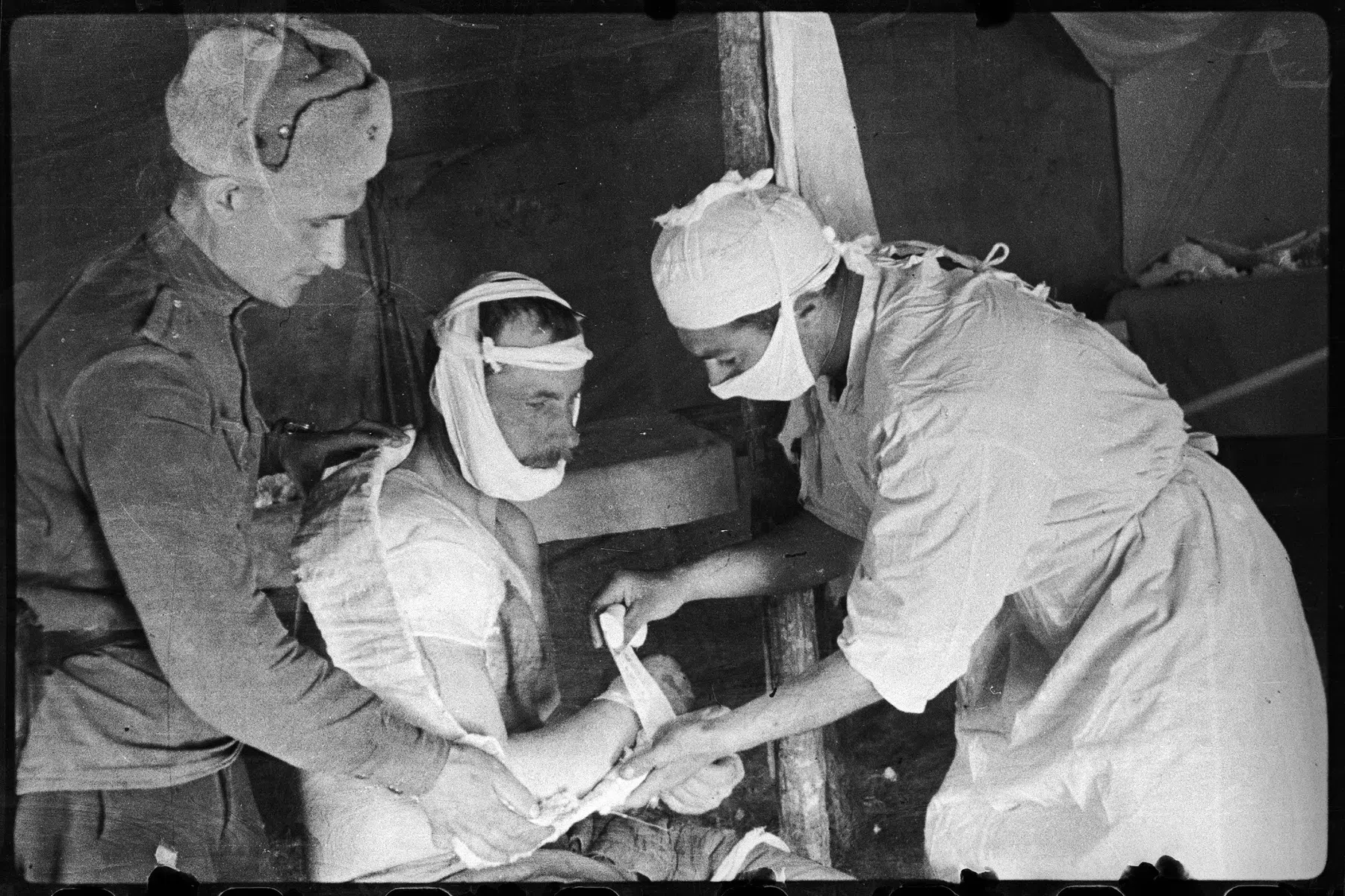
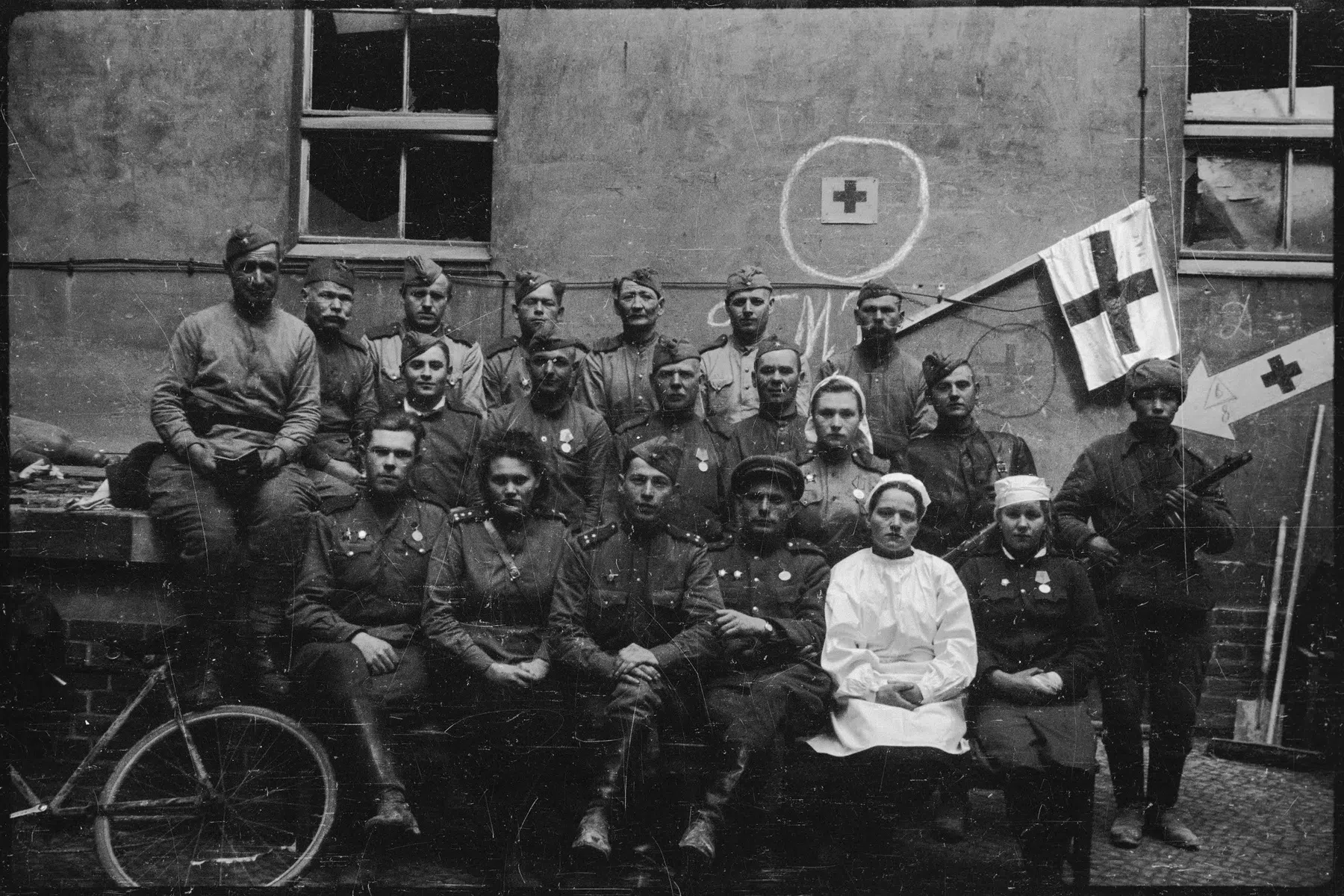
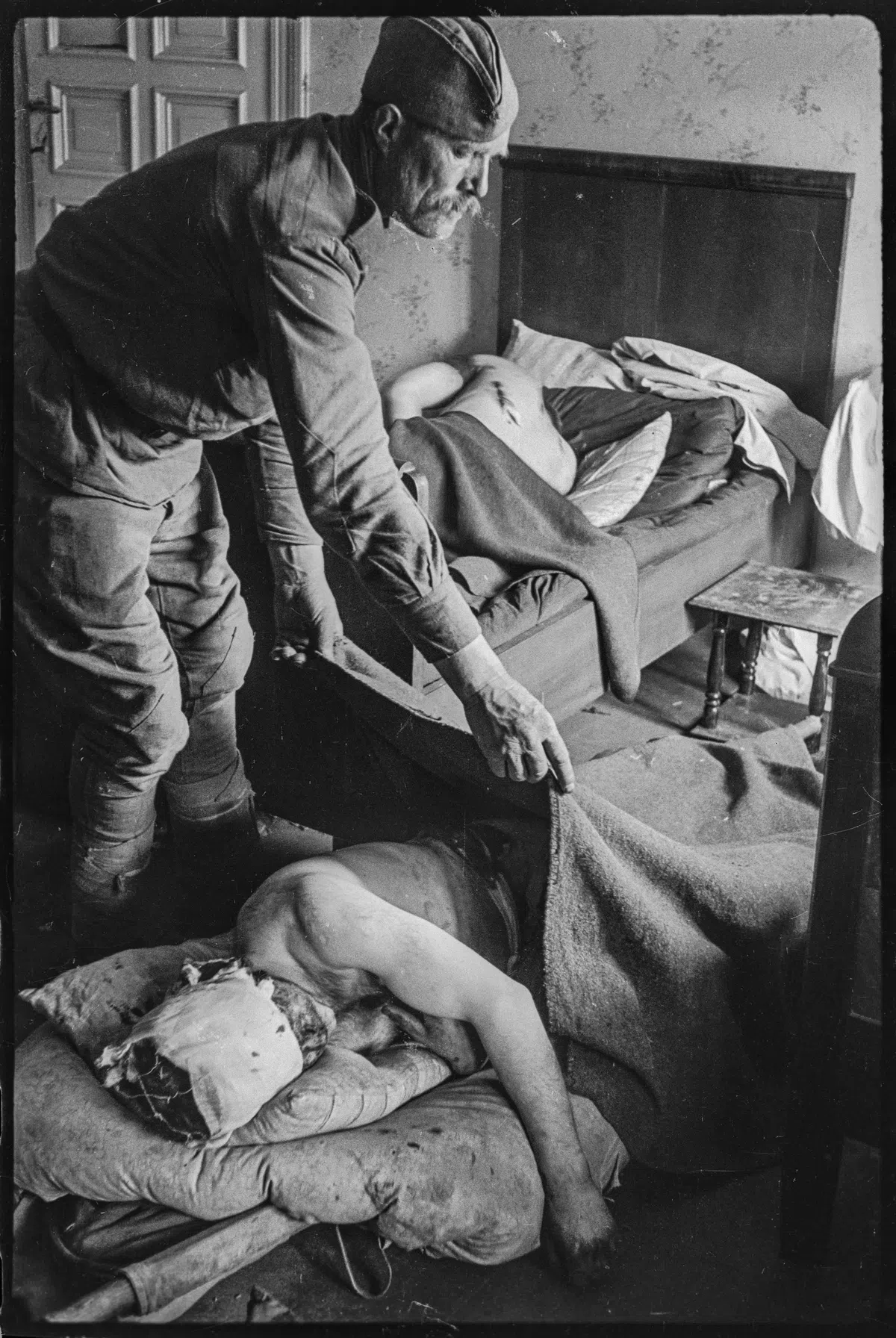
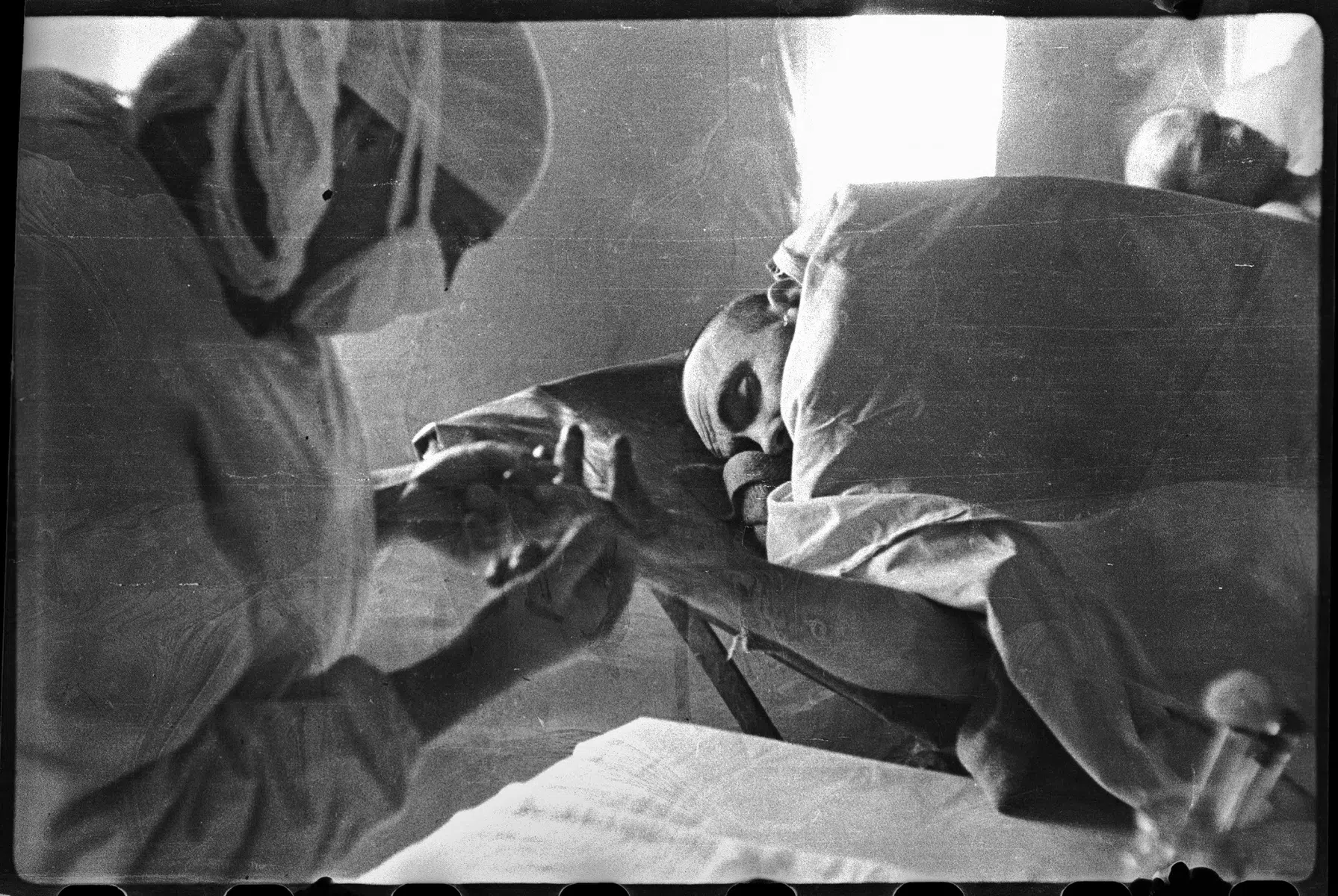
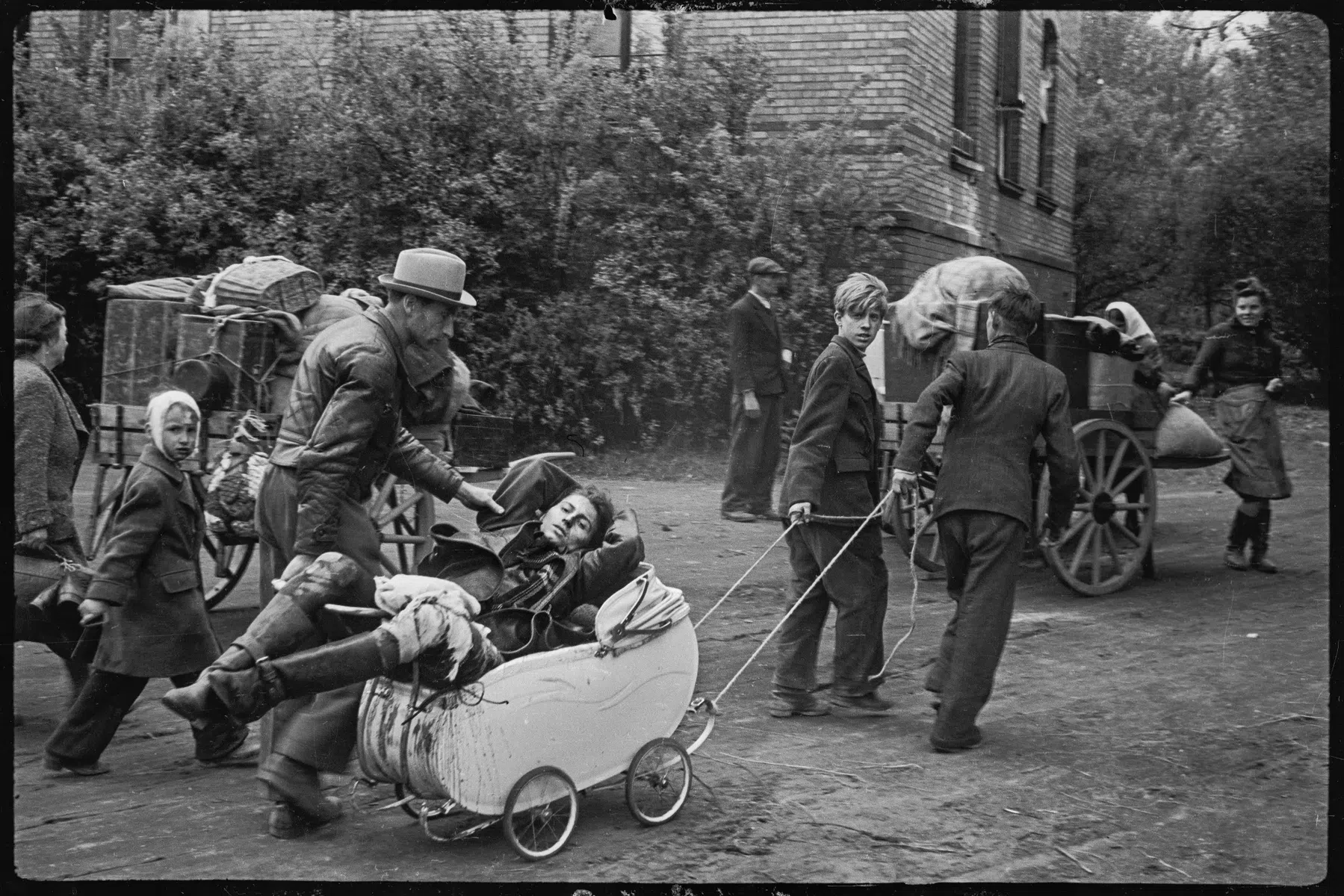
A business trip to the front to Crimea was one of his first trips to the war. Damnovo removes the harsh life of field hospitals, operations, droppers, dressings, seriously wounded soldiers lying on the floor with orders in their hands. In the German part of the archive are the difficult days of the end of the war. After the war, all Germans were ordered to pass not only weapons, but also cameras. Therefore, the post -war Berlin turned out to be practically not removed, which makes Valery Dolongo's personnel even more valuable. We can say that he took off the city, which is no longer there.
I showed this unique archive to the newspaper The New York Times James Estrin, and we decided to publish it. But before that, in order to make sure of the uniqueness of the find, they sent photographs to Houston, where there is a large museum of photography, specializing in the war. After studying the materials, we were confirmed that these are the highest quality pictures, but who is Valery Dolzonovo, they did not know in Houston either.
The first publication about the unique archive of Valery Damnsky appeared in The New York Times on November 29, 2016.
The second is on the photographic resource Bird in Flight, on December 8, where more than 100,000 people looked at her in the first three days.
Today, the name of the family is included in the history of the Second World War, and its pictures are on a par with the works of the greatest photographers of that time.
(Book of Valery Damnsky "V.1945" can be ordered here )
All photos: Valery Dolzonsky / Private collection of Arthur Bondar