
Translated material
About the value of the enemy
The Little War is beneficial to both the prime minister of Israel and the leadership of Hamas. It is not beneficial only to those who bury relatives these days
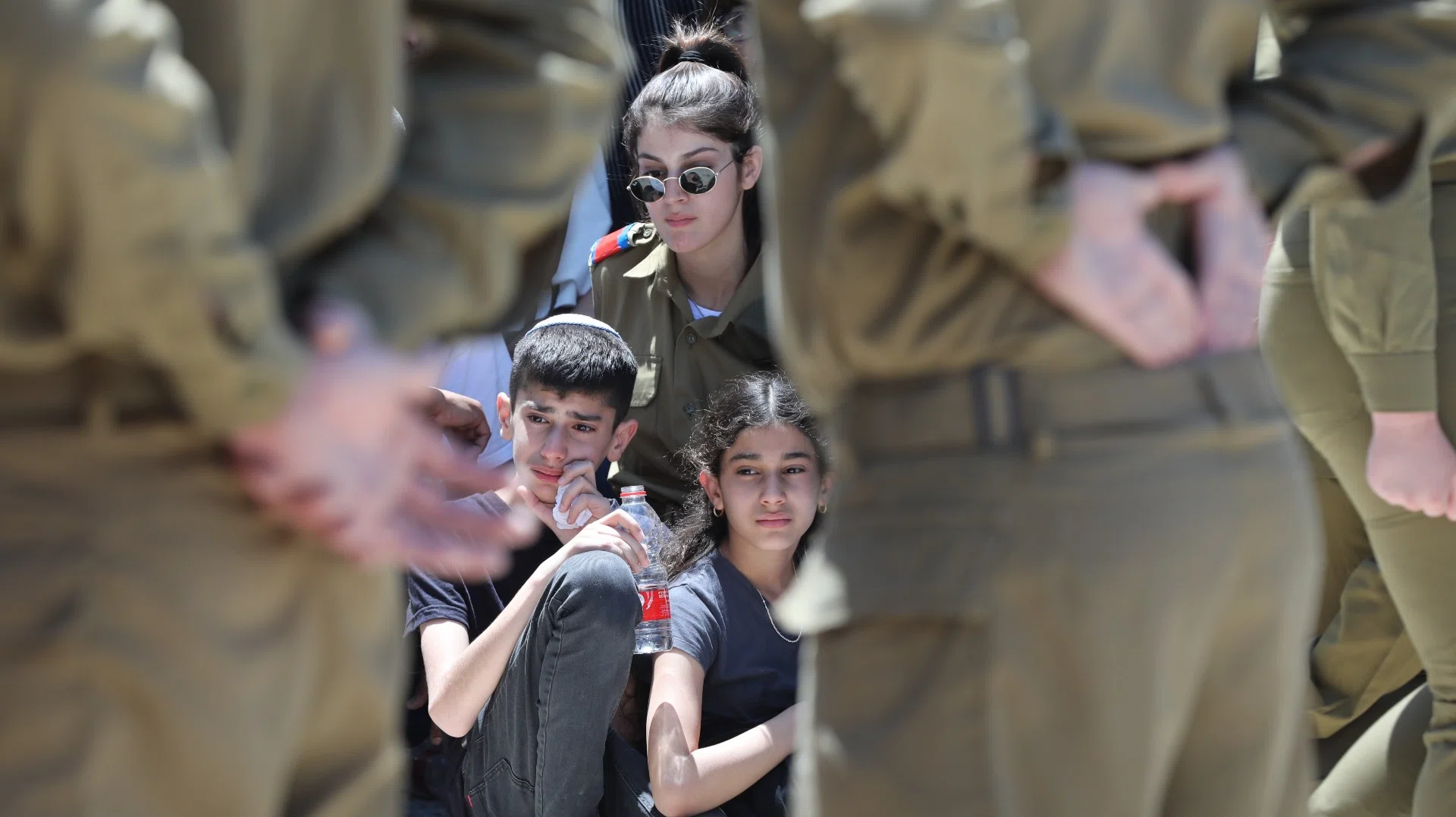
Israel and gas again increase mutual missile shelling, Israeli ground forces unfolded along the border with the sector. During the press conference, the representative of the Israeli Defense Army Jonathan Conricicus said that the beginning of ground intervention in the gas sector could be announced in the evening.
The fact that the Russian media hastened to call “another intifada” is actually a harbinger of a total war between Israel and Hamas.
And this war has chosen the best time for politicians on both sides. But not for people.
Gas has suffered greatly in recent days as a result of Israeli air strikes. At dawn on Thursday, Israel resumed air strikes. The Ministry of Internal Affairs of Gaza announced that the Israeli missile shelling destroyed the building of the Hamas internal security apparatus in Rafakh. The Israeli army announced the destruction of the Palestinians brigade, which was about to launch anti -tank missiles. Ben-Gurion Airport announced the abolition of all flights. The Flightradar data indicate dozens of flights that were forced to return or changed the course to avoid missiles released by Palestinian groups from the gas sector.
In the center of Gaza, high -rise buildings were destroyed, including residential. The Gaza Ministry of Health announced that from the moment of the escalation of violence at least 67 people were killed on Monday, among them children. However, there is evidence that the army of Israel is trying to minimize victims among the civilian population. So, for example, it was with the bourgeo al-Shuuk-this is a 13-story high-rise in the center of the city, where the offices of numerous media are based. In the morning, on Wednesday, all employees of the building received calls and SS, which they were warned about the upcoming evening shelling. Having given people the time to pick up things and leave the building, the Israeli army destroyed it.
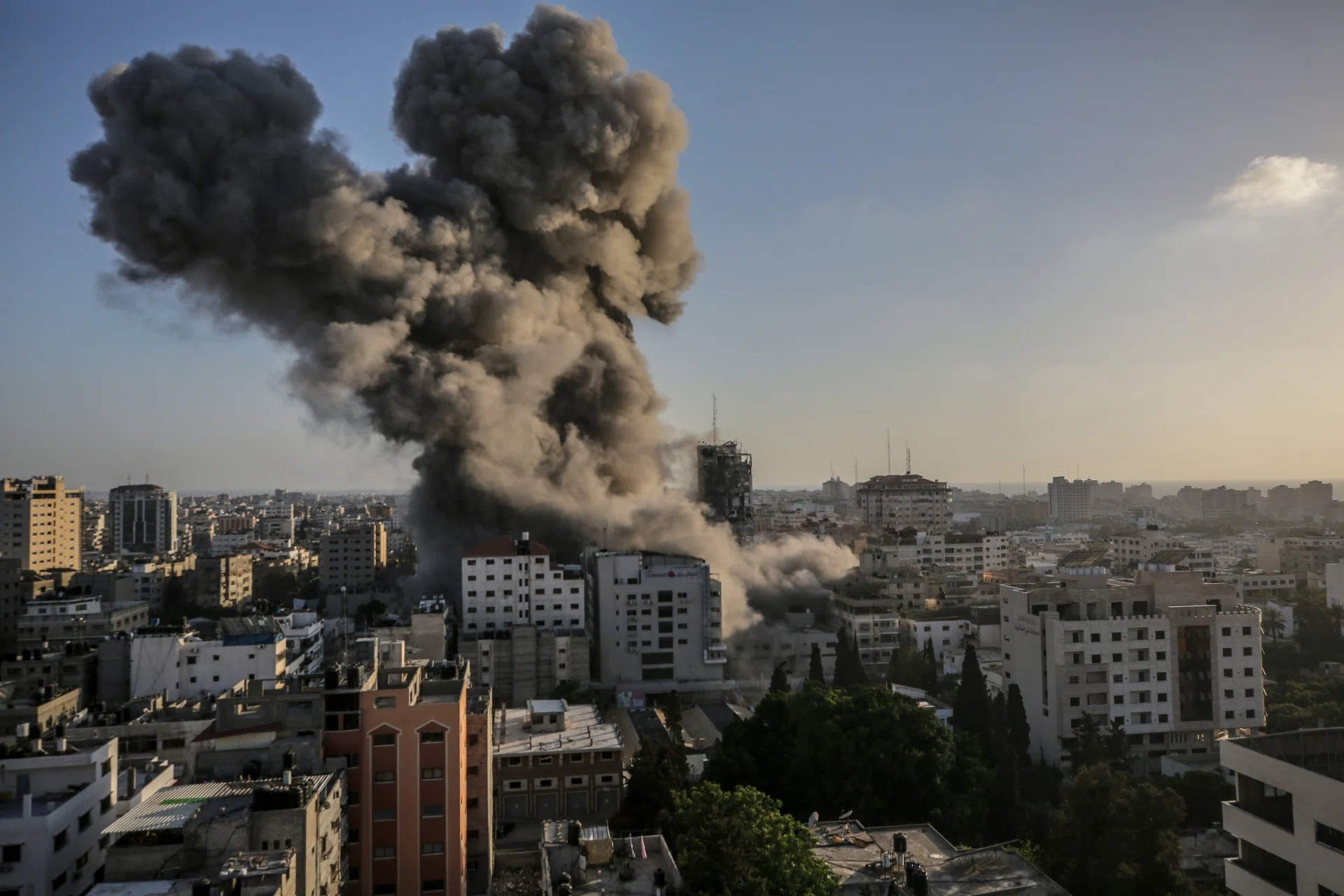
The attack on the al-Shuruk bourgeois, as well as attacks against other high-rise buildings in the center of Gaza, have symbolic significance for Israel.
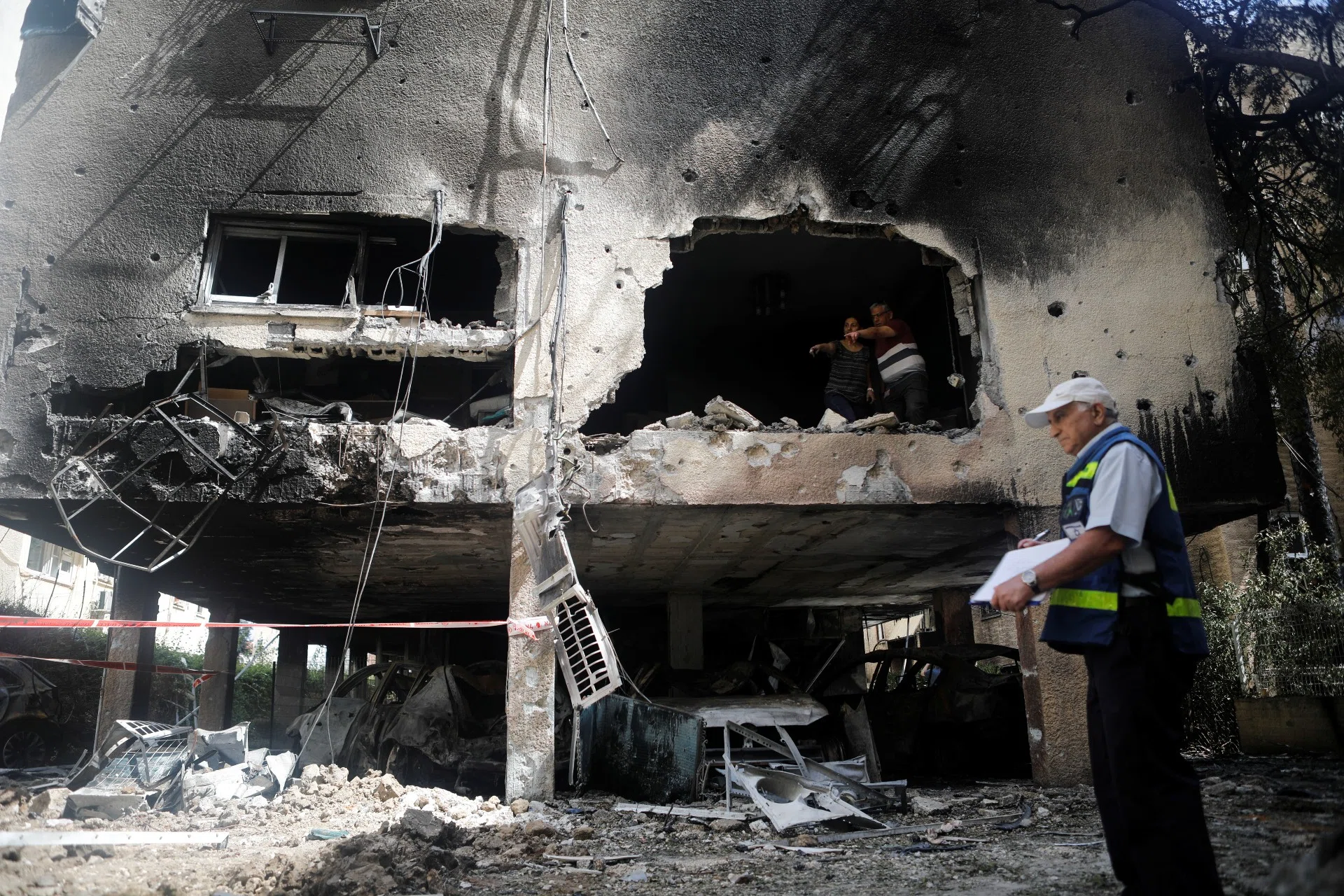
But the Palestinians do not pay attention to high matter. At dawn on Thursday, Palestinian groups fired on the regions of the southern and central part of Israel with rockets; Palestinian missiles for the first time reached areas in the north of the Jewish state. One of the missiles fell at the house in Petes-Tikva, east of Tel Aviv, as a result of which five people were injured. In Rishon Lezi, south of Tel Aviv, the rocket also fell on a residential building, however, no one was injured. After a relatively calm evening of Wednesday, when Israeli television channels reported mainly about riots in cities with a mixed population, Thursday in the cities of Israel was again filled with a howl of alarming sirens.
The statement of the Israeli army states that from the beginning of the Operation “Wall Guards” about 1,500 missiles were released, as a result of which seven Israelis died.
The escalation continues, despite the fact that many world powers do not stop calling for both warring parties to the world, waiting for the third meeting of the UN Security Council, which will take place tomorrow. At the two previous sessions, the Security Council failed to accept any consensus statement on the situation.
Such a "deafness" of the warring parties is not amazing. The Prime Minister of Israel Benjamin Netanyahu, who was waiting for a high post and, without exception, a prison on accusations of corruption, and the head of the Politburo Hamas Ismail Hania, who was threatened with the loss of the parliamentary majority-are now sitting in the same boat. In a situation of open conflict with the Palestinians of Netanyahu, the Government of National Unity will probably form with much less difficult, raising the Israeli extreme right around itself. And in the Palestinian autonomy, parliamentary elections were completely canceled - and now Hamas will be able to sell their rhetoric resistance to the Palestinians for another ten years.
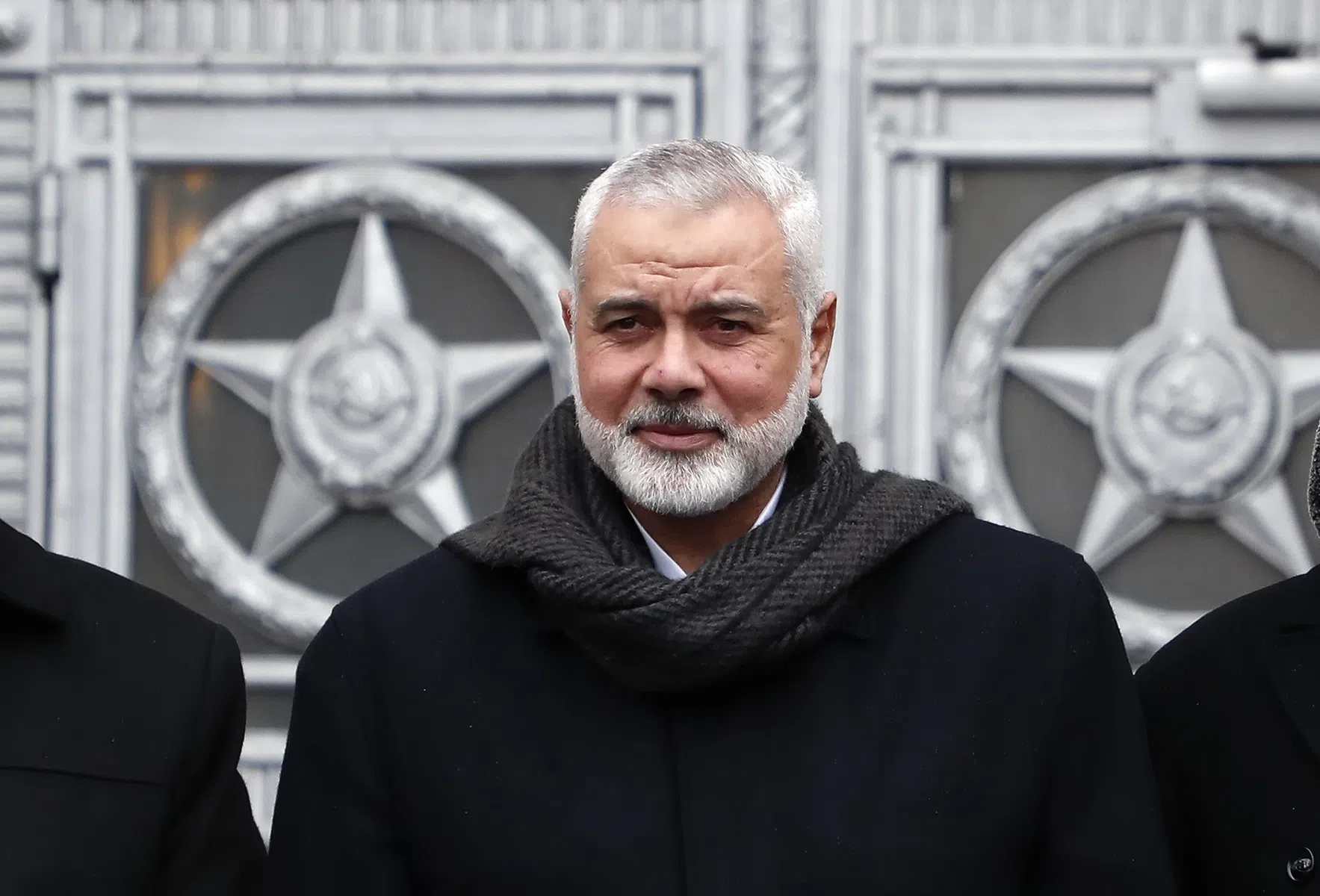
Both of them - Khania and Netanyahu - are actually needed by each other, especially in the conditions of the loss of recent foreign policy allies.
Netanyahu and Israelis need to look tough, now that Trump is no longer in the White House and his unconditional support has disappeared. And Hamas needs to tell the world his story about the persistent resistance of the Palestinians - while Hezbollah and Iran limited their information support for his military campaign.
There is a hope that this war will end as soon as the leaders of each side guarantee their seats for a foreseeable future.