
Translated material
The article in Lancet questioned the reliability of the data about the "satellite V"
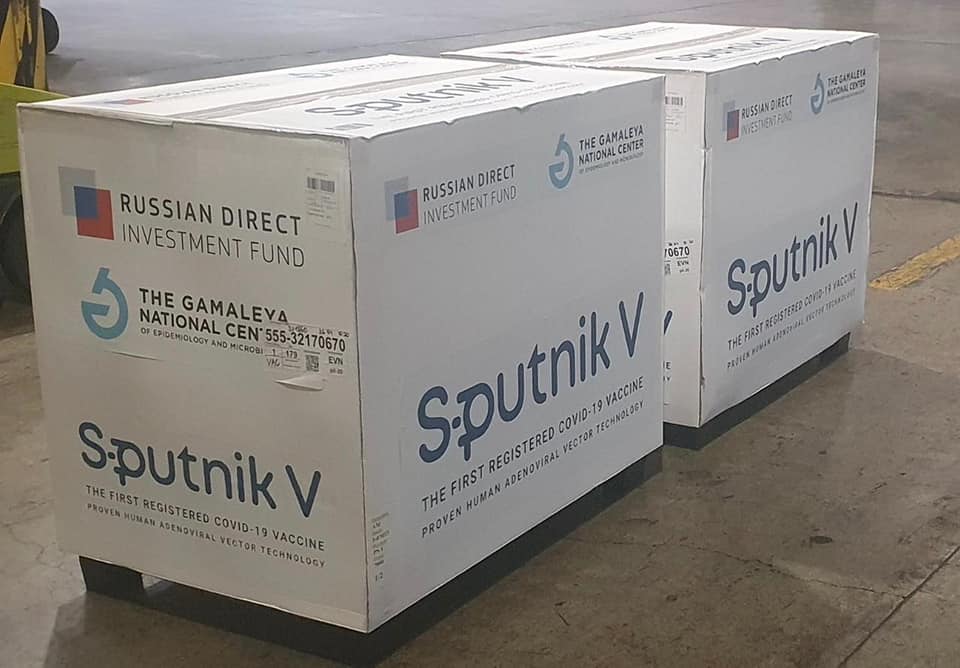
A group of epidemiologists and biologists from different countries in an article published in the leading medical journal The Lancet was in doubt on data on the third phase of the Russian vaccine from the Sputnik V coronavirus and conclusions about the efficiency and safety of the vaccine, the Radio Liberty website reports .
In an open letter made public in The Lancet, scientists, among which are a Russian specialist, analyzed the data on the tests of the Russian vaccine previously published in the same journal . Its creator, the Hamale Institute, on the basis of these tests, stated that the effectiveness of the "satellite" exceeds 91 percent. The publication in the leading medical journal has become one of the arguments for both the Russian authorities and politicians from a number of countries, including the EU, to declare the reliability of the Russian drug. Contracts for its deliveries are concluded with dozens of countries, although so far, unlike six other vaccines, WHO has not officially approved.
The authors of the critical article, having analyzed the arguments of the creators of the vaccine, write about many inconsistencies in the presented data, a number of unusual and suspicious coincidences (in particular, the vaccine, according to official figures, showed almost the same efficiency for all age categories), the absence of transparency during the third phase of the “satellite test” and the clear rules of its conduct. The main source of their fears was not published a series of tests, without which, according to the authors, it is impossible to objectively evaluate their results.
Earlier, a group of authors of the letter has already expressed doubts about the previously published results of the 1st and 2nd phase of the testing of "satellite".
The developers of the vaccine in the same The Lancet responded to an open letter criticizing the data presented. They argue that the "safety and immunity" of the satellite V "is confirmed by many studies," including in Argentina, where mass vaccination is carried out by the Russian drug. They reject the allegations that they did not provide the necessary data.
- The Russian Vaccine "Sputnik V" is registered in more than 50 countries. In addition to Russia, mass vaccination is in Argentina and Serbia. In the European Union, she is under consideration. A number of EU countries expressed its readiness to purchase it in case of approval by the European regulator. Hungary is the only EU countries where the vaccination of the Russian drug is going on. In Slovakia, his purchase led to a political scandal. The Slovak Pharmaceutical Agency stated that the vaccine placed in the country differs from the described in Lancet (the Russian side denies this).
- The data provided by the developer of the vaccine did not arrange a regulator in Brazil, which caused an angry reaction of the Russian side.
- The Russian Foreign Ministry has repeatedly argued that a planned campaign is being conducted against the "satellite", accusing the Western media of participating in it. At the same time, the article on the effectiveness of the "satellite" in Lancet is given as one of the main arguments in favor of the Russian vaccine.