
Translated material
The oil spot has not passed by? Still waiting?
How Komi is experiencing an environmental disaster after the breakthrough of the oil pipeline on the Kolve River. Joint reporting "7 × 7" and "Medusa"
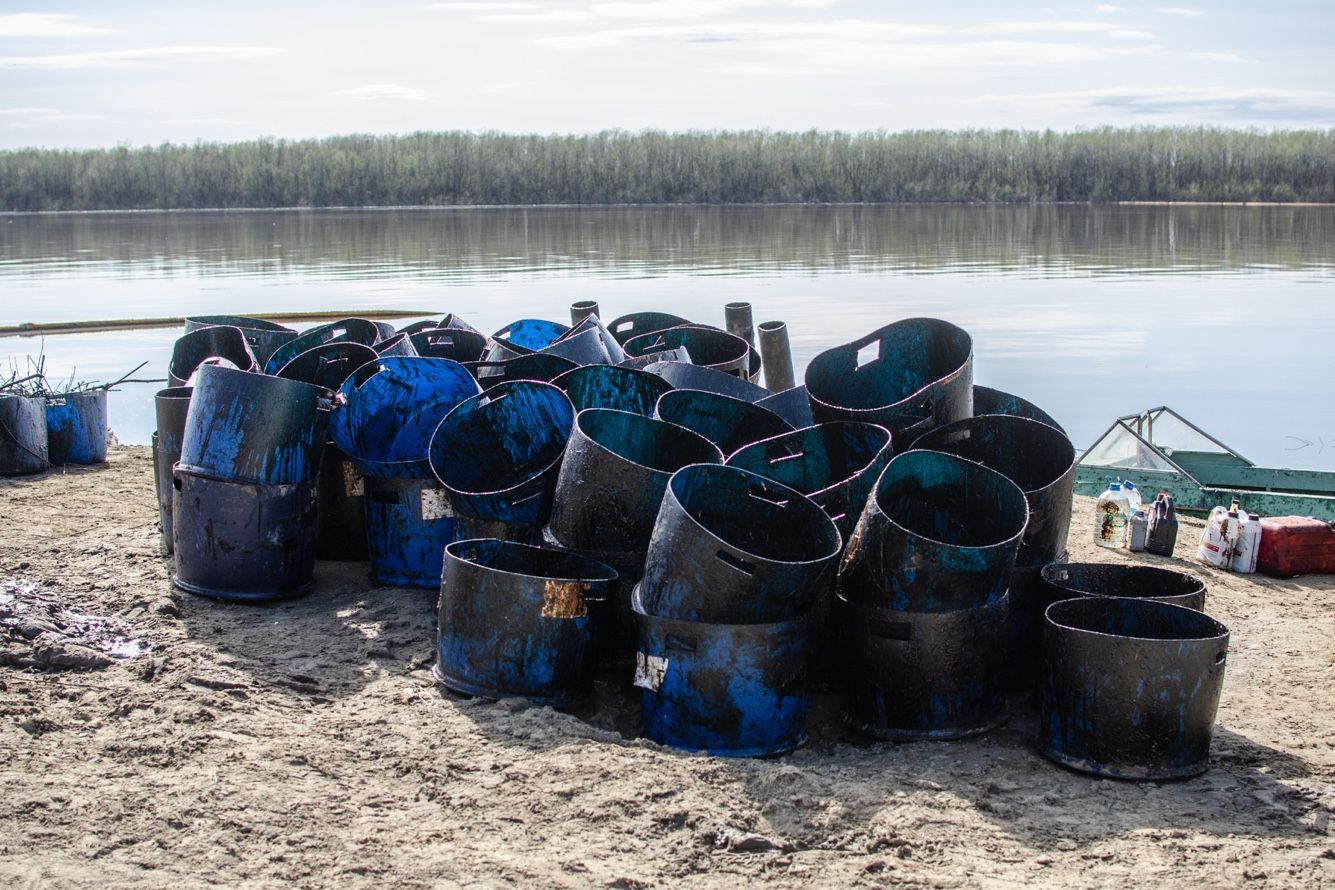
In the north of Russia is another environmental disaster. On May 11, oil from the Lukoil pipeline fell into the Kolva River in the Nenets Autonomous Okrug. Six days later, she reached the village of Ust-Tsilm in the Komi Republic. Having overcome another 400 kilometers, in the near future the oil spot will reach the Barents Sea. Due to the wear of pipelines, oil spills occur regularly in Komi, but for some reason nothing happens to this-although many officials and environmental activists have repeatedly offered an understandable plan of action. As part of the joint project "Medusa" and "7 × 7", journalists Maxim Polyakov and Dmitry Stepanovsky went to Colwa - to find out how the village lives, past which the oil film floats almost every year.
From the nearest city of Usinsk to the village of Kolva about 17 kilometers. At the entrance to Kolva, a long dark-beard concrete fence encourages the territory of the only farm in the village.
The silence behind the fence is interrupted by the sharp barking of the Black Caucasian Shepherd, which rushes forward to protect the territory - and stops two meters from me. After a second, the owner of the house appears.
“Come on. She will not touch you when I am nearby. His name is Bars, ”the man says. The leopard obediently sits down at the owner's feet.
Mansur Veliev and his wife Olga Kostyorin bought several dozen cows two years ago; Now there are 107 of them. One gave birth just a few hours ago.
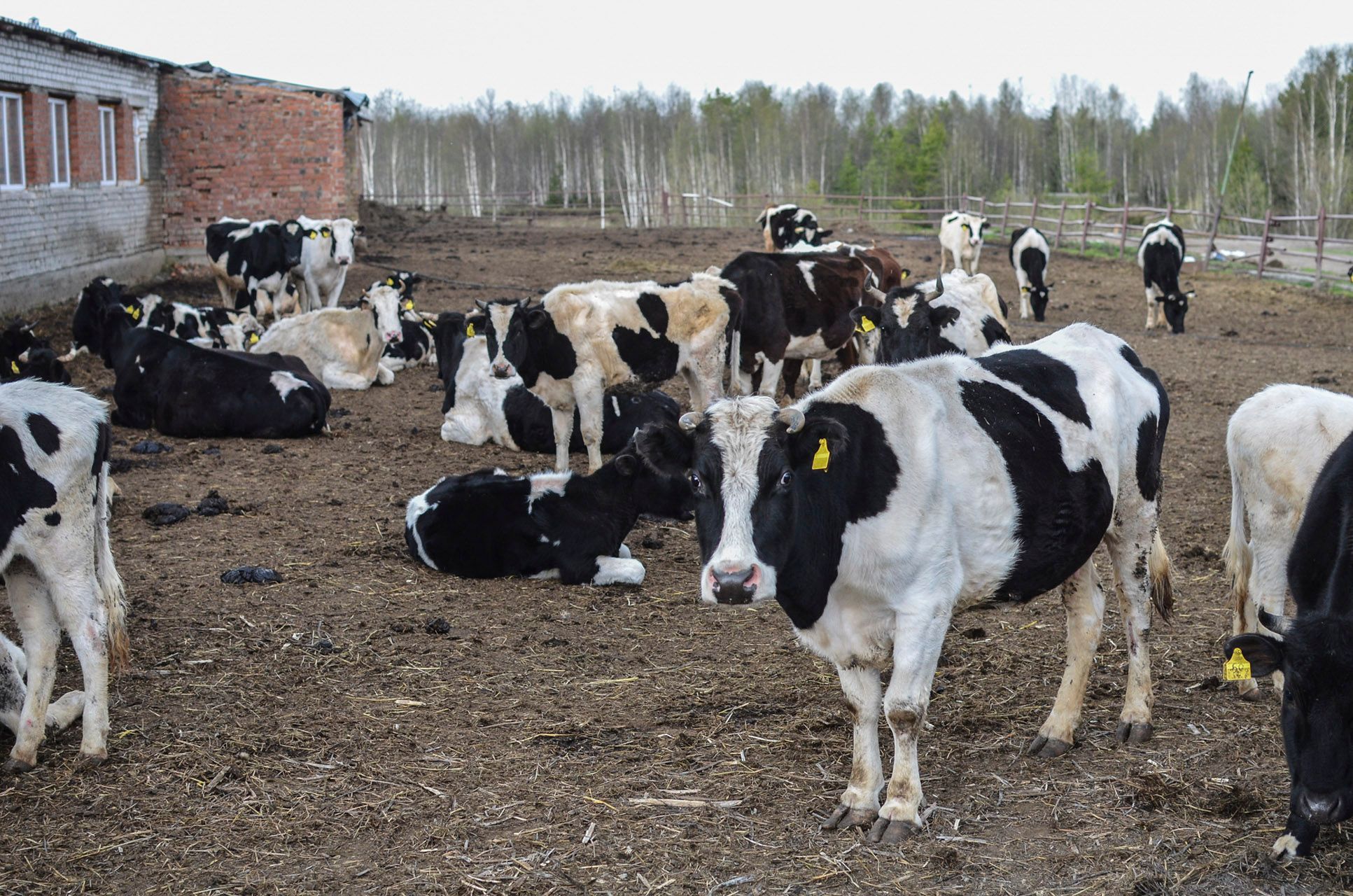
“Yesterday, the cows returned after the oil industry. They drank water a little from the river, they became ill, ”says Veliev. - This is because we released them in the field, and they, out of habit, went to the river. We tried not to let them go, but several cows broke through. Therefore, today we decided not to let them out, but to feed them with barley. ”
Oil is floating past us
The oil industry at the LUKOIL-Comer field in the Nenets Autonomous Okrug became known on May 11, 2021. Two days later, dozens of inhabitants of the Kolva went to the river bank to photograph the oily spots of heavy oil fractions, which we brought along with ice and snags, washed from the shores.
Oil spill chronicle
May 11
The first information about the “Rainbow Film” is 130 kilometers from Usinsk above the River Kolva near the borders of the Nenets Autonomous Okrug appeared among Komi rescuers on Tuesday, May 11. On the same day, they established the first bones - floating barriers from special fabric that prevent the spread of oil over the surface of the water.
The mayor of Usinsk, Nikolai Takaev, announced an emergency regime in the city district.
May 12
New bones appeared at the suburban village of Kolva near the confluence of Kolva into the larger River of Usa. Officials asked the owners of barges and boats to join the liquidation of the oil industry in order to prevent oil from entering the USU, and then to Pechora, the largest river of the republic.
Lukoil stopped pumping oil in the oil pipeline at the Osh field. It was here, according to the head of the Nenets Autonomous Okrug, Yuri Mostless, that pollution began .
The Arkhangelsk department of the UK connected to clarify the causes of the incident. It started a case of violation of environmental protection rules during the work. The Komi Prosecutor's Office began its own verification.
Local residents were forbidden to use water from Kolva.
May 13
The head of Komi Vladimir Uyba arrived in the village of Kolva. He stated that in the republic he spilled from six to seven tons of oil, and the collection of oil products would take two to three weeks. Lyuba rejected information about the death of fish in the colum.
Rescuers launched six "response borders."
May 14
Rostekhnadzor announced that the emergency oil collector at the field “does not satisfy the requirements of safety, strength, corrosion resistance and reliability” and demanded that through the court stop his work.
Experts of the World Wildlife Foundation suggested that the leak from the pipeline could begin much earlier, in April or even in March.
May 15
In total, about nine tons of oil-containing liquid got into the column, but most of it-about 90 tons-remained on the ground, the administration of Usinsk said with reference to the press service of Lukoil-Kom.
Single pickets began in the capital of Komi Syktyvkar. Their participants demanded that Lukoil accelerate the elimination of oil reference and strengthen security measures on oil pipelines. The Public Organization “Committee of the Salvation of Pechora” called on the residents of Komi to oppose “barbaric” oil production in the republic.
May 16
Representatives of Lukoil-Kom came to Kolva. Residents of the village demanded that the oil pipelines in line with the rules of Rostekhnadzor and limit their service life.
May 17
The head of Rosprirodnadzor Svetlana Radionova wrote on Instagram that the volume of the spilled oil -containing fluid was 100 tons (for comparison: in the summer of 2020 in Norilsk, tens of thousands of tons of liquid flowed from the tank with diesel fuel); About 1.3 hectares of land are polluted, nine tons fell into the river. The department started two administrative affairs.
The head of Komi Vladimir Uyba introduced an emergency regime in Usinsky (there is the village of Kolva), Izhemsky and Ust-Tsilemsky districts. He stated that the liquidators gathered more than 120 tons of waste, and work on the colum will end within a week.
On the same day, the head of Komi Vladimir Uyba, the mayor of Usinsk Nikolai Takaev and the Minister of Natural Resources and the Environment of the region, Alexei Kuznetsov (and he put on the Lukoil-Comer's company, which especially surprised the locals) came to reassure people.
However, the villagers spoke little about the spill of oil products at a meeting with the head of the region, literally a few minutes. Soon, residents switched to other problems: the lack of gas and quality water, decent roads and children's vouchers to health camps. The head of Komi Uyb asked his assistants to make a list of proposals that “could financed” Lukoil, and promised to discuss this list with the president of the oil company Vagit Alekperov, whom the head of the Komi is going to “process” at the meeting on June 8.
- You only promise! - said a resident of the village.
“This is the first time with you, I did not promise,” the uyba answered harshly, who had tried to keep an acceptance tone before. - If I take it, I will do it.
- Every year we are promised the Golden Mountains! - Women spoke vied with vying.
- I do not promise the golden, but the water, the social package, heating, for children - this is unambiguous.
- Every year Kolva suffers. Also the wind. I can’t even open the windows, I live near the shore!
- Oil is floating past us, but nothing is done for the village! - replicas began to dissolve in the air; The meeting ended on this.
A day after Kolva, the oil was already in the Pechora River, and two days later she reached the village of the Mutniya mainland. There 20 fishermen entered the spontaneous meeting. They spoke about the situation and life mainly obscenities.
“More than half of Usinsk are visitors. They have a figure that is going on here. The money earned and left. Usinsk Grandmas rowing, and to invest - *** [does not want]. Then you come to the village to live from the city, you think that the village is better in the village. Ne *** [damn] there is no good. ”
A few hours later, the recording of this conversation appeared on social networks and collected several dozen approving comments and likes. The next day, the head of Komi Vladimir Uyba flew by helicopter in the village of the Mutty Medical to speak with the residents and this village (not reported the details of this meeting in the press).
"Semiobochka"
Near the blue containers, which everyone calls the “half -cuts” and where they collect oil from the river, a girl with a child in her arms walks.
“Today, a friend from Kirov sent me a message:“ Lena, what, do you have? ” She says. - And I felt so ashamed that it is with us and we live here. They look at us and think: “Poor-poor people”. But we do not want to live as poor. We want as normal. ”
Elena Dantsevich was born in a neighboring village, and moved to Kolva after the wedding. Before the decree, she worked for a carfamon for six years. The husband is “also in the oil industry” - but she, unlike many villagers, does not hide her surname and is not afraid to criticize oil producers.
“In my memory, this is the second such large spill. The first was in 2013, and since then nothing has changed. The oil floats every year on trifles. No one wants to look at it, no one wants to smell it. But everyone wants someone to do something about it, ”says Elena Dantsevich.
Residents of Kolva every now and then go to the river bank. From here it is perfectly visible a small red and white tent with the Lukoil logo, near which there are white canists. People are fussing around.
A kilometer from the village downstream is the field headquarters to eliminate emergencies. Workers sometimes approach the high gray man in the gray overalls. The drivers of dump trucks briskly report that they brought the equipment, and ask where to unload it. Boaters report the number of “half -workers” with collected oil.
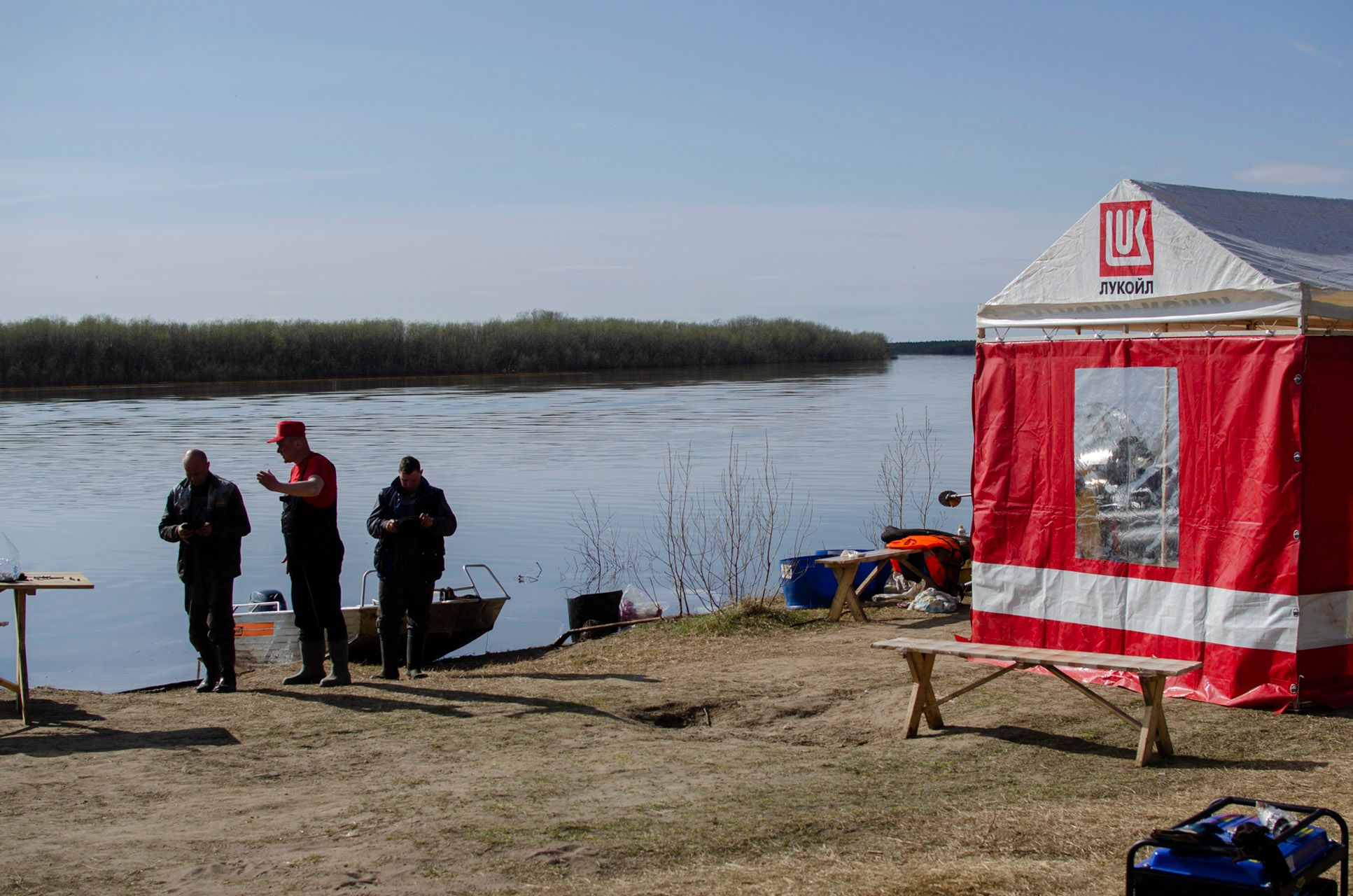
After lunch on the shore, people with video cameras arise: journalists who flew one flight from Moscow immediately went to the river. His deputy runs to the head of the field headquarters Evgeny Volkov: “Chef, here the fifth channel arrived and someone else. Now they will show this to the whole country, and then us ... ” - the man squeezed his fingers with his left hand into his fist and knocked his right hand along it with his palm.
Volkov moves away for three minutes to the side, speaks with someone on the phone, returns to the tent and declares to reporters: “All work is underway downstream. Right now we have seven boats. They collect oil in the half -cuts and deliver them to the shore. ”
Lukoil has something to protect for
A one-story wooden building of the rural club Kolva is painted in light green. On the porch - desktop football, in the lobby - two museum machine guns. The girl fusses in the hall: puts bottles with mineral water on the presidium, lays napkins - this is the head of the rural settlement.
The first participants in the meeting with the mayor of Usinsk Nikolai Takaev and the director of Lukoil-Comers Alexander Golovanev entered the hall (they arrived in Colva a couple of days after the visit of the head of the republic). This is a middle -aged family couple. The head of the rural settlement asks them to transfer them from the last row to the first in order to "ask adequate questions."
A little later, Golovanev says to the locals: no one hides that the emergency had occurred, a criminal case has been opened; Both the company and individual employees will be punished.
“There was a lot of noise about the age park. We were refused by the oil pipeline, whose age is 11 years, and the warranty period of operation of the oil pipeline is 20 years. This is the first refusal, for us a surprise. Thanks to the activity of our fishermen, we managed to raise helicopters and found everything ... Tentatively until June 1, we will solve this problem, the shores will be cleaned. Now 221 people are working, 25 boats, of which three boats are yours. There are enough borders, ”says Golovanev.
He reads a list of the very requirements that, at a meeting with the head of the Komi, were the residents of Kolva. For example, additional tickets for children to a boarding house or camp, construction of sports grounds, repairing a house of culture, water again and dear again.

- In 2020, they said that they would conduct heating, already 2021 - but there is still no heating! - shout from the places.
- It would be good to transfer the boiler room from oil to gas. This must be done for a long time, ”answers the director of Lukoil-Kom.
- Are you fucked up? We have oil, and they are about warmth and water! What water? First think how to remove oil! They forgot 1994 ( read about the catastrophic events of this year - approx. "Medusa" )? - one of the fishermen is outraged. - You have protection at each facility. Constantly slow down: "Where are you going?" I'm going at work. I am an electrician. Ask for a special pass. Why not let them go? And because I can photograph everything.
- You will not get to any object of industrial danger. This is not connected, ”Golovanev tries to say, but he is immediately interrupted.
- We are not considered for people!
- Why don't they think? Dear! Let's work as we work with the “Committee for Salvation of Pechora” ( the oldest and largest environmental organization in Komi, approx. Medusa ). If you have a desire to get somewhere, get together in the group. We will give a representative, we will go with you, and you will poke us there.
Member of the “Committee for Salvation of Pechora”, the deputy of the State Council of Komi Ekaterina Dyachkova immediately says that she went to the raid with Lukoil-Comers' employees several times, but each time the company's security service demanded not to shoot them-neither on the phone, nor for the camera.
- We do not want a photo and video receptions. We have not put everything in order yet. You are a resonant organization and make an elephant from a fly! You are radically aggressively tuned to processes that affect business development, ”says Golovanev.
- Can you make oil does not flow at all? - At this moment, people in the hall began to applaud. - Every year the same thing.
“Well, not everyone ...” the director of Lukoil-Kom is trying to fight back.
“And do not say that they are [the shore] flooded with oil,” the mayor of Usinsk enters the conversation, turning to the inhabitants.
- Sit down in my boat. I will show, ”the local resident Ivan Ignatiev answers him.
* * *
Elena Soscova lives in the new area of Kolva. There, a few years ago, the municipality distributed the earth and allowed to build houses. The street was called Ryabinova. Elena bought a house, but it turned out that it was almost impossible to conduct communications to it, so there is still no water and gas in her house.
“A water carrier drives up, and I fill the tanks. How the water will end, I call the supplier again. It happens that there is little water, and I begin to save a lot before a long weekend or holidays, ”she says.
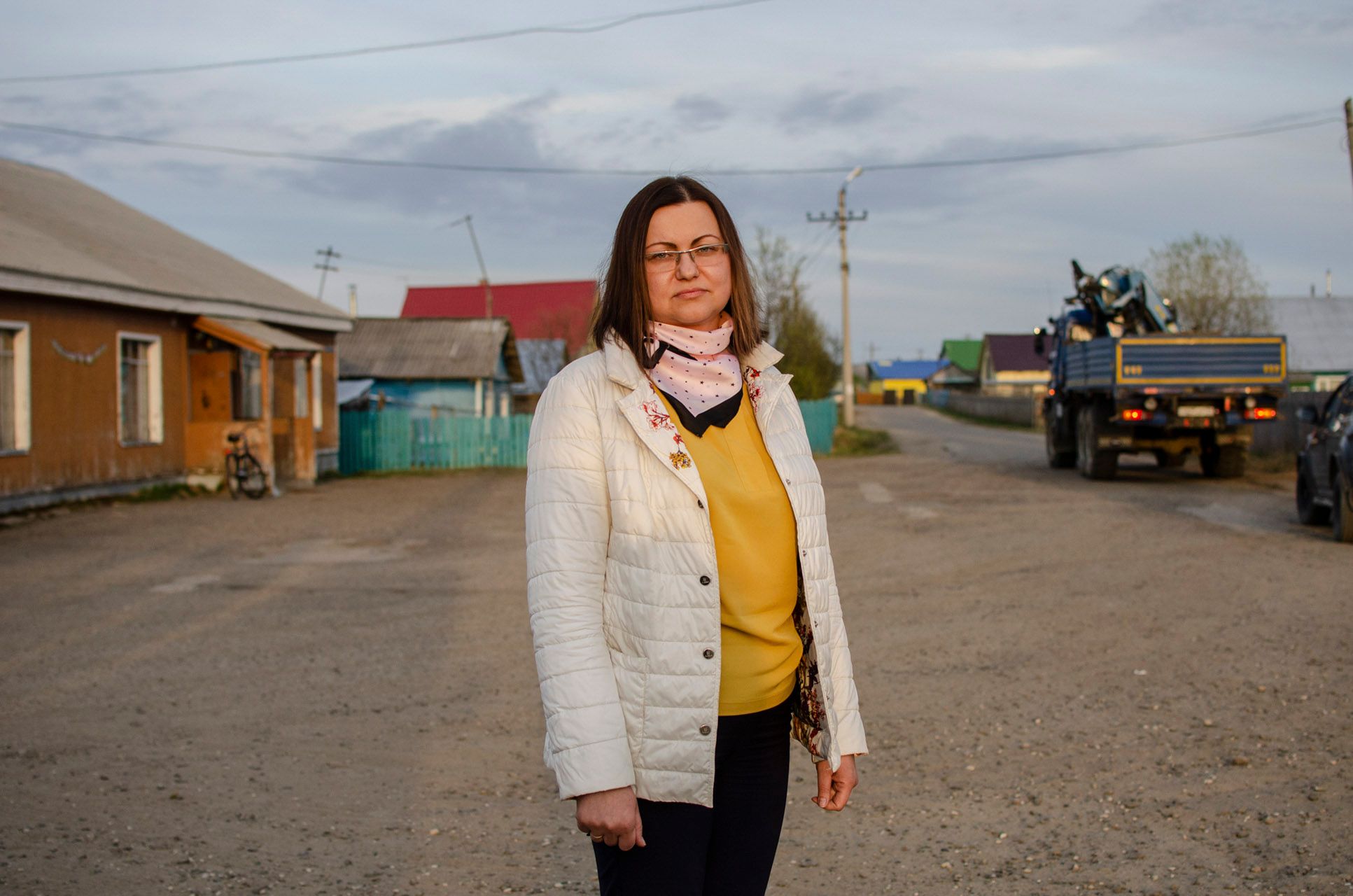
Elena says that the gas was promised to be spent in the village in 2013 - after the last large oil industry; Then in 2016-before the election of the head of the Komi (then Sergey Gaplikov won). Now the gas was promised by the new head of the region Vladimir Uyba.
Elena Soskova began her struggle with officials from a dispute about street lighting. Multi-page correspondence, complaints, three years of expectation-and finally "there were sc-bullets." The garbage tanks were put in another one and a half years. The fish reappeared in the river year in 2018.
- My parents arrived in Usinsk in 1978 to work, I was a year old. I lived in a hut, in a beam, in a hostel - where I just did not live! And nothing. And then I met my future husband, we are the hunters fishermen. Northern fishing is something special. There is SIG, Chir, Pela, Pike, Bully! This is not anywhere in the middle lane. I could walk from the house on foot from the house with a fishing rod to the colum, catching a apartment and a half kilogram pike and cooking my ear. It took me 40 minutes with the campaign. And now about five years will go to restore flora and fauna. And if they do not conduct gas and water supply, we will simply be forced to leave here.
- Where do you work with your husband?
- In the oil industry.
-And how do you evaluate the consequences of the accident and the work of Lukoil-Kom?
- There are many enterprises in the structure of Lukoil. If the organizations were more compact, the order would be easier to restore. Lukoil has something to protect for. Thanks to Lukoil, in Usinsk many sites, squares, parks were built. This is colossal money that neither the city nor the region allocate. The only thing that is insulting is the human factor that this error is allowed.
Church and the oil industry
How many people now live in a colum, no one can say for sure: from 300 to 400. All houses are private, they look more like small cottages. Two shops, a wooden one-story club with a hall of 40 spectators, a tiny feldsher-obstetric station, a village administration building and a container for separate collection of garbage near it with red siding.
The history of the Kolva, which was founded in 1825, the Nenets-nomads that settled on this earth, its current residents measure out in two large events.
The first is the foundation of the church, which was laid here in 1831. The second is the spill.
When the church was built, for several decades in Kolva, residents of the northern villages and villages came to the Orthodox center - to celebrate weddings or baptize children. In the Soviet years, the church was abandoned, it began to collapse. Money for its recovery was collected only in the mid-1990s. Now the new church with a bright green roof is closed on weekdays, the abbot comes to services only on Saturday and Sunday.
The spill occurred in 1994, when the attachment pipeline - the head structures broke out in several places at once. In total, 200 thousand tons of oil hit the Earth; In the area of the spill, he occupied more than a thousand football fields. Until now, this accident is considered the largest on land around the world. Oil flowed along the rivers with a stream; Farm cows were taken to slaughter with whole barges.
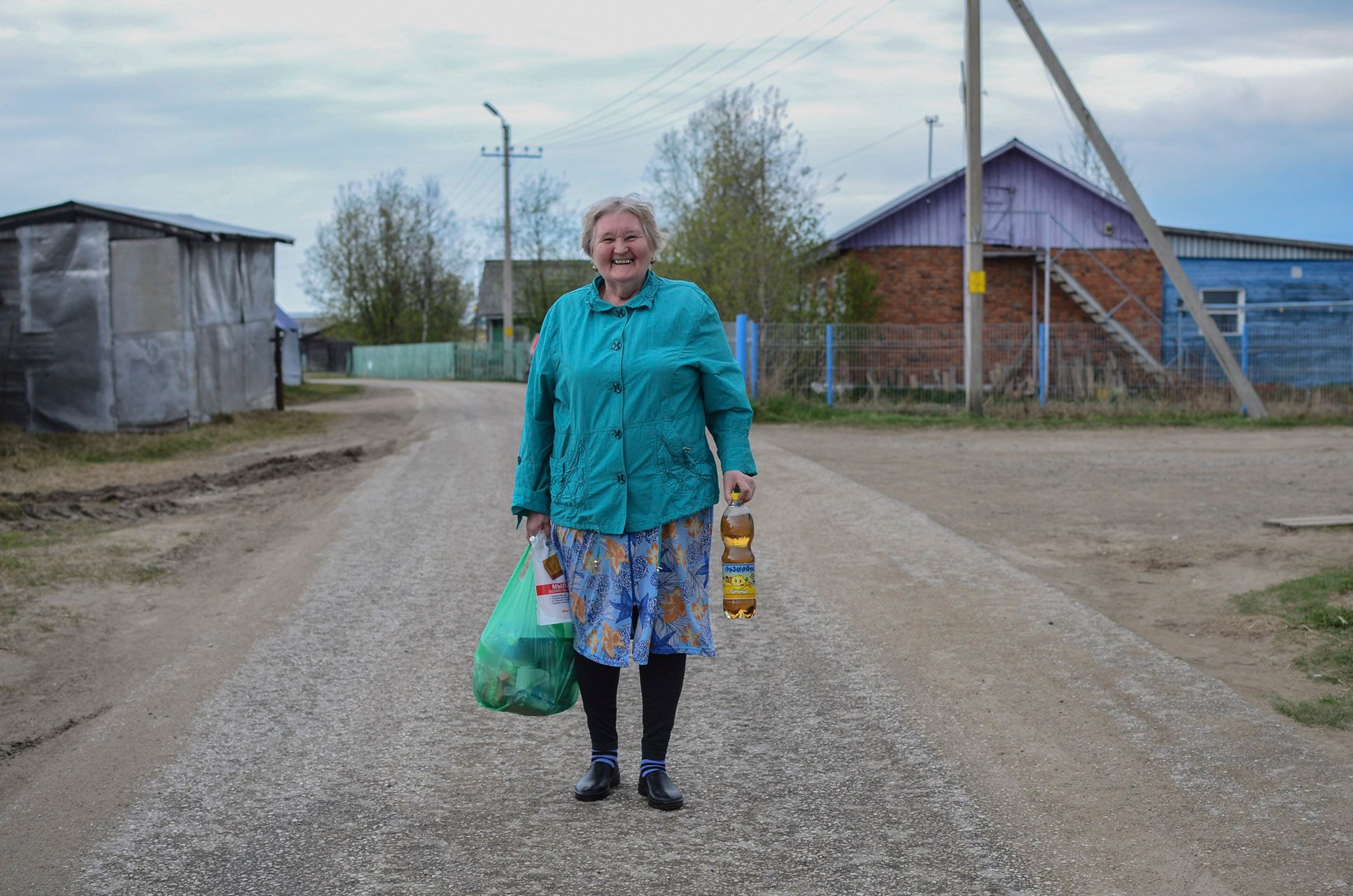
The 70-year-old Batmanov Olympiad remembers that spill well. “A few days after the spill it was like this: the cow is coming, then it will fall, lie down, then get up. And so several times. In the evening I began to milk, naturally the milk was stinking with diesel fuel. And I had to cut the cow. It was a pity. "
She met her husband 47 years ago, when she lived in the village of Lai, "who is no longer there." The husband learned to the tractor driver and brought the Olympics to Kolva. Тут им сначала дали комнату в бараке, а потом они своими руками «подняли дом».
Уже больше десяти лет муж ничего не видит. Олимпиада максимально освободила стены до кухни и туалета от мебели и лишних предметов, чтобы ему было проще туда добираться.
«Я не верю, что это когда-нибудь прекратится. Я никому не верю. Обещают золотые горы, но ничего из этого не бывает», — говорит Олимпиада о новом разливе нефти.
Еще одна местная жительница, Надежда Малькова, хорошо помнит другой нефтеразлив — 2013 года. Она всегда «была одной из самых бойких и неугомонных»: после каждого нефтеразлива требовала от добывающих компаний и чиновников направить больше денег на развитие Колвы.
Но в 2013-м у нее заболела мама, и сил на борьбу не осталось. «Я как рыба тогда билась одна головой об лед. У нас были люди, которые возмущались дома. Я им говорила: „Приходите на собрание и говорите! Почему наша семья должна за все бороться?“ Вот тогда у меня было из-за этого разочарование. But everything changes. Я сейчас иначе смотрю на вещи. Да и людей, которые готовы бороться, стало больше».
«Когда ж наступит время, когда остановятся эти бесконечные потоки нефти? — задается она риторическим вопросом. — Для меня идеальное развитие событий — это то,как было до 1967 года [когда в окрестностях начали добывать нефть]. Тогда все в Колве держали коров, у нас были чистые пастбища, мы свободно ловили рыбу в реке. Ведь Колва в переводе с ненецкого означает „рыбная река“. А сейчас об этом только мечтать можно».
Почему разливы не кончаются?
Основная причина нефтеразливов на севере Коми и в Ненецком автономном округе — старые трубопроводы. Добывающим компаниям дешевле заплатить штраф, чем заменить большое количество труб. В разные годы общественники и депутаты на разных уровнях добивались, чтобы изношенные нефтепроводы запретили использовать.
Российский Гринпис в 2014 году подготовил 26 поправок в федеральные законы о добыче природных ресурсов. Самую большую ставку экологические активисты делали на две из них.
Первая предполагала значительное повышение штрафов за искажение экологической информации о разливах. Вторая — введение ответственности в Кодекс об административных правонарушениях за неисполнение экологического предписания. Позицию Гринписа разделял на тот момент министр природных ресурсов и экологии России Сергей Донской. Но после того, как он ушел в отставку, документ лег под сукно.
В Коми общественники несколько раз пытались организовать референдум, в том числе и по поводу запрета использования нефтепроводов старше 25 лет. Подать заявку на референдум не удалось: избирком Коми и депутаты госсовета постоянно придирались к оформлению документов.
Местный депутат от КПРФ Олег Михайлов требует, чтобы компаниям запретили продлевать срок работы трубопроводов старше 25 лет более чем один раз (сейчас сроки работы трубы можно продлить многократно). Госсовет Коми рассмотрит этот документ в июне 2021 года.
При этом руководитель энергетической программы российского Гринписа Владимир Чупров предлагает, чтобы компании оплачивали штрафы из чистой прибыли уже после уплаты налогов (выплата штрафа до налогообложения уменьшает налогооблагаемую базу и сумму налога, а после налогообложения — чистую прибыль предприятия). Такое же требование оставили под специальной резолюцией и члены общественной организации «Комитет спасения Печоры», и жители Колвы — после встречи с руководством «Лукойл-Коми» 13 мая 2021 года.
Бывший министр природных ресурсов Республики Коми Роман Полшведкин ( ушел в отставку в феврале 2021 года после почти семи лет с перерывами работы в министерстве) считает , что аварии эксплуатируют во время выборов «кто попало и как попало», но многих последствий можно было бы избежать, если бы:
«Во-первых, действия ликвидаторов нефтеразливов в регионах были согласованы по всем пунктам, включая силы, средства, тактику и используемые технологии. Иначе ситуация так и будет повторяться: что-то происходит в НАО, течет к нам [в Коми], что-то делаем мы, а потом все опять течет в НАО по той же Печоре. Еще лучше — создать единый план ликвидации на всю арктическую зону.
Во-вторых, существовали бы единые для правительства России, Минприроды и МЧС критерии определения режима готовности или чрезвычайной ситуации. Сейчас они разные, и эта непрозрачная система позволяет промышленникам и органам власти пользоваться тем документом и критерием, который им выгоден в конкретной ситуации.
В-третьих, была бы системная и согласованная с нефтяными компаниями инвестпрограмма замены старых нефтепроводов, а в ней — программа выявления и замены слабых трубопроводов (потому что рвутся не только старые трубы)».
«Природа сама где-то берет, где-то компенсирует»
18 мая Иван Игнатов проснулся около четырех утра. Он один из немногих жителей Колвы, кто откликнулся на предложение «Лукойл-Коми» собирать нефть самостоятельно на своих лодках.
«Утром нефть холодная, — рассказывает Иван, — ее удобно собирать. А днем, когда солнце поднимается, начинается сильное испарение. Лицо опухает, дышать невозможно. У меня всегда спирт или водка с собой. Второй раз мы выезжаем в рейд в девять вечера» (спирт нужен, чтобы протирать руки от нефти, если она попадет на кожу).
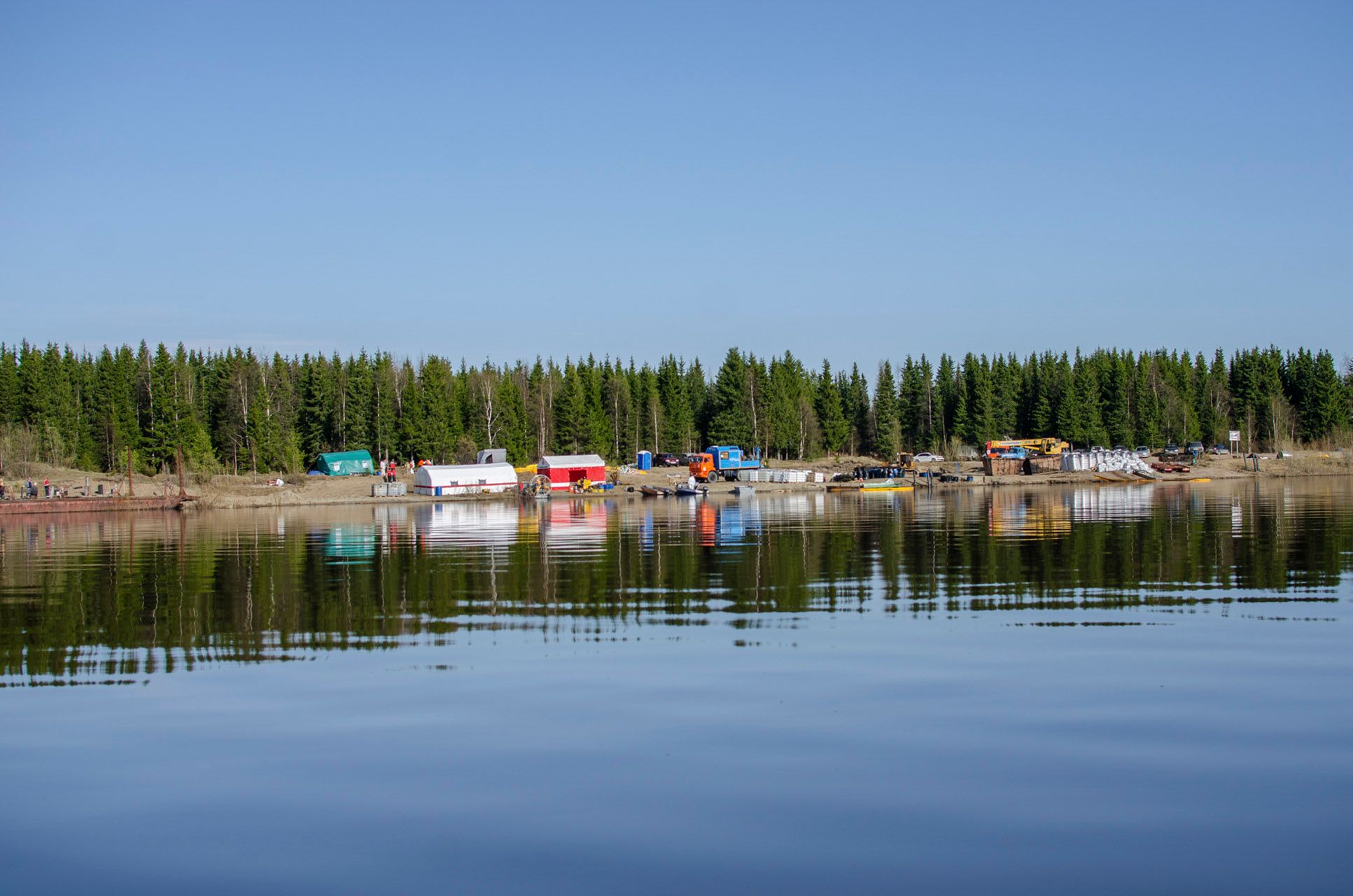
Сколько «Лукойл-Коми» платит добровольцам за одну бочку, до конца непонятно: одни говорят, что две тысячи рублей, другие — что аж десять тысяч. По словам Ивана, он собрал за три дня 17 бочек; ему обещали 2,5 тысячи рублей за бочку.
Объявления о наборе людей «на уборку нефтесодержащей жидкости» на реке Колве публикуются в соцсетях от имени ООО « СПАСФ „Природа“» — усинской компании, которая специализируется на ликвидации последствий аварийных разливов нефти и нефтепродуктов. На сайте компании говорится , что структуры «Лукойла» заказывают у нее услуги.
«Давайте я вас провезу по реке и покажу, что происходит вдоль берегов, — Иван протягивает мне белый костюм: в таких по технике безопасности все волонтеры из местных жителей должны собирать нефть. — Лодка у меня „Крым“, дюралевая. Она мне от отца покойного досталась».
Отплываем на километр вверх по течению. Берега там действительно в черной пленке. Нефть облепила стволы деревьев, траву и слиплась в большие черные кучи — такие получаются, когда сорбент, который высыпают в реку, стягивает на себя нефтяную пленку.
Как только нефть дошла по реке до села Колва, Иван запретил своему 14-летнему сыну рыбачить.
«У нас тут поля ягодные, и это все испортили нефтью, — показывает Иван направо. — Как жить дальше, мы не знаем. Рыба погибнет. Сейчас сезон начался, а мы ничего не можем сделать».
Мы проплываем боны — специальные рукава, которые растягивают примерно до середины реки: они захватывают нефть, которая прибивается к берегу. Недалеко от такого бона у берега стоит лодка, в ней двое мужчин, один орудует лопатой.
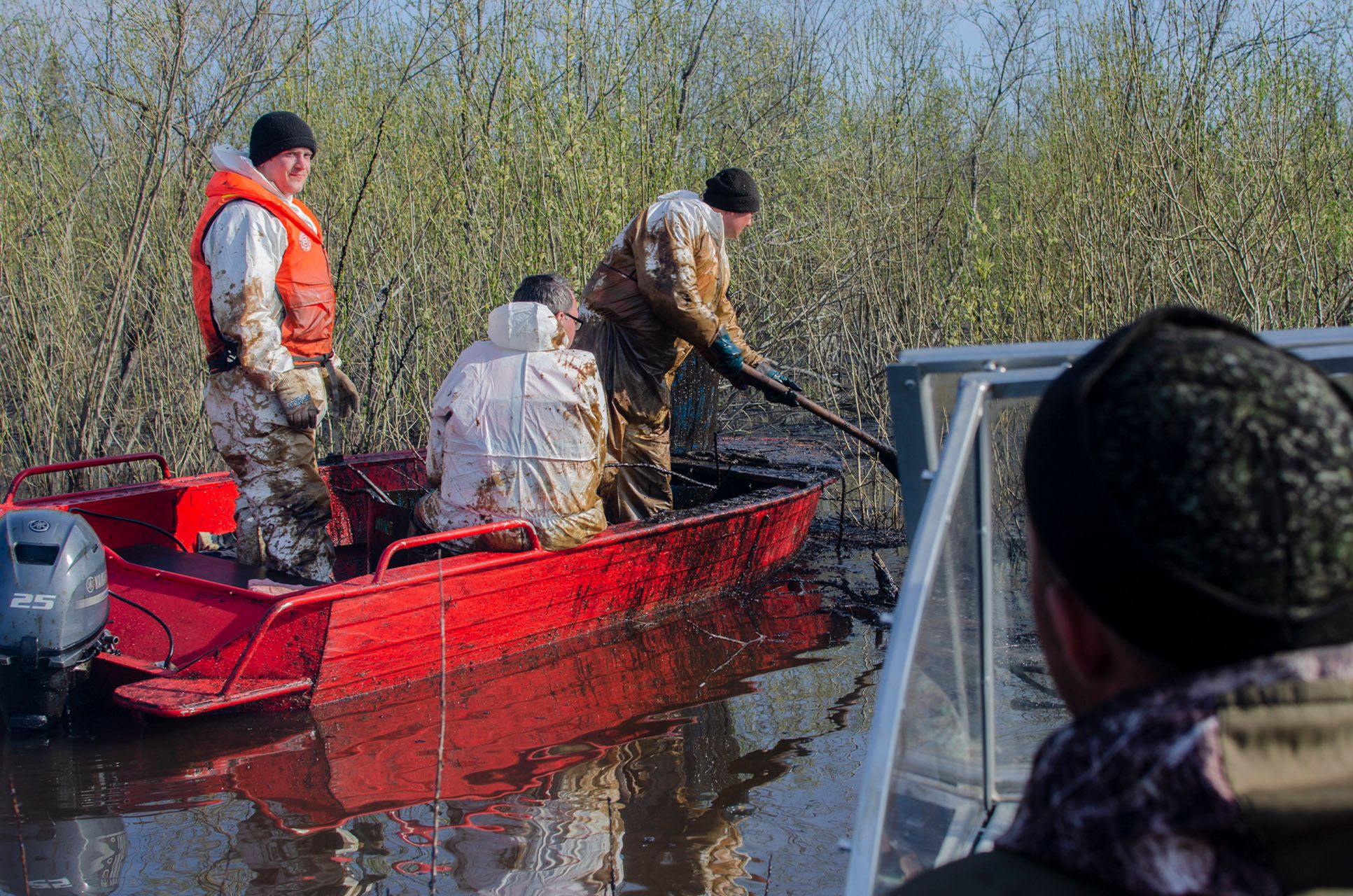
— Чтобы бочку нефтепродуктов собрать, сколько времени уходит?
— По-разному — в зависимости от того, насколько нефть сама по себе скреплена. Если она спрессована и связана травой — три-четыре минуты, — отвечает мужчина. — Компания много тратит денег на защиту окружающей среды. Это производство, от этого никуда не деться. Но, как и в любом производстве, у нас риски связаны с природой.
— Но вот вы говорите, что это все компенсируют. А кому компенсация пойдет? — сердится Игнатов.
- This is not a question for me. Я не генеральный директор.
— Они сейчас опять нам кусок асфальта в два метра положат — и все? Каждый год такая херня. Заткните рты свои.
— Не нам с вами это обсуждать. Природа сама где-то берет, где-то компенсирует.
* * *
В трех районах Коми сейчас введен режим ЧС. По прогнозам российского Гринписа, нефтяное пятно достигнет Нарьян-Мара 20 или 21 мая, после чего попадет в Баренцево море.
Пока чиновники, спасатели и нефтяники решают, что делать с очередным разливом, семья единственных животноводов Колвы думает, как дальше быть с коровами.
Возле входа в коровник сын Ольги и Мансура набирает ванну и разводит под ней костер: он планирует сварить ячмень для коров. Сегодня их не выпустят на луга: там нефтяная пленка. Придется или искать для коров новое место для пастбища, или каждый день покупать сено — оба варианта для фермерского хозяйства обременительны.
Ольга переживает, что этим летом они не смогут сами заготовить корма, а их покупка затормозит развитие небольшой фермы.
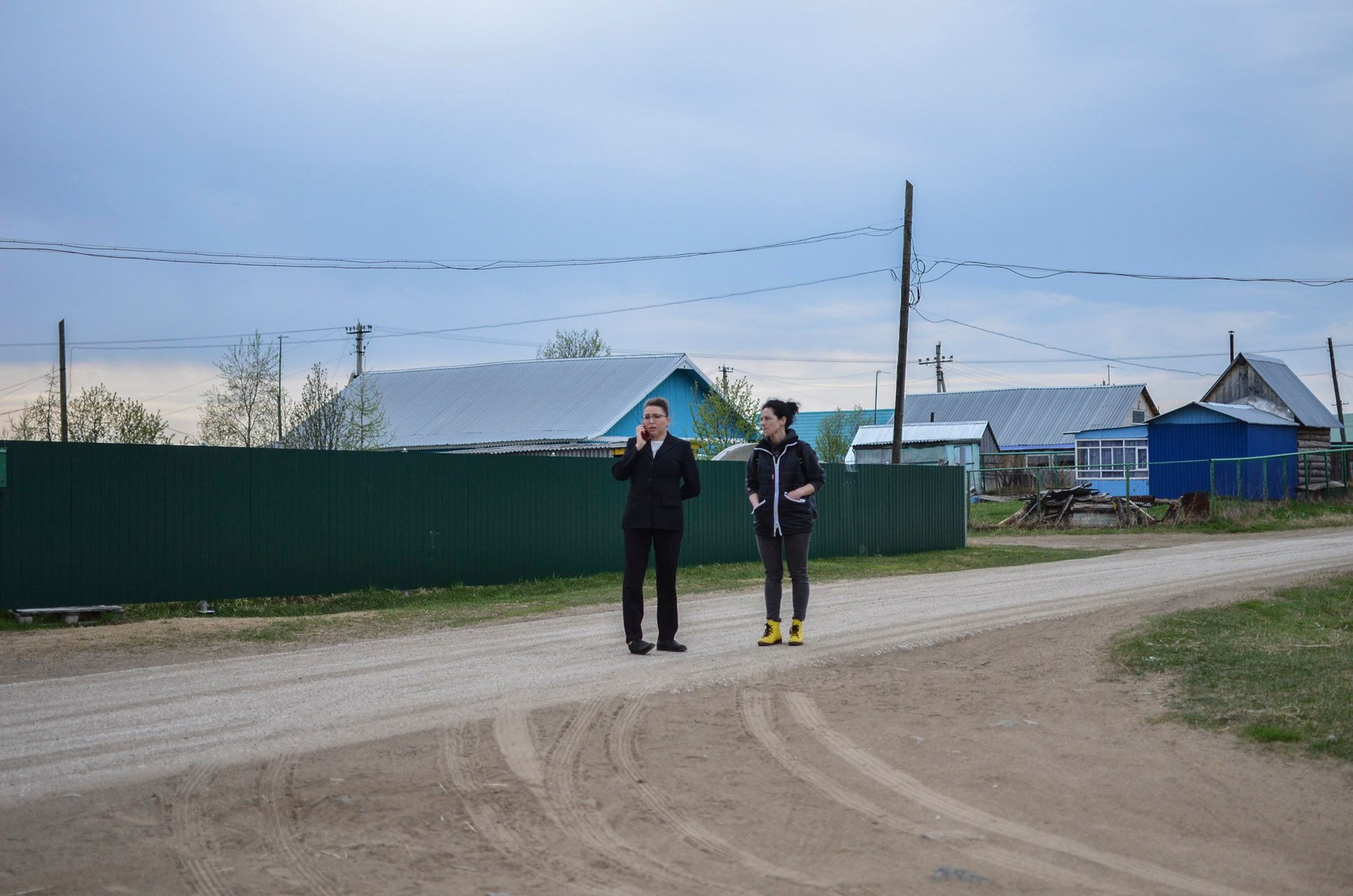
В паре километров от фермы в центре Колвы стоит сенатор от Коми, бывшая журналистка Елена Шумилова, которая приехала сюда «изучать ситуацию». Она говорит с кем-то по телефону: «Алло, Саша, привет. Ты в Усть-Цильме? Мимо вас еще не прошло нефтяное пятно? Еще ждете?»
От Колвы до Усть-Цильмы больше 300 километров по Колве, Усе и Печоре. По прогнозам российского Гринписа, нефтяное пятно может достичь Нарьян-Мара к 21 мая, после чего попадет в Баренцево море. По словам активистов из Усть-Цильмы, жители населенных пунктов, расположенных ниже по течению Печоры, пока не сообщали о появлении радужной пленки.
Текст, фотографии и видео: Максим Поляков и Дмитрий Степановский , «7×7»