
Translated material
Moscow Montmartre. How were the workshops of artists on Prechistenka at Savva Yamshchikov arranged
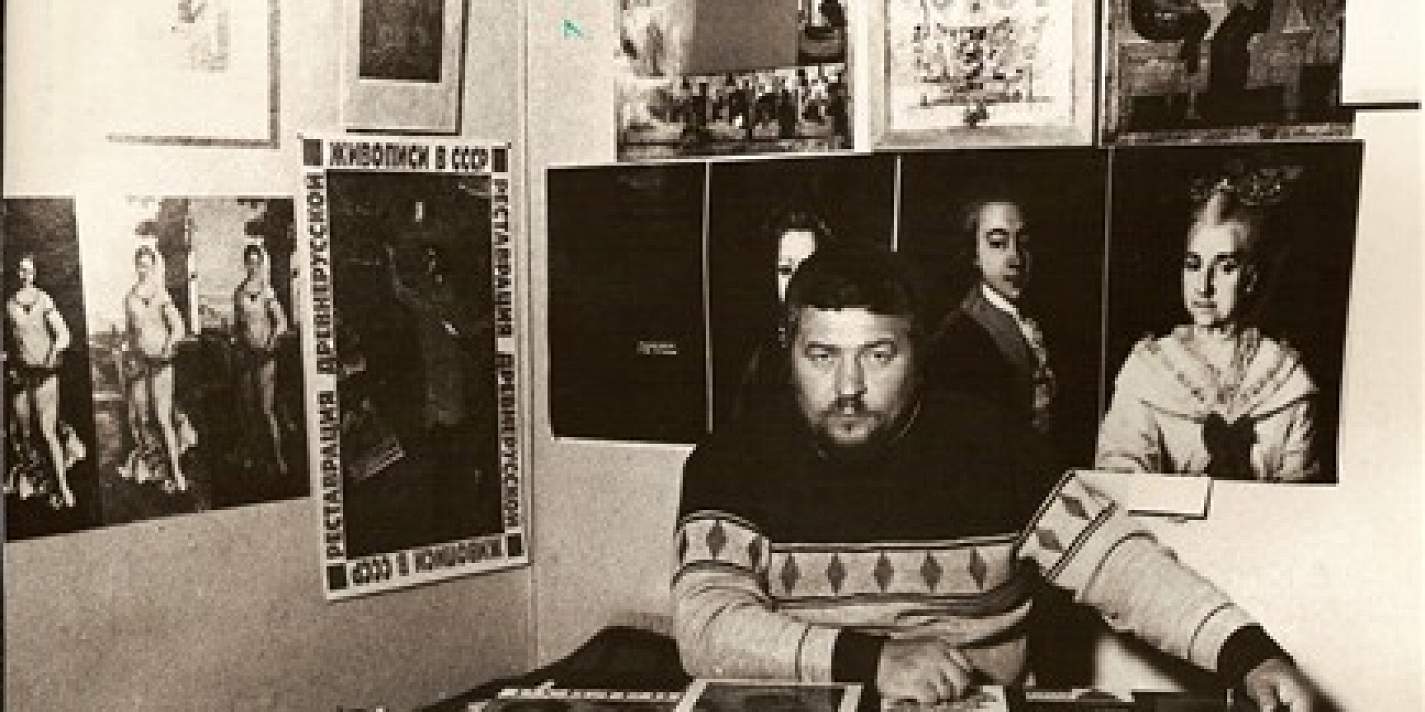
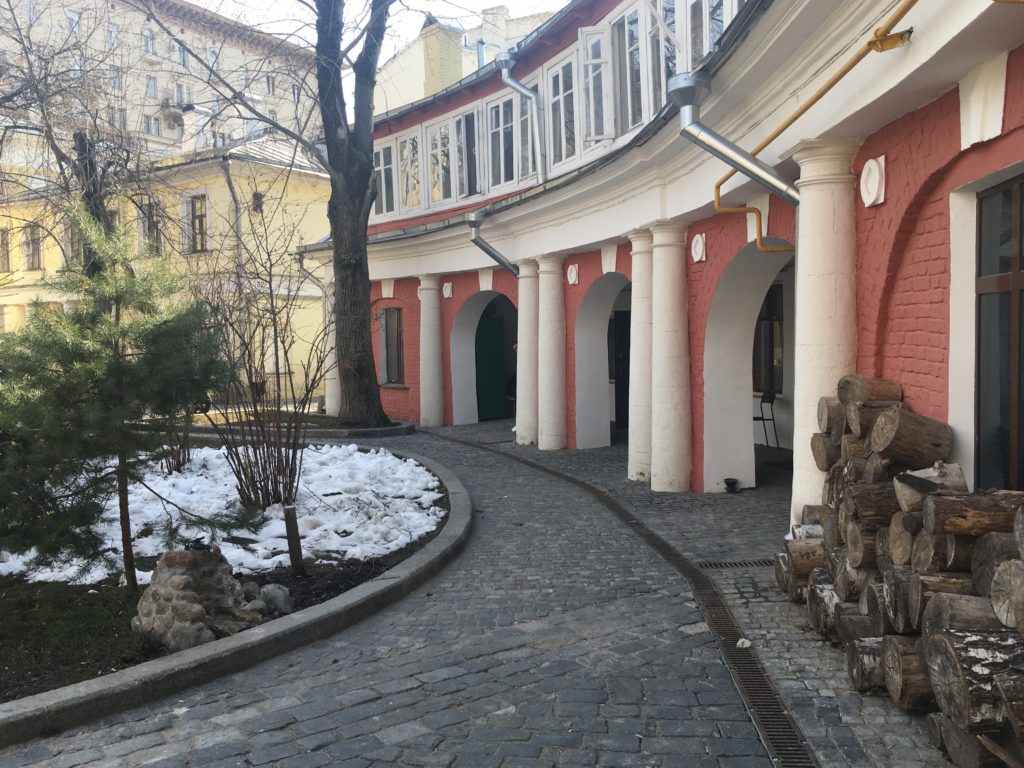
In the building of the Polivanovsky gymnasium famous in pre -revolutionary Moscow, two children's schools have been working at the Prechistenka for many years - the musical name of Muradeli and the artistic name of Serov. And in the courtyard of an old estate in their workshops, professional artists create. In one of them, an amazing person worked for many years - the restorer Savva Vasilievich Yamshchikov. Daria Chernysheva talked about Yamshchikov and his life in Khamovniki with his daughter Martha and artist Vasily Vdovin, who also once worked in the workshops on the Prechistenka.
Savva (Saveliy) Vasilievich Yamshchikov, Soviet and Russian restorer, art historian, publicist. He opened the genre of the Russian provincial portrait of the 18th -19th centuries, revived the names of forgotten Russian artists and icon painters to life .
Marfa Yamshchikova:
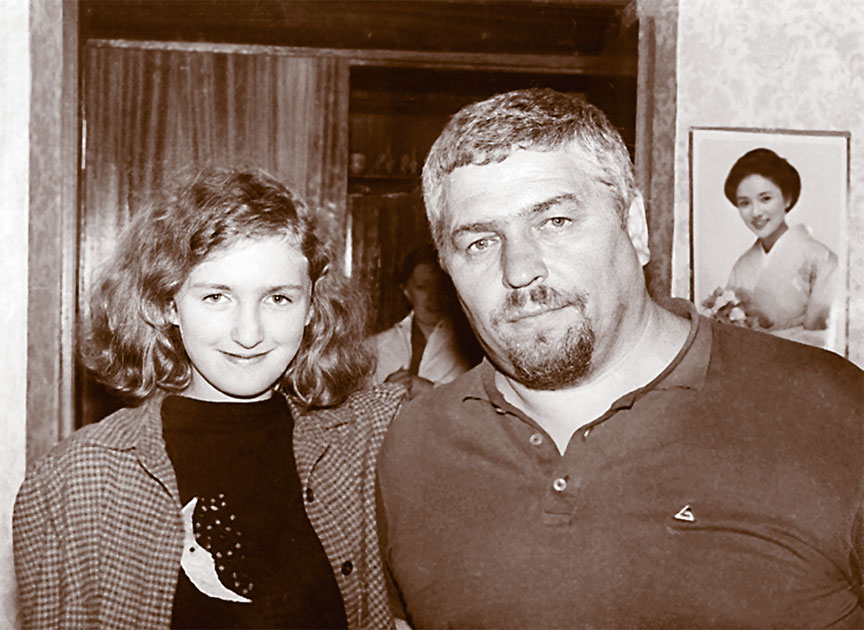
In Khamovniki, his father had workshops, where he spent most of his working time. The first workshop was in Vsevolozhsky Lane. It was a basement that the father called the bunker. They planned to place a glassotata reception point there, but Yevgeny Viktorovich Vuchetich, the famous Soviet sculptor, who was then vice president of the Academy of Arts, helped his father get it.
Father met him in the restoration workshops of Grabar, and he went to him with a request to assist in receiving the workshop. Before that, several attempts were made to achieve the workshop, but they were unsuccessful. It was the end of the sixties; The country was preparing to celebrate the centenary of the birth of Lenin. In this regard, many received new housing, and artists - workshops. One call to the secretary of the Leninsky district committee, and the case was settled. True, I had to give a box of sweets to the inspector for non -residential premises.
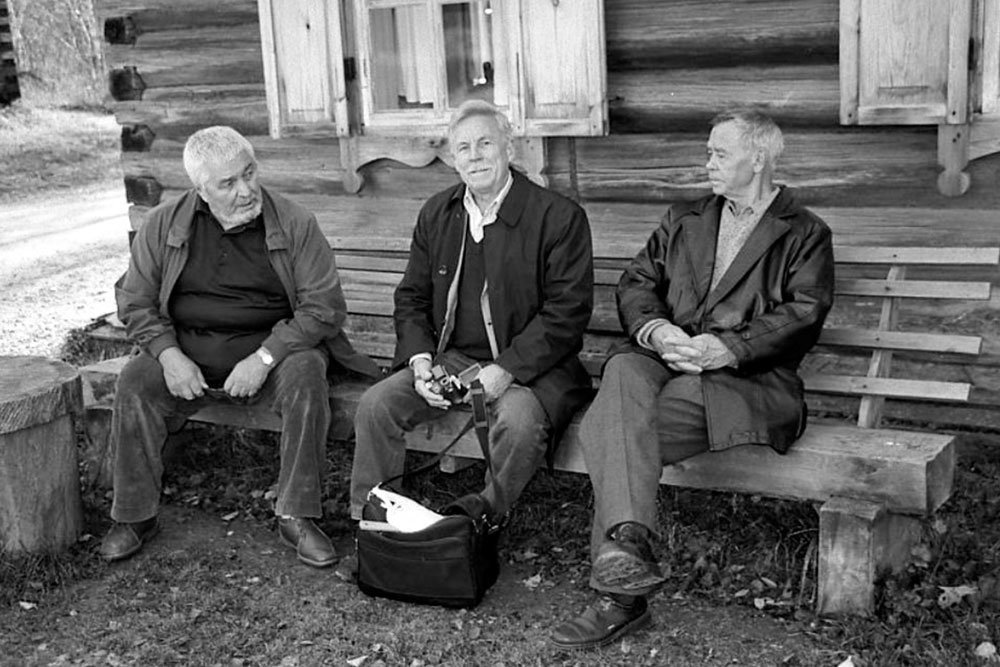
Bunker was open to colleagues and friends around the clock. Artists Ilya Glazunov and Boris Messerer, poetess Bella Akhmadulina, actor Nikolai Burlyaev, ballet dancers Vladimir Vasiliev and Ekaterina Maximova, Olympic champions Alexei Ulanov and Vyacheslav Starshinov - this is far from a complete list of bunker departments.
At this time, his father was already engaged in restoration, but by the propaganda of restoration activities - he arranged exhibitions, wrote annotations to them, published albums dedicated to the restoration of icons, wrote articles for newspapers and magazines. The father was dedicated to work all day, and friends came in the evening. Including colleagues, restorers and museum workers throughout the Soviet Union, with whom the father constantly maintained working relations.
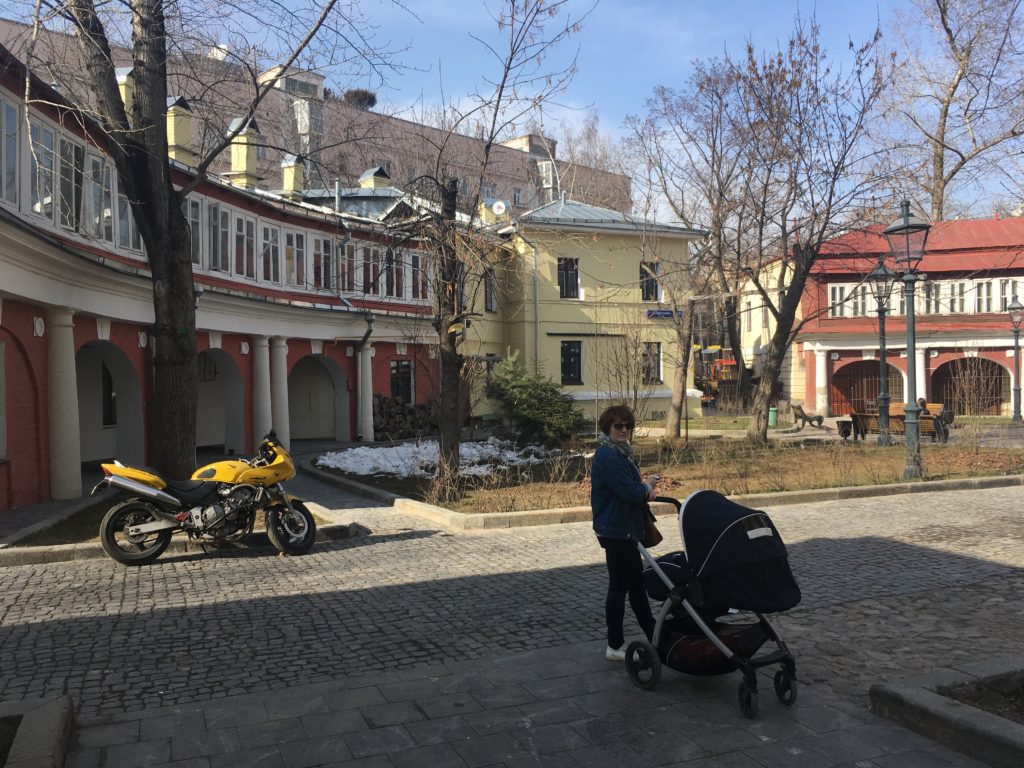
In the early eighties, his father moved to Prechistenka. The second workshop was in one of the outbuilding of the famous Polivanovsky gymnasium. Four workshops were located there: his father’s neighbors were sculptor Gennady legalists (later this workshop was occupied by his son -in -law by artist Vasily Vdovin), artist Anatoly Mosiychuk, photographer Stanislav Zimnokh and his wife art critic Vera Alekseeva. It was a good neighborhood, everyone maintained friendly relations, creative. So, with the photographer Stanislav winter, his father made many albums about icons.
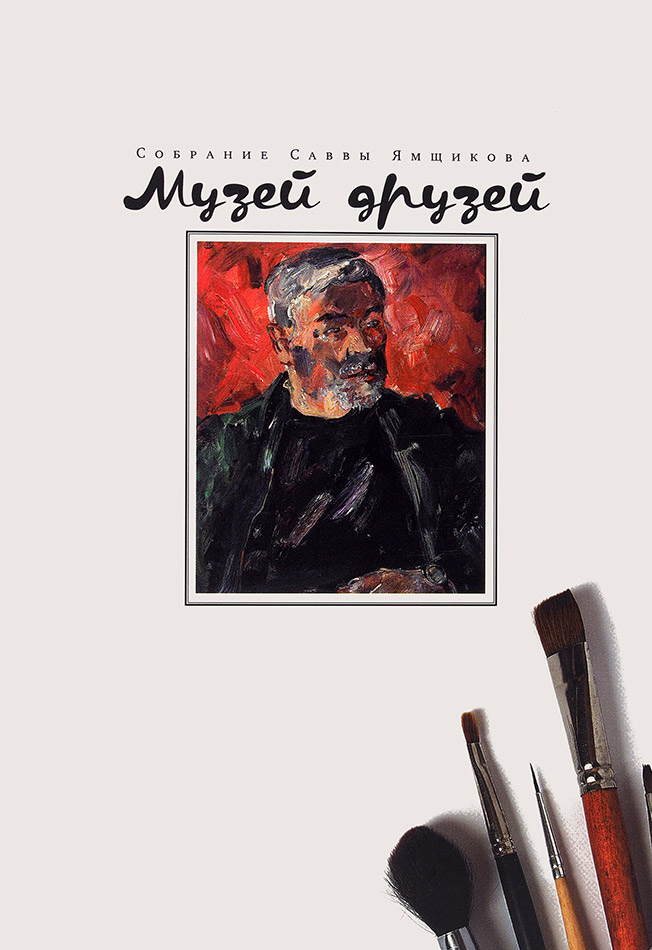
The regulars of the "bunker" moved to the Prechistenka. Artists and musicians came, musical evenings were arranged. The cabinet of the father’s workshop on the Prechistenka was filled with books, the work of friends-artists, donated to him in different years, hung on the walls of the living room. These works formed the basis of the collection "Museum of Friends", which the father introduced at his seventieth anniversary.
Vasily Vdovin :
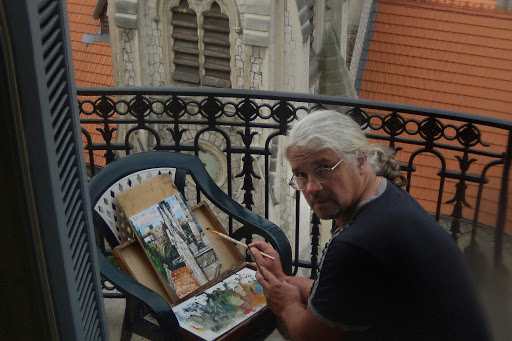
On Prechistenka, 32 there were two outbuildings: in one where I worked with my wife Natalia, there were four workshops, and in the other, in my opinion, eight workshops. The upper right workshop in our outbuilding belonged to Savely Yamshchikov until his death in 2009.
The left workshop at the top belonged to the marital pair of Stas Zimnokh and Vera Alekseeva . There is a legend about the winter, which he confirmed to me: Stas was one of Ivan Pyryev’s operators, but on the set of the Karamazov Brothers, the tragedy happened: part of the group died. And Pyryev himself died. The film was finished by Mikhail Ulyanov, who played Mitya, and Kirill Lavrov, who played Ivan. The role of Alyosha was played by Andrei soft.
Stas was so struck by the death of the group that he left the cinema and began to engage in photography for books on art. And his wife, Vera Alekseeva, was engaged in the Academy of Arts by publishing art books for children.
On the bottom right until his death, People's Artist Anatoly Methodius Mosiychuk worked, and on the left, the now resonant people's artist of Russia, the secretary of the sculpture section in the Russian Union of Artists , Gennady Ivanovich, legalrators .
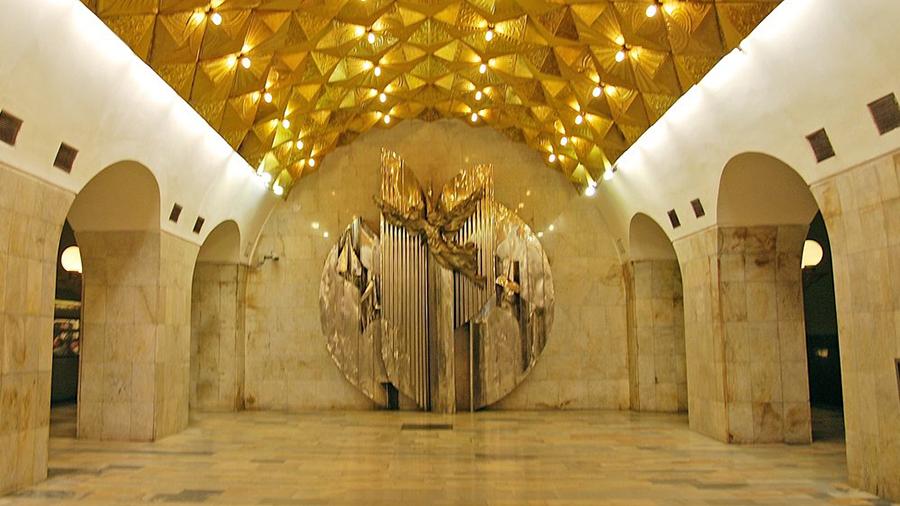
Mosiychuk in his youth was one of the famous metro artists. Several stations were made on his projects. He made large decorative structures made of metal there, and when installing one of them, he broke his leg.
The injury was heavy, he could not work for more than six months, sat in a gypsum in the workshop. In order not to get bored, he put the canvases and wrote a long brush. And became interested in painting. Having recovered, he left monumental art, began to paint paintings.
Mosiychuk was so passionate about painting that sometimes he did not go outside for weeks, only to the food store. His windows were curtailed: he always worked in artificial lighting. Mosiychuk was very prolific artist: he kept thousands of graphics sheets and hundreds of large canvases in his workshop.
He loved this place so much that he bequeathed to dispel his ashes in the courtyard of the workshop: he wanted to stay here forever. He died in 2013, but whether the children had fulfilled his will, I don’t know, because he has already moved from the Prechista.
I knew less artists from the outbuilding opposite, but before his tragic death there was exactly the monumental artist Oleg Pavlovich Filatchev . Until now, his son Oleg Olegovich is working in the workshop, and his widow Valentine appears there. Filatchev was the youngest academician at the Academy of Arts. A talented, successful person, in his panels, in his frescoes preached a culture of the Renaissance. And there was a very famous book designer Arkady Trojanker , but he emigrated to Israel.
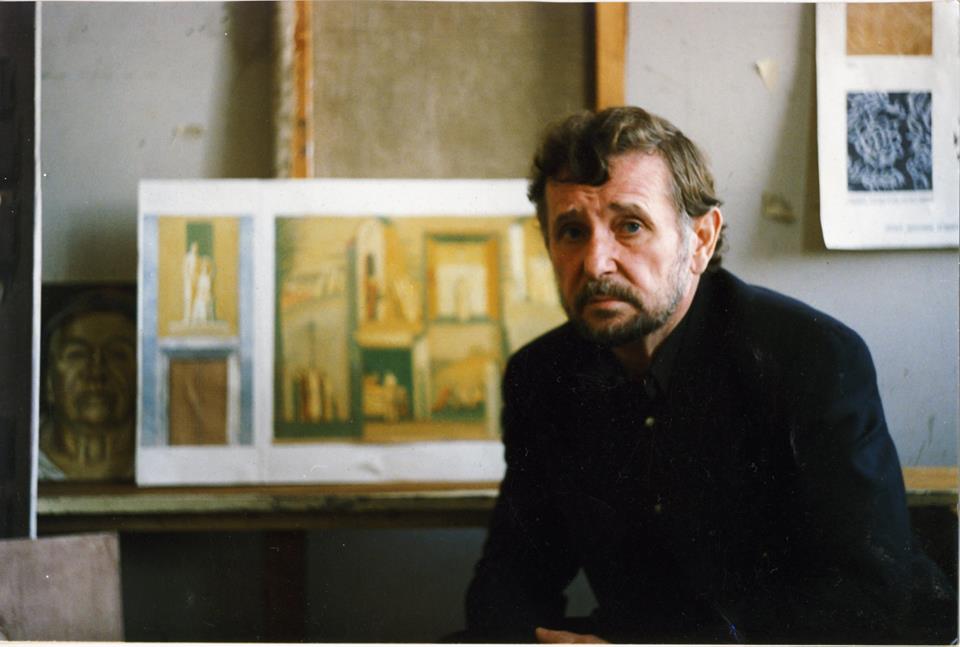
I worked in a workshop on Prechistenka somewhere from 1998 to 2008. Yamshchikov called this courtyard Moscow Montmartre. The place is beautiful, ancient, in the summer there are artists sit, write, draw.
We repeatedly arranged exhibitions of one day, street vernisages: put [some] picture in the yard, Savely invited the press, the audience, walking, passed by. The atmosphere of old Moscow was preserved there, where the artists worked on the open air.
In this courtyard, when I worked in the workshop of Savva Yamshchikov, we spent the night of museums. We opened the workshop, the people gathered, I drew a portrait from nature, showing the work of pastel and watercolor; Sculptor Denis Petrov , now working in my workshop, sculpted gifts for children. More than once put a hill in the courtyard, arranged Shrovetide.
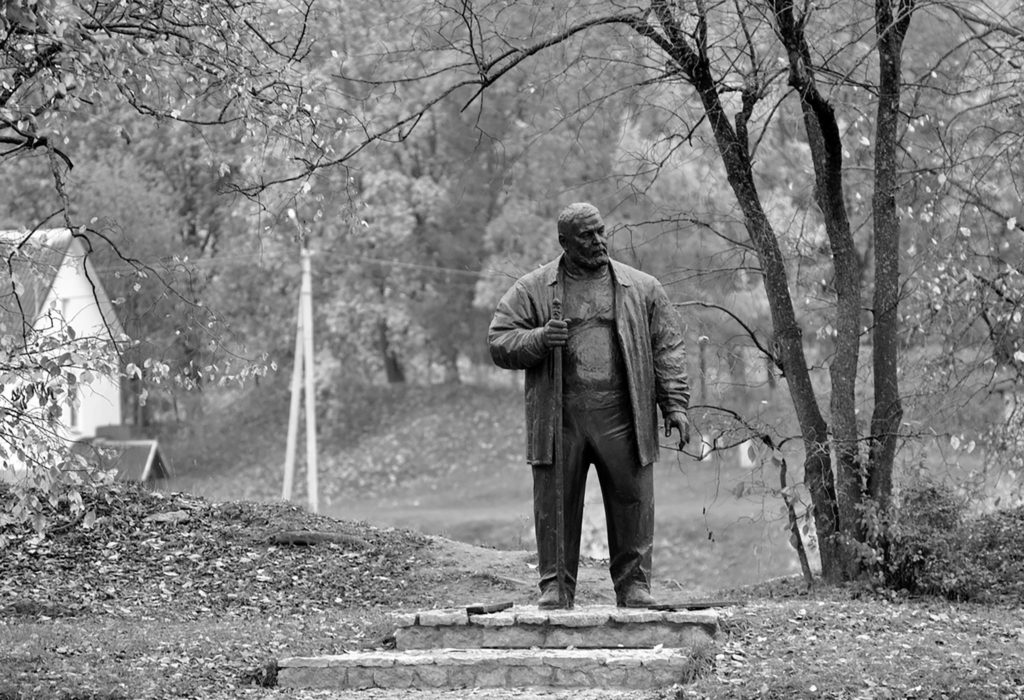
The fact that the court and workshops generally remained with the Union of Artists, there is a considerable merit of Savely Yamshchikov.
According to the charter of the Union of Artists, the artists received workshops and could work in them for life, paying only utilities, as for an apartment. And, fortunately for artists, this norm was not canceled. This is what makes it possible to exist the cultural environment of Russia: thousands of artists can work calmly.
But since the beginning of the two thousandths, under the Luzhkovsky power, to our yard (not only to the workshops), some commercial structures began to pay attention, and we began to receive reports that they wanted to evict us.
The brightest attempt was at the beginning of the two thousand years. When there was no one in the workshops except me, a large delegation came on steep cars. This is now at all the car, and then it was noticeable. I opened the doors, and they told me: “This is a luxury, your workshops are transmitted to another owner. For you [give] for the eviction for three days. "
I had a Savelia phone, with whom I was not yet close. I said with a fraction of a bitter humor: "Can I make the last call, like in an American movie?" I was allowed, I gained Savely, and before that I never called him. He was sick, sat at home, but watched everything that was happening in Moscow and knew what I was doing.
- Now there is nobody, it is already evening, there are large cars in the yard and they give me documents that our outbuildings are taken from the ICC (Moscow Union of Artists) and transferred to another department. What should I do? I told him.
He asked to turn on the speakerphone and gave a lecture for about ten minutes about what Moscow and Moscow artists are, what workshops are. He cursed four -story, and I pulled my head, and when I lifted it, I saw only one young guy - everyone else fled from this conversation.
The next day I went to Yamshchikov, and we drove along the embankment. He asked him to take him to the Paveletskaya embankment, where he, it turns out, was born. He was sick and did not leave the house for nine years. We rode and arrived in the workshops. He went up to him, opened the workshop and said: “We act like this: I am writing a letter about the heritage of the workshops, which we will send to the president, mayor and a couple of newspapers. A letter with a hat: “An appeal to the President of Russia: I have taken everywhere about the fate of the architectural heritage of Russia, and it worked.
Savva began to figure out what the organization was trying to take possession of the workshops, and did a huge work of the administrative and journalistic. There were publications about these workshops, which brought great benefits to the preservation of artists' workshops in Moscow. They paid attention to the estate, and the appetites were used.
However, the collapse of the workshops continued, and once Yamshchikov told me to organize a one -day exhibition right in the yard. I put up the picture "Pieta", calling the exhibition "History of one picture." He invited a large number of people, saying that there would be an interesting event, and our outstanding art critic, restorer, public figure Saveliy Yamshchikov wants to say something on the camera of “culture” and “Russia-1”.
A lot of people gathered. Savely Vasilievich spoke for a long time and tough about what was happening with the heritage, with architectural monuments not only in Moscow, but throughout Russia - in his beloved Pskov, in Novgorod, in Suzdal. He cited the facts, very sharply mentioned the name of the then mayor of Moscow Luzhkov and those officials who indulge the destruction of the monuments. I stand and think: "Well, hit!" I lowered my head, I listen, and when, after about five or seven minutes, I raised my head of everyone except the operators, how the wind blew!
But these people are not just behind. We were smoked financially.
By decision of the city authorities, we were charged with a commercial value. It was a lot of money. Savely said: “We do not pay money. We will seek the return of the contract for free. ”
The lawsuit lasted many years, but in the end the contract was made normal. But at that time, Luzhkov left power, all this brethren left, in 2009, the coachmen died, as well as our neighbors in the master's Stas Zimnokh and Vera Alekseeva. We won the courts, but since we did not pay under a commercial agreement, large debts have accumulated that you can’t cancel.
The MSC made the right decision - it is necessary to note this - debts to repay and transfer workshops to other artists. So I and Anatoly Mosiychuk handed over their workshops to those who could pay off our duty.
In general, Savely Vasilievich was very gentle, very soulful with his friends, with those who held the same views regarding the cultural heritage of Russia, but is absolutely merciless to those who belonged to this otherwise, to those whom he considered the enemies of the culture of Russia. He did this, regardless of personalities, with their status.
Marfa Yamshchikova :
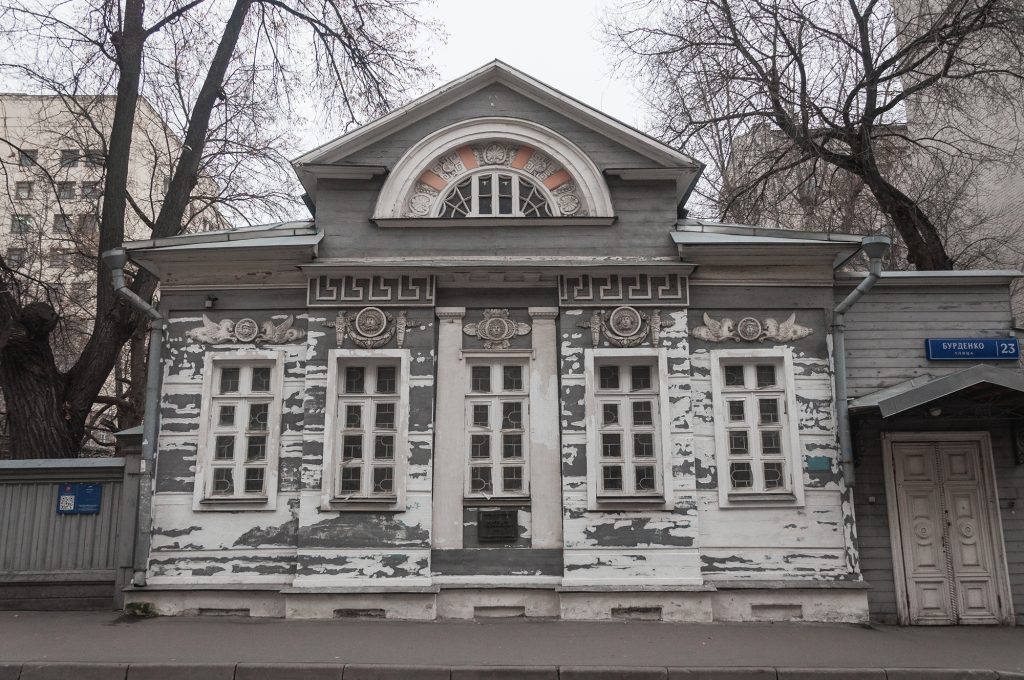
In 1989, the house of Polibin on Burdenko Street was opened after restoration. The house of the college adviser Gabriel Alekseevich Polybin, an architectural monument at the beginning of the 19th century, a characteristic example of the Moscow Empire, was built according to a standard project. The house is wooden, stands on a stone basement. In the house, on the walls and ceilings of the rooms, painting on paper, imitating wall painting and decorative gypsum stucco, are preserved. The house also preserved a stove with painted tiles.
Throughout the century, the house changed its owners, and after the revolution turned into a large communal apartment. After the resettlement of the communal apartment, the threat of disappearance hung over the house, but the restorers saved it, and Savva Vasilievich already looked at him for the needs of Gosnia of restoration (Gosniyir).
It housed the exhibition hall and the propaganda department of the artistic heritage Gosniye, which the father headed for many years. Then, due to illness, he left this post, but invariably remained an employee of the department and continued to arrange exhibitions. The department was divided into two sectors. The leading restorers of the institute Sergei Golushkin and Vitaliy Kuzyuberdin worked in the election restoration sector. For the past ten years, the department was headed by art critic, restorer Nina Vasilievna Zaitseva .
The memory of the father was supported in all the activities of the department, but the memorial office, which Savva Vasilievich, was equipping himself, with an eye on the museum, was a special place of concern. The cabinet was filled with books, memorable photographs, posters of exhibitions that the father arranged.
Unfortunately, we have to talk about this in the past tense, since the department was disbanded, the house of the polybin itself was transferred to a private organization, the memorial office is abolished.
I think that Khamovniki meant a lot for his father: his choice fell precisely in this area, these are places with which most of his working life is associated. I think he treated Hamovniks with great love. He did not talk about this aimed, but he found it all the time there.
Vasily Vdovin:
A creative life was in full swing in Polybin's house. The exhibitions were very different: they were full -time, dedicated to the restoration and preservation of historical monuments, culture and there were exhibitions of contemporary artists on a non -profit basis. The artists had the opportunity to exhibit in this mansion: I had one large exhibition and two small ones. In good weather, in the summer and spring in the courtyard of the house of Polybin, feasts and buffes were arranged. It is unfortunate that this place fell out of the creative clip of Moscow.
As we later understood, Gosniire kept in the house of Polybin only thanks to the influence of Yamshchikov. He died, and after a couple of years they took the house.
I myself made a project of a memorial plaque for the house of Polybin as an artist, a designer, and Denis Petrov invited the sculptor. He agreed to make a profile and bas -relief, but they did not find money. We submitted an application to the Ministry of Culture to create a memorable board to Yamshchikov, but so far this issue was considered in the ministry, the house went into private hands. Now Yamshchikov’s board is on the house in the first Truzenikov Lane, thanks to his friend Igor Nayvalt W, the deceased now.
For many years, Savely Yamshchikov was a member of the Presidium of the Central Council of the All -Russian Society for the Protection of History and Culture Monuments (VOOPIK). He worked in the house of Nashchokin, also in Khamovniki. Many initiatives and actions of VOOPIK are associated with the name of Yamshchikov, aimed at preserving and popularizing the country's cultural heritage.
He was a professional in his field, a man of honor and high spiritual culture. At the ceremony of presenting the First All -Russian Prize “Heritage Keepers” whose laureate he became, Savva Yamshchikov said that “a crisis that has hit us, this is not a crisis of the economy - this is a crisis of souls”.
Author: Daria Chernysheva