
Translated material
Provide and adapt
Theatrical vintage came into fashion
Soviet time, its signs, conflicts and attributes are increasingly conquering a place on the stage, even in performances according to classical texts. Young directors with a rather long distance peer into the circumstances and characters shown by the history of the last century: decades of underground existence, stripping with power and themselves. And this is understandable: when outwardly static circumstances cause acute internal dynamics, material for the scene occurs. The performances of three young directors are united by this particular: a staged magnifying glass that enlarges, exploring the past in the present.
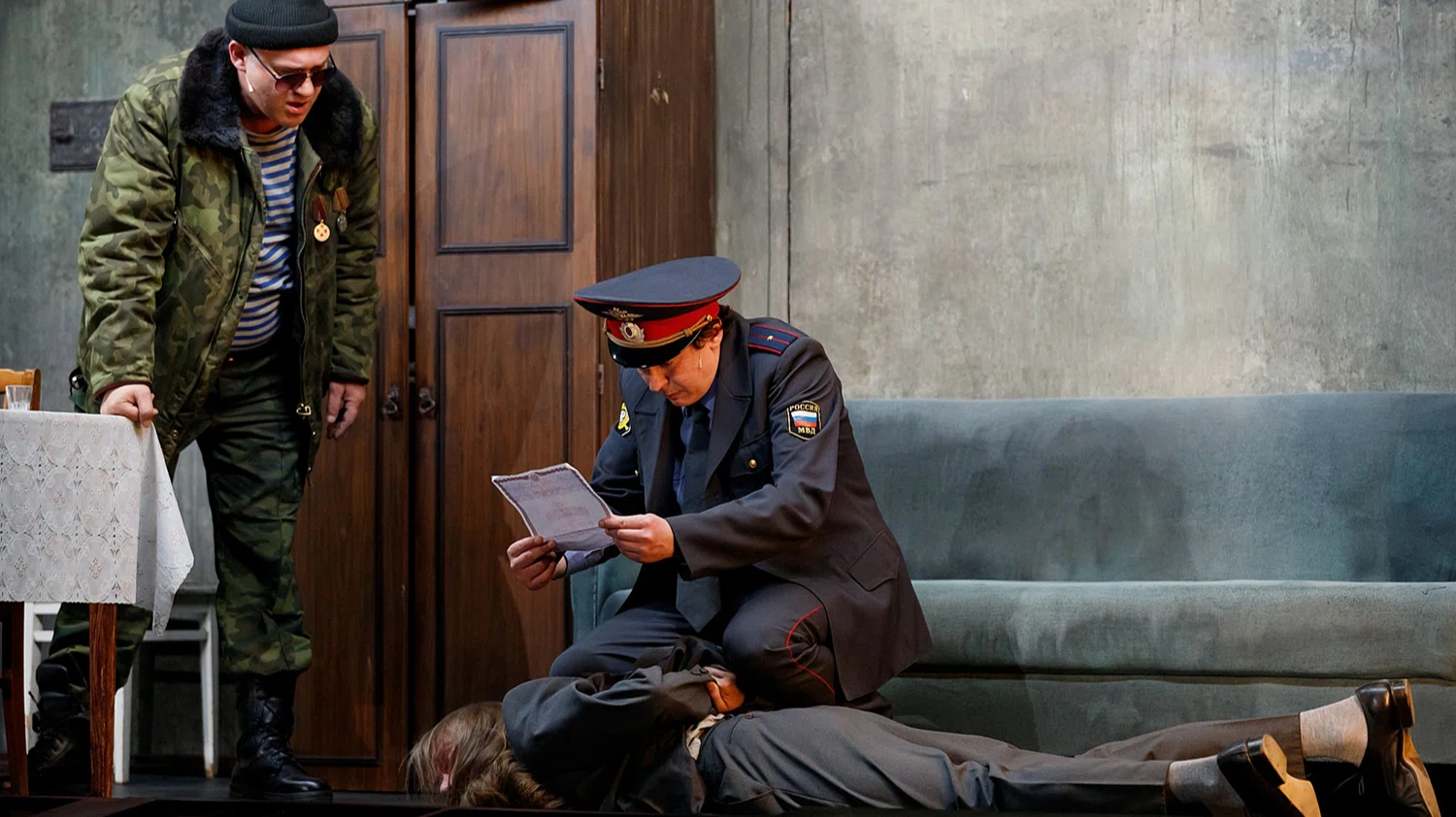
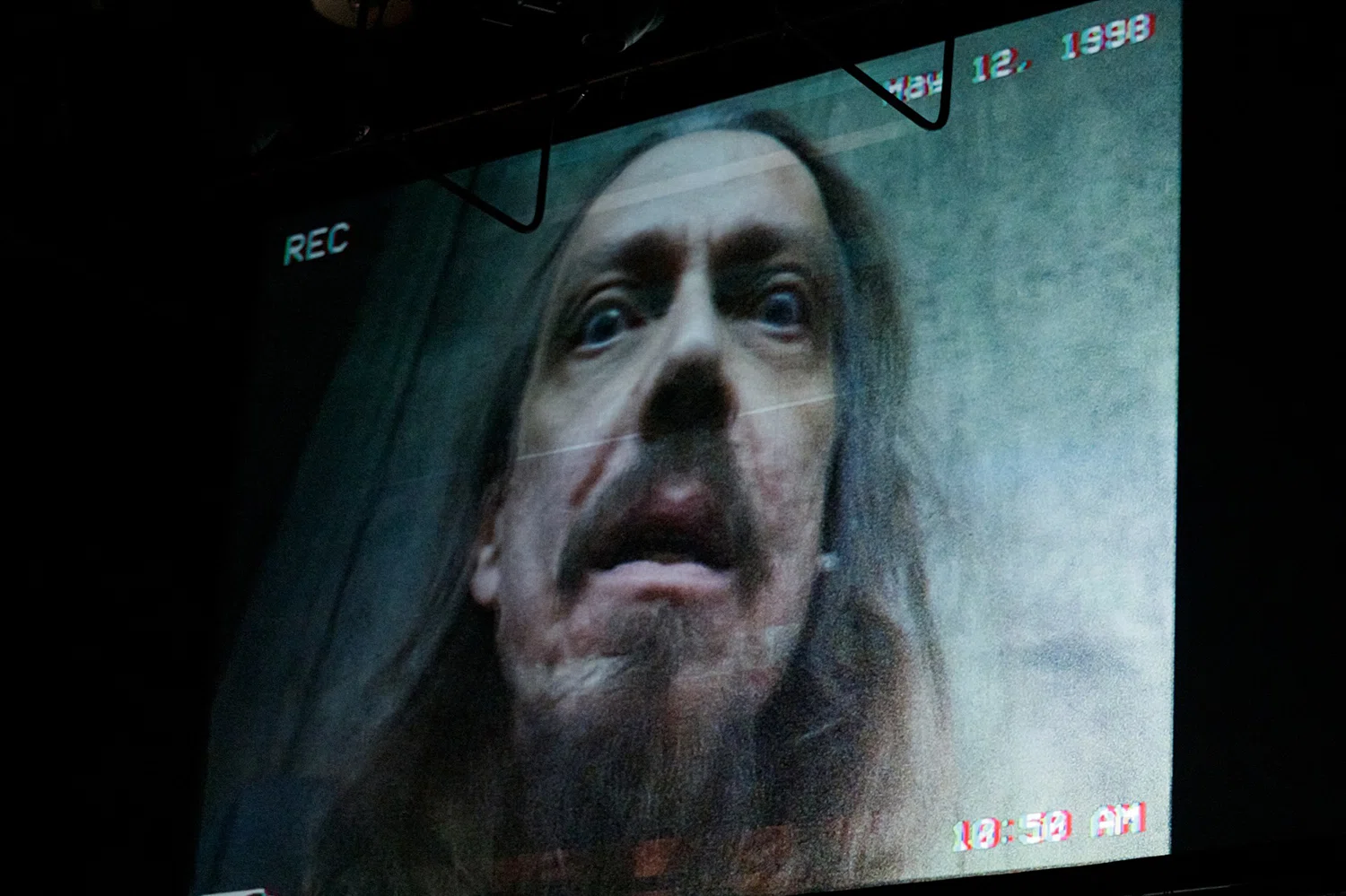
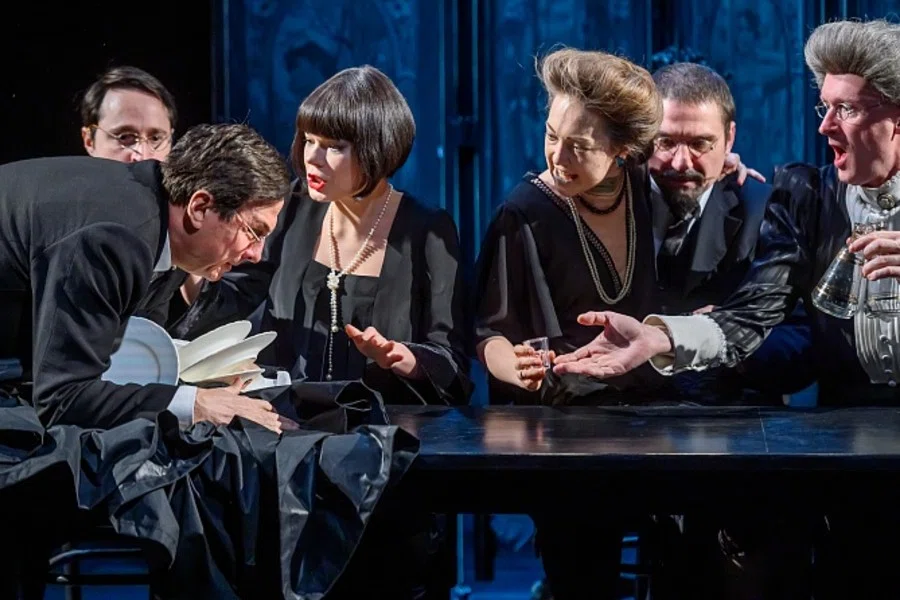
Hugo Erickssen at the Pushkin Pskov Pushkin Drama Theater set the Death of Tarelkin. The director decided to transfer the action of the Sukhovo-Kobylin play to the late Soviet times (events unfold in the eighties), interpreted as Soviet Noir, in the classic trunk instilled in the style of Alexei Balabanov, namely the famous and ugne film “Gruz-200”. The players are operating in the play, his Excellency Comrade General, the plot is twisted around the stolen incriminating evidence, the vocabulary is modernized, the main character is endowed with all signs of aesthetics of ugly. At the very beginning, he pulls out his patching jaw, takes off his wig - and turns out to be a bum with rotten teeth, greasy hair and thin alcoholic. Tarelkina/Kopylova (Denis Kugai) and the camera removes all his transformations.
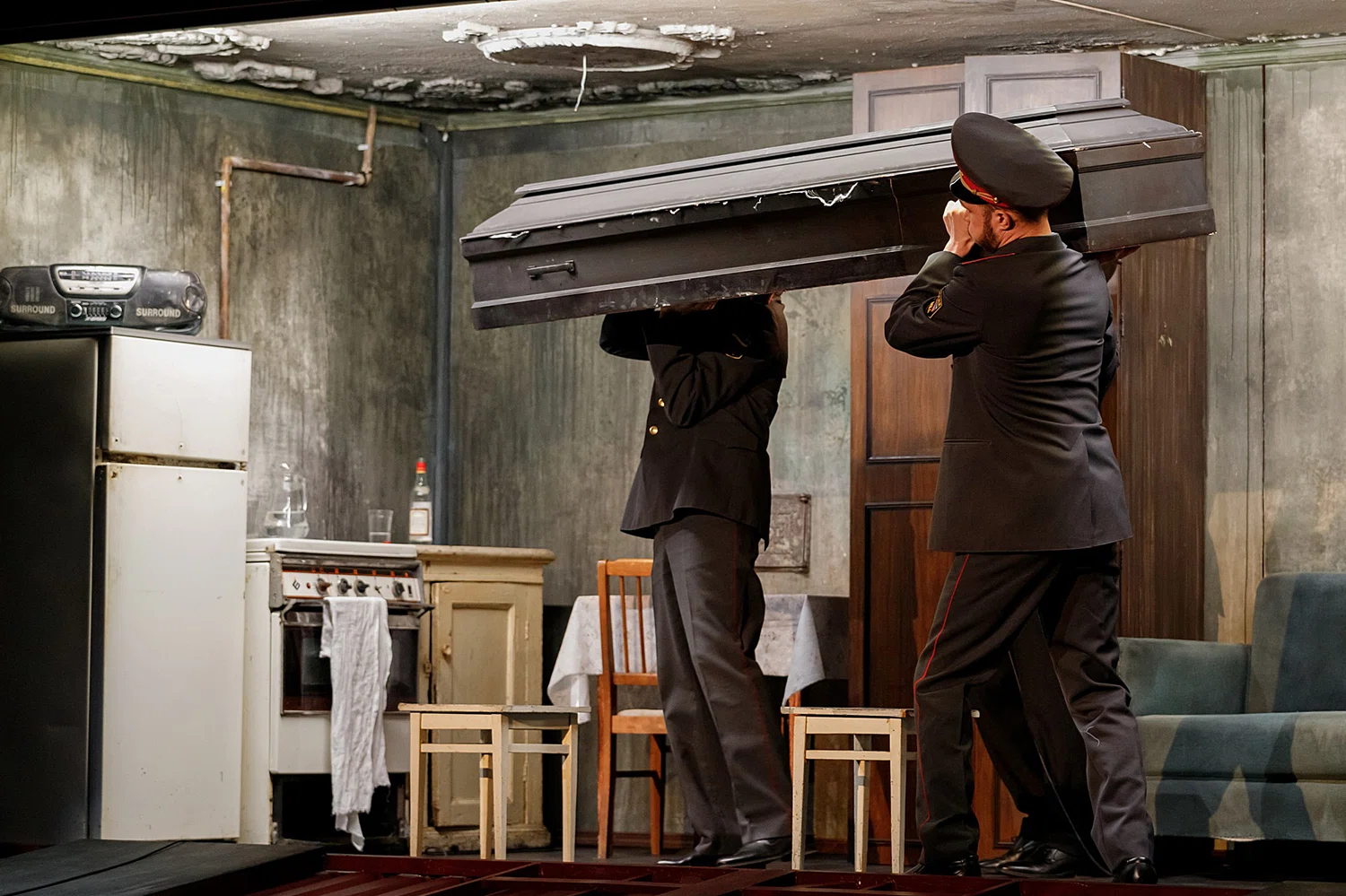
The scenes of interrogations in the site where the testimony is knocked out of the defenseless, wordless janitor (Camille Hardin), a scene where a close-up is given the hero’s face, which is tortured by a bottle of champagne, the scenes of the analysis of the head of Barravin (Andrei Kuzin) with the hero of the performance-they are built distinctly social context and sent directly to ours today.
Erickssen is not afraid to be disliked yesterday, he tries new approaches, new solutions. The genre of his performance balances on the verge of grotesque and drama.
This is not to say that the playwright organically lays into the new Procrustean bed, but the director’s will here is a law itself. But the classic text (well -posed, in places adjusted) in this stage perspective again returns the old thought: Russia always goes in a spiral, its history in people and circumstances is repeated from century to century.
Semyon Serzin took the first novel by Alexei Ivanov and on his basis made the play “Dormitory on Blood”. In the center is the five friends who are mistakenly hanging on the sword of Damocles: they can be evicted. Ivanov peered at his peers and wrote almost a parable - Serzin puts a performance dedicated to the eternal problem, into which he is screwing a person, even if it seems just a student life.
The institute hostel of the nineties boils with life, both private and general, everything is sharp, fresh, sometimes irreparable in it. It is clear to the audience how difficult it is to live in this passionate whirlpool of feelings and instincts. Here, in the hostel, everything is in the palm of your hand, with a naked body and a naked soul. Who sleeps with whom, who drinks with whom, who will go to something for the sake of a place - not even under the sun, just in a bunk to the end of the semester, ”the plot clarifies. But the hidden events of the performance are existential: the most difficult choice of their circumstances and oneself, up to suicide. The fabric of everyday life, where the commandant with the psychology of Vokhra and the common favorite, will be woven, who will choose to become a snot, a folk student and an elder from his own, who holds the whole hostel and a girl-brim, a rapist and a drunkard, a playworm and a bustle-all the features and dashes here shimmering with a rich sewing of life. And behind everything a ridge of Soviet times appears: adaptability and its price.
The Ural hostel stands on the blood of those who, unable to withstand the given conditions, “dropped”, as the inhabitants say, from the roof.
Serzin with the actors of an independent theater association “Invisible Theater” created a reliable and multi -valued work; The play is charming acting, a strong ensemble. And over everything, Bashlachev’s tragic voice in the finale.

Andrei Kalinin staged a play “Comrade Kislyakov” on the new stage of the Alexandrinsky Theater for the long -firmly forgotten satirical composition of Panteleimon Romanov.
The story of Kislyakov was felt by the author, presumably on his own biography. A gymnasium student of noble blood, a prose writer, in which Gorky saw a talent, and the Mayakovsky “face of a class enemy” dragged it through the whirlpools of the twentieth-thirties: he was printed, and suspected, and poisoned. He died suddenly and early. And, as it happens, the plot of biography is dissolved in the context of the play.
“Kislyakov” by Kalinin - about how the intellectual “from the former”, a museum worker, accepted the revolution, committing it in himself.
How he drew to enter the New World, to become his own among strangers - and what he paid for. The main character gradually, difficult to agree with himself, first hits the taste of the compromise, voluntarily fascinated by the eerie comrade Polukhin and recklessly falling in love with his best friend’s wife, and then drowning in his death irreparably. The so-called fellow traveler (the role of Kislyakov subtle and slowly, like a musical party, is played by the Belarusian actor Ivan Trus) at some moment of the performance puts his boots instead of pins-and with them another ideology. Ippolit Grigoryevich becomes a comrade Kislyakov.
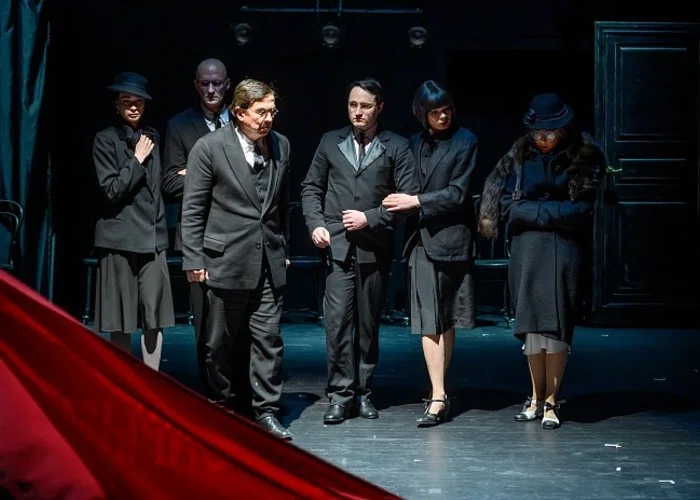
The hero’s wife, her aunt, the main friend and the main patron - the serious acting of Vasilisa Alekseeva, Sergey Elikov, Peter Semak and Nikita Barsukova. The satire on the stage is a difficult thing, but the artists brilliantly master the caricature drawings of roles, and the gloomy guise of the Soviet era, its sharp types, physically tangible stuffiness arises.
Kalinin accurately feels the atmosphere of the thirties, vibration on the faces of the dying and emerging world, its multicolor and blackness, the “dome of time”, as Shklovsky wrote. Under this dome, simple, as with Tamara (Olesya Sokolova), and complex, like with Kislyakov, occur. But if a temporarily faithful provincial wife quickly turns into an illegible oldlet, then yesterday’s humanist with painful slowness - in a “class close” power, and as a result, a traitor and a killer. The performance is strong by an artistic volume, irreducibility to simple sends and conclusions.
In all three works of young ones, the topics of adaptability and betrayal are becoming central. It is logical to assume: for the sake of such "fish" and throws its own networks. Young directors look back - in order to understand what we are from today and what is ahead.