Translated material
The authorities of Russia received the right to approve the norms of the languages of indigenous peoples
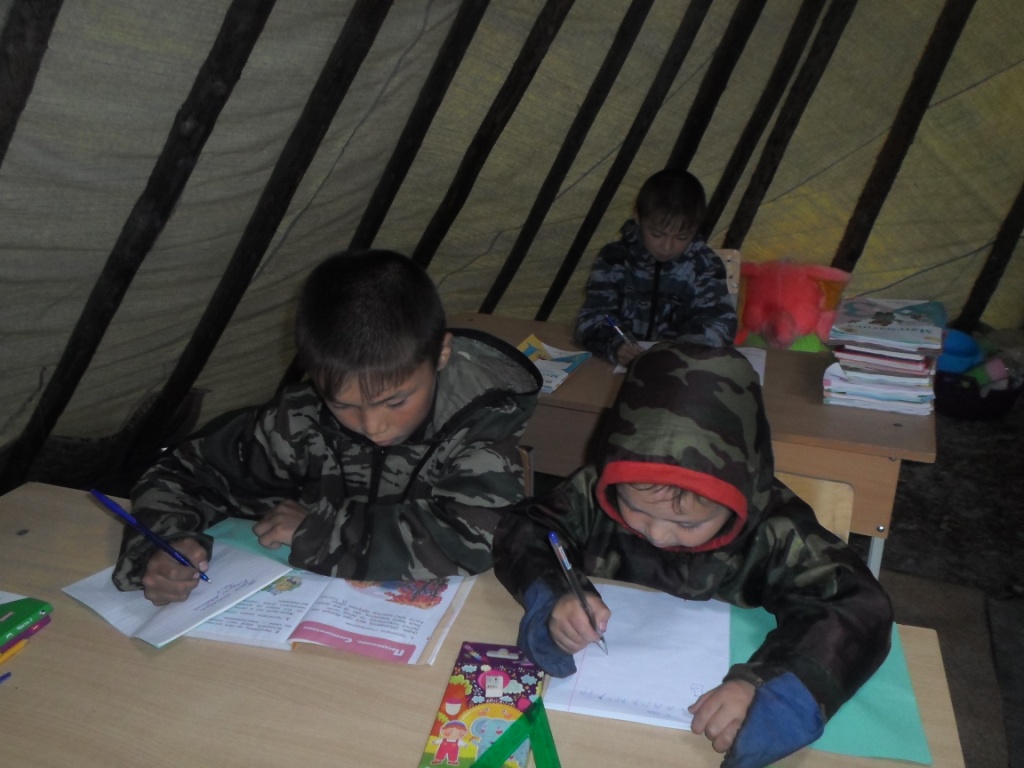
The State Duma of the Russian Federation adopted in third reading the law, granting the Government of the Russian Federation the right to "approve the norms of the languages of the indigenous peoples of Russia" - including the North, Siberia and the Far East. The Linguist and Lecturer of the Chukchi language, Marina Gyrgolchavyva, believes that the new law is unlikely to stop the disappearance of languages, rather, on the contrary, it will accelerate.
According to the new law, ministers will, in particular, approve the rules of spelling and punctuation of these languages. The relevant amendments are already introduced into the law "On the languages of the peoples of the Russian Federation". The authors of the law believe that with its help they corrected the "gap", since the approval of the alphabets and rules of the languages of the indigenous peoples of Russia was not previously spelled out in the legislation. “This made it difficult to study, teach and use these languages, which leads to their possible disappearance,” the authors of the law commented.
For example, according to the law on the state language, the procedure for approving the norms of the modern Russian literary language, the rules of spelling and punctuation determines the Government of the Russian Federation.
Practices - teachers teaching the languages of small peoples - believe that the initiative is useless, and in some places can also be harmful. “The ministers know the spelling and punctuation so well, for example, the Chukchi language?” The gyrholchayvyn linguist is ironic. “My opinion is the strange law that the disappearance of languages will not stop, unfortunately, this would help if the study of these languages became an obligatory subject (as with Russian), and not in schools, and if the hours allocated to study the native language now, in the best case, and since the subject is not mandatory.
In Russia, amendments were adopted to the law on education, which made the study of national languages optional. Parents were given the right to choose what language children will study at school as a native. However, residents of the national republics opposed these amendments.
Is the site blocked?
Go around the lock!
Read>