Translated material
NASA will send two research missions to Venus
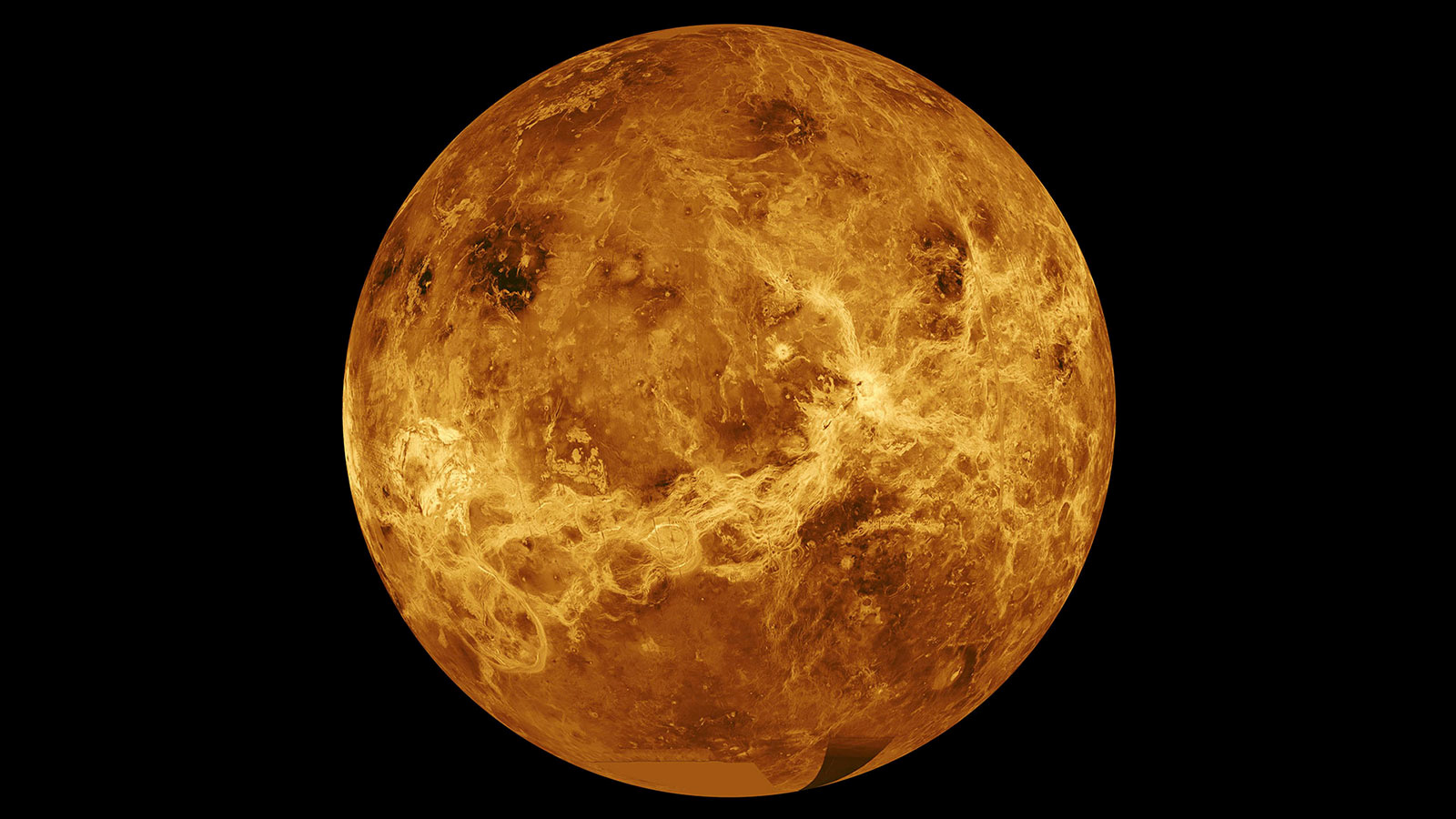
The National Aeronautics and Research of Space (NASA) announced that it sends two new missions to Venus to study the atmosphere and geological characteristics of the planet.
Their goal is to understand how the second in remoteness from the Sun has become a “world similar to hell”, having many characteristics like earthly, the new NASA leader Bill Nelson said during his first official appeal to the agency’s employees on Wednesday, Voice of America reports .
In Today%27s #stateofnasa Address, We anno New @nasasolarsystem Missions to Study the Planet Venus, Which We Haven%27T Over 30 Years! Davinci+ Williase Venus 'Atmosphere, and Veritas Will Map Venus' Surface. pic.twitter.com/yc5etbpg8
- NASA (@nasa) June 2, 2021
The mission called "Davinki Plus" will be analyzed by the dense cloud atmosphere of Venus to determine whether oceans and organic life existed here. This will be the first US mission to study the atmosphere of Venus since 1978.
Another mission called "Veritas" will study the geological history of Venus in order to understand why this planet developed differently than the Earth.
"We are strikingly little knowing about Venus, so new missions will allow you to re -look at the atmosphere of the planet, consisting mainly of carbon dioxide, and study the surface up to its core," said Tom Wagner, scientific researcher of NASA, "this will be as if we re -opened this planet."
500 million dollars will be spent on the development of each of the missions, the launch of which is planned in 2028 - 2030.
At the dawn of the Cosmic era, the USA and the USSR sent several spacecraft to Venus. The NASA Space Sound Mariner-2 made the first flight of the planet in 1962, and the Soviet Automatic Interplanetary Station "Venus-7" made the first landing on the surface of the planet in 1970.
In 1989, NASA, with the help of a space shuttle, sent a Magellan space station to the Venusian orbit.
The European Space Agency launched a spacecraft into the orbit of Venus in 2006.
- Venus is similar in size and composition to the ground, but almost one and a half times closer to the sun. The pressure is 92 times higher than the earth and the average surface temperature above 460 degrees make the existence of life on the planet itself almost impossible. However, scientists suggest that a hypothetically simple life could exist in an atmosphere of the planet at an altitude of 50-65 kilometers, where its composition is relatively similar to the earth.