Translated material
The anniversary of the deportation of Lithuanians to the north
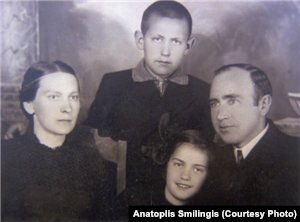
The forced relocation of the inhabitants of the Lithuanian SSR by the Soviet authorities began 80 years ago, on June 14, 1941. For several days, more than 17 thousand landowners, officers, teachers, priests and politicians were sent to the forests of Komi, Siberia, Karelia and the Arkhangelsk region. Anatoly Smilingis is one of the few deported Lithuanians who remained to live in the place of exile. Together with his wife Lyudmila Queen, he has been engaged in historical tourism for more than half a century and is looking for secret burials of the repressed. How they began to put crosses and why no one except them conducts this work, read in the report of the correspondent of the North. Realiy.
Lithuanian Anatoly Smindyis is almost 94 years old. Together with his wife, he lives in the village of Cortkeros near Syktyvkar in a wooden apartment building, which one visiting foreigner called the "hut". His wife Lyudmila Queen is from the local places. She affectionately calls her husband Antonich.
- We are both teachers, met in the house of pioneers. Throughout his life together: at first on campaigns with children, then by gulag, ethnography. I have mugs - birch bark and local history, and Antonich taught chess, then tourism, orientation, ”recalls Lyudmila.
Anatoly Smilingis is hardly talking and almost does not leave the house. In the last year, Lyudmila took up the publication of his many years of study of labor camps and secret burials of repressed in the Cortekensky district - daily on his VKontakte page appeared notes on the Gulag monuments.
Anatoly Smilingis was in Komi 80 years ago. Together with his sister and mother in June 1941, he was deported as a member of the "enemy of the people" family. He says that he did not understand Russian then, but he remembers that his parents wanted to leave for Germany, and not to Russia.
- I often heard conversations that there will be a war. Germany had already occupied Klaipeda, his father’s brother came from there, offered to move to Germany, with me there was a conversation: let me take you out. Father refused to leave. He and his mother talked: where is it better - in Germany or in Russia? The father said that if the Germans arrive, in Germany it would be better than in Russia. When Soviet troops entered the Molotov -Ribbentrop in 1940, of course, the family was negative about this, but I did not pay attention: 14 years old, there was a kid.
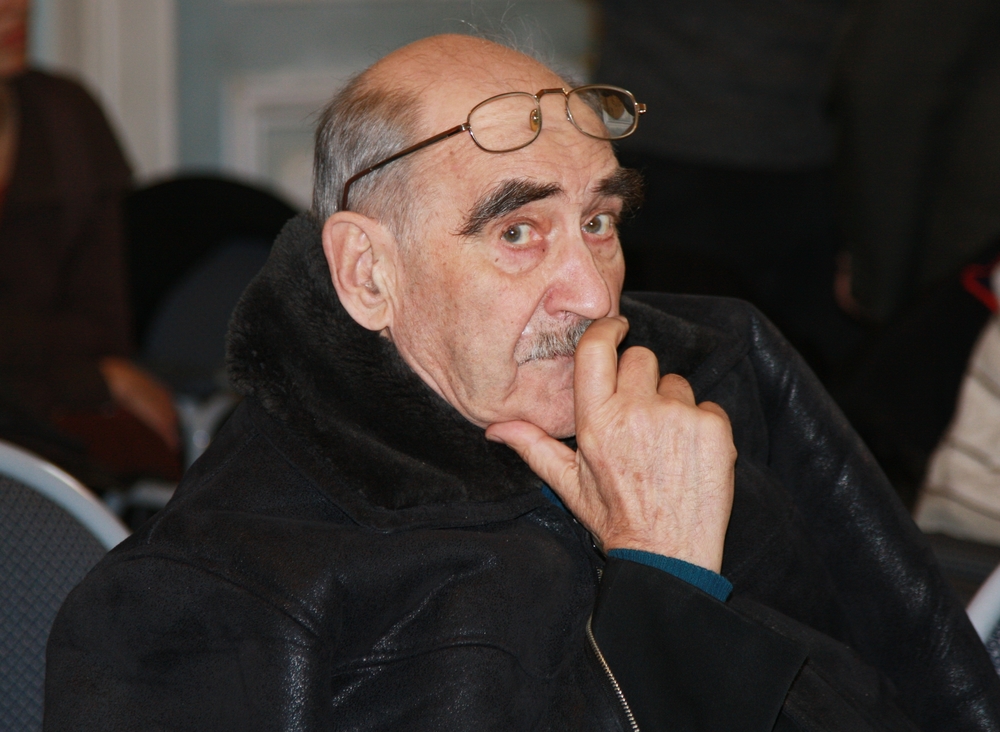
As a result, the head of the family - the director of the gymnasium from the city of Plunga Antanas Sminkis - was sent to Siberia in 1941, where he died a year after deportation. Mother died in 1943: from a special settlement she was sent to a camp to the north of Syktyvkar for bringing the children a couple of handfuls of oats from the stable.
The worst thing is still the worst thing for me - this is a hunger that you will not get used to
-Imagine: snow to the waist, you need to cut down the tree so that the stump is no higher than two or three centimeters from the root, it is necessary to dig it up. Then dump the tree, cut a certain length, cut off the branches, these branches must be burned - in winter, raw branches. Fulfill the norm. You can’t fulfill the norm - they reduced bread or not given at all. A person, if one day, will not receive another bread, he will not go to work, but he won’t go to work, they will not give him bread, he is weakening, and then he is in the cemetery, ”says Anatoly Smilingis. - The village to which we was brought was called the "second section", there the empty huts from the camp began to be filled with acted Chinese, Koreans, who already in the camps did not make sense. Here the order was already like this: a person did not go to work - he is not given a norm of 600 grams of bread. And they didn’t feed anything else. For me, the worst thing is still the hunger that you are not used to. Koreans and Chinese - the group was more youthful and more adapted. They caught cats, dogs in Corterase. And when they were already caught, they ate, switched to rats. And they fed me, as I took the forest.
Inner war
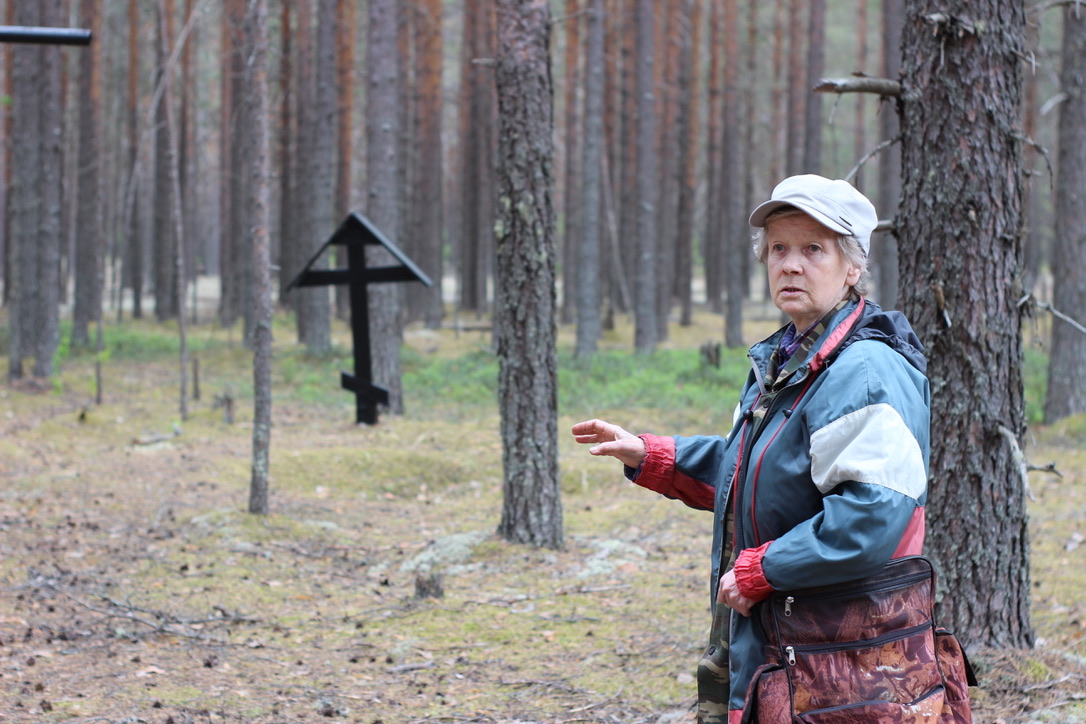
Lyudmila Koroleva stands in the middle of a yellow field with a flowering rapeseed 10 kilometers from Corteuros. Forestry carries past. Here is the former agricultural department of the village of Kzmog, which in the 1970s gave a different name in the Komi language-Adger.
- I think they renamed that no one knew that it was the capital of Locchimlag. People are looking for their grandfathers of the dead, looking for the village of Kzmog, but it is not! - says Lyudmila.
A prisoner was assigned to each watermelon, for the dead berry they threatened with execution
Locklag is a logging camp that appeared in 1937 and lasted only a few years. The prisoners used this field for growing potatoes and cabbage. The Soviet authorities even tried to plant a watermelon in the middle of the taiga, for which they sent the arrested breeders here. A prisoner was assigned to each watermelon, they threatened the dead berry with an execution. In 1940, the unprofitable elbowlag was disbanded: the prisoners were sent to Vorkuta construction, and the remaining buildings were filled with special migrants: Lithuanians, Russian Germans, Chinese, Poles. The conditions in special settlements differed slightly from the camp: the same huts, towers, and for the non -fulfillment of the plan - execution.
14-year-old Anatoly Smilingis worked near Aderiere at the acceptance of the forest. He replaced the masters who were taken to the front. It was waged by their own war - for the supply of wood for export.
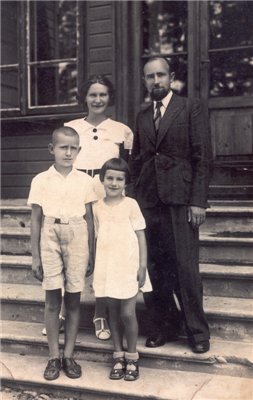
- All the years of the war, I worked at first as a foreman, then - a master. They chopped far, they pulled out logs on a rope, then on a horse, and then - on a gas generator car that was already taken to the river, he recalls.
According to Smilingis, during the war in the special settlement, 5-7 people a day died. Most are from hunger.
- The dining room was not clear what: a couple of potatoes, a couple of cabbage. The slop was poured, and behind the slop on the street there was a turn! One took it out of line - he was cut off his head for this. Mortality was very large. Those who buried were also weak, barely alive went. It so happened that in winter the land is perzable, no one can dig. The snow was covered with snow and left. In the spring, everyone was outside. And many dogs divorced that began to carry human bones in villages and villages, ”says Smindy.
In 1941, about 1.5 thousand Lithuanians were deported to Komi. According to Anatoly Sminkis, 60 people from Lithuania were brought to the “second site” with him - almost all of them died in the early years. His sister Rita managed to escape - with the end of the war, she mixed with the exported party of Polish orphans. Now she lives in Vilnius and calls up with her brother every Sunday. She does not want to communicate with reporters, unlike her brother.
Anatoly Smilingis after the death of Stalin received his passport in 1956, but did not want to leave Komi - he was used to local life.
Ringing graves
In the early 2000s, Anatoly Smilingis called from the Repentance Foundation: they were looking for a German-missing German named Ginsburg. The only orientation is the place unsubstantiated on the maps.
-We call Ust-Logshi, they say: "Yes, we have such a site." The son of Ginsburg arrives, we find a camp cemetery, and there is a sandy quarry. And as soon as the rain, it washed out of the mountain of bones: there are human remains in a huge square. This was seen by the son and was in shock. Then they gathered these bones, reburied, ”says Lyudmila.
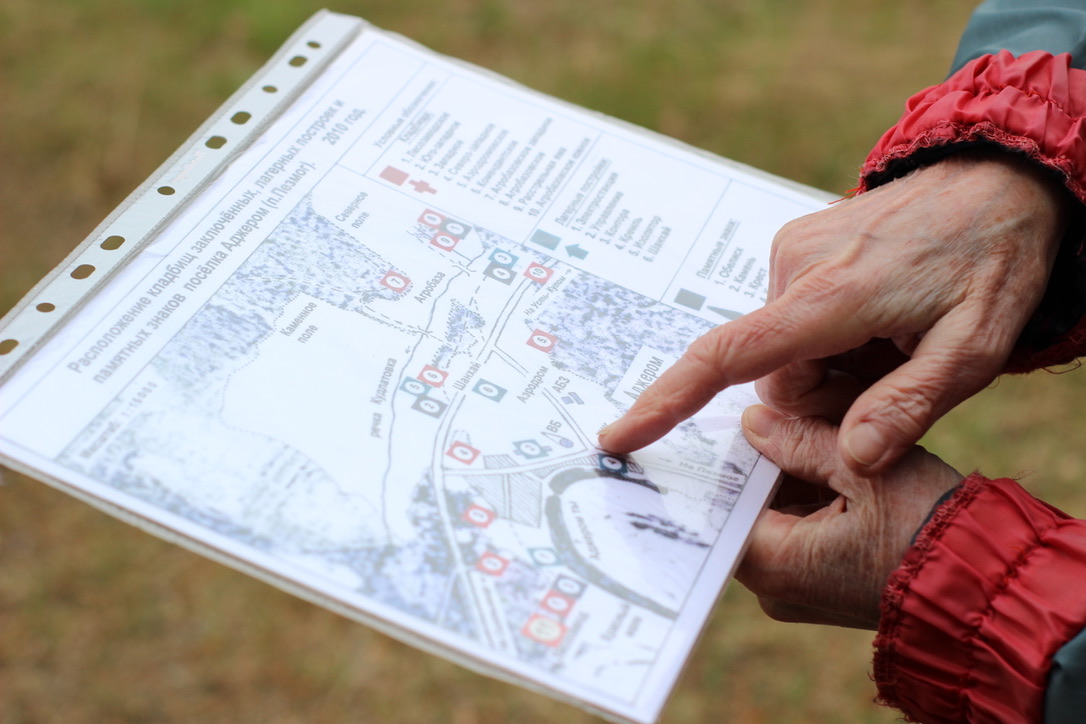
So the family of local historians began the search for burials around Corteraz with nameless graves, remaining from Soviet camps and special settlements. For 20 years, it was possible to find 12 cemeteries. According to local stories, somewhere in the forests are hidden two more.
The locals saw how people were led there early in the morning, then shots were heard
- We started going home, ask. The first year the locals did not say anything at all - they were afraid. In Adgerom, almost all residents are descendants of shooters - camp guards. Then they slowly began to open. The son of one of them managed to tell us a lot until he died. They lived at the agricultural department, his mother said: "Do not go there, there is a shot pit." The locals saw how people were taken there early in the morning, then shots were heard, then only the arrows walked back. So, these were definitely executions. And there was a cemetery nearby. Antonych - well done - took the metal detector and walked along it - everything rings! This is the bullets ringing! - exclaims the queen.
Lyudmila checks the objects around the field with a hand -drawn card of a correctional institution: "office", "Kremlin" (the head of the camp lived here), "Firing Yama", "Islator". Many of them are preserved. For example, the former agricultural department is used today as a summer residence. The descendants of the shooters even installed here the installation of the memory of the dead guards of the camp - it is called the "Wheel of Life". Relatives of the camp guard also lived in the "Isolater" for a long time, but now the house is empty: a grille has been preserved on the door, inside - a stove built by convicts. On the wall is the 2004 calendar, in broken windows - old electricity accounts.
Mushrooms from the graveyard
The Lesozavodskoye is the first cemetery that the family of local historians Sminding and the Queen managed to find. It is located in a quiet pine forest, in the middle of which camp convoys ran in the past. Before the start of the mushroom season, people rarely appear here. Locals found in the forests do not eat, but sell on the tracks. Mushrooms from the cemetery are considered dirty.
The graves are easy to notice from the hollows: 15 people from the deceased prisoners and special migrants were folded into the pits. Calfonous locals sometimes even helped to bury corpses. Over time, the graves began to sag.
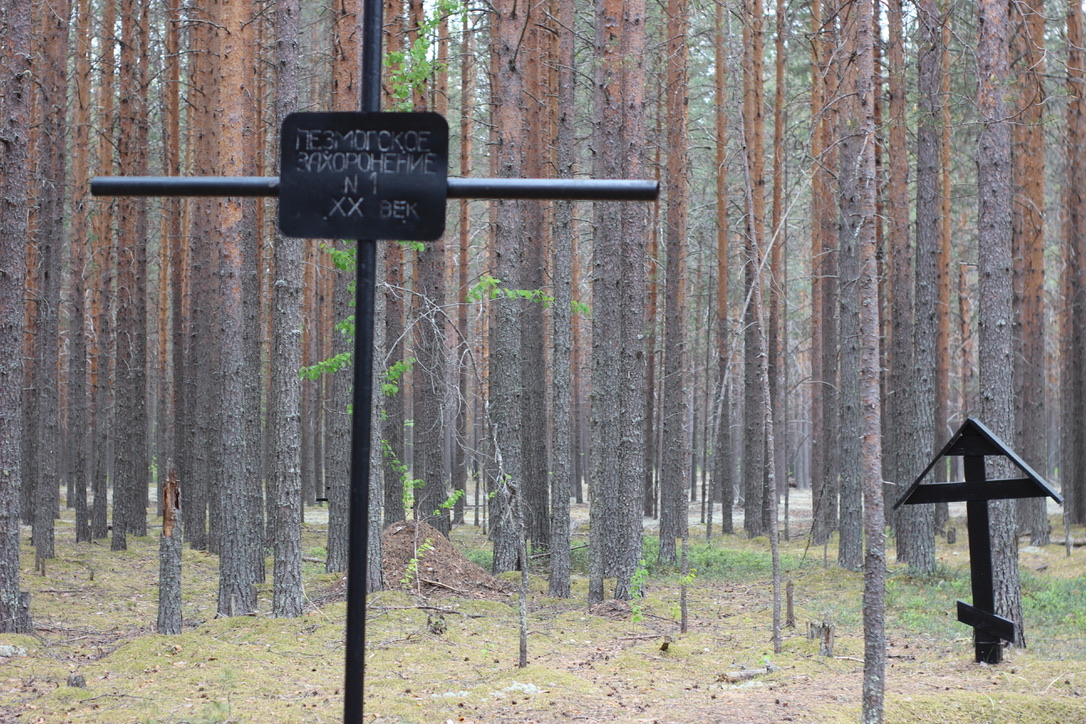
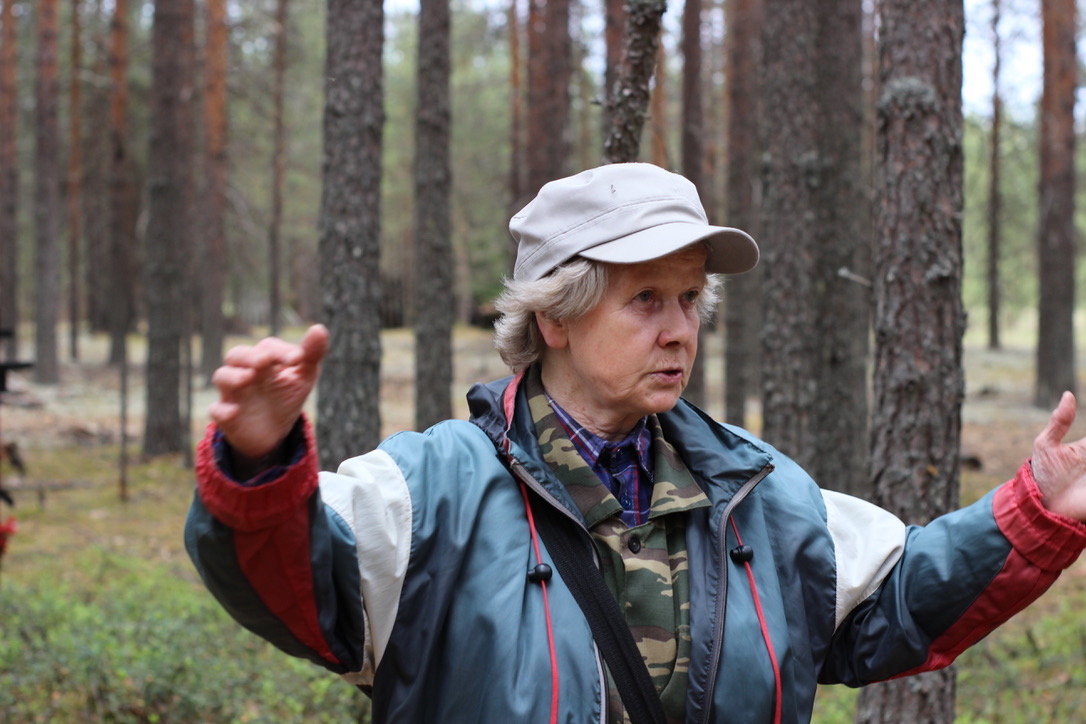
-In recent years, the archives have opened for relatives, they came with documents, and it says: the name of the cemetery, row 8, such and such a grave. And there are forests and failures of pits. They do not understand why this number is not. Antonych says: "You go where the soul will tell you there and put the cross." For example, my grandfather’s relatives from the Krasnoyarsk Territory for a long time were looking for the village of Kzmog, and there has been no village for a long time! Finally, in the Atlas, they saw the Locki River, and arrived with the whole family. A column -up cross was brought with them. Where exactly who is buried, it is impossible to determine. You can’t dig up. The prosecutor’s office told us: "And give us documents that these are graves." Where will we get them from? - the queen is perplexed.
- One Cossack arrived. His relative, who worked on an ordinary collective farm, was accused that he wanted to make a conspiracy against Stalin. Such absurd accusations. Then he also walked for a long time, searched and decided to put a cross in this place. The candy, probably, has remained since then, ”says Lyudmila Koroleva, pointing to the candy under the established cross.
Law - taiga, bear - master
Anatoly Smilingis for more than 40 years headed the house of pioneers in Corteraz: he took schoolchildren on campaigns, put memorable signs. The first welded cross in 2001 in memory of the repressed Lithuanians, he established in the cemetery of that very "second section" where he himself was once sent. Here, about a thousand people are buried in mass graves - the residents of the Baltic states and Russian Germans.
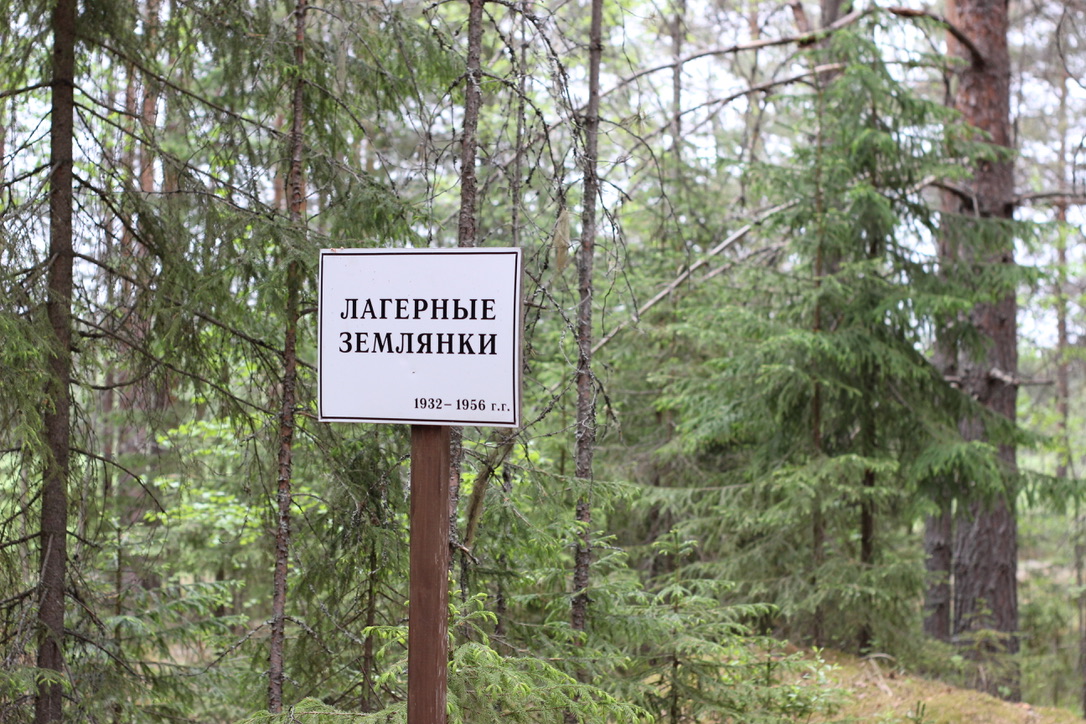
In one of the campaigns with Smilingis, schoolchildren found a metal tablet presumably the 1930s with the inscription "Law-Taiga. Bear-Master." Most of these artifacts have disappeared in the fire - the Corterastsk house of pioneers has been burning more than once for recent decades. Lyudmila Koroleva believes that these fires were hardly random - in recent years they felt some pressure.
If not for the “Repentance” fund, we would never have done this work
- Say, summer comes, we are going with schoolchildren, we are going to describe the next cemetery. We must apply for transport, but there is no transport! When the authorities need, they will give you everything. We are on our feet all day, then we manage to the flight - we do not have time. Almost on foot we return, and the children still need to be fed. If not for the “Repentance” fund, we would never have done this work, ”says Lyudmila.
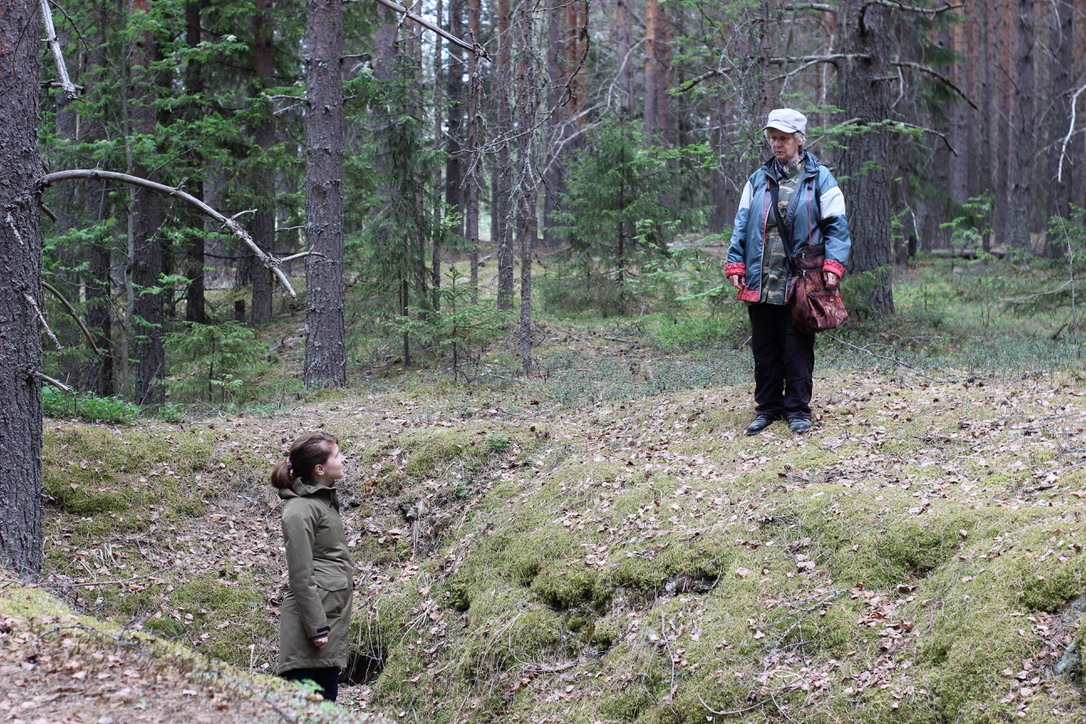
The queen was fired from the house of pioneers seven times, but each time it was restored in court. But Anatoly Antonovich always managed to find a common language with the authorities.
- More than once, the director of the house of pioneers said: "Smilingis, you are so smart, you know a lot, why do you need these repressions?" But so many people died, and no one knows about them! If not we, no one will do it. Every year, less and less are the topic of repression. Some start, others throw it. Here, probably, the instructions of the official. They say: “It is necessary, it is a trial of communism, but there is no instructions,” says Smindy. “But there will be no instructions,” his wife adds.
Is the site blocked?
Go around the lock!
Read>