Translated material
He knew how to fly
Pyotr Mamonov was gone
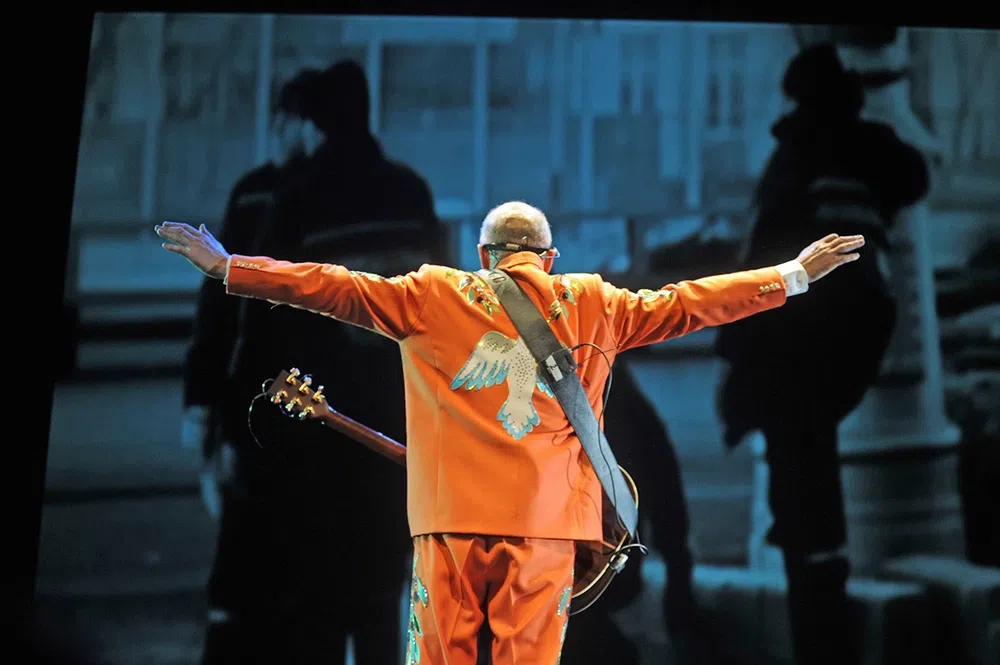
For the first time, I saw Peter Mamonov and the “Sounds of Mu” in the late eighties - a student. It was a housing concert: the listeners were sitting on the floor almost close to the musician. Everyone smoked. In the kitchen, someone listened to some kind of music-it seems to me that The Doors group (Mamonov, by the way, did not ask to turn off). My own knowledge in non-classical music then approximately the group of The Doors (plus the obligatory “Beatles”) and limited themselves, but when I heard how and what words this strange, twitching with a guitar in my hands sings, it immediately became clear to me that I was faced with something significant, large, which did not require classification to a certain genre, or even “Rock”, or even “Rock” "Popular music."
He sang in a row “a pigeon” and “fly”-two texts, in general, the same: our inability to see and appreciate the beautiful, our blindness is familiar and decent. And both of them are consciously built into the Russian poetic tradition, continuing and “revealing it”. The “pigeon” refers to Pushkin’s “so far does not require the poet for the sacred victim Apollo” (“and between the children of the insignificant world, perhaps all the insignificant he is ” /“I am the worst, I am worse than you. I am the most unnecessary, I am a dumb ”; “But only the divine verb will touched the poet’s soul as an awelled eagle” /“ but I can fly "). The “fly” contains Pauldrase of the poem with the same name, belonging to the Oberueut Nikolai Oleinikov (“It happened, take a microscope, direct it to the fly - to the cheeks, on the eyes, on the forehead”/ “ My fly is like a thick and shine ”).
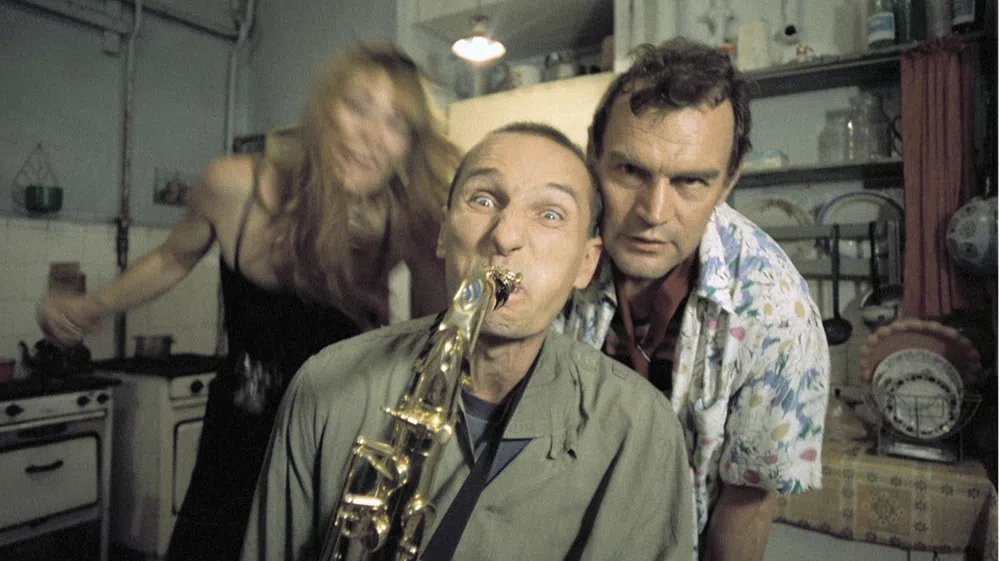
The connection of the texts of Peter Mamonov with the poetry Oberiu is not so not considered at all - this is mentioned. It is mentioning, no more - because Peter Mamonov as a poet is generally studied not enough and is not evaluated enough. This is not about (well, or not only about that) in order to study his texts isolatedly, but about the importance of perceiving it as a total poetic figure - as a kind of factory processing factory and images, not necessarily crystal clear, but always recognizable and puppying. The cinema used this particular ability - to be completely “not like” and completely recognizable at the same time. And always, always, always accurately memorable.
Images played by Mamonov (not even in the most successful films) - of those who later return to our dreams.
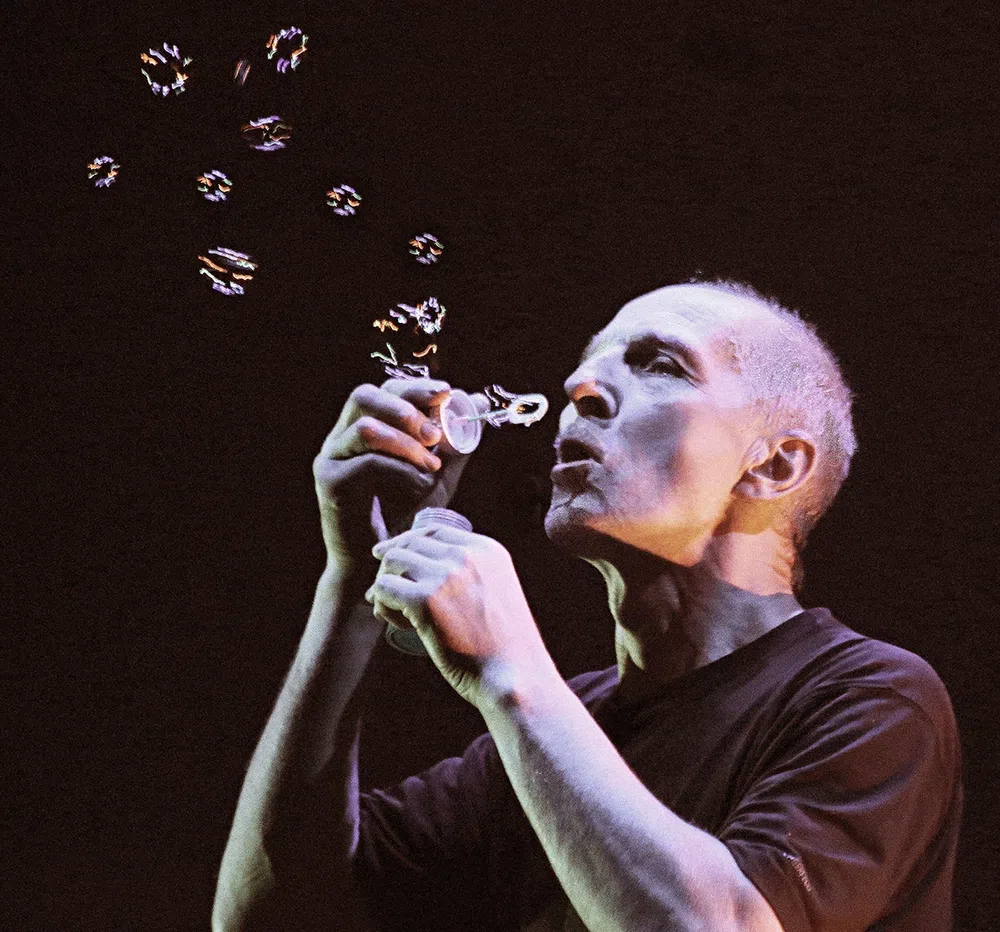
Somewhere in the very top of the list of properties of the domestic intelligentsia, resentment is listed. Having accepted Orthodoxy, converging with the radical-Orthodox priest Dmitry Smirnov (he died of Covid's complications less than a year ago) and expressing conservative opinions in rare public speeches, Mamonov turned out to be a disappointment for the core of his audience. More about his patriarchal “pens” was spoke more than about his texts and roles. When he fell ill with Covid, his seemingly unwillingness to vaccinate was discussed much hotter than what we are losing a big poet. A completely unusual, irreplaceable figure.
A person who knew how to fly.