Translated material
Human rights activists called for limiting persons of recognition of persons in Russia
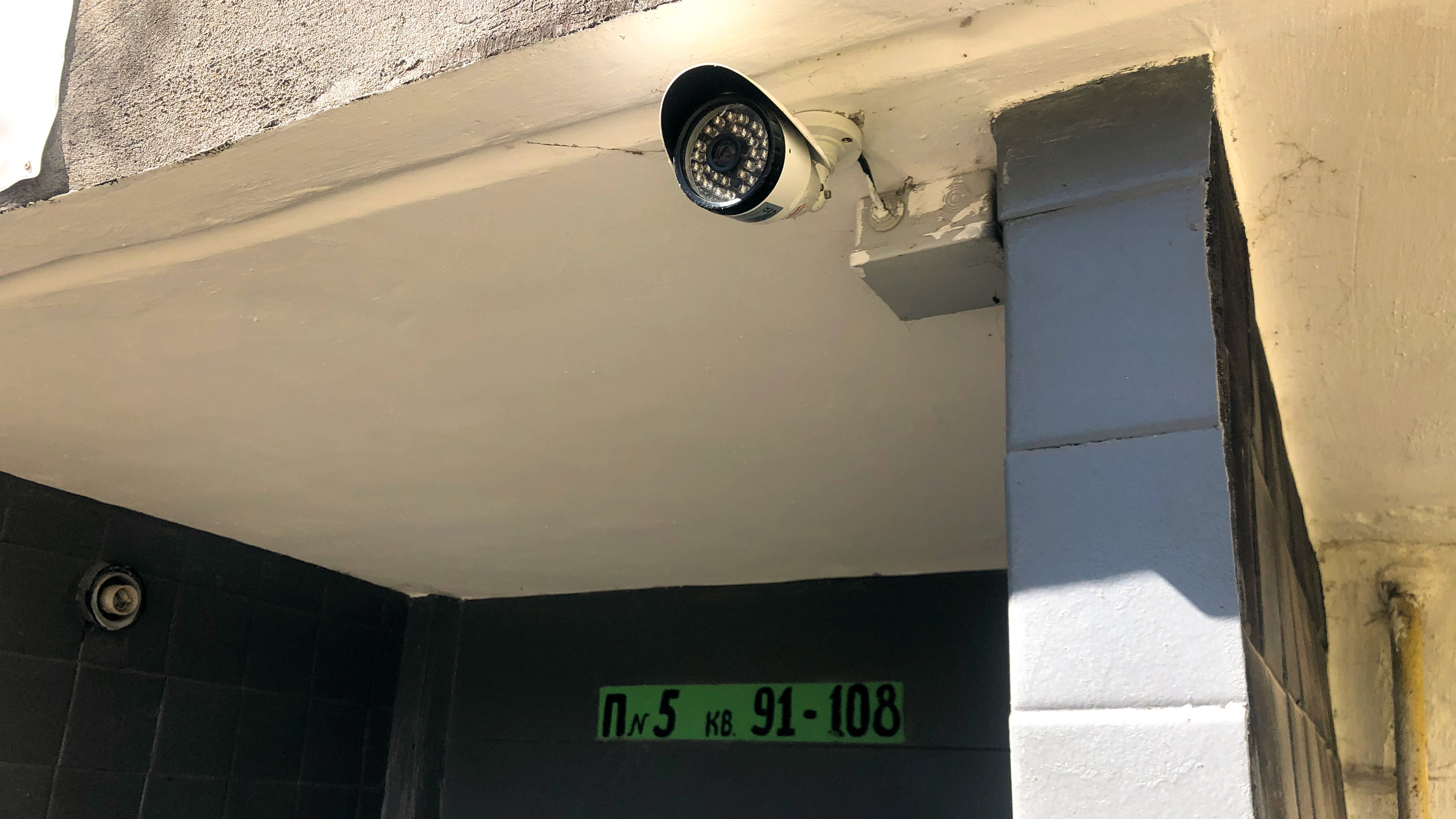
The Project "Network Freedom" and the Human Rights Group "Agora" issued a report in which they reported that the person of recognition of persons poses a threat to privacy and could lead to information leaks. In the law, these issues are not settled.
The authors of the report analyzed how in different countries a person recognition system appeared, which can be considered a "new opportunity for total control." Until 2018, in Russia, person recognition systems have been tested, but the last three years have been widely introduced throughout the country. The example of the Safe City State system is given, using data from video cameras, which in 2020 worked in 40 regions. At the same time, in 13 entities (including St. Petersburg, Ryazan, Saratov, Kamchatka and Crimea), persons recognize systems are already being used.
"CCTV systems not only recognize faces, but also fix the gender, age, emotions. In combination with the development of artificial intelligence and the constant filling of various databases, this creates the conditions for a qualitatively new level of discrimination and abuse. The very presence of a branched chain of chambers and storage of a massive of videos creates a threat of privacy, since nothing prevents the data obtained thus through programs recognition of persons who are becoming more accessible, ”the authors say .
Wed VKontakte Wed in classmates Wed on TwitterThey proposed legislatively limit the use of systems and determine the boundaries of their use.
- citizens need to be in detail and accessible to inform about how video surveillance and recognition of persons is used
- It is necessary to determine the list of permitted places of use of such systems and create "clean zones" where video surveillance and recognition of persons is prohibited
- For the collected data, it is necessary to set the limit shelf life, and then destroy their
- introduce an obligatory independent audit;
- create a procedure for considering complaints about violations;
- prohibit the provision of data to foreign entities and authorities
The largest owner of chambers among the regions remains Moscow. According to the city hall, about 200 thousand devices were installed here - on the streets, in the yards and entrances. Information from them flows into a single data storage center. The capital’s authorities acquired one of the main components of the system - the technology for the search for persons in the video flow - from the developer NTECHLAB (12.5% of the company controls Rostec).
- As the NTECHLAB general director Alexander Minin stated in 2020, the example of the example of Moscow is about the deployment of the world's largest project recognition in real time. NTECHLAB previously developed the FindFace Security technology, with the help of which, in particular, during the World Cup in 2018 in Russia, 180 offenders managed to detain in Russia.
- The information technology department claims that Moscow has already set the deadline for storing records from cameras (5-30 days), but it can be extended "in case of submitting an application for reservation."
Is the site blocked?
Go around the lock!
Read>