
Translated material
Siege
In my hometown in a forty -degree heat, children die without water, women give birth in basements
I come from Deraa's province in the south of Syria. He borders with Jordan in the south, Israel in the West, as well as with three other Syrian provinces. Its capital is the city of Deraa.
For Syrians, like Deraa, the symbolic significance and emotional value have: it was here that the Syrian revolution was born, it was here that in 2011 the Syrians first came out against the Assad regime.
Although my father served as an officer in the army, all my childhood and youth fed me fear. As a child, I knew what the word “arrest” means, and I remember how they always told us that we would follow our mouths, because “and the walls have ears”. But winter night in early 2011, everything changed: some schoolchildren wrote several anti-government slogans on the wall, and this was the beginning of a completely new era for us. When in March 2011, the local secret police arrested 15 boys aged 10 to 15 years, relatives, friends and just sympathizing with these boys took to the streets, demanding their liberation. Thus began the civil war in Syria, which Russia later intervened.
Today, ten years later, my Deraa is again in the siege. The war does not let him go.
Russia played a big role in the fate of my city. Having joined the Syrian military campaign in 2015, Russia applied a strategy that excluded the participation of Iran and contributed to an indirect dialogue, the use of soft power and compromise.
This strategy of Russia prevented the complete restoration of the regime power in some parts of the south of the country, replacing the situation of an open uprising with the situation of a sluggish conflict. However, the agreement specifically on Deraa had a completely different character. According to this agreement, the province was divided into two districts, Deraa al-Mahatta and Deraa al-Balad. Al-Mahatta was under the full military command of the regime, and in Al-Balad (mainly in the West, territories along the borders of Israel and Iordania), Russian guarantees were operating. Although the power of the regime was partially restored here, but some local autonomy was preserved. If from other areas of Syria all the opponents of the regime were massively brought to Idlib, then here, to Deraa al-Balad, this process was very limited. The transaction with the participation of Russia on Deraa also provided for “settlement” for persons evading military service-that is, their withdrawal from criminal liability and integration into the fifth corps of the Syrian Arab Army supported by Russia. It was assumed that the Russian military police and the eighth brigade, consisting of former rebels and acting in the fifth corps, will ensure security in this area of Syria.
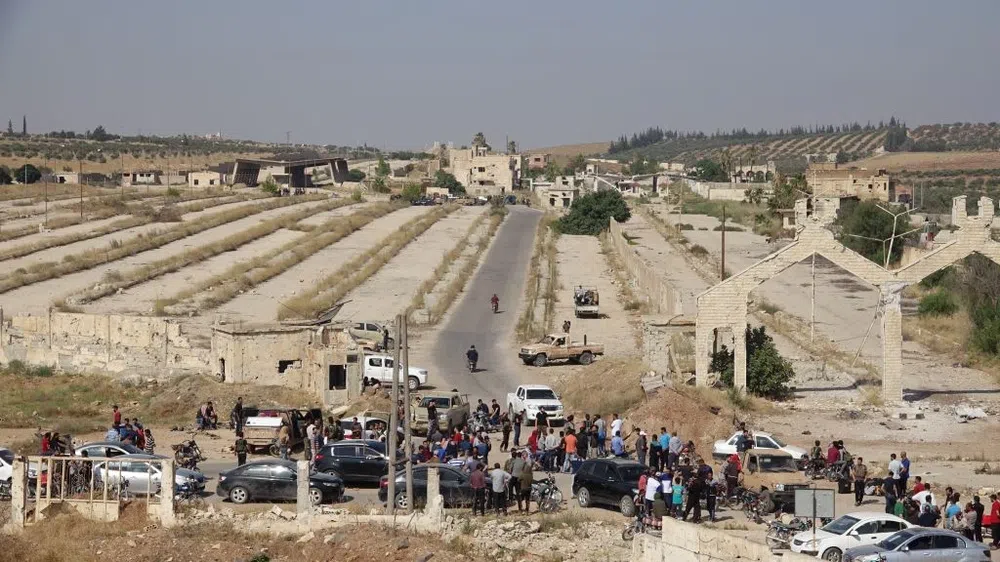
In the period from July 2018 to March 2020, more than sixty protests took place in Deraa-al-Balad. People took to the streets, because the regime did not fulfill the promises to free the detainees and stop further arrests. In addition, after a partial restoration of the regime in al-Balad, non-governmental organizations that provided the life of the company when the district was under the control of the opposition, dispersed. This led to a sharp deterioration in living conditions, which caused discontent of people. Medical centers and field hospitals either closed or reduced their services when cross -border assistance ceased. Many medical workers left work, including for reasons for constant, targeted attacks on hospitals from the regime and its allies, which did not stop throughout the war.
In addition to the basic first -aid post, there were no medical institutions in the area, now public services could only be obtained in the territories controlled by the regime. For medical help, people had to move to the north side, to the Al-Mahatt quarter, controlled by the forces of the regime. Not everyone and not always managed to do this.
The growing lawlessness - including the murders and abduction of people by the forces of the regime and other aspects of the conflict, the clash between the forces of the regime and its opponents, as well as between the participants and opponents of the reconciliation agreements - became the reason for the military intervention of the Assad forces of the law enforcement.
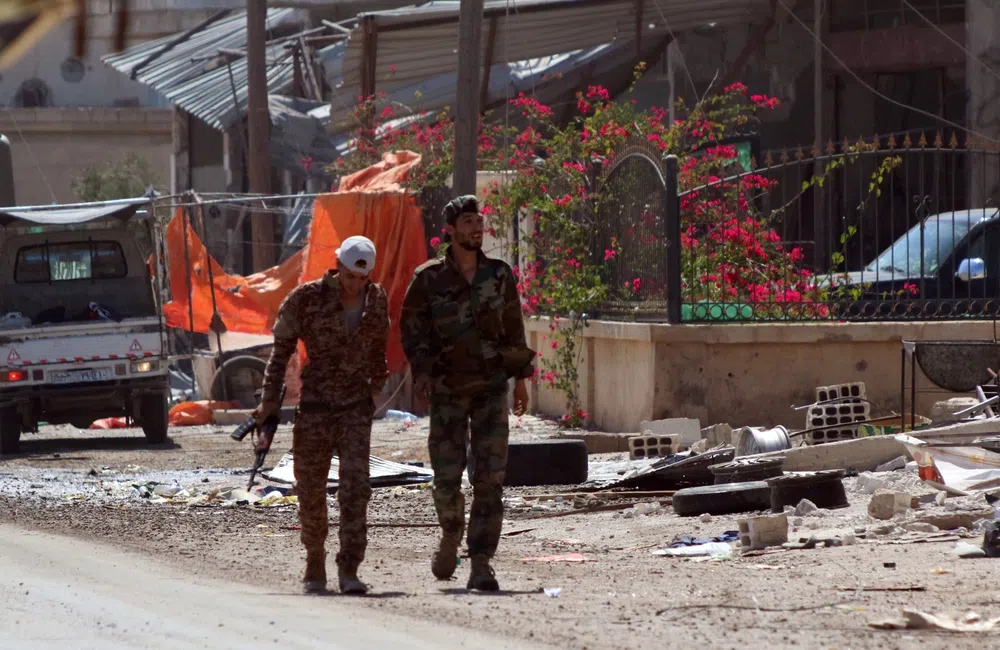
In mid-June 2021, the regime limited access to this area, and international assistance stopped, how the information coming from Deraa-al-Balad was also reduced. Representatives of humanitarian organizations report that many of their previous partners fell silent, fearing surveillance from the regime and repression. Even the only first -aid post was closed, and it became very difficult to go to controlled territories.
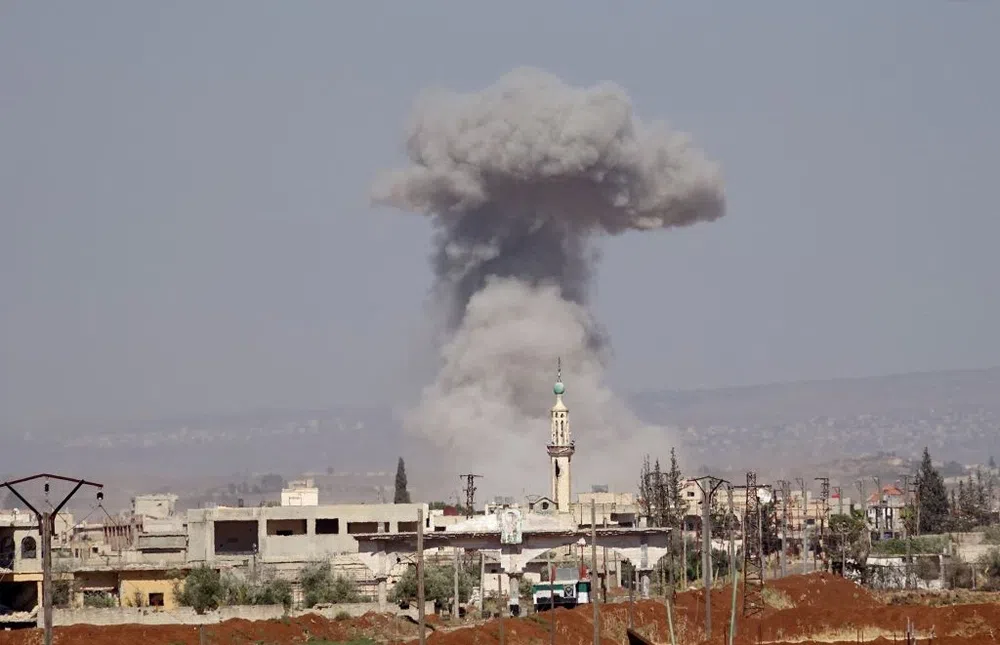
By the end of July 2021, the siege ring squeezed even more. The troops of the regime began military operations, including bombing to force people to surrender,
What was even more affected by the humanitarian situation.
“All trips to our zone are closed, except for one road,” a friend of Leila, who to this day is there, told me. -And on this road there are three checkpoints that terrorize people trying to leave the area or get into it. Therefore, people do not dare to go to a neighboring area for help, even if they die.
In the markets of Deraa al-Balad there is a lack of main goods, including medicines, fuel, bread. Prices have risen significantly. There is almost no electricity from the beginning of the siege - and with this there is no water, it is included only for an hour a day. In the forty -degree heat, old people and children suffer. Pregnant women give birth in basements.
In recent years, Russia has been doing active efforts to return the Syrian refugees back home. However, in fact, the war continues, including medieval methods of blockade. And how can I return to Deraa? What awaits me and my family? Do you have something about this in Russia here in Russia?
Hunada Alchari,
Syrian human rights activist, participant in the public campaign Freedom for Deraa, especially for "New"