
Translated material
A new kind of ‘foreign agent’
Russian journalists risk a dreaded designation for reporting on army hazing, space-agency corruption, and much more. Felony liability looms, as well.
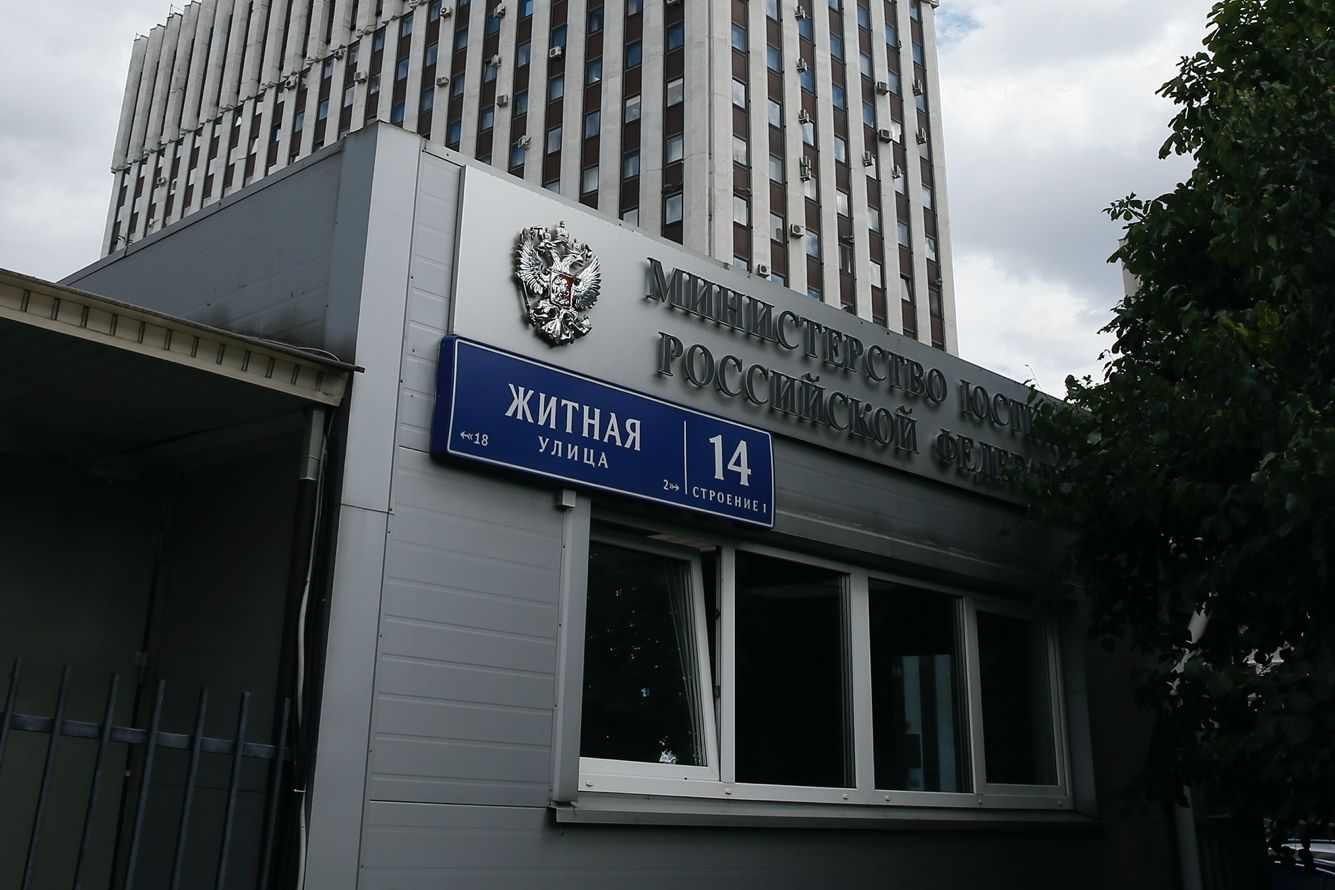
In July, the Federal Security Service (FSB) published a draft order outlining what kinds of information could be used to “threaten the security of the Russian Federation.” This document is also meant to explain in which circumstances Russian citizens and foreign nationals are expected to self-report to the Justice Ministry and register as “foreign agents.” Failure to comply with these rules risks felony charges. Meduza breaks down what’s required here and what’s at stake for potential “foreign agents.”
What kind of journalism makes you a ‘foreign agent’?
The FSB’s order lays out regulations and enforcement measures to accompany recently adopted amendments to the “Dima Yakovlev law.” These changes significantly broadened the grounds for designating individuals as “foreign agents.” As a result, anyone carrying out political activities for a “foreign source” or gathering information on Russia’s military and military-technical activities that could potentially, “if obtained by a foreign source,” be used to undermine the country’s security is at risk of being labeled a “foreign agent.”
The law itself features only a detailed description of what constitutes “political activity.” The list of military and military-technical information that’s critical for national security was left up to the FSB. The agency came up with a 61-point list that covers a broad range of topics, including the locations of specific military units, weapons depots, and even forecasts regarding Russia’s military-political outlook. The list also includes information about the “moral and psychological climate among the armed forces.” Notably, this includes reporting on military hazing.
In addition to focusing on information regarding the army, the Secret Service (the FSO), the Foreign Intelligence Service, and the FSB, much attention is paid to Russia’s space agency (Roscosmos) — particularly to information about its special programs, funding for research, and even about problems hindering its development. Any journalist reporting on these topics must avoid revealing anything that qualifies as a state secret, lest they be charged with espionage.
So what can you research safely?
The FSB’s order leaves some room for exceptions, highlighting information that people can collect and distribute without the need to register as a “foreign agent.” These exceptions apply to publicly accessible information concerning:
- The networks and means of communication used in the armed forces, including phone numbers;
- The combat capabilities and technical details of military equipment;
- The manufacturer’s evaluation of the quality of Russian weapons and machines, as well as their combat capabilities;
- The results and potential of the rocket and space industry;
- International partnership programs related to space exploration;
- The import and export of space technology.
With the permission of the FSB and the Investigative Committee, you’re also free to report information about crimes and preliminary investigations conducted by FSB investigators and the Investigative Committee’s military detectives.
However, collecting any other information mentioned in the FSB’s new order could be prosecuted as a felony offense — even if it’s publicly available.
A felony? On what grounds?
Anyone collecting information specified in the FSB’s order must identify themself to the Justice Ministry as a “foreign agent.” Failure to do so is a crime. Admittedly, there is one, much more crucial condition for felony prosecution: there needs to be a “foreign source” that incentivized the individual in question to collect this information. The law uses the word pooshchryat (to abet or incite) because this applies not only to direct funding, but also to any kind of organizational or logistical assistance or other “stimuli.” Since these terms aren’t defined in the law, it will be up to the courts to work out a definition.
The fact is that any “foreign agent” — whether it’s someone involved in political activity (as defined by the Russian authorities) or someone gathering information on the military — is obliged to register themselves with the Justice Ministry of their own accord. That said, the punishments for those who fail to comply vary: the former risks misdemeanor charges, while the latter is considered a felony automatically.
Who will this affect?
To complicate matters further, the law implies that “foreign agents” can act indirectly — via Russian citizens or legal entities. In such cases, it’s unclear how potential “agents” are supposed to know whether or not they’re expected to register themselves with the Justice Ministry.
This muddy definition implies that all kinds of people interested in Russia’s military or space activities could find themselves in trouble — including bloggers, researchers, experts, Russian journalists, and foreign journalists not accredited by the Russian Foreign Ministry. In actuality, just about anyone interested in military topics or space could potentially break this law.
The law also extends to citizens of other countries who travel to Russia to gather information on the military with the support of “foreign sources.” They would face punishment if they failed to report their arrival to the Ministry of Justice.
There are very few clear exceptions:
- Diplomats, representatives of foreign government bodies, and international organizations in Russia by official invitation;
- Foreign journalists accredited by the Russian Foreign Ministry (the authorities can still deem them “foreign agents,” but they are exempt from having to self-register);
- Journalists and outlets already recognized as “foreign agents” (they have to follow separate rules with corresponding punishments for non-compliance).
Text by Denis Dmitriev
Translation by Nikita Buchko