
Translated material
Think like a fire
The head of the Grinis fire service Grigory Kuksin - about why Russia is on
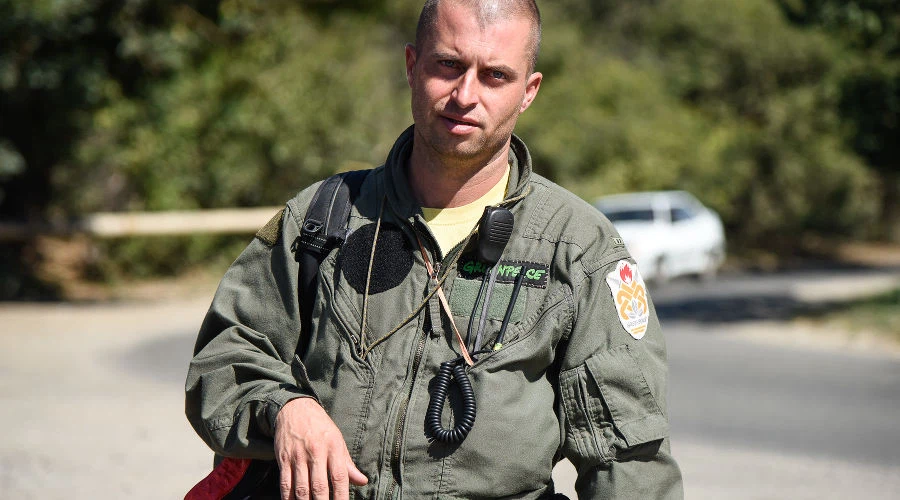
“The fire, of course, does not know how to think, but he always has several ways. In which directions will he rush? On which path can it be looped? " Grigory Kuksin knows about this, if not everything, then a lot, the head of the Greenpeace Russia fire department.
It is interesting to first see the performance about a person and only after a year and a half to meet him. And then communicate as if in fact you know him for a long time.
“They told us - we don’t have to help, nothing burns with us. We, they say, have burned in August. We replied that they were burning since spring - they did not believe us. We brought journalists who showed: here it burns. They were offended, brought other journalists to another place where they did not burn, and said: “Greenpeace” deceived you. And I just informed the Ministry of Emergencies in the regions that I will come to them three times. The first time I come to help. You can refuse, then I'm coming with whom? With journalists. You can refuse to meet, then I come for the third time with the prosecutor's office. (And through a pause.) I told them: keep in mind, in the stage of the conflict I feel comfortable. ”
This is a monologue from the play in the steritelling genre “Good people”.
In our conversation, Grigory Kuksin spoke about the scheme of three visits as a long -term war, in which in the end everyone won. Because now the information that peat bogs lit up somewhere, everyone is seriously, and special services immediately go to the place.
But the earth is still on fire, and therefore Gregory practically does not happen at home: he returned from Khakassia, I had to rush to the Urals, and then to Yakutia ...
Just after Yakutia, we managed to talk with him. But while I am writing this text, Gregory has already managed to return from the burning Leningrad region and gathers with his team to Karelia. This is a person’s “fiery” summer. Place of work is a fire.
Has dreamed about this since childhood? No!
He just had a young childhood. He guarded and protects nature all his life. Only now fires destroy it.
- Gregory, how is it now in Yakutia?
- Not everything was still in my head, only from the plane ... We worked in the Lena Pillars National Park, this is a valuable territory on a global scale - UNESCO World Heritage Service.
The crisis situation there is associated with several factors at once: multi -day heat - 35 degrees, dry forest litter, combustible materials. In connection with the climate warming, the habitat of forest pests changed - the Siberian Silkrotova poured, they turned trees, primarily larch, into dead wood, and this is always a fiery hazardous situation.
We had to extinguish the ninth fire in the national park on the through numbering, and after us there was another 10th, 11th ...
There was not enough strength, they began to request additional help, but at some point they realized that all the federal forces that could be pulled and transferred to Yakutia, already here,
And the shortage of people is still too tangible. And, as has already happened in previous years, Yakutia began to massively refuse stew. Formally, such a decision is made officially if the estimated damage from the fire is lower than the costs of extinguishing it. There is such a wording. But the real reason is poverty.
Fires-Owls
- And there are many such fires that no one extinguishing?
- In Yakutia, 157 fires in the list of the so -called refuseniks, those who officially refused ( the figure at the time of the conversation. - G. M. ). Not only the national park is burning, the fire captures the forests and is selected to living spaces on the shores of Lena. Priority is always the salvation of people, it is natural, therefore all the forces that arrived in Yakutia were immediately directed to defend those settlements that were in the immediate danger.
- Refusal to extinguish fires - is this always a problem of financing?
- No, for example, in the USA and in Australia, the economy is much stronger than the Russian, but they still could not cope with fires, countries suffer losses, and entire cities burn. And there today is the opinion that some territories should be given the opportunity to burn out, because these fires are obviously not to get rid of. And you need to get used to living with them, returning to the practice of fire control, to regular burning, as the Indians once acted.
In my opinion, this is a very dangerous thing, it is insolvent in the current climatic conditions. We say that we must rather reduce the number of fires caused by the actions of people, and our concept in total extinguishing, as far as possible. Many European countries adhere to this paradigm. But Russia is close to gradually moving on to the American scenario. I would really not want that. Only time will tell you how to correctly. These are all ideological constructions of a large scale that is difficult to check: how the climate will change, how fires will be conducted - no one knows for sure. And to choose how to fight, what to invest in, how to prepare people, how to regulate everything in law - it is necessary now, these are important, but open questions.
All my experience says that firefighters are an erroneous path, and you need to extinguish everything.
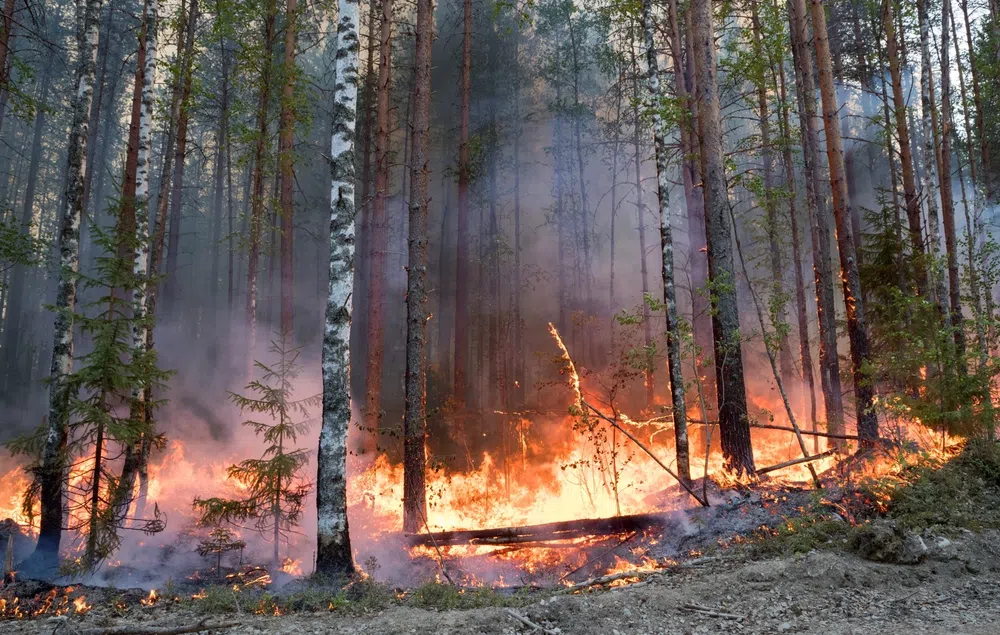
- I think everyone who survived the summer of 2010 in Moscow or in the regions of Central Russia cannot disagree with you, recalling the nightmare. I understand that now people in Yakutia are experiencing the same thing, and sincerely sympathize with them. Especially now, when a covid problem has still been overlooked.
- This is a very difficult combination - pandemia and smoke. In Yakutia, by the density of smoke - exactly as in Moscow of 2010: the sun is barely noticeable, it is hard to see at home on the next street. When we landed in Yakutsk, the excess of hazardous substances in the air was 3 times higher than the maximum permissible norms.
Of course, I recall the year 2010, we have now learned to read the correlation of numbers and facts, and when we first connected smoke with excess mortality, everyone was in shock. In that summer, insane heat with smoking mortality in Moscow and the region increased by 50–55 thousand people.
For me, it was a year of professional failure, on the one hand, but on the other, a call, which then, all subsequent years, practically formed our work. By the beginning of that year, we already clearly understood that there would be a fire disaster. This was not unexpected for any of the experts - by the reforms and the Forest Code of 2007, they finally destroyed the entire system, and we even legally, nominally did not have forest guards. With the transfer from the Ministry of Internal Affairs to the Ministry of Emergencies, a very battered and destroyed fire guard did not restore, and at the same time we had very bad weather forecasts.
Understanding this, in March 2010, we organized the first expedition in Greenpeace and, until the end of April, drove in cars from the Caspian Sea to the Baltic. We went from the region to the region and tried to reach, to shout, to convey that the season begins very dangerous and we must take measures. I don’t remember how many dozens of fires we put out on the way how many hundreds were held with the authorities and residents, how many press conferences and interviews that we need a strict ban on arson of grass needed. This all did not lead to anything: people still set fire to the grass in the spring, from this peat swamps lit up-everywhere, in all of central Russia.
We knocked on all doors, because we saw, recorded in the daily mode a lot of peat fires. They called out, complained, cursed, and from everyone received an answer: “This is not a problem, just a smoke, nothing will happen from him, come from here.”
Everyone hoped that the fires would somehow beat the rain-well, you can’t say aloud that we have no forest guard and there was no one to extinguish.
Peat bogs eventually became the main reason for mass forest fires. Anticyclone came, forests lit up from peat fires. The foci gave a huge amount of smoke, and only when smoke came to Moscow, began to react with these insignificant destroyed forces. And the situation was already lost in the spring, when no one wanted to extinguish, and this is still not recognized.
And now sometimes we have weather, as then: heat, heat, but pay attention - there is no smoke! Because there are no protracted peat fires in the suburbs, they are all extinguished since spring in the early stages. And now, if it just starts to burn somewhere, all the forces are rushing right there.
By the way, it was in 2010, as a reaction to the helplessness of the state, that a very powerful folk answer came - many volunteers appeared. And then in the Greenpeace they came to the conclusion that we need a separate structure that will only deal with fires. The task was not to repeat 2010, and then the story developed in a continuous conflict with all the services that we squeezed to start working normally. Until 2013, the confrontation was very intense, then the rule of three attempts arose: the first time we come to help, the second with journalists, in the third - with the prosecutor's office. We were perceived as the main enemies, but as a result we achieved our own, forced the state to build a fairly effective response algorithm. Now we are very friendly interacting with the forest protection, and with the Forestry Committee, and with the Ministry of Emergencies - there is a common single understanding of how to react, and we simply provide helping each other.
Self -portrait
- You returned from Yakutia, and the fires continue there ...
- Yes, they continue, we were able to help only in one fire, but this was already the decision of the director of the National Park Arkady Semenov. He chose a fire where help was needed. There, by the time of our arrival, only one inspector worked. He lives on the opposite bank of Lena, and sailed on a boat to protect the forest. He scored local residents, friends, relatives from the village - and now they, as they could, held back the fire, but they had no more help.
And they acted absolutely correctly: there was an abandoned old forest road along which once there was a way to gold mines. They cleared this road with the Ranza forest fire extinguishers - these are such bags with 20 liters of water behind their backs - they guarded fire. As soon as he approached the road, they met and did not go further. This, mind you, in a terrible heat, with heavy loads behind the back, in the mountains, with a rather large rise in height. There is a remoteness from water about 4 km. Of course, they would not have been able to restrain the fire to the end, but they did everything that they could do in these conditions. And by the time of our arrival, the fire was never allowed to cross this road. Accordingly, we joined them.
I myself, of course, once had to extinguish the fires manually, with one jacket. There was a young childhood: campaigns, expeditions, a desire to become a biologist. And in 1997, I became a student of the biological and chemical faculty of the Pedagogical Institute, met the guys from the biofac of Moscow State University. Many of them worked in the student squad of nature protection - this is the oldest public organization in Russia, it turns 60 this year, and it is alive. My friends and I were engaged in the protection of the natural reserve "Crane Homeland" in the Taldomsky district of the Moscow region, guarded the territory from poachers as public inspectors. Gradually, it became clear that the territory suffers from fire to a much larger extent. And we have red -knitting birds: waders, large brackets, spindles! People burn grass, and these birds just nest on the ground, and they burn! We began to extinguish fires, we extinguished with our jackets, with branches. None of us knew how to do this, we tried to understand how this is done in the forest - there were no state structures there then. In fact, we ultimately initiated the creation of one of the first inspections in the country for specially protected natural territories - now there are already many of them. We were proud and rejoiced that we created the service, and it soon became clear that there was no one to work in it. And then I threw the institute and went to work as an inspector.
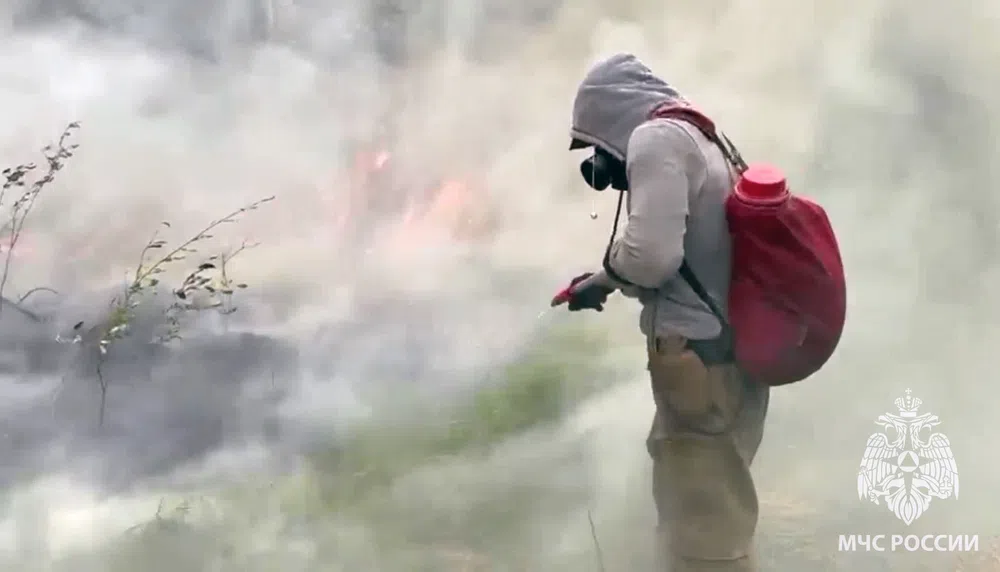
I was 18 years old. He began to intensively understand the fire, read textbooks. The guys and I came to the conclusion that you can extinguish the fires endlessly, but until the behavior of local residents will change, we will be late all the time. They started an enlightenment: they took it on campaigns, arranged expeditions, training camps. By 2000, we have already gained good experience in extinguishing peat and herbal fires. The regional authorities began to help, buy some equipment, but in the same year the liquidation of the protection bodies began. Goskomecology is an independent department in the jurisdiction of which we were, as a result of the reform, it was destroyed. And then all the functions were handed over to the Ministry of Natural Resources, which now was to protect them from themselves. Reforms hit a lot in nature.
- How did you survive this time?
- We all were in a shaky position. But I just got the time to join the army. Then there was no alternative service, but by decision of the court it was possible to achieve the right to serve not in the Armed Forces, but in the Ministry of Internal Affairs. I went to court and achieved the right to continue to extinguish fires in the same Taldomsky district, at first became an ordinary internal service, then a sergeant, a junior lieutenant. In general, the fire department grew in the service. The service was a day through three, I could do the business of the squads and the protection of my reserves, continue to extinguish the fires. I was already as the head of the guard - this is the highest position for those who are directly extinguishing. But there was another reform, and I finished the service as an officer not of the Ministry of Internal Affairs, but the Ministry of Emergencies.
Like many of my colleagues, I believe that the quality of the fire department fell strongly with the transition to another department. In 2003, I quit the Ministry of Emergencies and went to public work
- Did you leave the Ministry of Emergencies for public work? Why?
- It burned a lot, but there was little strength, we always had no fuel - just dry tanks in all cars. That we just did not come up with and where they did not drain gasoline so that the fire engine could go to the call. And the spare parts had to be wogged magically ... you are going barely, and you have three villages, and you need to choose which one to extinguish. Such a choice is traumatic, especially when you find out that where you couldn’t go, people died, a lot of houses burned down. I understood that it was impossible to change the situation from the inside, and hoped that it was possible to do this outside, developing volunteering. That so I can much more.
He was doing this, working at a school for deaf children - taught the basics of security with the help of a brutal speech. Do not be surprised, my dad is completely deaf, and my mother hears 50 percent, so I know gesture from childhood. Dad was born at the end of the blockade, and the first antibiotics from post -war diseases, primarily from meningitis (and he was also illuminated by bone tuberculosis), went to his generation. An overdose killed the auditory nerve. Now he reads on his lips, and answers in a voice. He fulfilled his dream, became a journalist - until recently he was the editor -in -chief of the largest Russian publication for the deaf.
And in addition to fires, work with special children was always interesting to me, I - a correctional teacher, a specialist in adaptive physical education - graduated from the institute in this specialty after the army. And he became a martial artist, I had a thesis on the topic of overcoming barriers between deaf and hearing, through joint classes. I took on campaigns of potential arsonist and children with disabilities, taught me to fight fires and get used to the fact that people are different. I hope to return to this if we can handle fires ...
- How did you end up in Greenpeace?
- I went there for the opportunity to realize my ideas in the fight against fires. There was no suitable bet for me at first. He got a job as a driver, then moved to the volunteer department, began to develop fire volunteers. Gradually, this has become a new direction of Greenpis. I came there in 2005, and by the sadly famous 2010 I managed to create the structure of the fire project, then the department that I headed.
In that year, we extinguished in the Ryazan, and in the Moscow and Vladimir regions; When they put out, heavy fires in Volgograd began, in September we went there, and did not stop until late autumn ...
Consolidated detachment with eyes in the sky
- This year we experimented together with the Ministry of Natural Resources, the Department of State Politics in the field of development of specially protected natural territories. We tried to find some optimal approaches to teaching people, and at the same time create a system of quick strengthening of fire brigades, the transfer of people and resources. Part of this experiment was our consolidated detachment, in which we combined inspectors of reserves of national parks with representatives of non-profit volunteer organizations-this turned out to be new, in a sense, a hybrid structure. Previously, we trained both for several years.
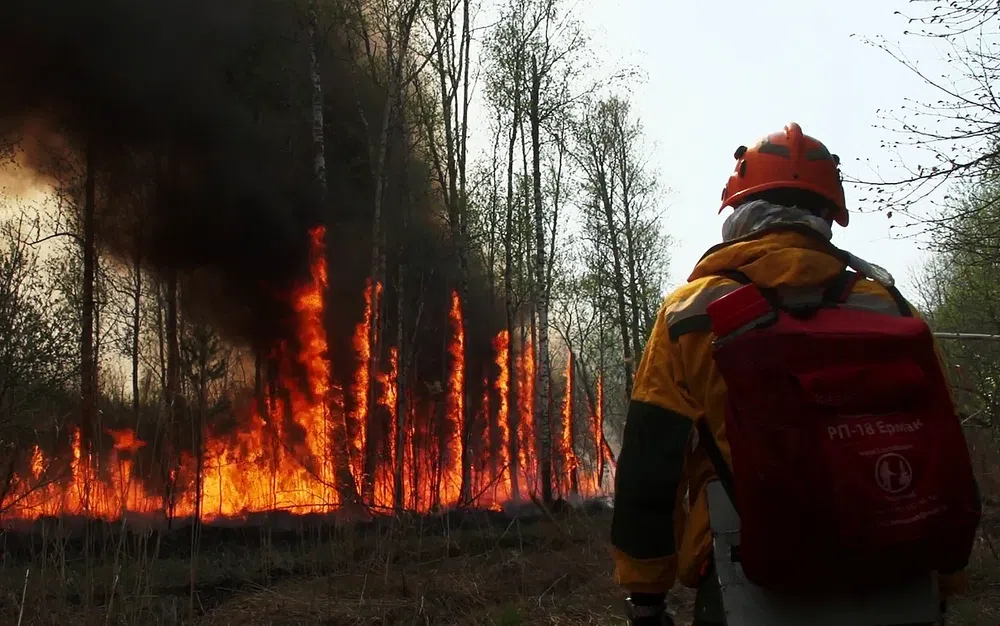
The first exit for the consolidated detachment was the specially protected territories of Khakassia. They put out 15 fires there with a team, which half consisted of public employees and half of the volunteers. It was both the doctrine in practice and real help in extinguishing fires. Всем эта модель понравилась, и мы договорились выезжать отрядом туда, где будет сильно гореть, чтобы, во-первых, быстро помочь, а во-вторых, дать опыт тушения не только добровольцам, но и тем инспекторам, чьи территории горят редко. Например, Юра Парфенов, инспектор Печоро-Илычского заповедника, расположенного в западных предгорьях Урала, спрашивал у нас: «Если будет гореть на территории, где только вертолетная доставка, как тушить лесной пожар?» Со своей территории они с коллегами могли только наблюдать, не успевали туда доставить людей. Он был с нами на тушении пожара в Якутии и теперь вернулся на свою территорию уже с опытом.
— Сводный отряд ездил и в Якутию?
—После Хакасии мы уже съездили в заповедник «Денежкин Камень» на Северном Урале и заканчивали там тушение, когда мне дозвонился сотрудник министерства и сказал, что сильно горит Якутия. Попросил по возможности помочь.
Понятно, что после тушения затяжного пожара трудно собрать группу — люди уже потратили свои отпуска, свое время. Но когда мы уже прилетели в Москву, нам снова позвонили и сообщили, что «Ленские столбы» разгорелись очень сильно. Мы собрали тех, кто все же оказался готов, — всего 12 человек. В Якутию не просто сразу улететь, даже при астрономических ценах не получается. Пока все расходы по переброске оказывает «Гринпис».
— А что за люди — реальные добровольцы на пожарах? Из каких сфер они приходят?
- From the most diverse. Но все они яркие и честные люди, я могу их бесконечно перечислять. Есть врачи, автослесари, кладовщики — разброс огромный. Например, у нас в отделе работает Соня Косачева, она преподаватель оперного вокала. Выступает в театре старинной музыки. Пришла к нам, втянулась, стала хорошим специалистом по лесным пожарам. Недавно вернулась из Хабаровска, где обучала группу добровольцев.
Олеся Волкова — графический дизайнер, иллюстратор. Была с нами в Якутии, работала в беспилотной разведке и в тушении. Юля Петренко — лучший в стране оператор беспилотников на пожарах. У нее в прошлом опыт в основном киношный: была фотохудожником, видеооператором и монтажером. С нами какое-то время работала по профессии, снимала социальную рекламу, помогала с мультфильмами о пожарах. Сейчас у нее своя организация «Люди леса». Узнав о поездке в Якутию, она отложила экспедицию и вместе с небольшой командой присоединилась к нам, обеспечив беспилотную разведку современными квадрокоптерами с очень хорошими видео- и тепловизионными камерами.
Без этого всего мы до выгрузки из вертолета можем только сделать круг, чтобы посмотреть, как выглядит пожар. Дальше мы работаем на земле, и нам видны только горы, тайга, столбы дыма и зарево по ночам. Понять, что происходит, куда идет пожар, как он развивается, — практически невозможно. И вот наши глаза в небе — это операторы беспилотников. Можно посмотреть через дым и увидеть, где на самом деле горит, а где потухло, почти вне зависимости от освещения и задымления. У нас практически все инспекторы-добровольцы обучены использовать эту технику, это те навыки, которых нет, к сожалению, у профессиональных лесных пожарных, у сотрудников МЧС.
О бедных пожарных
— У государственных служб до сих пор нет современной техники?
— Да, хорошо, если компас у них есть, а так по сторонам света и по солнышку ориентируются. Конечно, есть специалисты, которые неплохо ориентируются, но понимания, куда идет пожар, у них, конечно, нет.
Они могут сильно опаздывать, поскольку исходят из того, что увидели с вертолета во время выгрузки, а за это время ситуация могла измениться, и пожар уже перешел ручей или реку,
и все их действия, направленные на то, чтобы добраться до горящего места, уже заведомо бессмысленны.
— Но сил ваших не так много, вы же не можете заменить собой государство?
— Конечно, можем только присоединяться и помогать на самых ценных и самых уязвимых территориях. И можем учить, я, в частности, как договорник преподаю в Институте повышения квалификации руководящих работников лесного хозяйства и стараюсь эти же технологии, которые мы применяем, а иногда и придумываем, разрабатываем, тестируем, внедрять в госструктуры.
Люди, которые работают там, хотят, чтобы их работа была эффективна и безопасна, это в их интересах. Добровольцы придумывают и осваивают все современное и нужное быстрее, чем государственные институты, потому что они это делают по доброй воле, за интерес. Например, группой добровольцев созданы специальные калькуляторы для смартфонов — куда, сколько воды по каким пожарным рукавам пойдет. Казалось бы, необходимые вещи, которые должны быть в государственных структурах, но их нет.
Нас спрашивают, как можно доверять изобретениям добровольцев? А у нас всю математическую часть выполнял доброволец Паша Никитин, он кандидат наук, преподает во французском институте города Марселя. Ну и все остальное делали специалисты, потому что добровольцы у нас разные. И часто мы такие услуги и такие продукты предлагаем, которые стоили бы астрономических денег, если бы это разрабатывали какие-то государственные институты. А у нас приезжают добровольцы и иногда, прямо на пожаре, присев ненадолго, это все придумывают, обсуждают, дорабатывают и объединяют. Это реально сильные умы — добровольцы придумали все самое современное и технологичное, и очень быстро внедрили в сферу тушения пожаров.
Конечно, здесь еще очень важны снаряжение и экипировка, и в этом вопросе у добровольцев дела обстоят лучше, чем у любых государственных служб. Речь идет о спецодежде из несгораемых тканей, специальной обуви и легких пожарных касках, — от них иногда зависит наша жизнь. На мне вот две каски сплавились, несколько костюмов почти сгорели, часто оборудование сгорает и плавится. Понятно, что при более дешевом и менее качественном снаряжении ситуация могла бы привести к травматизму.
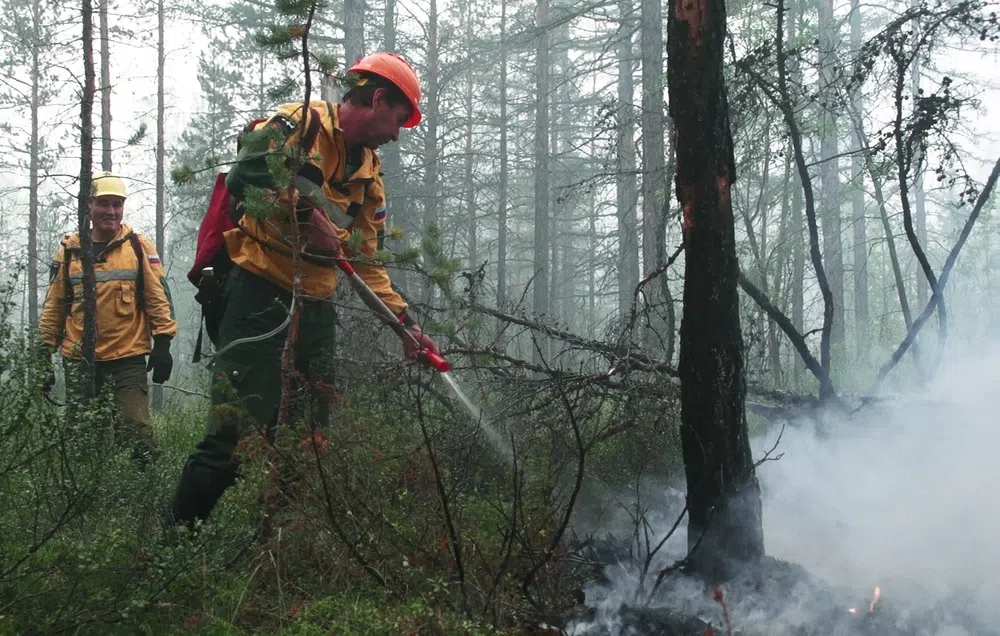
Пожары — недешевая история. Большую часть оплачивает «Гринпис», что-то добровольцы покупают сами. На мне на пожаре часто висит снаряжение примерно на полмиллиона. Добавьте к этому качественные вездеходы, квадроциклы, навигаторы, радиостанции — это все то, чего, к сожалению, не выдают государственным работникам. Хорошо, если у них есть один навигатор на группу.
Очень важно, чтобы государство понимало, что, экономя на личной защите своих сотрудников, оно теряет гораздо больше: тушение пожаров проходит не так эффективно, а тушить его могут только здоровые люди, а не травмированные. Конечно, нет ни одной страны в мире, которая справилась бы с проблемой пожаров, не вовлекая общество. Например, в Германии волонтеры составляют 80 процентов всей службы, так же и в США, и во многих других странах. Это — нормально, когда люди включаются в процесс, связанный с их безопасностью, но хорошо, когда условия их работы и государственных сотрудников хотя бы примерно равные…
Если не жечь — не горит
— Вы работаете на пожарах уже больше 20 лет, не было такого, когда бы вы сказали себе: «Ой, не хочу больше, не могу!»
— Знаете, у меня чуть ли не каждый день такое. Мы шутим, что у нас хорошая работа, но как пожар, так хоть увольняйся. Но знаете, пожары не так быстро приводят к выгоранию. Как бы это странно и каламбурно ни звучало, но на пожаре ты довольно четко видишь локальный результат своей работы. Потому и добровольцам это нравится — они сюда приходят от офисной работы, и там они не знают, живут они свои жизни зря или нет, потому что результат их работы зачастую не очевиден. А на пожаре ты конкретно видишь: есть лес, половина сгорела, а другая благодаря твоим действиям — нет. От тебя зависит, перейдет огонь на деревни или нет, погибнут люди, птицы и звери или ты спасешь их. Это очень простая работа в этическом плане.
Конечно, бывают опасные эпизоды, и нередко, к сожалению, государственные службы несут потери, но если мы все правильно и четко делаем, то это очень алгоритмизированная работа. Потери — не подвиг, как в кино, а, как правило, нарушение техники безопасности, инструкций, регламентов, либо тяжелое стечение обстоятельств. В нашей работе не больше рисков, чем, например, в работе таксиста. И поэтому в добровольцы мы стараемся не брать экстремалов, которые считают, что пожары под силу безумно смелым — это стереотип, и он плохо сочетается с дисциплиной и ответственностью. Нам нужны сильные и смелые, но способные к командной работе и нацеленные на конечный результат, а не на получение адреналина.
В пожарном добровольчестве есть место для любого человека, даже если он физически не может выезжать на пожары — для него есть работа, связанная с координацией, картографией. Если люди не могут потратить время, они могут вложиться в оборудование, экипировку, страховку…
— У вас есть пожары, о которых, как это ни странно звучит, вы любите вспоминать?
— Когда увидел пятнышко горящей травы на обочине, остановился, вышел из машины, затоптал огонь ботиночками и поехал дальше. Потому что польза от меня здесь была намного больше, чем, например, на пожаре на многих тысячах гектаров в Якутии. Если я затоптал огонь на одном квадратном метре, значит, все, что я вижу отсюда и до горизонта, — это то, что удалось спасти, оно не сгорело, понимаете?
Вот я приехал в Якутию и увидел пожар на 1000 гектаров, с этой площадью ценного леса я уже ничего не сделаю, он сгорел. Я могу много думать и делать для того, чтобы не сгорело все остальное, но вот эта часть уже потеряна, там все погибло.
С годами я начал ценить маленькие пожары, которым не дали разгореться. У меня появилось любимое дело, которым я очень горжусь, — социальная реклама и мультфильмы с фиксиками и смешариками, в которых нам удалось качественно рассказать детям о том, как не стать причиной пожара, как себя вести, как вызвать помощь. У нас многомиллионные просмотры. Еще мы проводим большие информационные кампании, видим, как снижается количество пожаров в тех регионах, где поработали. Это — реальное предотвращение пожаров, если иметь в виду то, что они происходят по вине людей в 9 из 10 случаев.
— В Якутии тоже были рукотворные пожары?
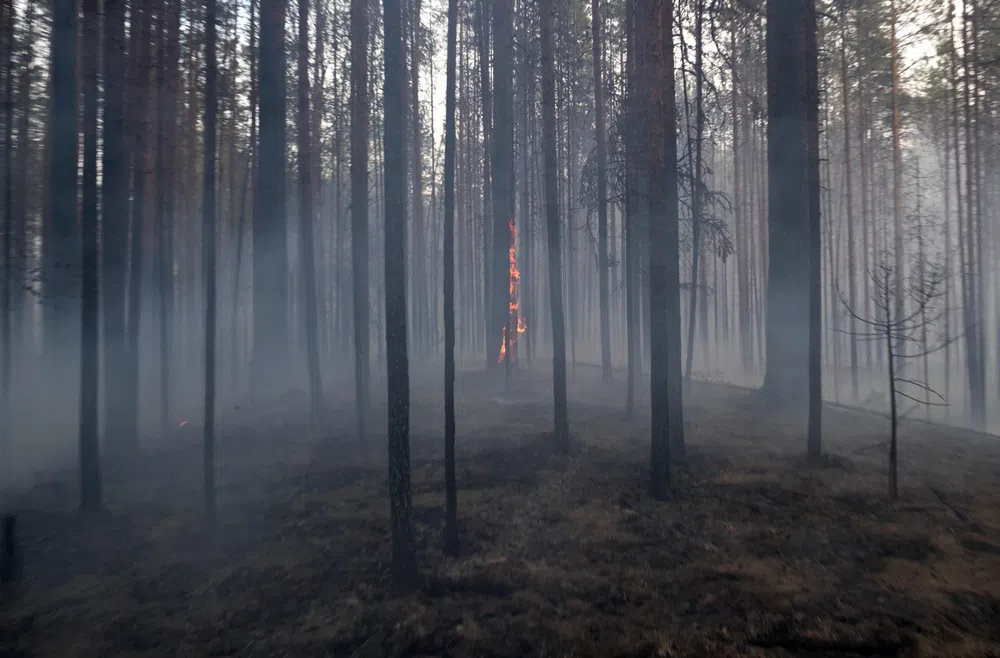
— Хотя там было больше рукотворных, но тот, на который мы ездили, скорее всего, был молниевый. Он возник на вершине, в таком месте, куда людям незачем идти — ни ягод, ни грибов, усохшие от короедов деревья. Пожары от рук человека обычно возникают у реки или у тропинки, идут вверх по склону — они опаснее, потому что вверх огонь идет быстрее, чем вниз.
На молнии мы пока никак повлиять не можем, а на людей — можем.
Мне было интересно в Якутии в первую очередь как руководителю тушения думать на таких площадях, такими масштабами — тысячами гектаров, многими десятками километров. И очень грустно, потому что там много сгорело. Вообще, чем дольше я в профессии, тем интереснее и грустнее пожары мне достаются. Вспоминается недавний пожар в городе Сибай в Башкирии, очаг на глубине больше 600 м в шахтах — там медный колчедан с ядовитым сернистым газом — задыхался город. Погибли несколько шахтеров, а оказалось, что уже много лет шел этот пожар в шахтах, но металлургические компании это скрывали. Мы обследовали, спускались вниз с тепловизором, а потом добивались, чтобы шахты начали затапливать.
Такая же интенсивная работа мозга: куда и как там можно попасть, как пожар развивается — нам потребовалась в Чернобыльской зоне (юго-восточные районы Брянской области) — там нужно было учитывать и радиацию. Это 2014–2016 годы, зона принудительного отселения, дым растягивался на 600 км, дошел до Москвы, к счастью, повышения радиационного фона здесь не заметили — тяжелые частицы не переносятся ветром так далеко. Но местным жителям, конечно, дополнительные дозы облучения могли прилететь с частицами цезия и стронция на частицах сажи.
Нам и местным пожарным удалось остановить перенос радиационной пыли с пеплом на соседние населенные пункты. Там тоже была скандальная история — загорелись торфяники на сильно загрязненной радиацией территории. И этих пожаров сначала не признавали, но постепенно наладилась ситуация.
— Изменение климата будет сильно увеличивать количество пожаров?
— Среди пожарных не осталось климатических скептиков, мы совершенно точно видим, как ситуация поменялась у нас на глазах. На Дальнем Востоке на огромном пространстве совершенно бесснежные зимы, леса теперь горят независимо от времени года. Я уже даже не говорю о южных регионах страны.
Есть примеры стран, которые нас вдохновляют, например Финляндия. Условно она ничем не отличается от нашей Карелии, но она вообще не горит. Граница России отличается на космических снимках так, как будто ее нарисовали, — у нас вся Калининградская область — сплошной пожар. Она вся горит, все границы подсвечены огнем горящей травы, и ни одного пожара на соседних территориях — в Литве, Латвии, в Польше. Это связано только с поведением людей и ни с чем больше.
Если не жечь — не горит.