
Translated material
"I burned morally and spiritually"
Single - very detailed, lasts at least an hour and cost from 1000 to 1200 rubles, depending on the agreements. Group (from 5 people) - less detailed, lasts no more than 30 minutes and cost 300 rubles per person. You can sign up through the instagram of the project .
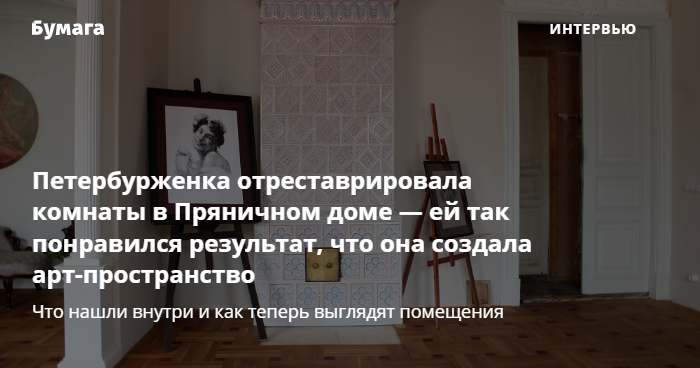
For two years, the interiors designer and real estate consultant Olga Polishchuk acquired four rooms in Nikonov’s own house in St. Petersburg, also known as the gingerbread house. This is a monument of the late 19th century in a neo-Russian style on 11 bells.
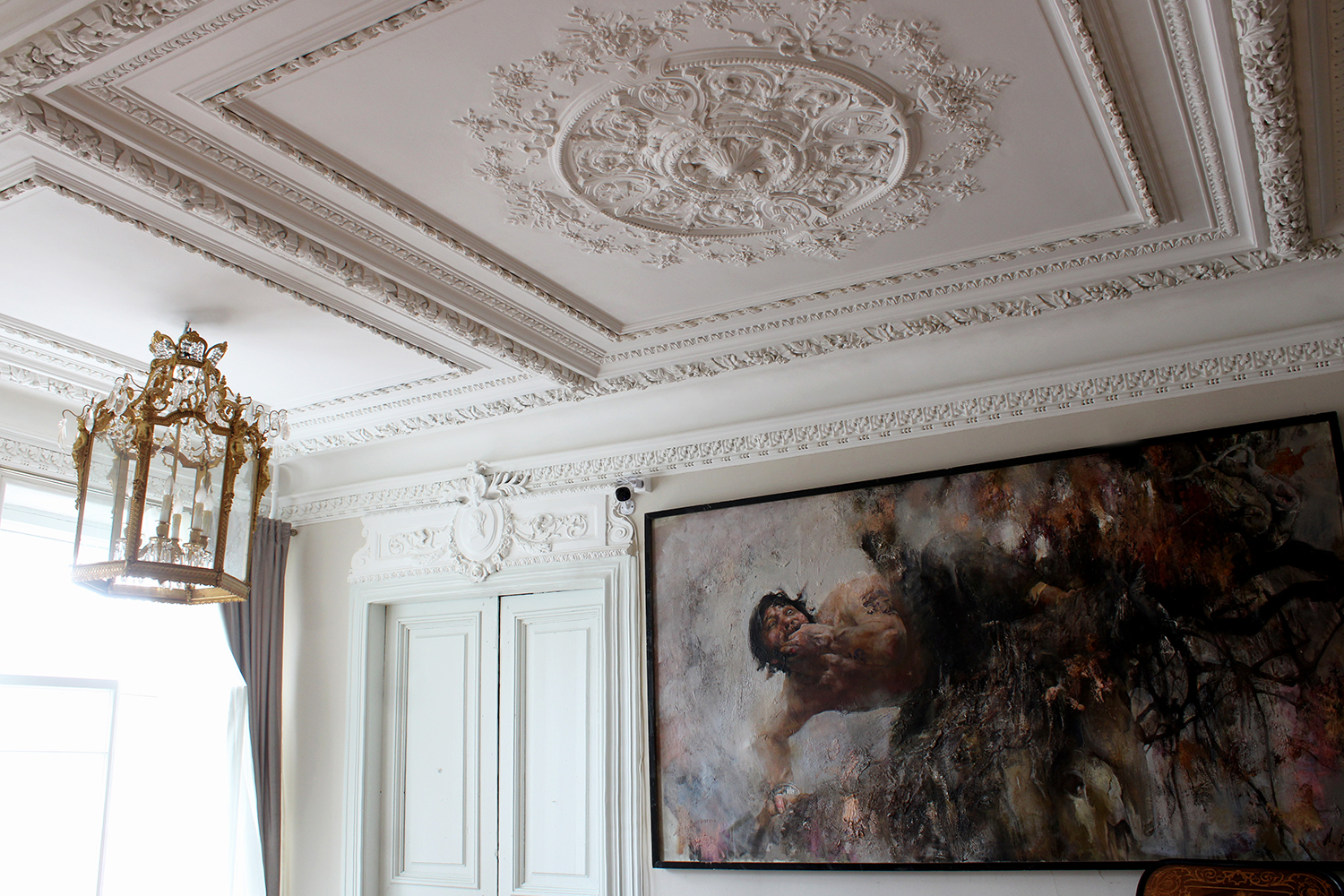
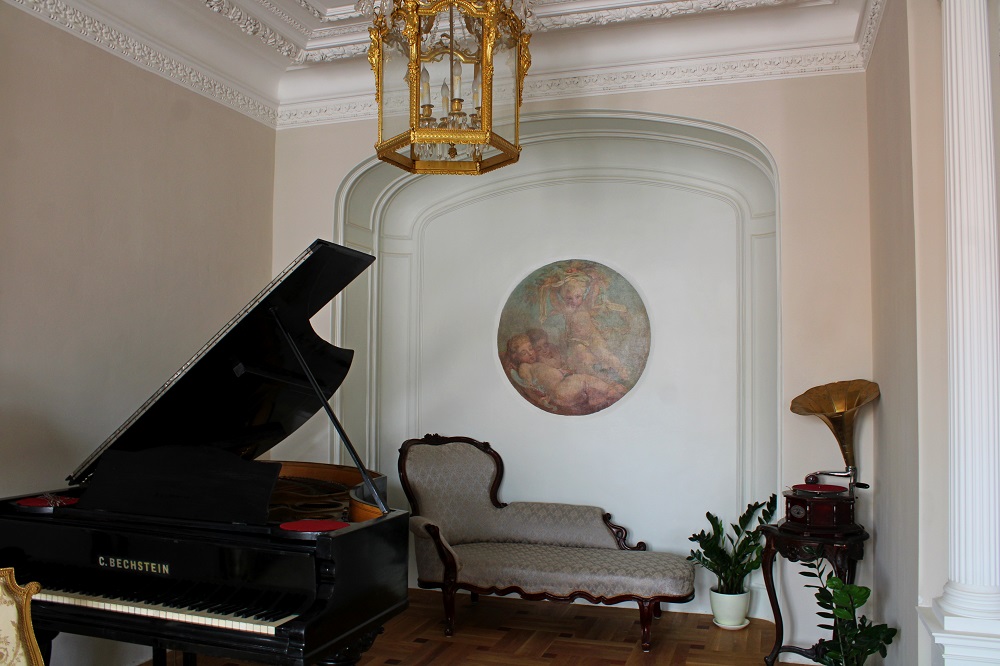
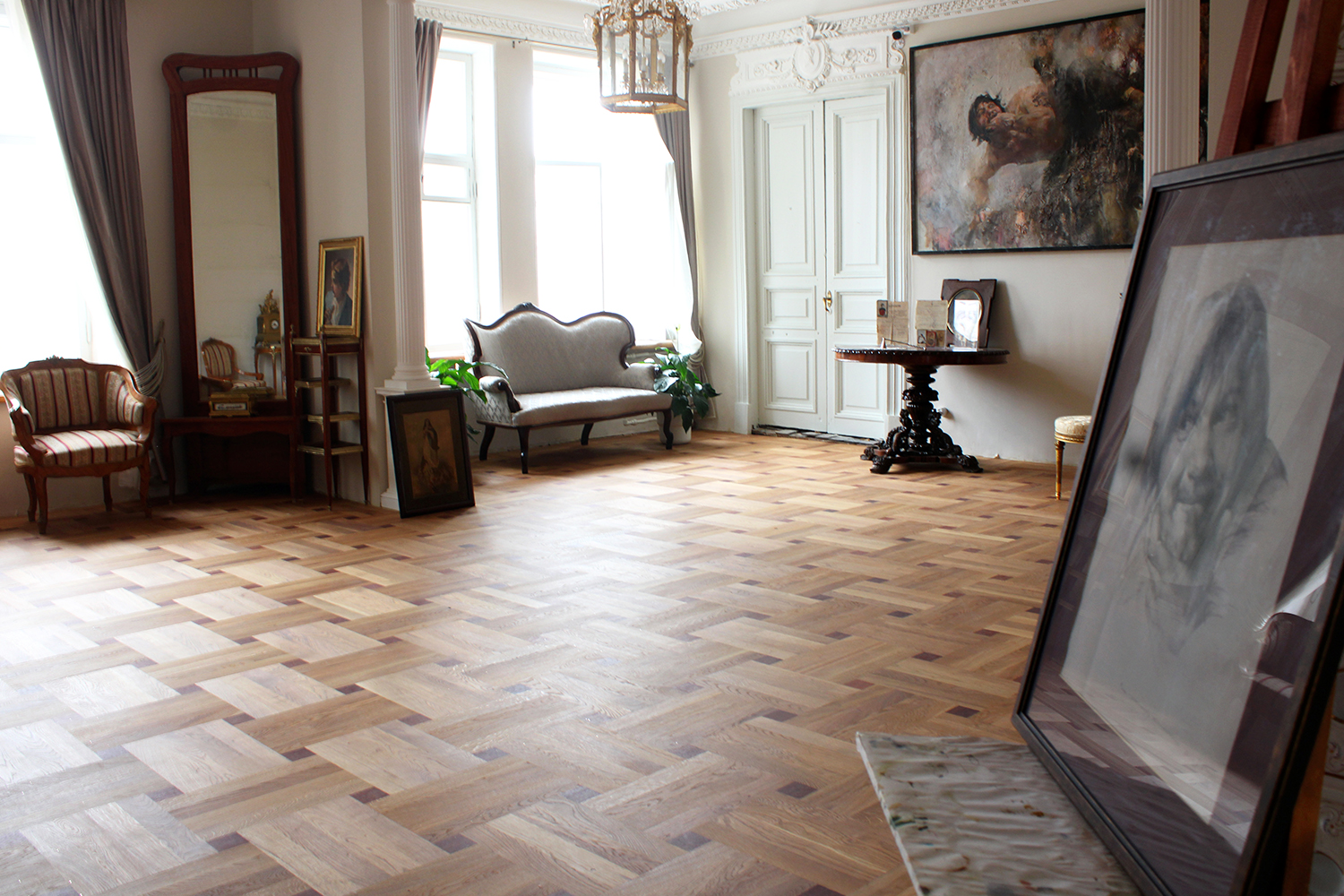
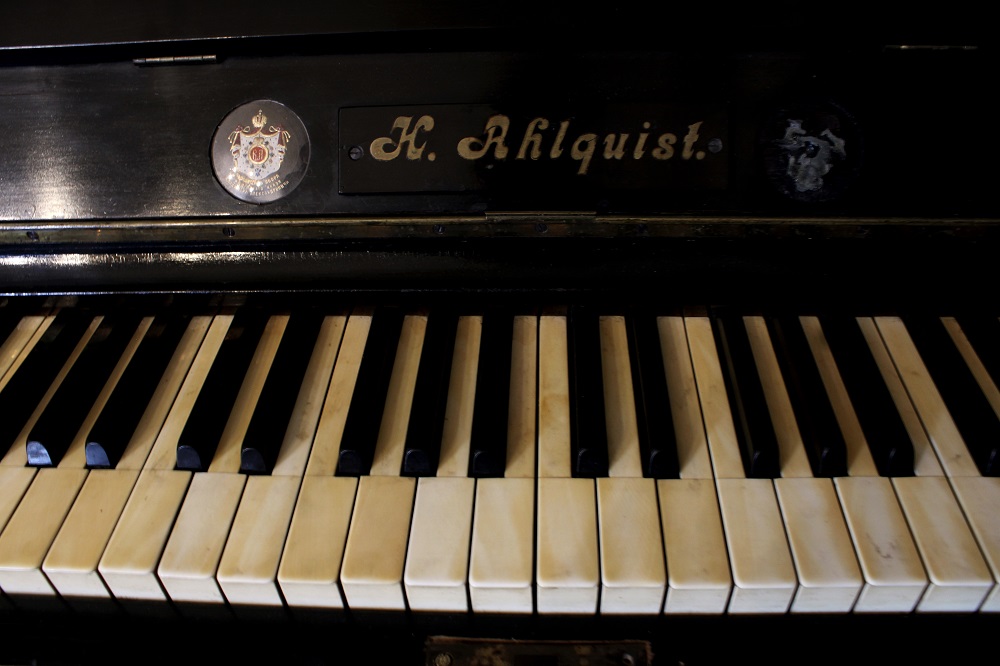
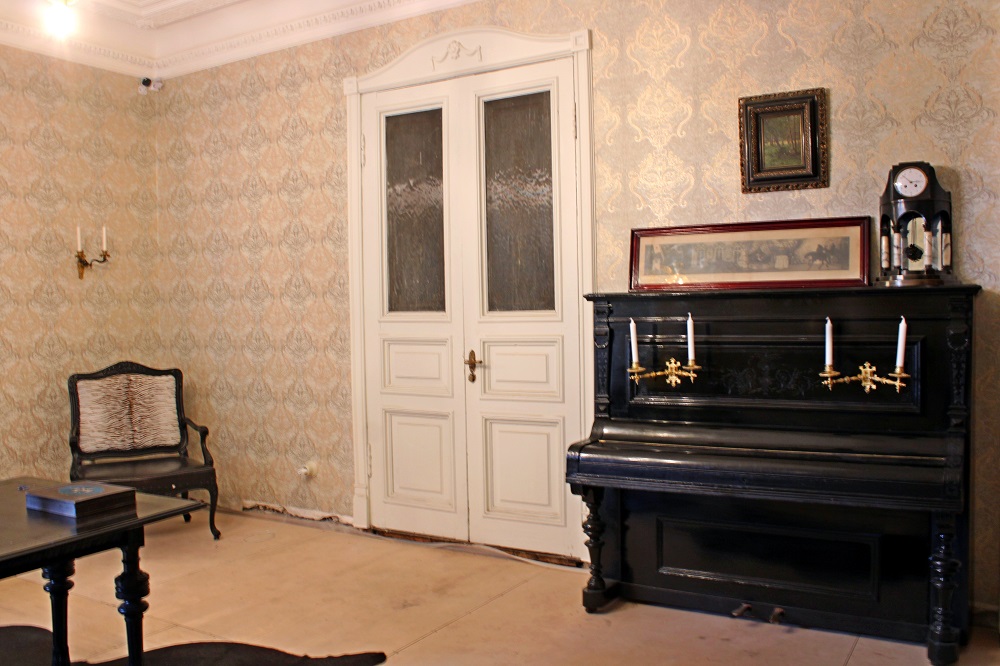
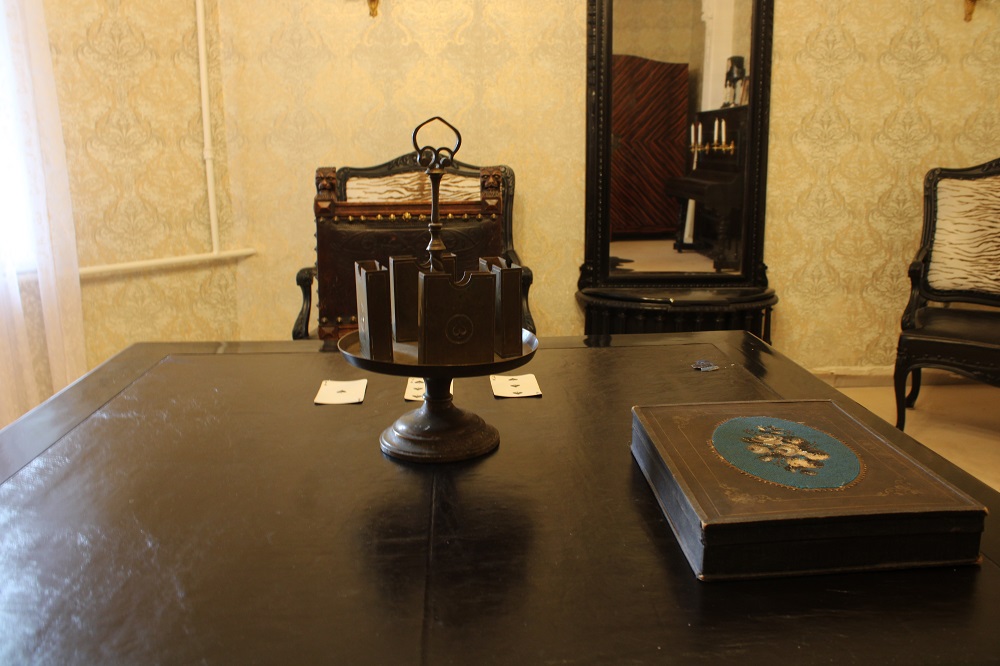
Petersburger conducted a restoration, focusing on historical drawings. Recently, the repair ended - and Polishchuk created the project “ Apartment No. 6 ” with space excursions. Here you can see the piano of 1880, a pupiter of the late XIX century, a mercury mirror, a lomber table and an old stucco molding.
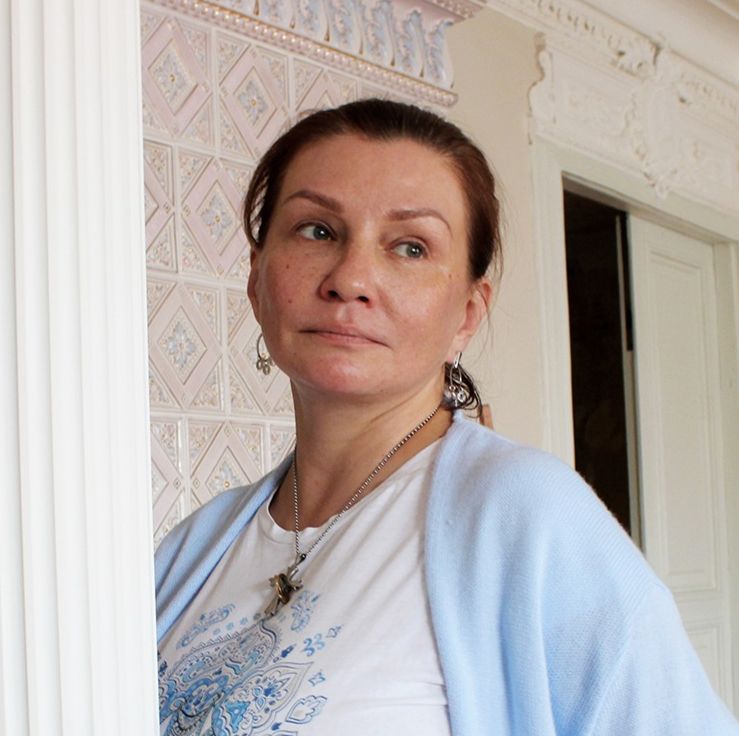
Olga Polishchuk told the “paper” , how, having lost her work in the pandemic, she restored historical premises and found in the partitions a copy of the painting “Immaculate Conception” and why she conducts excursions and exhibitions in the space.
Olga Polishchuk
Interior designer and real estate consultant
About space
- I acquired this space absolutely by accident. Three years ago, my friends were looking for housing. At some point, they asked me to look at the [one] room [in Nikonov’s own house] and evaluate whether to buy it.
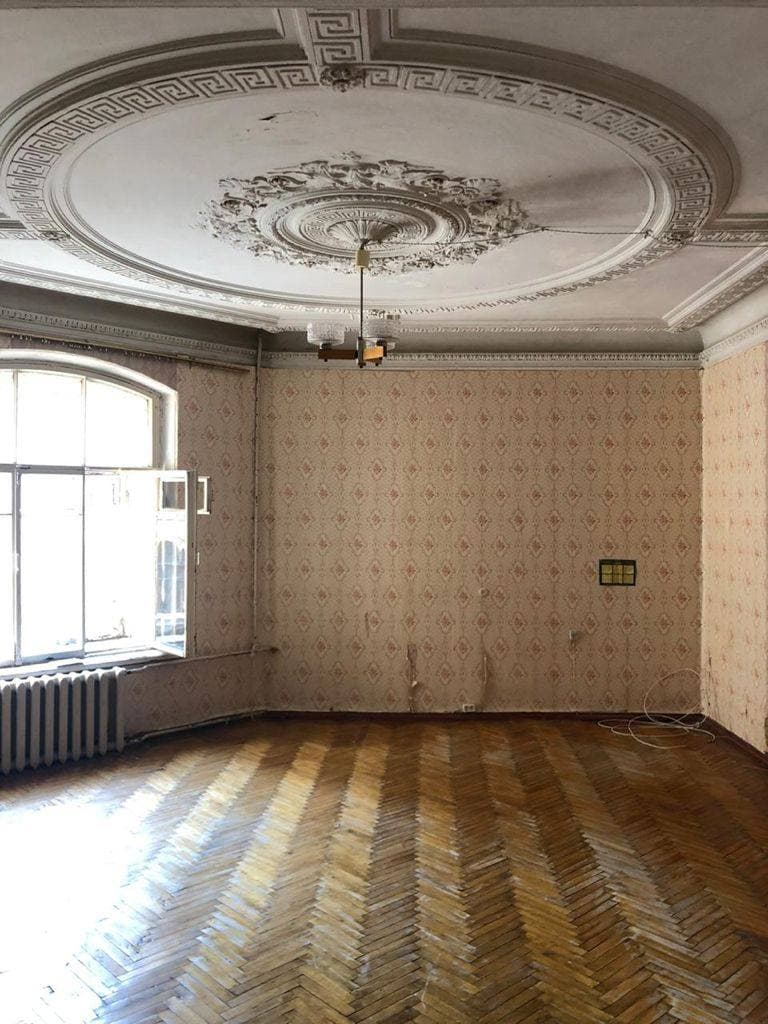
When I came here for the first time, I immediately noticed stucco. It was mercilessly closed by a giant layer of chalk, in many places there were leaks, and on the rusty protrusions of metal beams - several layers of oil paint. But even despite this, a wonderful drawing was read in stucco.
For a long time I could not understand why I was so tightly drawn here. Friends eventually bought another housing, and I just succumbed to an inner voice: I sold my property, accumulated the right amount and bought this room and neighboring.
I did not have any specific idea, I clearly had no idea what to do. I knew only one thing: I want to preserve the beauty that stayed here.
About restoration
- Restoration implies as much preservation of the old as possible and as low as possible intervention of the new. To maintain historical truth, I shoveled many sources on the Internet. Historical photographs of this apartment were not preserved, but I found historical drawings and began to focus on them.
I also asked the residents of other apartments to let me see how everything looks with them. She conducted a detailed study, strove for the level of preservation of history as in the Hermitage and Peterhof - and, while the restoration was on, visited these places many times, paying attention to the smallest details and photographing the use of watercolors in the interior.
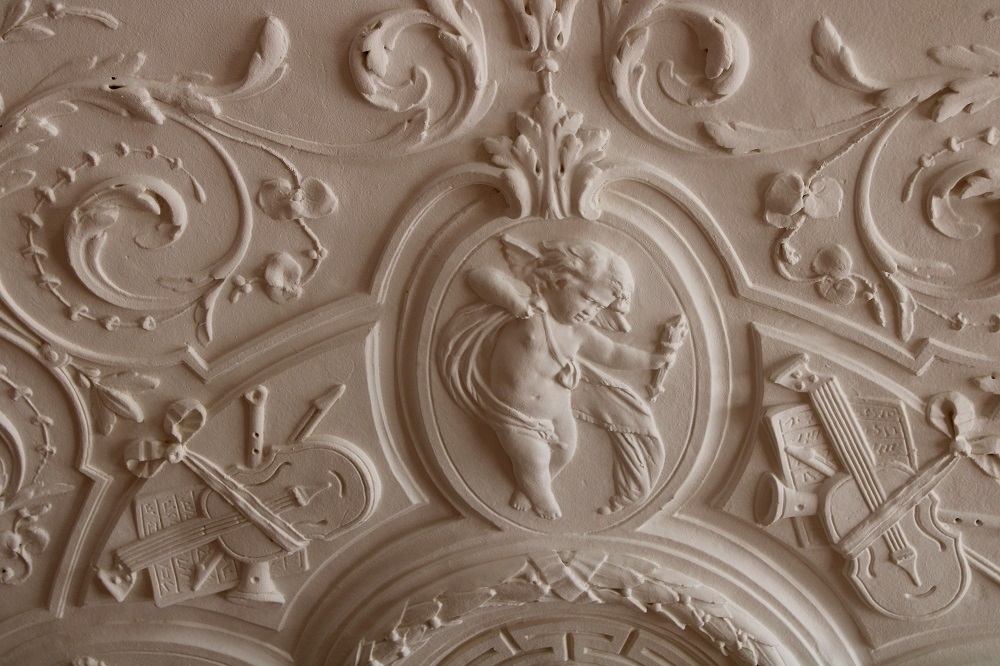
For the master who worked with me, this project was the first of such complexity. All stucco molding was cleared by a toothbrush, a scalpel and a small bourgeon - we called it a “manicure for the ceiling”. It took each wall for 4-5 months.
The work was very thin, time -consuming, requiring a painstaking approach. Fortunately, I found a man who not only qualitatively performed his work, but also entirely empathized with the project, enthusiastically and rejoiced with me. Thanks to this, I did not have to somehow follow the work in a special way-everything went on as usual.
When we cleared everything, it became clear that initially there was a musical salon here - a lot of stucco elements were made in the form of musical instruments.
In parallel with the restoration of the ceiling, we began to remove the wallpaper from the walls. Between the two rooms was a hollow wooden partition, the whole curve and oblique. We decided to make it out - and then it became clear that these two rooms were a single space: stucco molding completely coincided.
Then I began to pick up furniture. I went to antiques, expert experts. One of them is my friend at school, he helped a lot in many ways, showed the places where you can see beautiful things.
I did not interact with the Committee for the Protection of Culture Monuments. But, one way or another, this circle begins to become closed, I come to this. For everything that is in this apartment, I have security certificates: ceilings, furnaces - this is all under the protection of the state.
About finds
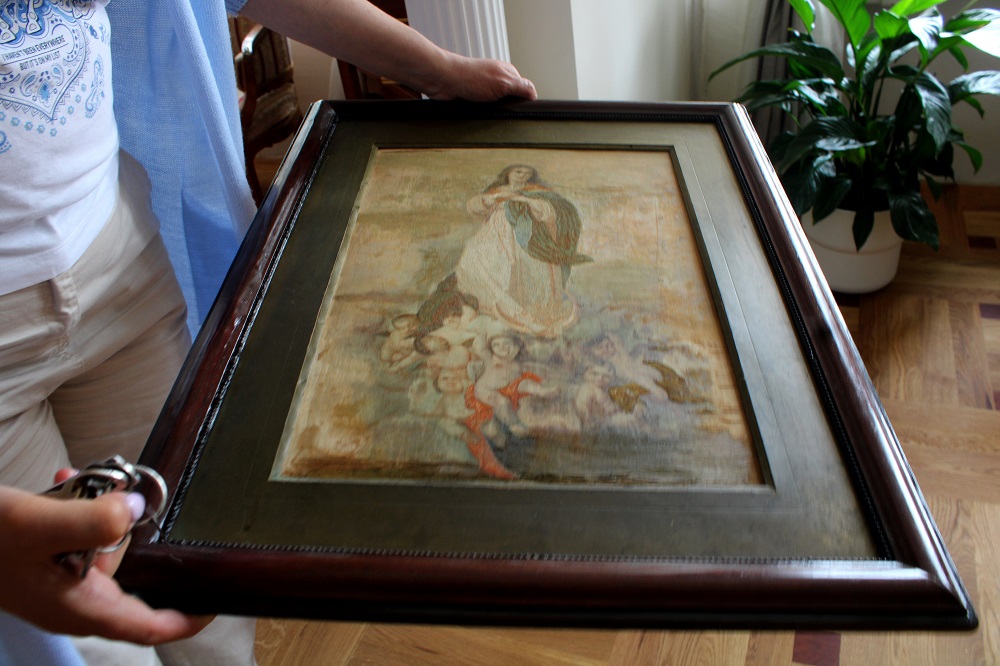
-Inside the partition, we found a copy of the painting “ Immaculate Conception ” drawn on silk-an object of 150 years ago, which, most likely, hid there during the Soviet Union, fearing the struggle against religion. I attributed the picture to the restorer, which was educated at the Repin Academy, and it was recreated to me.
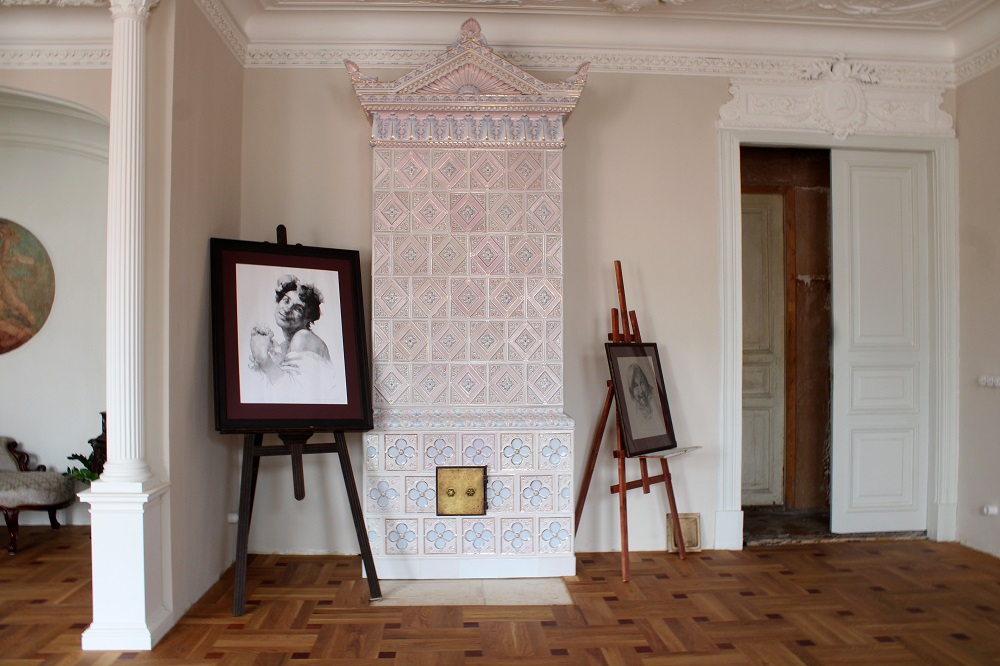
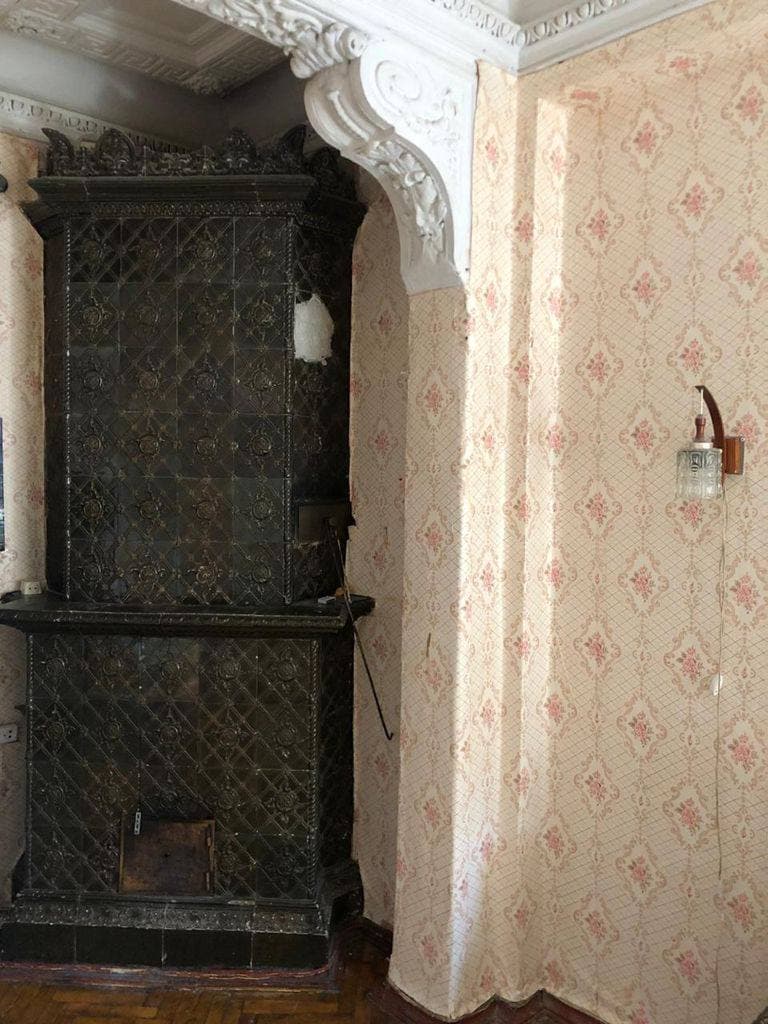
According to historical drawings, there was a stove in the room. But after the revolution, it was demolished, since it interfered with it - from two to seven people lived here, based on the Soviet regime, "5 square meters per one." I decided to recreate her.
The stove was found in Kazan. There was an emergency wooden building - an unguarded former merchant estate, which turned into a hut and was no longer subject to repair. Disassembled the building, they saw a stabbed incomprehensible cube in which the stove was in it. The owner of the building put it up for sale, I bought it, brought it to St. Petersburg and sent it to a restoration workshop.
The furnace was completely covered with paint, but after leaching it became clear that it was in amazing safety - only some tiles were cracked and broken. The restoration was carried out in an amazing subtlest way, all the colors were preserved. Nothing is tinted here, only cleared and washed.
Also during the restoration, we found a fresco on the canvas of the late 19th century. She was filled with paint, had several holes. We restored her.
About money and desire to quit everything
- At the time of restoration, I often had thoughts “Why all this?”. I felt it especially strongly at the beginning of the pandemic. It was very difficult: I then lost my job for 4 months, all the projects got up. And since restoration is very large financial costs, I have credit obligations to several banks. And not one of them went to meet, no one gave credit holidays.
I burned morally and spiritually. At these moments, I was close to throwing everything, to preserve and sell. It seemed to me that I could not pull it. But then the blessings of quarantine went, everything began to improve, I somehow could get out of debts.
I cannot name the specific amount that we spent on creating a project is very difficult to count. I can say only one word: a lot. You can buy an old item in poor condition cheap. But to restore it - expensive, it is more expensive to restore it, and to find a good restorer who will do well is generally serious resources.
I also had great misunderstandings with some neighbors. They did not expect repairs and our level of understanding of art did not match. Nevertheless, they could somehow agree.
About useful experience
- Before I took up this project, I myself had no deep knowledge in history. Now I understand how antique work works and how to roughly understand the time frame of creating some items. This requires a goodness and knowledge of the main historical contexts.
For example, you can understand the time of creating wooden items by their breed - at different times, different breeds of wood were used. And in bronze products, manufacturing style and processing methods have changed. With other objects, in particular with porcelain, I have not yet figured out so well and I can focus exclusively on the point of view of a professional.
The more you start looking at the antiques, the more he begins to delight. Most of the items that you see here are created manually. This is the finest job. When you understand how difficult these objects were created, they cause shock, admiration.
In this and other materials, we tell how Petersburgers make their favorite city better. We are constantly looking for examples of new initiatives, showing how to live more interesting and more pleasant
Support our work - join the Club of Friends "Paper"
On the creation of art space
- Working on the restoration, I thought: I will put the ceilings and walls in order, and then I will take it as a living space. But after some time, beautiful neighbors invited me to buy my room (the third owed Polishchuk - approx. “Papers” ), and I agreed. And then I managed to purchase another [fourth] - which is located right at the entrance.
Thus, I got a separate part of the apartment in which I kept the historical truth so much that it was impossible to live in it. The result was a full reconstruction of the pre -revolutionary space. It was then that I decided: from this we need to make a location that I will use to get as many people as possible to get acquainted with the history of St. Petersburg.
About the results and future
- Like any author, I cannot be completely satisfied with the result of my project. Yes, and he is not yet final. This is a living interior that will be transformed. But what I see now surpassed expectations.
Now we are restoring the room that the past neighbors sold to us. There will soon be recreated the interior of the female bedroom. If one of the other neighbors decides to leave for a separate housing, we will not mind buying and restoring their premises in accordance with historical authenticity.
We conduct excursions here. Sometimes we will arrange events: candlelight concerts, master classes on photography, lectures on the history of art, architecture and St. Petersburg. Now we have an exhibition of the artist Nikolai Blokhin. In September, a mystical show with a tarolog is planned, in October - the romances and lyrical songs of Sergei Rogozhin, in November - the jazz trio of Alexander Maslov. The price of them is different and depends on the level of the complexity of the event, a range of 1,500 to 5000 rubles.
"Paper" told how the family of St. Petersburg directors bought a Veps house and launched tours to forgotten villages. Read also the history of Lapov - the reserve of the Russian North near St. Petersburg; This is the village of Staroverov, where 150-year-old wooden huts have survived
PAPERApp - our application with the best places on the map of the city 🍕🌳🏨
Download, read the advice of "Paper" and users, as well as share your recommendations. The version for Android can be found here , and for iOS - here .