
Translated material
"Expect a decline in mortality." What did the pandemia teach
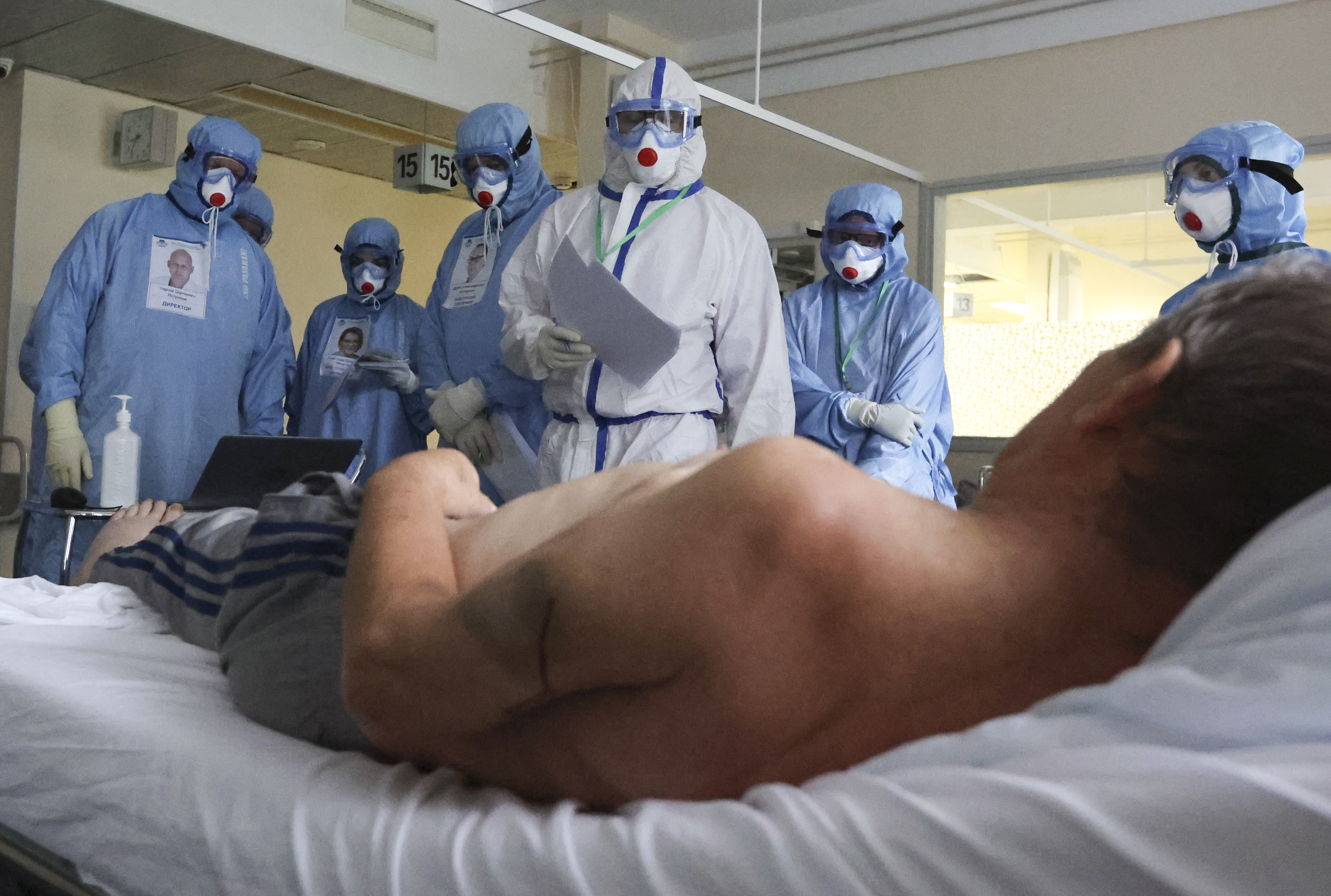
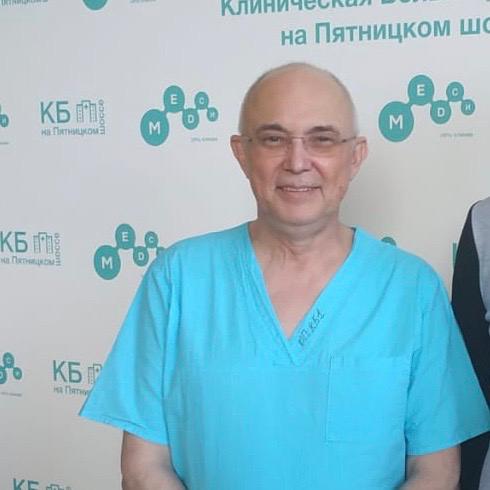
Recently, the incidence of coronavirus in Russia began to decline gradually, but mortality remains at the same level. About why this is happening, why people do not trust vaccines and what doctors learned during the pandemic, the North correspondent was told by the infectious disease specialist, the head of the Department of Infectious Diseases of the medical faculty of St. Petersburg State University , the former head physician of the Botkin Hospital Alexei Yakovlev .
- If you look at the summary tables of incidence of coronavirus and mortality from it in different countries, then the first thing that catches your eye is the difference in mortality rate : in European countries and the USA it is an order of magnitude less than what we see in Russia. Why is this happening?
- The whole question is - what numbers do you focus on - on the numbers of the opera Staff or on the site " Stopkoronavirus.rf "? You understand that everyone who really knows the situation, believe that, unfortunately, there are much more deaths, and therefore it is impossible to focus on these figures. There is a scientific approach, and you can draw conclusions when you have a reasonable database. And if you do not have it, you cannot say whether there are more deaths or less. But in general, there are a lot of deaths, because so far, mostly, unvaccinated people are sick, and therefore to expect a decrease in mortality in hospitals prematurely. Moreover, not all vaccines have convincing data on the degree of protection. Therefore, as a specialist, I can say that while in St. Petersburg there is a decline in the third peak, this is undoubtedly evidenced by a decrease in patients hospitalization. And since our statistics are empirical, divorced from reality, you cannot even raise the question of the number of deaths.
- And yet, if you return to the consolidated tables of incidence and mortality around the world, the coronavirus map shows that if in Europe there are 138 deaths today, in Russia - 801.
Yes, they die and vaccinated, this is also not a secret, but tens, hundreds of times less
- You absolutely rightly noticed such a difference. The fact is that in Europe a much larger percentage of vaccinated. And we, all experts, clearly formulate the idea that you can get sick, but you will not be difficult, that is, most likely, you will not have to go to the hospital. Yes, they die and vaccinated, this is also not a secret, but tens, hundreds of times less. Therefore, once again: while in Russia the unvaccinated are more ill - this is the only way to interpret these numbers.
- On the other hand, we see the situation in Israel, where almost everything is vaccinated, but there was again an increase in incidence.
- No one said that there would be no growth. You look at what mortality in Israel - a few die. These data clearly say that the vaccine, unfortunately, does not protect against the possibility of getting sick, but sharply reduces the likelihood of dying. CDC numbers ( the Center for Control and Prevention of Diseases, USA - SR ) that are published are the same. Here is the whole question in the correct analysis. Of course, we cannot exclude the unwanted phenomena, the death of vaccinated, to go against biological laws, but the fact that a vaccinated person has much more chances to survive is absolutely true. I can say about myself that I ended the vaccination with a "satellite" at the end of July, in order to have formed immunity to the probable beginning of the autumn incidence of incidence. Yes, from my point of view, this vaccine on the adenovirus platform is more immunogenic, but I have repeatedly said that both vaccine and natural immunity, unfortunately, is short, which does not exclude repeated infections and re -severe course of the disease. This is an objective reality.
- That is, even if you re -get sick, then you will most likely stay alive?
- I analyzed the mortality among patients in hospitals for the period from March 2020 to May 2021 inclusive, and it turned out that those who were seriously ill for the first time, and then had hard again, getting to the hospital for the second time, the mortality was at the level of 8 percent. And among those who first fell, the mortality was 13 percent. That is, the chance to die with a second difficult course is lower, but it is not excluded. This is now I am talking about unvaccinated people.
- And the vaccinated?
The results have not yet been issued and so far are discussed only among journalists
- According to the so far, very scarce data. I only know about independent research, but I do not know how correct they bring them. These studies mainly concern adverse outcomes in those who were vaccinated by Epivaccorone. There are relevant data in their telegram channels, and there is also a society of those who are vaccinated with Epivaccorone, people lead their own statistics. They received some data from Moscow hospitals, but it is incorrect to me to refer to them as a specialist. The results have not yet been issued and so far are discussed only among journalists.
- That is, for you this data does not exist?
- No, I am very attentive to such things. If independent researchers give real data with the material that you can trust, you should take a closer look at this. You understand that every week you can’t wait for the publication in Lanzet, which should clarify the situation.
- You spoke about the vaccination that now it goes according to the wartime scenario: there are antibodies or not antibodies, it doesn’t matter, the main thing is that they would make as many vaccinations as possible. Is this true today?
- Yes, undoubtedly, and, mind you, in most countries they reason the same way. A more strict approach is associated with an assessment of the level of antibodies. And now work has already appeared in the press that they say that when the concentration of antibodies to the S-Belka Glass G-from a thousand to one and a half thousand bioactive units of BAU, this guarantees that a person will not get sick.
- But does the wind change, will they now say: first measure the antibodies, and then vaccinate?
There is a classic approach when all parameters are taken into account, and there is a mass approach that must be realized among hundreds of millions of people
- It is unlikely that they will say that, because the test for antibodies is quite expensive. Yes, an additional test is a classic option, the academic approach requires this, but taking into account the scale of the problem, when millions of people need to vaccinate, it is very difficult to do this on a colossal scale. And the issue of investments may not be justified economically. Therefore, some averaged criteria develop, and these include terms - when to revaccinate people. That is, there is a classic approach when all parameters are taken into account, and there is a mass approach that must be realized among hundreds of millions of people. Moreover, the bioactive units appeared relatively recently, and problems are still preserved on them - and according to the way this study was conducted, and why it was just such an option, although it is almost recognized.
- Now I want to ask you about the incidence in St. Petersburg and in Moscow. One day this week, the incidence, for example, in Moscow - 1700, and in St. Petersburg - 1300. These are very close numbers, although Moscow is much larger. Why is there such a high incidence in St. Petersburg?
- Moscow actually adopted the first pandemic blow before everyone and is the first to enter all the other ascents of the epidemic process, and Moscow has shown a little more honestly, it was not sick, but identified, and this is also a big difference. In most regions, the feeling that the numbers were drawn arbitrarily. Hence the complete discrepancy between these figures and the number of dead, which are shown on the site "Stopkoronavirus.rf". This discrepancy is obvious, bright, therefore, those figures that are shown on this site do not cause confidence.
- So you think that in fact these numbers are much more?
- I not only think, I clearly know this, because I myself conducted an analysis. And even if the data is in my sample, not from the entire population of the city, but about 1/5, show the situation differently than on a well -known site, then I have no doubt about my rightness. My colleagues and I are now preparing an article where we want to offer a different accounting option, more accurate, more perfect than the one that is used now. We want to do this professionally, so my numbers are very different from the official ones. We suggested differently collecting data.
- How else?
The situation in July was much worse than in December last year
- This is a methodological trick, very interesting. I do not want to run ahead and reveal our method, but we have found a much more accurate way that removes all doubts. We have made a very detailed analysis of the first two peaks, and in mid -September we plan to finish the analysis of the third peak. Because, according to our data, the situation in July was much worse than in December last year. This is how real figures differ from fake.
-But this is very bad, because the numbers help to somehow calculate the number of beds ...
- I have always talked about this, from the first weeks of the pandemic, that lullary of the population and citizens gives rise to the illusion of calm from them, the illusion that this is an ordinary ARI, and this is far from ordinary acute respiratory infections. The colossal difference in the number of patients in need of hospitalization, in treatment and mortality.
- Now more and more numbers appear, showing what losses the economy is from coronavirus. Maybe it would be worth it to invest more in healthcare in order to lose less on this?
A lot of errors were made on the maintenance of patients
- I corresponded on this subject with my Italian colleague, professor Bernini (infectious disease specialist, specialist in disaster medicine), that in all civilized countries, healthcare development went into high -tech assistance and was not ready to provide mass assistance. And this is a strategic mistake. That is, in the governments they forgot that such outbreaks of diseases may occur. It is widely known that the lack of resources was felt in all countries at first and had to deploy hospitals in tents, in sports facilities. Of course, this also affects the lack of specialists - very few infectious disease specialists were prepared all over the world, and for this reason everyone found themselves in a situation where less trained doctors began to assist the population. A lot of errors were made on the management of patients. Remember only one plaquilin with azithromycin in early 2020, the drugs that Kovid tried to treat. It was an absolutely erroneous approach.
- Now these errors have already been fixed, are the right schemes felt?
- Yes, now there are already certain algorithms for conducting patients, and where they adhere to, the mortality is not so high, and where the drugs are randomly prescribed, of course, the mortality is higher. Missiles should be analyzed in each medical institution, compared when it is necessary to select those algorithms that allow patients to treat the most effectively as possible. You note that even now the problem is mainly not infectious disease specialists. Who leads the headquarters, on the basis of what criteria various decisions are made? When the main decisions were instructed to make non -professionalians, it is impossible to hope for great success. We had been waiting for almost a year and a half, while they at least somehow learn.
- Have you learned?
- In some places yes. Not quite, but in places, they began to understand something. But this study is given in a very difficult way, through the death of patients who at the wrong time were given assistance, inadequately treated, and at the cost of the death of health workers.
- That is, it turns out that the most unlucky for those who fell ill in the first period of the pandemi?
- The amounts of mortality in April 2020 were very high. I mean mortality in hospitals, among those who were hospitalized.
- You said that you should not think about high -tech help, but about the most ordinary, mass. But until recently , infectious hospitals, including children's ones, were optimized throughout the country.
- Not quite so. You see, it was necessary to optimize a lot, because in many cities and settlements those ruins that stood, hospitals could only be called conditionally. The question is that it was necessary to deal with completely different: the construction of normal modern hospitals, infectious buildings in multidisciplinary clinics. And when now in a hurry they began to build corps at somatic hospitals, supposedly transformers, and at the same time in St. Petersburg, part of the main infectious diseases hospital on Mirgorodskaya Street is in the ruins that were ruins 20 years ago ...
- Do you mean Botkin’s hospital in mind? But there it seems to be built a new one ...
Now in St. Petersburg, all graduates of the Military Medical Academy with very weak preparation for infectious diseases and epidemiology.
- I created the site of Botkin’s hospital on Piskarevsky (Botkin North) when I was the head physician, and my team was by 2017. And the second half of the hospital in the city center remained unprepared and stands in ruins. By the beginning of the 21st century, it became absolutely obvious that both St. Petersburg and the country will face threats of mass diseases, the number of infectious patients grew. In 2004, when Matvienko handed me the title of Honored Doctor of the Russian Federation, I said publicly that the city needed two infectious hospitals for 800 beds, then everyone smiled, but I managed to convince the authorities to build at least one modern hospital for 600 beds. When Matvienko arrived and looked at the ancient historical buildings of the hospital on Mirgorodskaya Street, she said: "You need to erect a monument in your life for working in such conditions." I say: "I have been working in such conditions for 20 years. And I dream that maybe we will finally work in normal conditions." Because the absence of a normal hospital is the inability to prepare highly professional personnel. Note: after all, now in St. Petersburg, all graduates of the Military Medical Academy with very weak preparation for infectious diseases and epidemiology led everyone.
But the Department of Epidemiology of VMA has always been very strong, did they walk, or something, classes?
Look at the Hospital of War Veterans - is this an institution where they understand what to do with infectious diseases? Here they first built the barracks in LenExpo, and not a medical institution, so I had to redo everything. There was a huge number of managerial errors in recent years. And the journalist’s appeal to the president two years ago about the ruins of the Botkin hospital on Mirgorodskaya Street did not lead to anything, as the ruins were, and remained. There is no project for the construction of the hospital today, there are only plans and promises to do something somewhere. It is difficult to fight the epidemic at such a pace.
There must be reserve capacities to combat epidemics. At one time, 30 percent of beds should have always been in the reserve for the infectious diseases service. Then there is always time for reasonable reprofiling of other hospitals, when you can have time to train employees to work correctly. Under such conditions, there would be no these queues from the ambulances at the entrance to hospitals. This is from a complete misunderstanding of how to work, from illiterate solutions.
-And you could somehow solve this problem with the queues?
Sitaus was aggravated by absolutely inappropriate decisions of the local Rospotrebnadzor
- This is all very simply solved. Pirogov taught - sorting. Sorting is that you do not need to do all CT right there, in the reception. We must divide the flows: heavy - in intensive care, the rest - to the department and from there it is already systematically driven on CT. The queue arose during an attempt to conduct a volumetric examination in the emergency room, but in fact there is a measurement of temperature, saturation, pressure, pulse, a smear is taken, and the person has gone - this is a few minutes. And you will not have a queue. Undoubtedly, the situation was aggravated by absolutely inappropriate decisions of the local Rospotrebnadzor. I want to give some numbers, for example, from the USA. According to CDC, less than 0.01 percent of the Americans vaccinated from Covid-19 went to the hospital or died. Among 164 million vaccinated Americans, 1507 deaths were recorded, less than 0.001 percent. From the consequences of Covid-19 7101 people were hospitalized, less than 0.005 percent. That's why you need to vaccinate.
- Then let's return again for the example of Israel, because there are a lot of vaccinated, but there is again an alarming situation. It seems to me that they still expected the wrong one.
- Everyone expected at first that vaccination would stop the transfer of the virus. This did not happen. One of the reasons is the virus mutations. It turns out that vaccinated people also get sick, but they are much easier. That is, they rarely fall into intensive therapy, in intensive care and die much less often, this is the most important thing. And it is not possible to stop the pandemic with vaccination. In the same way, it does not work out with collective immunity. Why? Because people have immunity a limited period of time, and after six months it disappears. То есть для того, чтобы получить коллективный иммунитет, у вас в течение нескольких месяцев, лучше – одного-двух, должны переболеть 70–80 процентов населения, а этого не происходит. Поэтому и возникла проблема ревакцинации. В Израиле премьер-министр на прошлой неделе сделал уже третью инъекцию вакцины.
– Значит ли это, что коллективный иммунитет – это вообще миф?
В биологии есть некие процессы, которые первоначально выглядят хаотичными, а затем приобретают четкую закономерность
– Это не миф, но все дело в том, что он не достигается такими темпами вакцинации и тем количеством заболевших, которые были. Смотрите, у нас была первая волна, вторая волна, в третью волну уже спокойно могли попадать те, кто болели в первую волну. То есть в биологии есть некие процессы, которые первоначально выглядят хаотичными, а затем приобретают четкую закономерность. Мы все знаем, что при малярии практически по часам наступает лихорадка, но это происходит не с первого дня болезни, вначале этой четкой определенности нет. И так часто происходит в биологии. Вот и мы сейчас не видим отчетливой сезонности для коронавируса. Мы видели колоссальный пик в июле, но дело в том, что на самом деле мы находимся все еще в первой волне, просто она идет с подъемами и спадами, а сам вирус не уходил никуда. And this is a problem. Я еще года полтора назад сказал, что, скорее всего, пандемия продлится не менее трех лет. Why? Потому что я посмотрел историю "испанки". Тогда именно в течение трех лет было достигнуто некоторое равновесие между вирусом и людьми, некая форма сосуществования. Надеюсь, она возникнет и здесь. Откуда наши ошибки? Очень быстро ушли из циркуляции предыдущие коронавирусы – атипичной пневмонии, ближневосточный коронавирус, и поэтому думали, что можно таким же путем избавиться и от этого вируса. Но жизнь показала, что это не так.
– То есть все-таки нам придется с ним жить ?
- I think yes. По крайней мере, в ближайшие годы точно. Вы же видите, в Германии объявили четвертую волну так называемую, официально. В некоторых странах уже пятый подъем заболеваемости идет. Это подтверждает, что мы сегодня не можем достичь коллективного иммунитета.
– Может быть, еще и поэтому есть некий скептицизм по отношению к вакцинам, и не только у нас, но и в Европе, в Америке?
Поведение людей во многом определяется очень важным фактором – степенью доверия к властям
– Для скептицизма есть очень много причин. Во-первых, это накопившаяся психологическая травма у людей, которые в течение полутора лет живут с самыми различными ограничениями, начиная от ношения масок, невозможности выходить из дома, жить привычной жизнью. Это вызывает, конечно, дикое раздражение. Во-вторых, это определенные сомнения по отношению к тем вакцинам, которые так быстро появились. И в-третьих, люди часто не понимают степени угрозы. И еще поведение людей во многом определяется очень важным фактором – степенью доверия к властям. Если властями предоставляется четкая информация и о количестве заболевших, и о количестве погибших, и о нежелательных явлениях после вакцинации, когда все разъясняется, это снимает массу вопросов. А когда мы пытаемся изобразить благополучие, зная, что все далеко не так, подобные вещи порождают не только недоверие, а нежелание прислушиваться к тем рекомендациям, которые даются.
– Если медицина организована неправильно, есть ли надежда, что опыт пандемии как-то изменит этот подход?
– С моей точки зрения, есть только очень робкие намеки. Я смотрю даже не на то, что у нас в стране происходит, а на то, что происходит в других странах. Там та же картина. Мы привыкли, что медицина является некой отраслью, которая живет по рыночным законам, и неважно, кто платит, страховая компания или человек, но это как бы медицинский бизнес, сервис. А природа показывает, что медицина – это необходимость заботиться о выживании человечества, и думать надо не только о том, приносит она доход, окупается или не окупается, а о том, насколько система здравоохранения страны готова к таким неожиданным ситуациям. Необходимо формирование определенных резервов, которые могли бы быстро перемещаться из страны в страну, тогда не будет проблем с наличием коек, с кислородом, с медикаментами и так далее. Об этом все забыли. Любые технологические мощности требуют времени на развертывание, на производство. Вы же помните, что даже масок не хватало в самом начале пандемии. И оказалось, что мы не готовы к экстремальным ситуациям, причем это касается всех стран. А затем, в зависимости от уровня развития экономики, с той или иной скоростью они пытались компенсировать все эти недочеты.
– Что же еще должно измениться, чтобы к организации медицины подходили иначе? Какой еще горький опыт нам нужен?
– В 2019 году я делал доклад в Центре стратегического планирования и управления медико-биологическими рисками здоровью ФМБА России о необходимости менять многое в системе оказания помощи инфекционным больным в России. Во-первых, он был о том, как должна быть организована инфекционная помощь при крупных стационарах. Во-вторых, что надо убрать бесконечное дублирование служб, которые числятся как бы медицинскими, а на самом деле ими не являются, различные оргметодкабинеты при каждой службе. В-третьих, нельзя делить инфекции, нельзя выделять СПИД, туберкулез в отдельные службы.
- Why? У нас же всегда тубдиспансеры были, больницы туберкулезные специальные.
– В большинстве стран туберкулез лечат в рамках оказания помощи инфекционным больным. Корпуса для лечения больных туберкулезом должны строиться так же, как для больных с инфекцией. И выделение центров СПИДа в самостоятельную структуру из инфекционной – это была неоправданная трата средств. Создание бесконечного количества параллельных структур вместо того, чтобы эти мощности использовать совместно. Там же выполняется большой объем диагностики, эти центры были хорошо оснащены, но при этом занимались только СПИДом. Это абсолютно нерациональная организация, вложения не принесли результата, который могли бы принести для всех, кто страдает от инфекционных заболеваний, и от хронического гепатита, и от ВИЧ-инфекции, и от гриппа, и от ковида.
– То есть вы считаете, что инфекционные центры должны быть общие для всех инфекций?
Если вы думаете, что инфекционная больница поставила кровати и горшки – и этого достаточно, то тогда отпадает тема для дискуссии
– Да, как это сделано в Западной Европе. И я сам видел это в Германии. Либо это многопрофильный стационар, как "Боткина Север", который мы создали, либо это корпуса при многопрофильных стационарах. Потому что полноценное современное обследование пациента требует привлечения десятков специалистов смежных специальностей: и кардиолога, и невролога, и хирурга, и акушера-гинеколога. Современный подход – это мультикомандный подход, если вы хотите добиваться хороших результатов. Если вы думаете, что инфекционная больница поставила кровати и горшки – и этого достаточно, то тогда отпадает тема для дискуссии.
– Сейчас появилась информация о том, что "Спутник-V" можно модифицировать под "дельту", идут разговоры о возможности модификации вакцин под разные мутации вируса. Как вы считаете, это целесообразно?
– Очень трудно комментировать пиар-кампанию господина Гинзбурга. Наверное, можно модифицировать "Спутник" и создавать новые вакцины, это все нужно, но главный вопрос: это декларации в СМИ или планомерная научная работа? Меня сильно смущают фотографии Центра Гамалеи изнутри, я в интернете посмотрел, как выглядит этот центр, и это полное несоответствие с теми декларациями, которые делает руководитель центра. Может быть, где-то у них есть приличные корпуса, где ведутся исследования, но то, что я видел, это такие же руины, как в Боткинской больнице на Миргородской улице, ничем не отличаются.
– То есть лучше бы им не выкладывать свои фотографии?
– А это люди сфотографировали изнутри, может быть сотрудники, и выложили в телеграм-каналах.
– В июле "Новые Известия" как раз опубликовали материал " Разруха, убожество и новый лимузин для начальства. Как выглядит Институт Гамалеи" . Отсюда и ваш скепсис?
– Я признаю нормальную научную работу, в которой могут быть любые проекты. Я считаю, что руководителю учреждения не стоит делать публичные декларации по незавершенным работам. Такие декларации напоминают мне обещания, что "в 1980 году мы все будем жить при коммунизме" – это я слышал в школе с первого класса. А еще это напоминает итальянский фильм: "Завтра Марио идет грабить банк…" – и все это обсуждают.
– Как вы относитесь к идее взаимно признать вакцины: наши в Европе и США, а нам – европейские и американские?
– Взаимное признание – да, я считаю, что это необходимо делать. Я понимаю, почему могут быть задержки. В том, что "Спутник V" работающая вакцина, у меня нет сомнений, хотя она тяжелая, я плохо перенес и первый, и второй укол, и жена плохо перенесла. Но непризнание, с моей точки зрения, скорее всего, связано с тем, что при клинических исследованиях были нарушены положения Хельсинкской декларации, которая гласит, что проводить клинические исследования на военнослужащих и заключенных запрещено. А разработчики "Спутника" говорили о том, что исследования проводили на военнослужащих. Я думаю, что это одна из юридических проблем, которые мешают признанию этой вакцины.
– Но в таком случае это неразрешимая проблема…
– Мне кажется, надо ставить вопрос не о признании вакцины, а о признании того, что человек вакцинирован. Если вы вакцинированы, то вы вакцинированы. Это не говорит о том, что давайте признаем вакцину, чтобы она у нас по стране гуляла везде, а речь идет о взаимном признании того, что человек вакцинирован. Я считаю, что это обязательно нужно делать.
– Вы когда-то говорили, что хорошо бы перепривиться не "Спутником", а какой-то другой вакциной, "Модерной", например.
Можно пользоваться "Спутником Лайт", поскольку это однократно, это разумный компромисс
– Нет, я говорил, что можно пойти разными путями. Потому что платформа у “Спутника” аденовирусная, и аденовирус тоже вызывает выработку антител, которые начинают разрушать вирус, однако эти антитела тоже недолговечны. И если проходит длительный промежуток времени до ревакцинации, то вероятность, что у вас будет защитный уровень антител к аденовирусной платформе, минимален. Значит, можно пользоваться "Спутником Лайт", поскольку это однократно, это разумный компромисс. Сейчас некоторые мои пациенты и коллеги, которые до этого вакцинировались "Спутником", вакцинировались "Пфайзером". То есть ревакцинацию проходили другой вакциной. Иначе говоря, я не вижу никакой проблемы в том, что ревакцинация может выполняться другой вакциной.
– Так проблема в том, что другая вакцина, та же "Пфайзер", у нас недоступна.
– Ну, кто-то в Грузию уехал, там она доступна, в Венгрии в аэропорту предлагают ее сделать. Помимо этого я могу сказать, что у меня нет сомнений, что "КовиВак" (аналог "СиноВака") тоже можно использовать. Так что как минимум две вакцины, которые не вызывают больших сомнений у специалистов, в стране есть, и ими можно пользоваться.
– И, наверное, хорошо бы допустить иностранные вакцины до официального использования у нас.
- Undoubtedly. Конечно, допуск вакцин в страну – это был бы самый разумный ход. Потому что есть обязательства по бесплатной помощи, которые выполняются, как мы видим, но если человек желает и имеет возможность сделать другую прививку, я не вижу смысла лишать его такой возможности.
– Вот мы обсуждаем, чем лучше вакцинироваться, а между тем сейчас появились публикации о том, что в разных странах огромное количество доз вакцин приходится просто уничтожать, потому что они остаются невостребованными, при этом их почему-то невозможно отправить в более бедные страны, где вакцинация на очень низком уровне. What to do with it?
Как только наступает административный прессинг, возникает и протест
– Очень трудно что-то сказать. Вы знаете, что есть движения антипрививочников во многих странах. И мы уже говорили о том, какую важную роль играет психологическое истощение населения от разных ограничительных мероприятий и недоверие людей к слишком быстро появившимся вакцинам. Но все-таки ситуация в разных странах выглядит по-разному. Потому что, как только наступает административный прессинг, возникает и протест. Посмотрите, как во Франции критиковали президента, когда он сделал вакцинацию обязательной. В Израиле население более организованное, там указания даются в более жесткой форме, и там все вакцинируются, хотя это тоже далеко не всем нравится.
– Ворчат, но вакцинируются.
- Yes. Я вообще люблю вспоминать исторические факты. Были же чумные бунты в Москве, холерные бунты в Петербурге, когда убивали врачей, считая, что они виноваты в болезнях. Это массовый психоз – поведение толпы, которое часто абсолютно непредсказуемо, его трудно понять. И сегодняшнее избыточное недоверие к вакцинам я связываю с той психологической нагрузкой, которую люди пережили за последние полтора года. Я не ленюсь выступать, рассказывать, показывать, объяснять для отдельных групп населения, каждый раз отвечая на те вопросы, которые их волнуют.
– То есть нужно просвещение.
- Yes, absolutely true. Перед Возрождением должно быть просвещение.