
Translated material
Indecent people. Russian gendarmes in the fight against vice
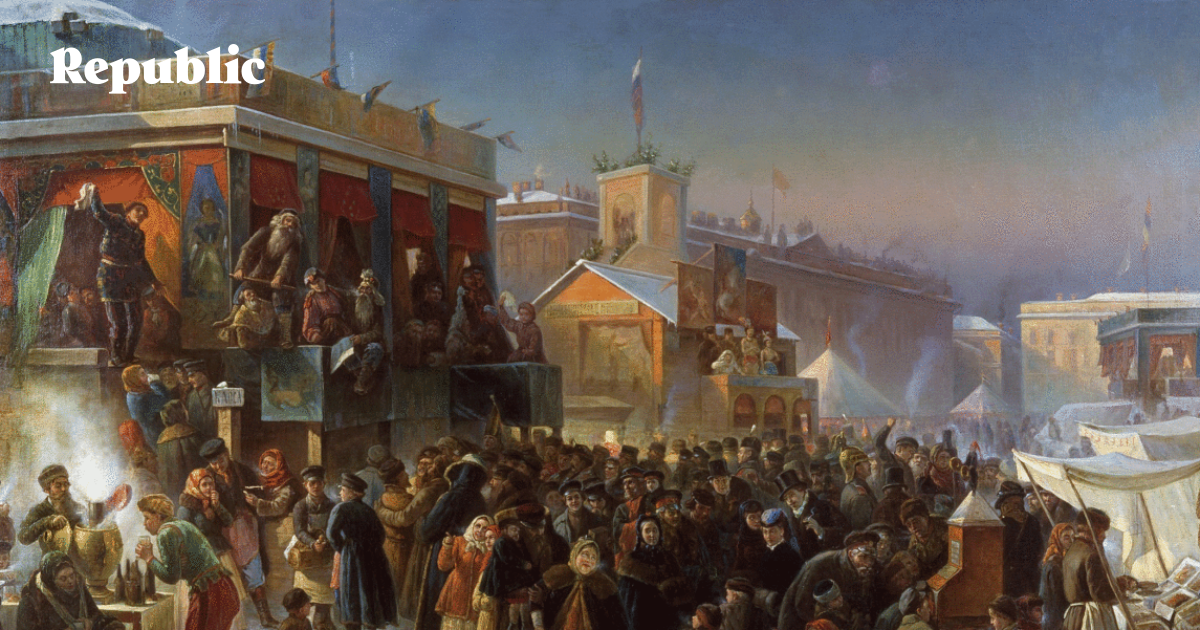
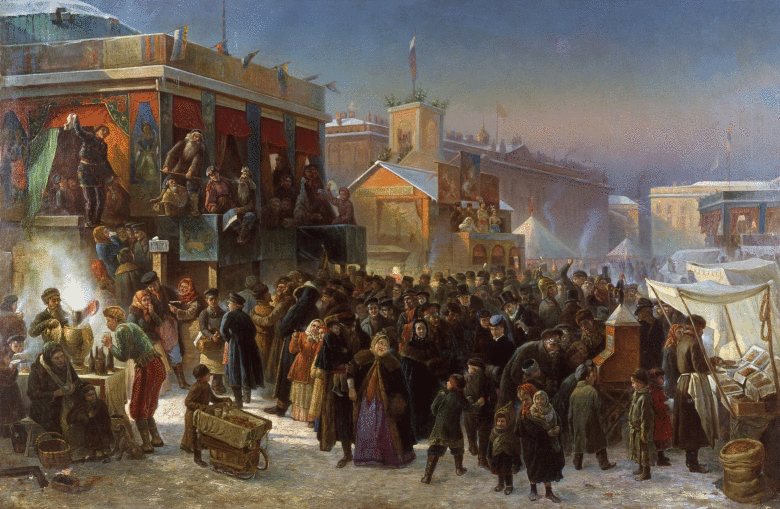
Konstantin Makovsky. "Popular walking during Shrovetide on Admiralty Square in St. Petersburg", 1869
It is difficult to determine how society lived in those ancient centuries when there were no professional sociological research. We know a relatively much about kings, courtiers, commanders and heroes, thoroughly described by historians on the basis of the memoirs of contemporaries, as well as a variety of archival documents, but we know little about the people, their life, work and entertainment (not always decent).
Sources rarely retain information about everyday life, except that the people suddenly rise on a riot and begin to destroy everything around that this pogrom will be worthy of mention. There are sometimes, however, pleasant surprises, when a lot of interesting, although not too joyful information is found.
Honestly, when I bought Oleg Abakumov’s book “The Third Department Stone for Morality and Deanery. Gendarmes in the fight against bribes and vice. 1826–1866 " (Publishing House Centerpolraph, 2017), then, despite the name, he expected, rather, information about the political history of the mid -19th century than about the history of life or morals. Too all we are accustomed to the fact that the separate building of the gendarmes (the executive body of the third branch of its own imperial majesty, that is, the political police of the Russian Empire) was intended exclusively to combat conscious opponents of the regime.
However, in fact, the gendarmes were engaged not only in this. The general struggle for maintaining order in Russia extended to a variety of spheres: from drunkenness and hooliganism to the “undermining of the foundations”. Moreover, the third branch not only took specific actions against various shutters of the foundations of the Empire, but also carried out the analytical work necessary to inform the sovereign about the state of affairs in the company. Employees of the third department, like any serious analysts, collected the necessary information about incidents, and these documents in the archives were preserved. Thus, historians have the opportunity to study the materials of the peculiar “sociological center” of the 19th century and tell us about some aspects of the non -political life of society.
Subscribe to read the whole
Make a subscription Redefine.media to read Republic
Subscribe [you can pay for a Russian or foreign card. The subscription is extended automatically. You can unsubscribe at any time.]
Where are the money subscribers going