
Translated material
Laughter courses
The Ministry of Education broke the procedure for taking students in universities - and it will not be better. Why now prepare to applicants and their parents?
On September 14, the Ministry of Justice registered Order No. 753 of the Ministry of Science and Higher Education on amendments to the procedure for admission to universities in 2022. The second wave of admission, the abolition of which caused the friendly discontent of applicants, parents and employees of the selection commissions of universities, are not going to return. What has changed and what really needs to be changed?
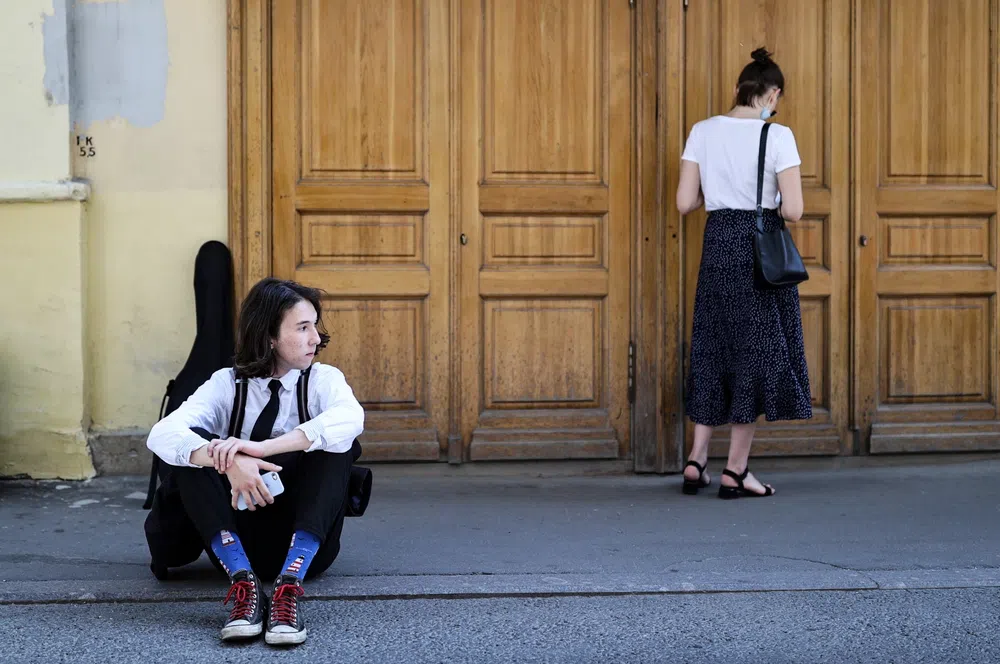
What happened in the summer
Over the past few years, admission to higher educational institutions took place in two waves: 80% of budget places was filled in the first; Those applicants who did not get to the university of dreams still managed to submit documents to another, not the first choice, with a smaller competition. Everyone got used to this order, although he was not impudent and complained about him a lot. However, he allowed the applicants to calculate their strength and time, and to universities to fill out budget places.
In the fall of 2020, the Ministry of Education and Science approved a new procedure for admission : the second wave of receipt was canceled, however, universities have the right to declare an additional set if the budget places remained unfilled at the end of the reception. This, however, was not the only change. If the applicants previously could submit applications to five universities in three directions in each, then in 2021 the number of directions increased to 10 - that is, that is
Each applicant could not participate in 15 competitions, as before, but at 50.
The ranks of applicants were depersonalized: instead of surnames, SNILS or individual numbers appeared there, assigned to universities. The ministry explained this by protecting personal data: they say, applicants used to find each other in social networks - and there were complaints about it. The applicants really looked for other applicants in social networks and on the sites of other universities to clarify plans: is the competitor going to enter this specific direction or holds it as a spare option? Employees of the reception commissions searched for them - with the same goals.
Finally, this year, as in the past, it was necessary to provide the original certificate, as in the pre -quarantine period, but the consent to enrollment.
According to the rules, it can only be submitted to one place (otherwise - deductions), but in fact, the tracking mechanism, how many consent were given by one applicant, was not developed.
The press service of the Ministry of Education and Science, according to TASS, explained the abolition of the second wave by the fact that “the two waves created uncertainty and unequal conditions, and also did the work of the adoptive commissions of the university of chaotic, since universities could not predict the behavior of applicants and ensure the implementation of the reception plan. This led to the incomplete of the allocated budget places. ”
However, there are more chaos, the behavior of applicants - even more unpredictable for universities, the passing score has fallen, the number of problems with filling out budget places increased - and a number of universities had to declare an additional set.
Most of the applicants began to wait even for the last day, but the last hours of admission, in order to as accurately understand their place in the list, evaluate their chances and have time to give consent to another university if the dreams did not go to the university. Therefore, university sites could not withstand the load and fell. In addition, since the consent of the enrollment came to universities not only through their sites, but also through the public services website, and even through postal operators, and these consent were processed later, some applicants were sure of the end of August 11 that they had acted, and only the next day they found that they were ousted from the budget place. Parents and children together called a new procedure for admission to mockery. The universities and the ministry called the behavior of applicants irrational and offered them to better calculate the reception strategy and submit documents in a timely manner.
"We freak out"
The parents of the applicants say: “My son read the procedure for admission and decided not to do this year at all” “We freaked out and did not wait for the results of the reception, they immediately filed for the paid one. And our result, as it turned out, was quite passing. ” “We were saved by something that something did not develop with the execution of the contract, the employees wrote the wrong direction, began to redo it, it dragged on ... And here the last day and three directions to the budget became available. The game is like a roulette, on the nerves of children and parents. ” “A guy with points 96, 100 and 95 on the exam did not go to the desired university for a budget in Moscow, he went to Petersburg for a paid one, cheaper there.” “The points were good, but not the highest. Budget places 66, our 67th. I already counted the stash and was looking for another part -time job, my son was also looking for a job ... half a day before the end of admission, they called him from the institute and said: do not psyche and do not take the documents, a big chance that you will pass. And only on the last day did he still end up in state employees. ” “She ranked 36th out of 35, but we were saved by the time difference: someone took the documents from our university in Yekaterinburg, throwing them to Moscow or Peter, while there was an opportunity.” “All universities closed lists at 18.00, and her university at 19.00. And at the last hour, excellent students ran into other universities. There would be a second wave - it would have passed. Now crying. " “We may have saved us that the university’s website has fallen. And the child went to the budget. If the site worked well, then from seven to nine in the evening they could “squeeze out”. “She went to the budget, but Herzen’s website collapsed, and when she earned, she was lower than the waterline in the list. It was the last evening, went to a paid university in a cheaper university. ”
The children themselves in social networks are much more emotional. “This is not an admission. This is a game on the nerves. " “I don’t know who the“ great ”person who came up with this procedure, but to call, means saying nothing to say.”
“Simply ***, not a system of admission. The wildest random. "
Most are expressed more accurately, but evaluates the new procedure for reception in the same way: “0 points out of 10”, “very unpleasant”, “idiotic system”, “I passed, but almost turned gray from stress”.
As a result, a hashtag appeared in social networks #repair, and on the website Change.org - a petition of applicants with a request to change the procedure for admission; It was signed by 25 thousand people .
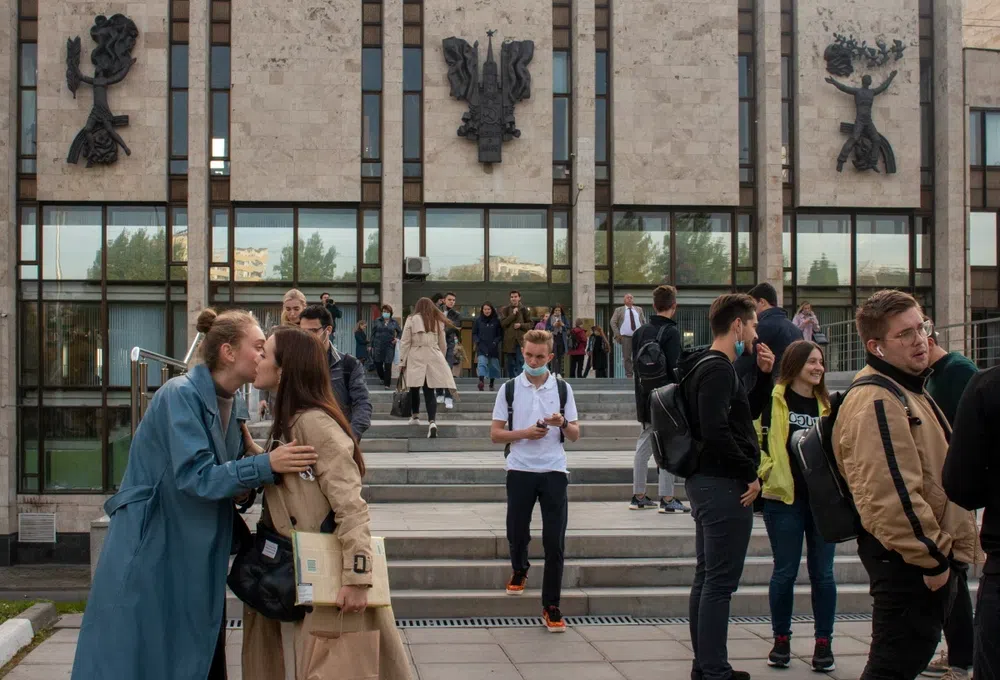
(Ir) rational behavior
The author of the text of the petition - Arseniy Filin, a mathematician and blogger, who leads to YouTube, dedicated to the intricacies of entering universities - explains why the “irrational behavior” in the current situation was the only possible:
-Firstly, the depersonalization of lists does not allow applicants to analyze the strategy of competitors: they cannot clarify their real intentions. For example, there is an aggregator of applicants Admlist.ru ; There, volunteers are trying to collect information every year: which applicants were submitted to the documents, where they submitted consent. Now the information has become more difficult to collect, because somewhere SNILS is used, and somewhere-an individual number that assigns a particular university.
Rounded lists are swollen, because earlier one person took part in 15 competitions, now at 50. Each applicant has a priority: where he wants more, much less, but only he knows about these priorities. He must choose where of these 50 contests he goes. The information that the university gives is the number of remaining places after the Olympiads, beneficiaries and targets and the passing score last year - will not help him very much. What will be the passing score this year - no one knows yet. It is necessary to estimate the intentions of competitors: will they bring consent or will not bring? Previously, you wondered that only every 15th of competitors wants to go there, and now-that every 50th, however, adjusted the prestige of the university. What analytical warehouse of the mind should be possessed to analyze this array of information?
I tell you as a mathematician that it is impossible to predict this with at least some proper probability.
There are already special offices, which for money, on average from 30 to 60 thousand rubles, will be added for you, what chances you have, they have basic points of past points of past years.
They have statistics that they collect, there are empirical formulas by which they can evaluate whether you go to this university or not, plus they will explain to you the rules of admission. But this is nonsense! You paid the tutors, you received a USE score, and now, in order to hand over documents and get a well -deserved budget place, you must pay again. But at the same time, such services are really value.
Naturally, applicants cannot calculate it themselves. To evaluate their chances of admission, they must wait until those who are above them in the lists will bring consent to enrollment. Therefore, hell occurs on the last day. I know from the heads of techniques of many universities:
Approximately 15–20% of applicants bring their consent within a month, and all the others - on the last day, or rather, in the last hours.
This behavior of applicants is quite rational, it is described by the theory of games - for example, a dilemma of two prisoners . If all the applicants knew that they would all take care of each other together and would evenly submit documents, it would be beneficial to everyone. But it is beneficial for you to wait until everyone else fuses consent.
Many of those who conscientiously consisted in advance were replaced from the budget in the last hours. And then they themselves had to replace someone else from another university, often in the last minutes, and those else-someone else; So the avalanche effect is created. Therefore, the second wave was better: those who were replaced in the last five minutes remained a second chance.
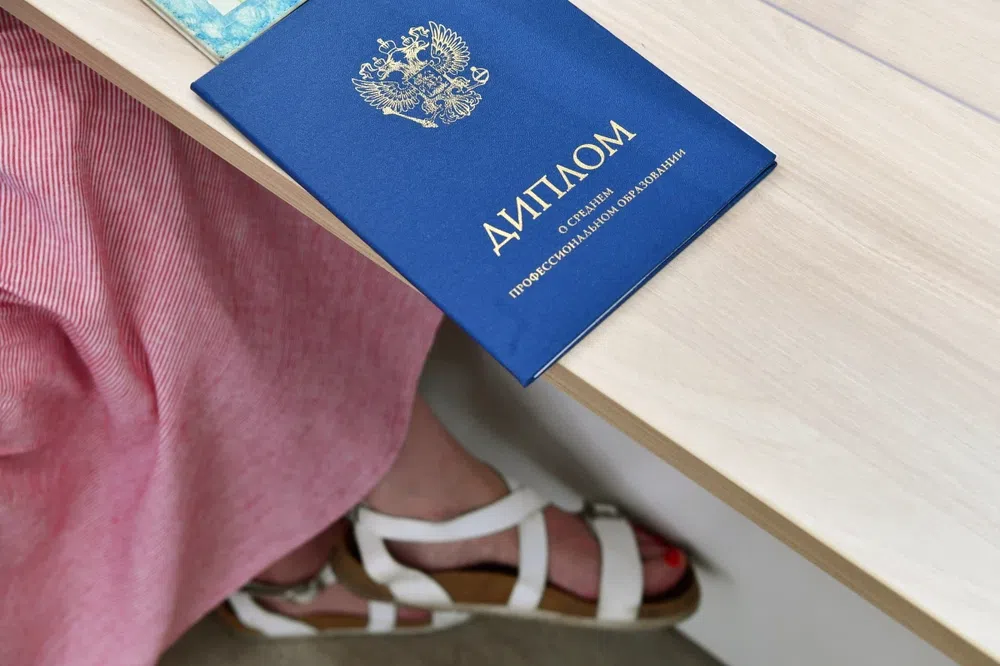
Equation with all unknown
For employees of the emergency selection commissions, the current campaign was also not easy. Leading researcher at the Moscow State Pedagogical University Lyubov Borusyak says:
- On our part, the difficulty looked like this. The first - consent was possible to serve in several places at once, and many then forgot to take these consent. It was necessary to call everyone many times and ask where he was going to be consent. Inside the university, we see according to our system in what directions are consent. But we look at all potential universities-competing, and it is very difficult to find them on SNILS. At the same time, many universities specially dragged on with the publication of ranked lists - apparently because they were afraid of outflow.
The second - there are more and more applicants who do not solve until the last minute. The most complex applicants are those who have the highest points. They are afraid to cheat, rush back and forth, take the consent, then put again.
And most importantly, this is a monstrous nervous burden on people who played this year - both parents and applicants: nothing can be fixed.
This is a serious load for us. Many universities are not really engaged in a set. Those who are engaged - they all endlessly call up, because this is an equation with such an number of unknown ones, which is just horror.
There are always undemanded, but we have never had so many of those who were induced until the last moment.
Who benefited from this?
- There are no winners among universities. I like to monitor passing points compared to last year - they fell in many places, ”says Lyubov Borusak. - Many universities received stronger applicants, but this is the top of the list, and the points were sank below. Even in top universities, a passing score was greatly sagged in many directions - you probably heard about the scandal with the separation of mechanics at the MHMAT MSU, where the passing score fell by 77 points . This is not because the mechmat of Moscow State University is no longer quoted. Of course, the point on the mechanics is always lower than for mathematics, but many were just afraid to go to Moscow State University - what if you won’t do it? - And preferred the conditional Mai.
Many of those who could go to universities of the Major League were scared and went to universities of the first, second and third. The first league universities sank through the first league, and some simply did not score the budget.
And it turned out an unfair redistribution: this time the applicants did not have the right to make a mistake, and many went to the university lower than the one they could count on. The guys with weaker points and stronger nerves won.
Arseny Filin has the same observations:
- In secondary universities - an increase in the passing point, and in the top -ends ... Well, you, of course, heard about Mehmat. But in fact, graduates are simply afraid to go there. And on the lower line of the passing point are those who are not afraid, but want to at all costs to this university - who do not need to be in the army, or who has sufficient welfare and they can at the same time on the budget and on the paid one, they do not have an incentive to rush about.
Sociologist Ekaterina Aleksandrova, an expert on admission to universities and a production manager of the Vuzline project, notes:
- They lost universities who lost the influx of applicants. Who shouted joyfully on their sites: and we have a competition for a place - almost 500 or a thousand people in place, like the St. Petersburg Polytechnic. And on August 11, when it was necessary to file consent, their site simply lay down, and people had to throw consent in the chats in Telegram. As a result, they could not process even those statements that they submit to them. The universities that had to declare an additional set and additional enrollment also lost.
An additional set can also hardly be considered a good solution to the problem - primarily because it is completely opaque and is not regulated by any general documents.
- Universities can arrange an additional commodity among those who initially submitted documents to them, they can, among all, can announce this additional on their website at any time, but may not announce. They can call a completely left applicant on the phone and say: Vasya, we have an additional forpnobor here, come to us, we will enroll you. This extranobor opens up great opportunities for corruption, ”says Arseny Filin.
-The university may not announce the additional forpnabra, to hold its several places, and then offer someone, the price of the question is such and such. The action “Only today is a budget place, we will inform you by phone,” Ekaterina Alexandrova is ironic.
How to fix a reception?
The simplest way out of the situation seems to be the return of the second wave. But it does not solve the problem of submitting documents on the last day, but only slightly facilitates it.
Another solution is a single rating system of applicants in all universities; That is how, centrally, now there is an admission to universities of Ukraine. There, in the general rating, quotas are taken into account, the right to priority enrollment, the number of points in exams and other indicators; The results with the recommendations for enrollment are published on the same day for the whole country.
The creators of the aggregator Admlist.ru describe a system based not only on points, achievements and benefits, but also on the ranking of a graduate’s preferences: “The applicant receives its USE points, olympiads, individual achievements, disability certificates, etc. (Everything is like now). Puts, for example, 15 educational programs in priority. If the applicant does not take place according to the first priority, then he participates in the competition in the second, if it does not go through it - on the third and so on. If he gets in some kind of competition in the CCP [control figures of admission], but pushes someone, then this pushed applicant passes according to his next priority and so on. As a result, it turns out that for a single applicant there is no weaker than him in any more priority competition. Justice occurs, ”they explain ( more here ).
This system is based on the Gail algorithm (by the way, they received the Nobel Prize for Economics in 2012 for their opening), the essence of which is intelligibly explains the mathematician Alexei Savvateev in his video, leading the popular blog “Matult-Priece!”.
Lyubov Borusak is also talking about the same thing:
-The rating system would be ideal-a unified system of universities, and a person would distribute his preferences from the first to 15th place-and it would be a simple set, and this would be very stimulated by applicants who want to go to a good place, but they would not care at least think.
- The sorting algorithm is proposed quite working and existing for 70 years. There is a list of priorities in the head of each applicant. But he does not know this about competitors, and the foster commissions do not know this. So let him say it, ”says Arseny Filin. -And then we are forced to look for these children by last name, ask them what they really want, the state forbids to seek them out, depersonalizing lists, there are some aggregators of applicants who are trying to analyze the information, the foster commissions call them and ask: do you really want to sign up here? Some kind of nonsense. Let him immediately give a list with his priorities, and the system will automatically sort. Now he manually takes the consent, so let it be automatically submitted, and let him send the list in advance. С математической точки зрения это вполне реализуемо. Количество операций вполне разумное, так что это не создаст нагрузки на сайт Госуслуг — в отличие от нагрузки на сайты вузов сейчас.
Instead
Ничего этого министерство вносить в порядок приема не собирается: в только что утвержденном приказе № 753 нет ни второй волны, ни рейтинговой системы. Что же изменится в будущем году?
Екатерина Александрова замечает:
— В соответствии с этим приказом вузы должны разработать и к 1 ноября опубликовать на своем сайте правила приема. А изменения, как указано в документе, вступают в действие с 1 марта. Значит, эти изменения не будут отражены в том порядке приема, который сейчас будут публиковать вузы. Наше экспертное сообщество полагает, что Минобр занял выжидательную позицию, связанную с эпидемиологической ситуацией. Если все пойдет штатно, если сроки ЕГЭ не передвинут, то на следующий год нам скажут: вот, мы разработали поправки, на них и смотрите. А если что-то пойдет не так, то скажут: мы этими поправками пользоваться не будем, а снова разработаем «Особенности приема» [дополнительный приказ], как в 2020 и 2021 году.
Основные изменения таковы.
Во-первых, возвращается требование предоставлять оригинал аттестата.
— От этого проиграют те абитуриенты из регионов, которые в последний момент понимают, что не поступают в московский вуз, но уже физически не могут отвезти оригинал аттестата в местный вуз, — комментирует Екатерина Александрова. — Или, к примеру, в регионах только по одному медицинскому университету на регион. Один в Смоленске, один в Краснодаре и так далее. Если ты не проходишь в своем городе, ты должен ехать в соседний, а у тебя машина может сломаться. Предоставление оригинала аттестата — один из главных факторов, на который надо обратить внимание родителям абитуриентов, и исходя из него, формировать стратегию поступления.
Во-вторых, вузы теперь обязаны обновлять ранжированные списки не пять раз в день, как раньше, а только при наличии изменений. Это очень неудобно для выпускников. В-третьих, вузы не обязаны публиковать приказы о зачислении — только обезличенные сведения о поступающих с количеством набранных баллов. Эти списки должны храниться на сайте вузов не менее полугода.
Есть и еще несколько менее значительных изменений, которые касаются не всех: так, олимпиадников несколько ужмут в правах: скажем, те из них, кто стал победителем или призером и Всеросса, и «перечневой» олимпиады, раньше могли использовать свое право поступления без экзаменов по каждой из этих категорий по одному разу, а теперь — только один раз.
Обладателям значков ГТО, наоборот, расширят права: будут учитываться не только золотой, но и серебряный.
Забрать оригинал аттестата из вуза можно будет только до зачисления (а поступить по целевому набору, отчислиться, попробовать быстренько перепоступить в другое место, а потом вернуться обратно — уже нельзя). Есть и другие изменения, о которых можно прочитать или в приказе Министерства, или в подготовленном специалистами Vuzline обзоре .
Что делать абитуриентам
Читать новые правила приема, определяться с комбинациями ЕГЭ на предпочитаемых направлениях и составить хотя бы для себя осознанный список предпочтений.
— Обязательно скажите родителям, что самое главное наступает после ЕГЭ, — советует Арсений Филин. — Они столько сил и средств вкладывают в подготовку к ЕГЭ, а потом оказывается, что их ребенка обошел другой, у которого более низкие баллы, но более продуманная стратегия поступления. Обязательно надо смотреть средний балл на нужных направлениях, пока вузы не стерли информацию прошлых лет, и не слишком много внимания уделять проходным баллам, они более случайны. Аналитика по этому году показывает, что в среднем по Москве надо добавлять восемь баллов к проходному, чтобы попасть в средний балл.
Екатерина Александрова поясняет:
— Мало кто среди абитуриентов понимает, что проходной балл скачет из года в год, на него влияет множество факторов: изменилось ли число бюджетных мест, однопрофильный или многопрофильный конкурс, какие профили заявили в этом году, сколько пришло олимпиадников, изменился ли перечень вступительных испытаний. Средний и медианный [равноудаленный от начала и конца списка] балл более стабильны, но на них никто не смотрит. Большинство вузов его даже не публикуют на своем сайте. Если его не публикуют, считайте его сами, тогда не придется трястись, поступим мы или не поступим с 290 баллами. Надо смотреть не на те показатели, на которые смотрит большинство.
— Раньше мне казалось, что те, кто лучше всех сдал экзамены, наиболее мотивированы в выборе специальности, — делится Любовь Борусяк. — Ничего подобного — они как раз в большей степени мотивированы найти что-то самое крутое, чтобы свои баллы просто так не растратить. Даже олимпиадники тоже так себя ведут, особенно если не уверены, что поступят в какое-то хорошее место, где их олимпиада не засчитывается. Я и им звоню по пятьдесят раз, но они говорят, что еще не решили. Всем кажется, что они не поступят, даже если у них по 306 баллов, и они тоже ждут до последнего момента, потому что не верят. И я всегда, когда обзваниваю абитуриентов, говорю, чтобы не смотрели на рейтинговые списки, потому что абсолютное большинство ребят с высокими баллами не идет на программу. По моим опросам, не более 10% абитуриентов осознанно, осмысленно, мотивированно выбирают направление — даже самые высокобалльники. Главное для них — это набор ЕГЭ, и уже второй вопрос — и куда с таким набором попадаю. Они не исходят из вопроса «что сдать, чтобы попасть куда хочу». У ребят, которые сдают более сложные экзамены, больше понимания. А где берут самый простой набор — «русский — обществознание — английский», — там кажется, что возможностей больше всего, и там меньше всего понимания, чего ты хочешь.