
Translated material
A person is stronger than history, the family - all the more
Roman Boris Minaev - about the surviving Muscovites
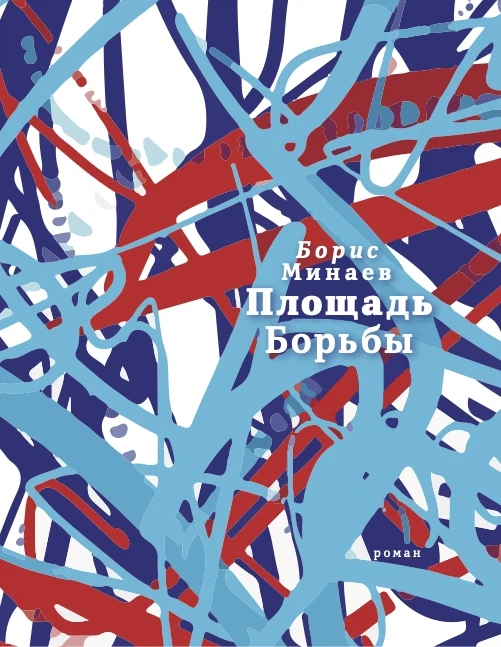
Boris Minaev (Time, 2021) is a family epic novel covering a huge period from the thirties almost to our time. Usually critics write like this: the author showed the spirit of time, made it possible to feel the hot breath of history through the fate of several quite ordinary families. Minaev acts exactly the opposite.
For him, the family is the main thing, and the whole terrible Russian history of the 20th century is just circumstances that must be overcome. Sometimes grandiose, sometimes quite ordinary.
In fact, all his books about it. And the dilogy "Childhood of Leva", and "Genius Judo" (not about Putin). And the semi-eerotic collection "Cowboy Malbore"-about how the girls of the 80s loved and survived. Both the “batist” and “cloth”, leading away in pre -revolutionary times. All this is about the same thing: about people who can hardly overcome the resistance of time.
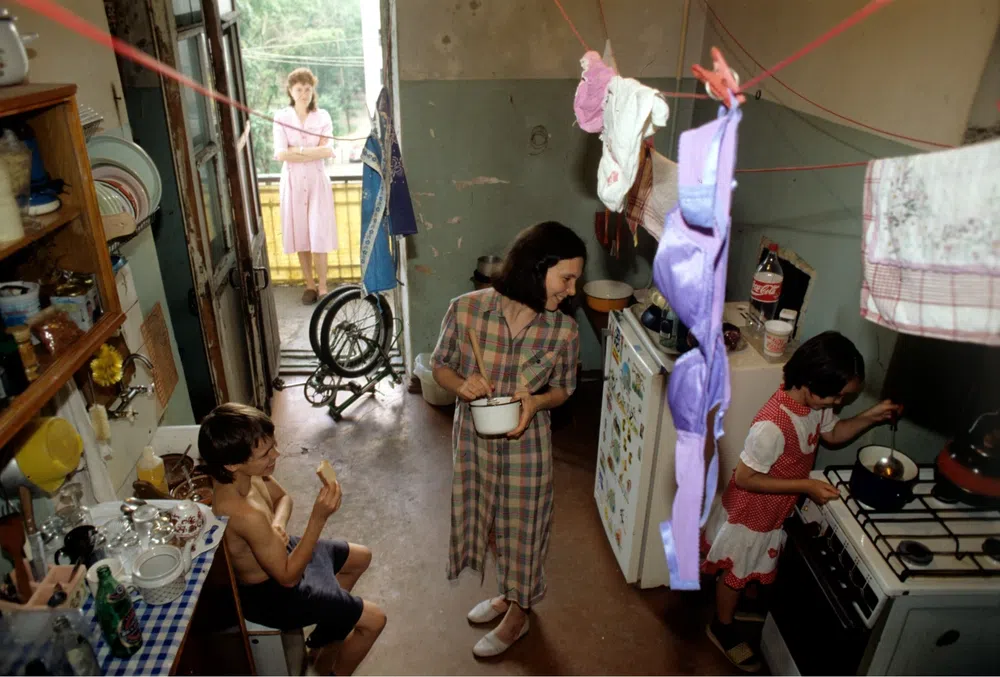
There are many of them, thousands. Especially densely populated by the characters "Square". They hide from terror, give birth to children, lie, get sick, fall in love, start pets, go to graves to each other. And then they die, and children come to the graves.
This is the people. You read and think: so where we came from.
Minaev’s heroes are closely on the tiny piece of Moscow land, where the author placed them. The crooking prosthetics of Aronych, librarian Svetlana Zayatag, who cannot sleep at night, the Kanevsky family, stoically endure the horrors of war, peasants, intellectuals, thieves, officials, old people. People, people, people ...
And the “struggle area” is a small square, where the monuments to Venichka Erofeev and his beloved with a scythe to the priest are now standing now. Behind a ten minutes walk - Butyrskaya prison. Ahead at the same distance is the theater of the Soviet Army. Now it is Russian, but the essence of this does not change. You raise your head and rest on the fence of the tuberculosis institute. On the left - MIITS, SINAGOGA, Streletsky streets. The heart of Maryina Grove.
It all started here, in the front garden and wooden houses, at that time when there were no massive Stalin buildings, and even more so panel high -rise buildings, they appeared later. But the essence, I repeat, is the same - the germination of the human through a story that does not care about a person.
I won’t retell the plot, these are a few quotes by which you will understand everything.
"The whole country at work turned into a family in order to defend from the authorities, from the general disorder and rigidity of life, from anger and hatred, from a sense of loneliness."
Understanding, right? We are talking about the chemical institute in which Marina works, one of the heroines. And there could be television and accounting, the office of the company, but anything. The 50s, 70s, 2000s-in this sense, nothing changes. Time in Russia is very strange. It seems to be going on, rushing, entire historical eras are born before our eyes. But at the same time, everything remains as it was. There are still eternal values. From the same chapter: “Any thing can be made eternal. The same will be with people. And with love. On the streets, along this street Gorky, for example, people will walk who will not grow old. ”
Death lives next to the heroes of Minaev, as a neighbor in a communal apartment. How else? Arrests, war, post -war hunger, illness, old age. There are so many around it that people get used to her presence, but at the same time refuse to put up. “Well, who was supposed to die? Nobody! No one had to die, everyone had to live, but this simple task turned out to be excessive for normal people. ”
And even when suddenly the world and relative well -being come among this nightmare, they no longer believe in it. “The world still finally came-also for thirty years, or maybe even forty or fifty, but not forever. It does not happen forever. ” Those who talk about the end of the story lie to us - she did not end, she just hid for a while.
Minaev, of course, did not just call his novel. This is a symbol, a hint that we have to constantly fight, instead of just living. But the struggle is struggle, but we still live, and this is the most important thing. Singer Julia Teunikova once told me: "The country with a terrible, unhappy fate, but completely unable." About this "Square of the struggle."