
Translated material
Benjamin Chistelov and others. Ninth action of the memory of repressed cultural figures
This is a personal blog. The text could be written in the interests of the author or third parties. The 7x7 editors are not involved in its creation and may not share the author’s opinion. The registration of blogs on 7x7 is open for authors of various views.
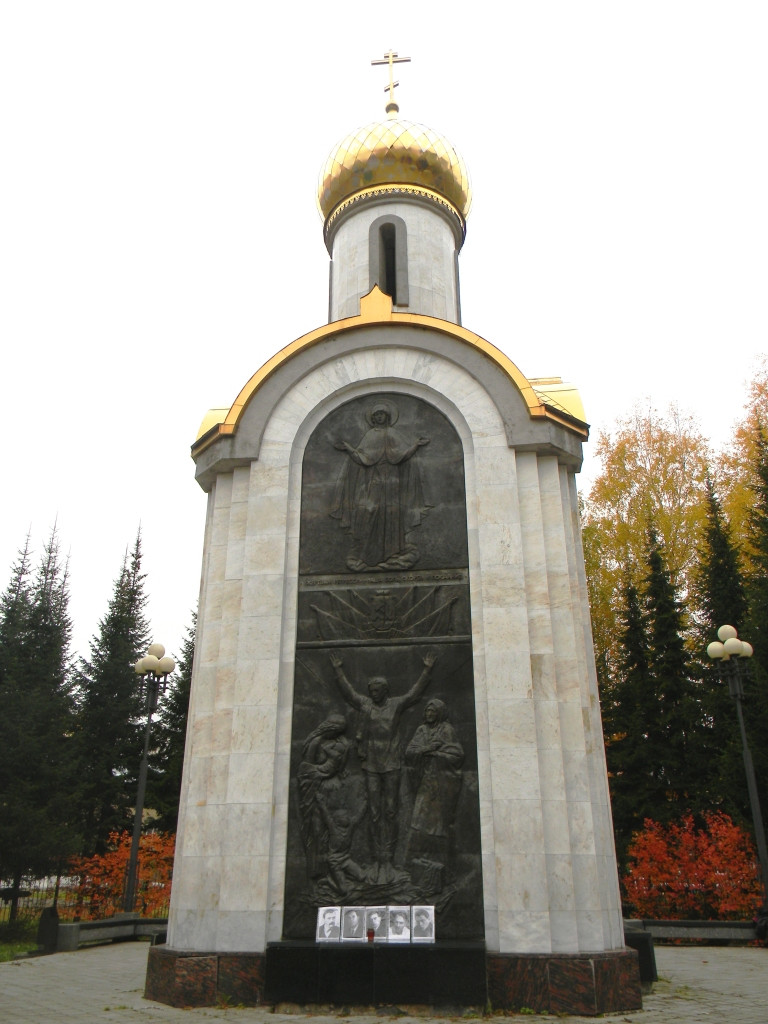
She took place on Thursday, September 30, in Syktyvkar near the chapel-memorial dedicated to the victims of political repression. And her heroes were the writer Veniamin Chistelov, linguist Grigory Nechaev, director Boris Semyachkov, artist Boris Sveshnikov and poet Ivan Simakov. All of them passed away in October. The organizer of the action was the Komi Branch of the Russian Memorial (*).
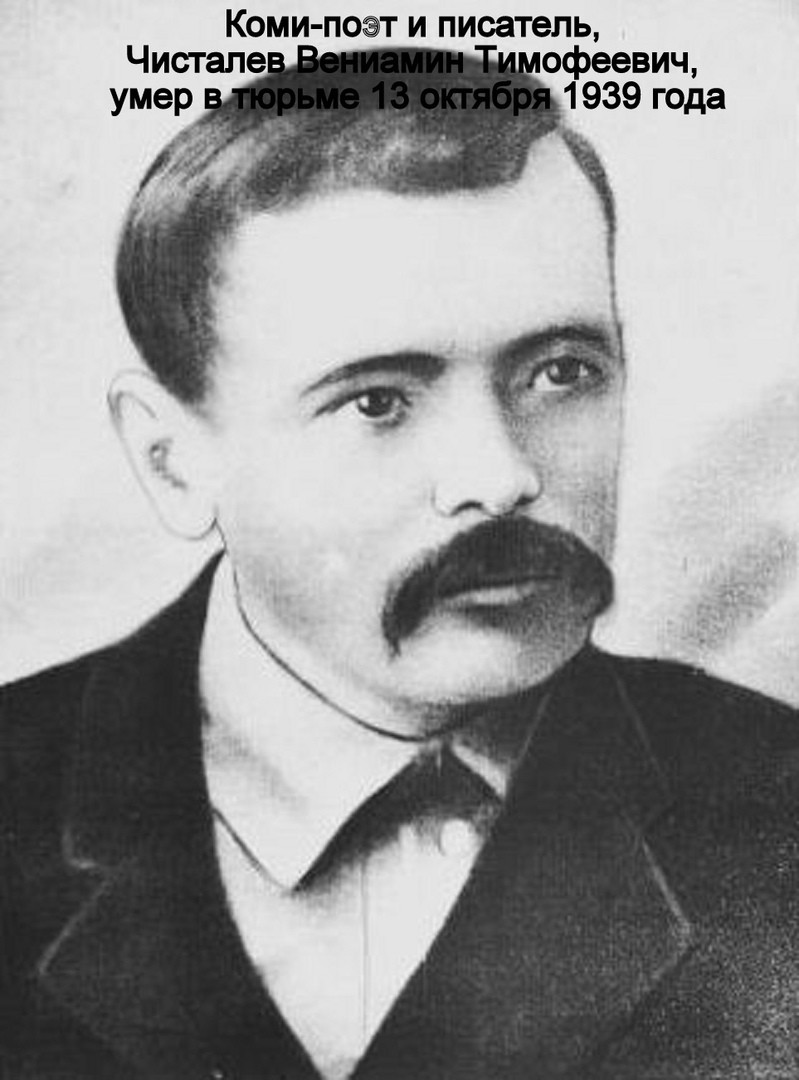
A native of the village of Podzdino Veniamin Chistalyov went through the First World War, in 1917 he returned to his homeland and took up teacher activity, as well as the collection of Komi Folklore and writing poetry, stories, essays, sketches and lyrical sketches. In the 1930s, he became a recognized leader among the Komi writers, but in 1937 he was arrested, accusing him of "bourgeois nationalism." He died in the Syktyvkar prison hospital. The place of his burial is unknown.
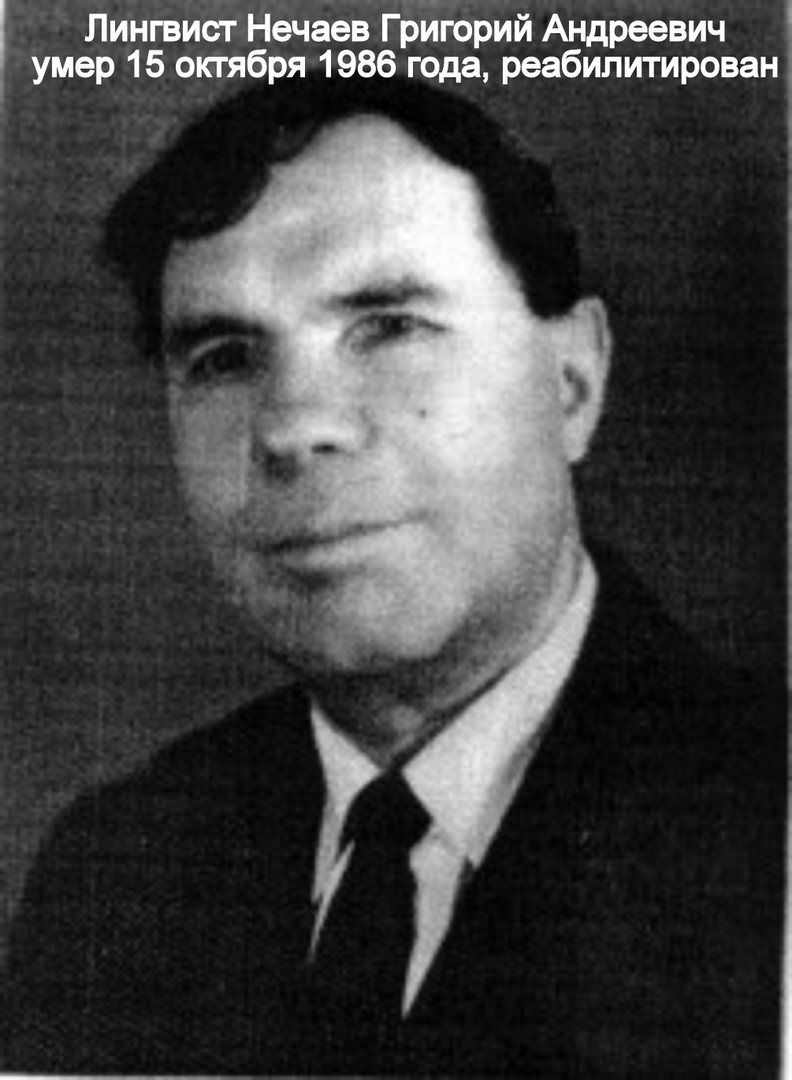
Komi-Permyatsky linguist Grigory Nechaev was born near Kudymkar, studied at the Ust-Sysolsk pedagogical technical school of high-type, and then at the ethnographic department of the ethnology faculty of Moscow State University. After graduate and service in the army, he headed the department of the language at the Komi Pedagogical Institute. He was repressed in 1937, serving his sentence in camps on the territory of the Komi Autonomous Soviet Socialist Republic. Rehabilitated in 1955, after which he again headed the department of the Russian language of the KGPI. He published a number of scientific papers, in particular "on the issue of the grammatical category of animation and inanimate in Komi language." In the last years of his life, he worked as an assistant professor at the Russian Language Department of the Taganrog Pedagogical Institute.
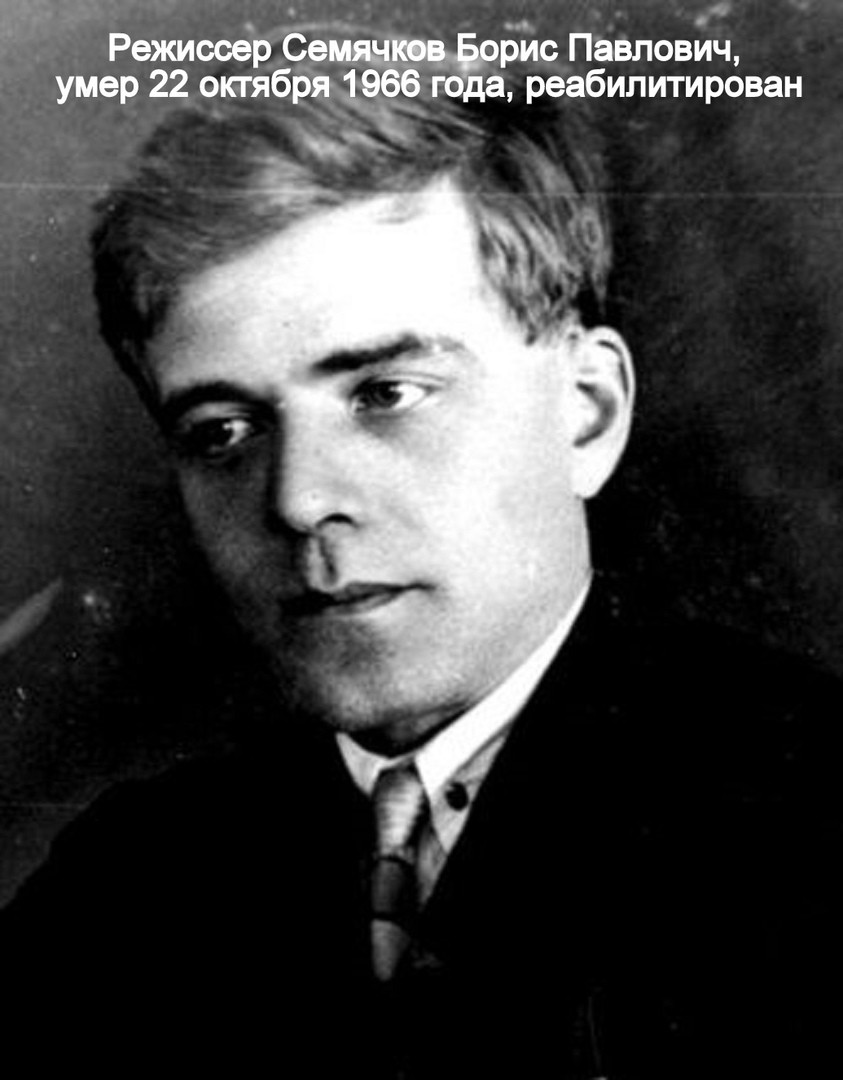
The first professional commander Boris Semyachkov was born in the village of Koygorodok. He remained an orphan early, at the age of 12 he ended up in Moscow, hesitation. In 1922, he became a pupil of Chon (part of the special purpose), who guarded the Central Committee of the CPSU (b). In Moscow, he served in the army, studied at the Rabfacian Arts. He received his first term for hooliganism. Having been released, he arrived in Syktyvkar and entered the Mobile Theater as a director in Komi. Put the plays of Victor Savin. For some time he studied in GITIS on the course of Nikolai Okhlopkov, but the university did not graduate, returned to the Komi Autonomous Soviet Socialist Republic and became the Khudruk of the announcement of the collective farm-house-house theater. On May 12, 1941, for a careless word addressed to Soviet reality, he was arrested and convicted by the Supreme Court of the Komi Autonomous Soviet Socialist Republic under Article 58-10 of Part 1 of the Criminal Code of the RSFSR for 10 years in prison. I got into the fuel and energy complex-the theater and pop collective of Sevgeldorlag, located in the princess. The Komi Republican Drama Theater was again able to return only in 1960.
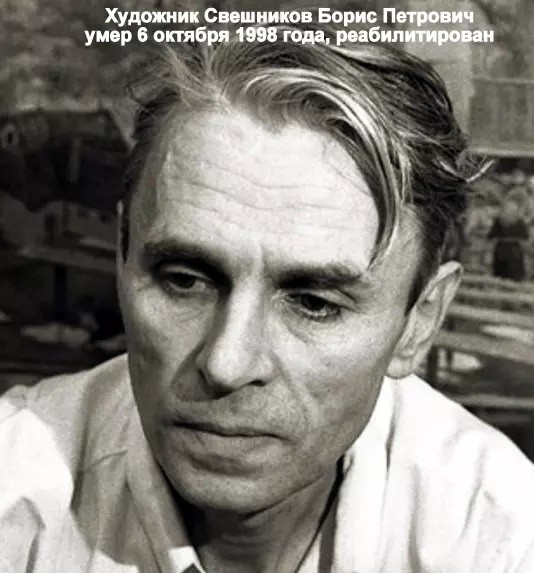
The famous Russian painter, graphic, book illustrator, representative of "unofficial art" Boris Sevshnikov was born in Moscow in 1927. He was arrested on charges of anti -Soviet propaganda in 1946 while studying at the Institute of Applied and Decorative Arts and sent for eight years in Ukhtimlag. In 1954, having served a deadline, he returned to Moscow. Its main work was a huge cycle of camp drawings, which made a sensation at exhibitions of creativity in camps and links held since 1990 by the Memorial society (*).
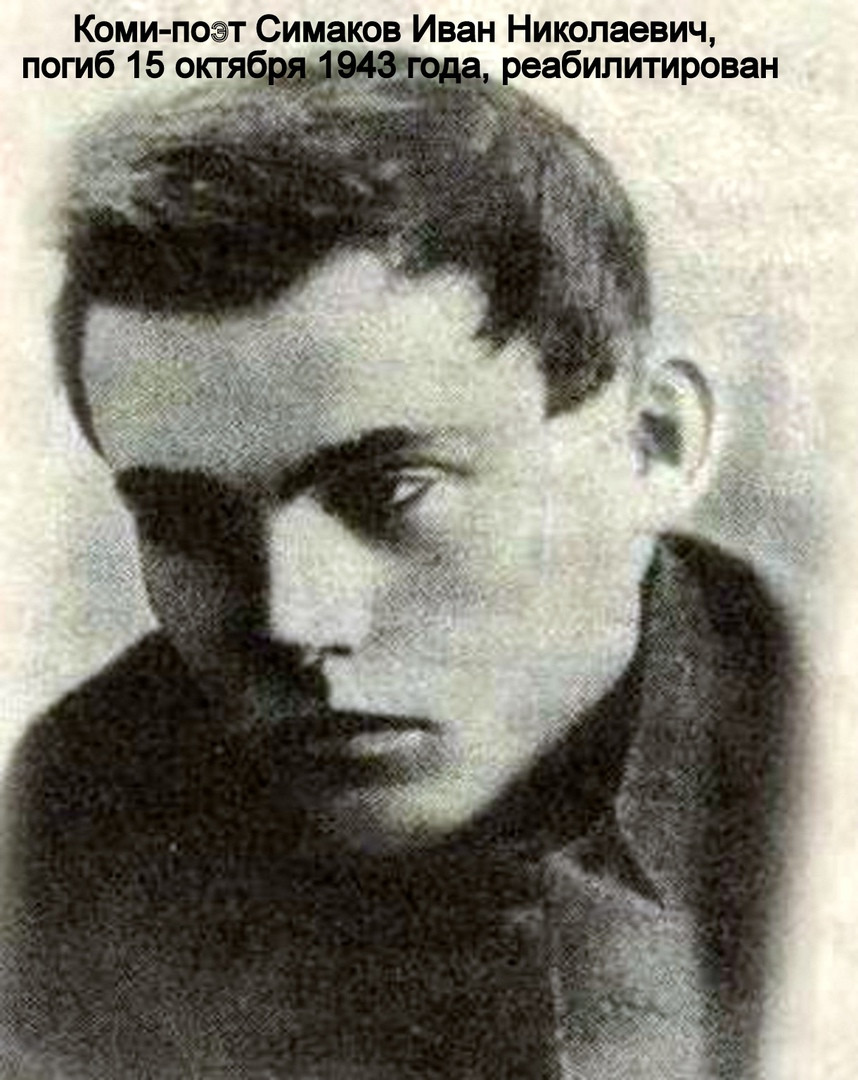
Ivan Simakov was born in 1906 in the village of Lasim now Syktyvdinsky district. He graduated from the regional co -school school, worked in the editorial office of the Izhema District newspaper Göd Pechora (Krasnaya Pechora) and in the regional newspaper Vörledzis (Lesrub). He wrote poetry about his native village, about youth, also became famous for his satirical works, parodies on his colleague writers. On August 16, 1937, he was arrested, the Supreme Court of the Komi ASSR determined the term - 10 years of the camps, but the Supreme Court of the RSFSR did not approve the verdict, the case returned three times to the revision and was terminated for insufficient evidence. At the very beginning of the war, he was drafted into the army and sent to the front. He died on October 15, 1943 in one of the battles for Mariupol.
Bright memory!