
Translated material
Nine days Kosovo
Partially recognized Balkan state rebelled once again
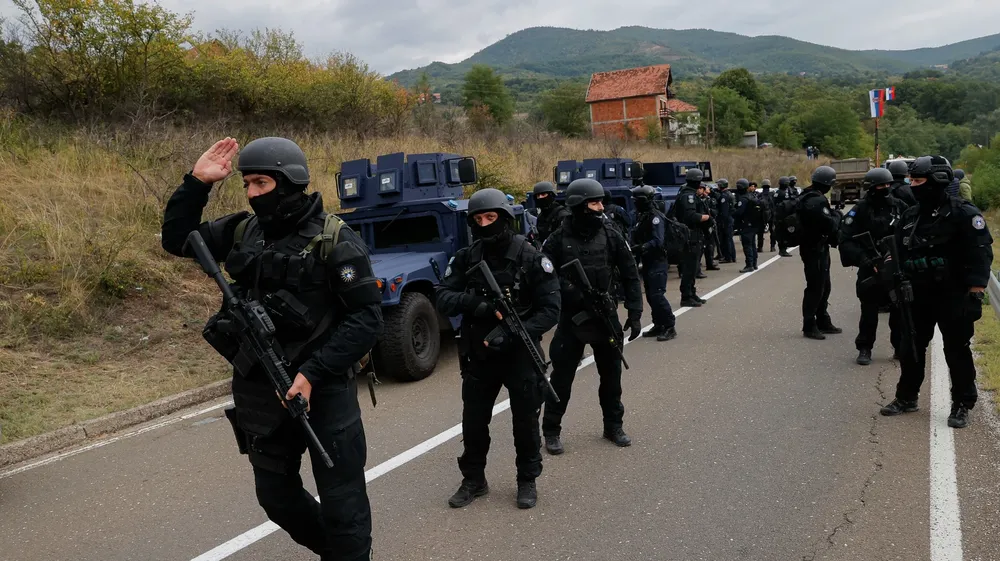
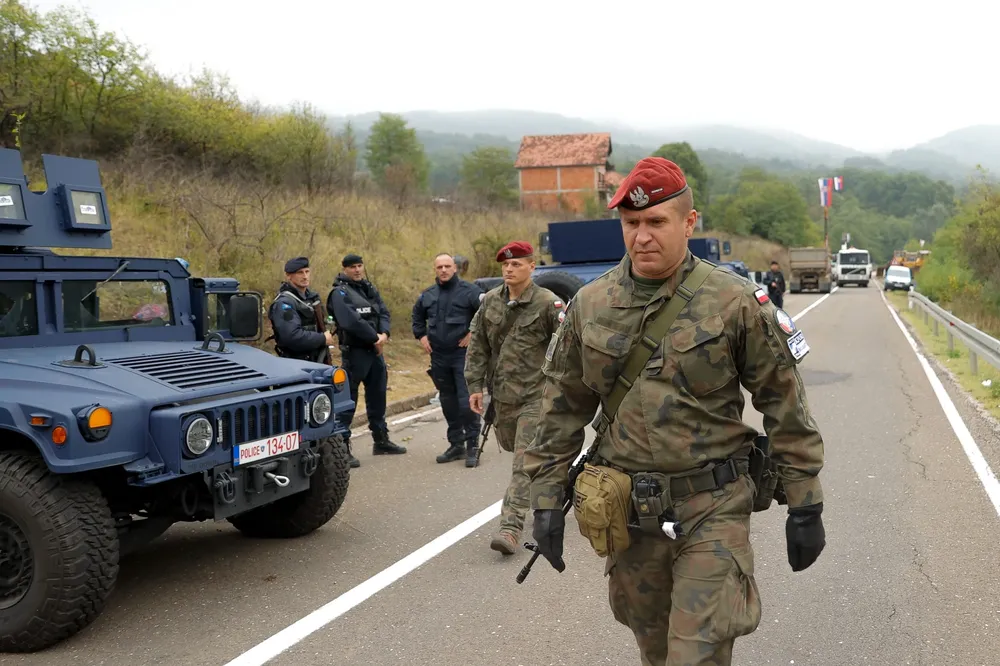
In the last decade of September, in this place of the Balkan Peninsula, it was hotter than usual. Above the administrative line of distinction between Serbia and its former part - Kosovo - combat aircraft flew, tanks and armored vehicles were transferred to the border, police and special forces hung with weapons with their characteristic, as well as everywhere in the world, with an expression of gloomy determination on their faces replaced each other at combat posts. The fundamental question was resolved: Protina forced all motorists with Serbian numbers to change them to temporary Kosovo, and living in Kosovo, and just in the border areas, ethnic Serbs were indignant, demanded that they cancel and blocked two intersection of the administrative line - Yarina and Brnyak.
Political self -awareness prevented Kosovo Serbs once and for all: this would mean to admit that they live in an independent state.
At the same time, not a single sympathizant of the Serbian side wanted to recall that Kosovars introduced their barbaric rule on the principle of reciprocity.
Kosovo drivers pass through the exactly the same procedure, moving to Serbia: they remove their numbers, put a piece of paper with a temporary number, for two months, for which five euros are put under the windshield.
Starting from September 20, “military” reports began to come from the areas of the confrontation: how many armored vehicles, where and at what distance it moved, how the Kosovo special forces Rosu dare to appear here at all, etc. The peaceful Serbs arranged on the Kosovo side something like observing points in the open air-they were on duty at the tables, right by the road. There were also enough operational messages of a political nature: the general secretary of NATO Jens Stoltenberg, Chairman of the European Council Charles Michel, the head of European diplomacy, Josep Borrel and representative of the Russian Foreign Ministry, Maria Zakharova, shared their opinions about what is happening. The barricades and the location of the troops on the Serbian side were visited by the Ambassador of Russia to Belgrade and the Russian military attache.
Serbia President Alexander Vuchich used an unexpected, in general, turning events around car numbers with his inherent affectation: he introduced increased combat readiness of the troops. At the same time, swearing that he would not give offense to the Kosovo Serbs (there are about 100 thousand of the total population of Kosovo at 1.77 million), and assuring that there would be no war, Vucich took advantage of the situation to raise the current conflict to a higher level. For the hundredth time, he recalled the refusal of Profina of the creation of the Commonwealth of Serbian municipalities (SSM) in the north of Kosovo, as provided for by the Brussels agreement of 2013 on the normalization of bilateral relations.
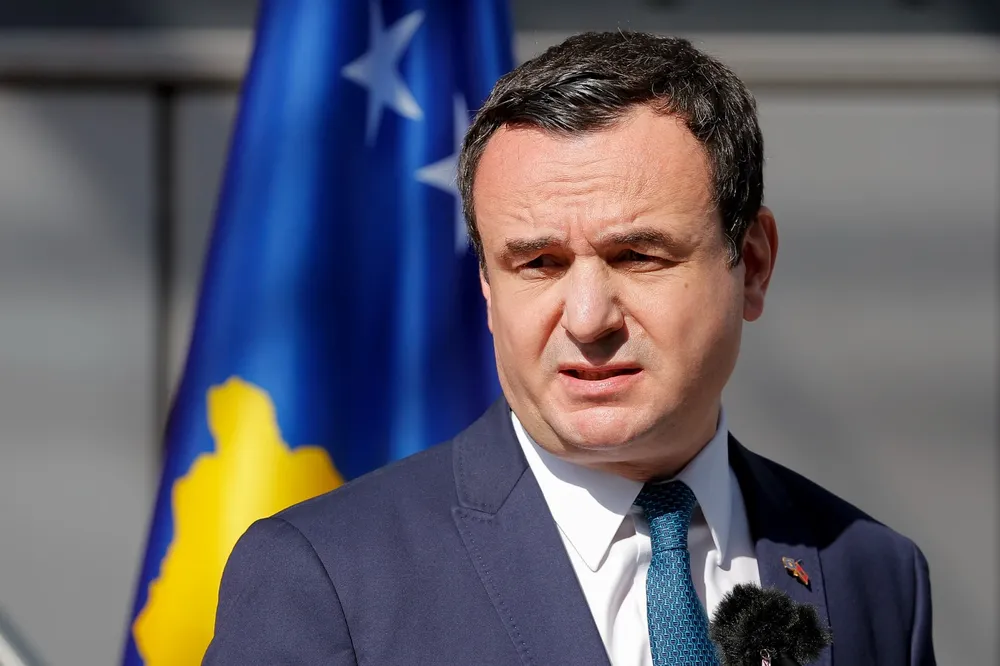
It seems that this really may not happen: the current authorities of Kosovo, led by Prime Minister Albin Curtain, do not share ideas about such a settlement in which the SSM will turn into another Republic of Serbian (Entit in Bosnia and Herzegovina - Big) and block the path of Kosovo to large Europe. This is what happens to the Big.
As for Alexander Vucic, more than anything, he wants to bring his country to the European Union, and this is impossible without Kosovo settlement.
Historical time allotted by Vucich is gradually declining. Now he has a fully controlled folk buying, which could approve any strategic decision of the executive branch, but in early April 2022, parliamentary and presidential elections will simultaneously take place, and the situation may change.
After nine days of confrontation, the conflict was resolved quite corny. The intermediary of the European Union, for Kosovo settlement, Miroslav Laichak managed to force representatives of the parties to the negotiations in Brussels-the director of the office of Kosovo and Metochia under the government of Serbia Petar Petkovich and the deputy minister Kosovo Besnik Beselimi. Upon an agreement reached, the KFOR (Kosovo Force) - a military mission under the leadership of NATO, responsible for ensuring stability in Kosovo; Rosu units will return to their bases, and the roads will be unlocked.
Car numbers both in Serbia and in Kosovo will stop shooting, gluing state symbols on them with special stickers.
Each side felt like a winner. The Albanians realized that it was impossible with us, said Vuchich. Now the Serbs began to realize what reciprocity is, Kurti said. But in reality, the incident with the numbers reached the benefits of the general case of the solution of the Kosovo problem, since he again drew the attention of all interested actors to it.
Fresh initiatives are expected from the new US emissar in the Balkans Gabriel Escobar, who replaced Matthew Palmer; He worked in Montenegro, Serbia and the Republic of Serbian and knows the region very well.
Some expects that after the change of power in Germany, the idea of exchanging territories between Kosovo and Serbia will be reduced again. Alexander Vuchich and the then President of Khashim Tachi in the summer of 2018 reached a preliminary agreement according to which Serbia would have departed the communities Leposavich, Zvezdin and Zubin-stream in the north of Kosovo with a predominantly Serbian population, and Kosovo-communities Buyanovats, Presevo and Medvedzh in the south of Serbia, where the Albanians mainly live. Merkel was an adamant opponent of such a decision, not wanting to wake the beast in other places in Europe with mutual territorial claims. However, then not only certain European circles, but also opposition parties in Belgrade and Protem, opposed these plans.