Date
Author
Светлана Гаврилова

Preserved copy
Translated material
How my family learned to live with my bipolarka
Bipolar affective disorder concerns not only 4 % of the population of the planet, but also their relatives, colleagues and friends. This is the second part of our joint study with the pharmaceutical company Gideon Richter , which produces drugs for the treatment of schizophrenia and bipolar disorder. The practicing psychologist Svetlana Gavrilova, the creator of one of the first groups of support for bipolards in St. Petersburg, tells the story of her life, in particular that she only found out that she had a bar. She dismantled the path of her family and husband on the development of the disease in the new realities and talked with the mothers, friends and husbands of those who have a bar, to understand how relatives can help their sick relatives.
In the first part of the study, Masha Pushkin, together with specialists, found out how to rely on herself when it is impossible to believe emotions.
My husband is 44 years old, we have two children, we have been together 19 years old, and he still cannot forget my last sharp depressive episode, which happened eight years ago. For three months I had had problems with appetite, I lost weight, constantly cried, and nothing pleased me. But then I completely stopped eating. “When you stopped eating ... well, then I did not see and did not understand anything. And what led to this, too - it is useless to ask here, - the husband reluctantly shares. - There was a lot of irritations: we have children, we both fit into this topic. Why can't you? Children are the most important. What could I understand then? I don’t even understand much, and then - all the more. ”
All this time we had so many worries, a lot of work, and my condition has become more an annoying factor than a reason for serious anxiety. But only when Sasha noticed that I was pushing the plate away over and over again, without having tried either a spoon, it became clear that he needed to really do something. Then we both did not know that I had a bipolar affective disorder.
My husband is a kind, attentive person, we are familiar from school and love each other. Our relationship is distinguished by the desire for dialogue and, despite the disagreements that are happening, the desire to be together. Of course, these 19 years have not been simple and carefree together: there were very serious crisis moments - and this depression was one of the most powerful crises. The reason for her was the external circumstances and my aggravated state due to bipolar disorder: there were more and more difficulties in relations with my husband, I wanted a divorce, I did not see the prospects in our life. I started problems with alcohol, suicidal thoughts, rejection of food and the whole spectrum of what the black pit of depression carries with it.
I was upset by Sasha’s irritation and his words that I need to pull myself together and I can’t eat through. But then I myself poorly understood what was with me: the depressive state is characterized, in particular, by the blindness of perception, to reduce criticism to what is happening to you. The role of loved ones is very important here, who, noticing changes in the behavior of a loved one, will be able to convey to him that he needs professional help. Finally, I realized that I myself can no longer cope.
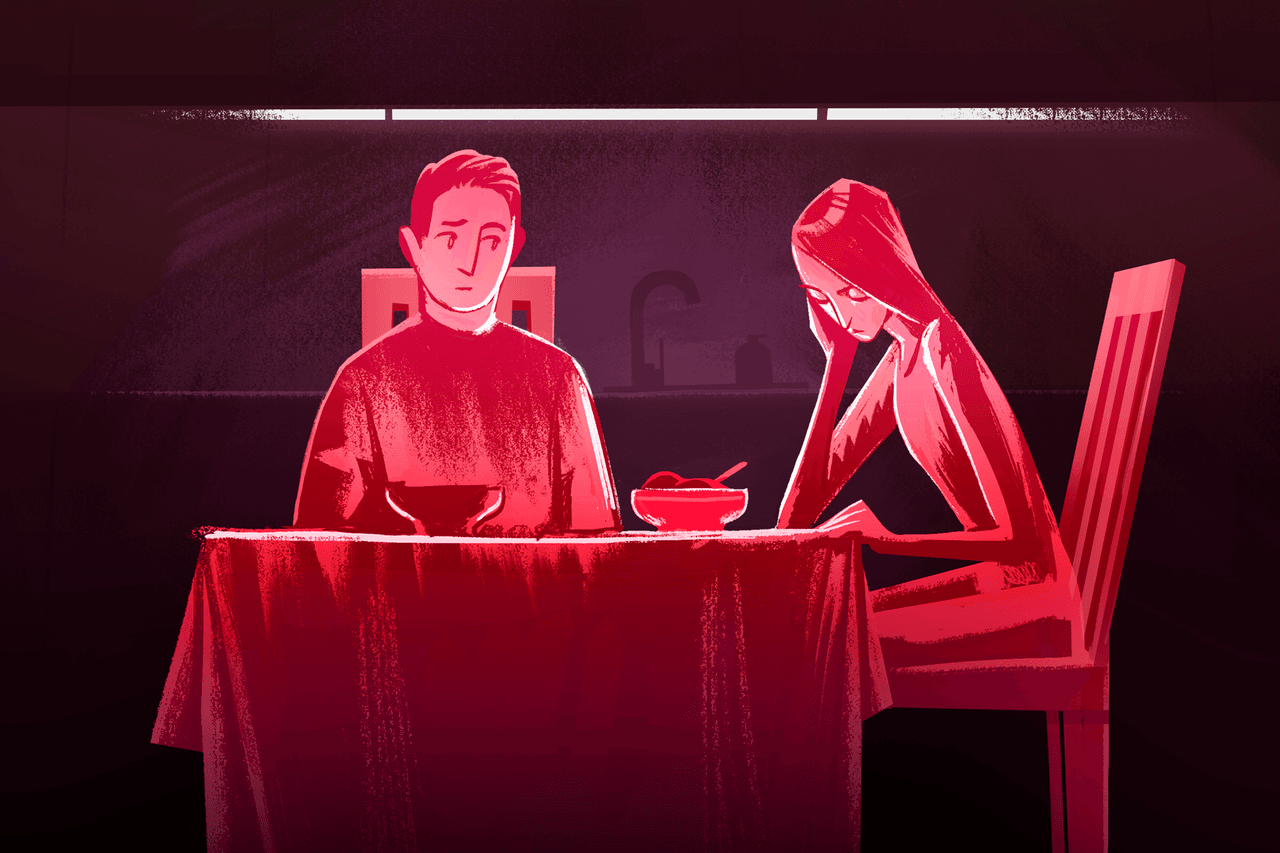
The diagnosis of “bar of the 2nd type”-rare mania with the predominance of depressive episodes-I was given only after I, assuming depression in my own way, went to a specialist. For both of us, this was a completely new concept: eight years ago, various mental states, including a bar, were almost not illuminated in the media and there was still no wave of popularization of assistance to such patients. It was very lucky with the specialist: having carefully and in detail, having studied my whole story from early childhood, she diagnosed, picked up a medical treatment regimen that earned quite quickly, and when I got a little stronger, I went to psychotherapy.
With my husband, we discussed in detail my condition, distributed household duties on opportunities and resources. “And I, in fact, remember little,” says Sasha. -My hope appeared that something would change for the better. I knew that I would not leave the children. Perhaps everything. She began to take pills, gradually her inclusion in the family began to feel more ... so they lived. It was important for me that everything was fine with the children. Of course, I was scared: what will happen next? I understood that she was bad. But there was no complete acceptance. Irritation - yes, it was. Angry. Well, where to go. "
This was the beginning of our long journey to learn how to live with a bar, and my family is with me.
It turned out that I have been sick almost all my life. When I was seven years old, my parents and I arrived at sea. Summer, the sun, a bright palette of colors, unusual trees, fruits - so many new ones. Mom asks me: "Well, Sveta, how?" And I answer: “Yes ...” I really did not feel anything special. At the same time, the trip was looking forward to the road, the road was pleasure. And how they arrived - everything, emptiness and numbness most of the time. Bright flashes are waves. The emptiness again. I don’t feel anything, I indifferently watch everything from the side.
At school, parents have prepared a breathtaking holiday for the New Year. With surprises, gifts, masks, contests. Looking back, I see this real firework of joy. "Sveta, how?" - “Well ...” and so many times.
In my youth, most often I had a rather gloomy mood, with rare and sharp gleanses of the feeling of happiness, which suddenly began and quickly ended. And, despite the episodes of emotional dumbness, I consider myself a person subtly feeling. I fell in love - strongly. Deep experiences could cause literature, music, nature, relations with people. Yes, in many ways I was an ordinary teenager, with all the “charms” of inability, awkwardness, conflicts with relatives, fears and riots. But, if you look back, I understand that still most of the time I was accompanied by depressive and subdepressive states. And now it’s hard to say whether they became the cause or consequence of loneliness.
My mother had to experience a gamut of feelings - from bewilderment and sadness to resentment and disappointment, a feeling of meaninglessness. He and dad really tried very hard, and this my detachment looked depreciating. Now, when I am over forty, I really sympathize with my parents that they had to encounter, without knowing it, with the fact that their eldest daughter began to manifest a little familiar bipolar affective disorder.
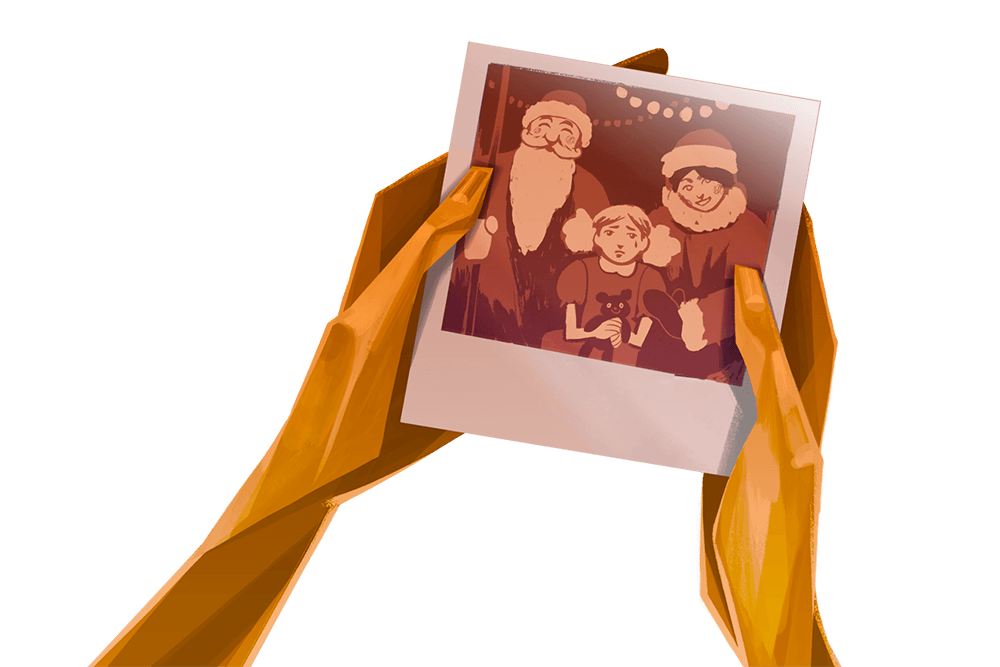
As a result, I received extremely difficult life experience: I was looking for salvation from these conditions in drugs and alcohol, which led to serious heroin addiction. Yes, such cases are not uncommon, when a person has unresolved mental health problems, and for various reasons, help leads to chemical and other addictions. In the end, I won them, but it was not easy.
Many families suffer from the fact that they do not know and do not understand what is happening with their loved ones, who have a bar, and, accordingly, cannot help. And often, taking the features of the mental states of their relatives for whims or bad character, they begin to reproach them, psychologically press on a person who is actually sick, which only exacerbates the course of the disease. Mania proceeds harder, suicidal moods in depressed episodes occur faster and end in tragedy.
I met the sixty-year-old Elena from St. Petersburg. Her daughter has a bar of the 2nd type, and they hardly communicate: “She is 27 years old, she is married, and she has children, my grandchildren. Unfortunately, now we communicate very little, she left for another country, to her husband. And she herself is not eager to communicate with me. We always had a difficult relationship from her school, says Elena. - How could I know that she has a bar? It seemed to me that these are whims, nonsense, licentiousness. How did I know that she needed support? Nobody taught us this. When the daughter grew up, she went to the specialist herself. Then we had a difficult conversation, and not one. It is difficult for her to forgive me for my mistakes. I am even tired of making excuses at some point. Then I realized that I and myself should forgive myself for these involuntary mistakes. And she stopped making excuses. We are now maintaining relationships in which we communicate mainly on the topic of grandchildren. ”
Elena says that her daughter is now working on their difficulties in therapy, and hopes that in the future it will help to establish a dialogue and build warm and close relations that have long been lost.
I was 18 when the first and so far the only mania in my life happened. I don’t know if her strong stress or something else provoked her, but as if someone had turned on his fingers with one click. One morning I woke up with a clear “awareness” that I can predict their future to people. This, in fact, I did the next three months. I then lived alone, we were not yet with Sasha, talked little with my relatives, and for them my condition passed unnoticed, and no one could help me. For a while, I became “blissful”: I ate little and almost did not sleep, wandered around the city in a state of quiet euphoria. And “foresaw” the future. Someone really believed me-probably I was convincing, because I myself believed in what I said. But most of my friends, and then it was the circle of anonymous former drug addicts, believed that I was in use again, and began to shun me. But I did not see all this, because there is no inner criticism in the mania - neither to my state, nor to the reaction of people to it.
And then my “gift” also turned off as soon as possible. I woke up in an absolutely adequate consciousness, as if there were no three months. But they were. And with terrible force, the awareness of the fragility of my psyche began to roll on me, how actually people shunned me and the inadequacy in which I was. It became scary how I managed not to get into any dangerous situations, because I talked so gullibly and extremely close in emotions with any first first time I met, including at night, in some kind of gateway of St. Petersburg. I lost a lot of weight during this time, all things were great for me, and thinness was unhealthy.
It became very painful for me from rejection by those whom I considered friends and relatives. Yes, I understand that people shunned me in alarm for myself, thinking that I was active in dependence. But I don’t remember that someone at least once asked if I needed help. I understand: then, twenty years ago, no one taught us to help in such situations - we are only now starting this path. Yes, my friends then are not to blame. But even now I have a strong sympathy for myself then. The fact that people did not know how to behave with me, not through their fault, did not cancel the pain that I experienced, realizing their rejection.
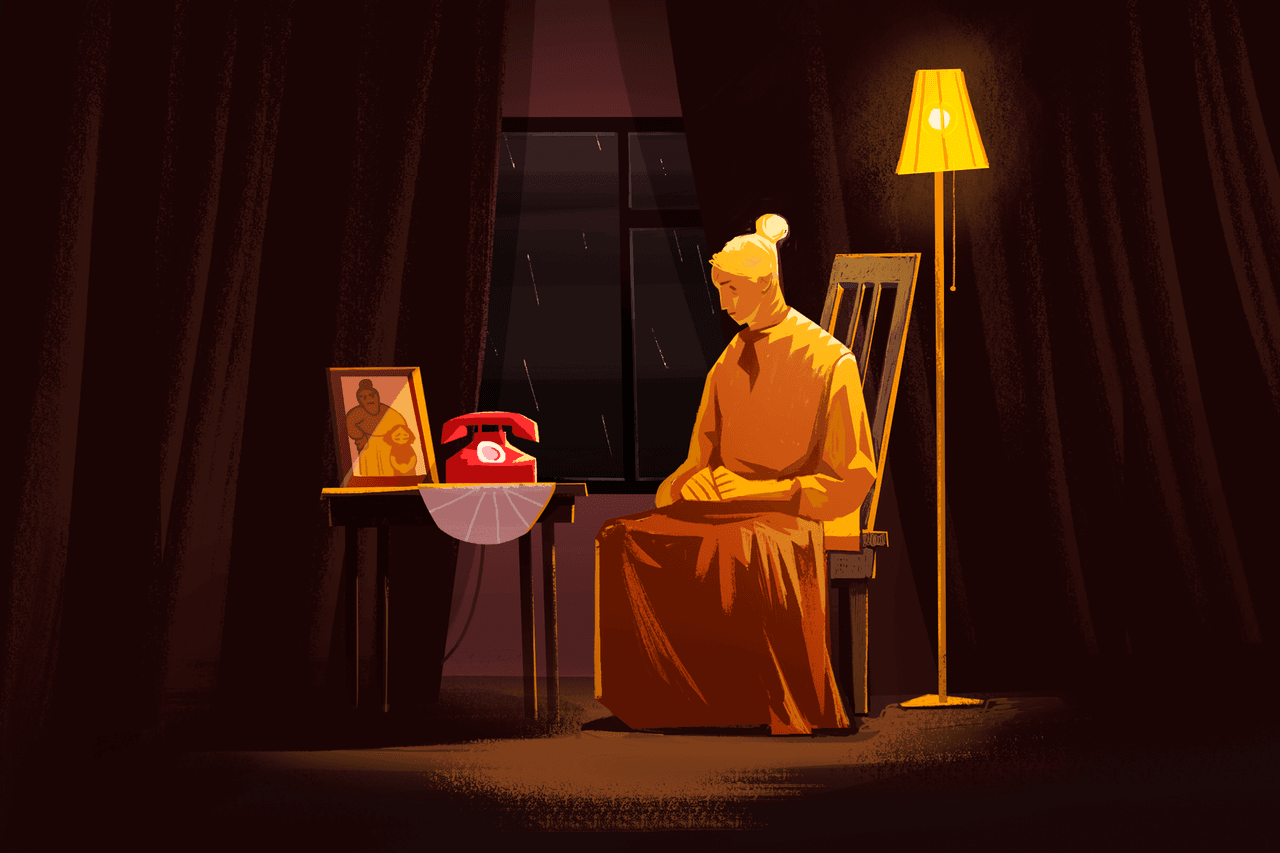
Although our paths later parted, I am infinitely grateful to one of my friends who did not turn away. I don’t know why she continued to call me a city phone, called for a walk, listened to me as if nothing had happened. Then we never discussed this period, but I remember her presence in my life, her warmth, her “I am near”. I think the understanding that she did not turn away in many respects kept me afloat when the mania passed.
So I realized that not only relatives can help a person with a bar: colleagues and friends can also play an important role.
Anna from Novosibirsk told me the story of her friend with a bar, who was her boss. “We have been working and have been friends for more than 12 years. I know that this is a rarity, but we managed to grow our relationship “boss - subordinate” into friendship, while preserving the workers. How do I support her? Just because I am nearby and I understand everything. She has the main “support group” - husband, children, parents. It has long been observed with a specialist. In general, everyone knows what and how to do, ”Anna explains. - Last spring there was a difficult moment. For some reason, a long-chosen treatment regimen stopped acting on a friend-and at first she went into hypomania, in this state she held a large number of meetings with our partners and promised them a lot of what we could not fulfill. And then she fell into depression. The question arose about the selection of new drugs. Of course, I took on some functions in my work, explained with my partners. No, I did not tell them about the diagnosis of a friend. Once she got out carefully, under the plausible pretexts “took” her words back. ”
But some things got up, and without the decisions of a girlfriend, the leaders of Anna’s colleagues could not move. “But she was sitting on medicines, she did not have the strength at all, and we had to wait. She was very worried, felt guilty. I consulted with a psychologist who works with people with a bar, as I can support a friend. We called up every evening, and I told what was done at work, I assured that nothing terrible would happen if the plan was planned two months later. Yes, we had a person who came under a future project and was not ready to wait. He left us, of course, but we found a new one over time. It was important for me to make it clear to my friend that her condition does not create a critical situation at work. And that things are going. Yes, not like, we would like, but still move. Now she has long returned to work after that episode. And we fulfilled our plans. I think to be near is the most important, and this applies not only to the bar. ”
Bipolar disorder Day Masha Pushkin , Tanya Safonova March 30 - Bipolar disorder day: the chapter from the new book about the bar on how to create their own support group of people with bipolar disorderAfter the birth of my first child, my postpartum depression developed, but, apparently, then I had more strength, and I was able to leave it on my own, but this is rather an exception to the rules. Without Sasha and his help with the child, I would not have coped.
I talked with Sergey, he is 34 years old, he and his beloved girl live in Moscow, and when she had the first manic episode, he did not understand what a bar was.
“I am scared for her, for our relations, but now there is much less than at the beginning. We met at a party at common friends a few years ago. I went to accompany her. I don’t even remember what we talked about, but this feeling of proximity in the perception of the world was amazing for me. We began to meet, in no hurry of events. I already had a couple of serious relationships, and over time I realized that rushing events - it is not to have time to see the one who is nearby. Well, I have it, ”says Sergey. - She almost immediately said about her diagnosis. I tried to describe its manifestations. At first I did not take it seriously. I don’t know, mental protection worked. Well, think - sharp mood swings! She understands what is happening to her. Well, think about it - sometimes. Which of us does not smoke? About six months after meeting, we began to live together. And everything went well until my beloved had a mania. By that time, I already forgot to think that she has a diagnosis. Yes, and we did not discuss it especially after that conversation. ”
At first, Sergey’s beloved began to make expensive purchases - they have a common budget, and they always know how much money they had and how much they remain, but with these purchases the budget was not touched. “Then she said that she could not keep herself in her hands and wants to buy and buy things, and scored loans. I was confused, asked if it was not shop -enormous. She replied not. I began to notice that she almost doesn’t eat, sleeps very little and is in a state close to euphoria. However, we both work remotely. She could work 16 hours a day, not tired of a drop. ”
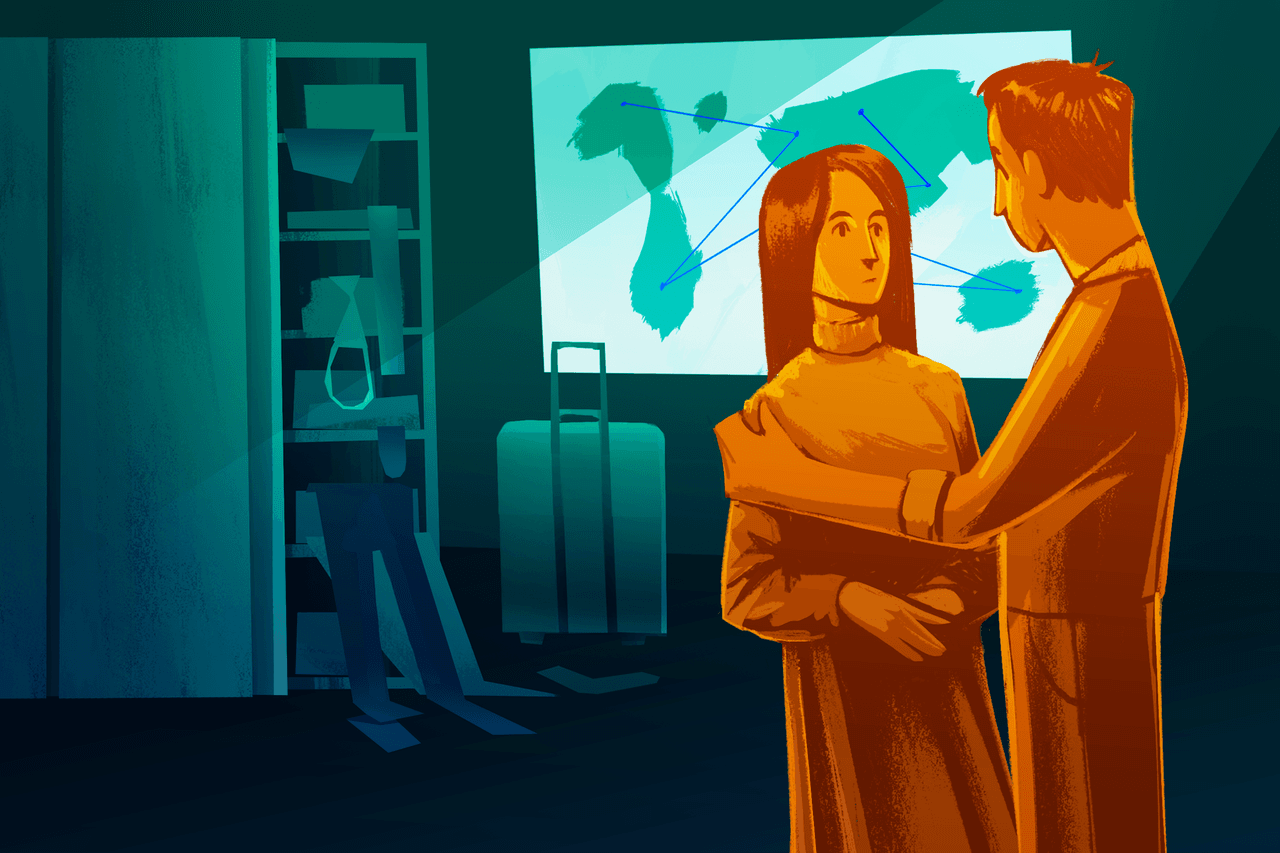
Sergei was wary and thought that these were drugs. When he directly asked his girlfriend, she replied that this was the beginning of hypomania, what it was already and that loans are not terrible: she would give everything, because now she can be very productive in work, which means she will make money. “Once this conversation reassured me little,” recalls Sergey. -Since this happened for the first time, it was difficult for me to do something at all. On the Internet, I read that it could go through it, which I hoped for. Until one day, returning from the store, I did not find such a picture at home: the furniture is turned upside down, the clothes are dumped from the cabinets, everything was scattered as if they were looking for something. My beloved was in the kitchen, rummaged in the drawers of the table. I asked what was happening. And then she began to tell me what a megaproject was planning to move to India, that everything would work out, that she thought out all the details, but right now she collects everything necessary around the house to go there. Her hands were trembling. "
Sergey became truly scary: he saw the mismatch of what was happening to her condition and words. “And I realized that a specialist needed here,” he continues. - For almost a day I persuaded her in different ways to seek help from doctors. I can’t even convey the waves of despair and hopes in these dialogs. It’s hard for me to say what worked here. Maybe my perseverance, or maybe softness, somewhere, assenting her surrealistic ideas, goodwill and perseverance did their job, and we went to the hospital. You know, I am very sorry that relatives cannot be in the same ward with patients during their treatment. I think I could support her there. And it would be easier for her. It was difficult for me, and the most difficult thing is the idea that it will remain in this state and we will not be able to be together. I just hoped, it moved it then and is moving now. We were fine together before her mania happened. For me it means a lot "
Возлюбленная Сергея пролежала четыре недели в больнице. Он возил передачи, виделся с ней, наблюдал улучшение её состояния, и после выписки они вернулись к прежней жизни. Сейчас она принимает препараты, и они ей помогают «не улетать». «Страшно ли мне, что это повторится? — переспрашивает Сергей. - Certainly. Very. Но сейчас я уже знаю, как действовать, куда обращаться, как с ней разговаривать, если эта помощь будет нужна. Ну и плюс она сама пьёт таблетки, видит, что они ей помогают. Поэтому наши шансы велики. Сейчас мы не думаем о детях — не знаю, я пока не хочу детей, она тоже. Она не хочет из-за болезни. Но иногда мы читаем инфу в интернете о том, как женщины с таким диагнозом становятся мамами. Так что всё может быть».
У нас с Сашей двое детей. Психотерапевт и клинический психолог Юлия Хворова комментирует вопрос о наследовании детьми БАР: «По данным Centre for Clinical Interventions, дети пациентов с биполярным расстройством имеют 8-процентный риск наследования болезни. По данным Bebbington (2004), вероятность получить биполярное аффективное расстройство по наследству — 5–15 %. При этом в два раза выше вероятность, что у родственников биполярных пациентов разовьётся униполярная депрессия (то есть обычная депрессия без второго полюса — без мании/гипомании). Это ни в коем случае не говорит о том, что не нужно заводить детей. Это повод заботиться о биологической, психологической и социальной составляющей их развития. Не забывайте, что вероятность остаться здоровыми у детей пациентов с БАР — 65–75 %».
Мы нашли свой баланс и идём дальше все вместе как семья. «Когда твоя депрессия прошла, я думал, что многого в жизни не понимаю — это раз, второе — делаю что от меня зависит, чтобы это не повторилось. Мне не ясны все причины происходящего, было непонятно, чего мне не делать, — говорит мой муж. — Думаю, к депрессии привела психическая нагрузка: ребёнок, моя загруженность на работе, недостаток внимания от меня. Я вообще, знаешь, про БАР не думаю. Я тебя выбрал. We are together. I'm with you. Что тут ещё можно сказать? Такие эпизоды могут повторяться. Если это случится — буду поддерживать как смогу. Своим присутствием. Знаю, что, если бы ты не обратилась за помощью, могло быть всё что угодно — от развода по твоей инициативе до суицида. Но я тебя не оставлю, и если бы я мог вернуться назад, то посоветовал бы себе быть более терпеливым и спокойным, более понимающим».