
Translated material
Eggs and apartments are worth
In the Murmansk region, the rapid increase in prices is not only for food: everything is getting more expensive - from cat food to housing
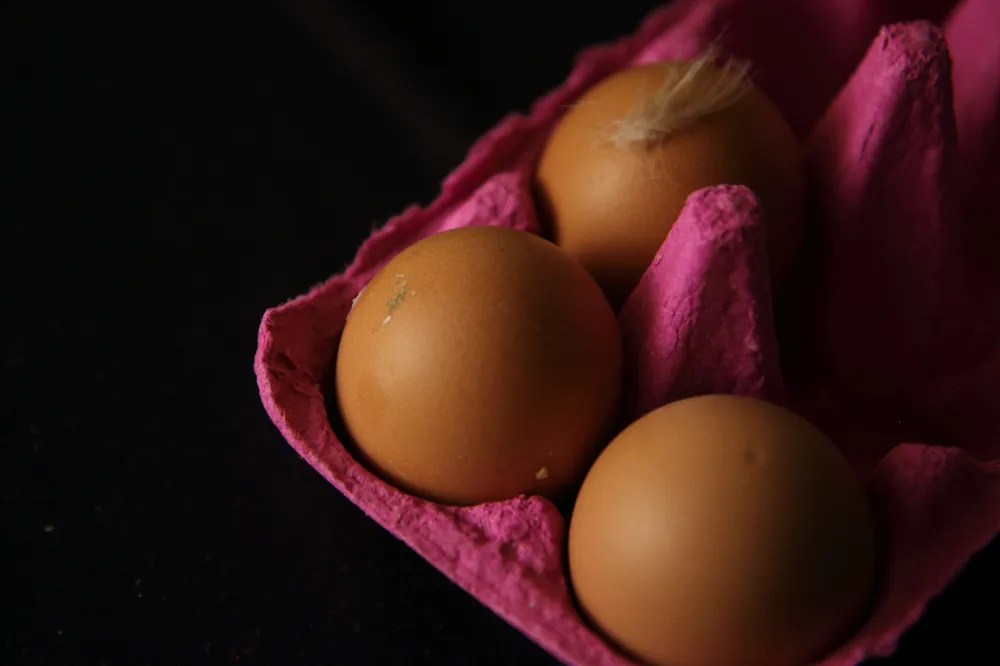
Product prices change every week, over the past 7 days, Murmanskstat notes the rise in price of chicken eggs, rice, potatoes, chicken, onions and pork. Contrary to the usual seasonal decrease in vegetable prices, a kilogram of potatoes costs more than 44 rubles, and onions - 40. At the same time, people complained about the rise in price of potatoes in early summer: in a year, prices rose by almost 20 rubles.
This fall, carrots in Murmansk cost 42 rubles per kilo, cabbage - 46. A dozen eggs exceeded 78 rubles (this is the most expensive product that issued an increase of 4% per week), a kilogram of frozen chicken - for 185.
Pork prices are approaching 350 rubles per kilo, for beef - to 500.
A kilogram of the cheapest butter will cost 829 rubles, a liter of sunflower - in 139.
The price of a liter of milk ranges from 70 to 90 rubles. A kilogram pack of rice is sold 116 rubles, millet - 85, buckwheat - 138.
For a psychological mark of 100 rubles, the buckwheat passed in September,
The price of packaging (and not even a kilogram, but 800–900 grams) then amounted to 120-130 rubles. But in large chain stores it was possible to find much cheaper - however, the corresponding quality.
With a high annual increase in prices for goods, almost all categories of government with lips of the state union periodically reassure the northerners, explaining the rise in price of tomatoes by a quarter - complex logistics, potatoes - low productivity, pork - a complex epizootic situation. That is how the August inflation figures commented on the Bank of Russia in the Murmansk Region, when the increase in food prices in the region increased to 5.58% after 4.99% in July.
While bank experts are versed in the intricacies of agriculture, ordinary northerners are versed in discounts in inexpensive retail chains. At the beginning of this year, two large local supermarket networks closed in the region, which for many years occupied most of the products market. The nets ate themselves: supermarkets bred in fat years amid the fall of people's income in the pandemic.
The replacement did not come right away
The premises on the central streets of cities were empty, and people literally looked for where to buy food.
Little shops of the house that had previously helped out have long been crushed by these currently closed retail chains. The increased demand may also provoke prices.
By the middle of the summer, the premises of the closed monopolists began to slowly master federal networks. Only now the lack of outlets has stopped, and almost all the buildings of supermarkets have found new owners, demand stabilized, and a decrease in prices for some products began. Tea fell into tea (1125 rubles per kg), flour (56 rubles per kg) and apples (117 rubles per kg).
So far, the most expensive products from the list of “socially significant”, the dynamics of prices for which statistics are tracked regularly, remain: lamb-645 rubles per kilo, and from the bachelor-mentioned tea and buckwheat, as well as Vermiesel-127 rubles per kilogram.
However, the public is discussing the price not for pasta, but for apartments. Since the beginning of the year, they, according to Rosreestr, rose by 15%. This phenomenon with a colossal outflow of the population from the region and not the highest standard of living is explained only by one: new housing is simply not built here due to the colossal high cost of building materials and the lack of a local construction base.