
Translated material
The heart of beauty
The chief cardiologist of Moscow Elena Vasilieva - about mathematics, genius, ignorance, bright light and harmony
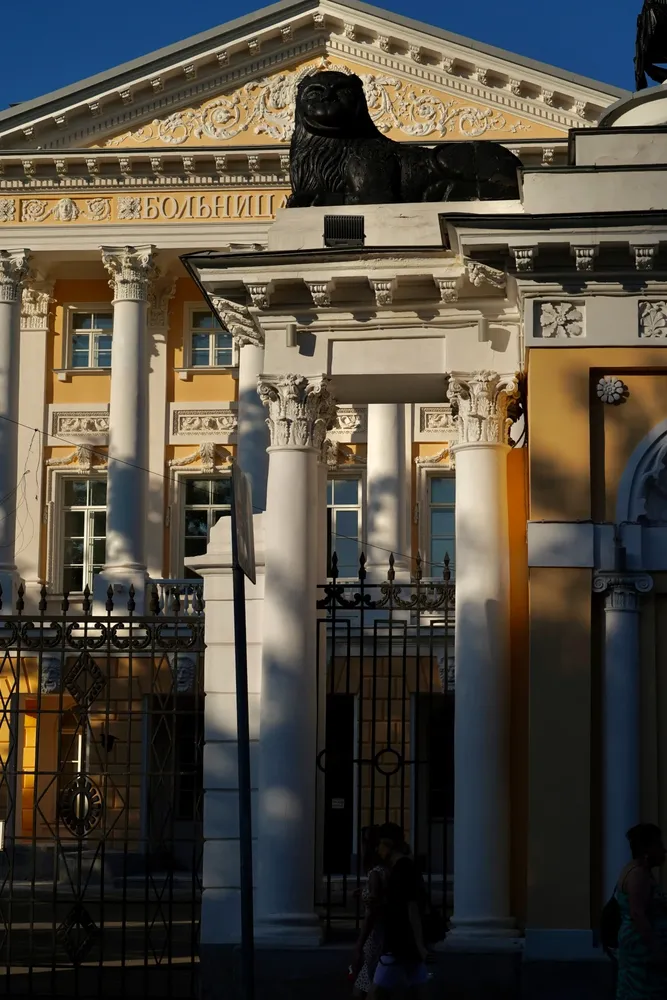
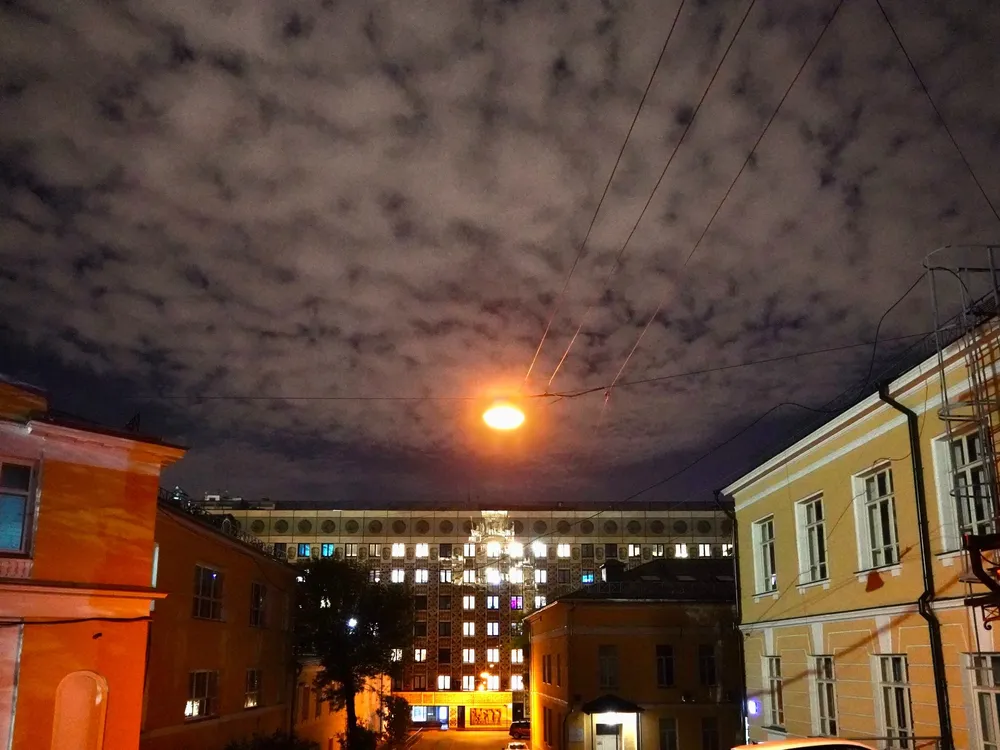
Everything that touches the Russian heart so deeply is located today on the territory of the Davydovsky City Clinical Hospital in Moscow. First of all, this is a luxurious city estate of the 18th century, built by the Russian industrialist Ivan Batashev, in fact the palace. In 1866, he was converted into a medical hospital. Already in those days the hospital was considered outstanding, visiting European luminaries operated here. Today, a restored and completely updated complex of buildings, which included a multi -storey hospital building of banal Soviet construction, is again considered a world -class clinic. In the corridors there are the originals of paintings by outstanding artists, the work of the best photographers of our time. Ideal purity, bright light, advanced operating rooms, open resuscitation, hospital rooms thought out by designers, and no one wears shoe covers. By the forces of the collected team of doctors, all this penetrates into the very heart of a person in the literal sense of the word. In the cardiological department of the hospital, wealthy people are treated from the Forbes lists, stars and elite, but also ordinary mortals, not excluding the capital's homeless people.
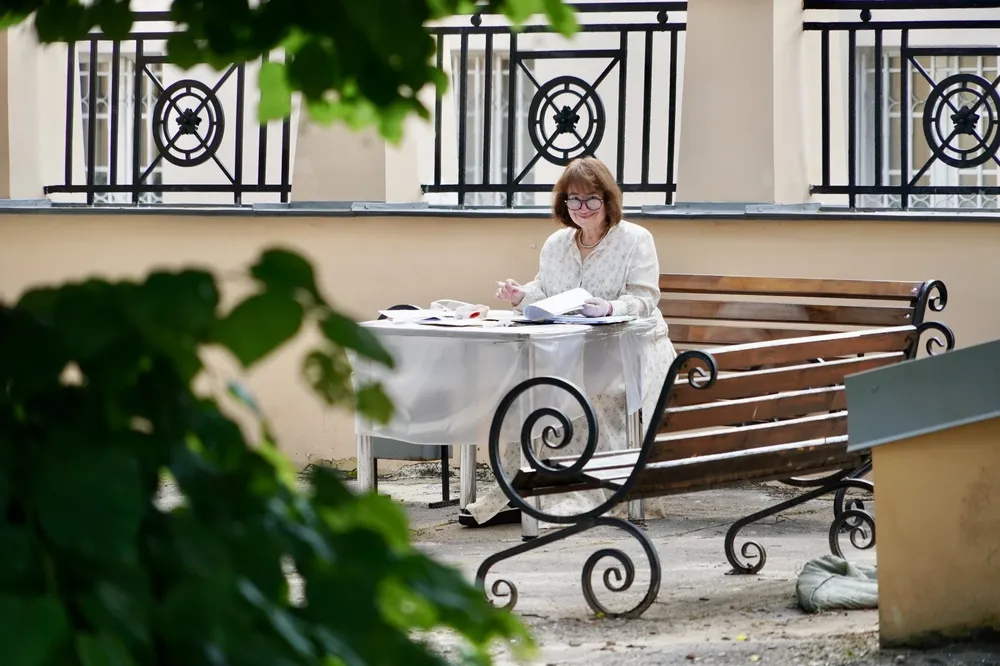
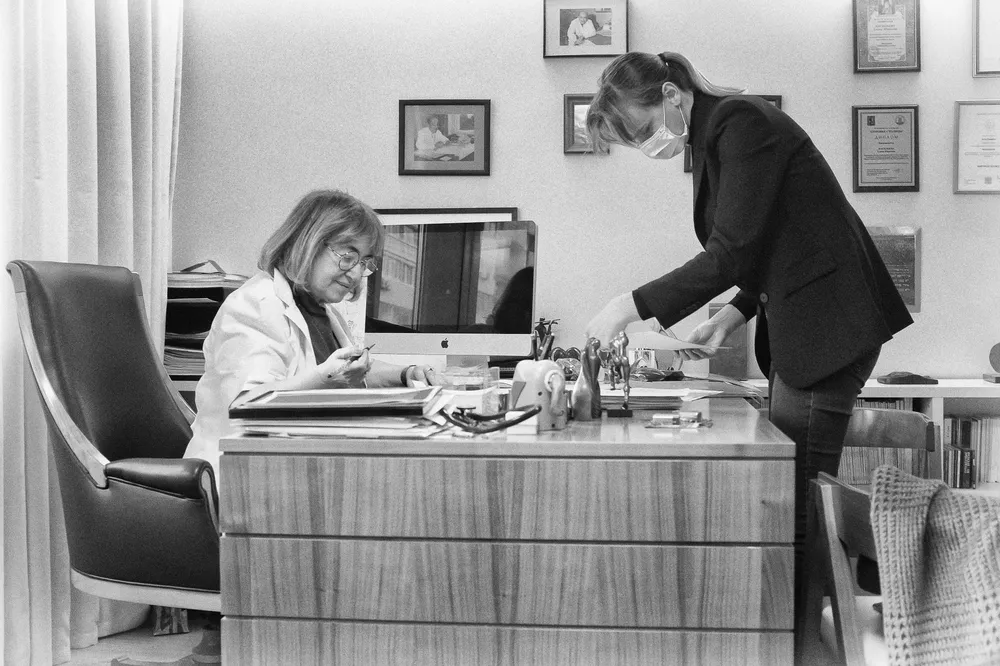
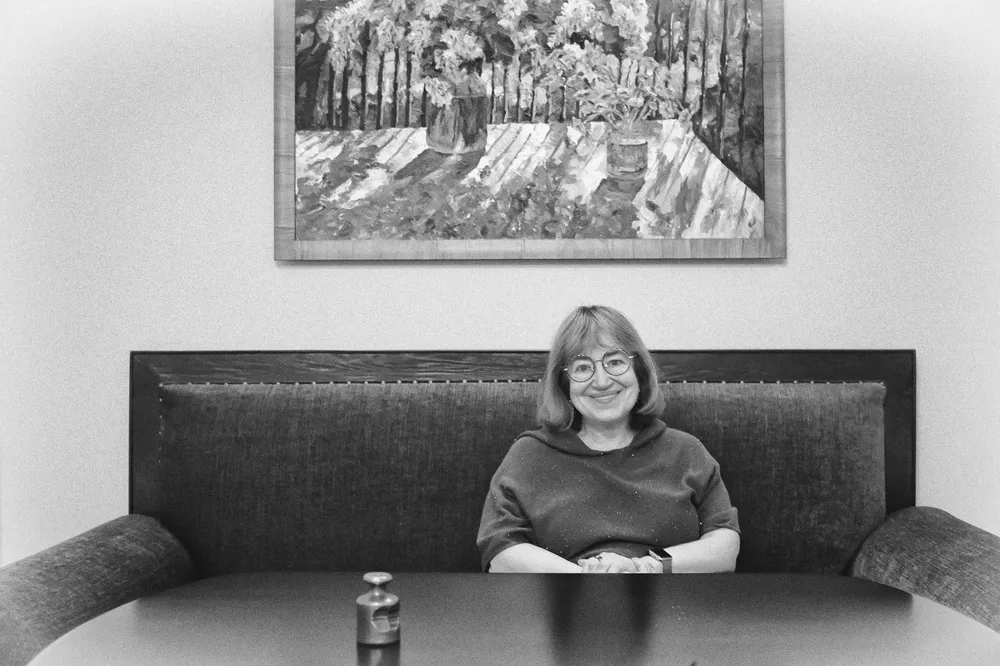
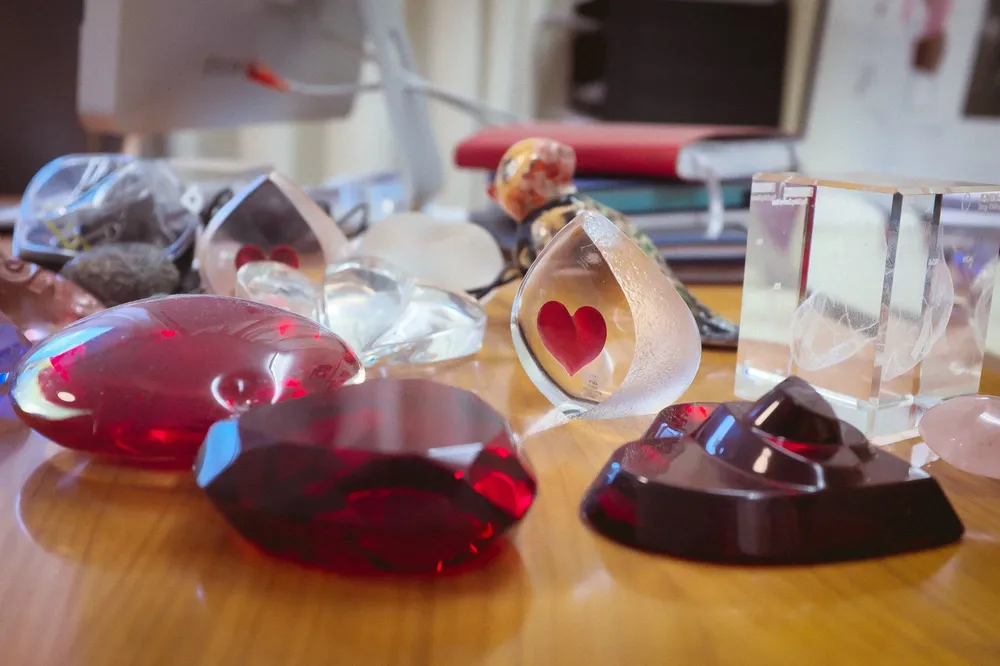
The hospital is led by the chief cardiologist of Moscow, Doctor of Medical Sciences, Professor Elena Vasilieva. It occupies a small, ascetic, but elegantly furnished cabinet with a sofa, chairs, a bookcase, a picture with a lilac and small figures of graceful hippos on a windowsill and shelves. On the desktop of Professor Vasilyeva, the hearts of various shapes and sizes donated to her are stacked. However, the very Elena Yuryevna to find in this situation is quite difficult. She runs out to patients all the time, gives consultations, signs papers and responds to endless calls. Nevertheless, somehow we managed to talk about why she does all this, how she manages to believe in Moscow in world-class medicine, and most importantly-what is the idea of a modern hospital.
- Elena Yuryevna, first of all, would like to understand how and why you got to the hospital. Why were here as a chief doctor. It seems to me that it will be easier to figure out that in general such a hospital is, what is its idea, mission, essence. So I can’t formulate for myself - the hospital in Russia, it personifies: science, economics, politics, philanthropy, daring dream or just evil fate, greed and hopelessness. I wanted to know this with you, but I read your biography and did not even find in it a hint that you were so interested in medicine. Since childhood, you have been engaged in mathematics and were, as I understand it, a child prodigy. Is that so?
- I have never been a child prospect. I was dashing. No. I probably didn't have a dashing either. It just seemed to me that it was necessary to solve some big problems. For example, I did not understand my father’s fascination with cells. He was a wonderful scientist, a well -known, excellent cellular biologist. And now, at six years, I with him with pleasure examined the cells in a microscope, I really liked it, but I could not understand: how can I do some cells at all, when it is still unknown whether the universe is finite or not?
- Lord, at the age of six?
- Well, yes. It seemed to me that the universe is more important than cells. You can’t live calmly if you do not know anything about infinity. Although now, of course, when we learned that the universe is finite, nothing special has changed in our life. Well, she is finite, and what's the matter? But then it was very important for me to solve precisely large, universal problems, and I solved them. The closest friend of his father was Israel Moiseevich Gelfand ( Israel Gelfand - one of the largest mathematicians of the 20th century, the author of more than 800 scientific articles and 30 monographs . - Ed. ). He was very fiddling with me, gave difficult tasks, and I could reflect on them for a long time, for days, on them.
It seems to me that real mathematics generally teaches a person not to reason, but to aesthetics. Gelfand told me: "Everything you do should always be very beautiful, especially the numbers." And this turned out to be for me the most important story, which I later brought to pathology.
- Well, that is?
- Well, I really love to be beautiful around. I sometimes think: this is probably because I am a shallow person. Because a deep person, he does not care about such things. So yesterday I was at the doctor. I went to her with a loved one. I come, and there is a small office, around such a mess that it’s scary to imagine. And the icon stands, and some rags are rolled up, and some poorly opened stool. And I think: my God! It is necessary to run from here, she certainly cannot be a good doctor. And then she spoke. And she competently, clearly answered all our questions. And I was amazed. Because I cannot abstract so much. It really bothers me when there are wrong people, incorrect things, improper atmosphere around me. So I always create a space around me that would protect my ideas about beauty. And this space is great. It goes far beyond both my office and the territory of the hospital.
- Wait, we have not yet come to the hospital. We settled in mathematics.
- Ah yes. I liked the tasks, and I decided to go to the famous Moscow second mathematical school. It was then such an oasis of freedom and creativity, in fact the Tsarskoye Selo Lyceum. And I went there, like an adult, not saying anything to anyone. I finished the sixth grade, went through all the interviews quite easily and entered the seventh grade. I thought I was well done.
And then my parents and Gelfand and I went to the film Fantomas. Such a cheerful, adventurous film, Fantomas performs all sorts of madness there. And so we leave the cinema, and I am proudly like a phantom, I say to Gelfand: I entered the second mathematical school in the seventh grade. And I think: now he will praise me. He himself created this school. And suddenly he says: “Oh, what a boredom, what kind of nonsense? Let you go at least not in the seventh grade, but in the eighth. ”
I say: well, as you say, let's in the eighth. And she entered the eighth. I was so cute, with two pigtails, well, what could not be done, of course, I did.
She began to study. In higher mathematics and literature, I had fives. In chemistry - stake. And you say a child prodigy. Yes, I was just an obedient girl. They said - go to the eighth grade, I went.
- And how do obedient girls get into medicine?
- Listen, well, I’ll tell you frankly: medicine is not my vocation at all, at all. This is all an absolute accident. Just by the time of graduation, I stopped being obedient.
It seemed to me that going to Mehmat is logical, but somehow boring. We must somehow show off. And I decided to go to the writers.
Then I was just fond of Kafka, and it seemed to me that medicine is such a way to get to know life better. And I just found a third honey next to the house and went there. That's all. And then, as they say, it was tightened. I worked at our institute without interruptions until 2016, until I moved to the head physicians, but I am not interrupted by our connection and now, in combination, I am in charge of the institute with an atherotrombosis laboratory.
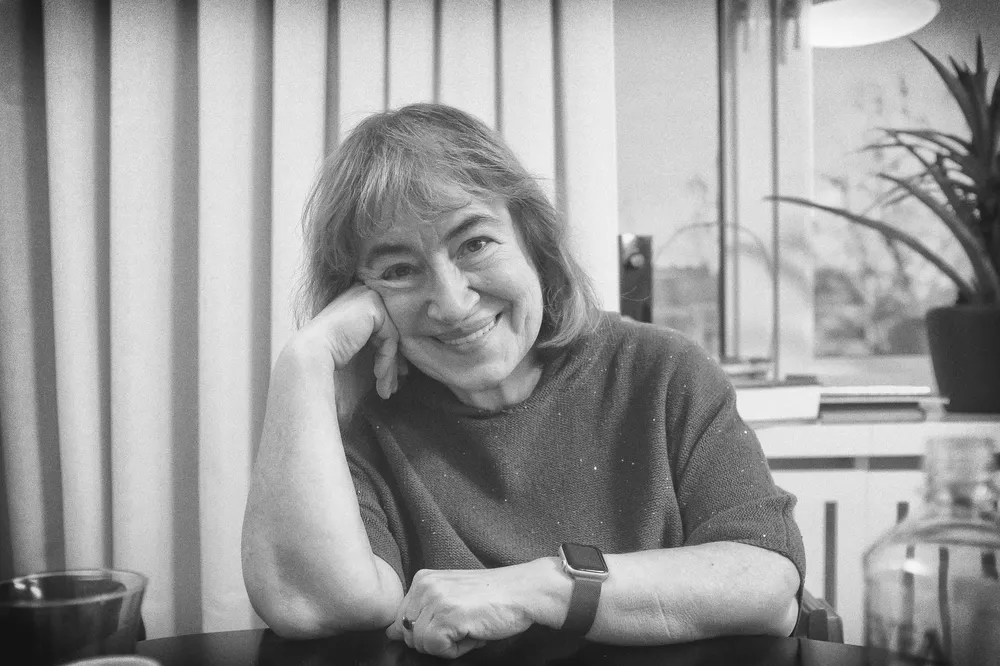
“But did you have any at least vague ideas about medicine?”
- Well, of course. For example, Gdal Grigoryevich Gelshtein often came to us ( Gdal Gelstein - a well -known cardiologist, doctor of medical sciences, professor . - Ed. ). He was a great doctor. At the end of each feast, he took out a list of severe patients from his pocket and all those sitting at the table were to drink at each of them. Right on the list, by name. He talked about every patient and said: if in a good company to drink for such a person, it necessarily helps him. By the way, I still support this tradition if I myself drink in a good company.
“But you yourself have not leaned in hospitals in childhood?” Did you have a personal, what is called, experience?
- There was such a story before the institute. These were the last school holidays. I came to my father and said: “Listen, you have many friends. Stick me for the holidays in a psychiatric hospital. I want to lie there and understand how everything works there. ” He looked at me and said: “Good. I will arrange you. But only you keep in mind: I do not promise that you will be discharged by the end of the holidays. " I thought properly and decided: it is better I somehow turn on the imagination, and the hospital will wait.
- And as I understand it, she did not wait. I took you to me. Have you had to leave mathematics?
- I tried to combine. Somewhere until the second year, I was engaged in mathematics with Gelfand under the Mechmata program. But then I gave birth to a daughter, I was then almost eighteen years old and it became difficult to do everything in the world. No, I could. It generally seems to me that I could do anything.
I know, I do not believe in these conversations: I am intended for such and such a thing, this is my fate. Everywhere interesting.
Another thing is the criteria for success. This is what has been driven into you since childhood, some kind of birth injury.
The criterion for success for me since childhood was scientific works. This, you know, as in a joke: if not a boy, then who? So I have: if not a scientist, then who? My father, for example, was very worried by the end of his life that he had not received the Nobel Prize and was not even nominated for it. So medicine for me has become, first of all, by the scientific field. At first I was fond of hematology, and I was distributed after the institute in the 52nd hospital, it was believed that the hematology there was good. I worked there for 14 years and became a student of the famous cardiologist Naum Aleksandrovich Dolgolosk. It was an absolutely great doctor who was ahead of his time for twenty years. He always spent with us sessions of black magic and its exposure. At first he portrayed himself a great Shaman doctor, and then clearly laid out the statistics of diseases on the shelves. It was a wonderful school. In addition, there I met my future husband, Alexander Shpektor ( Alexander Shpektor is a corresponding member of the Russian Academy of Sciences, professor, head of the university clinic of cardiology of the MGMSU named after A.I. Evdokimov. - Ed. ). Since then, we have been doing everything together, although in science we go each in our own way.
Say, at one time I came up with that I would be engaged in blood coagulation. I began to ask who is best in this in Moscow. They told me: this is nothing, he seems to be nothing either, but, of course, no one can compare with Zinovy Solomonovich Barkagan in Barnaul. Barkagan turned out to be a really completely brilliant person, created a world -class laboratory from scratch. Then there were no good reagents, it was very difficult to get. And I must tell you that in blood coagulation, a snake poison is often used as reagents, which acts on specific coagulation factors. So, a barcagan, in order to understand the question well, became a herpetologist at first. I learned how to take poison on the snakes independently, described the snakes of the Altai Territory, such was a man. Together with Zinovy Solomonovich, we later described a new disease-a combination of gray platelets syndrome and X-factor deficit.
But while I was looking for a barcagan, I studied the blood in my father’s laboratory. There I met Leonid Margolis ( Leonid Margolis is a doctor of biological sciences, at present - the head of the intercellular interactions of the national health institutions (Nichd NIH) (USA) . - Ed. ). We began to learn to work with platelets, that is, with cells that participate in the formation of blood clots. They began to think why they stick to lipid film, how the formation of blood clots begin, and in the end they received a rather interesting, as it seemed to us, result.
We were young, we had no experience, so we asked one American in the laboratory - which magazine can you advise to send a publication there? He, jokingly, said: yes, there is a good Cell magazine, his students like to read in the subway. And we took and sent our article to Cell. She was accepted the first time and published.
I was about 20 years old, and this, of course, spoiled me. Because I decided that it should be so.
And when I began to work myself and for the first time found an interesting violation in the release of adhesive proteins from the endothelium during myocardial infarction, wrote an article and sent it to the Circulation magazine. If Cell is a prohibitive dream and happiness of a biologist, then circulation is the achievement of the whole life of any cardiologist. And there they didn’t take my article there.
I then decided that it was a shame! For some reason, it hid it from all and for several years did not send anything to any serious magazines at all. Nevertheless, I always wanted to understand atherosclerosis, in the role of inflammatory processes and lipids, I did this. Many years later, the three of us met with my husband Alexander and Leonid Margolis, who had already been to the US by that time and was engaged in HIV ( HIV-human immunodeficiency virus, causing a slowly progressing disease-HIV infection. - Ed. ), They began to discuss who was doing what. And they suddenly discovered how much similar between HIV and atherosclerosis. We suggested that this is general - a chronic herpetic infection, and then confirmed this in joint work. As a result, in 2011, we received a megagant of the Russian Federation and created a serious laboratory for atherotrombosis at the A.I. MGMSU Evdokimova, who is still working in our hospital.
I think this is very important, since this also creates an academic atmosphere in the hospital, which consists of scientific activity, teaching and practical treatment of patients. It is this atmosphere that never gives specialists to feel like second -grade people. After all, what is the difference between a doctor and a researcher? The doctor ultimately should make decisions here and now, even if he lacks the fullness of knowledge. And the researcher must always doubt and set up experiments until he gets an absolutely reliable result. For a good clinic, it is valuable to see both.
“But you yourself have learned something over all these years thanks to the academic atmosphere?”
- What did I learn? I realized that medicine is a very heavy craft, very. You can never disconnect from your patients. You wake up at night, you think about them all the time, but you only win time. In principle, you always lose death, you are obviously losing. I even wanted to die before many of my patients. I just threw me all the time this infinity of loss.
Well, plus the hospital itself. Well, what's good about her? Nothing. In any case, when I started working, there was nothing special except for individual outstanding doctors in Soviet medicine, no need to idealize it. She was good somewhere until the middle of the twentieth century, because she retained pan-European traditions, mainly German medicine. This thoroughness, meticulousness in the examination and diagnosis, first of all, openness in the exchange of experience with colleagues - all this existed. And then, apparently, they decided to improve everything and raised salaries at the departments.
And who rushed there? Party careerists. The level of cathedral workers immediately decreased sharply. Accordingly, they became worse and teach.
What did I find? Separate foci, which for various reasons have been preserved. There are always talented people in Russia. They just do not represent the system. So the way out was what - to be next to the genius. They had to be sought and found as diamonds in a common swamp atmosphere. And Naum Alexandrovich Dolgolosk was such a genius. But he did not recognize me. He was a man with a heavy character, grumbling. He immediately recognized only my husband. Love him. And I had to try very hard. I came to work at seven in the morning, threw a small child. And only a year later I achieved recognition, became a beloved student.
When Dolgolosk died, everything in the hospital was empty. There was one such completely Soviet atmosphere. Once, Alexander, my husband, when going around, diagnosed the patient with sepsis and said that he immediately needs antibiotics. The head of our department said: "Well, on Monday I will write it out." And it was on Friday. She always answered all our indignant questions: "Yes, you do not know life."
- By the way, you found out what is the meaning of this magic phrase?
- Well, in humility with what is happening. This is our homeland, son. And at that moment there was already a restructuring at that moment. Many friends have already gone abroad, many settled there. Actually, we had an invitation to America, to work in Harvard. And in our 52nd hospital, just the doors were offered with tin, it became just like in prison.
- Why didn't you leave?
- Speaking of me personally, then this is idiotic romanticism. So my husband says that he committed the only romantic act - he married me, and he was enough for his life. And I all thought: well, we will leave, and what will happen to the sick, with talented employees. And Alexander said then: if you stay here, then you need to make your clinic. And we began to make our clinic. For a long time they chose the hospital here, in the 23rd City Clinical Hospital, the chief physician struck us. By the way, I always experienced some arrogant feelings for the chief doctors. For me it was such a service staff. What should they do? Help. Or at least not to harm. And then suddenly we come to get to know each other, and the head doctor sits with the history of the disease in his hands and is indignant that the patient was not assisted in time. We were so amazed that we agreed to move here to work.
По-моему, я была тогда беременна, во всяком случае, я точно вскоре родила. А Александр вышел на новую работу. И вот я сижу дома с маленьким ребенком, мне ужасно скучно, а он приходит домой и не разговаривает со мной. Я очень сердилась. Но потом, когда я тоже вышла на работу, я перед ним извинилась. Я сама больше ни с кем не хотела разговаривать. Врачи лечили «кто во что горазд», туалет был один на все отделение, судна мыли на посту. Полный мрак вместо Гарварда.
Я пошла к главному врачу. Села и сказала: я не осмотрю ни одного больного, пока не сделают ремонт. Сидела у него до тех пор, пока он не дал мне денег. Он был очень крутой главный врач, но сказал, что воевать со мной не сможет, потому что понял: к нему пришел не профессор, а танк с улыбкой. Так что он сдался. Я как сейчас помню — это были большие деньги, тридцать тысяч рублей. Правда, он считал, что на них я отремонтирую все кардиологическое отделение, а я, как следует, отремонтировала всего три комнаты. Кабинет профессора, процедурный кабинет и туалет. Про туалет потом все спрашивали: он что, платный? Ходили в него как на экскурсию.
Мне говорили: ну все, тебя сейчас снимут. Главврач придет и уволит тебя. Но когда он действительно пришел, он сказал: ладно, будем потихоньку все так и делать.
And it was cool. Яркий свет. Понимаете, я тогда поняла: в современной больнице важны не белые стены, не сантехника, а именно освещение. Оно антидепрессивно, все становится видно. Это очень практично, важно и показательно. Ты все освещаешь — и дефекты, и преимущества. И я до сих пор считаю, что яркий свет — это центральная вещь в больнице.
Одновременно Александр стал заниматься тем, что начал внедрять в клинике международные рекомендации, протоколы диагностики и лечения. Это было 27 лет назад. Иногда мне даже чудно сегодня слышать, когда говорят: вот у нас клиника доказательной медицины. Простите, а какая еще она может быть? Или, например, говорят: у нас открытая реанимация. Так а какая же? У меня всегда была открытая реанимация. И никто никогда не ходил тут в бахилах. Я ненавижу бахилы. Мне кажется, это просто унижение человека, и я диву даюсь — почему их заставляют надевать даже в частных клиниках.
Но дальше возникла какая проблема — вообще не было оборудования. Был один сломанный кардиограф, у которого были перепаяны электроды, и врачи удивлялись — почему получаются такие странные кардиограммы. So what to do with it?
— Вот вы и скажите, что с этим делать.
— Понимаете, у меня есть одна ужасная черта — я не умею проигрывать. Мы с Александром стали писать письма. Куда могли, всяким вице-премьерам. Причем мы не стали писать: дайте нам новый кардиограф. Мы писали: выделите нам необходимое для работы кардиологического отделения оборудование. А дальше — список оборудования, которое мы видели в Гарварде.
Наши письма стали крутиться в бюрократической системе. Мы обросли папками с ответами. Дело дошло до самого верха, кто-то даже поставил резолюцию «Поддерживаю». Мы сидели и ждали. Month, another. Пока не выяснилось, что нужная бумага с визой потерялась. Я в первый раз с этим столкнулась. Позвонила помощнику крупного руководителя государства и начала кричать. Кричала я долго, пока он не спросил меня: а вы, собственно, кто? Я сказала: профессор Васильева. Он ответил: я вижу, профессор Васильева, вам надо помогать.
Ну и дальше произошла какая-то рождественская история. В 1996 году вышло постановление правительства за подписью Черномырдина об оснащении кардиологического отделения 23-й городской больницы. И список оборудования, который мы написали. Это, конечно, возможно было только в те времена. Так мы и начали работать на фантастически современном уровне.
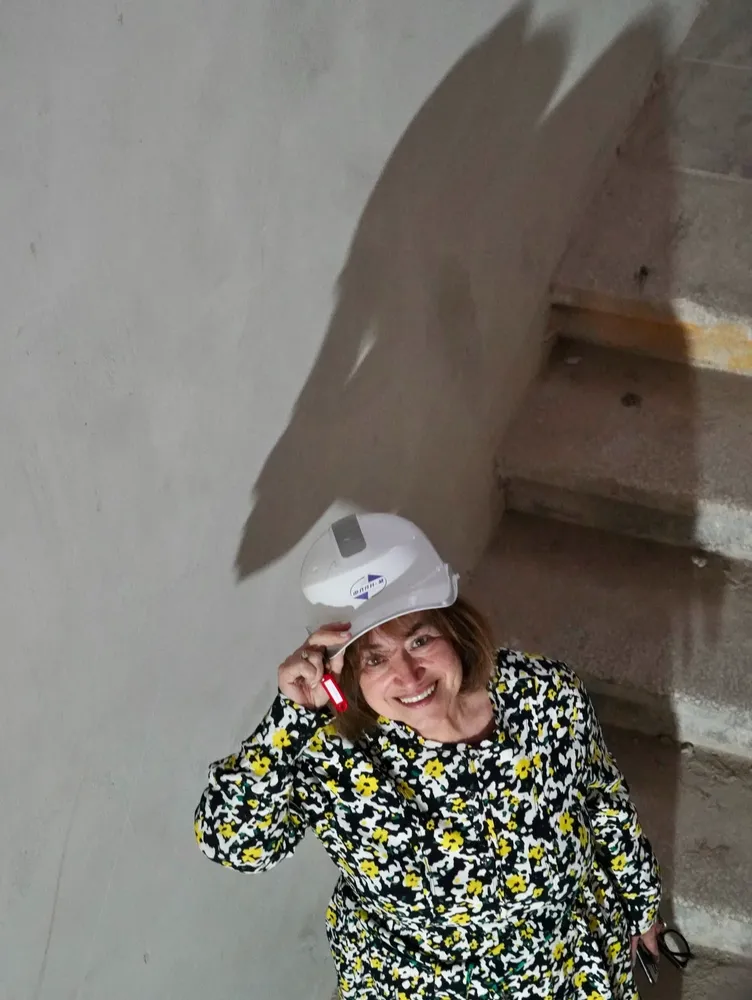
Но у этой фантастики своя долгая история. Мы три раза отбивали эту больницу, ее даже однажды чуть не продали, поскольку место слишком уж лакомое. Но в итоге мы устояли, и я работаю здесь главврачом. Я не собиралась занимать эту должность. Но пришлось. Вопрос стоял так: если я соглашусь, будут вкладываться деньги в развитие и строительство. И поскольку я строительство люблю, мне стало интересно восстановить усадьбу.
— То есть все же ради красоты?
- Yes. И знаете, совершенно неожиданно для себя я получаю от этого удовольствие. Пока я была заведующей кардиологическим отделением, я искренне считала себя не реализовавшимся человеком. Но оказалось, что красота может выражаться не только в строительстве, интерьерах и технологиях. Я могу собрать здесь красивую команду. И это очень просто: надо найти сильных людей и не мешать им работать. Ведь что человеку важно — с кем он рядом.
В профессиональной среде это тем более важно — люди хотят знать, что они на правильном мировом уровне. И тут у нас очень простой принцип — профессиональная история должна доминировать надо всем. Ну и, естественно, важно, чтобы человек был порядочный и желательно — гений.
— А чем ваша больница так уж привлекательна для гениев?
— Идеей. Идеей профессиональных возможностей. Для профессионалов мы привлекательнее любой частной клиники, потому что развиваться в частной клинике можно только до определенного потолка. Возможности там в принципе не позволяют заниматься высокотехнологичной помощью. Так во всем мире. Если ты хочешь, например, пойти к вежливому гинекологу и лечить у него какие-то не очень существенные вещи, ты можешь делать это в частной клинике. Но если дело серьезное, все знают — надо идти в государственную больницу, там будет хуже сервис, но помощь будет более профессиональной.
Чем важен профессионализм? Только благодаря ему мы со всем миром говорим на одном языке. Скажем, мы в какой-то момент поигрались во всякие Европейские врачебные комитеты. Александр четыре года отработал в президиуме рабочей группы Европейского общества кардиологов по неотложной кардиологии, в него входят восемь-девять человек со всей Европы. Я входила четыре года в Европейско-Американский комитет по инфаркту миокарда. И мы однозначно говорим со всем миром на одном языке, я не вижу никакой существенной разницы.
– А с родными, что называется, просторами вы говорите на одном языке? Вот вы работаете главным кардиологом Москвы, что это за опыт?
— В 90-е я и не подумала бы стать главным кардиологом. Тогда мы просто окопались в больнице и отстреливались. А сейчас в московской медицине совсем другая ситуация: есть желание помочь пациентам, реально поддерживаются новые вещи, включая даже помощь в разработке вакцины «Спутник V» Институту им. Гамалея. В Москве можно спорить, отстаивать свою точку зрения.
And it all started like that. Когда мы уже стали здесь работать по мировым стандартам, у нас заметно, в несколько раз снизилась смертность от инфаркта. В чем тут суть. Поступает больной. Если ты в первый час восстанавливаешь кровоток в артерии с помощью экстренного стентирования, то есть шанс, что сердце восстановится. А если это сделать, например, наутро, то велик шанс того, что человек либо умрет, либо станет инвалидом. Важны буквально каждые десять минут. В мире уже начали работать специальные инфарктные сети — особым образом четко организованная логистика госпитализации, приема и лечения больного. Это реально меняет картину мира. В Москве же острый инфаркт миокарда по старинке лечили главным образом введением препаратов, растворяющих тромб, что гораздо менее эффективно, чем немедленная операция.
So. В один прекрасный день мой муж Александр вдруг говорит: «Так больше нельзя. В городе есть все возможности, чтобы сделать нормальную инфарктную сеть». И он стал главным кардиологом и добился своего. У нас здесь сидела специальная команда молодых врачей, которая каждый день с утра до вечера отслеживала каждый инфаркт в Москве, каждый. And it began to work out. В итоге в городе была выстроена инфарктная сеть не хуже, чем в любом европейском мегаполисе.
Результат: эта сеть действует и сейчас, стентируют более 90% крупноочаговых инфарктов, и летальность упала в три раза!
Через два года Александр сказал: я свое дело сделал, я возвращаюсь в клинику. It was in 2015. А дальше мне самой стало жалко бросать, и к тому же я считала важным сделать в Москве инсультные сети. Я стала главным кардиологом, и мы вместе в общей рабочей группе с главными специалистами в неврологии, эндоваскулярной хирургии, реаниматологии и с руководителем столичной скорой помощи сделали инсультные сети. Это тоже замечательная история — технология удаления крупных тромбов при инсультах. Иногда благодаря этому полностью парализованный человек за несколько часов полностью восстанавливается. Это эмоционально совершенно фантастическая история. И она говорит о том, что мы в своем профессионализме действительно говорим со всем миром на одном языке.
— Я понимаю, но согласитесь, что дело же не только в профессионализме врачей, протоколах лечения или навороченности аппаратуры. Уровень медицины определяют еще и пациенты. Вот у вас тут, как я понимаю, лежат миллионеры и миллиардеры, звезды, элита страны. Они-то точно не хотят ни с кем разговаривать на общем языке, только на своем собственном. В этом сегодня состоит главная, она же — единственная идея.
- Look. Вот в чем особенность нашей клиники, в отличие от любой частной. У нас как раз — весь диапазон больных. This is our power. У нас пациенты — не только миллиардеры и звезды, но и самые простые люди, вплоть до бездомных. Невозможно быть настоящим профессионалом, если ты лечишь одну элиту. Должен быть поток со всем разнообразием поступающих. Только тогда ты видишь всю медицину, только тогда совершенствуются врачи.
— И что вы видите в этом потоке?
— Запущенность. Общую запущенность организма. Пофигизм. Быть здоровым человеком в России все еще немодно. Да, появляются магазины здорового питания, принято быть в движении. Но это развито сейчас в основном среди молодых людей. А в среднем наш человек очень запущен. Вот сегодня у меня был больной, такой, знаете, крупный бизнесмен. И он говорит: и что, обязательно все это теперь соблюдать? Это что выходит, я теперь не буду круассаны с маслом есть? А печенье с маслом хотя бы можно? А то я очень люблю с детства.
— Но вот коронавирус, он как-то изменил ситуацию?
— Конечно, он высветил многие вещи, как на войне. Из позитивного: многие страны, в том числе и мы, сделали реально хорошие вакцины в несколько раз быстрее, чем это даже можно было предположить. Все, кто говорил, что это невозможно, недооценили, насколько биология и технология за последние годы шагнули вперед. С другой стороны, усилились противоречия. Давно говорили, что вовлеченность в социальные сети ускоряет поляризацию общества, а на фоне пандемии и, в том числе, изоляции эта тенденция усилилась: те, кто выступает против вакцин, все больше общаются на эту тему со своими единомышленниками, усиливая убежденность в своей правоте.
В какой-то степени это относится и к тем, кто за вакцины. Я, несомненно, за вакцины, но агрессивность противоположных точек зрения очевидно бросается в глаза. Я это вижу, так как очень много времени посвятила убеждению людей в необходимости вакцинироваться, записывала даже видеоролики. Но иногда наталкиваешься просто на глухую стену. Самое страшное, когда говорят, что вакцинироваться не советует врач. Причем он не советует в связи с тем, что у человека проблемы с сердцем, онкология или диабет. Но слушайте: это именно та категория граждан, которым надо вакцинироваться в первую очередь! Я знаю, что не только у нас, но и в Америке, например, врачи не всегда поддерживают вакцинацию. Это, конечно, невероятно! Я уже не говорю про покупку поддельных сертификатов о вакцинации, по-моему, это просто за гранью добра и зла.
Еще одна проблема — у нас оказалось достаточно много людей с нелеченными сопутствующими заболеваниями, такими как диабет, ожирение, артериальная гипертония и др. А ведь именно такие заболевания обычно и определяют прогноз при COVID-19. Ну вот у нас, к сожалению, такое наплевательское отношение к себе. Вот как средний европеец лечит зубы? Он бежит к врачу, как только чуть-чуть появляется кариес. Как лечит зубы наш человек? Он идет к врачу, только если уже все болит или отваливается.
— Вы говорите вроде бы понятные вещи. Но почему тогда до сих пор не понятно, чем именно нужно прививаться в России, чтобы воспитать в себе здравый смысл и нужное количество антител к внешнему, что называется, врагу?
— С одной стороны, это, конечно, очень грустная история, что до сих пор нет достоверных научных данных об эффективности вакцин «ЭпиВакКорона» и «Ковивак». Но, с другой стороны, у нас есть «Спутник V». Эта вакцина и в международных исследованиях уже доказана, и вообще очень хороша. И этого знания вполне достаточно, чтобы принять простое и разумное решение. Вакцинироваться. А теперь еще и ревакцинироваться, особенно если через полгода после вакцинации заметно снижается уровень антител. Я вот совсем не свирепый человек, но люди, которые до сих пор не защитились от вируса, вызывают у меня уже ступор. А уж к тем, кто приобретает поддельные сертификаты, надо относиться вообще сурово, это показатель какой-то запредельной безнравственности.
— Что со всем этим делать, как справиться с запущенностью, невежеством и страхами?
— Я уже говорила в начале о том, как меня учил математике мой учитель Гельфанд: все, что ты делаешь, должно быть очень красиво. So. Лучший комплимент в моей жизни я услышала недавно от одного известного художника. Он приехал посмотреть на отремонтированные корпуса больницы, на картины и фотографии в коридорах, палаты, интерьеры, фасады. Мы с ним гуляли потом по территории и он сказал: «Лена! Что же ты натворила?!» Я спросила: «А что такое?» Он сказал: «Ну так красиво, что умирать здесь просто неприлично».
Вот это именно то, к чему я и стремлюсь.