
Translated material
A psychotherapist of the Soviet people
Igor Kirillov died, an announcer who led the Time program for more than 20 years and became a symbol of domestic television
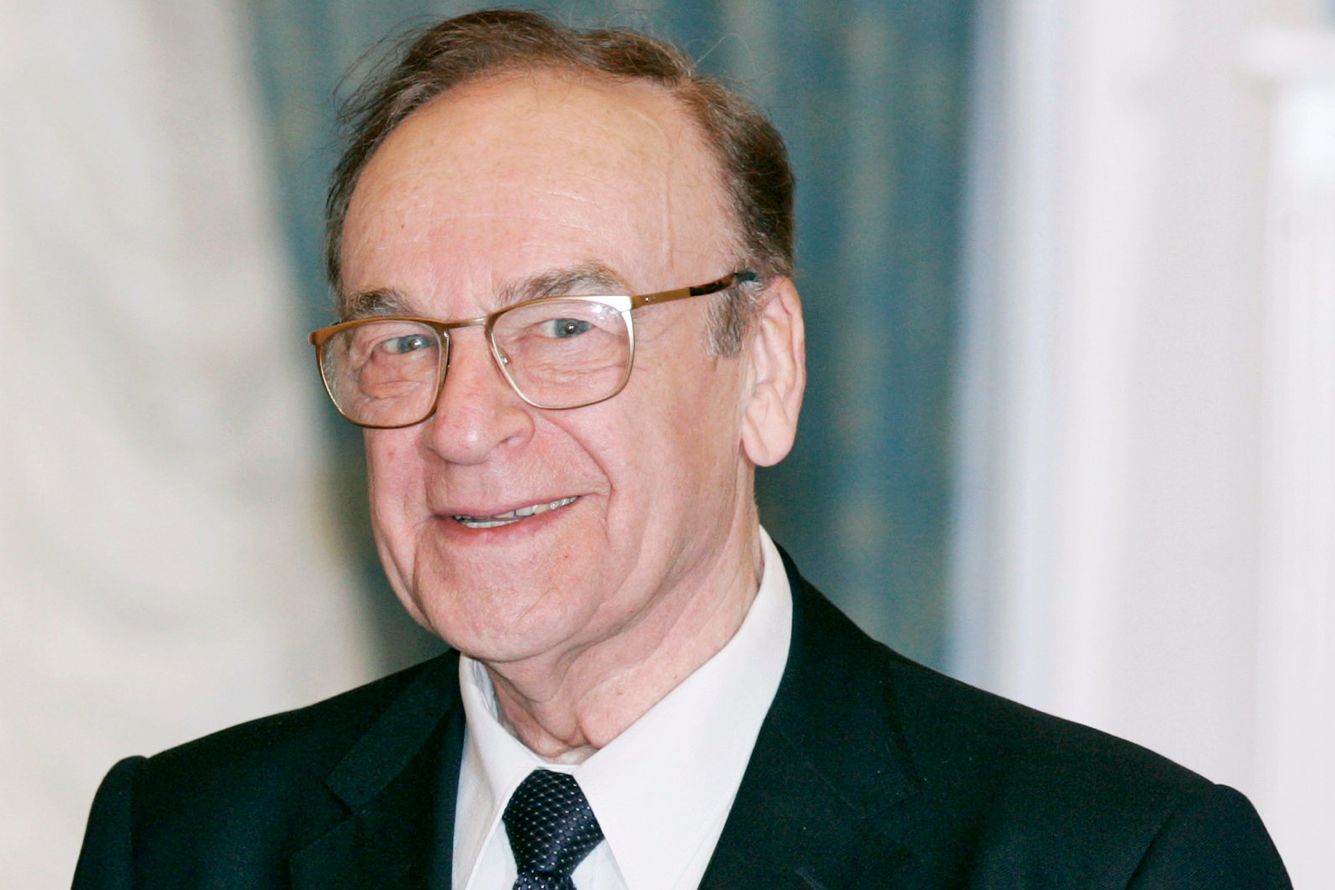
In Moscow, after a serious illness at the 90th year of life, Igor Kirillov died , one of the most famous Soviet announcements. He became the most important symbol of domestic television - the host, which the whole country has seen for more than 20 years in the main news program “Time”. Journalist Ekaterina Barabash, among other spectators, watched what Kirillov was on the air. At the request of Medusa, she recalls Kirillov and his program.
"Moscow says and shows." How many times have we heard these words? A thousand? Million? Do not count. Igor Leonidovich Kirillov appeared in our homes at nine o’clock in the evening and in his unique voice put us with a gloomy Soviet reality.
The program "Time" set off in the quarry to the great music of George Sviridov - the suite "Time, forward!" And after half an hour she left out of sight under the lyrical melody “Manchester et Liverpool”, accompanying the weather forecast.
In those years, the announcements of central television were guides in the big world. And although we knew that in the entire program “Time” only the first words “Moscow say and shows” and partly the weather forecast, it was considered unreasonable. Firstly, to those who knew how to read between the lines, something useful fell. Secondly, there was Igor Kirillov.

He dreamed of being a director. He graduated from the Shchepkinsky school, played for two years in the theater of drama and comedy (subsequently becoming the very famous Taganka). And then he brought his ideas on television. The ideas were not accepted, but Kirillov was accepted - first to the assistants of the director, and soon to the announcements. The staff of the announcements then consisted of women, it was decided to dilute this “female kingdom” Kirillov. They diluted so that the “announcer” and “Kirillov” became equal synonyms.
Yuri Levitan was still alive. The same legendary, he set the tall bar - but subconsciously was associated with everyone with the war. Levitan was the voice of war, Kirillov was supposed to become the voice of the world.
Levitan was an idol and standard, and it is not surprising that at first the young announcer copied him in many ways. But over time, Kirillov acquired his own manner, not like anyone. If Levitan's voice was extremely official, then Kirillov managed to develop a confidential, more human intonation - of course, within the framework of the necessary officialdom and detachment.
The program "Time" became the benefit of Kirillov. His mission to conduct confidence in the party’s fellow citizens. We can say that he was our common attendant psychotherapist. Kirillov could say anything - and he could not help but believe. Such a person could not lie. Although, of course, for the most part he read out a terry lie.
Probably, Igor Leonidovich understood everything, but for us he was Gorky Luke from the play "At the bottom." Only if Luke lulled one actor with the promise of a paradise, then Kirillov lulled a 250 millionth country. Kirillov was a professional in the highest category - he knew about his charm and, apparently, made every effort so that it implicitly soften that lies that he had to pronounce.
The announcer on Soviet television was a soldier - even a hint could not be given out of his opinion. For more than thirty years, he said on the air what was supposed to be verified and approved and approved “who should”. Did he know that he was broadcasting a lie? In an interview with Medusa, Kirillov said: “We may have a somewhat simplified role - so that we would not convey our ideas, but the ideas of the party, the ideas of the country's leadership. This was the meaning. "
When the Soviet government collapsed, the exposure and exposure of the party’s servants began, Kirillov passed all reproaches and accusations. Probably, such professional impeccability was felt in it that no one, nowhere and has never called him a servant of the regime. Perhaps this happened because he understood: you have to stay away from the authorities - you will be more. He refused to conduct concerts in the Kremlin over and over again - this has already gone beyond his announcer profession, which suggested only a dry broadcast of official news. Kirillov did not want rapprochement with the authorities - more than the profession requires.
The last time he conducted the program “Time” on December 30, 1989 - in those years the country needed new faces and new voices. And in the early 1990s, Igor Leonidovich was unexpectedly invited to the View program. By that time, Kirillov was without a broadcast and, like a person who was accustomed to go to a huge audience for several decades, was very bored without it. Alexander Lyubimov, the head of the company, which produces a “look”, found for Kirillov a niche in the program just according to his skill - Igor Leonidovich read ads in special inserts. This turned out to be a mutually beneficial action. The “look” added solidity to himself with the help of the corporate of broadcast, and Kirillov instantly younger.
For many years, Igor Leonidovich led the Victory Parade ( until 2006 - approx. "Medusa" ) and appeared in many programs, discarding the officialdom and leaving us only his silver baritone. This baritone is now with us forever, it has become part of the story of a huge disappeared country.
Ekaterina Barabash