
Translated material
How to live with psoriasis
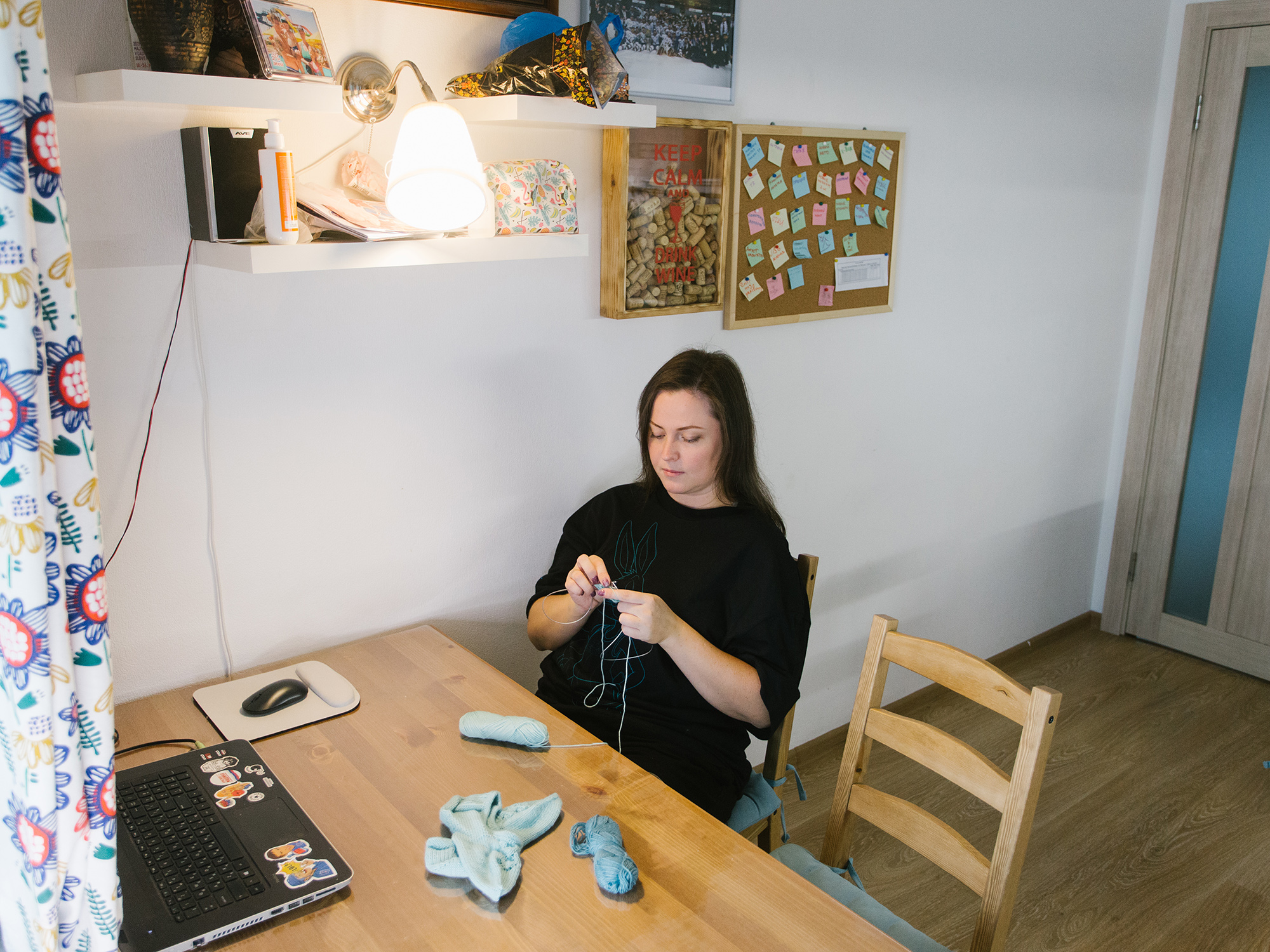
How to catch the views of others, sick with psoriasis? How difficult is it to come to terms with the fact that this happened to you? And how can an incurable disease turn into a “chip”?
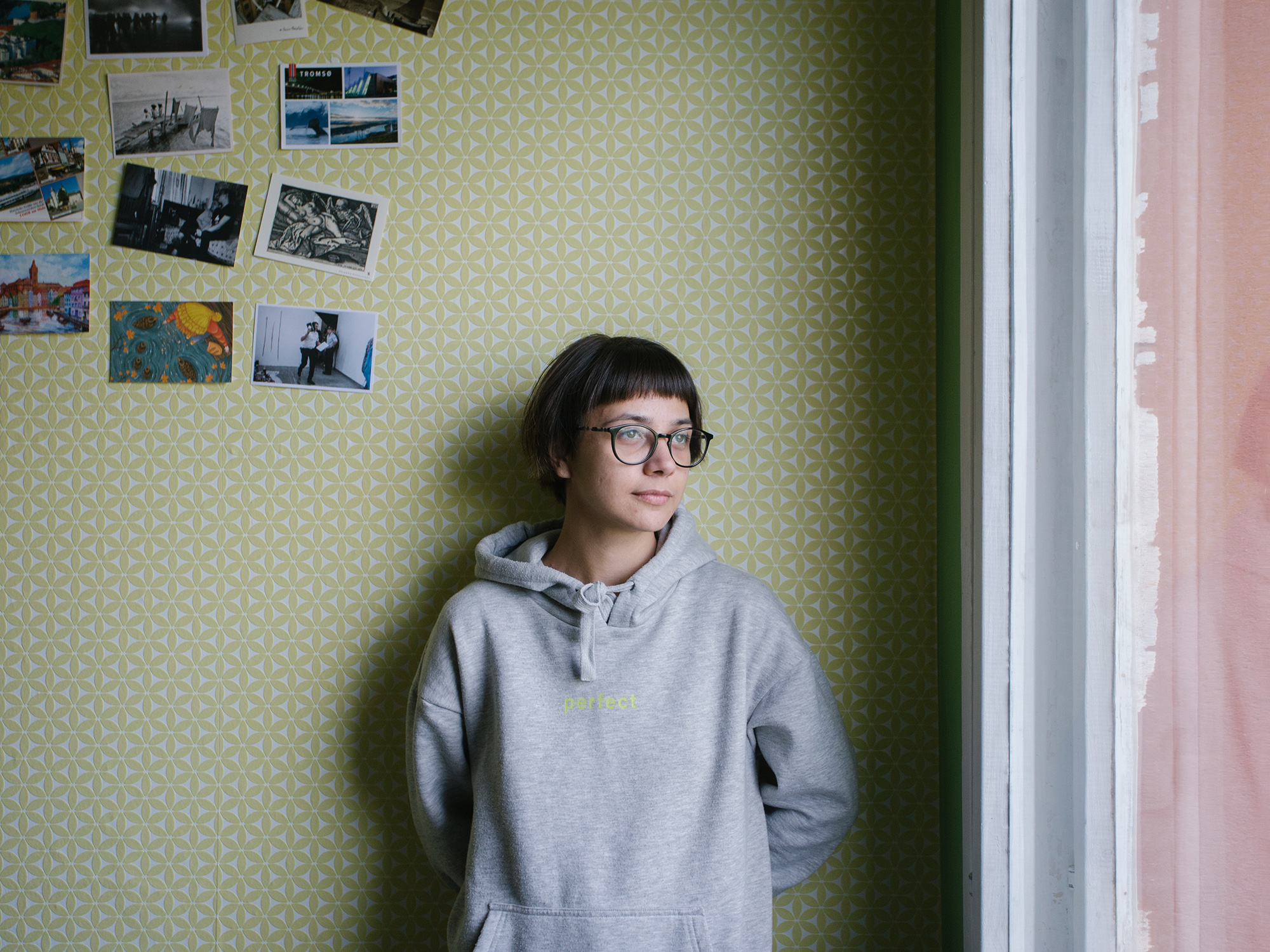
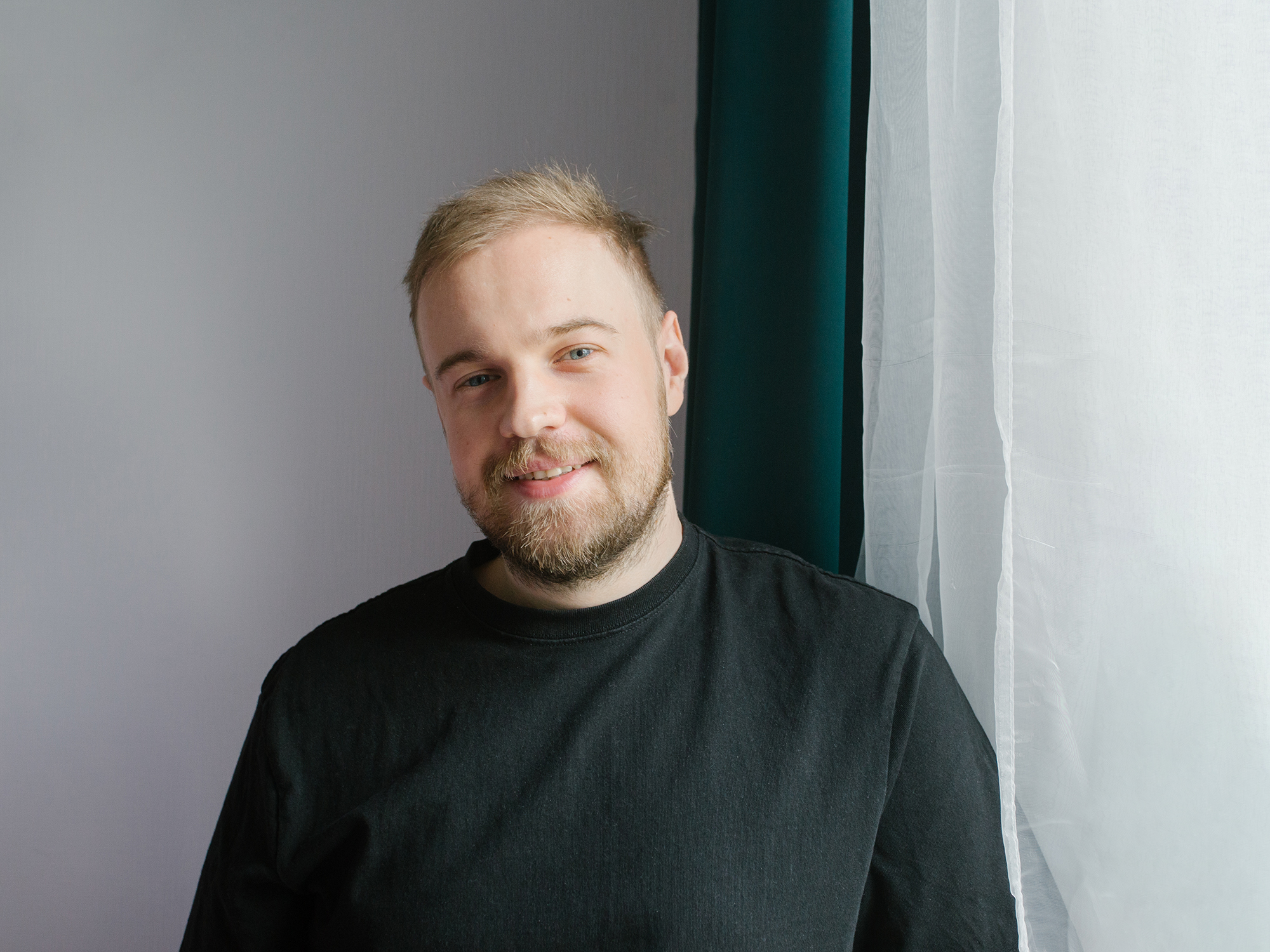
"Paper" publishes the stories and photos of three Petersburgers who live with psoriasis. Vera’s skin is affected, Sergey’s head is on his head, and Marina has throughout the body. They say that the most difficult thing in life with this disease and how they learned to accept it.
This is the third material of the partner special project “Paper” and Psoriaz.life : You will learn from it what difficulties people face with psoriasis and how they are overcome.
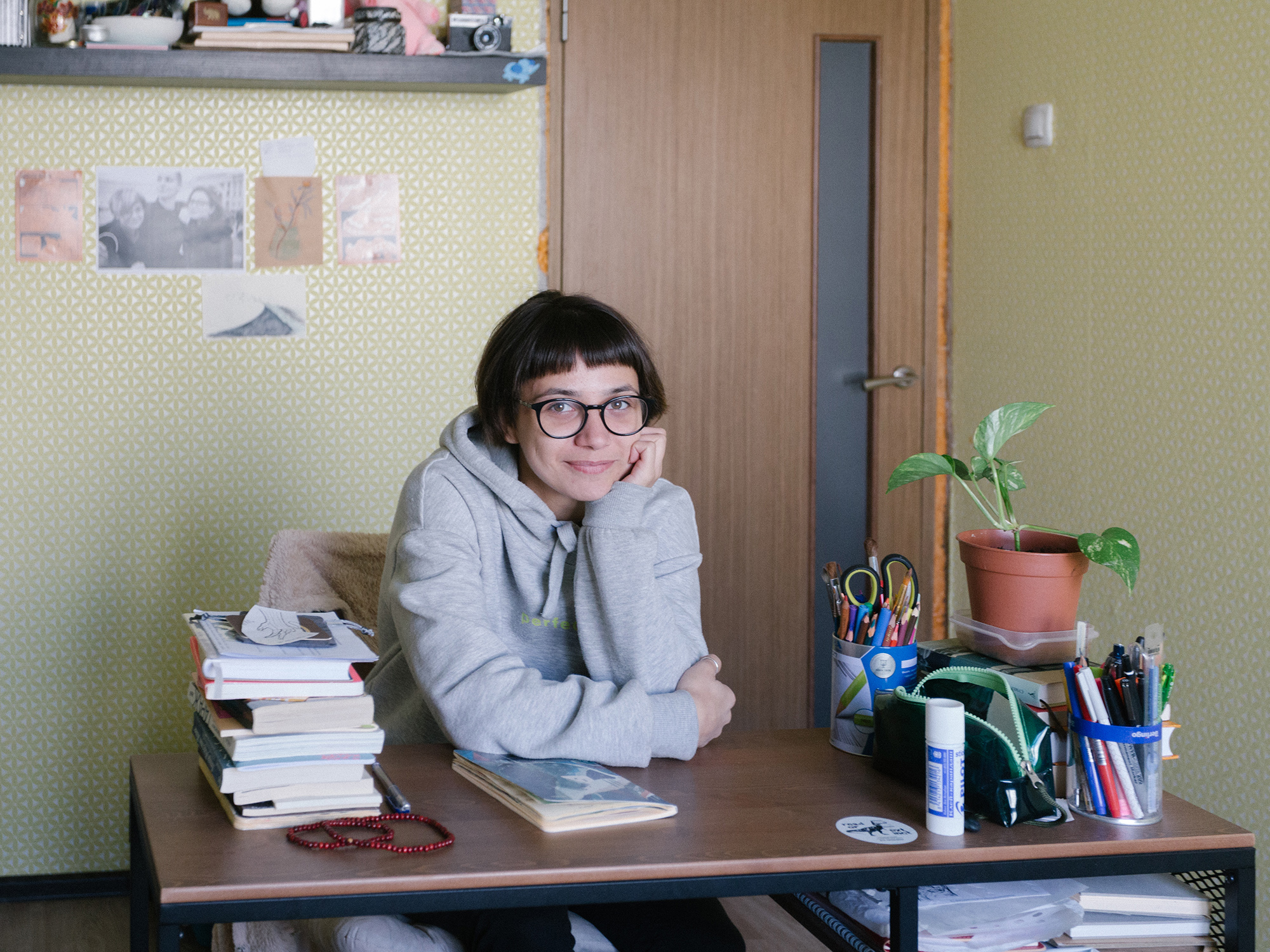
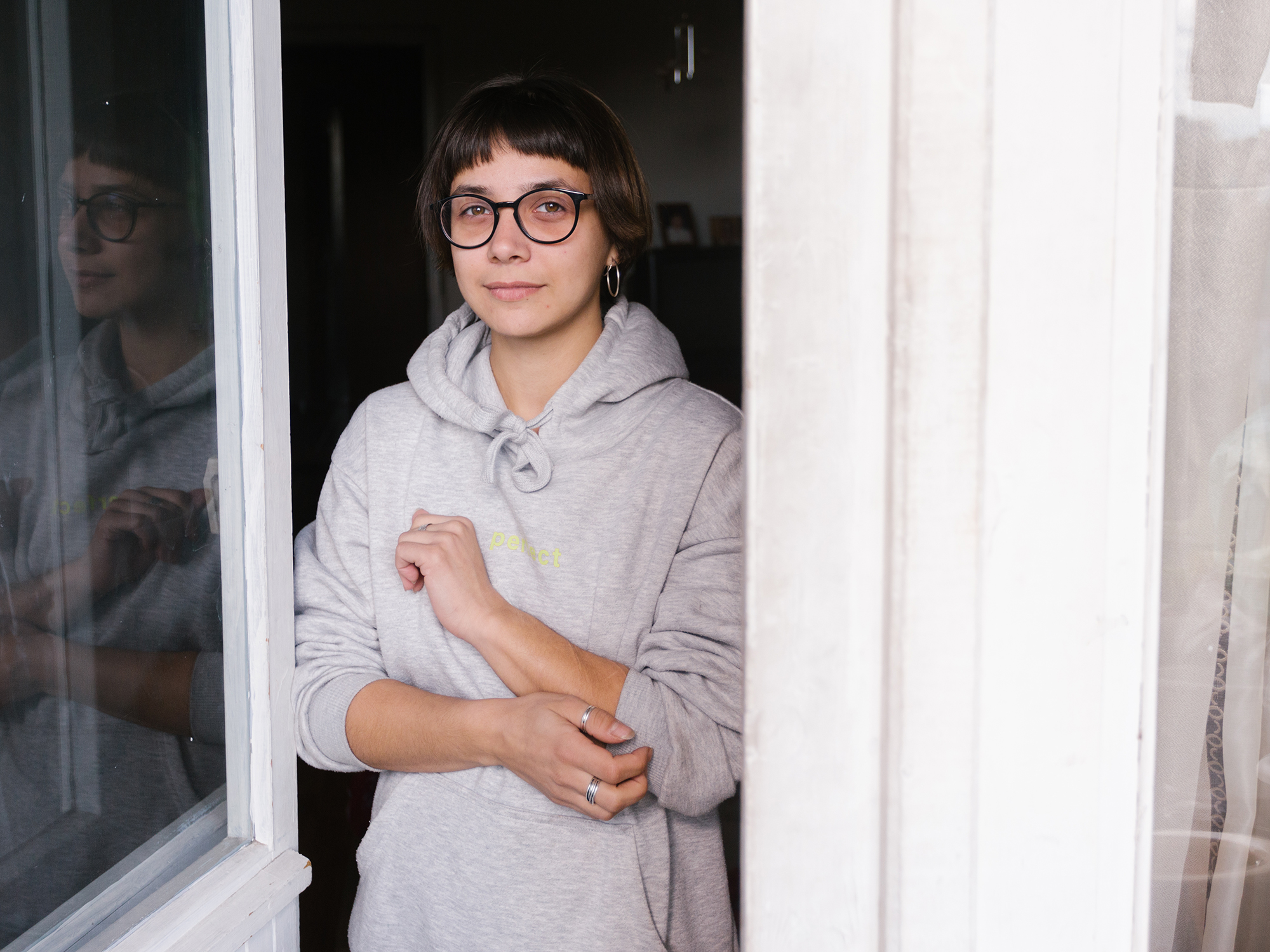
Marina
Lives with psoriasis 12 years old
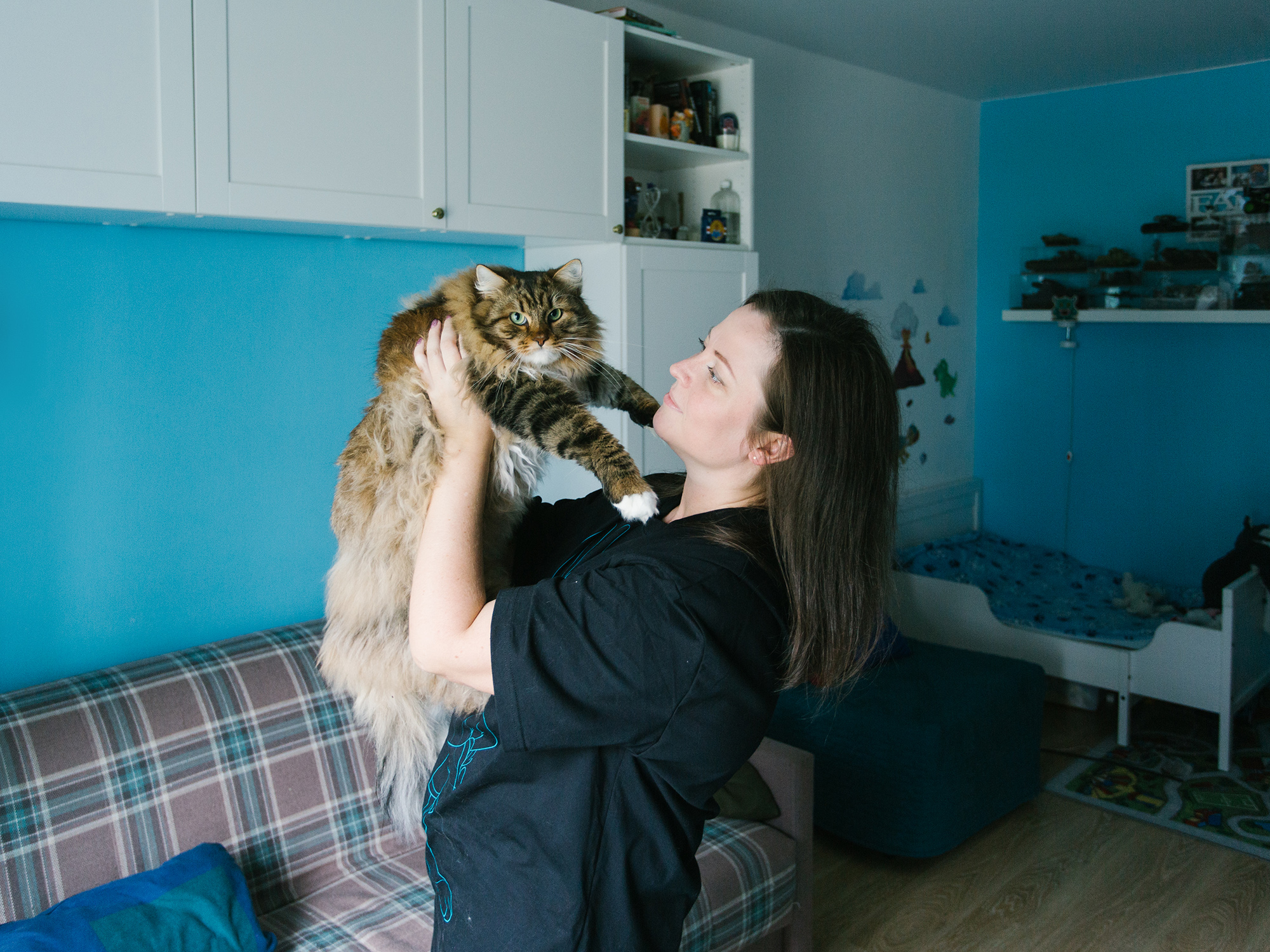
- I had psoriasis at 13-14 years old. I lived with my father and his second wife, their relationship began to crumble slowly: at home there was a very tense atmosphere. The plaques appeared first on the elbows, then on the knees. That this is psoriasis, the second wife of her father prompted - she and her sisters are also this disease. Later I was taken to the CVD, where the diagnosis was confirmed.
In adolescence, I was embarrassed by sores, I felt leaked. In general, I was embarrassed by my body, and due to illness, there was even more uncertainty. But now this does not affect self -esteem.
My psoriasis is associated with stress and nerves (according to WHO , stress can be one of the factors contributing to the development of psoriasis - approx. “Paper” ). The more intensified the situation in my environment, the more new plaques I have and the more the old ones grow. Because of this, I love my illness in my own way. For me [exacerbations] - marker, it's time to let go and calm down, allow myself to relax.
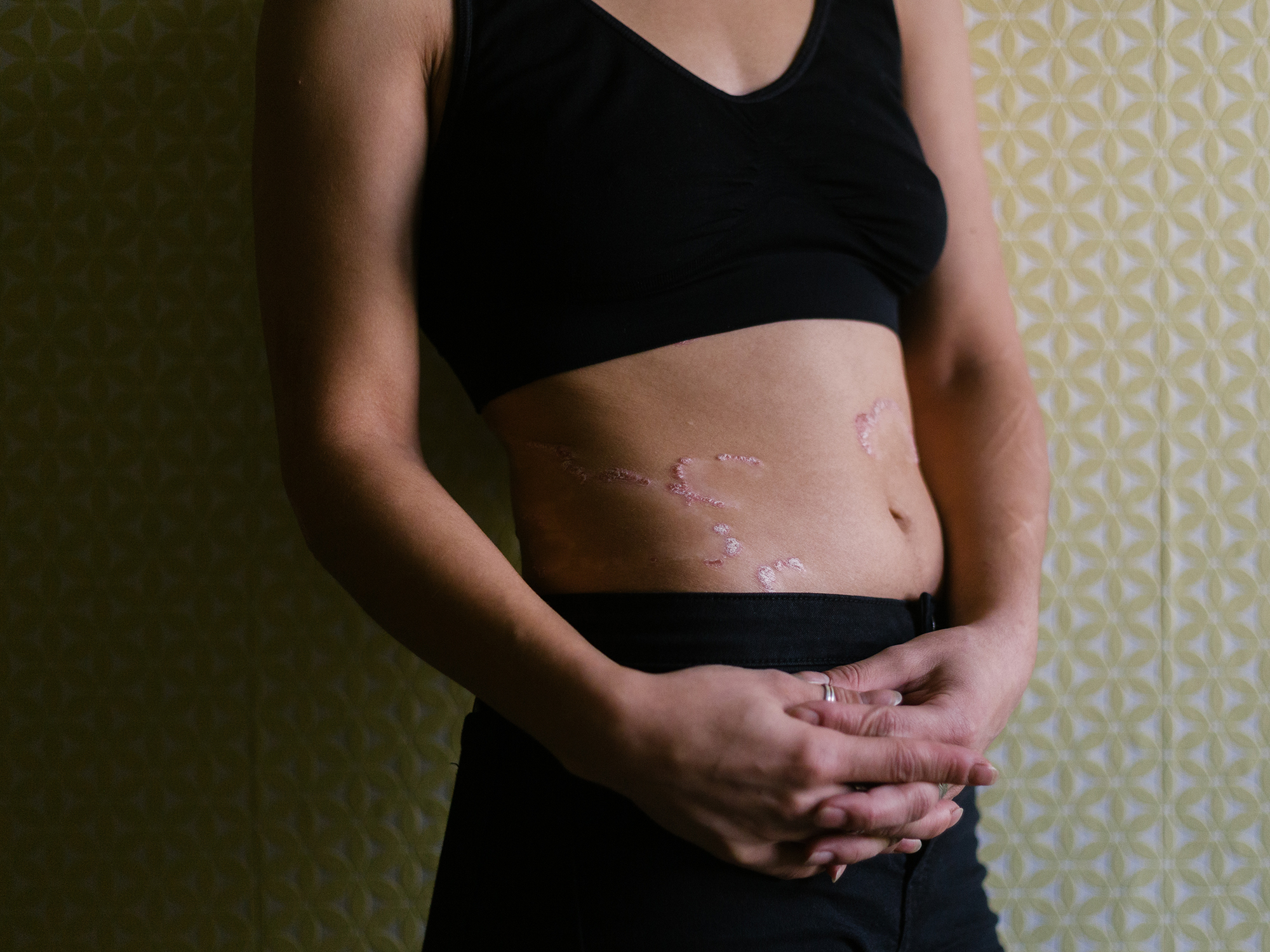
I had remission very rarely for me, that is, there are always a lot of plaques on the body. Sores can appear anywhere. As a rule, during the period of exacerbation, they are on caviar, knees, hips, on the stomach, chest, in axillary hollows, on the back and sides, can appear around the face and behind the ears, on the head.
Most of the stress are caused by sores on the head, which crumble like dandruff. Particularly large scales can get stuck in the hair. For several years in a row I had to shave almost so much to smear them with cream. And at first I was very embarrassed to walk with my head uncovered, but later got used to it.
Previously, the biggest restriction for me was to go out in an open swimsuit on the beach and wear clothes on straps. Now it doesn't bother me so much. I take my illness and just know that it is, I know how to help myself during the exacerbation. And I was very lucky with my loved ones and with the environment - they are less likely to ask questions or give uninvited advice.
Previously, people often asked me if this is contagious. They advised a moisturizer to remove peeling. And they were very surprised when I said that this would not help.
My plaques usually have the shape of rings. Because of this, some partners affectionately called me a leopard and said that these spots are my "chip". The most common question is also connected with plaques: "Where did you get these scars from?" I calmly explain what it is and, if new questions arise, I try to answer them.
Now I have no feeling, as if I were lep me, so it was quite easy to agree to shoot for the “paper ”, and participating in general. I myself love to read articles in “ such matters ”, for example, to learn about the experience of different people, it was interesting to become the very person who tells.
I think it's important to talk about this disease and show those who live with her. It can be very difficult to reconcile with the state of your skin when you do not see other people with the same problem. And to those who did not encounter her, thus can explain what it is, and, possibly, to destroy the established myths. I have never come across people who know about psoriasis just like that, and not because they have already met someone with this disease.
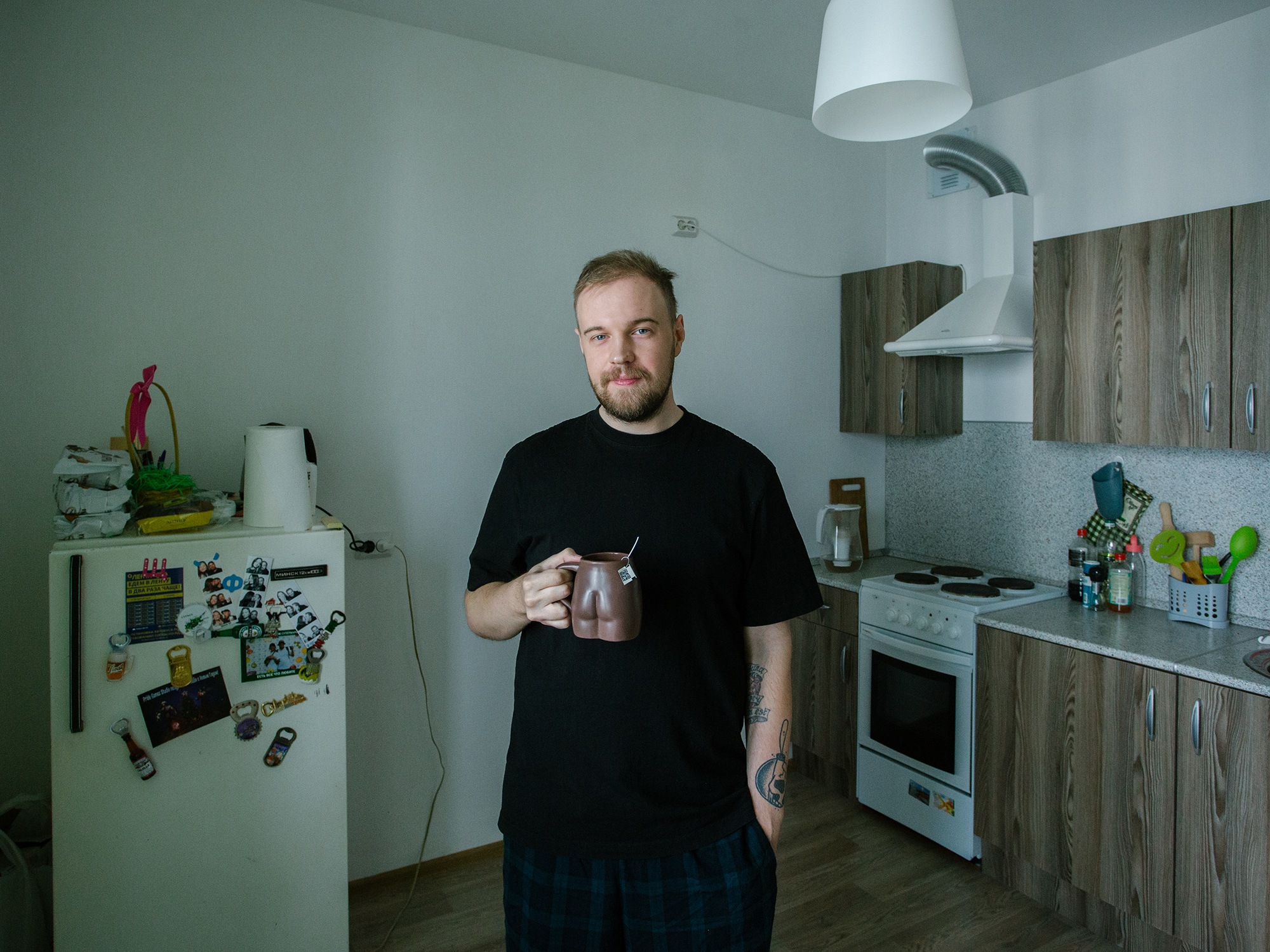
Sergey
Lives with psoriasis for 5 years
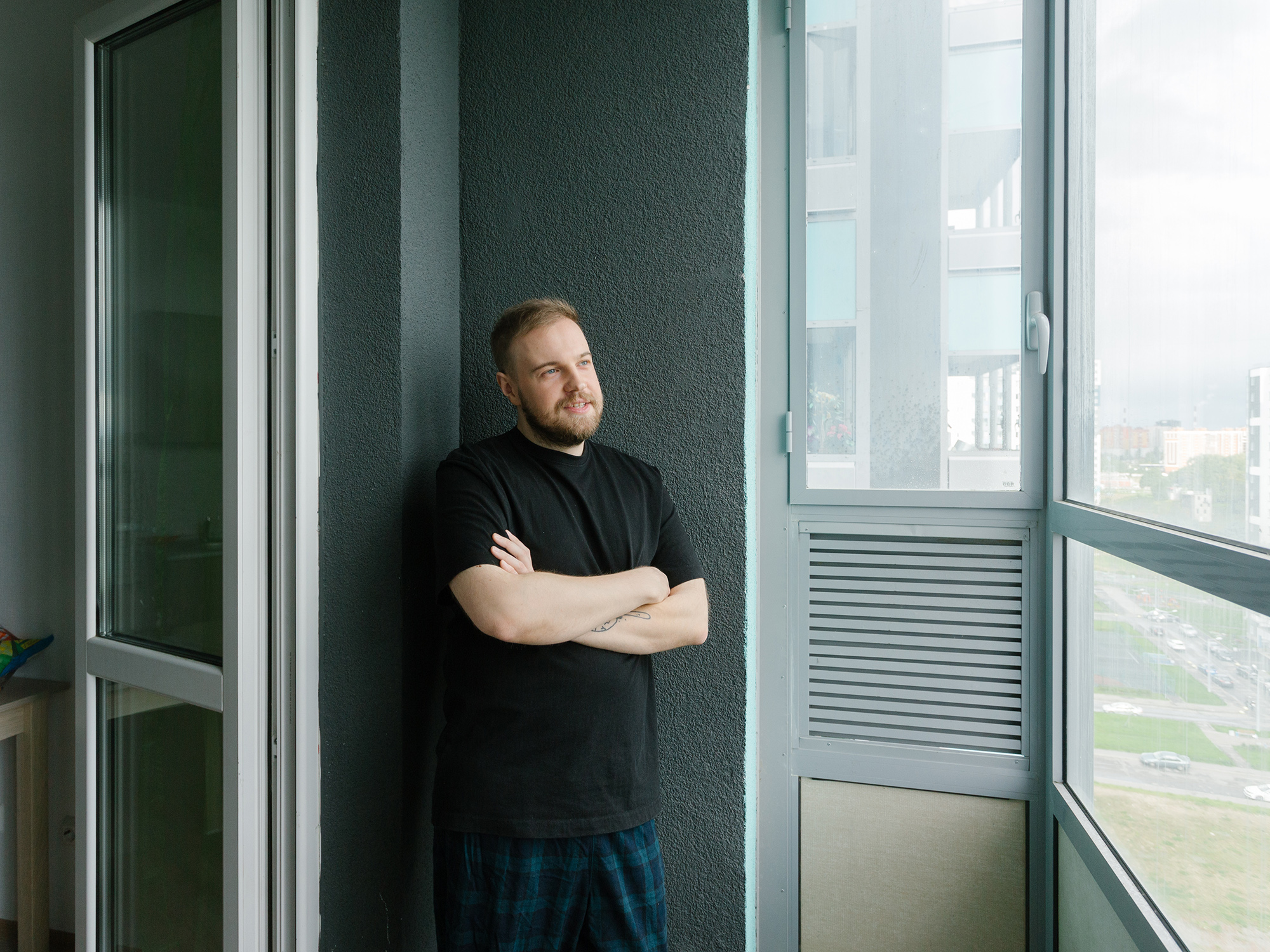
- It all started in 2016. In the first year of the university, I could not pass mathematics, it turned out only from the ninth time. It was great stress, I was very worried that they would expel me. As a result, my scalp began to peel off. At first I did not attach any importance to this, I thought: probably, some kind of shampoo is not the same. But time passed, but peeling did not pass.
I went to the doctor, and he said that it was either psoriasis or dermatitis. Around the same time, my mother had a similar problem. She was prescribed injections, they helped, and I passed the same course. But I had no improvements. As a result, I changed four doctors, and only this spring I was made an accurate diagnosis: psoriasis. When I heard this, I even experienced relief. Finally, I found out that with me, and, probably, I felt a little calmer.
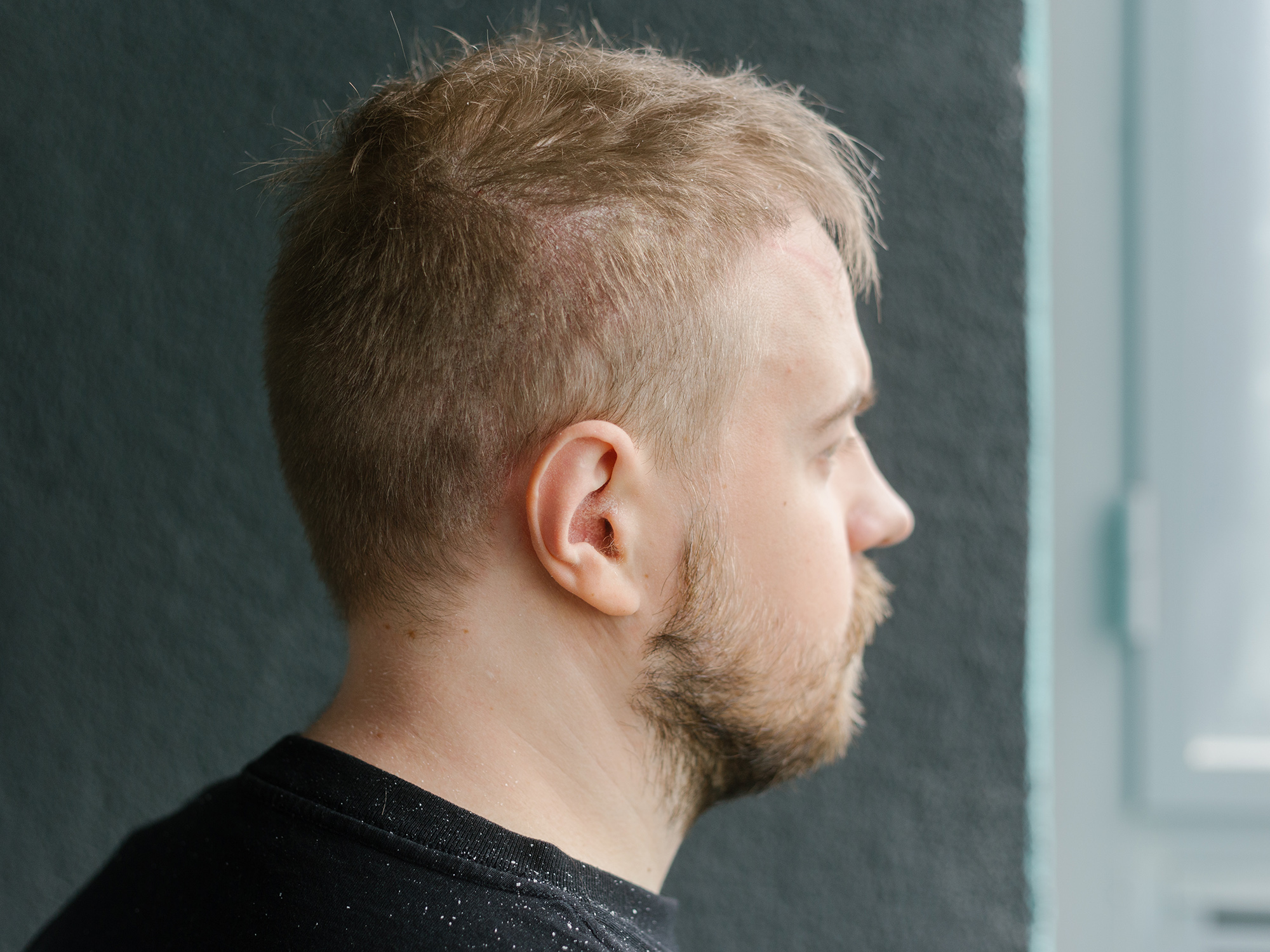
Now exacerbations happen every one and a half to two months. Most often they occur in winter or when I drink alcohol - in this case they appear the next day. The head begins to itch, redness arises not only on it, but also on the face - where the beard and mustache. In the last couple of months, crusts on the ears began to appear.
I use a special shampoo and lotion. In the near future I am going to lie down under a dropper and pass the missing tests, to take on the disease more serious.
To hide peeling and “dandruff”, which falls from the head, sometimes I have to give up black clothes: it is a little uncomfortable for me to catch the eyes of others.
It happens that people are point -blank at my peeling. And when this goes on for too long, I begin to explain that it is psoriasis and it is not contradictory. It turns out that most people who pay attention to my head do not know what psoriasis is. Society is not particularly informed about this disease. But when I begin to explain, people most often react normally. There is no neglect or disgust.
I can’t say that because of psoriasis, I somehow limit myself to social terms. In public places, I try to wear hats, and where it is [inappropriate], I try not to pay attention to peeling. Now I'm trying to get used to the idea that there is no point in hiding the disease. In psychological terms, this is difficult. I want to more openly approach this issue, but it does not always work out.
In everyday life there are moments that I do not like. For example, you often have to sweep the apartment, because dandruff is pouring. With close contact, my peeling remains on the girl, which is also not very pleasant.
A few years ago, when they had not yet been diagnosed, but I myself already guessed that it was psoriasis, I saw on TV one show with a man who was affected by literally the whole body (a form of psoriasis, in which the disease affects more than 90 % of the skin, is called psoriatic erythroderma - approx. “Papers” ). Then I thought with horror: what if the same thing could happen to me? I worried a lot about this. But then I decided for myself that I would not allow the aggravation of the disease. And it became a little calmer. In addition, my mother and friends support me very much. All my loved ones treat me well-there is no rejection [due to psoriasis] on their part. For which many thanks to them.
Faith
Lives with psoriasis 2 years
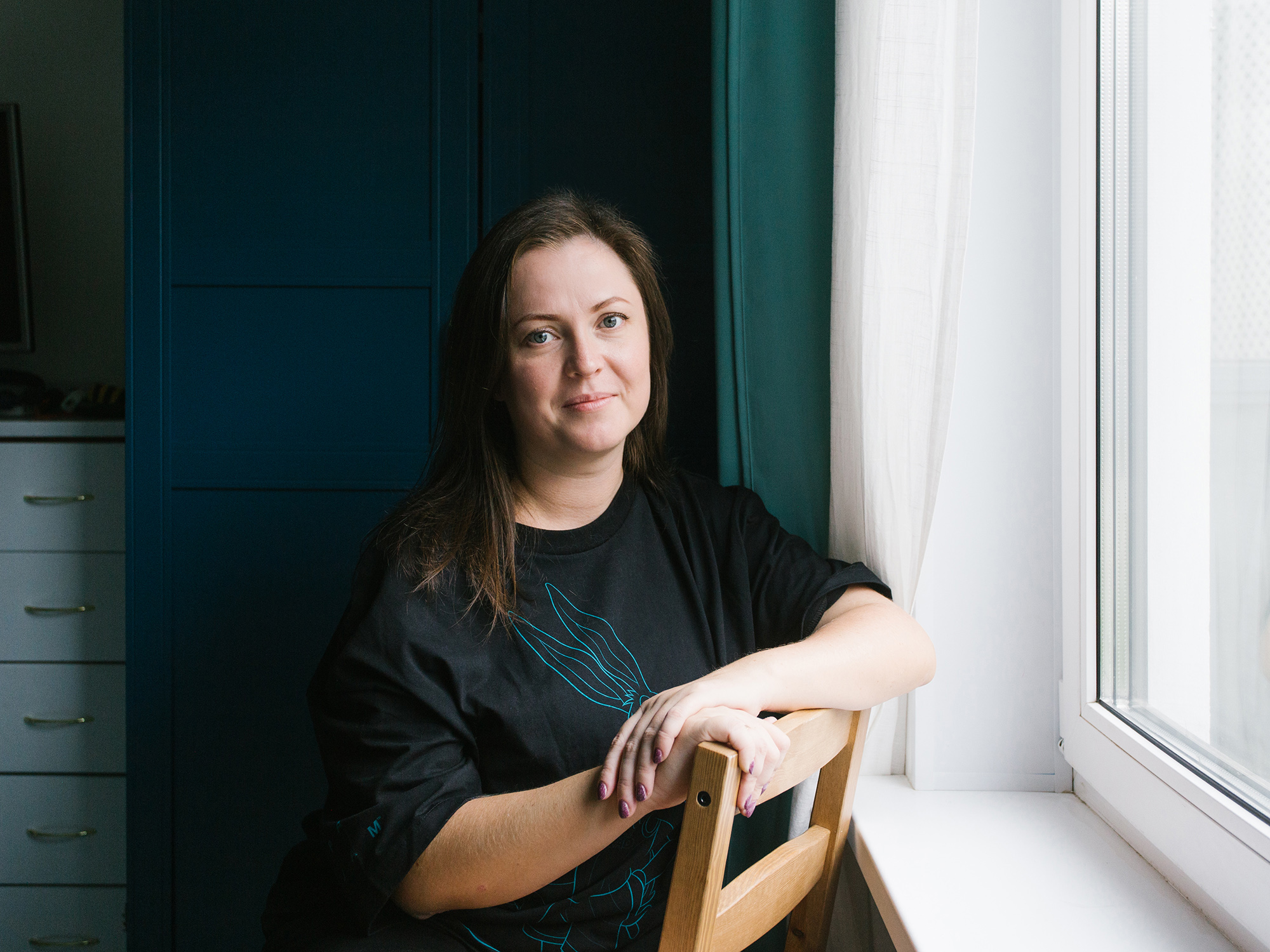
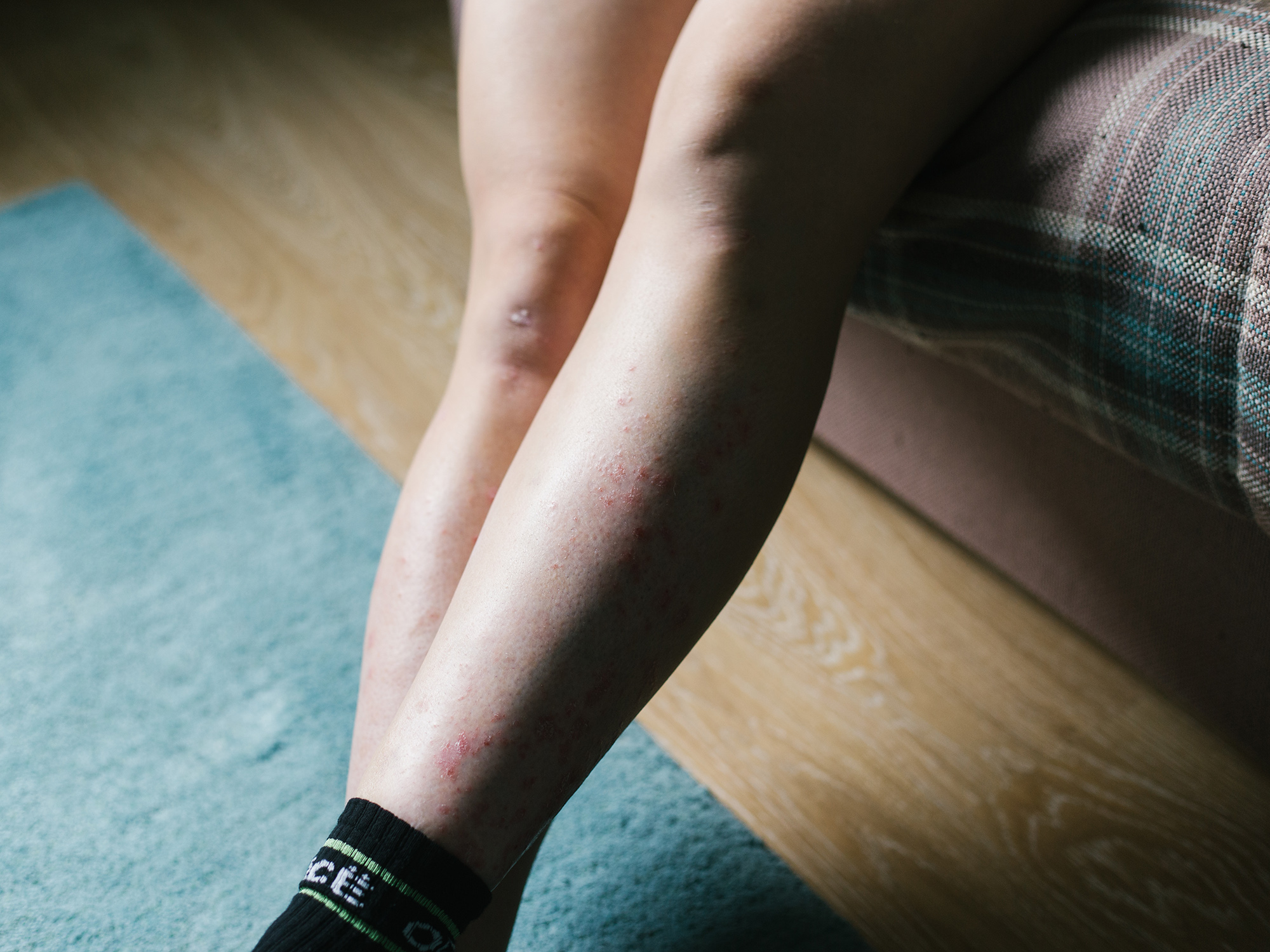
- Two years ago, I had two small spots on my leg. I thought it was dermatitis. About seven to eight months increased. After consulting with my husband, I came to a good expensive clinic and turned to a dermatologist. He said that it looks like psoriasis, but advised not to worry, since the spots are small.
It was in the summer, and after about six months of inflammation on the legs there were a lot. I turned to the district CVD, where the doctor invited me to go to the hospital for a month. I refused: I have a small child. I prescribed different ointments, phototherapy, but everything was useless. As a result, I myself found a cream that helps me hold the disease. But the sun works most effective. This summer we were with relatives in Astrakhan, and there I had almost everything, only scars remained. And in St. Petersburg, inflammations returned.
To restrain the disease, you need constant care - in the morning and evening moisturizing, baths, purification - this takes time. And another moment: my skin is not like peeling, but it scratches wildly at night. In a dream, I used to combine that in the morning droplets of blood on the sheet remain - I have to wash bedding more often. All this does not interfere with life, but there is.
When warm, I wear dresses, usually higher than the knee, and all my sores are visible. Therefore, in early summer, I always relocate myself psychologically. I’m going with my thoughts, I go out of the house and I go the first couple of minutes and I think: “God, how everyone will look at me now.” But soon I forget about it.
I spend a lot of time with a child in playgrounds. A couple of mothers once bypassed me - apparently, they simply did not know about such a disease. Once small children poked a finger, but these are children. In shopping centers, consultants several times came up with the question: “Have you been bit so much? Me too. I went out of town. This and that helped me. " And one colleague thought that I have diabetes - with diabetes there are also irritations on the skin. Friends are usually simply silent or supported. Only one friend asked once: "Do you deprive you, or what?" All the rest react adequately.
Most people, it seems to me, pretend that they do not notice. And once again I tell anyone anything. If they don’t ask, I'm silent. Do people live with eels on their faces? I did not have them, and the friends of my acquaintances suffered. But they are still used to it. This is fine. It seems to me that there should be the same attitude towards psoriasis. And now, in my opinion, they know little about this. Maybe we must somehow talk about it more?
When I was diagnosed, I asked the doctor why this disease arises. She said that psoriasis is inherited and occurs, including due to stress. Yes, I had a stressful situation with work. And then I still phoned all relatives - but no one had anything like this.
Why exactly such a thing attacked me, I do not know. Now I relate to this disease like this: there is and is. You just need to treat and restrain it. Do not give up. This is a test, and I can handle it.
The Psoriaz.life portal and the People - People Foundation launched the Self -Uzolation social campaign, aimed at combating psoriasis prejudices even among the patients themselves. Many lose faith in treatment, having tried various means, and get used to life, complete restrictions and pain. Within the framework of the campaign, a line of psychological assistance and a special project with video stories of people who achieved a persistent remission and returned to a normal life have been created. Free psychological support line: +7 (800) 201-60-88.