
Translated material
"Apple" in Lokdown
How is the "intra -party discussion" about Alexei Navalny and "smart voting"
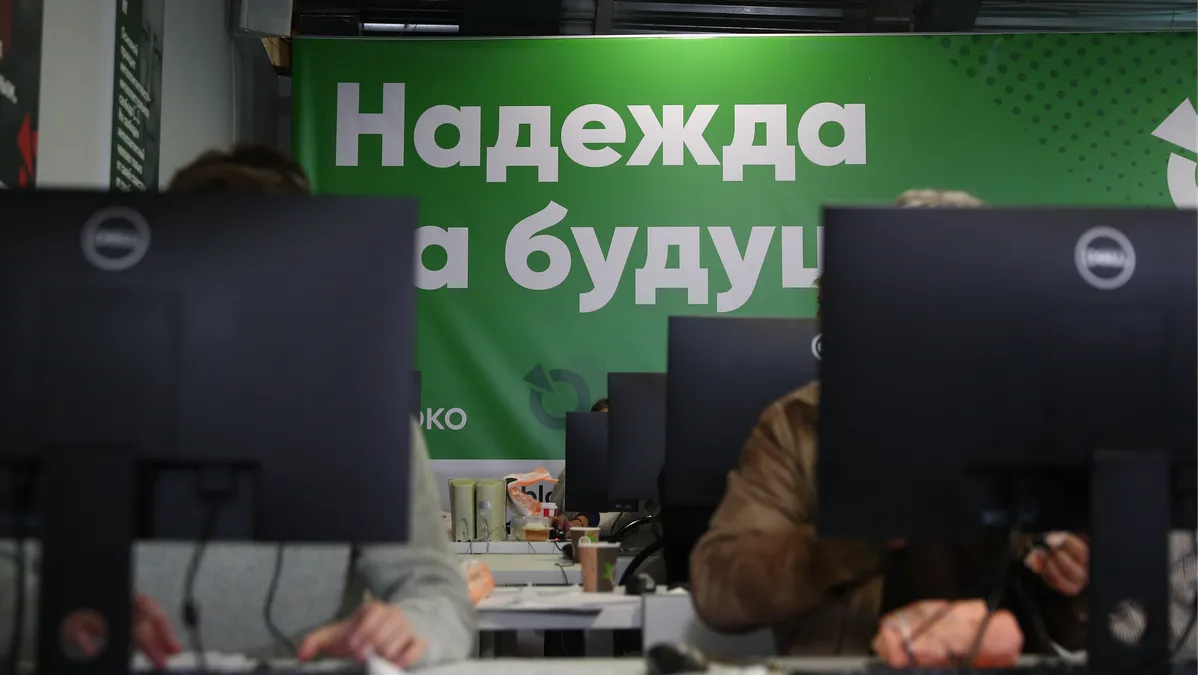
In October, it became known that Yabloko, which scored 1.34% in the September elections to the State Duma (0.65% less than in 2016), will withdraw from the registration of its members who support the “smart vote” (“UG”) Alexei Navalny. Removing from registration is a soft form of exclusion from the party, after which it is possible to be listed in Yabloko, but there is no decisions and occupying guidelines. Applications of the party leadership sent against supporters of Navalny over the past year are caused by a wide public discussion.
The correspondent of the “new” is versed in why the leadership of Yabloko acts as a “smart vote” who in the party resists this policy and how it will affect the Moscow municipal elections of 2022.
On October 20, the European Parliament awarded the policy of Alexei Navalny the main human rights award of the European Union - the Award "For Freedom of Thought" named after Andrei Sakharov. The opposition, who is currently serving the term in the IV-Rauche case in a colony in Pokrov, devoted this prize to wrestlers with corruption around the world. Not everyone supported the decision of the European Parliament. A little later it became known that the first deputy chairman of the Yabloko party, Sergei Ivanenko, sent a letter to European politicians, in which he asked not to give Navalny a reward. Ivanenko himself says that in a letter he explains to colleagues from the alliance of liberals and democrats for Europe ( European Liberal Democratic Party. - Ed. ) In response to their request, why Navalny’s views are incompatible with the Sakharov Prize. The deputy chairman of Yabloko sent the letter personally, but in the party its action was supported.
The call not to give Alexei Navalny Prize Sakharov was not the first public statement by the party against the politician that sounded this year. In February, a wide discussion was caused by the letter of the founder of Yabloko Grigory Yavlinsky criticized by the opposition, and in the summer of this year Yavlinsky called on Navalny’s supporters not to vote for the “apple”. On October 18, several decisions of the Federal Political Committee of the Party (FPK) were published on the Yabloko website, which were directed against “smart voting”, supporters of Alexei Navalny and street protests (“UG”, according to the committee, partially explains the result of the party in the past elections). In addition, public persons who were in support of Navalny’s strategy were criticized in criticism - the party placed their names with a list under one of the decisions.
Cook lists
In the list of quotes under the decision of the Federal Political Committee “On the calls to vote for the Communist Party, there were replicas of 35 public figures, a significant part of which is in no way connected with Yabloko. As the party chairman Sergei Ivanenko explains, the party placed these statements as a memorandum in order to "remember the position of those people who will then abandon it." The list included quotes of political scientists Ekaterina Shulman and Kirill Rogov, politics and entrepreneur Mikhail Khodorkovsky, economists Konstantin Sonin and Sergey Guriev. There were also quotes of the former municipal deputy Julia Galyamina and the ex-candidate to the State Duma for the Leningrad District of Marina Litvinovich, although before the election both refused the strategy of “smart voting” and called for “vote according to conscience” and “heart” .
Excerpts of the phrases of the speakers were borrowed from the media or posts on Facebook and went under the heading “Quotes and replicas of supporters and agitators for“ smart voting ”. As the director of “City Projects” wrote on Twitter, Maxim Katz, a similar census of supposedly supporters of Navalny in modern realities looks like a “real public denunciation”.
With the possibility of real negative consequences for people mentioned in the list, the human rights activist Roman Kiselev, ex-candidate to the State Duma from the Yabloko party in a single-mandate Lublin district, agrees.
- One part of the opposition tells the other part of the opposition that they are traitors to the ideals of liberal democracy, and calls them by names.
This is a pretty good reason to work on these people <for the authorities ". In addition, such a direct instruction can completely lie down to himself the basis of future court decisions about the non -penetration of the elections, ”Kiselev concludes.
The human rights activist himself was on the list due to the fact that on the eve of the election he asked Facebook not to vote for himself, but for a candidate supported by a “smart vote”. Kiselev wrote that he understands the choice of “UG”, since his chances of bypassing his opponent, the vice-speaker of the State Duma and TV presenter Peter Tolstoy, are where lower than the chances of the candidate from the Communist Party.
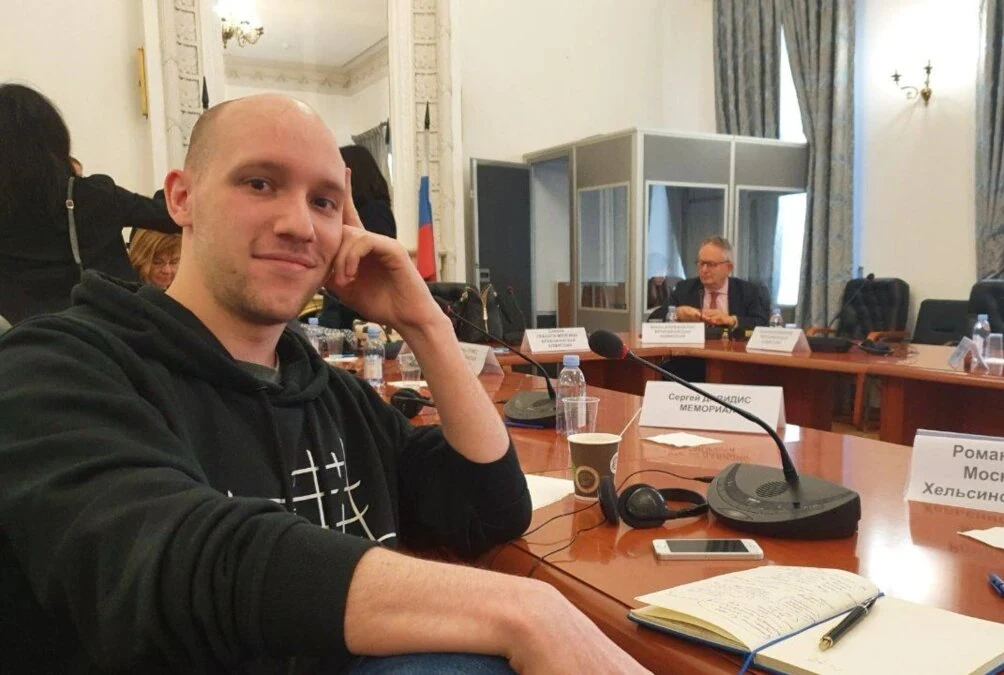
- Many voters of a democratic flank wanted to try to overturn the United Russia in this electoral cycle. This, in fact, explains the popularity of “smart voting”. These voters deserve enough data to make an informed choice, and I do not consider the call to vote according to my own beliefs. I stayed in the ballots, and people who manage to vote for the Communists could still vote for me, ”Kiselev explains his act.
At the same time, the ex-candidate adds that he himself sees problems in the Navalny project, and also recognizes the party’s right to have its position on “UG”. However, according to Kiselev, the direction in which Yabloko is now a discussion will not bring any benefit, but will only scare away the base electorate of the party.
With the fact that the struggle of Yabloko against “UG” will rather play a cruel joke with the party, the philosopher Grigory Yudin, who has been in the list of Javlinsky’s request , is in solidarity to not vote for the “apple” of those who support Navalny. As Yudin notes, the party included "approximately all public speakers to which its audience listens to the list of quotes." The philosopher reacted to the publication of his quote with humor, especially since the fragment of his text, published on the party’s website, was torn out of context: in the original material, Yudin also called to vote for strong and consolidated apples from the “Yabloko” in single -member districts.
“I myself voted in my district for the candidate from Yabloko, which I publicly stated and called for the same, but it is not interesting to mention this to the“ political committee ”,” says Yudin.
"UG" without voting right
The matter of the “wrong“ applers ”” was not limited to public censure. In another document, entitled “The state and prospects of the political struggle in Russia of 2021”, sanctions were prescribed for supporters of “UG”, as well as protested against the policy of street actions promoted by Navalny's supporters. As they decided in the political committee, “any form of support for the actual allies of the United Russia party - the Communist Party,“ SR ”( “ Fair Russia - Patriots - for the Truth. ” - Ed. ), LDPR in the form of the so -called smart vote and politics of Alexei Navalny” is not compatible with membership in the party. Party members who share these views will have to withdraw from registration.
Sergei Ivanenko explains that possible removal will be organized during re-registration-the procedure has already been announced in St. Petersburg and in Moscow. According to him, only those members who meet the criteria adopted in the decision will re -register. At the same time, withdrawal from registration does not mean exclusion from the party, but in the future it will not allow such members to make any decisions, as well as to be elected to senior positions. According to the deputy chairman of the party, then, how the sanction on Yabloko members will affect, depends on their ambitions: if they want to choose the governing bodies and arrange joint shares, for them it will be a restriction, if they just want to be in the party, there will be no problems. Also, the lack of party registration does not mean a refusal to register the elections as a candidate from the party.

- Other things being equal, the priority in the nomination, of course, is given to a more experienced candidate. But in the Moscow municipal elections <2022> there will be one and a half thousand vacancies of candidates - on our own we simply won’t cover such a scale, ”explains Ivanenko. - If the candidate urged to vote for our direct opponents, we will not welcome this.
According to the head of the Pskov Yabloko and a member of the federal political committee of the party Lev Schlosberg, a meeting, at which, in particular, the decision was made to deprive the registration of party members who supported the "UG", was closed and lasted almost eight hours. Schlosberg lowers specificity, explaining that the ethical principles of politics do not allow to comment on the content of closed discussions.
- Five projects of political decisions were discussed. A variety of opinions were expressed. The discussion was acute and frank. Most of the votes were adopted and all collegial decisions were published. A closed meeting has no other results and cannot be. These decisions are completely legitimate, with any political assessments expressed, ”Schlosberg points out.
The deputy of the Moscow City Duma from the Yabloko party, Sergei Mitrokhin, also part of the FPK, adds that the proposal of the registration of supporters “UG” was introduced by the chairman of the political committee Grigory Yavlinsky, and almost all participants in the political committee supported him. According to Mitrokhin, only the chief researcher of IMEMO RAS Viktor Sheinis spoke out against.
- This decision is very logical. When I was still the chairman of the “party>, we decided that membership in the party cannot be compatible with the support of political forces that are diametrically opposite to our position. In particular, the Communist Party. If you support them, go to them, what are you doing with us?
“Smart voting” is the support of the Communist Party, there are 90%of them, ”says Mitrokhin.
In response to the fact that the “smart vote” twice supported Mitrokhin himself - in the elections to the Moscow City Duma in 2019 and in the Duma elections of this year - the politician replies that he did not ask for the strategy “support him”. Sergei Ivanenko adds that Yabloko is so rare in the “smart voting” lists that their candidates can be called a random sample: for the last time about 10 candidates out of 225.
“You understand that this is not an accident?” It used to be the same. The people who are now sitting at the headquarters ( Navalny . - Ed. ) Conduct a certain political line. We have been opposing her for many years, ”says the deputy chairman of the party.
Lev Schlosberg adheres to a similar position. In a conversation with the “new”, the Pskov politician calls the “smart vote” a “looter project”, which consciously corrupts society, calls people to abandon personal beliefs and views. In his opinion, the project is actually not opposition, but on the contrary, it can be preserved by President Vladimir Putin’s political system, which is supported by parliamentary parties.
- If a member of the party publicly campaigning for a candidate from another party, including supported by a “smart vote”, is a direct blow to both the party and the party as a whole. Such episodes were during previous elections. These are extremely sick situations for people, says Schlosberg. - No self -respecting party will turn a blind eye to this. The party must defend its candidates.
The party is not a waiter, the party is a community of people sharing common values.
At the same time, Schlosberg notes that, despite the discrepancies with the views of Navalny, the party supports politics as a political prisoner, and the investigation of the attempt on him was announced in the Yabloko program in the State Duma elections. The conclusion of Navalny Schlosberg does not consider it a restriction for conducting a political discussion with him. The fact that Navalny continues to interact with society “because of the lattice” creates all the conditions for this discussion.
“At the same time, I hope that politicians will also have all the possibilities for a public discussion with Alexei Navalny, when he will be released,” the head of the Pskov Yabloko points out.
New Gazeta asked to comment on the discussion of the party chairman Nikolai Rybakov and the founder of the party Grigory Yavlinsky. Rybakov first refused to comment on the newspaper the situation due to employment. Then his secretary Stanislav Myasnikov replied that Rybakova "there is no point in responding in the material where there are already comments by Ivanenko and Yavlinsky." Grigory Yavlinsky also refused to comment on the situation. According to his press secretary Igor Yakovlev, Yavlinsky "this topic was not interested in this topic, other party leaders commented on it more than once." Instead of the founder of the party, Yakovlev himself answered the questions.
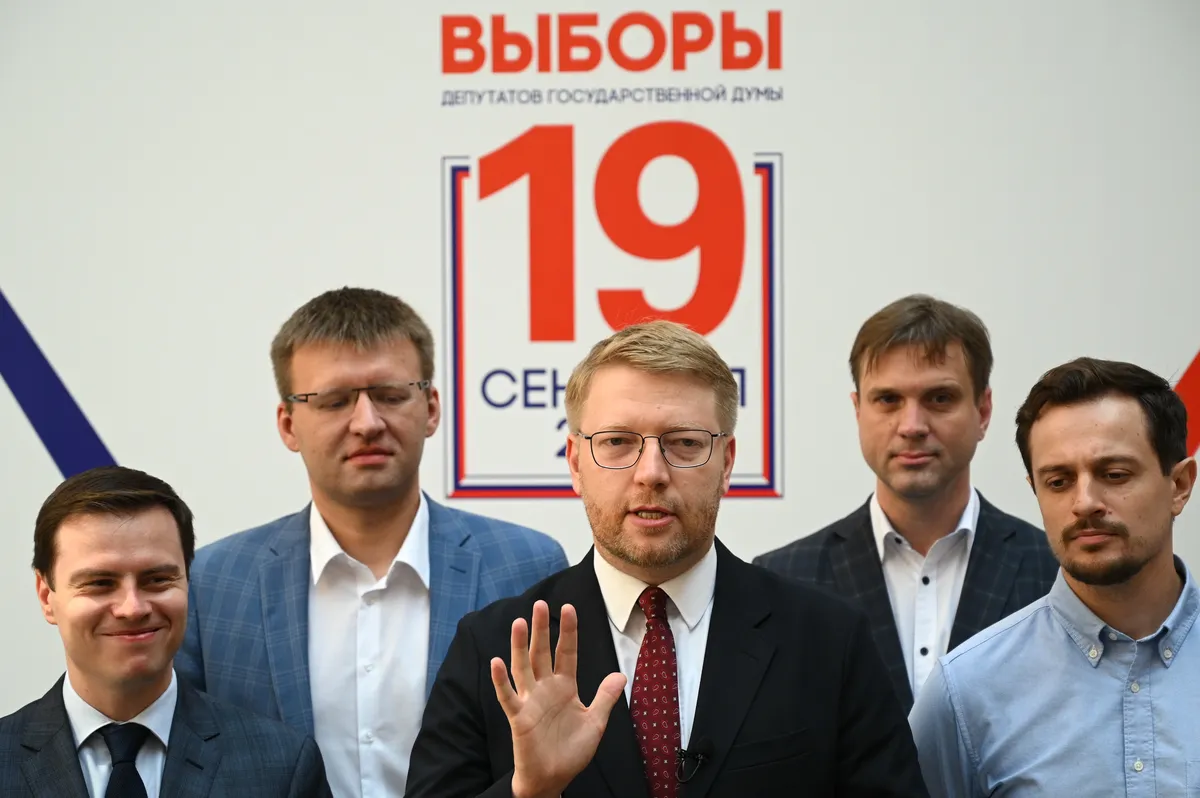
As Yakovlev explains, despite the fact that discussions in political parties are possible after the program has been adopted in the party, the manifesto or decision of the congress of governing bodies, these documents must be adhere to. This is necessarily for everyone. “Smart voting”, in turn, “absolute stupidity and harm to our country,” since in 95.5% supports supporters of Vladimir Putin.
- “Smart voting” is, for example, a vote for the war with Ukraine, and the “Yabloko” against the war with Ukraine. And all these parties, supported by “smart voting”, along with their single -mandate (Communist Party, “Fair Russia” with Prilepin, who is fighting in the Donbass, LDPR), advocate war with Ukraine. This must be explained to people, ”Yakovlev answers to the question of Yavlinsky.
According to the spokesman, this is the policy of Alexei Navalny, who is significantly diverging from the position of “Yabloko”. Supporters of this direction in the Yabloko party cannot be. Yavlinsky as the chairman of the Federal Political Committee considered it necessary to discuss several important issues at the first meeting after the elections, in particular. He was supported in the committee: 15 of the Committee of 17, 14 of them voted “for”, 1 - “abstained” in a meeting on this issue.
As the press secretary continues, the decision was also supported in another large governing party of the party-the federal bureau (“only a couple of people were“ against ”there). Of the dissatisfied, probably, only supporters of “smart voting”, but there are less than 1%of them in the party. They have nothing to do in the party.
- We regret that these people will leave, but nothing can be done. Those who figure out that the vote for the Communists, Stalinists, Prilepinites who killed people in the Donbass, and the LDPR are wrong for the country, will return to the party, ”Yakovlev replies.
Letter of disagreements
The Federal Political Committee was practically unanimous, but not everyone liked his decision. The disagreed members of Yabloko from different regions even wrote an open letter in which they called on the leadership to put their powers. On October 30 this year, 184 people were signed under the document - most of the signed belongs to the Moscow and St. Petersburg regional branches.
As stated in an open letter, at the moment the party leadership acts against everyone who shares the values of the party. In particular, instead of a real analysis of the causes of failure in the past elections, criticizes the political prisoner Alexei Navalny and the UG strategy. In addition, the authors of the letter believe that the party does not follow democratic principles: the leadership may arbitrarily deprive the rights of the vote of the one he wants, and the ordinary members of the party cannot influence this in any way.
Lev Schlosberg considers the internal political discussion of normal: in his opinion, it reflects the experiences of people for the fate of the party (while the head of the Pskov Yabloko notes that not a single “apple tree” has left the party because of this in the Pskov region). Sergei Ivanenko, in turn, adds that there is no protest at all-there are only a few dozen young people who went into the party two or three years ago and have nothing to do with it since then. “Only sit on social networks and constantly trolls,” the deputy chairman explains.
However, there are still active "apple trees" among the signathers. Among them are the head of the Yabloko campaign headquarters in the Novgorod region in the elections to the State Duma Mikhail Pletnev. Against the backdrop of the latest statements, the politician considers the requirements for leadership quite adequate: for him this is a reaction to the fact that the party leadership instead of looking for funds, support candidates and conduct a campaign, is engaged in "publishing lists of enemies of the party or repulsing supporters of democratic changes."
“There is nothing strange here, if we defend democracy in the country, then let it be so in the party,” says Pletnev. - For example, this year I led a pre -election campaign in Veliky Novgorod, where I managed to collect 1.7 million rubles on a fundraising (I practically did not give money for the campaign).
It is a shame to see when the party leadership spoils its image, while I and the people who did the campaign with me, worked every day for this image.
Кроме того, Плетнев уверен, что «Умное голосование» никак не направлено против «Яблока». В подтверждение он приводит прошедшие выборы в Новгородской области, где оба кандидата от партии по округам провели хорошую кампанию — и в результате были поддержаны «УГ».
Письмо также подписал московский муниципальный депутат района Раменки Максим Гонгальский. Как поясняет мундеп, он воспринял решение политкомитета «Яблока» как часть одной «мощной» кампании против Алексея Навального, позиция по поводу которого сейчас является водоразделом для оппозиции (Гонгальский поясняет, что речь идет не о взглядах, а о персоналиях). Кроме того, он считает неприемлемой жесткую критику уличного протеста, которая также содержится в решение политкомитета.
— Многие используют уличный протест. Иногда он бывает согласован, иногда нет, часто бывают правовые последствия, но здесь каждый решает для себя. Я ходил на несогласованную акцию в поддержку Алексея Навального, получил штраф, провел ночь в ОВД, а руководство моей партии меня в этом обвиняет. В документе виден серьезный мировоззренческий конфликт. Кроме того, такая политика партии приводит к тому, что «Яблоко» показывает на выборах низкий результат, а его руководство еще и говорит, что их этот результат не интересует, — говорит Гонгальский.
Партийных последствий Гонгальский для себя не боится, так как не видит смысла состоять в партии без возможности критиковать ее. Тем временем последствия могут оказаться вполне реальными. По крайней мере, как сообщил питерский муниципальный депутат Виталий Боварь, после подписания письма, он узнал, что якобы состоит «в списке на исключение» из партии. Подробности мундеп, правда, рассказать не может: что это за список и кто еще в нем состоит, он не знает. Также он предполагает, что подписанное письмо может быть не единственным аргументом в пользу исключения: он и раньше публично поддерживал Навального, выступал против исключения из партии политика Максима Каца, а также участвовал в дискуссии касательно филолога и видного «яблочника» Александра Кобринского, которого осенью 2020-го обвиняли в харассменте.
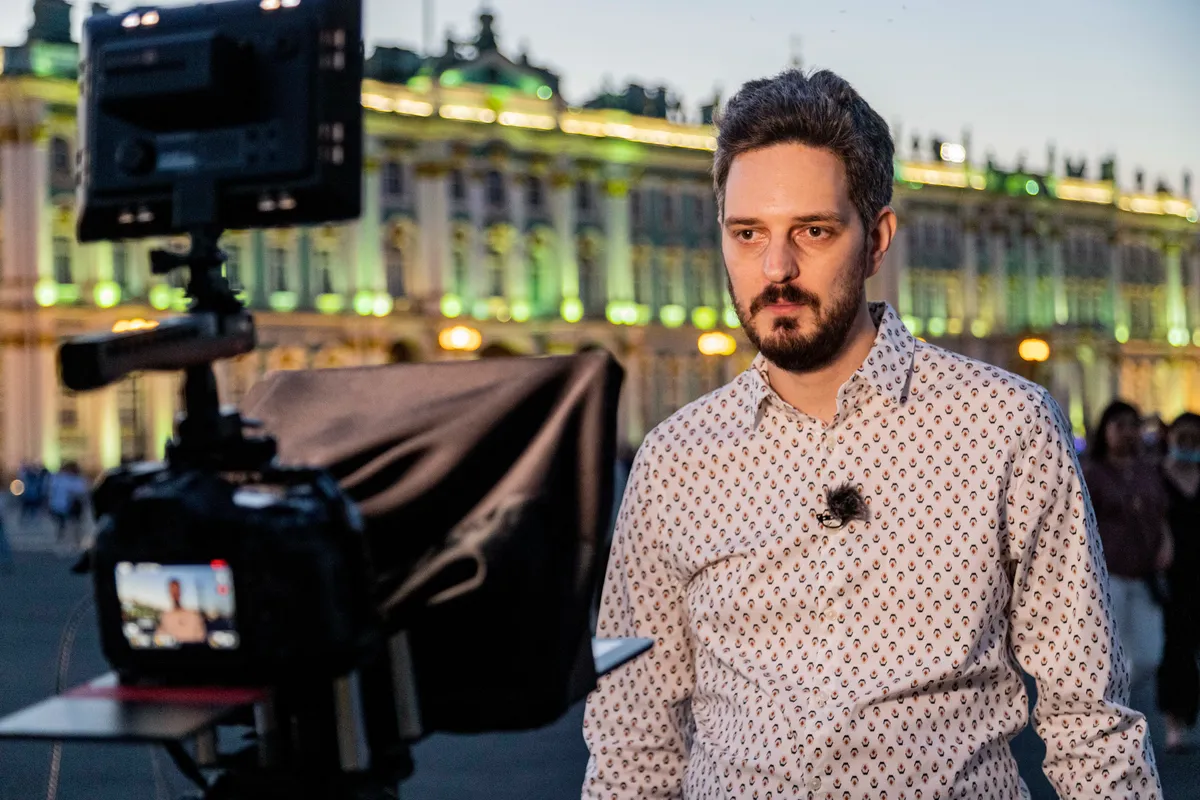
«Несогласных» из «Яблока» исключали и раньше. К таким случаям обычно относят лишение членства Максима Каца и нескольких его сторонников, произошедшее в феврале 2020 года.
— Партия не готова к открытому внутреннему диалогу по целому ряду вопросов как связанному с прошедшими выборами, так и по вопросам, связанным с внутренней демократией, — объясняет свое видение ситуации Боварь. — Сейчас в «Яблоке» есть существенное количество людей, которые хотят диалога на эти темы, однако диалог этот невозможен, так как ничего и никому объяснять руководство отнюдь не намерено. Мы просто должны сидеть и помалкивать, даже если решения руководства нам не нравятся. Система внутрипартийных выборов также в глубоком кризисе: одна история с Максимом Кацем, у которого реальное большинство в московском отделении, но при этом было сделано все (вплоть до исключения), чтобы это большинство не превратилось в его председательство. И это только одна история, а таких много.
«Новая газета» попросила Сергея Иваненко прокомментировать ситуацию с Боварем, но зампред ответил, что незнаком с этой историей.
В конце октября против утверждения ФПК списка агитаторов «Умного голосования» выступили также члены регионального совета Архангельского отделения «Яблока». В регсовете предложили политкомитету досрочно сложить свои полномочия, указав на то, что руководство партии потеряло свою объективность и критическую самооценку. 2 ноября Федеральное бюро «Яблока» отменило решение Архангельского регсовета и приостановило его деятельность, сославшись на то, что члены действуют не по уставу и разжигают конфликт (документ есть в распоряжении редакции).
Ценности и рейтинги
Несмотря на то, что опрошенные «Новой» рядовые «яблочники» не ожидают массового исхода из партии, все они сходятся в том, что ее имидж значительно пострадает. Объяснения, почему руководство партии все еще продолжает гнуть свою линию, находят разные. Плетнев связывает кампанию против сторонников Навального с тем, что они отобрали у «Яблока» монополию на демократический электорат. Теперь часть избирателей, которые раньше проголосовали бы за «Яблоко», предпочитают попробовать на выборах «прокатить единороссов», проголосовав по «УГ». «Умное голосование», в свою очередь, ориентировано на кандидатов, подходящих именно для этой цели, а не только на кандидатов с демократическими ценностями, которых подбирает «Яблоко». Руководство партии, когда видит это, начинает искать виноватых.
— Борьба с «Умным голосованием» — результат такой «обиды».
Этим людям сложно признать, что они, с одной стороны, «уважаемые партийцы», а партия под их руководством набирает все меньше и меньше процентов.
Поэтому проще искать врагов, нежели пытаться заново учиться вести кампании или ставить на эти позиции людей, которые это умеют делать, — объясняет свою позицию Плетнев.
Максим Гонгальский видит в текущем политическом курсе партии попытки остаться в системе и найти компромисс в отношениях с властью.
— Ситуация в стране обостряется, повышаются риски. Либо ты остаешься системным, либо становишься внесистемным. Понятно, что партия и раньше занимала достаточно умеренную позицию, но в нынешних реалиях эта умеренность превращается в радикальность. Того же Льва Шлосберга сняли с выборов, хотя раньше никогда не снимали, — говорит Гонгальский.
С ним частично соглашается политолог Александр Кынев, который предполагает, что политика против Алексея Навального может играть роль во взаимоотношениях с фигурами федеральной власти. Политолог указывает на то, что в последнее десятилетие «Яблоко» продолжало получать свои должности: один из создателей партии Владимир Лукин до недавнего времени был членом Совета Федерации ( Лукин покинул партию в марте 2020 года по собственному заявлению из-за того, что собирался проголосовать в поддержку поправок в Конституцию. 24 сентября этого года он также перестал быть сенатором из-за истечения срока своих полномочий. — Ред. ). Членом высшего руководства партии все еще является Игорь Артемьев, бывший глава Федеральной антимонопольной службы ( ФАС; Артемьева сняли с должности в ноябре 2020 года, после 16 лет работы в ведомстве. Сейчас он является помощником премьер-министра Михаила Мишустина . — Ред. ), а два человека из окружения Артемьева уже стали губернаторами: бывший начальник управления контроля топливно-энергетического комплекса ФАС Дмитрий Махонин в 2020 году стал губернатором Пермского края, а бывший заместитель руководителя ФАС Михаил Евраев в этом году возглавил Ярославскую область.
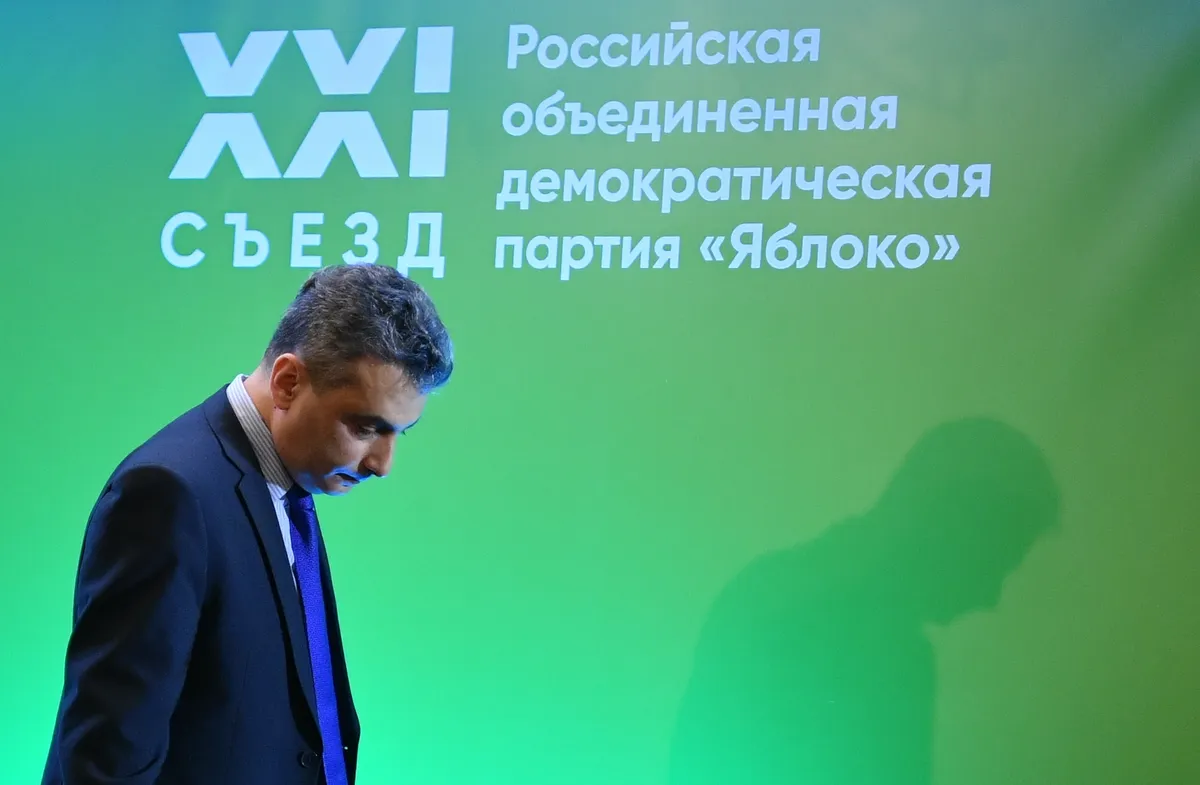
При этом Кынев считает, что на имидже партии текущая политика против Навального сильно не отразится. Об этом свидетельствует и результат партии на выборах в Думу: 1,34% при 5% проходных (набрав менее 3%, партия также лишилась бюджетного финансирования). Политолог уверен, что политика федерального «Яблока» негативно отразилась на региональных кампаниях, а также на будущих муниципальных выборах в Москве. По словам Кынева, повторения успеха 2017 года, когда многие «яблочники» стали мундепами, ждать не стоит.
— Можно было попытаться начать как-то вылезать из этой полосы неудачных решений, вредных для электоральной судьбы партии. Любой политик должен расширять электоральное влияние, а лишние внутренние конфликты всегда наносят политический ущерб, — говорит Кынев.
В «Яблоке» причин менять свою позицию из-за имиджа не видят. Как считает Лев Шлосберг, несмотря на то, что рейтинги для партии важны, это не повод следовать всем общественным настроениям, иначе «можно потерять лицо навсегда».
— Партия пошла против течения отчаявшегося и обозленного общества. Это очень трудно, — замечает политик.
Пресс-секретарь Григория Явлинского Игорь Яковлев добавляет, что, несмотря на то, что сейчас политика «Яблока» не пользуется большой популярностью, текущие решения политкомитета ориентированы на будущее. Все они сохраняют политическое направление партии и не позволяют превратиться процессу ее развития в «непрерывную склоку».
— Если мы хотим принести пользу нашей стране, мы должны иногда принимать непопулярные решения. Чем лучше люди будут понимать, что происходит, тем больше будет поддержки у «Яблока». Постепенно рейтинг партии будет расти, — заключает Яковлев.
***
Итог парламентских выборов в «Яблоке» объясняют «беспрецедентным давлением». На результат повлияли не только фальсификации и «УГ», но и снятие кандидатов, а также маркировка «иностранного агента», которую пришлось внести в бюллетень и агитацию из-за выдвижения экс-директора «Открытой России» Андрея Пивоварова по федеральному округу (сейчас он находится в СИЗО по обвинению в руководстве нежелательной организацией). Кроме того, явным недостатком прошедшей кампании называют участие кандидатов, которые решили использовать партию, как «политическое такси».
Как уверен Григорий Явлинский, в реальности партия получила 6–7%. Но в условиях выборов в России результат — это «формальность», уверены в «Яблоке». Как считают в руководстве партии, на этих выборах для «Яблока» было значимым продвижение антимилитаристской и гуманистической повестки. В будущем партия собирается оставить это своим приоритетом, а также продолжить работу над новыми политическими структурами и кадрами.
Сейчас «Яблоко» пытается проявлять себя публично и за рамками конфликта со сторонниками Алексея Навального. К примеру, многие «яблочники» борются против закона об «иноагентах», который только за последний год затронул больше семидесяти человек и организаций. В конце октября депутаты петербургского Законодательного собрания из фракции «Яблоко» Борис Вишневский и Александр Шишлов предложили исключить статус «иностранный агент» из российского законодательства.