
Translated material
Black Coar
The bill on mandatory QR codes becomes a new "raising the retirement age"
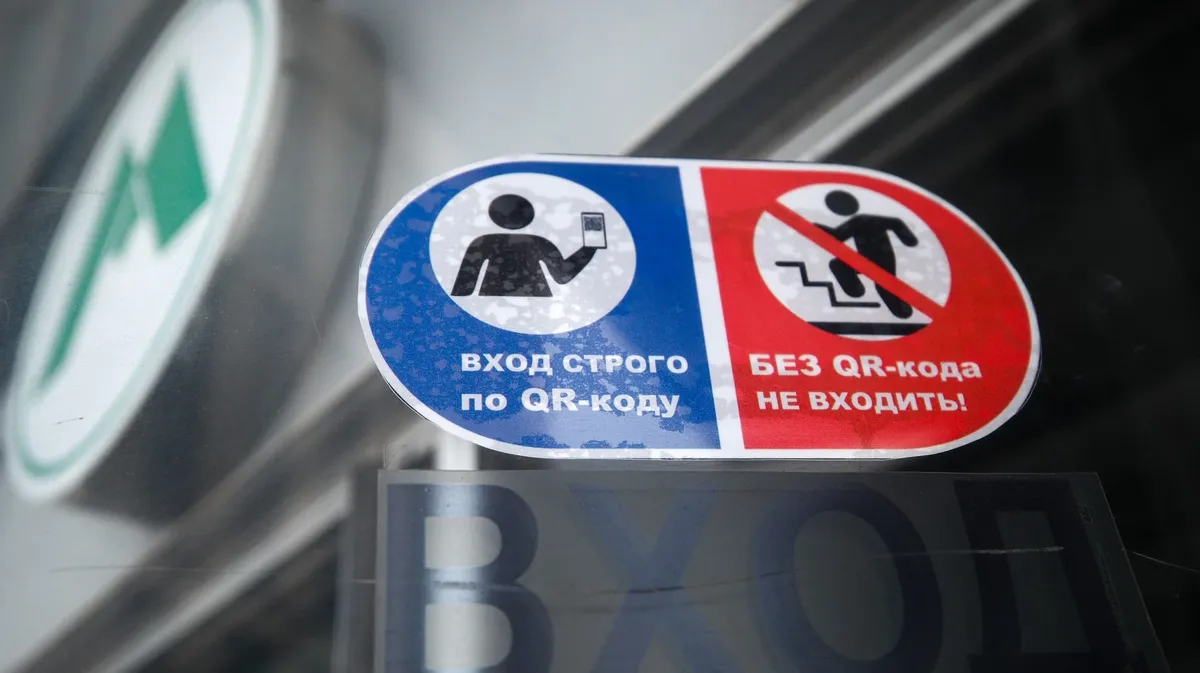
At the end of the second year of the pandemic, the bill on the use of QR codes in public places has become the main political topic in Russia and risks setting society against the authorities no less than raising the retirement age in 2018. The initiators of the bill seem to incorrectly assessed the potential for the mobilization of “antivaksers” on this issue.
It was assumed that citizens would accept QR codes with the same obedience that they showed during the “zeroing of the Constitution”, the persecution of the politician Alexei Navalny or in the issue of the official results of the elections to the State Duma. However, the irritation of citizens is great: on the Internet in recent weeks, QR is the most discussed topic, and those who support this measure are in an absolute minority.
Rational objections to the specific formulations of the bill are superimposed on the most intricate constructions of citizens who are decisively against vaccination.
In QR codes, they simultaneously see a way of coercion to put vaccines (which is fair), and something like the "press of the devil", and this at a fundamental level offends the dignity of people.
A kind of QR-mysticism has appeared: although the code is only a link that is relatively convenient to read in public places, people have associations with barcodes used to label goods (and then citizens say that “we are not goods”), as well as fears that the introduction of QR code goes beyond the combat of coronavirus and as if it is associated with the sinister planes of the authorities to build In the future "digital Gulag."
The fact that in the eyes of the authors of the law, probably invented in the presidential administration, was conceived as a neutral “technocratic” way to control epidemiological measures, turns into a national drama. The regulars of the liberal segment of social networks are surprised: why the panic was caused by rather harmless QR codes, despite the fact that censorship, the persecution of the opposition and “foreign agents”, as well as falsified elections, the large Russian society perceives absolutely calmly.
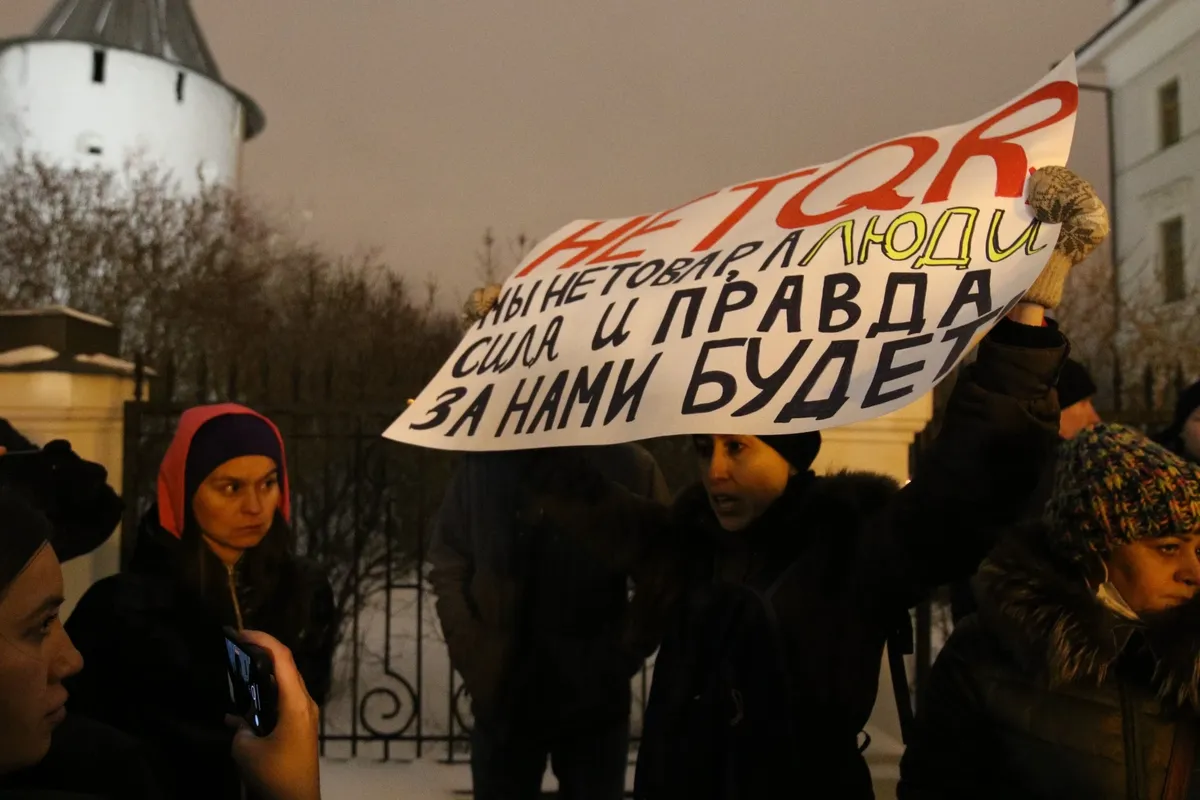
Perhaps here the “technocrats” were faced with a fundamental problem: QR codes look in the eyes of a significant part of citizens as an attempt on that very stability, imperfect, but understandable structure of Russian life, for the sake of preserving which it was worth to endure everything else. The unclear digital-medical manipulations over the bodies and documents of Russians, especially children, are faced with the consequences of many years of propaganda, which boiled down to the fact that we do not need to live anything, the new, unclear, we will live in our minds-herbs, jam tea and the Arbidol. And the QR code is even a non-Russian word, and it is not known how to pronounce it correctly, which is why Gennady Zyuganov speaks of “PR codes”.
Propaganda that denies the rational structure of the world now needs to convince citizens to take state measures to combat coronavirus: the task seems to be overwhelming.
Out of caution, so as not to collapse the president’s ratings, the authorities take a theatrical pause with the bill on QR codes. Putin did not speak in support of the unpopular law, but once again reminded that the decision on vaccination should be exclusively voluntary. State Duma speaker Vyacheslav Volodin advertised his telegram channel, allowing citizens to leave comments under the record of QR-Zakon project; During the day, their number exceeded 300 thousand, and most of them were sharply critical. Volodin promised citizens sensational democracy: before adopting the law, it is necessary to “discuss comprehensive”, and what will be the decision of the deputies - depends on the opinion of citizens. An unprecedented flurry of liberalism in our latitudes - it immediately becomes clear that the authorities are very worried.
The local deputies feel that the line was hesitated, and join democracy: the parliament of North Ossetia did not have enough voices to support the federal bill on QR codes. This example can become very seductive for other regional zakov, because it is clear: both the president did not give such a team, and Volodin calls to be exposed. It is unclear, however, what can this lead to: the government plan B to combat the epidemic in Russia is not visible: if not QR, then what?
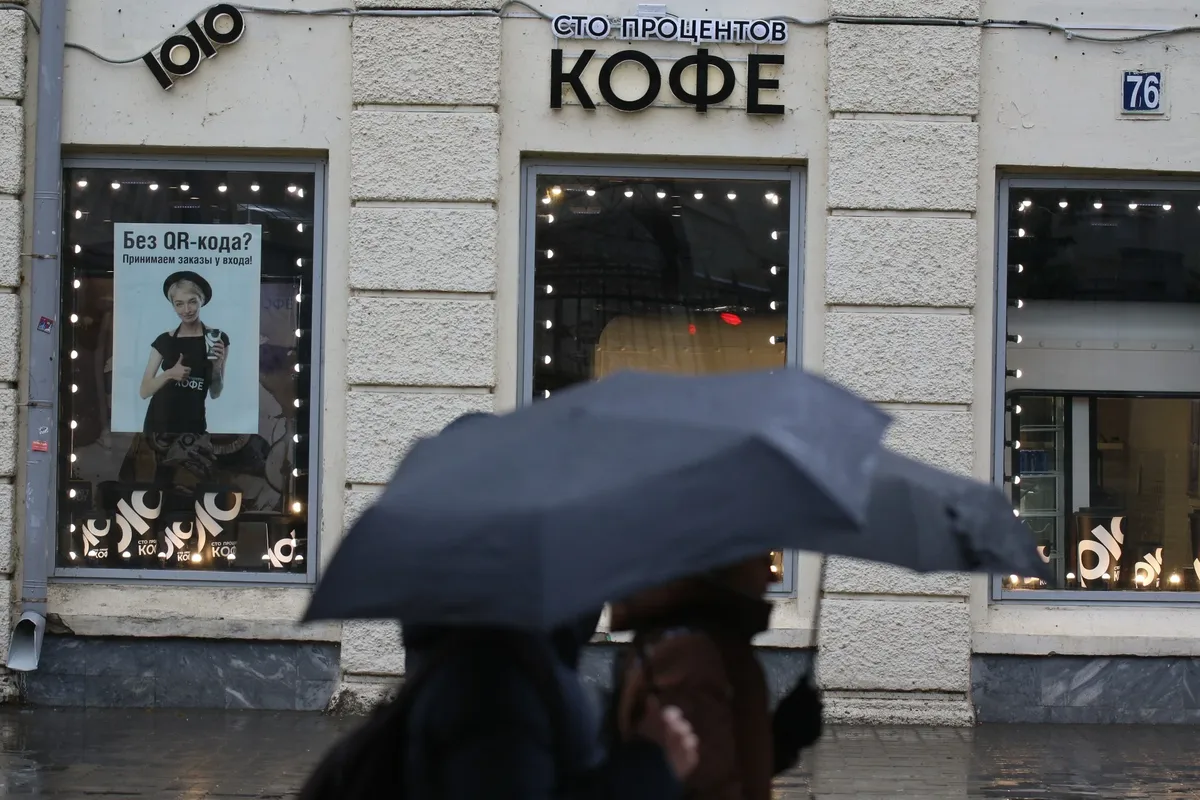
Meanwhile, many Russian regions introduce mandatory QR codes without waiting for the law. The pioneer here became Tatarstan, where the check of codes in public transport, it seems, was quite quickly profanated. The conductor in the Kazan tram, as they say, simply asks incoming citizens if they have QR, does not have time to check the code and passport - this is twice as usual than usual. In St. Petersburg, some catering establishments hang the signs "we can do without QR." On the one hand, they are threatened with fines, but on the other hand, you can’t finish all at once, and the absence of a QR-inre is a valuable competitive advantage.
In Perm, dear restaurants, it seems, is slightly flaunted by the fact that they do not check the codes from their exquisite customers. Fighting the epidemic all does not help too well.
Moscow is not in a hurry with the repeated introduction of QR codes, which conducted a similar experiment for catering in the summer, when restaurateurs were immediately allowed free access to summer verandas, but the revenue still fell strongly. However, the airline and Russian Railways seem to be ready to introduce QR, and this can turn the situation: it will be possible to travel around Russia only “with reference to public services”. As, for example, foreigners will travel whose vaccines are not recognized in Russia, no one seems to have thought.
The QR Vals between society and the state, in which the first partner does not believe in the good intentions of the second and seeks to deceive him at all costs, looks, of course, as if we were stuck in coronavirus forever.