
Translated material
"Through all the changes in the weather." History of the First Russian Kabar
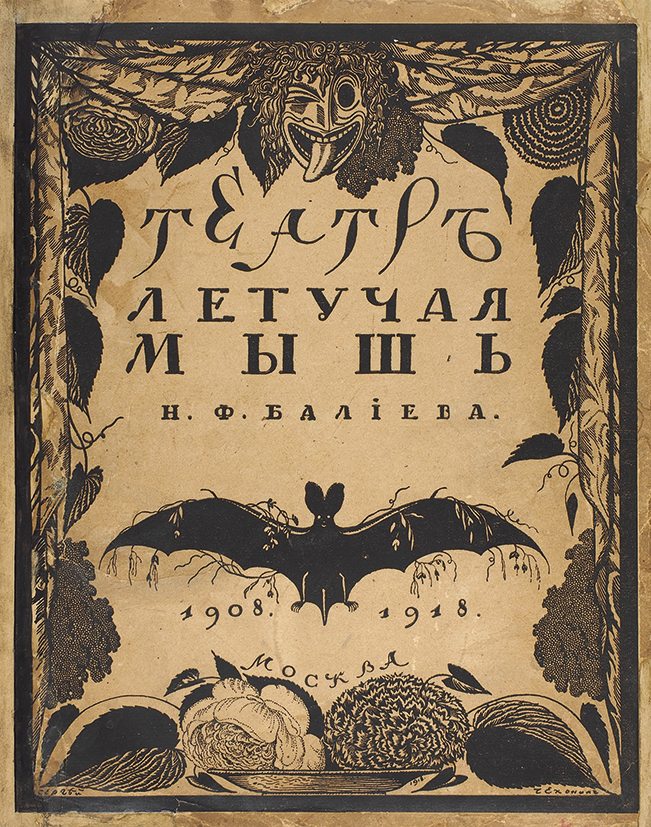
At the beginning of the 20th century, the first battens of “bat” in Russia opened in the Hamovniki house in Khamovniki. It was conceived, according to the literary critic of Nikolai Efros, as "an intimate circle for mutual amusement and fun of the actors of the Art Theater in the post -lane clock." However, later, Kabar became a full -fledged theater and after the revolution toured North and South America and Europe. Anastasia Kaganovich tells the story of the "bat."
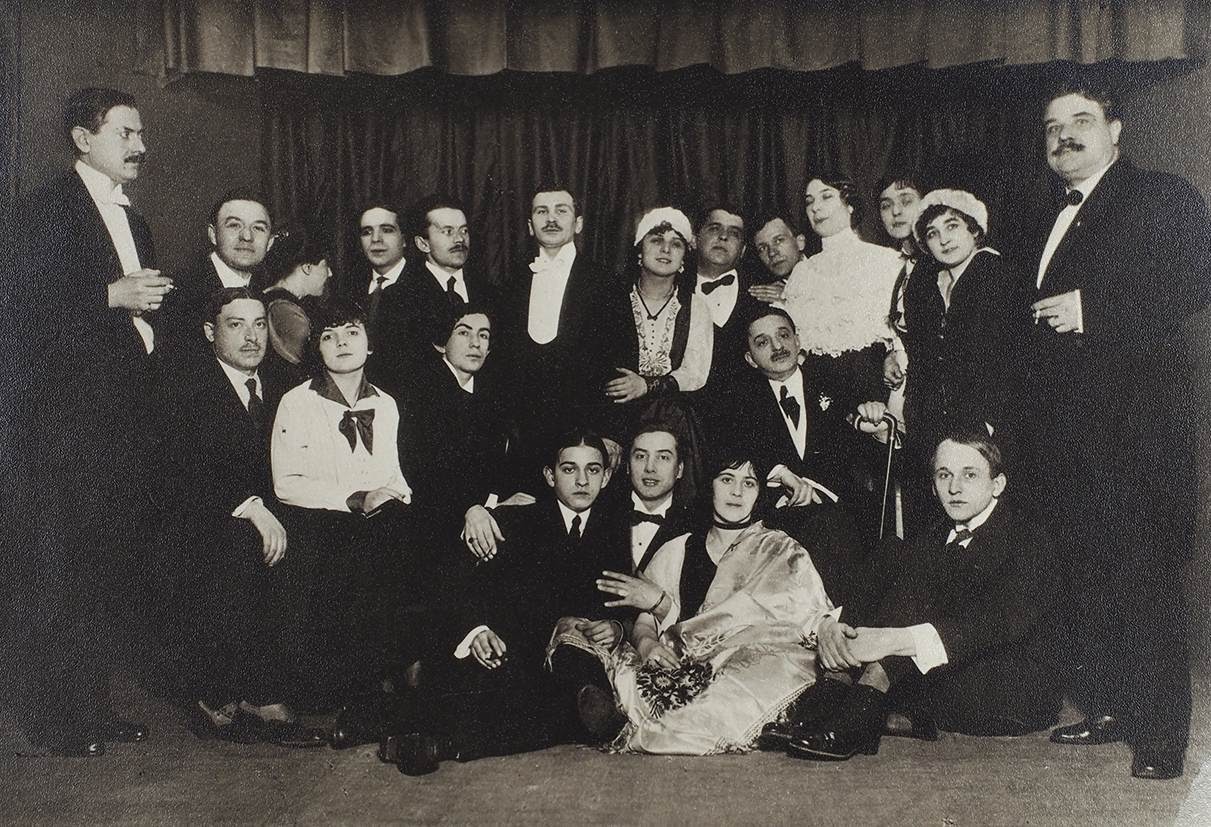
Evening, half of the tenth. A little more than sixty guests sat at the tables in a low basement of the house not far from the embankment of the Moscow River. It smells of champagne, cigarette smoke and a little damp: this spring the river came out of the shores. The walls are hung with caricatures and cartoons on theatrical topics. A complete entertainer in a tailcoat, smiling broadly and playing with dense black eyebrows, opens the evening.
A huge-tall man with glasses, similar to Stanislavsky, and an actor with a salary beard, reminiscent of Nemirovich-Danchenko, run into a small scene of a cabaret. From the threshold, men are poured with sharpnesses: in a short scene, they are frantically looking for and cannot find a blue bird before the performance.
The guests-all theater-goers-laugh, because last week everyone saw the premiere of the production of the Meterlylovsk "Blue Bird" in the Moscow Art Theater, and Matra themselves have fun from the parody. On the stage in funny images of the celebrity of Moscow theatrical stage: Kachalov, Knipper-Chekhov, Konen, Moskvin.
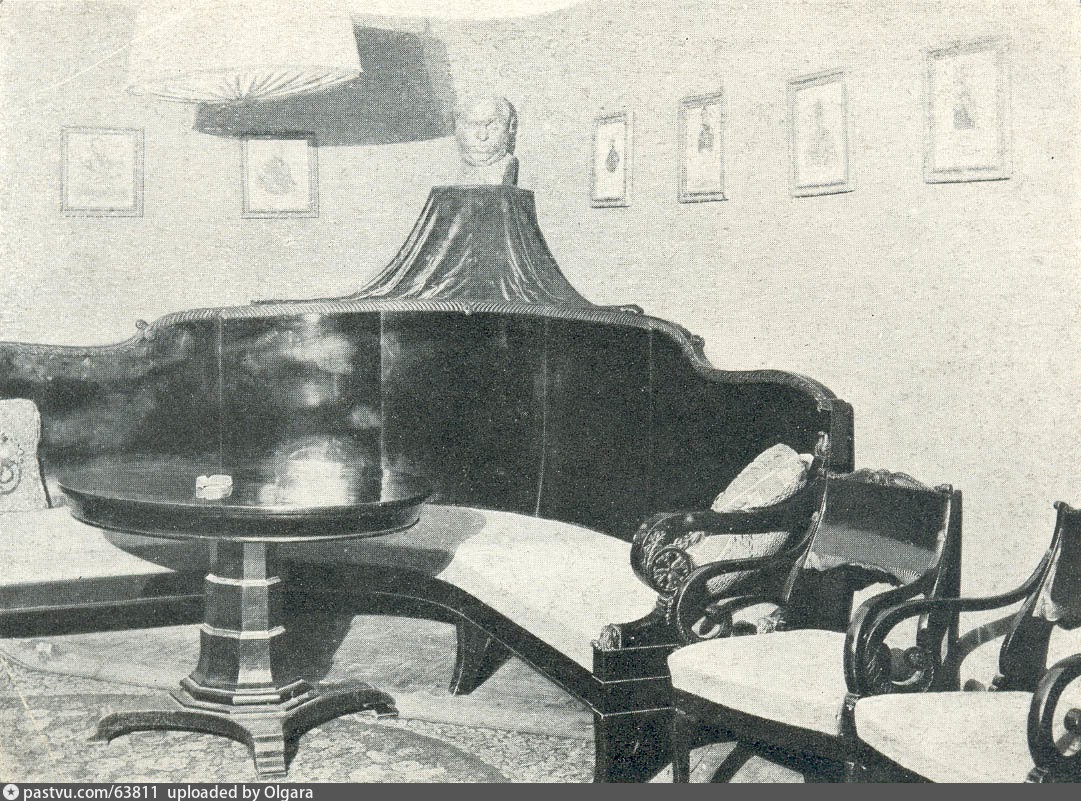
In the corridor there is a large book in which any one who came can sign next to the autograph of Isadora Duncan or Sergey Rachmaninov. At the entrance there is an emblem in the form of a bat, somewhat reminiscent of the famous seagull from the theater curtain.
So opened on October 18, 1908, the first flying mouse theater-cabaret in Russia, which was then only a “zucchinus”, where a small company of Moscow Art Theater and their friends gathered to make out performances, to sneak on each other and compose a couple of sketches for a cabbage dedicated to the family theater.
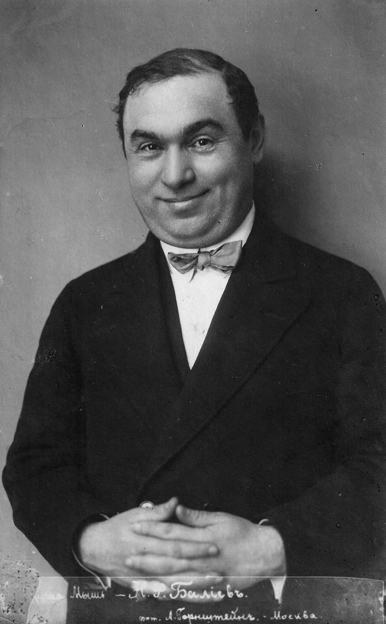
“Bat Mouse” was designed as an intimate circle, as a cozy place for mutual amusement and fun of the actors of the Art Theater in an post -lane clock, ”wrote the literary critic and historian of the Moscow Art Theater Nikolai Efros. The creators made a calculation for the lack of public, outsiders. The inspirer and the head of the creative basement became the actor and entertainer Nikita Baliev. Money for renting the premises was given by a young millionaire, a dandy and a philanthropist, who helped the Moscow Art Theater, Nikolai Tarasov.
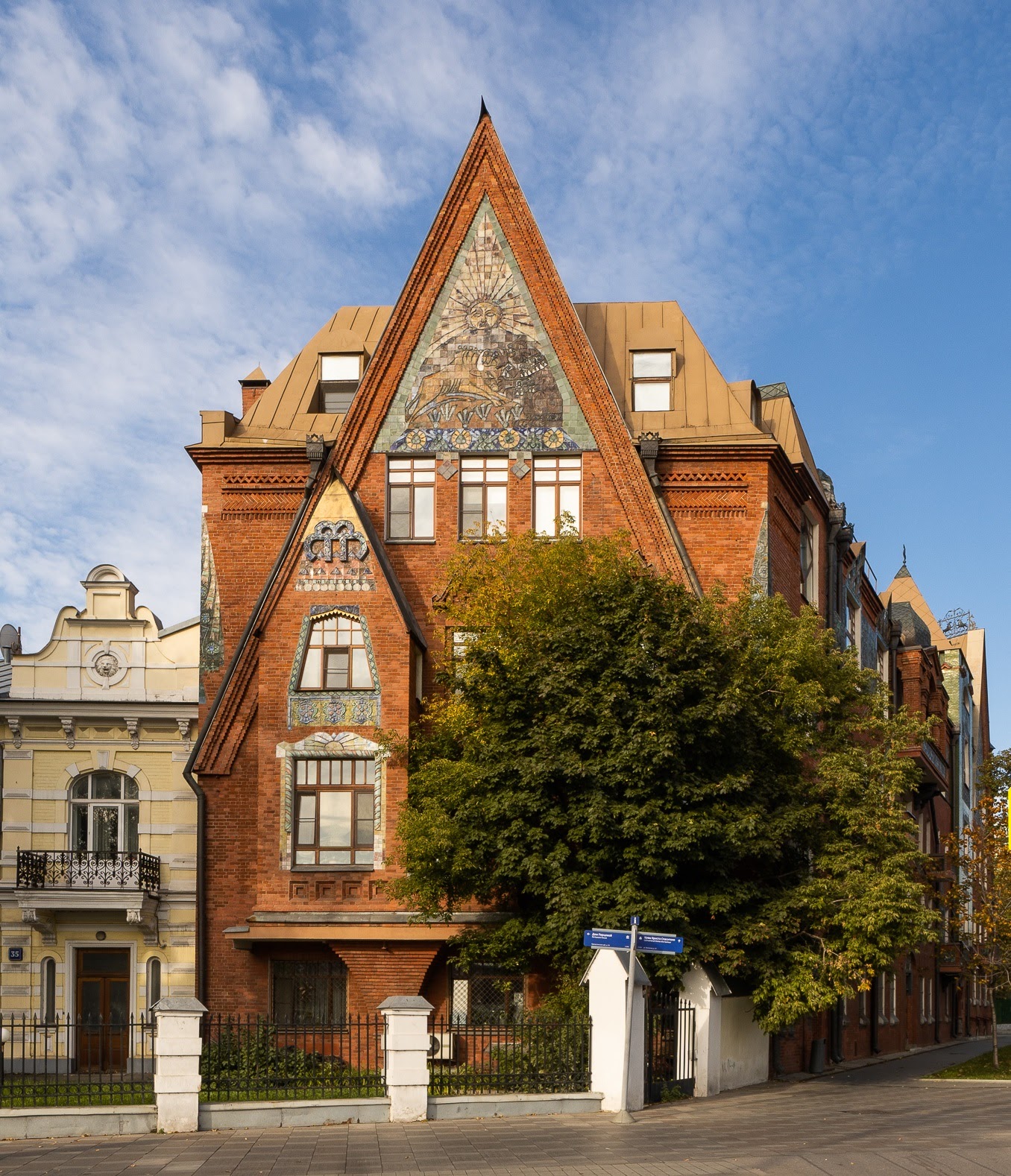
The cradle of the first Russian cabaret is deserves special attention - the profitable house of Pertsova. This building, with its majolica, stained -glass windows and sculptures, reminiscent of a carved casket, could compete in neo -Russian with the Tretyakov Gallery. It was built by the philanthropist and patron of art Peter Pertsov.
The tenant house was intended for renting apartments in the artists and artists: art studios were specially arranged in the same wing of the building. At different times, the artists Nathan Altman, Pavel Sokolov-Skal, Robert Falk, Vasily Rozhdestvensky, candies, Nikita Baliev, pianist Konstantin Igumnov lived there. Pertsova’s house is now standing on the Prechistenskaya embankment side by side with the Cathedral of Christ the Savior, but now he has moved to the Ministry of Defense, the apartments have been converted into cabinets or, perhaps, halls of receptions, and now in the basement is a dining room.
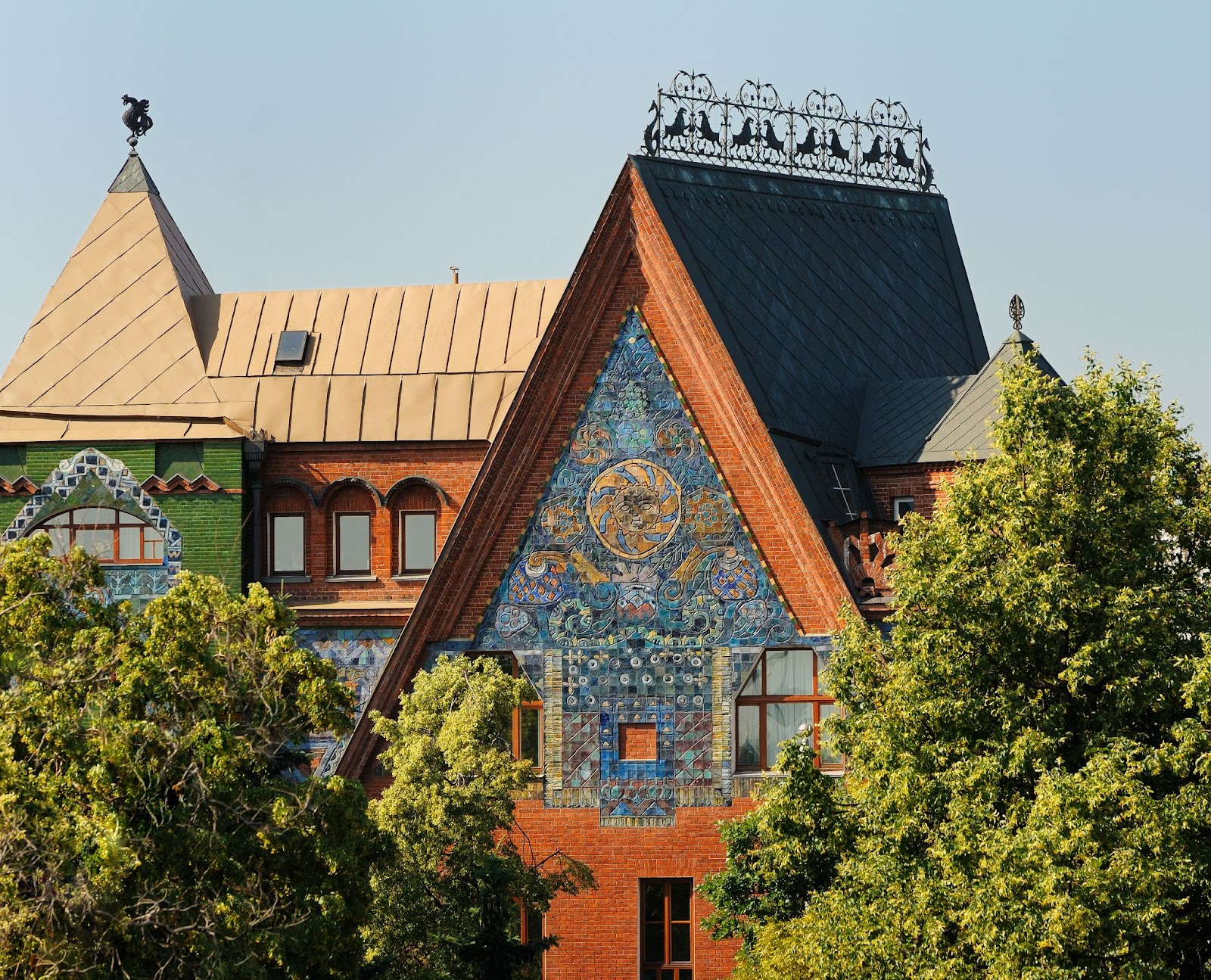
Now it is impossible to get into the house of Pertsova, and it was not easy before. It was possible to come to the “bat” then only by invitation, but the whole artistic bohemian of Moscow wanted to look at famous artists in a friendly atmosphere.
A year after the opening of the “bat”, acquiring the title “Theater”, moved to the basement of house No. 16 in Milyutinsky Lane and continued to give irregular performances and cabbage for “mine” there. But soon the misfortune happened: because of the love triangle, Nikolai Tarasov committed suicide, who gave money to keep the cabaret. There were no new patrons, and the theater was forced to earn on his own.
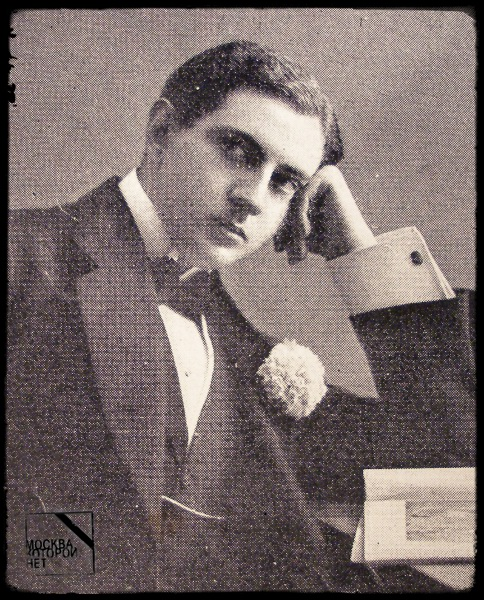
In 1910, the “bat” gave the first paid performance, and this move was successful. The Mouse has become popular among the general public. On Tatyana’s day, newspapers wrote: “The basement of the cabaret is full. Many professors, doctors, lawyers. "
The refuge of theatrical bohemia turned into a commercial theater of miniatures with a large program. On the stage they put cartoons and miniatures, songs and romances, aphorisms of Kozma Prutkov and even the works of Russian classics.
In the hall, the audience was still sitting at the tables, rang with glasses and creaked with knives during the performances, because the atmosphere was preserved, but the feeling of a narrow creative circle had already disappeared. The Mouse successfully performed in Petrograd (rare for Moscow theaters), and traveled with touring in Russia.
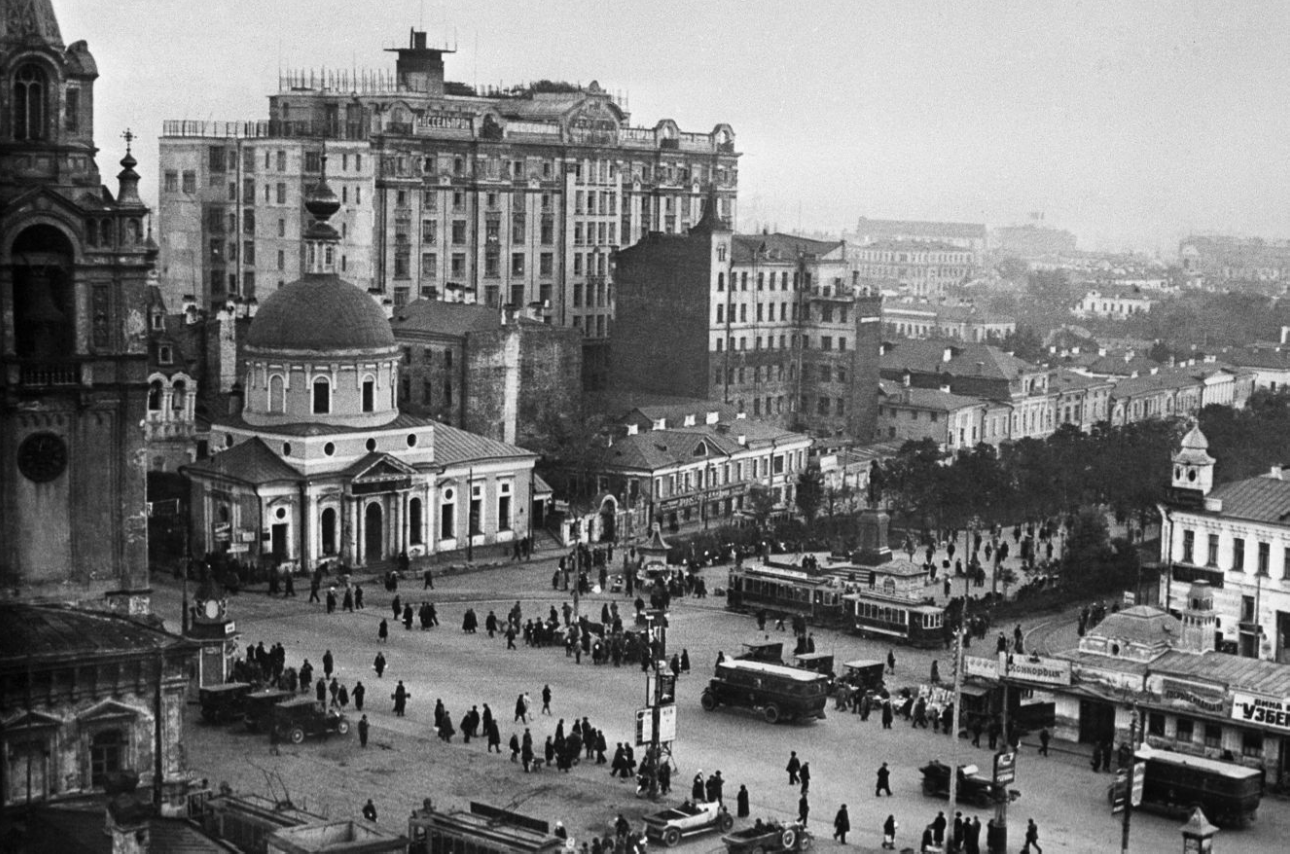
In the Milyutinsky basement, the Mouse lived five theater seasons and, quickly gaining popularity, in 1915 she moved to house No. 10 in Bolshoi Gnezdnikovsky Lane, which was called “Tucheneres” for the height. Now this masterpiece of architect Nirnzee is almost hidden by the surrounding houses and does not amaze the imagination with its height, but as before gives the roof to the artists: there is the GITISS Theater.
In the basement of the house of Nirnzee “Bat Mouse”, she got a comfortable scene, a visual room and a buffet. The atmosphere of Variet disappeared, the cabaret became theater and very successful. “Money poured into the cash desk, applause and compliments rattled,” wrote Nikolai Efros. Tickets at that time were expensive, but the newspapers announced the performances, the magazines issued reviews, so there were more than enough people who wanted to get to the performances.
At the first anniversary, Efros wished the “bat” to remain true to himself “through all the changes in the weather”. But after the revolution and the First World War, the weather changed too much. The theater was not like the Soviet regime, the Bolshevik newspapers wrote about "mice" as "decaying life." In the early 1920s, Nikita Baliev with a part of the troupe left for a long European tour and did not return to his homeland.
The remaining artists retained the repertoire until 1922, but all the usual rich public left or went bankrupt, and in a new society, which everyone suddenly began to carefully build, there was no place for a “bat”. In Russia, the theater was closed forever.
In Europe, the cabaret got a new name Le Théâtre de la Chauve-Souris or just Chauve-Souri. The “mouse” drove with successful tour of France, Spain and England, where the songs of the theater were recorded on records. In 1922, the theater performed a two -year tour of North America, played on Broadway, toured in South America. Then he returned to Europe and for ten years a donkey on the stage of the Femin Paris Theater.
Together with the death in 1936, the entrepreneur Nikita Baliev ended the story of the first Russian cabaret, which began with a friendly circle of actors in the basement of the house in Khamovniki.
Text: Anastasia Kaganovich