
Translated material
Party in the bunk
Crimea in just seven years has become a region - a leader in the number of detentions and high -profile resignations of officials

The third month after the elections in Crimea is restless. For the offices of high -ranking officials and deputies, security officials are walking, fan detention, searches and arrests are conducting.
Since September, six representatives of local authorities have already been detained:
The head of Belogorsk Igor Ipatko - on suspicion of receiving a bribe of 1.4 million rubles;
The head of the city council of Yevpatoria Olesya Kharitonenko - on suspicion of fraud with the ground;
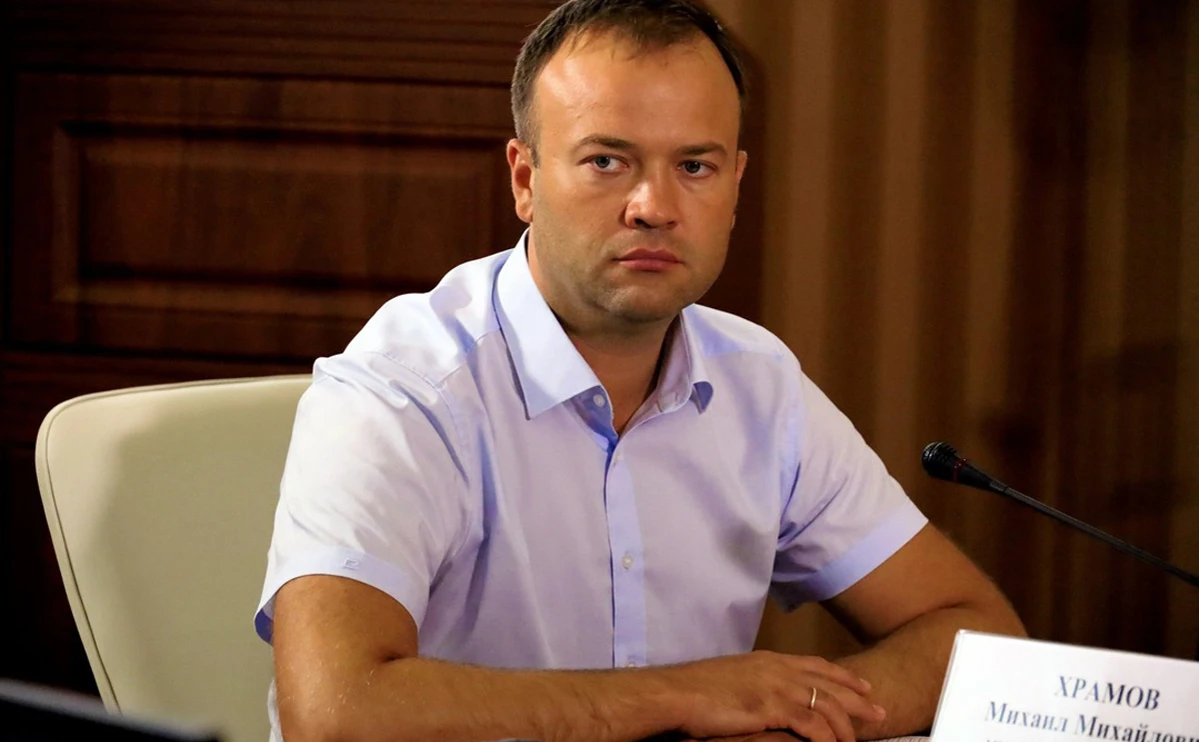
Minister of Construction and Architecture Mikhail Khramov and Deputy Prime Minister of the Republic Yevgeny Kabanov-on suspicion of fraud by 57.5 million;
Deputy of the Yalta City Council Yuri Lomenko - on suspicion of Gosizmen (however, sources of the "new" suggest that the reasons may be other, in particular, related to land issues);
Republican Minister of Culture Arina Novoselskaya - she is suspected of receiving a bribe of 25 million rubles.
In parallel, resignations went to the detentions: from September, “at their own free will” put up the powers
Crimean Minister of Health Alexander Ostapenko,
Minister of Transport of the Republic Evgeny Isakov
Deputy Prime Minister Andrey Ryumshin.
Left the posts of the head
Zander,
Feodosia,
Dzhankoya,
Administration of the Simferopol district.
The head of the republic, Sergei Aksenov, threatened the mayors of Sak, Armyansk and Simferopol for non -fulfillment of national projects.
This is far from the first mass cleaning of bureaucratic rows in the Crimea.
Since 2014, 24 Deputy Prime Ministers and 58 regional ministers have been replaced in the republic.
Most of them simply resigned, but criminal cases were instituted in relation to the articles on the theft of state property, receiving bribes, fraud and even the organization of sabotage (the former deputy prime minister of Crimea Lenur Islyamov, after resignation, went to Ukraine and became one of the initiators of the peninsula’s energy unit in 2015).
The rotations of officials with a rank below and completely go with an unthinkable speed:
There are only 15 cities in Crimea, and since 2014 57 chapters have changed in them, and 10 - against the background of criminal cases.
In January last year, the court sentenced the head of the Leninsky district of the Republic of Svetlana Ivanov to a suspended date - for a bribe of 189 thousand rubles. And in July 2019, to the three years of imprisonment, the deputy head of the administration of the Nizhnyursky district, Peter Savrasov, was sentenced-not for corruption, but for being drunk, he shot down a bicycle to death.
In just seven years, Crimea has become one of the regions-leaders in the number of high-ranking officials in respect of which criminal cases were instituted: four deputy prime miners were suspicious (two has already been sentenced)-the same (in 30 years!) Only Dagestan.
The New Gazeta tells how the personnel policy of the republic has become a model of negative selection and that its inhabitants lost this.
Part 1. The main thing is your own
The Ministry of Culture is like laundry
“He cannot lie. Never and under no circumstances. No matter what happens, it is necessary that he learn from you first. This is the main quality for a person who wants to work in the Aksenov team. ”
February 23, 2021. The Minister of Crimea Crimea Arina Novoselskaya, Zemannichi, gives an interview to the YouTube channel “On the hook”. Interviewer - Advisor to the Head of the Republic on Information Policy Oleg Kryuchkov. That is, one official takes an interview from another.
“Everything else is forgiven,” continues Novoselskaya. -If you concealed something, it will be regarded by Aksenov as a deception. The only criterion is to say how it is. ”
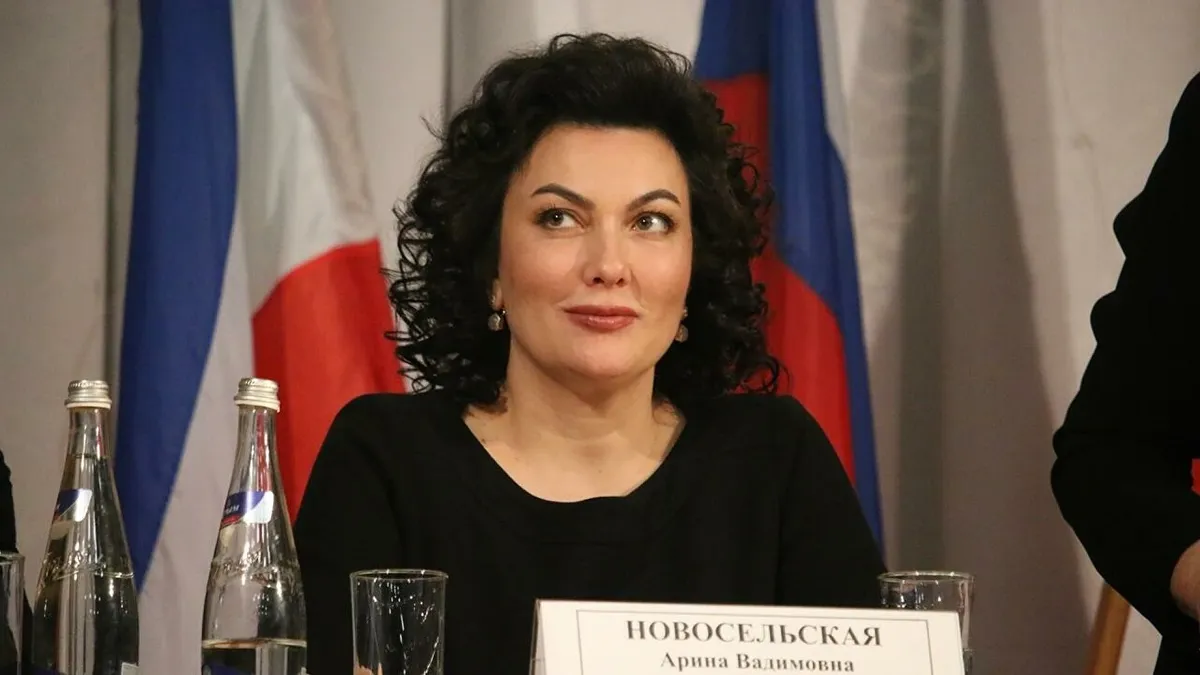
Nine months later, on November 18, 2021, the Minister of Culture of Crimea will be detained by the FSB officers on charges of receiving a bribe on an especially large scale. The Investigative Committee will be called the amount: 25 million rubles. The Novoselskaya allegedly took this money from the company "Meander" for general protection during the construction of the Crimean Center for Children's Theater Arts. The ex-official herself and her lawyers from comments on the criminal case are still refraining.
Novoselskaya has held the post of minister since 2014, from the Crimean Spring itself. And it seems to have been received by accident: she has a musical education (Donetsk Conservatory), nine years of teaching and four years of work as deputy minister of Crimea culture in Ukraine.
But for the first time at the Russian federal level, she was noticed recently-March 11 of this year, and not at all because of the high achievements of Crimean art. During a meeting of the Council of Ministers of Crimea, the Minister of Culture suddenly interrupted the head of the republic Sergei Aksenov with a remark: “Yes ***. They put it like a monkey! " In response to the indignation of those present, the minister apologized and explained that she had “disconnected”. The case, of course, is ridiculous and little characterizing (yes, in the end, and not the first - a little earlier at a meeting with Aksenov, the head of the labor inspectorate of the republic cursed), but after him they began to “began to notice” for Novoselskaya.
Two days after the meeting in the Council of People's Commissars, the Minister of Culture visited Kerch, where,
Showing federal officials a sculpture of griffin near the Mithridat staircase, said: “This is a symbol of the city - Orlolev.”
And she added: “He protects the gate to hell” (according to ancient Greek mythology, they are guarded by the Cerberus dog).
After that, the inhabitants of Kerch recorded a humorous video in which they tried to find Orlolva in the city, told (especially for the Minister of Culture), who are the griffins, and asked her to recognize the mistake. Novoselskaya in response only stated that her words were “pulled out of context”.
Then the minister caused indignation (and in some places a splash), appearing on the school line in a transparent suit. And then - attracted attention to Breguet Reine de Naples from pink gold with 139 diamonds. Many then wondered how she could buy them: the price of hours - 36,500 dollars (more than 2.7 million rubles), and the annual income of the minister - 2.1 million rubles. Not otherwise, I saved it for years.
Be that as it may, the position of Minister of Culture in Crimea is enough “bread”. In the Republic of 2058, cultural heritage objects of federal and regional meanings. In 2020–2022, financing of 4.28 billion rubles is provided only for measures to preserve these facilities. And the company "Meander", of receiving a bribe from the leadership of which they suspect Arina Novoselskaya, worked with the Crimean Ministry of Culture actively (though not always successfully). Here are a few expensive projects to which the media and the public have questions:
The construction of a puppet theater in Simferopol for 930 million rubles. It began in 2018 and was supposed to end in December 2019. But on the site of the theater is still unfinished.
In 2016, the restoration of the Chekhov Museum in Yalta for 40.5 million rubles was carried out. After that, there were reports that the roof allegedly began to leak during the rains.
The restoration of the Vorontsov Palace for 353 million rubles. They dismantled the roof and everyone pulled out with a film, but the film allegedly broke during the rain and, as it was reported, as if the interior of the palace and exhibits flooded.
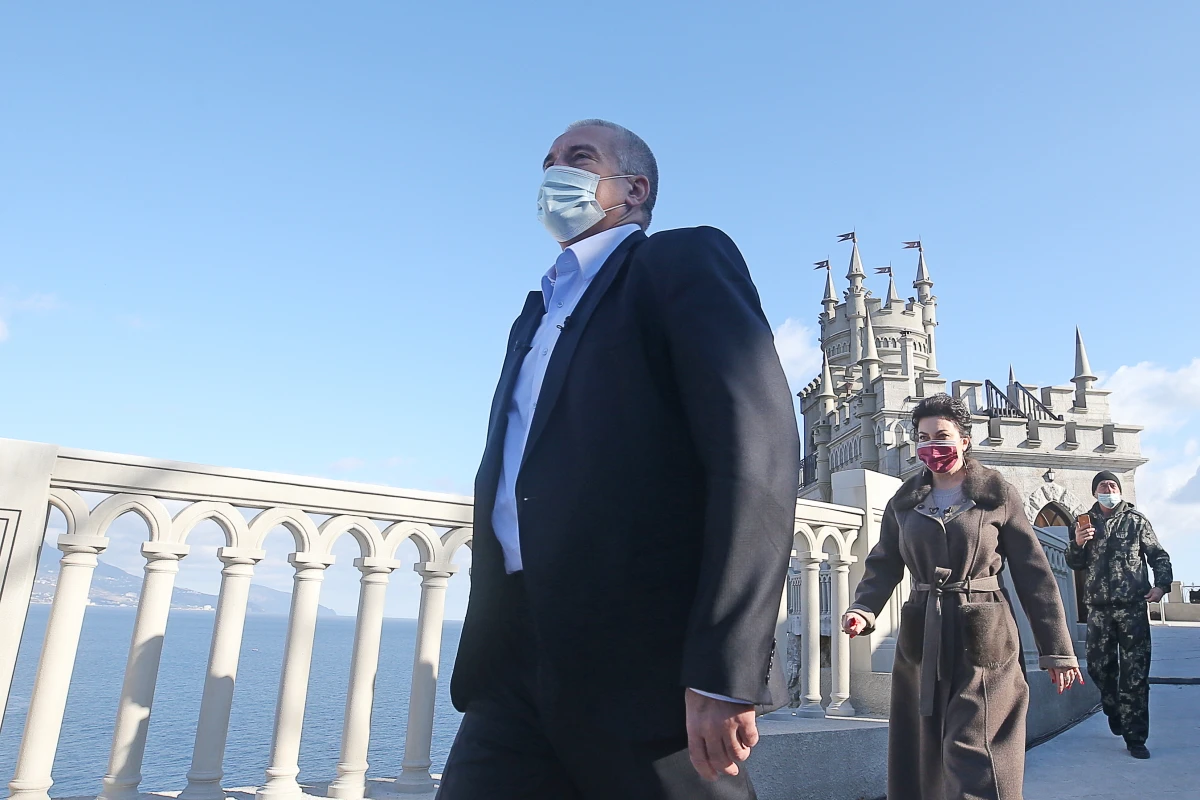
Journalists reported the disruption of the reconstruction of the Villas “Ksenia” and “Dream” in Simeiz for 107 million rubles and the disruption of the reconstruction of the Lastochkino Nest Castle for 79.4 million rubles.
The restoration of the Khan Palace, the cost of which already in the course of work, was reported, increased from 1.6 to 2 billion rubles. The work was supposed to be completed by 2021, but the deadlines moved again-now until 2023. At the same time, questions from UNESCO arise to the restoration methods: experts note that during the work of the XVIII century, the facade went in cracks due to the attempt of the workers to “clean” it with the help of a powerful water jet.
Disruption of the reconstruction of the Mithridat staircase in Kerch. Here, the “meander” even terminated the contract: the Government of Crimea announced a waste of 167 million rubles during the reconstruction.
It is noteworthy that after the detention of Novoselskaya, the new Minister of Culture of Crimea, her deputy Andrei Rostenko, a friend of Sergey Aksenov and the former head of Yalta, can become the new Minister of Culture of Crimea. In the cultural sphere, he has been working only from last year, but he has another experience that Novoselskaya had not previously had: in 2018, a criminal case was instituted against him for alleged fraud with land. In fairness, the case was closed, including thanks to the efforts of the head of Crimea, publicly stating that there were not fraud, but errors and that the alienation of 26 acres from the Alupka sanatorium did not cause damage to the republic.
Two equally respected families
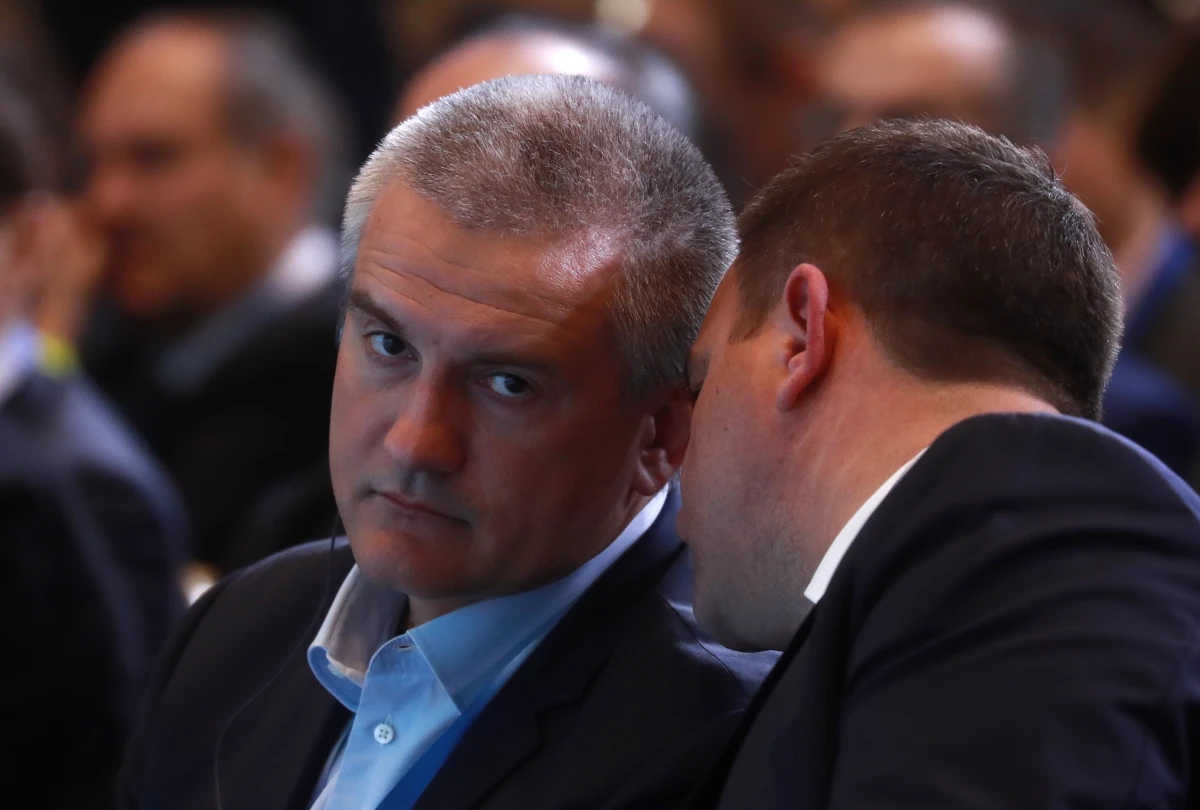
The managerial system in Crimea was originally built on the principles of meritocracy (that is, attracting the most talented), but by the principles of nepotism (that is, attracting acquaintances). Suffice it to say that
After the events of 2014, Sergey Aksenov brought 18 of his relatives, friends and business partners to the authorities-including ministerial positions.
And the speaker of the parliament of the republic Vladimir Konstantinov - eight former colleagues in the construction business and the "Party of Regions".
Thus, in the Crimea two very influential bureaucratic clan were formed, who divided the power and profitable markets among themselves:
The “console” of the Family of Vladimir Konstantinov became one of the largest developers of Crimea, having received 582.4 million rubles of net profit in seven years;
The family of Sergei Aksenov took up the rental business: his wife and children own shopping centers and premises surrendering to restaurants.
Sergey Aksenov answered the claims of clans of the Crimean authorities:
“For relatives, I can tell you ... <...> this is my choice, I am ready to answer for this choice. I don’t see any problem in this part. ”
Aksenov said: “Dobrynya Evgeny Alexandrovna has been a moderator on social networks since 2009, who headed the own martyr Evgenia Dobryne, who headed the key to the Crimean budget, the Committee on Property and Land Relations. You can go to see everything now: she led groups in the "Odnoklassniki" of the Russian Unity party, and there were over 20 thousand people. Specifically, Dobrynya was fully engaged in the monitoring of social networks. Why does a person in this situation have no opportunity to realize himself as an official? "
The connection between the skills of the SMM manager and the effective management of the Golden Crimean land is difficult to trace, and the decisions of the Committee Evgenia Dobrynya are hard to call indisputable. In March of this year, New Gazeta wrote about the sale of the republic at doubtfully low prices:
Sanatories "Dnipro", "Ai-Petri", "Mishor" and "Dulber", as well as the Hiitovets boarding house;
sports and fitness complex in Gurzuf;
The famous Vinzavod "Massandra".
According to our estimates, Crimea could only receive more than 600 billion rubles for these objects (one Massandra wines collection is estimated at 354 billion, and the plant was sold for only 5.327 billion rubles).
Be that as it may, there were no official claims for these transactions from the supervisory authorities (maybe because among the buyers were Arkady Rotenberg and Yuri Kovalchuk). And in a number of other decisions of the Crimean clans - there were.
Targets in the sight
The “shooting” for Crimea was the position of Deputy Prime Minister, who oversees the implementation of the federal target program for the development of the republic (FCP), according to which roads, hospitals, kindergartens, schools, treatment facilities and other infrastructure facilities are being built here.
Everyone who held this position fell under criminal cases:
In February 2017, the FSB officers and the TFR detained the Deputy Prime Minister of the Republic Oleg Kazurin. He was accused of receiving a bribe of 27 million rubles and sentenced to 11 years and 6 months in prison.
In October 2018, the successor to Kazurin Vitaly Nakhlupin was detained. He is accused of receiving bribes in the amount of 16 million rubles.
On September 24 of this year, the security forces detained the third, the Vice Prime Minister-Evgeny Kabanov, who supervised the FCP: on suspicion of fraud by 57.5 million rubles during the construction of the water conduit.
The pace of implementation of the federal target program turned out to be inversely proportional to the pace of detentions. The deadlines for its end have already been postponed from 2020 to 2025, and in the summer of this year, “lag in three dozens of projects” was recognized even by Sergey Aksyonov.
“There are several reasons [lag and serial criminal cases] as always. The first is that the FCP and Russian legislation are not specifically specifically, ”says political scientist Ivan Preobrazhensky. -In the event of any problem in which the deputy prime minister, who remains nevertheless, is often guilty of an instruction of the higher authorities, the simplest thing is to blame the performer. The second is that there is probably direct corruption and theft from some performers or their closest subordinates, for which they are responsible for their position. In the end, FCP is perhaps the main budget source of funds available to the Crimean authorities. Well, kumovism and families in power traditionally have an inappropriate expenditure of funds. ”
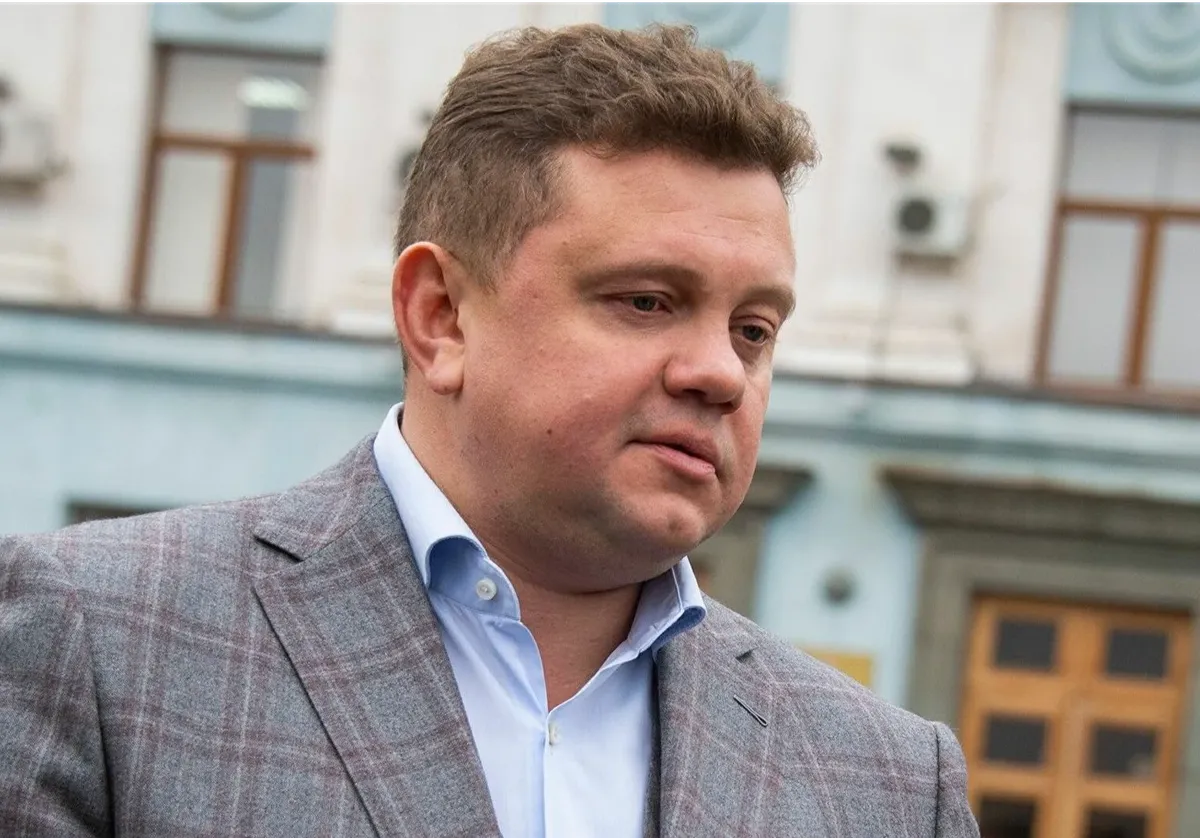
It is characteristic that the last detained Deputy Prime Minister Kabanov became a kind of “single candidate” from Aksenov and Konstantinov in an attempt to save the FCP: before the leadership of the head of the republic, he was a business partner of the Konstantinov family. But Kabanov did not succeed.
Spring objects of the FCP for residents of the republic are extremely important. This:
Reconstruction of streets in Yevpatoria.
electric networks;
systems for supplying water in the east of the peninsula (where residents often encounter its lack);
treatment facilities;
20 kindergartens;
bypass road for Simferopol;
The authorities were even forced to refuse some projects - for example, from the construction of treatment facilities in the village of Kurortny, on which it was originally planned to spend 659 million rubles. The Crimean Directorate of Management of the FCP, which has not been able to find for six years for the treatment designer, explained the abandonment of the object “redistributing funds”.
Part 2. Personal safety
It is noteworthy that in the early years of the leadership of Crimea, Sergei Aksenov in a categorical manner defended his close associates from the security forces.
When, in June 2015, the FSB, on suspicion of complication of the property of the property of the Bakhchisarai Raipo, detained the Minister of Industry of the Republic of Andrei Skrynnik for 48 million rubles, I did not see Aksenov: “I do not see in the actions of Andrei Skrynnik, the issue of his detention will be unreasonably lifted. It’s just Mr. Skrynnik in a certain situation incorrectly formed a position. I will not remove him from office. ”
The minister still had to remove from the post of detained minister, but the criminal case against him was in the end closed, charging the leaders of the consumer society itself.
After the detention of Skrynnik, Sergei Aksenov even created a commission for the protection of the rights of persons replacing the state debt in his government. “The commission will decide whether criminal cases have been justified against officials,” the media wrote then. “Our officials are the same citizens, and no one will make them victims,” the head of Crimea said. Is it true,
The commission worked for only four days and was liquidated by the decree of the head of the republic "in order to exclude an ambiguous interpretation of the goals of its creation."
The second time, Aksenov entered into confrontation with the security forces after the detention of the mayor of Yalta Andrei Rostenko in 2018. The official was suspected of abuse of authority for the fact that he (according to the Investigative Committee) after the transfer of Crimea to Russia did not transfer to the sanatorium of the Alupka Ministry of Internal Affairs 26 acres of land belonging to the health resort in Ukraine.
“An absolutely mediocre and unprofessional decision to initiate a criminal case. You feel someone's order. In my opinion, this is a provocation against the authorities of the Republic of Crimea, ”Aksyonov said then. He noted that the case refers to damage to the Republic of Crimea, and went on a counterattack. -Neither I nor any of the representatives of the authorities of the republic appealed to law enforcement agencies about the damage caused to the republic. I will demand the initiation of criminal cases for illegal detention [Rostenko]. ”
And it worked again: the criminal case against Andrei Rastenko was terminated.
However, recently Sergey Aksenov has become much more neat in his speeches. For the third year after the detention of officials - from mayors to the permanent Minister of Culture - he supports the position of the security forces and says: "There are no untouchables."
The head of Crimea stopped arguing with the federal authorities. If in 2015 he asked the Russian government to cancel the resolution according to which officials from other regions were planned to be sent to each Crimean ministry - the head of the republic motivated this by the fact that there are “its competent personnel” on the peninsula, now he does not resist the curators of Moscow: many ministers and deputies in the republic today are visitors from other regions of Russia.
According to the “new newspaper” of political scientists, changes in Aksenov’s moods are associated with “loss of positions”. The farther from the moment of the “Crimean spring”, the weaker the position of Aksenov, according to political scientist Abbas Gallyamov. “He does not demonstrate any new outstanding successes, all his merits in the past. Этого достаточно, чтобы обеспечить ему личную неприкосновенность, но недостаточно, чтобы его команда творила все что угодно, а федералы смотрели и не вмешивались», — говорит он.
Политолог Михаил Захаров в разговоре с «Новой» отметил, что обычно многочисленные уголовные дела в окружении главы региона свидетельствуют о его конфликте с силовиками.
— То, что происходит в Крыму, сильно напоминает такую ситуацию, — уверен политолог. — В этом плане позиции Аксенова действительно просели. Другое дело, что на протяжении нескольких лет у главы Крыма де-факто был почти полный карт-бланш на кадровую политику, несмотря на очень внимательное отношение к региону со стороны Москвы. Если в соседнем Севастополе сменилось уже три губернатора с почти полным обновлением команды в каждом случае, то Аксенов ухитрялся отбивать любые потенциальные атаки.
Политолог Иван Преображенский подчеркивает, что клановость власти в Крыму обусловлена тем, что в 2014 году перед Аксеновым ставилась задача поменять «сомнительные с точки зрения лояльности кадры на людей, верных новым властям полуострова». Но со временем требования расширились, и крымские чиновники перестали им соответствовать.
— Самый точный показатель уровня их эффективности — количество так называемых «варягов», которых прислали в основном на должности заместителей к собственно крымским начальникам. Это было практически повсеместное явление, что свидетельствует о том, что кадры, набранные Сергеем Аксеновым, не показали себя способными к полностью самостоятельной работе, — говорит он.
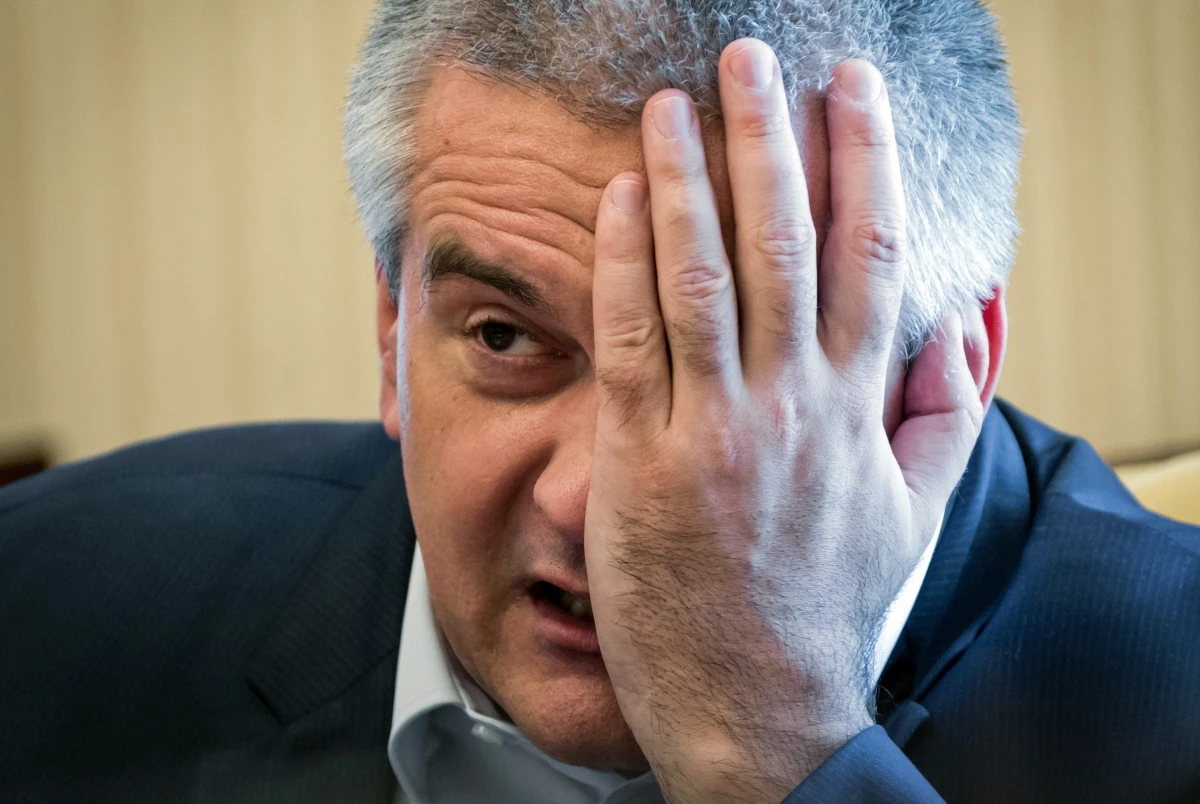
Преображенский считает, что
сегодня «можно уверенно говорить, что у Сергея Аксенова есть проблемы на федеральном уровне».
— Его не называют в числе «несменяемых», вроде Сергея Собянина или Рамзана Кадырова, под которых принят новый закон, фактически отменяющий ограничение по срокам пребывания у власти для губернаторов. Естественно, нынешний крымский руководитель нервничает. Не бросается на защиту. Он явно стремится ослабить всех крымских чиновников или политиков, которые могли бы рассматриваться в Кремле в качестве альтернативы самому Аксенову.
Создав в крымской власти вертикаль из родственников и знакомых — подобно чеченской модели, — Сергей Аксенов упустил один момент: Москва ждет от Крыма куда большего, чем от Чечни — не только лояльности, но и развития. С 2014 года Россия потратила на полуостров не менее 1,3 трлн рублей — больше, чем на любой другой регион.
Но если спросить, где эти деньги, неизменно придется перебирать фамилии ушедших в отставку, задержанных и осужденных всего за семь лет 24 вице-премьеров, 58 региональных министров, 57 глав городов.
And at this time
Город-герой на особом пути
Севастополю выбрали другую модель управления. И политических скандалов там больше, чем в Крыму, а коррупционных — меньше.
В Севастополе, в отличие от Крыма, за семь лет сменилось уже три губернатора. При этом все они были не местными, и ни один не ушел со своей должности на фоне коррупционного скандала: отставки Сергея Меняйло и Дмитрия Овсянникова были скорее связаны с их конфликтами с депутатской группой «народного мэра» Алексея Чалого.
Вице-губернаторов сменилось и того больше — 31. В первую очередь это связано с тем, что каждый новый глава города приводил на ключевые посты свою команду.
Коррупционные разбирательства, разумеется, тоже были:
В июле 2018 года суд приговорил к семи годам лишения свободы директора ГКУ «Управление по эксплуатации объектов городского хозяйства» Александра Антюфеева. Чиновник поставил подпись под контрактом на реконструкцию очистных сооружений «Южные» стоимостью 6,8 млрд рублей. При этом 2 млрд от этой суммы пропали в «лопнувшем» ОФК-банке. По этому же делу на семь лет в колонию строгого режима был отправлен глава департамента городского хозяйства Михаил Тарасов.
В 2019 году сотрудники Следственного комитета задержали начальника департамента градостроительства Александра Моложавенко. Его обвинили в превышении должностных полномочий — из-за ввода в эксплуатацию не подключенных к системам водоснабжения апартаментов на мысе Фиолент.
26 ноября 2021 года фигурантом уголовного дела о получении взятки стал бывший замдиректора департамента здравоохранения Севастополя Владислав Нусинов. По версии следствия, он предложил одной из строительных компаний помощь в заключении госконтракта, а взамен предложил предпринимателям сделать ремонт у себя дома.
Севастопольский журналист Виктор Ядуха отмечает, что в Крыму чиновников вчетверо больше, чем в Севастополе, поэтому говорить, что процент задержаний там выше, некорректно. Кроме того, многие из задержанных в Крыму — бывшие севастопольские чиновники.
— Но каждый арест в Крыму сопровождается медийным шумом, потому что губернатор Аксенов их громче комментирует, — говорит Ядуха. — Во-первых, у него украинская политическая культура. Развожаев и Овсянников — обычные российские чиновники, они подбирают слова, чтобы им не прилетело. Аксенов — украинский политик, он привык выражаться относительно свободно. Во-вторых, у него выше политическая субъектность. Это в Севастополе Путин меняет губернаторов как перчатки, а Аксенов как сел в 2014 году, так и сидит. Он же герой «крымской весны», живой памятник, он жал руку Путину на подписании договора о вхождении Крыма в состав РФ.
Председатель севастопольского отделения «Партии Роста» Олег Николаев, набравший 24% голосов на выборах в Госдуму в 2016 году, напротив, говорит, что Крым гораздо чаще «экспортирует чиновников в СИЗО». Он отмечает, что все громкие аресты в Севастополе пришлись на губернаторский срок действующего главы города Михаила Развожаева, но задержанные пришли во власть еще при втором губернаторе города Дмитрии Овсянникове.
Разумеется, Севастополь, как и Крым, страдает от кадровой чехарды:
очистные сооружения «Южные» так и не сданы, и это приводит к загрязнению Черного моря;
с большим опозданием был открыт после реконструкции один из крупнейших парков города — Парк Победы. При этом качество работ после его открытия вызвало вопросы: плитка ходила ходуном, а часть зеленых насаждений оказалась уничтожена;
уже пять лет не могут завершить ремонт одного из главных детских лагерей города — «Ласпи»;
в рамках Федеральной целевой программы (той же, что и у Крыма) сорваны сроки строительства детского сада и физкультурно-оздоровительного комплекса, а также двух пожарных депо.
Но в случае с Севастополем проблемы все-таки скорее вызваны непрофессионализмом чиновников, чем коррупцией.
Nadezhda Isaeva