
Translated material
Are we transplanted to electric cars?

At the end of November, I happened to take part in the international seminar in Oslo, dedicated to the global "energy transition". It would seem that the topic is far from the humanities, but the organizers - the Norwegian Institute of International Relations - tried to make it very intelligible and interesting for those who did not graduate from any technical universities. And in general, it was felt that Norwegian experts wanted to actively share their ideas and observations with the world public. Because often their conclusions are quite alarming.
Norway is one of the northern countries of the world, but surprisingly, in the last days of November, snow has not yet been snowed in Oslo. This is a very clear illustration that global warming is not at all some kind of speculative theory. For more than one and a half centuries, a steady increase in world temperature, and experts consider it to be anthropogenic related to human activity. The industrial revolution brought with it the unprecedented emissions of carbon, which our planet was probably not designed for. And if you still leave everything-we will expect a steady increase in environmental disasters. In nature, everything is interconnected: giant forest fires in Russia in recent years are also a consequence of the economy based on the burning of oil, coal, gas. Moreover, the northern regions of the planet with their fragile nature suffer more than others.
The international treaties of recent years (the Kyoto Protocol and the Paris Agreement) provide decisive measures to reduce the use of hydrocarbons and the transition to environmentally friendly energy sources. However, many states, recognizing the global danger and signing these documents, are still in no hurry to engage in their specific execution. For example, China, which turned into a “global factory” for the production of mass consumer goods, and arranged for this a new industrialization, is unlikely to wish to lose her inconspicuous profits from the sale of its goods. Like Russia, whose economy is based on the production and export of hydrocarbons.
By the way, Norway is one of the largest oil exporters in the world - it is included in the first three after Saudi Arabia and Russia. However, the country's internal economy is striking in a sharp contrast - oil is practically not used here! For the production of electricity per capita, Norway occupies first place in the world, and 96% is obtained from environmentally friendly hydroelectric power stations, and not burning hydrocarbons, as in other countries.
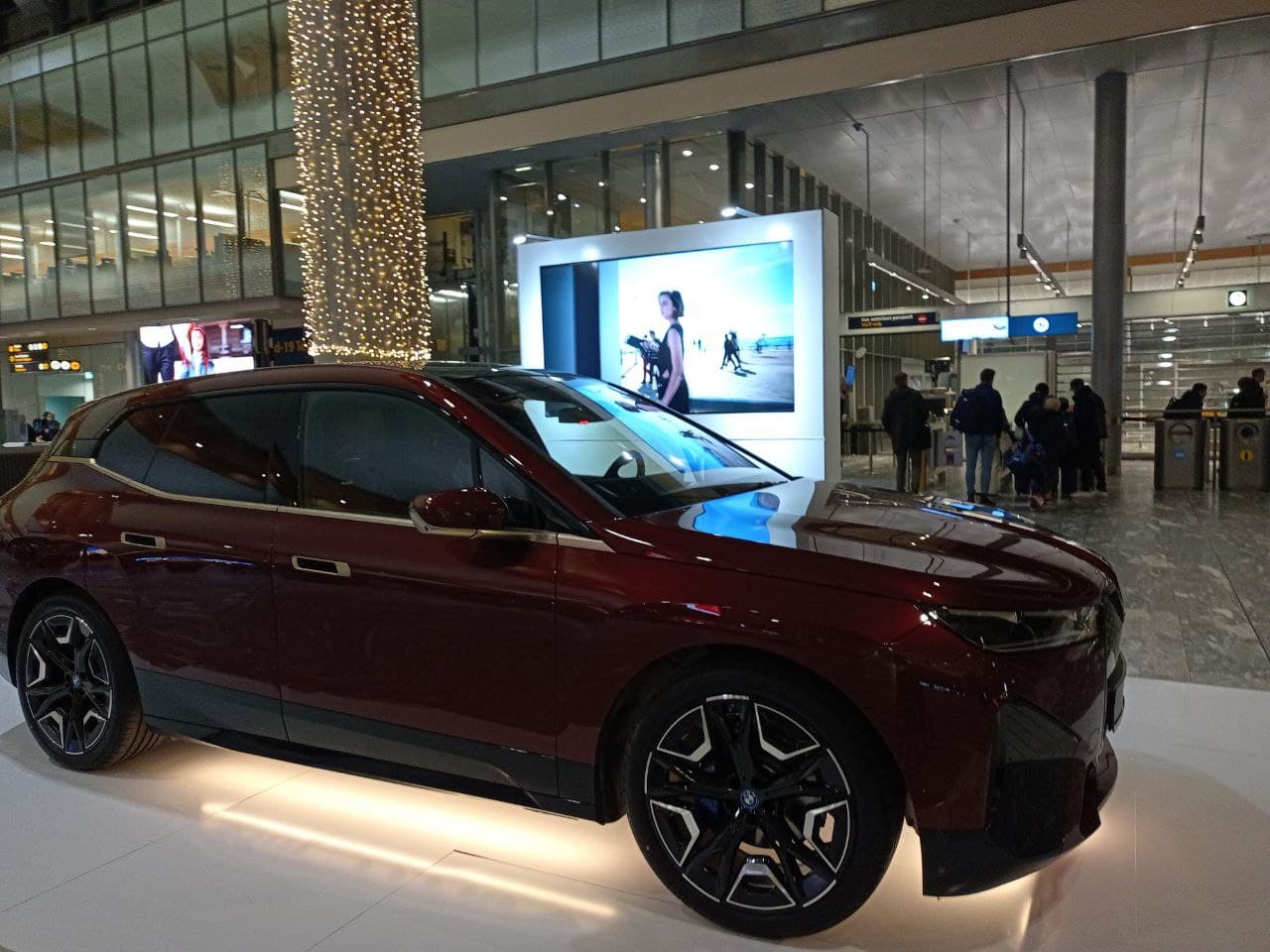
Today in Norway, the issue of gradually curtailing the production and export of oil and the transition to the export of electricity is actively discussing. Public figures who call for this reasonably indicate that when exporting oil, Norway encourages other countries to use it, and this is not consistent with the idea of a global energy transfer. But it seems that in Russia it is impossible to imagine this discussion itself ...
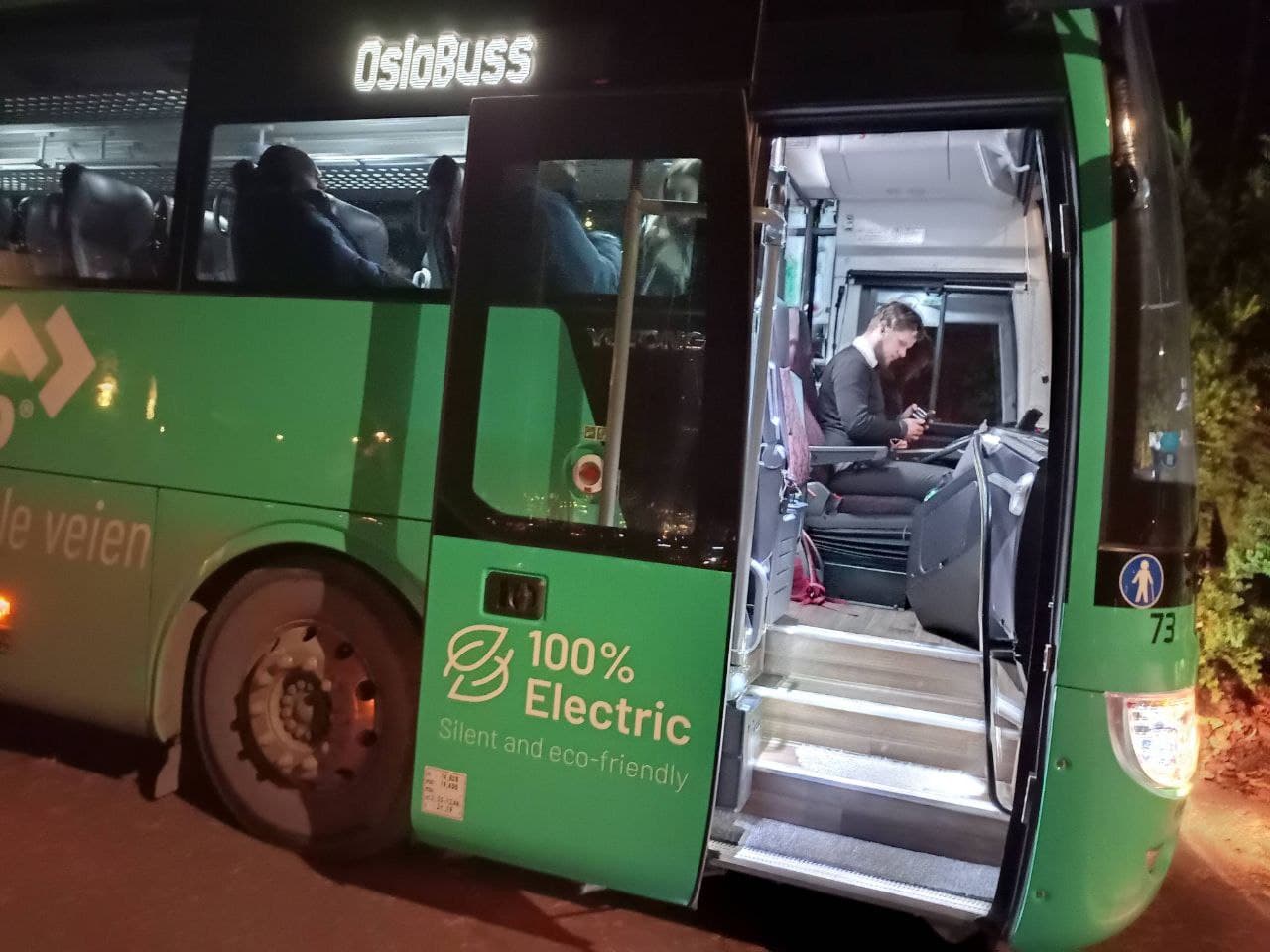
From the point of view of transport, Oslo gives the impression of a fantastic city of the future. There are many cars on the streets - but they drive almost silently and do not leave any exhausts. These are electric cars that have become extremely fashionable in recent years, and their owners have used numerous benefits, unlike the owners of cars with the previous, gasoline engines. Conventional gas stations are more and more replaced by "auto engagings" (for the Russian language this is still neologism). It is no coincidence that the Norwegian capital won the prestigious title of "Green Capital of Europe" in 2019.
Oscar Njaa (Oskar Njaa) from the Bellona environmental organization told a funny story at the seminar how they and colleagues and colleagues tried to get from the Zapolyarny Norwegian Kirkens to Murmansk on an electric car. However, in the capital of the Russian Arctic, they did not discover a single auto -fire, and they only had enough energy on the way back. But the next time, having agreed with the Murmansk authorities, they brought and installed the first tire in the city. Nevertheless, Oscar says that getting on an electric car from Murmansk to St. Petersburg is still a dream-on the Russian federal highway, auto-loading still remain exotic ...
Although if we talk about "green energy", the possibilities for its development in the regions of the Russian north-west are certainly no less than in small Norway. Full -flowing rivers and vast spaces quite allow you to build many hydroelectric power stations and wind power plants. But here we rest against mental templates, sometimes imperfect even for the idea of human, and indeed - biological survival. Since the Soviet years, we have been treated with ecology as something secondary and optional. And only hydrocarbons are considered "energy", which are also well sold. Therefore, all sorts of windmills still seem to be "blessed." Nobody likes the knocked down rhythm of recent years, not to mention sudden natural fires and floods - but it does not reach everyone with our own economic behavior ...
And finally, another sharp contrast between Norway and Russia, but already regarding the political sphere and public consciousness. The organizers of the seminar in Oslo also invited us to visit the office of the public organization "Natur Og Ungdom" ("Nature and Youth"). These environmental activists arrange high -profile protests against state oil companies and even sue them. In Russia, these bosoters would probably be called by someone's "foreign agents." However, in Norway, they, like many NPOs, receive budget financing. To our question, how to explain this paradox: you sue with the state, but does it support you? - Their leader explained to us by himself: "We are not supported by the state, but by a society that pays taxes to this state. Is it really not clear?"
Vadim Shtepa - journalist
The "Opinion" expressed in the heading of the point of view may not coincide with the position of the editorial office