
Translated material
"She is our child." American tried to adopt a girl for nine years old
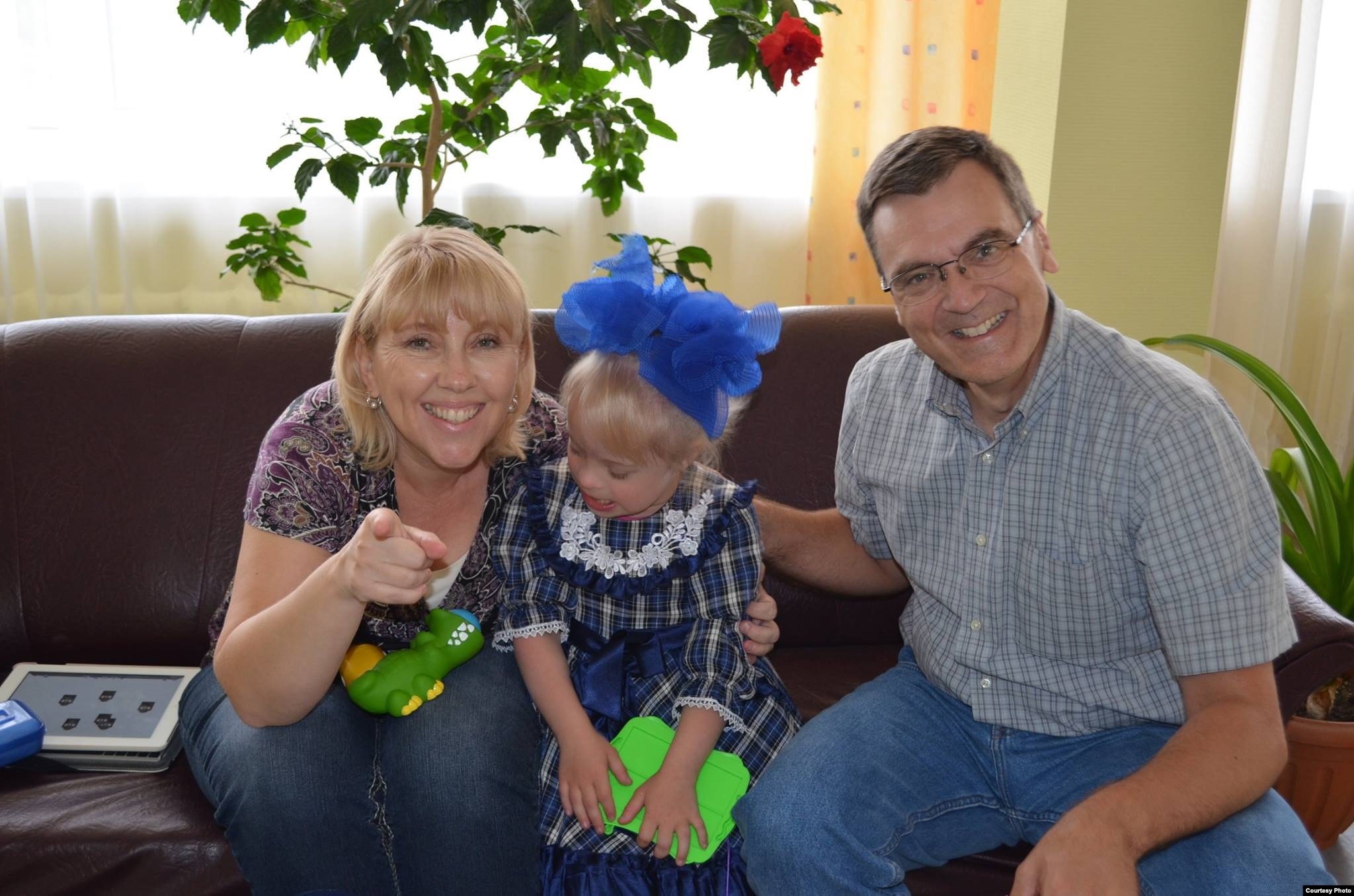
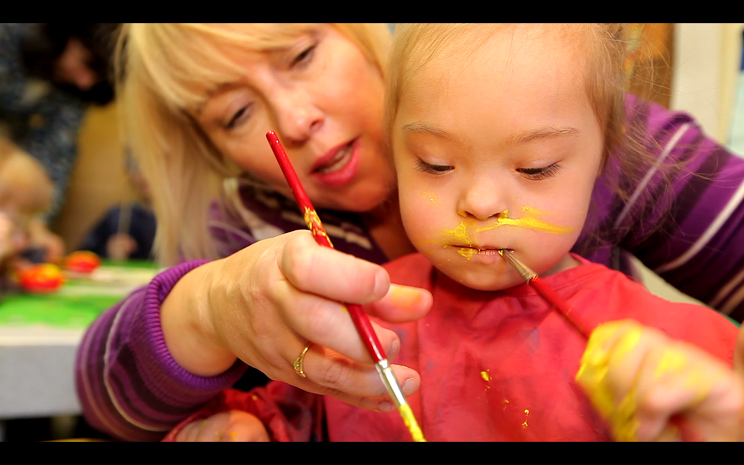
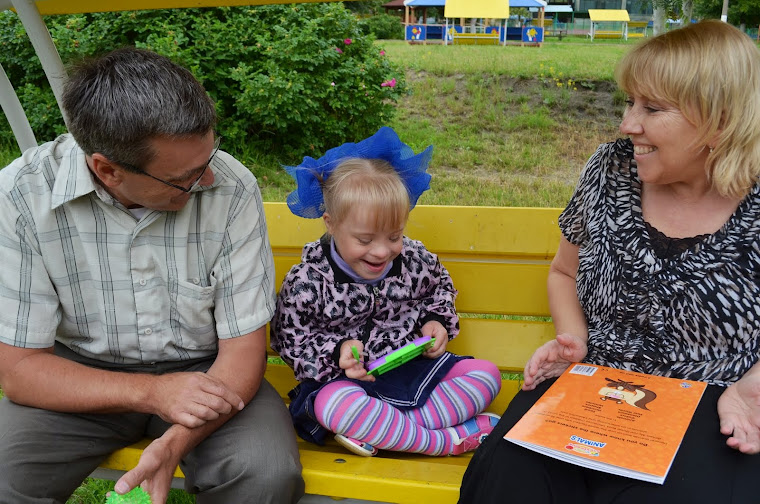
American Katrina Morrissa fought for the right to become a mother of Lere from the orphanage of St. Petersburg for the right to become a mother. Morrissas is one of those American families who did not manage to draw up documents for adoption in December 2012 before the adoption of the "Law of Dima Yakovlev", which forbade US citizens to take children from Russian orphanages. On December 19 of this year, her last dreams collapsed: Lera turned 16 years old and now not only the laws of Russia, but also the laws of the United States will not allow her to adopt the girl. About the history of struggle and great love without a happy ending, the American told the correspondent of the North. Reali.
City Salt Lake City, Utah. The family of Morrisses decorates the Christmas Christmas tree: one with the name of Natasha hangs over the fireplace among gift socks with children's names. Katrina Morriss prepared it 9 years ago, when on the eve of the new, 2013 their family was preparing for the emergence of a foster daughter from Russia.
- I read that the name Natasha means “Born at Christmas”, “New Birth”, “New Product”. And I thought that for her it was - a new beginning. We wanted to give her a name after moving to the United States Natasha-Valeria, to see what name she would like more, ” Katrina recalls.
History of "Undocuments"
Katrina and Stephen flew from the United States to St. Petersburg in the summer of 2012: before that they had been waiting for permission to meet their daughter - 7-year-old Leroy. Lera had a Down syndrome, biological parents abandoned her at birth. The housewife Katrina and engineer Stephen at that time were the parents of four children - three native sons and the daughter of Nive, which they adopted in 2010. They wanted to adopt the second girl with just Down syndrome.
I know: such children have great potential
- I used to be a volunteer and worked with such children. I know how to provide such children at home at home, ”Katrina explains. - I know: such children have great potential, you only need to give them everything necessary for rehabilitation and study. In the United States, there are not many children with Down syndrome, which can be adopted, so we stayed on Russia.
A few months after a personal meeting with Leroy, Morrissa submitted documents for adoption to the St. Petersburg City Court. The family has already made plans for moving. On November 26, the court returned the documents, as they had shortcomings. They had to fix them by December 30. “This would be the last step before the adoption, ” Morrisses recall. But they did not have time to take this step - on December 28, 2012, President Putin signed the same "Law of Dima Yakovlev."
The law bears the name of the boy Dima Yakovlev, a pupil of an orphanage from the Pskov region, who was adopted by US citizens. In 2008, the child died as a result of an accident - the adopted father left his son in a closed car in the heat for 9 hours. At the time of death, the boy was 1 year and 9 months old. Under American legislation, the foster father threatened to 10 years in prison for unintentional murder, but on December 17, 2008 he was justified . The Russian authorities remembered Dima four years later. It is believed that he became a Russian response to the adoption of the Magnitsky law in the United States, imposing personal sanctions against Russian officials involved in the death of the auditor of Firestone Duncan Sergey Magnitsky.
It could not have occurred to us that someone could be so cruel
The family of Morrisses at that time did not go into political nuances. They did not believe that they could not complete the adoption procedure, because the process was launched long before the draft law appeared.
- We did not panic. We thought that we would be allowed to finish the procedure. We really believed that two states will be able to work out this issue, if only for those children who have already seen each other. It could not even occur to us that someone could be so cruel as not to allow us to finish the adoption procedure. In the beginning, we just waited for what would happen. But nothing happened! - recalls Katrina.
Together with Morrisses, about 300 American families were in such a situation. These are those who have started the adoption of children from Russian orphanages. Of these, about 50 families, like Katrin and Stephen, managed to personally get acquainted with their children. Together they organized the Parents United community and began to send requests to the government of both countries - the USA and Russia - with a request to cancel the Russian law or at least allow them to complete the procedure that had begun before the ban. But useless.
-The American authorities simply told us: "Forget about these children. Add someone else, not from Russia." But how is it possible? - Says Katrina.
The history of the struggle
Katrina recalls how a feeling of injustice and grief did not give her rest for the first years, so she did not leave an attempt to reach out to officials. In January 2014, she came to Moscow to try to meet at least one of the Russian politicians or those who could help in this situation. But the meeting did not work out. There was also no question of seeing Lerus - the law forbade even approaching the orphanage where the girl lives.
- Even if the law allowed me to see her, I would refuse. I understood that I could not take her with me, and this situation could confuse her even more and break her heart. Instead, I handed her gifts through volunteers, I think that their attention was important for her. She felt in the spotlight in those minutes, says Morriss.
In 2014, the film "Kazyna Children" was released in Russia about children that American families could not adopt. In it, in addition to the history of Morrisses and Lera, the opinions of the defenders of the "Law of Dima Yakovlev" are collected. Including the interview is given by the then Commissioner for the Rights of the Child in Russia Pavel Astakhov. His words that journalists should look for foster parents for Lera in St. Petersburg, and not cling to the story with America, at the same time shocked Katrina, but also made it clear that they could not establish a dialogue with Russia.
- He was so angry at the person who interviewed him. He said so sharply: "No, we will not make any exceptions!" I was also upset due to what opinions sounded in this film about the Americans. People said that we take children from Russia and sell them for organs. This is madness, ”recalls Katrina.
We want our daughter to be able to live with us!
In 2013, Parents United filed a lawsuit in the European Court of Human Rights - and won. In January 2017, the court admitted that the "Law of Dima Yakovlev" violated the right to respect the private and family life of American citizens who have already entered into the adoption procedure and saw their children, and also discriminated them in the right to adopt. But this did not help: the ECHR did not have enough authority to change the situation. In addition to monetary compensation, American families did not receive what they wanted.
- We were awarded about three thousand dollars of compensation. But I don't need money. We want our daughter to live with us! - says Morriss.
Lera/Natasha and Christmas desire
Katrina cannot communicate with her daughter, but through volunteers and acquaintances of local journalists, she knows everything about the life and growing of Lera, she is sent to her photo and video with a girl.
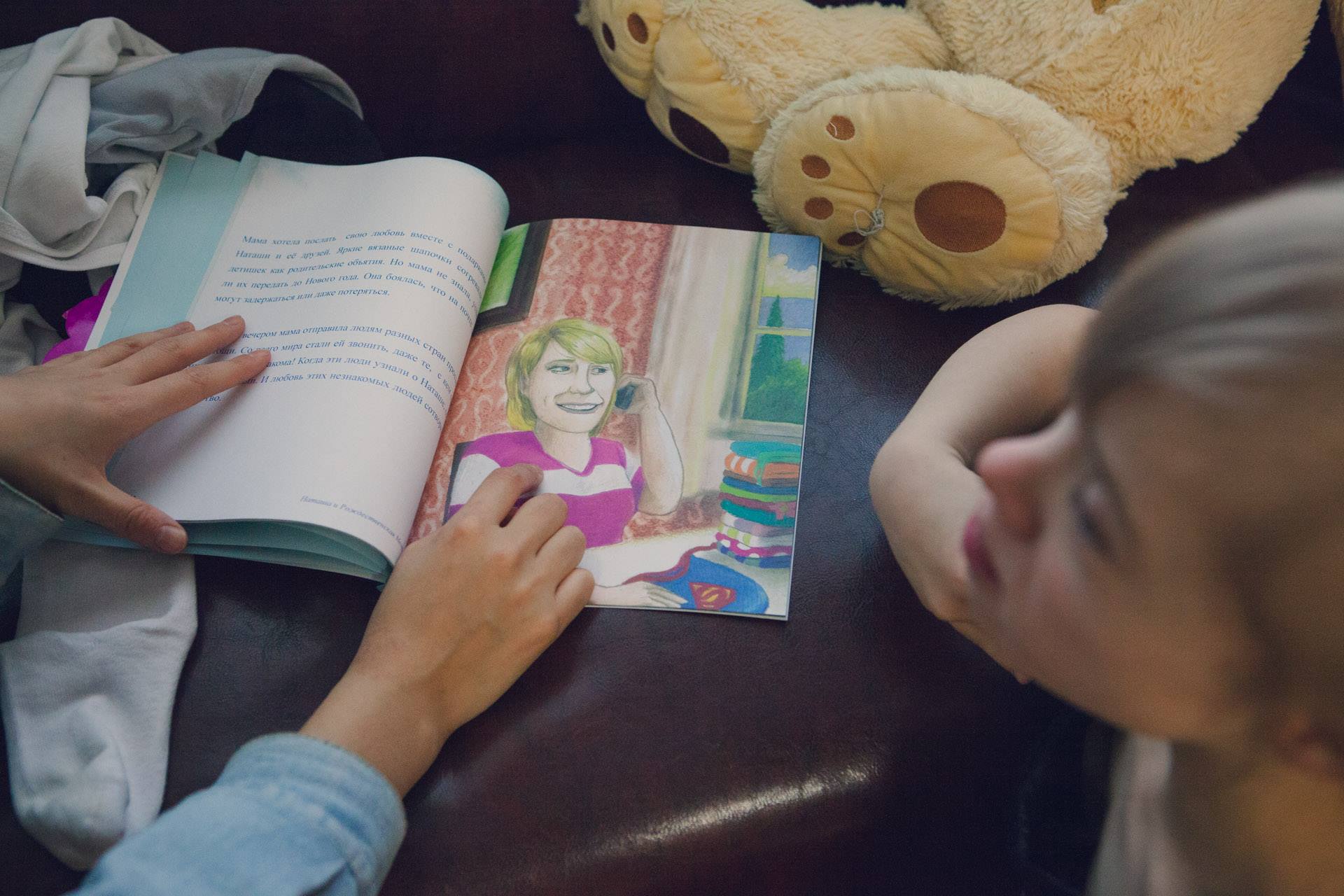
And every year, Katrina collects a gift for the birthday of Lera and the New Year for her daughter and her friends. In the first year, she sent knitted hats and toys for all children, and LERA was also a beautiful dress.
Under the photograph of Lera in a hat with Superman Superman, Katrina wrote: "She has a superman hat. I think that she uses her super-capabilities to ever be at home."
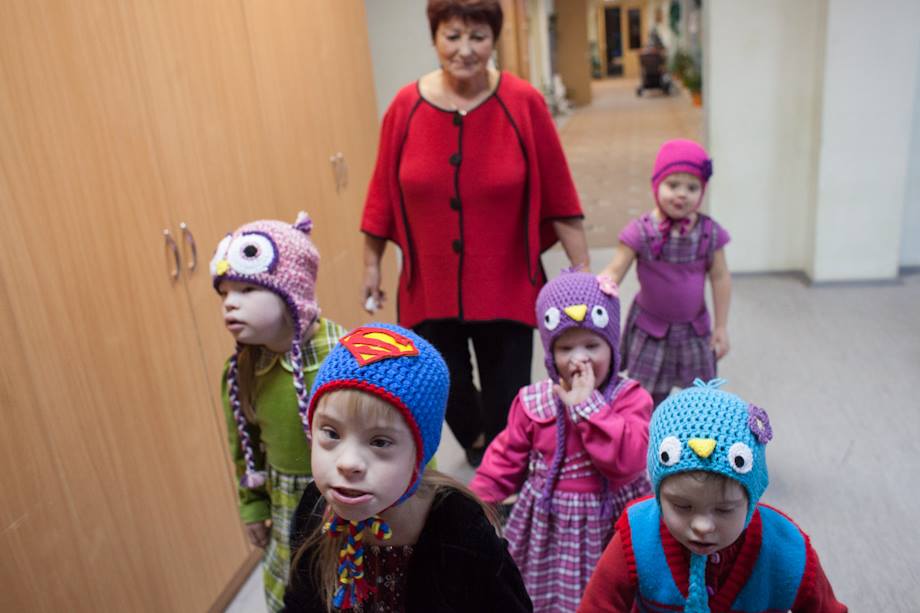
- In 2013, I found those who can convey their caps for Lera and her friends. The path was this: from Washington to Poland, from Poland to Moscow, from Moscow to St. Petersburg. Every year after that I handed over to Natasha’s gifts and a new dress through volunteers, ” says Katrina.
A few years ago, Katrina Morriss began to send new dresses to Lera: now every new year Lera is looking forward to them. On Facebook, Katrina created a group called "Natasha and Christmas desire", by the name of the book that Katrina wrote specifically for the girl. In the group, she posts news about the life of her daughter and photos in new outfits, which Lera loves very much.
A dream that has not come true
On December 19, 2021, Lera turned 16 years old. For this birthday, Katrina also sent gifts and dresses of her daughter. True, so far I have not received new photos from those who undertook to help with the transfer of the gift. But together with the festive mood this year, Katrina again survived the loss: according to the laws of the United States, you can not take under guardianship of children from other countries, if they are over 16 years old. Also, American laws do not give the right to immigration to people who were brought up in orphanages.
She will not be able to live on her own and she needs constant help
“ I do not really understand these laws, they seem strange to me, ” Katrina complains specifically about these laws of the United States and, in general, the whole story of the adoption of Lera.
The only thing that Katrina can do today with the help of charitable organizations in Russia is to find a foster family to see Lere in order to protect her from existence in a neuropsychiatric boarding school.
- More recently, I learned that in Russia they tried to adopt a law according to which adult graduates of orphanages with disabilities can count on participation in a special support program. The program provides for the possibility of cohabiting graduates of orphanages, and for those who cannot serve themselves, support for the guardian is provided. This is just the case of Lera: she will not be able to live on her own, and she needs constant help. And I hoped that this would help to solve the problem. If we adopted this law, we could find a special guardian for Natasha. But they can’t accept it for six years, ”says Katrina.
The editors of the North. Realia sent to the Peterhof boarding house No. 1, where Lera is brought up, a request with questions about whether there were appeals from potential adoptive parents about custody of it. The answer did not come. In an interview with the project "Editorial", the director of the boarding house Valery Asikritov said that they are regretting that the Morrisses could not adopt Leru.
I understand how much Lera missed because we were not allowed to adopt her
“Before this, we arranged our pupil for a family in America. We still maintain relations with them: we communicate with them, see each other. And they send us reports, although we are not obliged to do this. And we see that the child feels great, everything is wonderful. Probably, Lera would have the same wonderful fate,” Asycritov said.
With a request to help Lera to find a new family in Russia, Katrina Morriss wrote to the Russian charitable organization "Downside Ap", which helps families where there are children with Down syndrome. She was replied that this would be almost impossible - usually children with such a diagnosis are not taken to foster families.
“ My heart hurts when I understand how much Lera missed because we were not allowed to adopt her, ” Katrina admits.
Nevertheless, the American does not lose hope: she has two more years before the 18th anniversary of Lera, when she will be transferred from the orphanage to PNI and there will be no chance of a normal life at all.
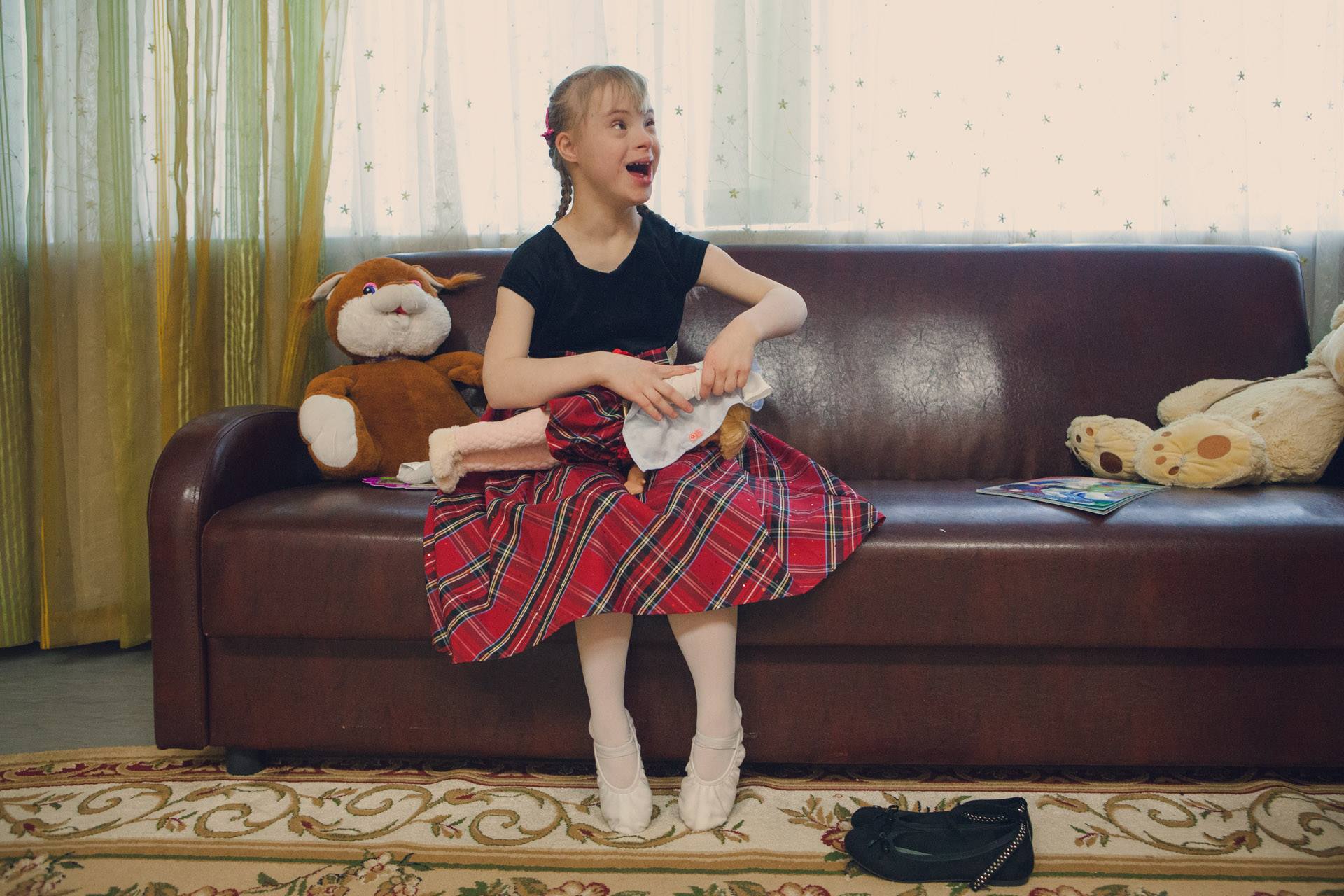
Today on the website of the "Change one Life" Foundation there is a video about Leroy. The video about the girl ends with the words: "The cheerful Lera wants to listen to the lullabies from the lips of her beloved mother every evening. The girl is waiting for her parents." Katrina cannot look at it without tears. She is doubly offended that this desire and Lera were mutually: for nine years they fought for reunification, but lost in this battle.
In my heart I am her mother, and the real mother fights for her child
- All this time I sincerely felt, believed that she was my daughter. When I met her for the first time and we were with her and my husband, we told her that she would become part of our family. And we strove for this. When the American government told us to find another child in another country, we replied that we did not want another child. She is our child. She has always been part of our family. Even though she never lived with us. I sincerely worry about her fate, I want her to be happy. I feel that if I do not fight for her, then no one will, because she has no one else. I consider myself her mother, despite the fact that the Russian government considers differently. In my heart I am her mother, and a real mother always fights for her child, says Katrina Morriss.
- At the end of February 2022, Lero adopted A resident of Yekaterinburg Tatyana Cherkasova. She found out about Lera from the media, contacted Katrina Morriss and asked in which institution the girl lives in. This is not the first child with Down syndrome in the Tatyana family. Lera lives in a full -fledged family.