
Translated material
"Prospects that are not." The results of the year through the eyes of the historian
In Russia, the "Year of Alexander Nevsky" is ending. The coming 2022 will become the year of the 350th anniversary of the birth of Peter the Great. The Russian authorities continue to seek the rationale for their current domestic and foreign policy in the heroes and events of the past, endless "Memory Wars". Why it is so important for them to monopolize historical memory and whether historical knowledge can help in forecasts for the future - the correspondent of North. Reali spoke about this with the historian Lev Lurie.
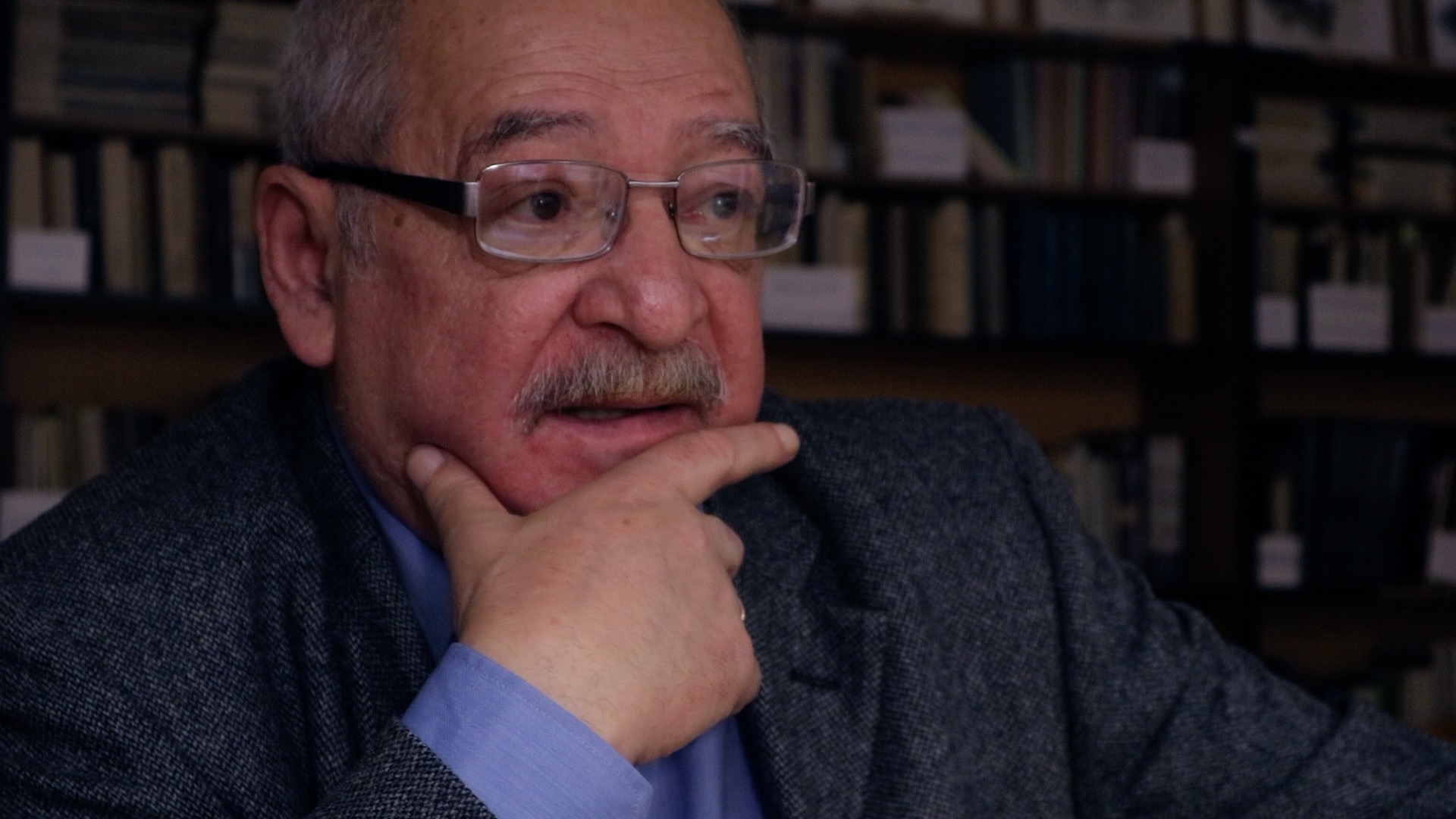
-Trying to understand the present time, we often compare it with the past-someone recalls the 1937th, someone Brezhnev’s stagnation . What historical analogies seem more appropriate to you?
- Most of all this time, probably, looks like 1852–1853, a gloomy seven years moving to the Crimean war, the time of Nicholas the First. It is also often compared, and this is correct, over time, Konstantin Ustinovich Chernenko is the placement of "Pershing", missiles of the middle radius of action in Europe. It was a response to our missiles and the following after the Caribbean crisis of the Apogee of the Cold War.
- And what is our time like Nikolaevskoye - suffocation of freedoms, censorship?
- In 1848, revolutionary events began throughout Europe. It was a conflict with the ideas of the Holy Union, with the fact that everything should be realized. As Nikolai said the first officers, entering the ball in the Winter Palace: "gentlemen, saddle horses, in France revolution." And so, Russia sends troops to the aid of the Austrians to suppress the Hungarian uprising, in parallel is looking for foreign agents in Russia. Nicholas the first believed that there is a worldwide conspiracy, the purpose of which, of course, is a concussion of the monastery of the good of the Russian Empire. Petrashevsky was arrested for less grounds than people are being arrested now. As you know, Fedor Mikhailovich Dostoevsky was sentenced to execution for reading aloud Belinsky’s letters to Gogol, whose main idea is that we do not need any Western laws, but we must fulfill those that we have. Saltykov was sent to exile, Turgenev - to the estate. Censorship not only rules the texts, but also indicates to the authors how to write them. Therefore, this is called gloomy seven years.
- This is very well the censor Nikitenko described in his memoirs. After all, he wrote not only about various oppression of freedom of speech, but about the most suffocating atmosphere.
- Yes. A monstrous heavy atmosphere, only the "unicorn" Tyutchev and absolutely apolitical shirts and Fet remain.
- Nikitenko wrote about a certain poetess, a noblewoman who wrote a poem about how his wife is freed from the evil husband. This was read as a hint of relations between Russia and Poland, she was exiled to the village, and no one had ever seen her anymore.
-I do not think that such people disappeared without a trace, after all, then there was no "newcomer", but, in general, it was clear that not a single head would rise. In a sense, this is a big lesson for the Russian autocracy, because against this background Russia begins the Crimean war - as another war with Turkey, but the Russian Turks always beat. We think that we can easily get the keys to the holy places, or even put a cross on St. Sophia, and this ends with a defeat in the Crimean war.
“ And this can no longer recover.”
- Yes, and you have to resort to perestroika.
-Do you see in the future at least some hints of such a scenario?
- I am absolutely convinced of this scenario. I'm not sure that he will happen now, but in principle, of course, in the end, everything will follow this scenario. It will be repeated, in some way, what you and I watched in the late 1980s.
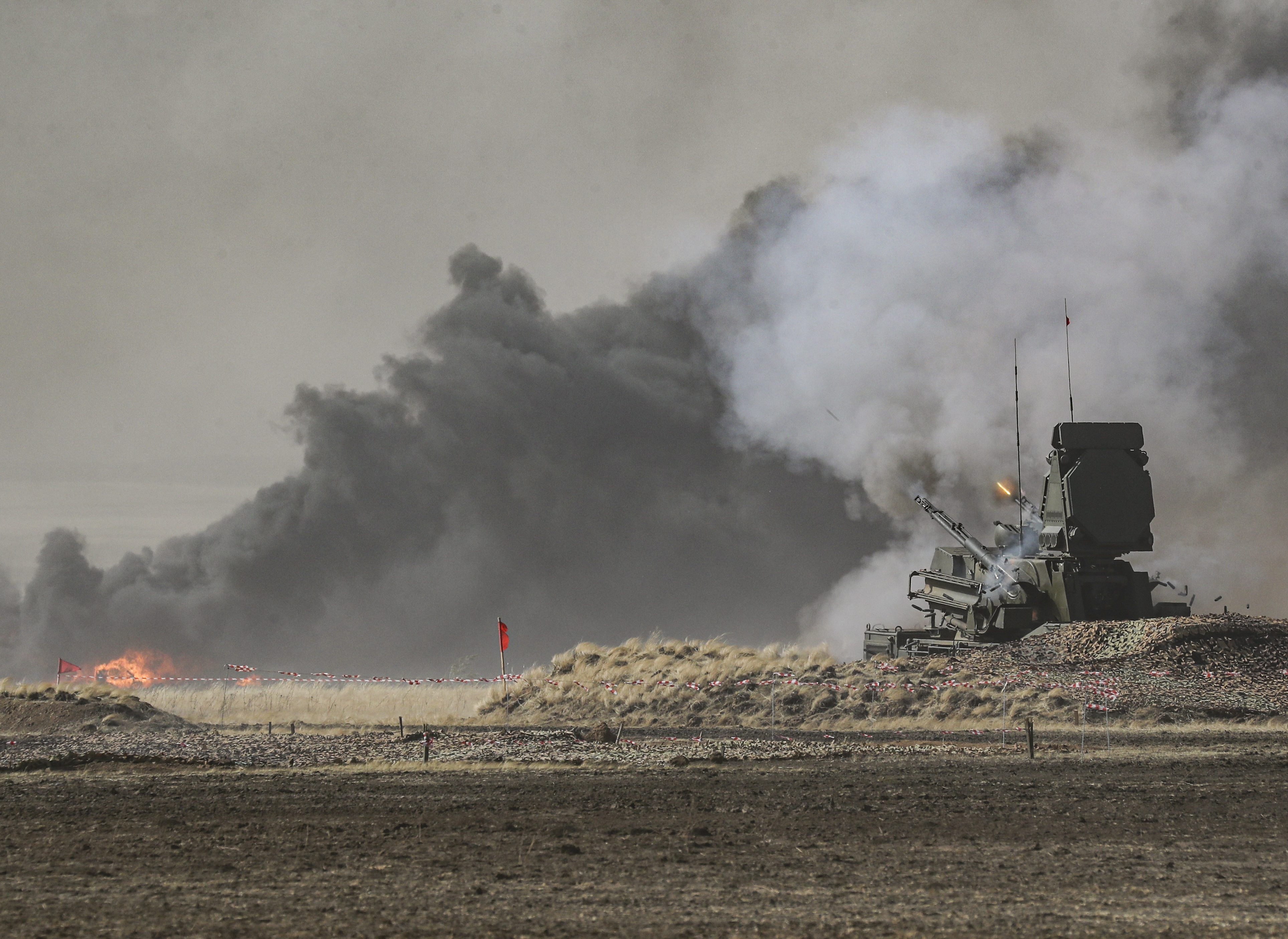
- What does this say about this - the militarization of everything and everything?
- The point is not in militarization, but of excessive self -confidence. The only option for movement is foreign policy successes, and foreign policy successes in the struggle with the whole world are doubtful. I'm afraid that Vladimir Vladimirovich lost his inherent caution.
- A bit bit? Holds God by the beard?
- Yes. And it seems to me that this can be an unnecessary risk for the system he has created.
“ But so far he somehow succeeds.” That's whatever he thinks, everything turns into his favor, is there such a feeling?
- He is a wonderful tactician actually. If he sees a partner’s slaughter, then he squeezes this slack. But the problem is that the action is equal to counteraction. And if you place missiles of the middle radius of action, as Andropov, Chernenko and Brezhnev did, then you will receive an answer in the form of the same missiles in Europe. If you threaten to destroy Turkey and violate the balance of forces in the south (in Iran, in the Chernomorye and Mediterranean), then you get the English and French fleet in response, as it was in the Crimean war. It seems to me that our foreign policy exaggerates the weakness and inability of our resistance, as Vladimir Vladimirovich said, partners.
- Observers now like to ask rhetorical questions - whether our Western partners are able to gather, unite, and in general, let's see who whom is. Many today talk about the lost fighting spirit of the West.
-I read this in the late 1970s-early 80s, if you remember Solzhenitsyn’s performance about the weakness of Western democracy. We see that Alexander Isaevich was wrong. But the West resorts to showing the muscles and everything else in the most extreme case - this is clear. They differ from us.
Yes, Munich, Yalta showed - it happens that they make concessions. But then it follows the announcement of Germany’s war after the invasion of Poland or the long telegram of Kennan ( the telegram of the US Embassy in Moscow of February 22, 1946 on the impossibility of cooperation with the USSR.-SR ), that is, there is still a barrier to everything. So this Russian policy is very risky. I hope that, of course, we will have no war in January-February, but this means that Putin, having declared a very unrealistic position, will retreat. I am not sure that our troops will finally take our dear city of Kharkov.
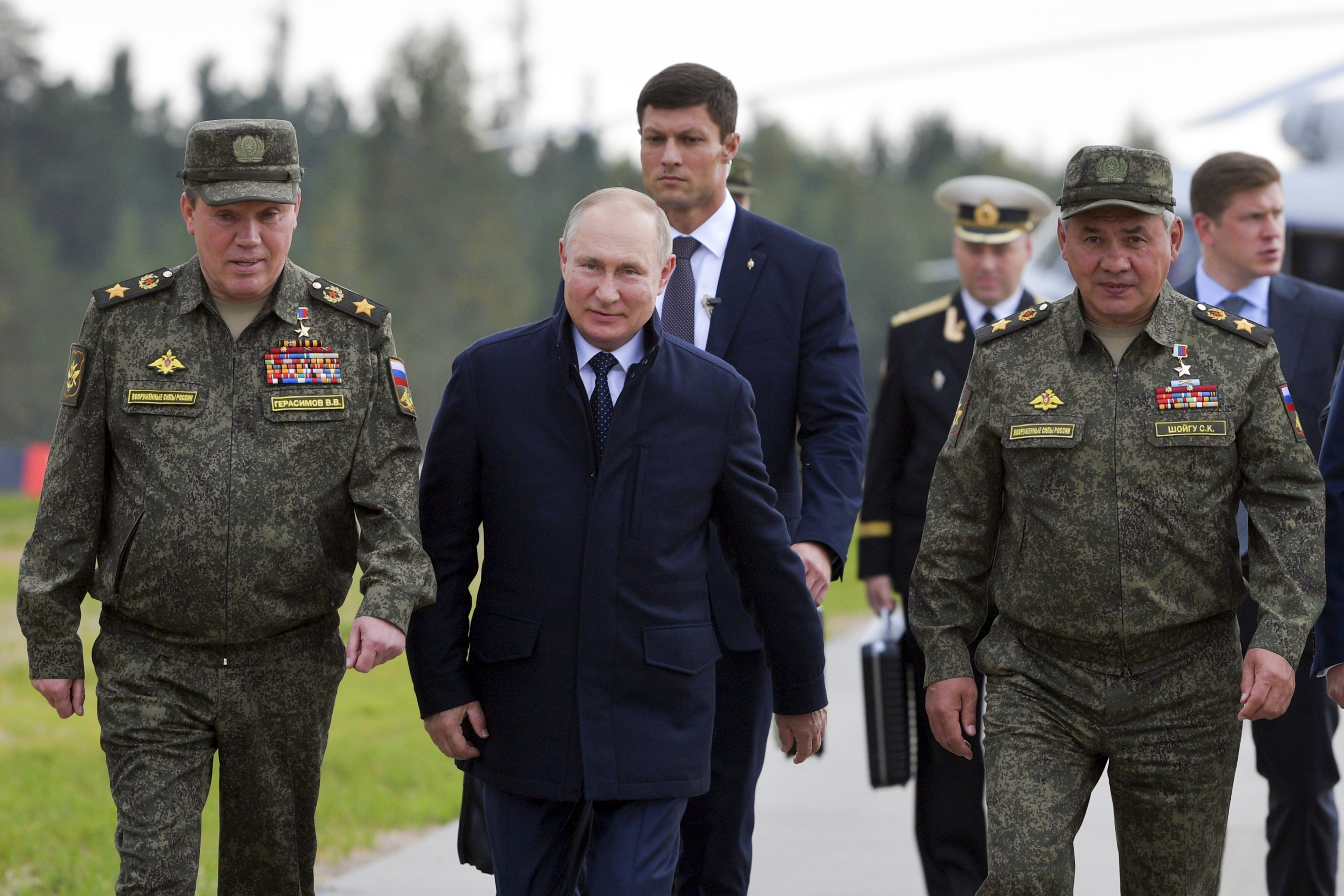
-He himself once said very frankly that "we managed to create tension among our partners and we must hold it."
-Yes, I was struck by the frankness of this phrase, but I have inspired some optimism, that is, it is still only scarecrow. But scarecrows are risky, because in order for the scarecases to be scarecases, they should look scary.
- It looks like another Chekist development that they always did.
- Probably - yes, of course, Chekist, gangster, any power. And these visions sometimes work - in the event that the fraer retreats or the ideological enemy is afraid to get to the zone. Therefore, Putin uses tactics, which often brought him success. The situation is quite difficult, in fact, because the so -called Putin miracle ceased in 2008. Gradually-nevertheless, the inertia of this take-off was very large, I think that the Gaidar's reforms specified not even by the Putin miracle. The country really changed, changed civilizationally. Relatively speaking, Moscow lives no worse than Berlin, and Petersburg is no worse than Warsaw. This is an important achievement. But the problem is the absence of dynamics, and the bicycle goes only when the pedals are spinning. And this task faces him. He or they need love, but this love does not come, but, on the contrary, with Covid, and with everything else decreases. It is in such a Russian style, that is, Kalinchi become horror. Russian people, thanks to our continental political conditions, for centuries, learns to deceive the authorities. And he somehow minimally depicts loyalty, but in essence, he thinks how to do it better. This, of course, reduces handling, and this love is not. The last love was apparently connected with the Crimea. Therefore, if you want a holiday, then you need to somehow attract attention. War is one of the ways, unfortunately, to attract attention, so all this can be considered as a large mobilization plan. They do not spend money, they are accumulating in case of conflict. Potential enemies, the fifth column that will object to the war, is cut and sent to places not so distant. I can assume that the whole story with the certification of the "satellite" is not the fault of WHO, but our conscious policy.
- And what does it consist of?
- In the closure of the borders. So that the government and the relevant authorities themselves decide who to go to Israel to Aunt Hai, and to whom to stay here.
- In order not to run away, for example, people of draft age?
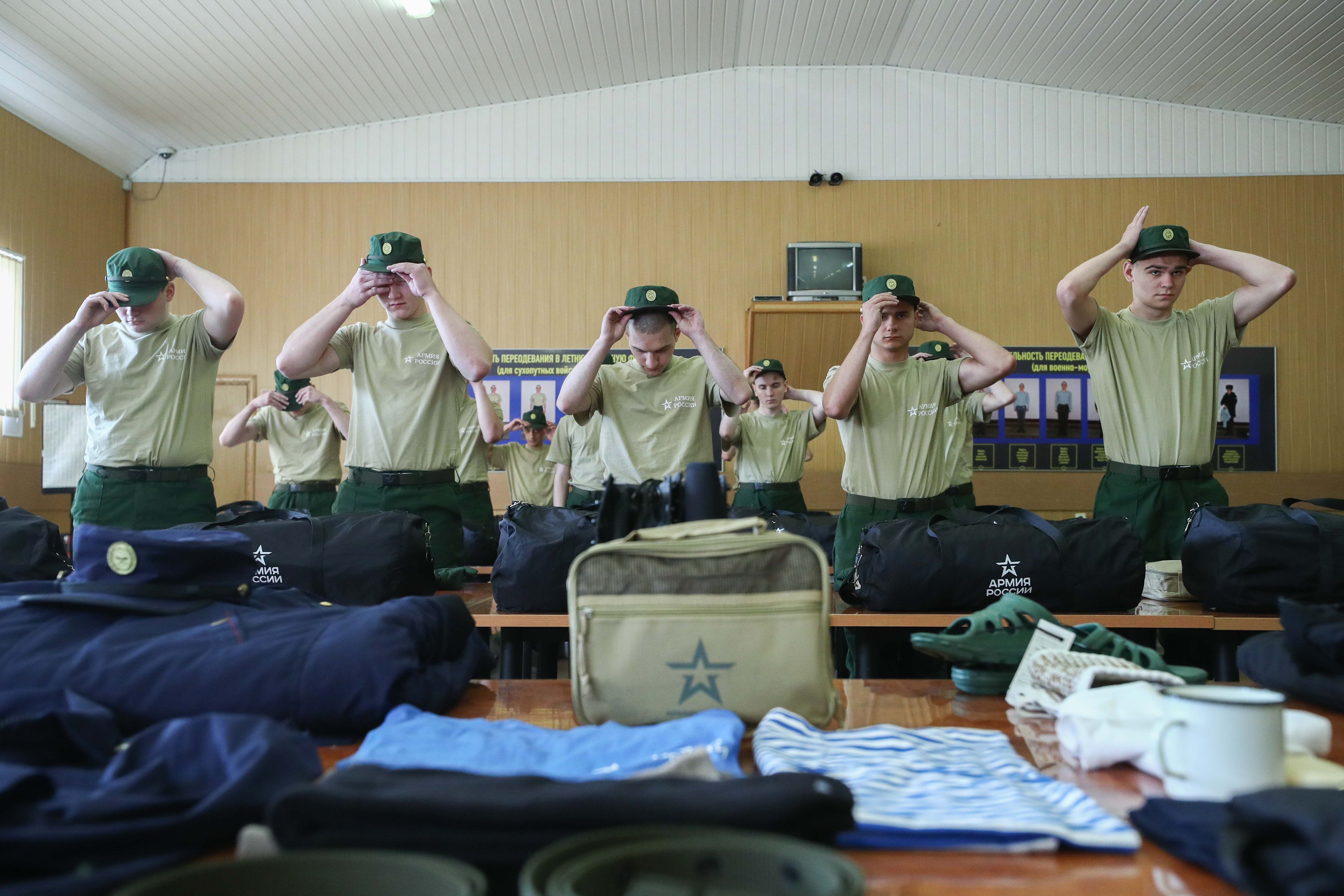
- Yes, yes, yes. These are such unpleasant signs, such measures can be introduced. There are different problems, but, of course, the main task is that the authorities understand that very stringent sanctions will really be imposed. And this, of course, will affect the standard of living of the population, first of all, we will find a sharp fall in the ruble, the disappearance of a huge amount of consumer values that we are accustomed to, everything related to technology, most of the food. And it is not clear how much it can be withstanded if there are no deafening victories and we will not get new computers and bananas in Warsaw.
- Do you consider such a scenario a reality?
- I am afraid that this is a permissible script, this is what you have to reckon with. I don’t know, the likelihood of this fifty fifty or 80 percent, but this is not 3 percent.
- And this is precisely to maintain love?
- I think that - yes, to maintain love.
- So that these nasty questions about the elections, about the change of power do not arise?
- I even think that for the authorities these are not the main issues, since the population is more likely to worry theft, the lack of social elevators, the construction of sons of bosses in high positions, and so on. I do not think that a large number of people see that with the help of democratic procedures you can improve something. But this obvious injustice, the discrepancy between what they say, and what is actually, which is becoming more and more, this, of course, annoys people. And prospects that are not. It is extremely important that nevertheless we have experienced a very dynamic time, and now it is wildly static. And I would say that this is against charismatics, against those who have marshal wands in the satchels.
- And there are always such.
- And they, in fact, make revolutions. The Bolsheviks are just such people, relatively speaking. And they are not necessarily good, they are different. People like Lenin and Navalny belong to the same type. These are people who believe that they can rule the state. And the growth of a layer that does not receive any options for life, of course, is threatening to build.
-But here the situation is hopeless, because the purpose of the system is to arrange sons and cement the estate.
- Yes. I think what Patrushev said about the nobility at one time, they perceive seriously.
- And thereby tell everyone else - do not blame.
“And thereby tell everyone else that you are a dragging class.” Just as in Peter's times, and now, of course, there are ways to curry up from the ordinary to the guarantees, conditionally, to become a guard of Putin. But this is a very narrow and understandable trajectory, although it is clear that young people from the province go where? They go to the police school, to military educational institutions. This may be the only way up.
- Narrow gates.
- Very narrow gates! Moreover, I know from different social networks that in the army these young people who enter there are faced with what was in Soviet times: the colonel is the son of the colonel, the general is the son of the general. These networks also operate in power structures. Let us recall the 1990s, if, relatively speaking, not different Boris Vishnevsky, then Vladimir Vladimirovich would have finished his career as a lieutenant colonel and now, if he were alive and well, he would grow vegetables in greenhouses on the site. Actually, they are all children of perestroika. Once again, I say, events that will inevitably occur, at least, probably, before your eyes, they do not necessarily mean that morally the best will advance. But the new Putins, Vishnevsky and Gaidars are sitting somewhere. They are now under 40, perhaps, by 50. Relatively speaking, those who won as a result of perestroika are 60, this is a generation of bandits and businessmen who changed the landscape.
- Maybe even people from 60 to 70 ...
- Yes, and my peers, that is, Putin, Patrushev and others. And those who are 40 are a generation of the first issue of our 610th gymnasium, they already do not have such quarry, and this is regardless of what political beliefs they have and from which families they come from.
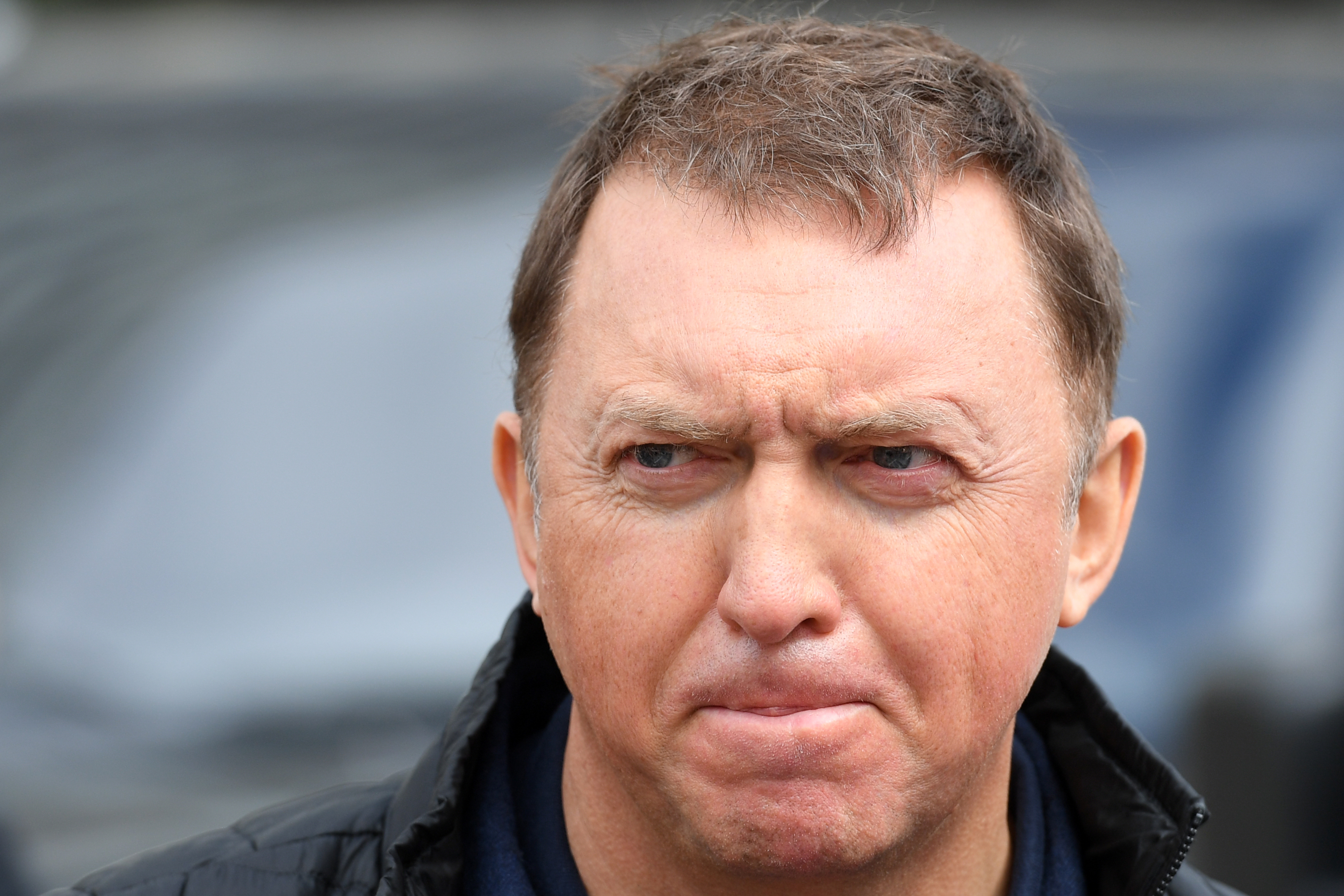
- You talked about the estate in the army and that Petersburg and Moscow live well. Whether you noticed Oleg Deripaska’s dispute with Elvira Nabiullina , after all, he concerned all of Russia-to develop only millionaire cities, only Moscow and Peter, and wave his hand to everything, or still raise all regions. Is this an important dispute, do you think?
- I do not understand the essence of this dispute, it is difficult for me to decrypt it. It is completely clear that this state of affairs is associated with different things. On the one hand, this is the idea of security, because in Soviet times in Moscow they sold significantly more products than in Russia. Because if something happens, then it will happen near the White House or near the Mariinsky Palace. Therefore, large cities from the point of view of safety should be fed, and what is happening in Orsk, Kopeisk or Borovichi is not so important. Well, and I do not see any opportunities to raise anything. It will rise if they give freedom to raise. Do not even need to be invested in the economy, but you need not to interfere. It seems to me that our city, despite Beglov and others, is still developing.
It is simply visible how new unofficial or private museums, galleries, bookstores, cafes appear. People restore their ceremonial at their own expense. The city is becoming more and more European. He could do it faster, but it happens very slowly. The main thing is that the state does not interfere. No matter how much money you will give, relatively speaking, to the cultural management, they will not become better from this chakra.
- And how do you see the near future - probably, all the same twisting of the nuts?
- Yes. It seems to me that now the foreign policy plot is so important - that all this is a common trend, that is, we are still in the gloomy seven -year -old. And it is precisely due to the fact that the rates are so increasing, it is clear that the denouement is close. It depends on the coming months.
- You said that the game is dangerous - and what can it result in for Russia? If you imagine the most gloomy scenario, how can it all threaten, except for strict sanctions?
- Many troubles. We, in fact, have a Caucasus that has not gone anywhere, and what Alexander Nikolayevich Sokurov said is true. But this problem is so simply not solved. It is always blood, it is always a clash, it is always discontent, because the collapse of any empire is traumatic. Of course, the question of law and order will arise, as a mass of disinfectment of the discipline will act. Of course, the property question will arise - what to do with stolen? The answers can be the most radical, so we can recall the 1917th year.
- There is enough lamps.
-And there are enough lanterns, and some foreigners can be grabbed under this business. There are many different options. This twisting of the nuts is dangerous in the sense that there are no intermediate forces that could be mediated. Both the opposition and the power elite are radicalized. Of the people who make the decision, curls and warr are leaveing and more and more patrushevs and sechins come.
- That is, hawks?
- Yes, statesmen, hawks, security forces are people who understand little in the economy.
- And then Kirdyk comes to the economy.
-In a sense-yes. Still, Vladimir Vladimirovich worked as a prime minister, he understands something in this.
- You said that the opposition is radicalized, but it seems that now it is already so driven under the asphalt that it is practically none. A lot of people were coming, to whom to be radical to?
- This is true, but again, in our memory, the time when the Solzhenitsa fund was defeated, the Helsinki committee was defeated, Sakharov was in Nizhny, Solzhenitsyn in Vermont. Nothing - new ones appeared.
-But on the other hand, it is known that perestroika was nevertheless made from above.
- Well, probably. I hope that the future restructuring will be made on top. It is desirable that this be done with little blood.
- And is there hope?
- Absolutely there, no doubt, darken.
- Now Dmitriev, with whom the terrible story continues, handed over a very expressive message from prison. He said that it is clear what time comes, that it is necessary to educate children accordingly, to behave carefully, save archives and people (namely in this order), get an old receiver from the mezzanine and buy a sufficient number of batteries for it. Do you agree with these tips?
- This is reasonable, it is not superfluous.
- That is, we will need the old receivers of the old ones?
- I'm not sure what will be needed, but this must be borne in mind.
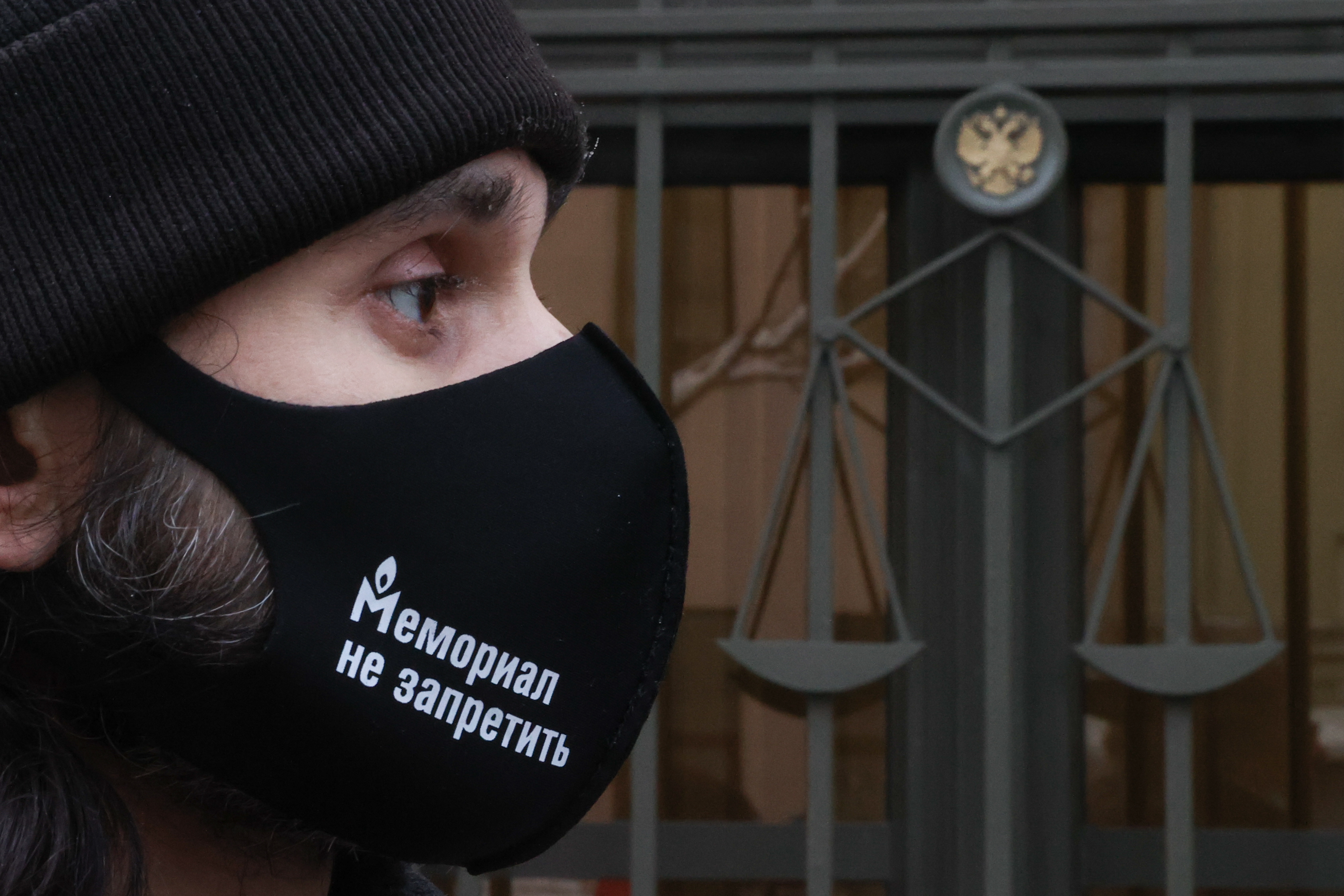
-And if you recall the "memorial"-do you see something similar to choke the "memorial" in our history?
- Yes, all the time. I just don’t know what we did not suffocate - the removal of Twardowski from the chief editors of the “New World”, the accusation of Korogodsky of homosexuality - we have a lot of this, our whole story consists of this. But I hope that nevertheless any of the "memorials" will not be prohibited. They still have a rather complicated umbrella structure. Paper will not go anywhere, and most importantly, most of them are already in the memory of computers. In addition, suppose they will close the "memorial." What, these people will stop doing this? What, all these books that have published will be destroyed, transferred to special security? This is impossible.
- And the fact that now actually closed the archives and again classified the names of the executioners - is this forever?
- These are such details ... The executioners died - this is such an absentee Nuremberg. It is quite difficult with archives. In fact, the opening of archives in the early 1990s gave us an increase in knowledge of 10 percent. Already in the "Gulag archipelago" everything is said. Relatively speaking, yes, for something, and, on the other hand, a huge number of machine-readable archives, all kinds of house books and so on appeared. So I see the next troubles here, like what I need to go to the store in the mask, but I do not see a real tragedy here. The tragedy is when Dmitriev is put in prison for 15 years.
- When you come to the same "Immortal Regiment", it seems that we have a huge, impenetrated injury. That war, that repression is all grief, not spoke, not mourned.
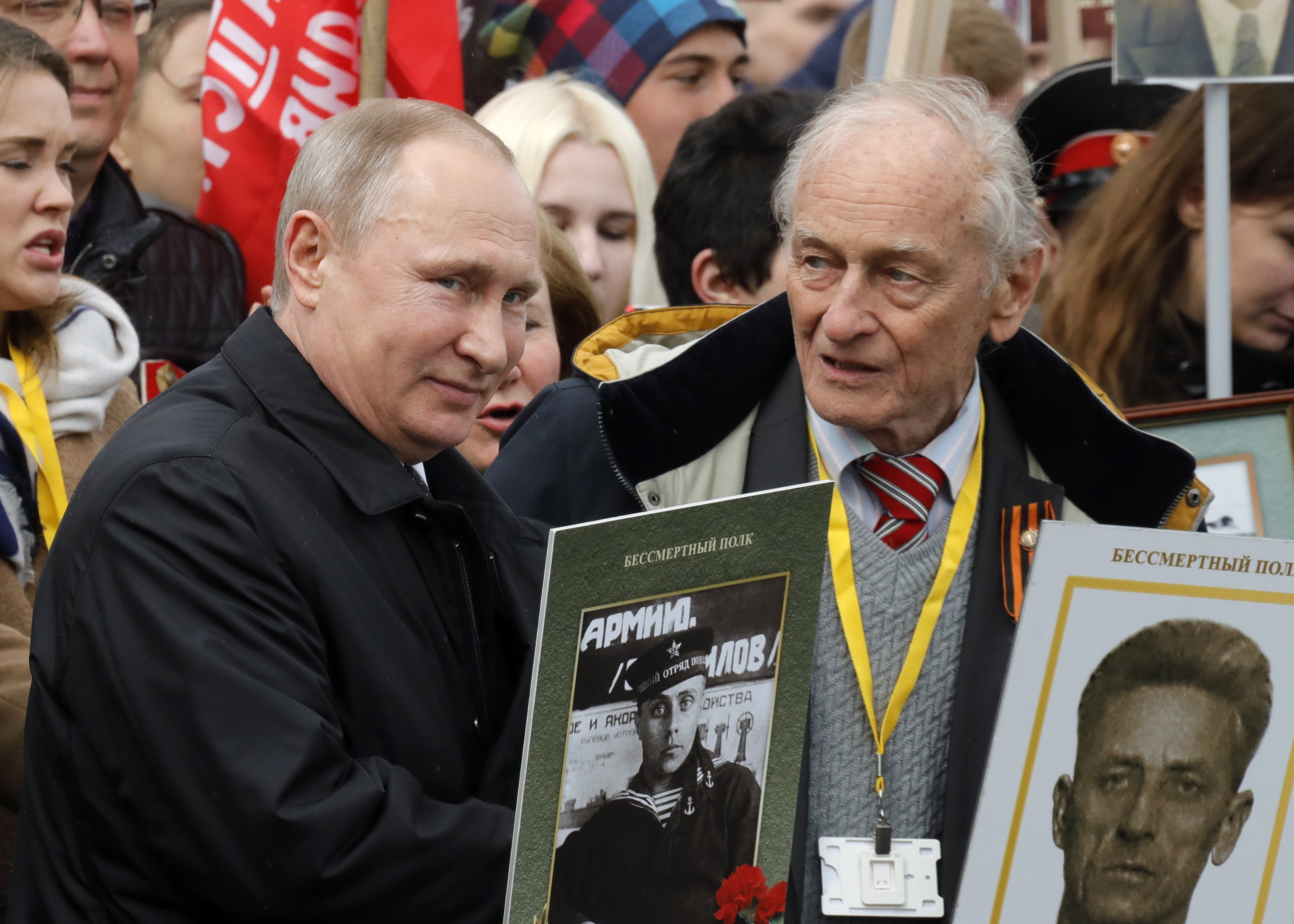
- So, you need to work out. I did and worked out. And really, we had a numerically blocking injury more serious than a trauma to 1937–38. This can be seen from house books, I was engaged in them a lot. A profitable house - according to the tablets of the "last address" it can be seen that, for example, 10 people were repressed, and 200 people died in a blockade. With the number of dead, they were interested in the householders to underestimate the number of dead or reporting deaths later.
- Because the cards after them remained?
- Cards, furniture, valuable things, and so on. There are two digits: 670 thousand and 1 million 100. 1 million 100 - these are cemetery figures, because they received vodka and additional rations for overwriting the plan. They wanted to report a large number of dead, and the homerape is smaller. See what a huge gap.
- Yes, but many more died on the road from evacuation, in other cities.
- Yes, sure!
- And they are not taken into account anywhere.
-No, they were taken into account in some places, people were buried. I must say, this is also related to the "memorial": our bureaucratic system is such that if something happens and a piece of paper is compiled, then this piece of paper is stored in eight different archives. Therefore, hiding something is very difficult. There were special guards. We published a huge number of documents from the archives, because they do not know what they have. Nietzsche was lying in a special guard. But if a person was interested in Nietzsche, then with the help of 34 different other books he could practically understand everything about him.
- The pursuit of the "memorial" can be called one of the main events of the outgoing year or not?
- Against the background of what was happening with the same Navalny or Dmitriev, what is happening with the "memorial" is not so scary. Of course, this is terrible, but this has not happened yet. Of course, this infection has a tremendous influence on all of us, not only on our country, and this introduces deep depression. This year I can’t remember anything good at all. I personally had some good events in my life, for example, two books came out, and so, indeed, everything is gloomy. Every day you expect some kind of blow to the side of the news. The torture scandals of our power will still pour out, because it is a tremendous blow to its image. And most importantly, this video ... This kind of news increases the number of people who want to leave.
Vladimir Vladimirovich Putin and his companions are quite low about Homo sapiens. And they believe that there are certain mechanisms that have developed in practice. Let's say how to keep Chechnya so that she does not spread? Need Kadyrov. He has many shortcomings, someone is killed from time to time, but this is the best of the worst that you can imagine. Well, and the prison too. They are incorrigible. What to do? Of course, you don’t have to torture, the mop should not be thrust, well, on the other hand, where can you get without it? Who will work there? You, Dima, will go? No, you will sit in Gelendzhik. And these torture personnel for them are not something incredible, these are not those people who can be hit by some terrible naturalistic details and make them cry over something, over the kitty.
- What should we think about when looking for another calendar line?
- It seems to me that it is important ... Anton Pavlovich Chekhov said that "the Russian person must have everything good with phosphorus and bad with iron," that is, there are many talented people, and there are few people who, like Anton Pavlovich, got up and wrote a story every morning. We must do our job. And then everything will be fine, in any case, we will feel like people who fulfill their duty. It is necessary to worry less about the world problems or not at all the world that surround us, but more to do more than what we do.