
Translated material
"They just disappear from the base." Nine years "The Law of Dima Yakovlev"
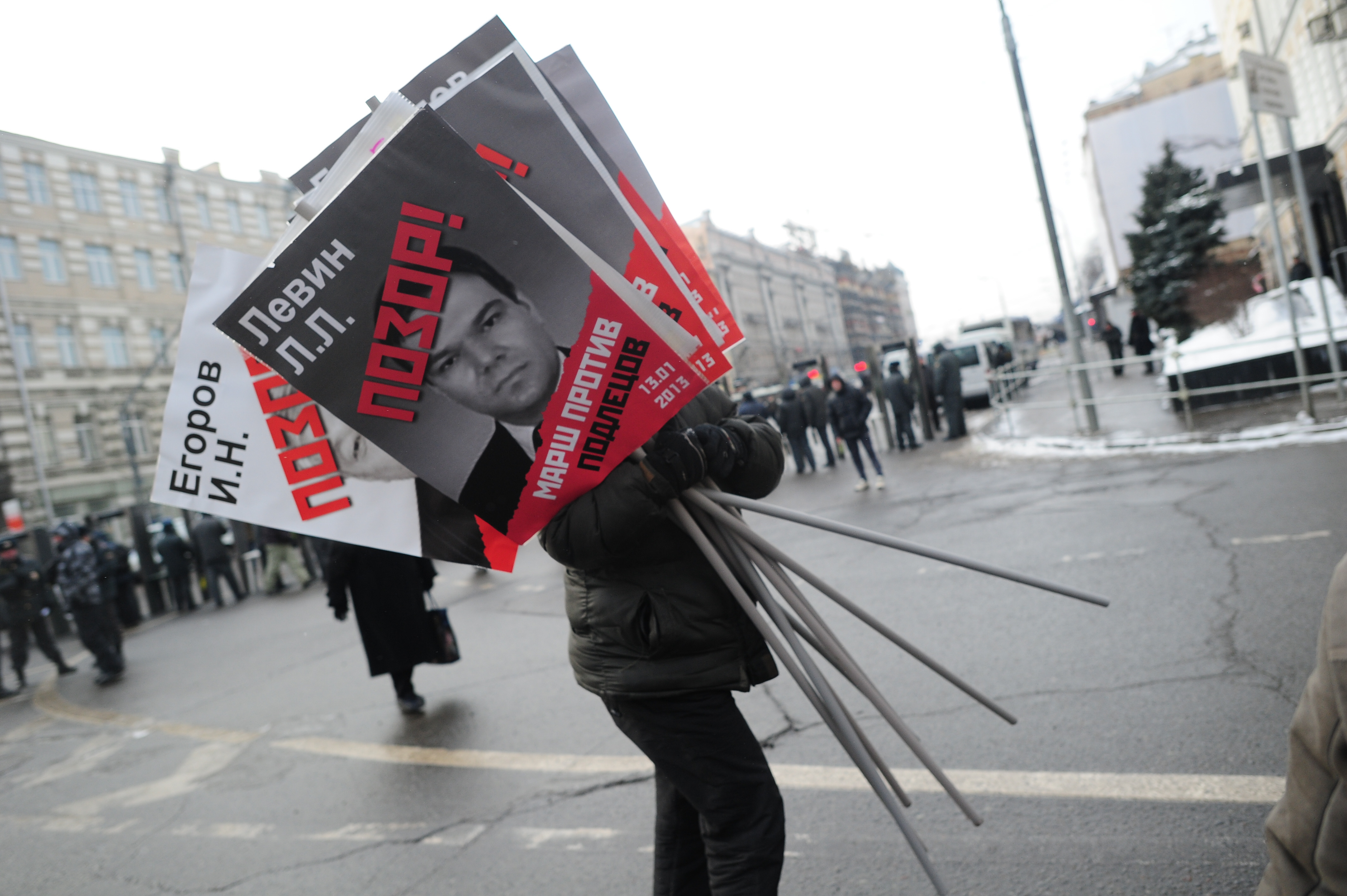
Nine years ago, in response to American sanctions on the "Magnitsky Law", Vladimir Putin signed the so -called "Dima Yakovlev Law", which prohibits the Americans to adopt Russian orphans. By the end of 2012, the Americans planned to adopt 265 children. But they all remained in the orphanages, because they did not manage to complete the adoption procedures by January 1, 2013, when the law entered into force.
By 2017, from Anna Kuznetsova, the former Commissioner for Children in the Russian Federation, from the “List of Dima Yakovlev”, according to the former Commissioner for Children's Rights in the Russian Federation, 11 children remained in Russian orphanages, seven of them with disabilities.
“According to August, three of these children were returned to biological parents upon their statement, the parents of two more children were restored in parental rights, one child was transferred to the family of relatives, 118 children were transferred to the families of citizens of the Russian Federation, 123 children were adopted by foreign citizens, and this is actually half of the children from the list ...” said Kuznetsova.
In the same, 2017, the businessman published a questionnaire of ten children from the "List of Dima Yakovlev", which have not yet been arranged in Russian families. Today, the federal framework remains the questionnaires of seven. All of them with the fifth health group, that is, with this, children with severe chronic diseases or disabled people.
Without an obituary
There are children who have not survived at all before. Six months after the entry into force of the "Law of Dima Yakovlev", the boy Kadyr from the Tver region died. The American family was going to adopt him. Then the commission " did not find any traces indicating the existence of a child, the death of which was reported at the end of May by many media."
Psychologist Alena Sinkevich drew attention to the fate of Kadyr. At that time, she worked as a consultant to the Russian branch of the American Agency Hand In Hand. Now Alena Sinkevich is working in the field of a family device, helping children with special needs to find a family. The Russian authorities said that the Americans did not try to pick up Kadyr. Sinkevich says that it was legally so, they simply did not manage to make the first necessary, according to those rules, a visit to the boy.
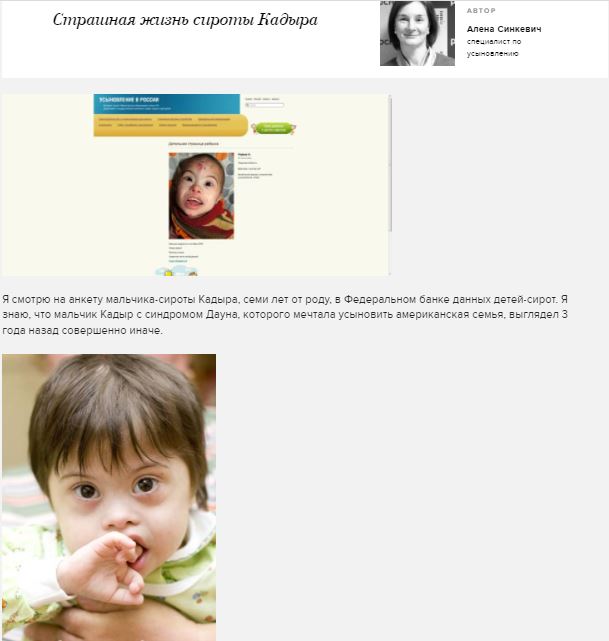
“The adoption procedure was multi -storey,” says Alena Sinkevich to the North. Reali correspondent. - First, the family provided all the documents and reported that she was ready to accept the child with special needs. Then children were planned who could go to this family, potential parents described the health status of the child and found out whether they were really ready to accept it. The family was ready, but they did not have time to come to the first visit. According to the family, the families came to Russia for the first time: then they were given an official direction for the child, and they met. If the family gave preliminary consent and signed an application for the adoption of the proposed child, then for five to six days they had to communicate with the child to establish contact. After that, they left, and the documents were transferred to the court, which prepared all the materials, requested additional certificates. And then the family came a second time and talked with the child again - 4-5 days. In the Moscow region, at least there was an unspoken rule to recruit in the amount of at least 10 days of communication. The family did not have time to Kadyr to the first visit. This is such an emotional story: the child could be in the family, but we cannot legally and documented this. When the family noticed a child, they tracked him at the federal data bank, the FBD, which is in the public domain. The Americans began to alarm when Kadyr was still alive. In the bank, his photograph was updated by age: the first was a pretty baby, and on the second - a child who is clearly very bad. They noticed this and asked: can we do something from here to help him? But nothing could be done. Pretty quickly after the adoption of the "law of Dima Yakovlev" he died.
A few months before the death of Kadyr in the Bakulevsky Center for Cardiovascular Surgery, Little Dasha from Nizhny Novgorod with Down syndrome died. At the time when a large mother from Texas Heidi Barrog found Dasha and was about to submit documents for her adoption and get acquainted, she was 2 years old. Later, the girl simply disappeared from the Federal Bank of orphans (FBS). A month before her birthday, in April 2013, Dasha died of a previously unidentified heart disease. It was later reported that the child died "from the complication of the underlying disease."
- With Dasha there was a similar story, as with Kadyr. The family tracked her to the FBD, and then they saw that she was not in the bank. They began to recognize, and the answer came that she died. They then said: the only thing we ask is to do an obituary. I connected at this stage. I realized with horror that we have no necrologues for orphans. They simply disappear from the base. Then I realized that in general we had a culture of necrologues. At the beginning of life, there were announcements in the newspapers, but there were so many people that there was nothing like that. The Barrose family also did not have time to meet with Dasha, ”says Alena Sinkevich. At that time, she worked with six families who were already at the first visit and established emotional contact with the children. They tried to support him with the children, whom they wanted to adopt, and further, but everything depended on the organization in which the child was located.
- I treat the guardianship authorities with deep sympathy, because they constantly work in the conditions of incomprehensible rules: everything that is good today can be bad tomorrow. They will scold you, it repels the determination to act somehow at all, it is better to sit quietly and do nothing, ”says Sinkevich. All six children with whom she worked came to Russian families one way or another. “Nobody began to maintain contact but one family,” she states.
"He clung to me as his mother"
Rene Schmidt from Tennessee in 2008 adopted a boy from Russia named Jack. She later found out that Jack in Kursk had a full biological brother Nikolai, to whom the family of Rene gave the name Teddy, and decided to pick him up too. But I did not have time.
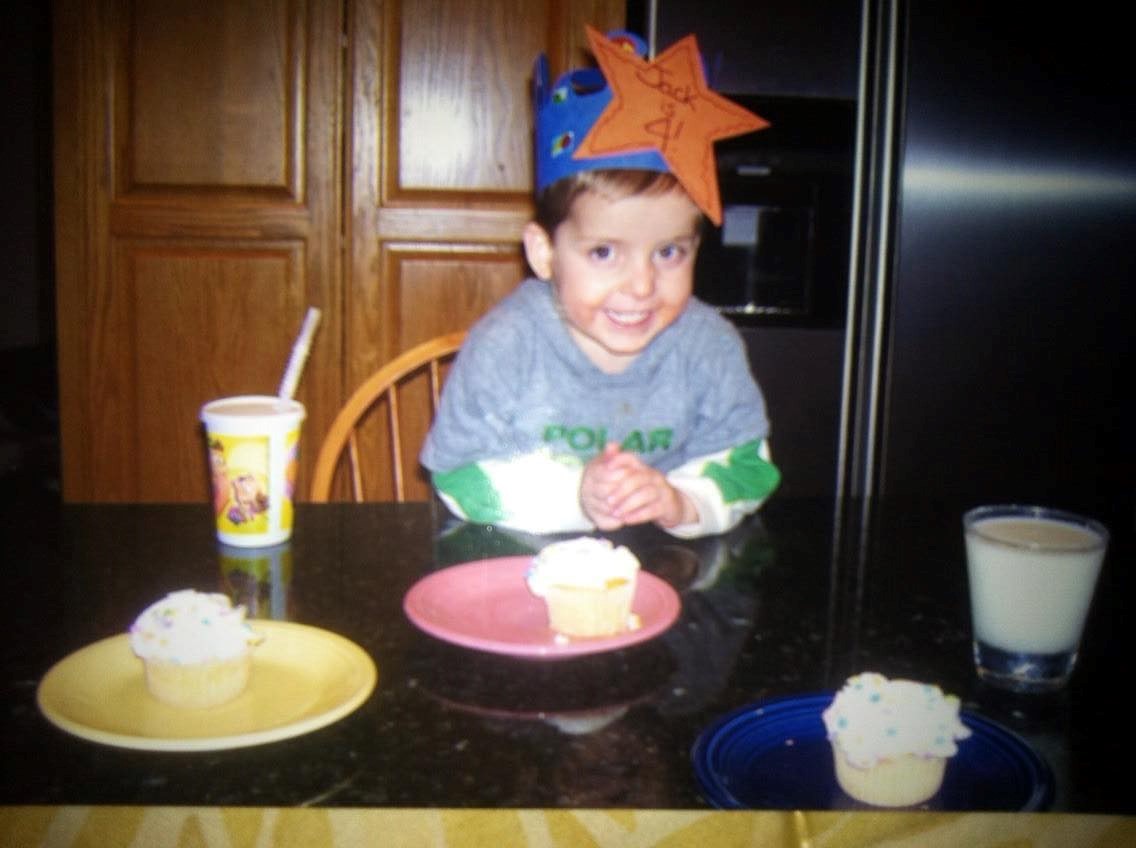
-In December 2008, when we took Jack home, we were informed that we could not take his brother with him, because his parents still have the right to him. In December 2009, we again went on a trip to Russia and spent a weekend with Jack's brother in an orphanage. Then we filled out the necessary documents for adoption, we were allowed to launch the process. Immediately we, too, could not pick it up because of the 9 months of waiting for future foster parents. We were sent home until March 2010, when we had to return. I have preserved photos of that time in the shelter when the brothers were together, ”recalls Rene.
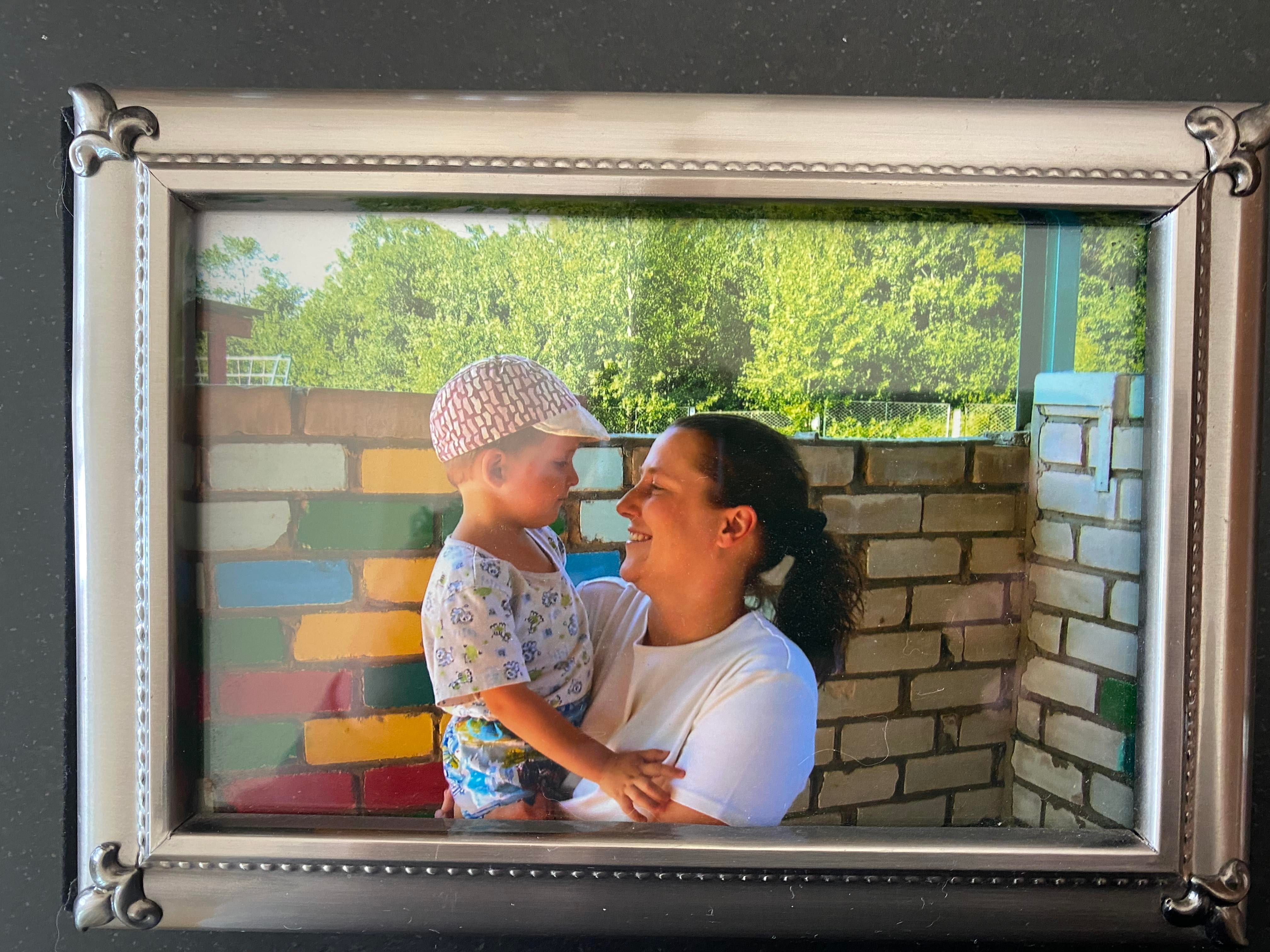
In 2010, Russia has suspended the adoption of children from Russian orphanages by American families for a year. The reason was then the story of the American Torry Anne Hansen. She planted an adopted year earlier than 7-year-old Artem Savelyev on a plane with two envelopes: a letter to the Ministry of Education and Science with a request to cancel the adoption of Artyom and the fee, as well as with the instructions of the guide driver, so that he transmitted Artem to the ministry. She later said that the boy became aggressive and attacked his aunt with a half -kilogram statuette. The return of Savelyev caused a wide public outcry and led to a moratorium on the adoption of Russian children by Americans for a year. The boy was placed in the foster family in the children's village SOS Tomilino, and Hansen was obliged to pay alimony for Artem.
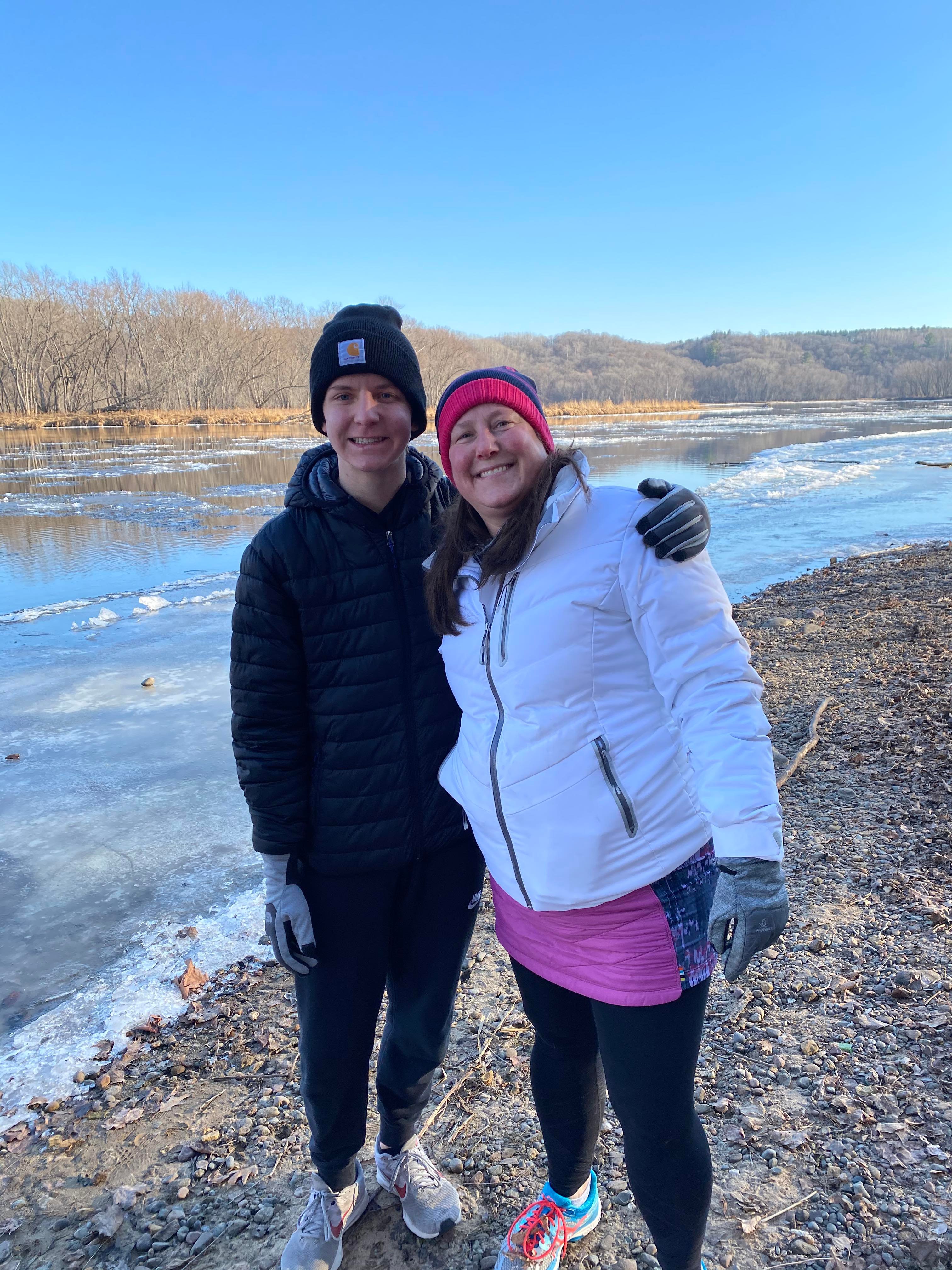
“We all understand how terrible it was,” Rene Schmidt continues. - But this also meant that all the adoptions of Russian children were suspended for us for a year. And Kursk declined our family ten times for unreasonable reasons. When the adoptions were resumed, Kursk continued to say that the state in the United States in which we live is invalid. Well, then the "Magnitsky Law" entered into force ... I lobbied for our issue in the government of the Colombia district, pierced it from Russian politicians in 2014. I went to Russia then, spoke with the Minister of Foreign Affairs Sergei Lavrov, with the then ambassador of Russia to the United States, met with the Commissioner for Human Rights in Russia in his office with his employees, and, as I understand it, they reported to Putin. I met with a lawyer who, as I understood, was connected with the Kremlin, his name was Anton Zharov. They all tried to help me. I am infinitely grateful to all Russian diplomats, I treat them with immense respect for help for us and really love Russians. We even talked about me to come with the crew to take my brother Jack home. But this never happened, because Putin and Obama were so fragmented, Rene regrets.
Her family decided to adopt a child from Russia, because her city has a large Russian community, and "all adopted children who live in the neighborhood are very good." Jack has no brothers or sisters, but Rene herself grew up in a large family, Jack has a lot of cousins and kuzin, and they love each other very much.
- There is no more opportunity for Americans to reunite with children chosen for adoption. The law says clearly about this. That is why I went to Russia in 2014 to meet with diplomats of the highest level: after all, in Russia there is a rule by which adoptive parents should take all the blood brothers into the family, they cannot be divided. But diplomats answered me that now this rule does not apply to the Americans. Since then, nothing has changed, not a single child can no longer be adopted by us, ”Rene says.
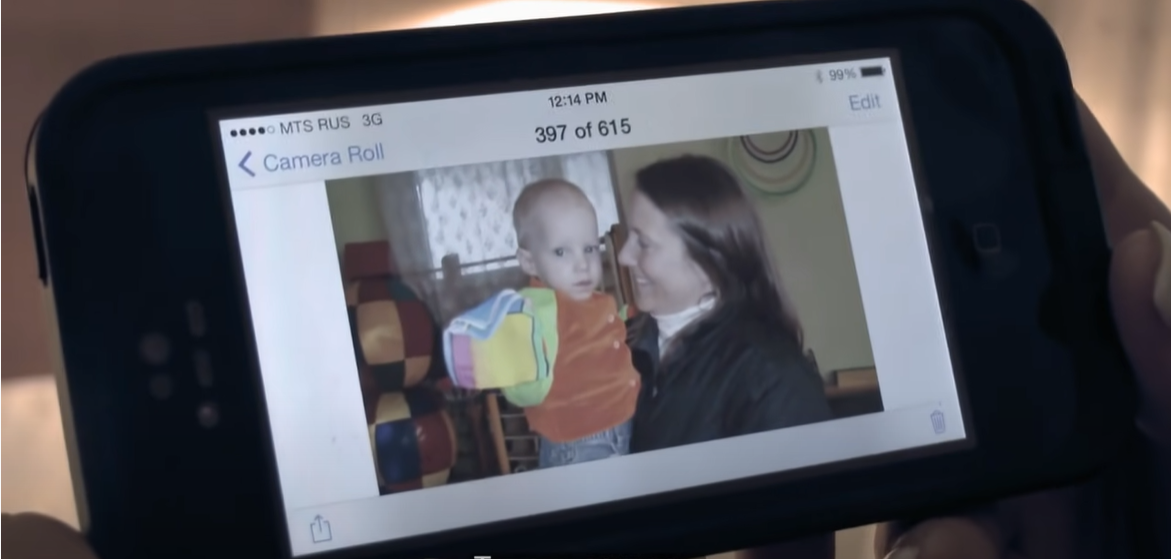
“Jack now 16,” she continues, “and this is a wonderful boy.” We feel guilty for not being able to take his brother home. Jack is our blessing, pride and joy. He often repeats that in fact I gave birth to him. And I so wanted to give him the opportunity to grow with his brother. I liked it so much when they were together. Kid Teddy clung to me, like a baby to his mother. I regret that I could not return it home.
"Socialized enough"
Back in October 2015, the Committee of St. Petersburg on Social Policy reported that out of 33 children whose adoption in American families was canceled after the adoption of the Law of Dima Yakovlev, 32 were arranged for education in families.
“1 child was returned to the biological family, 19 children were adopted, 12 children were transferred to the guardianship,” the girl said. “One girl is not arranged in the family. She will be 16 years old after six months, she studies at a regular school, she has a wide range of communication, and she objects to posting about herself in the media or on the Internet to inform potential parents ... as of June 2015 in St. Petersburg in St. Petersburg in St. Petersburg. Of the 33, 7 minors who had either difficult diagnoses (Down syndrome, mental retardation), or were older than 10 years old, the St. Petersburg Social Policy Committee, together with the guardianship of the city’s municipalities, were undertaken, and 32 children were arranged for 32 children were arranged to arrange. Education in families. "
But in the federal base of orphans, there is still a questionnaire of Lera, another girl from St. Petersburg, who failed to leave for America. The family of Morris wanted to adopt her. Valeria has already turned 16 years old, and she still remains in the boarding school. The history of Morrisov and Lera is the most indicative example of the struggle of Americans over Russian orphans. The girl got to the Peterhof boarding house No. 1 on December 28, 2010-exactly 11 years ago. Katrina Morris is still trying to get from the governments of the two states to take the girl.
To the request of the North. Reali to the Peterhof boarding house No. 1, where Lera is brought up, whether there were appeals from potential adoptive parents about custody of it, the Directorate of the boarding house replied that "during the time of residence of Valeria, temporary custody for 6 months was established. Twice (in 2015 and 2016). Other attempts to take Valery under custody or accommodate during its time There was no location in DDI No. 1, ”the answer says.
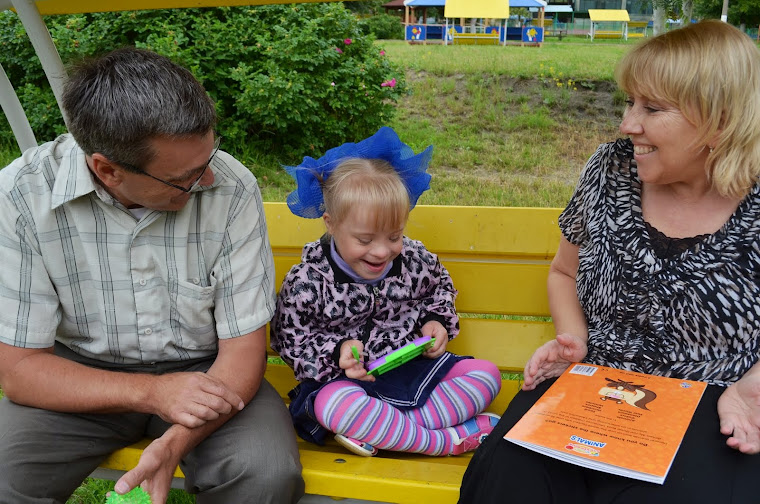
The director of the boarding house for children with a deviation in mental development No. 1 of the Petrodvorets Valery Asikritov informed North. Realities that "Valeria was quite socialized", therefore, in accordance with the legislation, upon reaching the age of 18, the medical and psychological and pedagogical commission recommends accommodation in the center of social and labor rehabilitation, which operates in the boarding house. This center can live and work 100 graduates of orphanage in St. Petersburg with intellectual disabilities: they are given jobs, housing, as well as the opportunity to attend a cultural and recreational unit, where there is a concert, sports, gym, a psychological unloading cabinet, professional diagnosis and medical rooms.
-In addition, the center has a training apartment, which is the final link in the training program for young disabled people from childhood for independent residence. In the apartment with a total area of 217.46 square meters. M annually in separate rooms live 5 rehabilitants. At a successful completion of the rehabilitation course in a training apartment, the pupils are put on the line for the residential premises of a specialized housing stock in St. Petersburg. Young people living in a training apartment are provided with protected jobs with wages and have an independent access to the city. The system created in the center is the optimal form of integration of people with intellectual disorders into active social life. For 14 years, 32 pupils of the center received one -room apartments for independent residence. Five pupils are arranged in the houses of accompanied residence at the city association of public associations of parents of disabled children (Gaordi). At will, young people can go to other social services (neuropsychiatric boarding schools), in which there are also rehabilitation centers, the answer says.
Russian orphanage
At the beginning of 2021, 406 thousand children in Russia were left without parental care. Almost 365 thousand of them were educated in replacing families. "The number of orphans in the state bank on average in Russia decreased by 6.6%last year"-Tatyana Golikova, Deputy Prime Minister Tatyana Golikova, performed with such data on the Council on the Social Sphere. As of December 1, 2021, 39,743 children in the Federal Bank for Data - all of them are orphans.
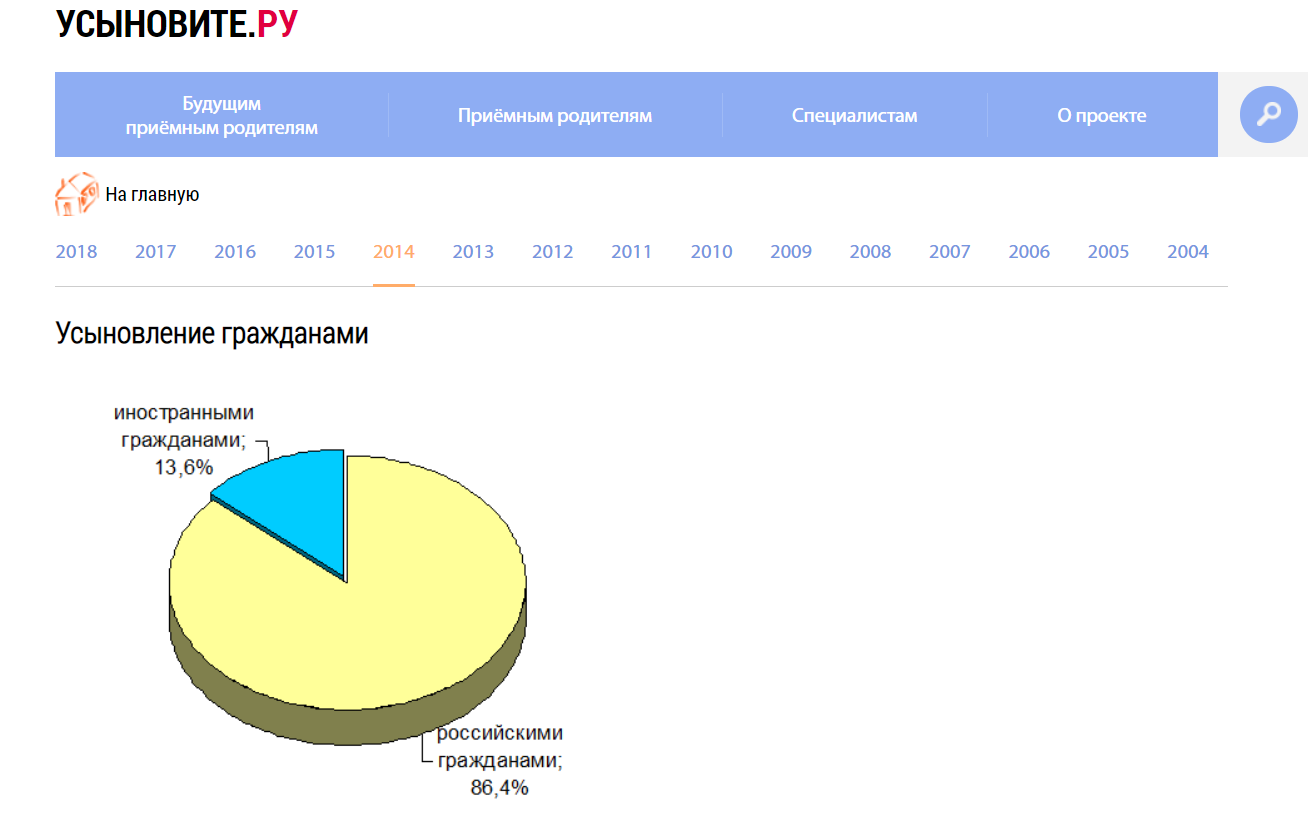
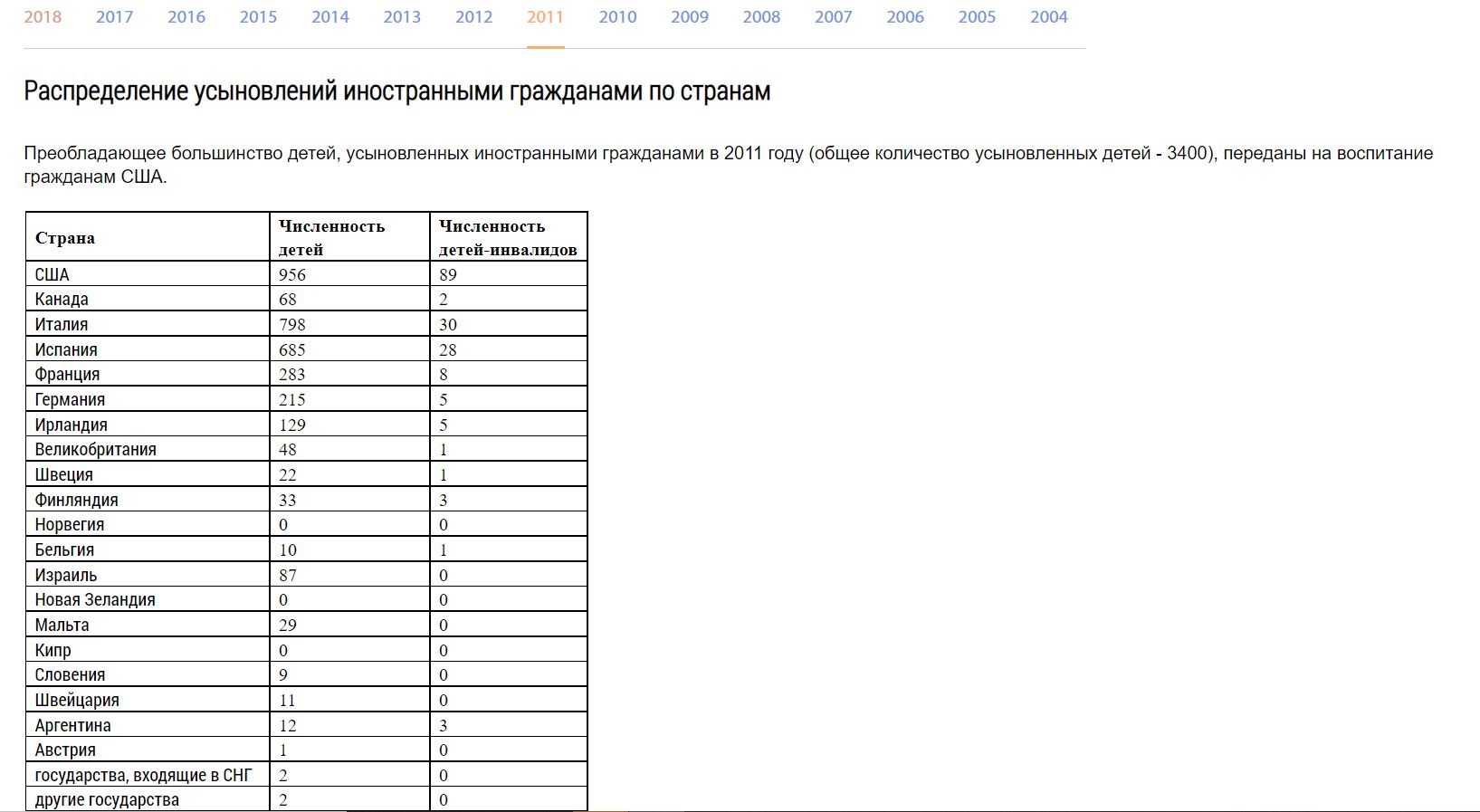
In December 2018, there were 47,242, and in 2013-68,770 . At the same time, in 2011, a year before the adoption of the "Law of Dima Yakovlev", there were more than 82 thousand orphans in Russia. In 2011, 67.5 thousand were transferred to family forms of the device in 2011, of which 7.4 thousand were adopted. And half was taken by foreigners. Of the 3400 orphans adopted by foreign citizens, 956 were taken to their family to the Americans. There were 89 children among them.
Since 2012, much has changed in the Russian system of orphanhood. For example, there are no more orphanages in Russia. Since 2014, orphanages are called "centers". But both then and now the calculation system does not include children left in the care of the state. They do not fall into the federal base, thus, they cannot adopt or take them under guardianship. There are about 27 thousand such children .
With a similar system, it is believed that biological parents can take a child from the "center", but, as a rule, statements are simply extended. Children's human rights activist Lawyer Alina Chernova calls this a system of "hidden orphanhood".
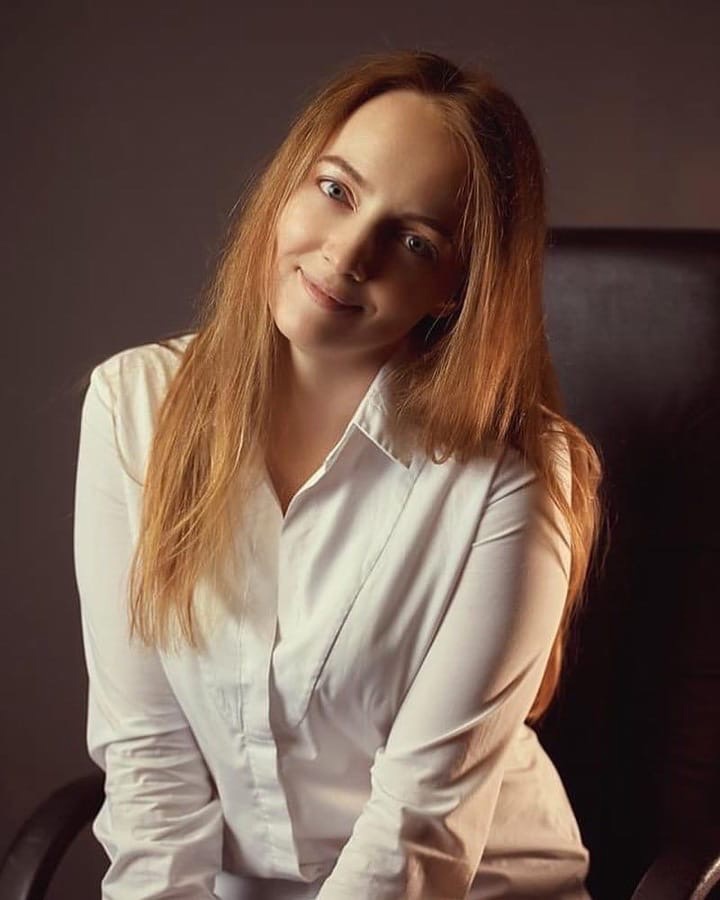
- The orphans are really smaller now. Those who live in children's institutions. Basically, children who are difficult to get into the family remain under the care of the state-children with developmental disorders, adolescents close to 18 years old, children with a large number of sisters-brothers, but it is for them that the guardianship authorities are trying to look for experienced foster parents as quickly as possible, for example, in the SOS system. With the advent of the law and the situation with the "closure" of orphanages there was another problem: the so -called "hidden orphanhood" arose. Then this child is not considered an orphan, does not fall into the base, but at the same time it is actually not brought up at home. Such a problem is stored, but here the questions are already to how the system of assistance to blood families is built. If 10 years ago this system was not actually, now it is. There are NPOs who are engaged in this, many technologies have moved to the public sector. Manuals have grown - and this affects the fact that children remain in families, that is, families have something to feed them, ”Chernova believes.
Ситуация с сиротством со времени принятия "закона Димы Яковлева" несколько улучшилась, согласна Алена Синкевич, россияне хотя бы знают теперь о том, что в стране существуют дети без родителей. Появились благотворительные организации и фонды, стало больше волонтеров. И детей с разными формами развития все чаще принимают в семьи.
– Я руковожу проектом, который помогает семьям, принявшим детей с особенностями развития на разные формы семейного устройства. У нас 200 активно действующих семей. Еще в России их около 150, я думаю, просто не все к нам пришли. Сейчас россияне активнее берут детей с особыми потребностями, это очень круто. Эта мысль, что ребенок с особыми потребностями остается ребенком, тихонько внедряется в мозги людей, – говорит Синкевич.
Сам Дима Яковлев, в честь которого назван "закон подлецов", запрещающий американцам усыновлять российских сирот, погиб в 2008 году в результате несчастного случая – приемный отец на девять часов оставил сына в закрытой машине на жаре. At the time of death, the boy was 1 year and 9 months old. По американскому законодательству приемному отцу грозило до 10 лет лишения свободы за непреднамеренное убийство, но 17 декабря 2008 года он был оправдан. Дима Яковлев был воспитанником Печорского областного Дома ребенка в Псковской области. Алина Чернова раньше часто ездила туда как волонтер.
– Я знаю, что небольшие волонтерские группы продолжают там бывать и собирать для Дома ребенка посылки с гуманитарной помощью. С наступлением карантина приезды добровольцев в такие учреждения сильно усложнились, и в случае с очень маленькими детьми это скорее плюс. Да и волонтерская помощь детским учреждениям сейчас выглядит иначе, чем 10 лет назад, – учреждений и детей стало меньше, именно материальных потребностей тоже меньше за счет госфинансирования, а у волонтеров появилось понимание ценности системной помощи, поэтому большая часть волонтерских объединений уже перешла от разовых визитов-"праздников" и сборов подарков к Новому году к проектам, которые могут внести более весомый вклад в будущее детей, и это радует. Волонтеры в России выросли и поумнели, – говорит Чернова. – Когда тот законопроект вносился под конец года, мы, многие общественники Пскова и не только, писали открытое письмо в Совет Федерации, где просили не принимать закон до того, как будут разработаны конкретные меры по улучшению ситуации с усыновлением детей в России. Мы боялись, что усыновлять детей за границу запретят, а условий для российского усыновления не создадут. Но в этом случае все получилось более-менее благополучно: спустя довольно короткое время в государстве появились меры поддержки приемных родителей, новые форматы оказания помощи детям-сиротам, то же перепрофилирование детских домов и т.д. Возник некоторый бум на приемное родительство. Были и негативные последствия – возросло количество возвратов детей из приемных семей обратно в учреждения, поскольку не все родители оказались готовы к действительности.
"Закон Димы Яковлева" сработал как "катализатор огромного количества изменений в сфере сиротства в России". Однако нельзя было за счет детей-сирот решать политические вопросы, считает Чернова.
Алена Синкевич также не скрывает раздражения, если при ней говорят о том, что "благодаря закону Димы Яковлева" продвинулось российское усыновление.
– С 2012 года изменилось многое, – подтверждает она. – Главное, что люди просто узнали об этой проблеме. В 2015 году еще не было ни одной таблички "Дом ребенка", "Детский дом". Эта тема была неприкасаемая: если писалось об иностранном усыновлении, то это было принято ругать. Сами дети мало кого волновали. Но я очень сержусь, когда говорят "благодаря закону Димы Яковлева". Мне всегда хочется напомнить, что "после" не значит "вследствие". Я абсолютно не понимаю, почему нельзя одновременно развивать и российское усыновление, и иностранное. Закон всегда устанавливал приоритет российских граждан, то, что это плохо выполнялось, судя по отзывам во время обсуждения "закона Димы Яковлева" – это вопрос невыполнения закона, иностранцы тут ни при чем. Ретроспективно оглядываясь назад, эмоций уже меньше, но все равно меня поражают два момента. Абсолютно циничное нарушение закона: за месяц до принятия закона было подписано российско-американское соглашение, по которому стороны должны были предупреждать друг друга о разрыве договоренностей не меньше чем за год. А в декабре подписали эту штуку. По иерархии законодательств мы начинаем с международного, а дальше спускаемся ниже. И вот, когда прошел год, было озвучено, что американская сторона не предоставила отчетов о детях, значит, мы с полным юридическим правом отношения тут разрываем. Агентства по международному усыновлению закрыли совсем. Практически насильно, а их было много. А там хранилась куча документов. Отчеты сдавались в региональные департаменты образования, а копии хранились в агентстве бесконечно, ведь были постоянные строгие проверки. На вопрос "а что делать с документами?" нам ответили: "А сожгите". И поражает абсолютная жестокость по принципу "назло мужу сяду в лужу", то есть "я сержусь на вас, поэтому я сделаю так, чтобы было хуже нашим детям и вам заодно".