Translated material
"You broke my heart"
This is a story about my dad and his dreams - those who have come true and those that still come true
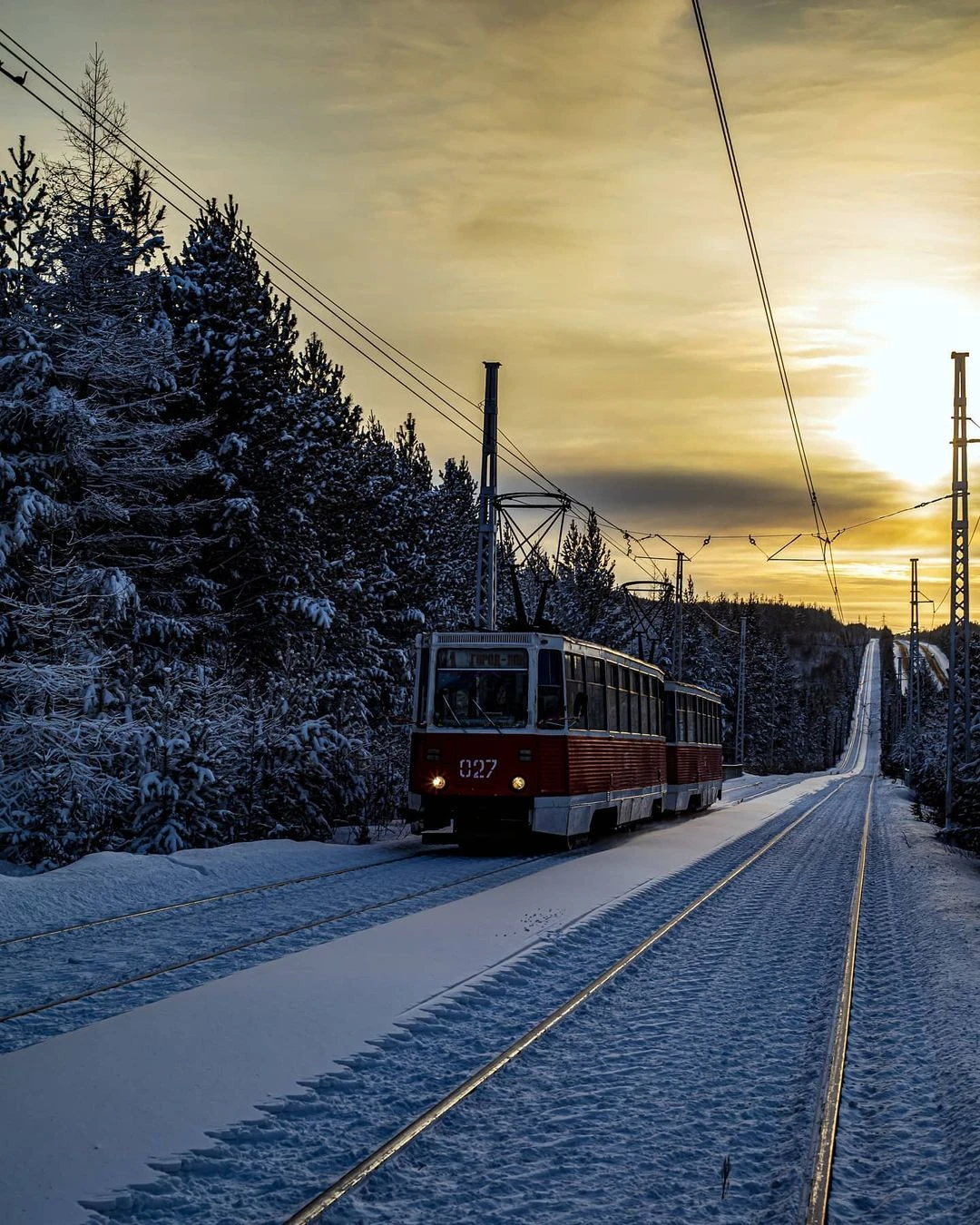
The wilderness - this word quite accurately describes the place where I come from. Ust-Ilimsk is located on the banks of the Angara in the depths of the East Siberian taiga. Five hours go to the nearest city. To the regional center - fourteen. If you are more than 50 years old, you may remember about us from the song to the music of Pakhmutova “Letter to Ust-Ilim”, the anthem of the former Komsomol construction site.
In addition to the song, since the 60s, when the city was founded, many beautiful rudiments have remained. Ust-Ilimsk is very green. During construction, pieces of forest were preserved inside each microdistrict. For example, I'm from the Birch Grove. We have the streets of romantics, dreamers, enthusiasts. However, as far as I remember, the city is cheating. The population is steadily decreasing, aging. Many leave, and for those who remain, there is no large choice, where to work and what to do in their free time. Every time I return home (already to visit my parents), I am upset. The taiga won from the cut -off, the hangar became swampy, you can hardly catch Harius - my childhood’s favorite fish. Roads in holes, only a shadow remained from the previous equipped international message airport. It is sad to see the friends, which already at the age of 25 reached a career ceiling at their work.
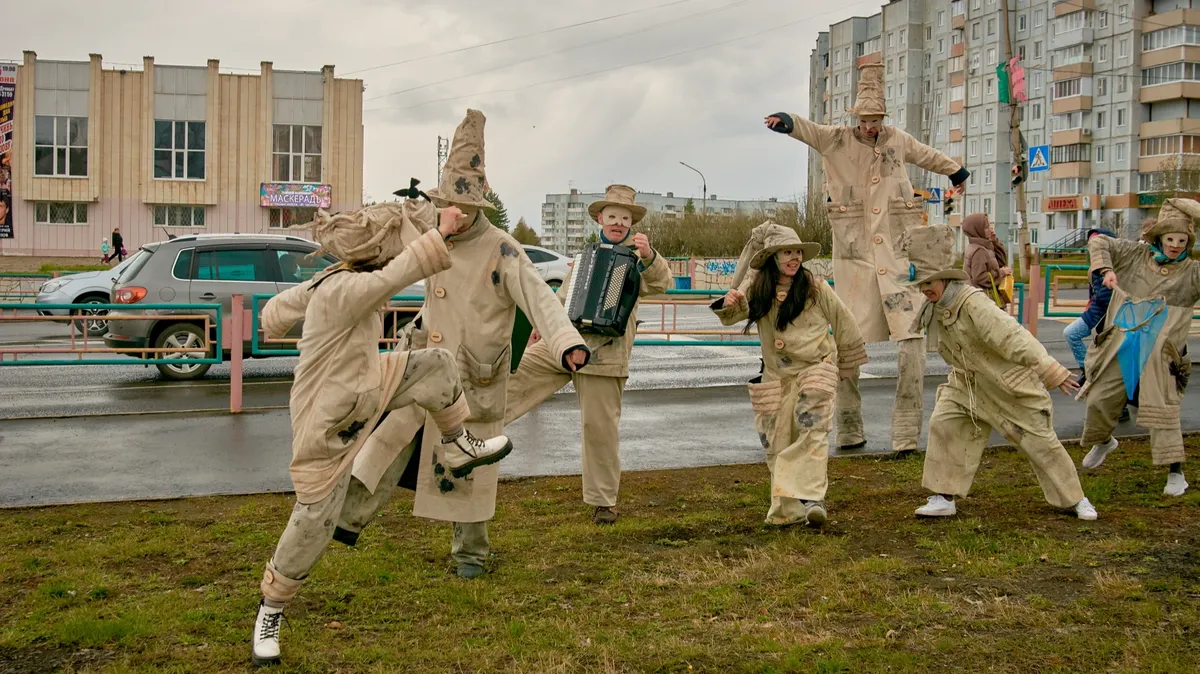
But there is also what the city can rightfully be proud of. What I am very proud of. In Ust-Ilimsk there is its own theater. A real professional theater, where Sophocles, Pushkin, Moliere, Harms, even Petrushevskaya and Mukhin play. Where all the members of the troupe have a theatrical education, and the artistic director is a graduate of Moscow pike. Do not be surprised, I know what I'm talking about. Because it grew up in this theater. And the artistic director is my dad, Evgeny Pindyurin. And this amazing story will be about him.
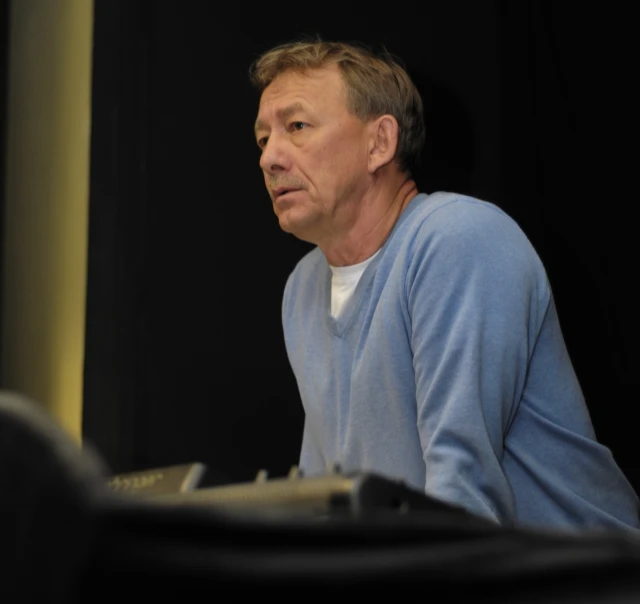
I think dad will not argue with the fact that our places are a wilderness. But he will utter a word with tenderness, because the wilderness is beloved and the only one. Unlike most families in Ust-Ilymsk, dad is the indigenous one. At the end of the XVII century, three Cossacks-conquerors of Siberia-Ivan Sizykh, Grigory Anuchin and Ivan Antipin founded a settlement, which began to be called Neton (half an hour from the future Ust-Ilimsk). They laid houses, related to local Tungus and began to live. Centuries have passed, and in the Non -Nonno to this day, no matter what door to the post - they will open either the blue, or anuchins, or antipins. Dad’s grandmother Anya (in honor of whom I received a name) was just Antipina. Siberian Marquez. Only he has a hundred years, and we have three hundred.
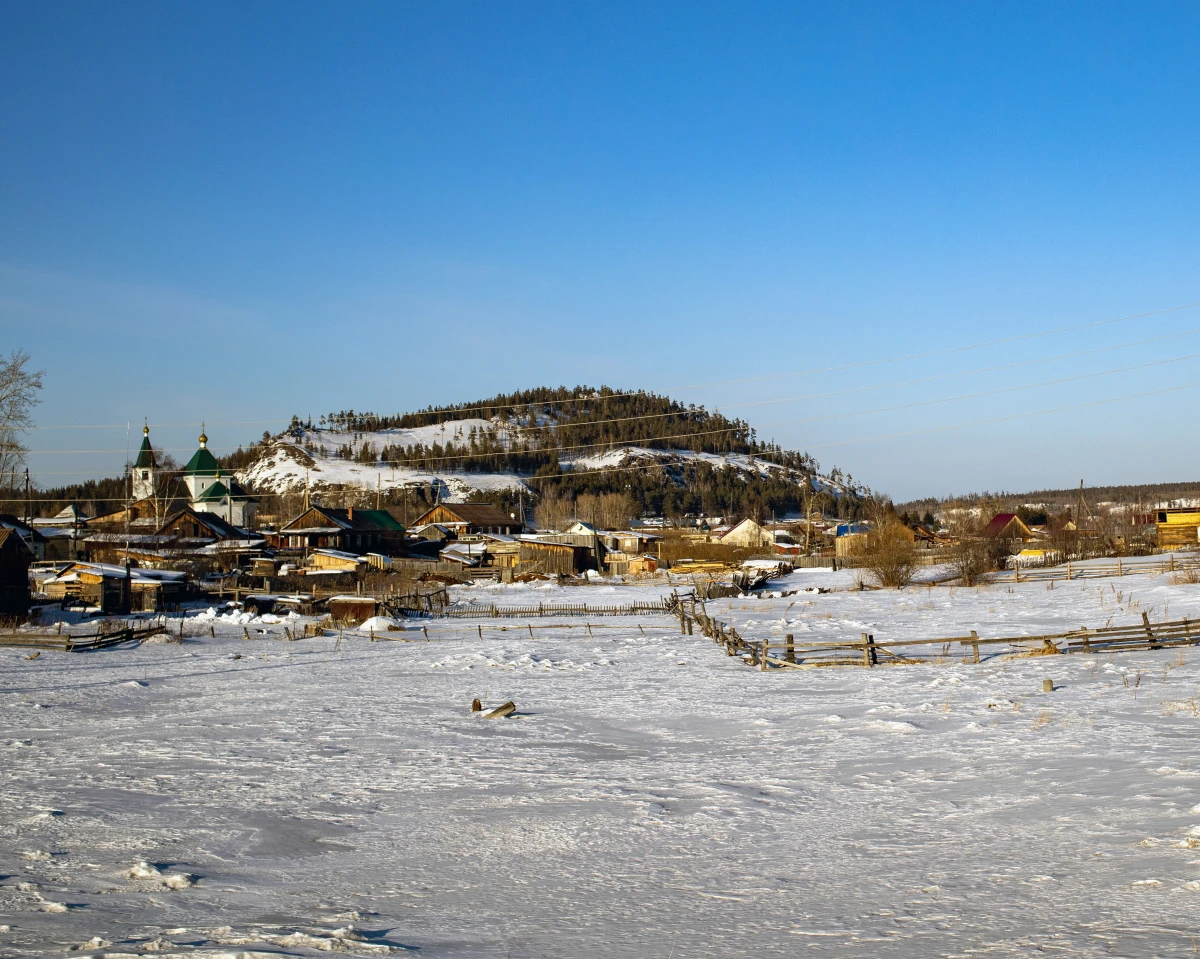
Evgeny Pindyurin was born in Kezhama, a large village on the shores of Angara. From the Nevona - 220 kilometers downstream. And it was possible to get only in the winter - along the frozen river. There were no other roads there, an impassable taiga around. Malaya aviation helped out. In the village there was an old stone church of the XVIII century - a rarity for such a hinterland. When the Soviet government reached Kezhma, the domes were removed and opened in the church of the district house of culture. There is a little Zhenya for the first time and experienced a spectator catharsis. In the House of Culture, performances were arranged. The rooms were boring.
Schoolchildren marching for a long time on stage under the “Goodbye, boys” Okudzhava, and then sadly went to the sunset for the backstage. But they certainly returned every on November 7 and May 9, which was tired of his wife to a dentist.
Once, after the “boys”, his neighbor came to the stage - a tall, thin Bortmeikhanik Uncle Kolya. He went to the rostrum, looked around the hall, but instead of announcing the number, suddenly began to settle down slowly and settled everything until he disappeared behind the rostrum. And then he appeared again - absolutely the same, in the same suit, but the size of a palm! The hall laughed, and the boy Zhenya, sitting on his grandmother, opened his mouth from amazement. The audience clapped, but not Zhenya. He was numb. How? How? The whole next day, the baby walked on the heels of his neighbor, trying to solve the riddle until the flight mechanic drove away: “You will grow - you will understand.” Eugene has grown, and now in the repertoire of his theater several puppet performances.
The boy raised the boy - mom and grandmother. Warm, loving, simple Siberians. Mom nursed children in kindergarten, grandmother cleaned up. Zhenya, like most peers, did not know how to read until seven years old. I went to school, mastered the primer. In the library I received the first book-"Horse-Humpbacked". And - disappeared. I read everything that fell into my hands with long winter days. There were not enough days, read at night. Grandmother Anya caught and scolded: "Turn off the flashlight, you will spoil your vision." Not spoiled.
Childhood was happy: books, fishing, bathing. And on Thursdays, at seven in the evening, - "Theater at the microphone." Eugene recalls two performances: “Love Yarovaya” by the Maly Theater and Tarkovsky’s radio spectacle based on the story of Faulkner “Complete turn around”. So they lived.
And then the terrible happened - they decided to flood Kezhma.
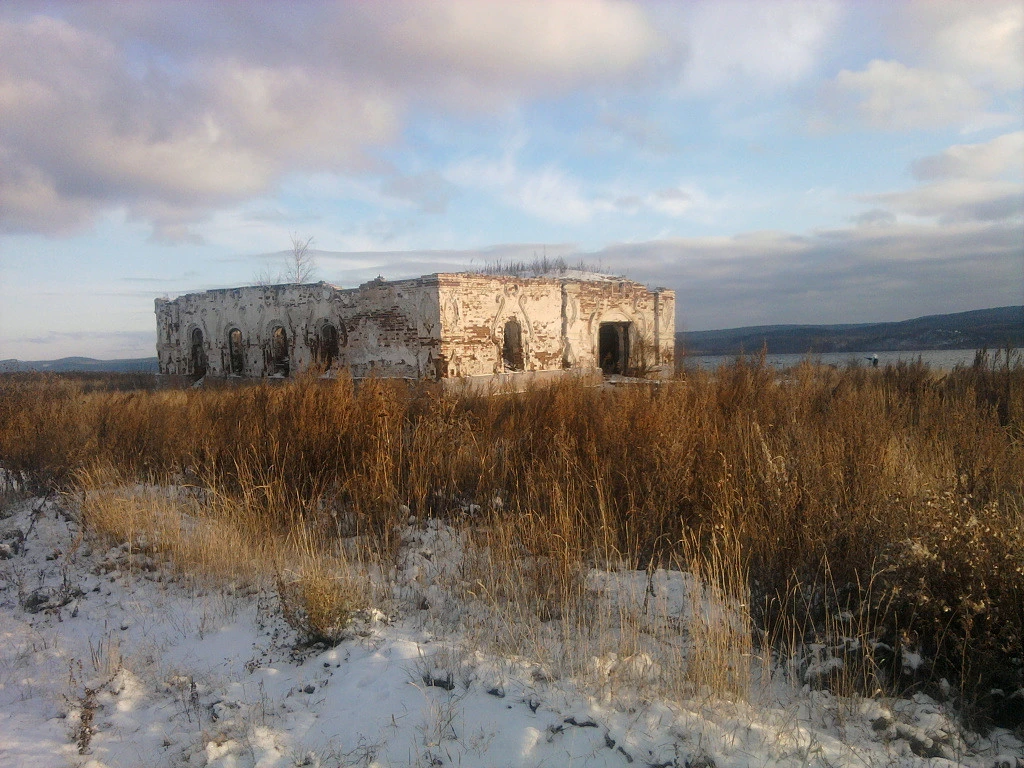
For the village it was a tragedy. Zhenina's family returned to the historical homeland-next to the Nevona, the city of Ust-Ilim was built. There was no radio in the new dwelling, and the households were very bored around the “Theater by the microphone”. And Kezhma was really burned. House, school, maternity hospital, where Zhenya was born, is all. And then they flooded. Now in this place is the reservoir of the Boguchanskaya hydroelectric power station. The homeland remained at the bottom. Only the skeleton of the House of Culture - the old stone church - sticks out lonely from the water.
At fifteen with Zhenya, a fateful meeting happened. Like snow on the head, on the school stairs. A stranger was walking towards - tall, two meters, thin, with a mane of curly red hair, in boots of the same color. It turned out that a man was gaining people in a theater circle. Something twitched-signed up. And it rushed. They gathered every day from seven to ten in the evening. “I'm firmly stuck,” Eugene admits. I even missed the graduation - on this day a performance was played, Antokhin’s “wise men”. For several years, the circle grew into TTM, "Theater of the working youth." Vasily Gulyaev led them - a talented director, a charismatic person, a truth -like man and an “inconvenient person”. He specifically came to young Ust-Ilim-to build a theater. Gulyaev burned with ideas and soon gathered around him the best youth of the city. This seemed few, the director wanted a significant social process, discussion, so that each performance is an event. Gulyaev decided, following the example of the Lyubimov Taganka, to create a public artistic council. It included party, trade union officials, the “leadership of culture” of the city. But the members of the new body were frightened by the mission assigned to them and, just in case, prohibit performances with any hint of deviation from the “general line”. They banned one production, another, the third ... And then the story reached the climax.
In the summer of 1980, in the midst of the Moscow Olympics, Vladimir Vysotsky died. It would seem that folk grief, but only news about Olympic medals and records reached Ust-Ilimsk. The silence seemed unfair. So the performance was born "Who said that the Earth died?" The basis of Vysotsky’s poems, the play of Radzinsky “Conversations with Socrates”, the memories of the poet, spreading samizdat, were based on the songs. Work on the production went on for more than a year. But of course, the prime minister was not allowed. On the night before the performance, soldiers from the military unit were brought, they surrounded the House of Culture. The next day, the light was turned off in the building and lowered the fire curtain on stage. But the troupe decided to play at all costs - and went to the square in front of the House of Culture. Spectators approached, gathered gathered. Curious townspeople went to the balconies of their houses.
Soon the crowd was surrounded by a police, firefighters to her aid. The performance was two hours, and at some point a miracle happened: the cordon mixed with the audience, the police sat on the hoods of their cars, everyone looked, wiped tears, applauded. It was a very happy evening. The next morning they began to call the theateraries in the KGB.
Gulyaev was fired, he left. Many other participants in the performance left under pressure. Evgenia Pindyurin demanded to dismiss the pioneers from the house, where he, then a young man, was engaged in children in the theater circle. The heads of the Pioneers' House stood to protect the teacher. Standed up, stayed. And he decided what the theater would do in Ust-Ilimsk. After all, like a city without a theater? He went to Moscow, entered the Schukin Theater School at the Vakhtangov Theater with a degree in Drama Drama. When I ask my dad why he returned, why did not try to stay in Moscow, he simply replies: “I was born here. This is something more important than just a place. I live in my favorite city, and there is a village nearby, where all my ancestors lived. In this earth lies my family, my grandfathers, great -grandfathers. They will once put me into this land. ”
In 1985, the director opened in Ust-Ilimsk the Dialogue studio. First they played on half the scene, in the second half they placed chairs for the audience. Thirty chairs, that's the whole hall. Then they opened the scene completely. After 20 years - the second scene. Together with the audience, the troupe grew, the repertoire expanded. They put Vampilov, Mrozhek, Gozzi, performances based on the works of Tolstoy, Tsvetaeva - they were looking for a new one and experimented all the time. Plastic performances, rocks, musicals, concerts and music festival appeared.
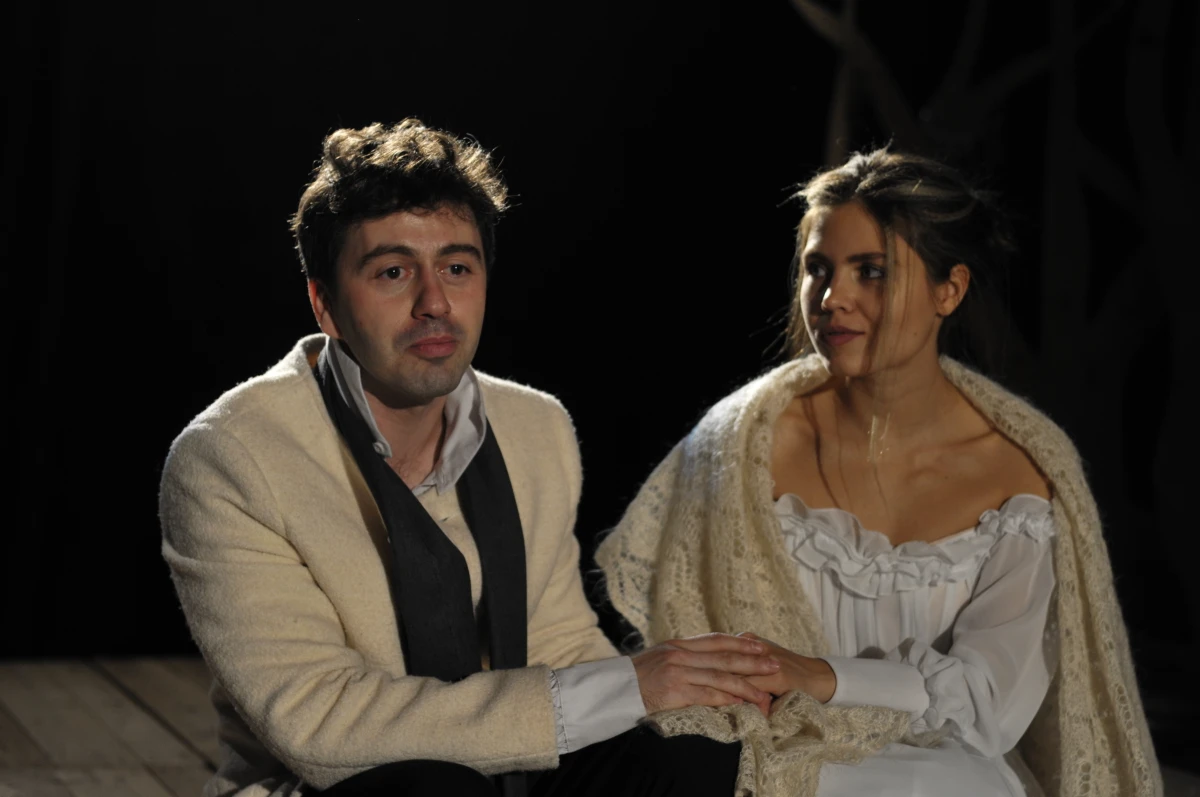
When you are five thousand kilometers from the center of the country's cultural life, it is very easy to crap and get stuck in self -reproach. Therefore, the provincial theater should be open - new blood, new experience. High school students often come to the Ust-Ilim theater. First for the performance, then in the usual time - for the company. Someone starts to help, someone is on stage, the most diligent and devoted-they receive theatrical professions. The members of the troupe are studying all the time. For many hours a week they are engaged in choreography, vocal, acting. And also - they receive education in creative universities of Irkutsk, Krasnoyarsk, Moscow. Some are leaving. But many remain. Because the theater is a second house without exaggeration. And for someone, the first. The theater is not only raising its own directors, directors from all over the country regularly come to stage performances-from Krasnodar, Chita, St. Petersburg, Moscow.
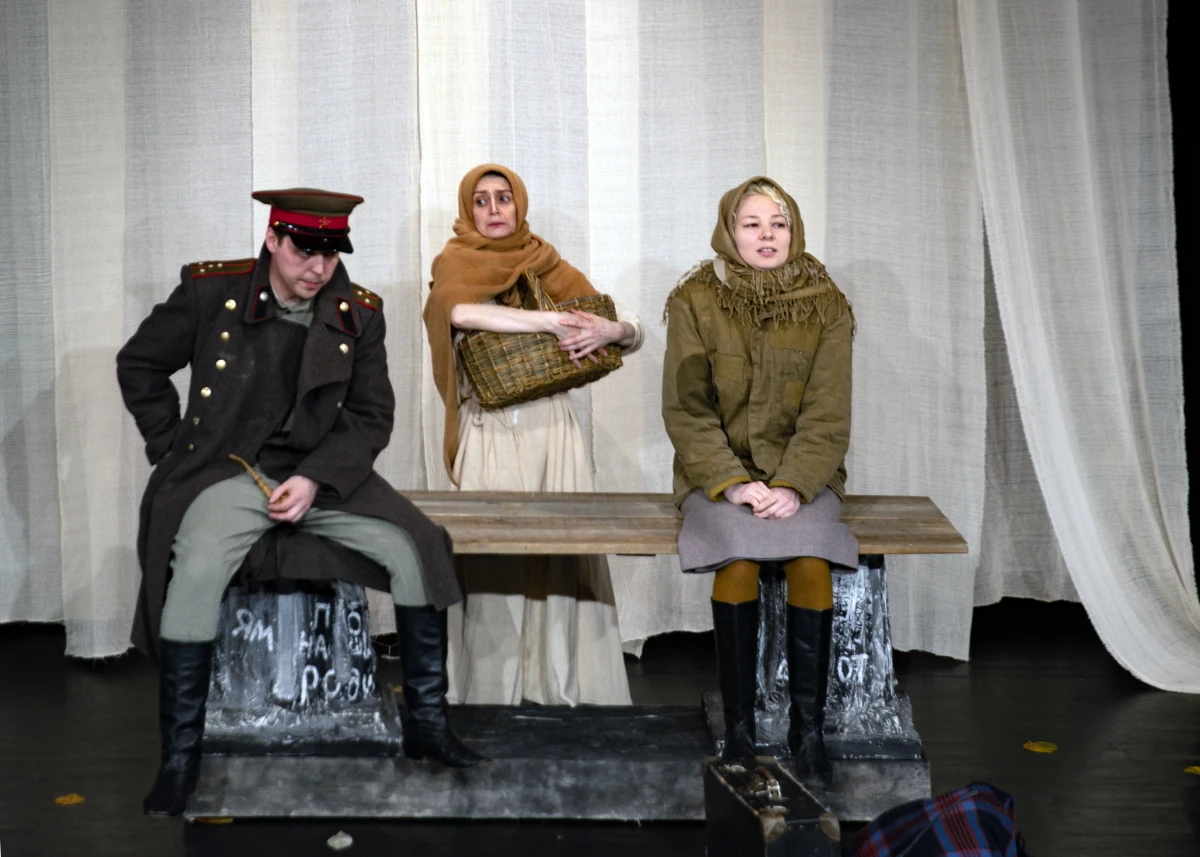
For so many years, Ust-Ilimsk has been used to his theater. They always dress up for performances. And tickets for the premieres go away. Once the viewer, having learned that the performance of the war “Return” was being prepared for Platonov, brought a tunic in which her grandfather passed the Great Patriotic War. And at the premiere I sobbed. Although the whole hall sobbed on the “Return”. For the first time showing the "breathing technique in the airless space" of the modern playwright Natalia Moshina, Evgeny Pindyurin was worried. A youth performance, a play with obscenities, and the hall has a lot of strict appearance of people aged. After that, a woman of about sixty came up to him and said: "I reviewed all my life all my life." Such moments are expensive. Burn the theater yourself is one thing. To light spectators, to raise your audience so that both children and grandchildren come to the theater is completely different. “I try to work so that the viewer does not think at the play. Thought after. And at the performance he felt. And to come out and said: “You have broken my heart,” says the director.
My dad lived for two families. One family is ours, the other is his brainchild, theater. People laugh when I say that. But this is not an exaggeration. Every New Year, dad was sitting with us to half past two, and then got up, kissed, congratulated - and went to his second house. It was impossible to stop him, only to join. All the holidays and weekends of my childhood, he worked until night. Our graphs, rhythms and life cycles spin only around the theater. And all this is careful “quieter, dad rehearses” or irritated “the ideal order in the theater, but there was no repair at home for a hundred years.” It must only happen when a person lives for something more-deeds, mission.
Once the baby was in the wilderness of a puppet performance, stupefied, and this was the beginning of the embodiment of an incredible dream. I ask dad what he is now dreaming about. About the building for the theater. For 36 years, the theater has no room, "visiting" in the houses of culture. And your building is very necessary. And the city is aging, adds dad sadly. Therefore, he dreams that the work of life does not die with him.
I also have a dream. I want this miracle - “return”, “kill Dantes”, “Faol” - saw not only those who can afford to buy a ticket to Irkutsk, and then shake the day on the bus. No, I am not burying about the Moscow career for my talented dad. I am proud that he creates art in a small city. But I want the theater from the province to have a chance not to be on the outflow of cultural life. I dream that the Ust-Ilim Drama and Comedy Theater was invited to tour and festivals, so that a small troupe be included in large theatrical processes, its performances sometimes play on noticeable scenes, and I could finally take it to my favorite productions of my Moscow friends. I dream (and I believe that with people like my dad, a dream can become a reality) so that any Russian “wilderness” only gives birth, nourishes and inspire, but not limit.