
Translated material
Each welder can rule in the kingdom
Trade unions penetrated almost all spheres of life in Sweden and gave the country several prime ministers. Sweden is still a country for workers? Or never has it been?
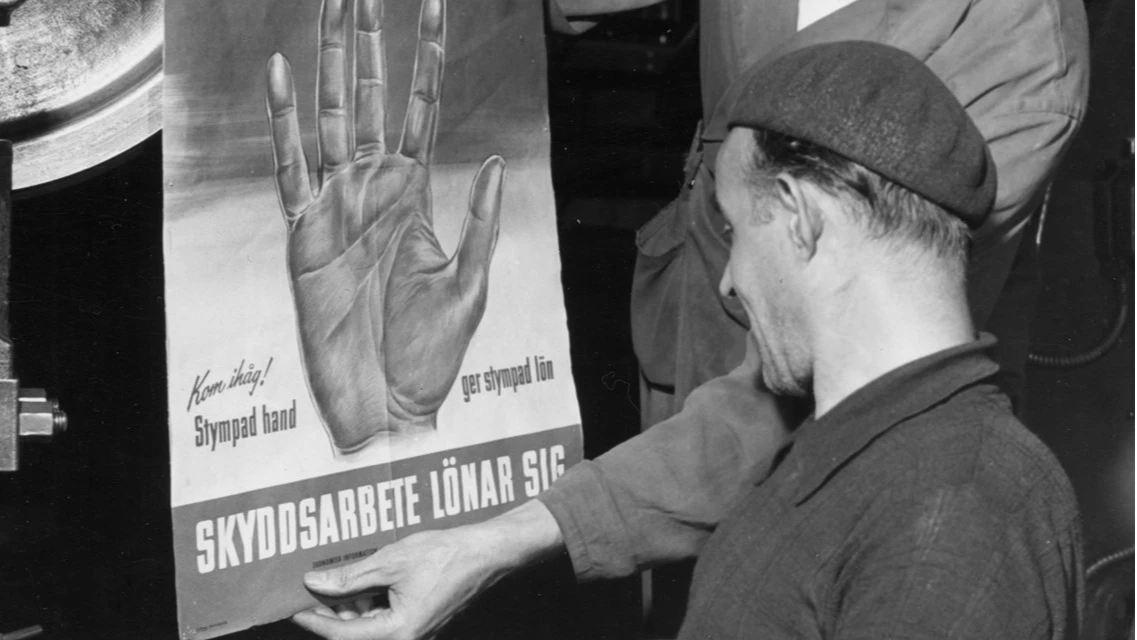
In early November, Sweden Prime Minister Stefan Levven resigned after a series of crises related to budget and social policy in the country. The 64-year-old Social Democrat headed the government for seven years, although he began not as a politician at all-in the 80s Levven worked as a welder and joined the trade union, like many “blue collars” in those years. The protection of the rights of hired workers later allowed him to occupy leading posts in the Union of Metallurgists, and in social democratic Sweden, this almost always means the opportunity to directly influence political decisions within the country. The Swedish labor movement is still considered one of the most influential in the world, and the state (with rare exceptions) does not dispute the right of the Swedes to regulate the labor market themselves - only by non -violent negotiations, employees and employers were able to ensure stable growth of salaries in the market, made unpaid processing it possible for the country, guaranteed payments to maintain physical and mental health and much more.
But if back in the 1990s, 80% of the country's population was in trade unions, now, in a variable and fragmented economy, this share is being reduced, and professional associations are trying to find a place in the 2020s. The New Gazeta is understanding how the conquest of trade union movements allowed Sweden to preserve the Social Democratic Society, how the struggle for the rights of workers has become one of the determining factors in political life and how long the Swedes will still be able to maintain this fragile balance of equality in the labor market.
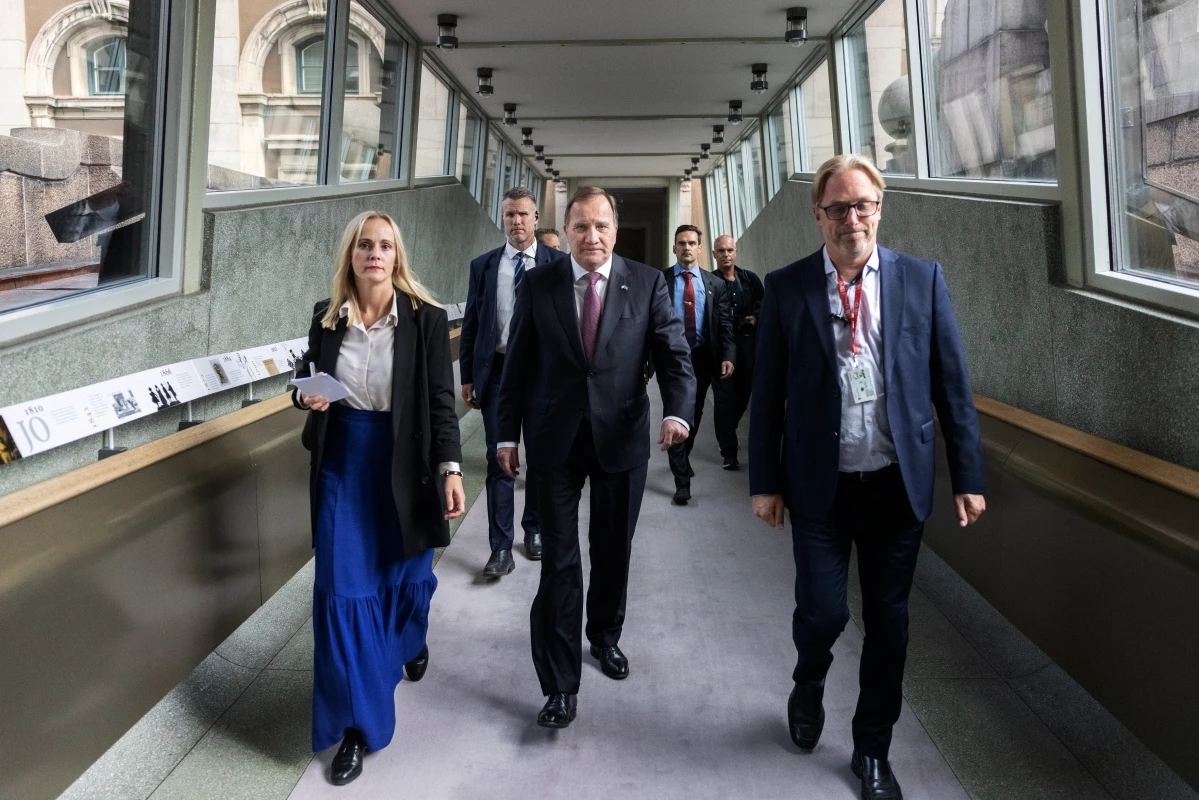
Folkhemet. How the Swedes built a "people's house"
The career now ex-Prime Minister of Sweden Stefan Leven was formed so that the political technologists of the Social Democratic Workers' Party (SDRP) did not even have to come up with a beautiful story to show how important the connection of trade unions and the “Swedish model” is important. He was born in 1957 in Stockholm with a single mother who could not feed two sons, so the youngest-the future premiere-ended up in an orphanage. Soon he was adopted by a working family from the village in the district in the north of the country, and this is an important detail in the formation of Leven.
Handered for the Swedes - the place is akin to Novocherkassk for Russians.
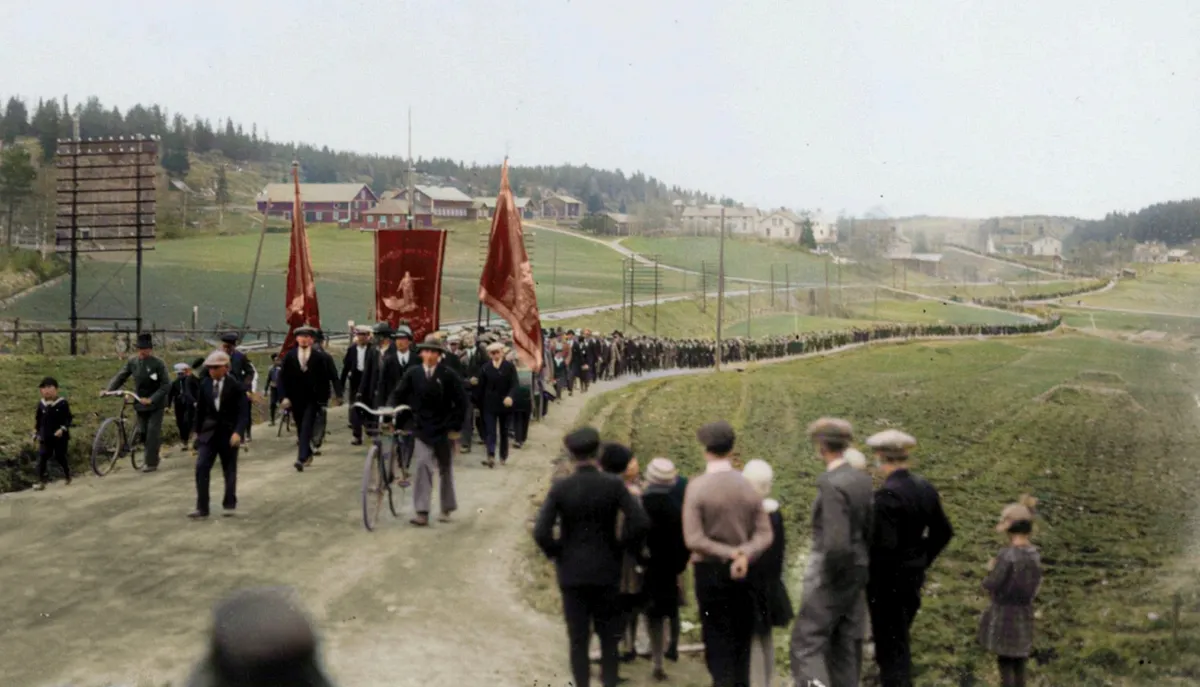
In May 1931, workers arranged a strike of solidarity here as a sign of disagreement with a reduction in salaries. The administration drove the strategrachers, clashes began. There were almost no police in a small place, and therefore local authorities called on regular troops to help. The soldiers shot the performance of the workers, killing five people.
The execution in Odalen became a significant event for Sweden, after which the population ceased to vote for liberal forces, and social democrats led by Albin Hanson came to power. It was he who developed the concept of the “Swedish model”, a society of universal well -being or, in terms of Hansson himself, Folkhemet ( “People’s House” ), which implies the construction of relations in the labor market through constant negotiations between workers and associations of entrepreneurs,
A certain “third path” between socialism and capitalism, in which the government does not play any role.
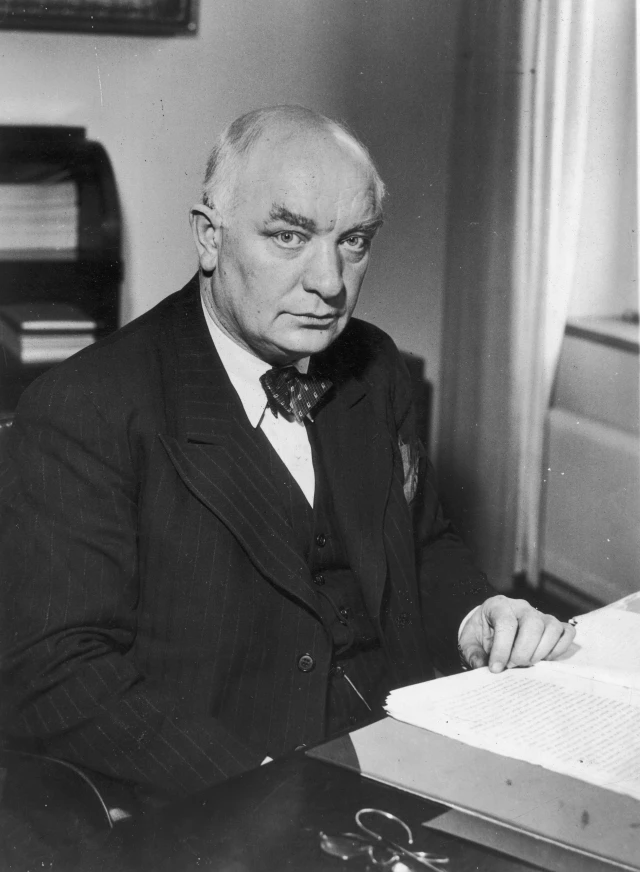
After the tragedy, the Social Democrats were entrenched in power in Sweden for many years and still remain there-since 1932, socialist has been the prime minister much more often than other parties, and in total the party remained “overboard” only 18 years.
Lyven, who had grown up in Odalen, passed the annual course of welders, was inspired by the ideas of one of the fathers of the social democracy of Elofe Palma, opened the local branch of the youth organization of the Social Democratic Party, but did not go into politics. He continued to work as a welder at defense enterprises and, at 24, at the age of 24 began to work at the trade union of metallurgy workers (now - IF Metall).
By 2005, Levven headed the trade union, and then there were party work, the post of leader of social demodes by 2012 (and the future prime minister refused to head the SDRP) and victory in the 2014 elections. In a farewell tour, before retired, Lyven returned to the cord. “I wanted to close the circle,” he said in an interview with the local newspaper.
When the former welder and trade union figure became the leader of the SDRP during the reign in the country of Fredrick Reinfeldt, the liberal conservative from the party of “moderate”, then faced a misunderstanding of his ideas about the new industrialization in a changing green economy. Many opponents of Leven from conservative forces spoke of his factory past with reproach, and in the right wing the word “welder” became almost abusive. By the end of Lyoven, Sweden was strengthened in the first positions in the global green growth rating, Northvolt began to establish the production of lithium batteries from processed materials, and the Ericsson concern bought a supplier of cloud services from the USA Vonage.

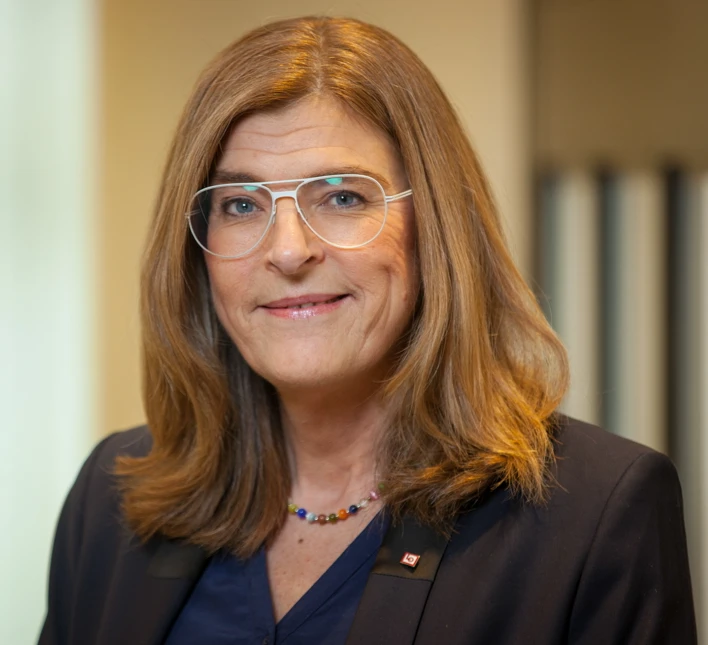
“I think for Stefan the trade union work was the turning point. After all, he was the head of the metallurgical union, and this is what allowed him to enter the leadership of the Social Democratic Party. He was not a party activist at the regional or local level. He was always the leader of the trade union, and therefore seemed to many a suitable candidate. This is arranged something like this: the party actually leads a team of seven representatives, and Stefan has become one of them, since for decades the places there are assigned to trade union leaders, ”explains the first vice-president of the Swedish Confederation of Trade Unions (LO) in an interview with the“ New ”Teresa, in which the Prime Minister Loven, explains.
LO is the largest national trade union organization in Sweden, which unites 14 relevant trade unions of conditional “blue collar” - from builders, metallurgists and electricians to musicians, artists, as well as hotel and restaurant workers.
It consists of 1.5 million inhabitants of 10 millionth Sweden, or about 61% of the country's workers.
The Confederation of LO appeared in Sweden back in 1898 in the wake of strikes and the first industrial performances in Northern Europe and was always inextricably linked with the Social Democratic Party. In all continents of the Scandinavian countries-Sweden, Norway and Denmark-such a ligament already existed at the level of the trade union (confederation) and the political (party) wing of the social-democratic movement.
Trade unions for the “white collar” appeared in Sweden already in the middle of the 20th century - now it is a confederation of professional employees (TCO) and the Confederation of Professional Associations (SACO), which includes mainly economists, architects, lawyers and representatives of other professions for whom a university education is needed in the country.
Moreover, the Social Democrats in Sweden do not have a monopoly on the trade union movement that could have influenced the domestic policy. The “Party of the Center”, which in the recent past was in an open confrontation with social deputy, until the 50s was the agricultural “Peasant Party”.
The centrists candidate Turbjourn Feldin-the son of a farmer and a worker of the sheep trade union (Svenska Fóravelsföreningen)-in the 70s and 80s several times became the Prime Minister.
For employers in each area, there are peculiar trade unions-worships, or rather, umbrella organizations representing the interests of business and administrations in enterprises. They are combined into the confederation of Swedish enterprises (Svenskt Näringsliv), which, unlike the Lo Social Democrats, is more likely to adhere to the Libertarian course.
In addition to etchabled trade union organizations, there are a variety of small unions in the country, representing employees of both the private and public sector of the economy-for example, since 1910 and the SAC anarcho-syndicalist trade union has been working in the country, and unemployed, and students.
Inherent in the 1930s (and still working almost invariably!) The idea of the Swedish “People’s House” as a whole, and is that large and small trade union associations, laid down by Albin Hanson, agree with employers' organizations on equal terms of labor relations-from working hours, payment and completion to payment of fitness and mental health of employees.
In the Swedish language, there is even a separate word for the phenomenon, when the employer is obliged to pay the employee money for the basic maintenance of physical and mental health - Friskvórdsbidrag .
By the end of the 20th century, the Hansson program had unexpected consequences - when most economically developed countries in the world “sewn up” the minimum wage in their legislation, the Swedes categorically refused to do this. The European Union (Sweden is its participant since 1995) right now is trying to insist on the introduction of the minimum wage in Scandinavia right now, but the Social Democratic forces in Denmark and Sweden are convinced that this will question the fact of the existence of the North European economic model.
After other negotiations, trade unions and employers conclude the so -called collective agreement, in which, among other things, the minimum allowable salary is also prescribed depending on the sphere, qualifications and education of employees. Thus, the legislative power is almost completely removed from the management of the labor market, and the government can only indirectly support the requirements of one of the parties in the process of self -regulation.
Much of what we are used to seeing as fixed provisions of labor codes is not at all a law in Sweden. Even the conditions for payment for overtime hours are a question that trade unions solve themselves.
“Over the past 2021, the real wage has grown by 60%,” said Teresa Guovelin from the Swedish Confederation of Trade Unions. - This is not in any other country of the world. But at the European level, we entered into a strict confrontation about the directive of the minimum wage. Unfortunately, we are losing partially negotiations. ”
In these negotiations with the EU, both employers and trade unions are opposed to the laws on the minimum salary in Sweden. “Collective agreements give much more than just wages. We regulate safety, insurance issues, reduction in the duration of the working day, vacation. This is a matter of equal opportunities, ”she says.
Another occasion is not dependent on the decisions of the authorities in issues of the minimum wage are the so-called performance, which are laid down in collective agreements and are actually working as a law.
If by the time the employer evaluates the results of the employee for the year, all the goals are fulfilled, a resident of Sweden can hope for an increase in salaries - an average of 2%.
Nominally the Swedish minimum wage can still be evaluated. So, for example, residents of the country without EU passports are required to get a job with a minimum salary of 13 thousand kroons (about $ 1,400). Actual average salaries achieved according to the results of trade union negotiations are constantly calculated by the statistical department of Sweden. In 2020, information security specialists, for example, received on average 49,700 kroons in Sweden (about $ 5400). At the same time, women - 2800 kroons less than average, men - 800 kroons more.
Las. How the Swedes themselves amended laws on labor without the help of the state
A small gender gap in wages as a whole is still observed in almost all areas of labor in Sweden - women earn 5-10% less men. According to the rating of the World Economic Forum, Sweden in this area takes fourth place in the world, and only North European neighbors are ahead of success in the fight against salary discrimination. For comparison: Russia in this list occupies the 81st line-over Ethiopia and near Salvador. According to Rosstat, we have a gender gap in wages - 27.9%.
Nevertheless, the Swedish trade unions continue to look for ways for an even greater reduction in this gap. “We have a segregated labor market, and in those sectors where women predominate, wages below,” Guovelyn explains that now it prevents the working movement from reaching a zero gap.
In the mid-2010s, the main trade unions of Sweden signed an agreement on goals for the next 20 years and included there the problem of equal remuneration, regardless of the gender affiliation of employees. But so far there are no tangible movements. “We took some steps forward, but too small. Every time we enter the new round of national negotiations with employers, everyone agrees that we must reduce the gap. But how? It seems to me that representatives of spheres with a predominance of men should retreat a little and approve the increase in salaries in the “female” sectors of the economy, ”says Guovelin.
Lo believes that the problem of the situation of women and vulnerable groups of workers in the labor market can be solved by introducing new provisions on constant employment into collective agreements. Trade Unions concluded the first and fundamental agreement with enterprises back in 1938. The Saltshebaden Agreement, called at the place of signing, determined the procedure for negotiating with the employer without the intervention of the authorities and secured the right to strike for all employees. Moreover, the Swedes are still using this right, although less often. If in 1970 employees stopped the work of enterprises in Sweden 134 times and “took away” a total of more than 155 thousand working days from the employer in terms of a person, then in 2016 there were only 10 strikes, and almost 3800 lost days.
Over time, collective agreements nevertheless resulted in laws that turn the employee’s dismissal into torture for the employer. In 1980, Sweden adopted the Law on the Protection of Employment of the Population - Lag Om Anställningsskydd, or abbreviated LAS. Since then, the Swedish business is obliged to work on the principle of Last in - first out (came the last - you will leave the first). This means that
The longer a person worked in a specific place, the more difficult it will be to dismiss him, the more guarantees trade unions provide him.
As a general rule, the employer in Sweden should offer the employee all possible alternatives before dismissal:
transition to another branch,
Moving,
advanced training
Treatment and rehabilitation in case of illness, which prevents the production of tasks, for example, alcoholism.
It will not work to force the application “on your own” - behind the vast majority of the able -bodied citizens of Sweden are trade unions.
Even if all the alternatives did not help with collective agreements and laws, and it is simply necessary to dismiss the employee, the employer must take into account the notification period. This is a kind of insurance against a sudden loss of income - after a message about the dismissal, a person can work in his position for several more months. If the length of service is about two years, then two months are given for “finalization”, if more than 10, then you can work and receive a salary for another six months.
However, all these rules are applicable only to people with long -term contracts. In 2006, the Sweden government formed a right-conserving coalition led by the “moderate” Yon Fredric-Rinfeldt, which could afford to “print” labor legislation and allow employees to hire short-term contracts. The provisions and guarantees of LAS are not applied to such contracts.
“Just women usually get a less stable place of work with short -term contracts - for example, for six months. And then they have to think where to go further. Without an unlimited contract, they are not laid by either training, or additional training, or other things. Under such conditions, not only salary per hour, but also working time is less. And this will pursue them all their lives, because the pension also depends on how much you worked and earned, ”Teresa Gouvelin states.
В конце 2000-х такое положение на рынке сильно подорвало «шведскую модель», и ряды профсоюзов начали редеть — с 2000 по 2010 год профессиональные объединения потеряли 13% членов, хотя уровень безработицы держался на отметке 5% — и это даже лучше, чем планировали власти. В LO исход работников из профсоюзов объясняют психологией нестабильной работы. «Если у вас краткосрочный контракт, вы не защищены на рабочем месте. Суть в том, что именно такие люди по идее и должны стремиться стать членами профсоюза. Но они думают: «Это нормально; как получу бессрочный контракт, так и вступлю в профсоюз». Если мы посмотрим на гостиничный и ресторанный бизнес, торговлю и другие сферы, где распространены срочные договоры, то увидим самую низкую вовлеченность в профсоюзную деятельность», — делает вывод Гуовелин.
В начале ноября 14 профсоюзов и ассоциация работодателей все-таки договорились подкорректировать трудовое законодательство и выровнять положение людей на больших предприятиях с постоянным трудоустройством и тех, кто работает по срочным контрактам.
В следующем году новый коллективный договор даст жителям Швеции расширенные права на работе:
Если человек проработал на одном месте хотя бы 12 месяцев, он считается постоянным сотрудником. Раньше минимум для такого статуса составлял два года работы;
Работодатель больше не сможет урезать сотруднику рабочие часы, а вместе с ним и зарплату;
Если человек проработал в компании минимум восемь лет, он может получать дополнительное образование или повышать квалификацию, сохраняя при этом 80% зарплаты. В LO необходимость этой поправки объясняют тем, что в 2020-х рынок сильно реструктуризируется, почти на всех предприятиях происходит роботизация и цифровизация. Поэтому тем, кто в силу возраста и других обстоятельств не справляется в новых условиях, вместо увольнения всегда можно предложить образование;
Разумным доводом для увольнения может считаться только отказ сотрудника от работы, злоупотребление служебным положением или преступление.
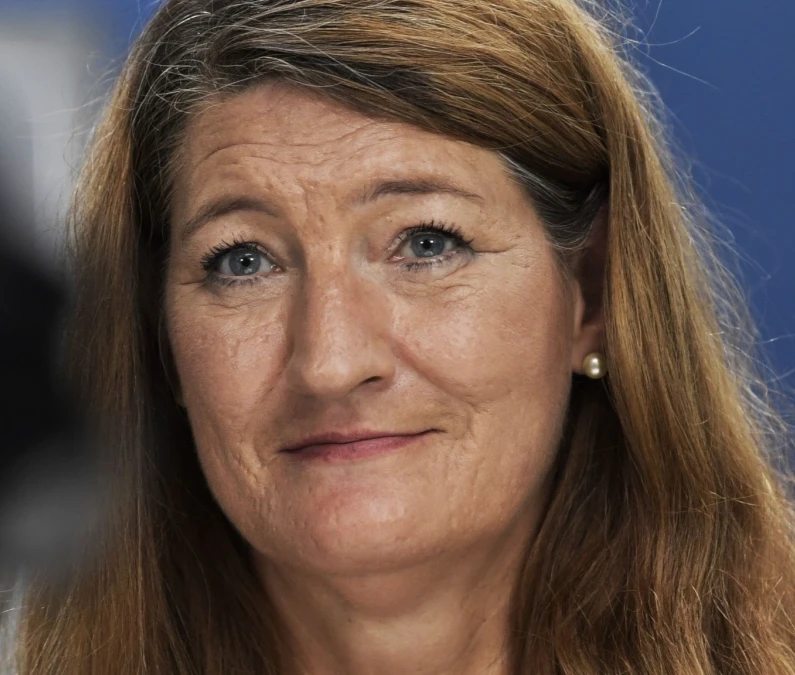
Глава LO Сюзанна Гидеонсон после заключения нового коллективного соглашения заявила, что такие условия помогут «шведской модели» и дальше работать на пользу обществу. Ее коллега Терезе Гуовелин считает, что корректировка трудового законодательства под срочные контракты главным образом поможет женщинам. «Фактически бо́льшая часть повестки там — это сокращение гендерного разрыва в оплате труда», — говорит она.
Lagomlandet. Сколько шведам надо для жизни
Если минимальный гендерный разрыв в зарплатах в Швеции еще наблюдается, то чисто социального разрыва нет давно.
Здесь невозможно рассчитывать на внушительный рост зарплаты, даже если засиживаться на работе допоздна и пытаться взвалить на себя побольше задач.
Почти все сотрудники во всех сферах получают вознаграждение с небольшим отклонением от усредненного показателя — то есть в самый раз, адекватно и соразмерно, или, по-шведски, — lagom.
Lagom — это несколько стереотипизированное представление о том, что скандинавы и, в частности, шведы работают столько, сколько необходимо, едят в меру, покупают автомобили, достаточные для повседневных нужд, и не пытаются прыгнуть выше головы, если это несоразмерно поставленной задаче. Сами они говорят, что живут в собственном Lagomlandet — «В-меру-ленде». Во многом на этой «умеренности» и построена политика социального равенства в стране.
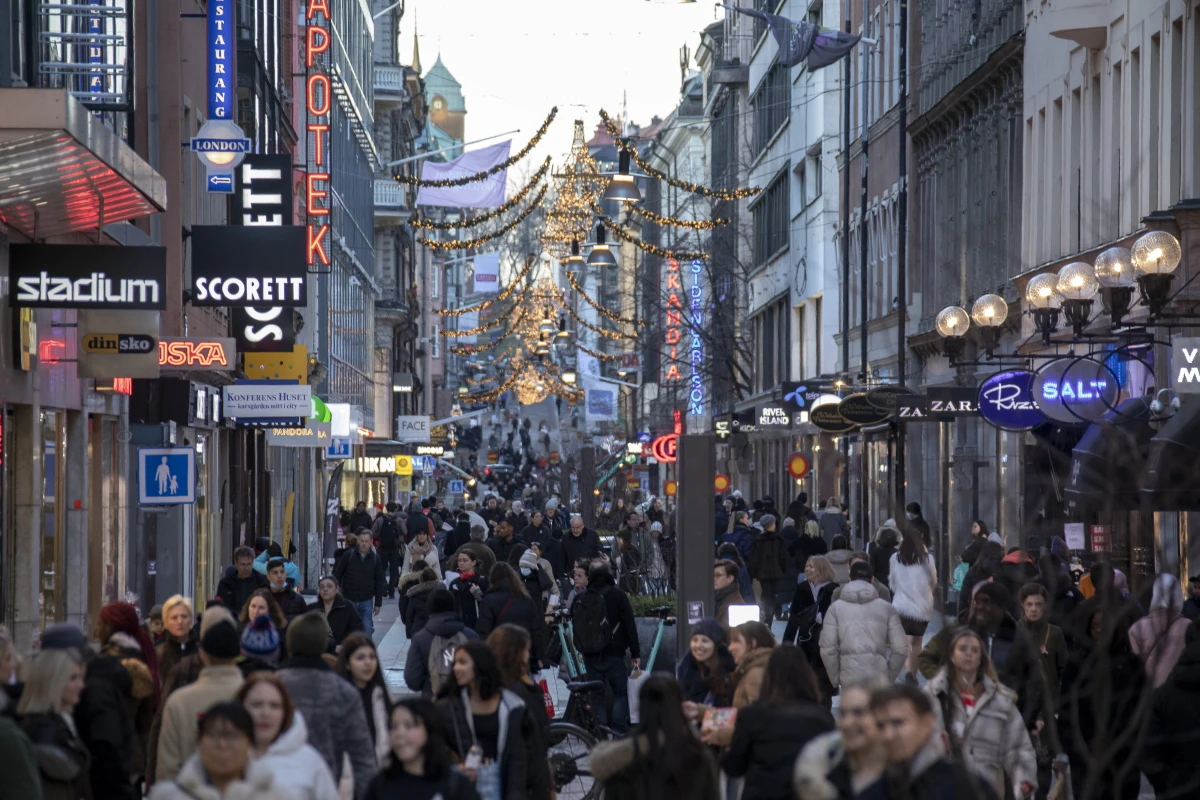
«Это, конечно же, стереотип, но мы [профсоюзы] все равно настаиваем на том, что даже самые низкооплачиваемые работники должны получать зарплату, на которую они могли бы достойно жить. Мы не хотим, чтобы разрыв между самыми низкооплачиваемыми и самыми высокооплачиваемыми сотрудниками был слишком велик, поэтому всегда стараемся, чтобы поддержку и карьерные стимулы сперва получали те, кто зарабатывает меньше, и только потом — сотрудники с высоким доходом. Ну, если хотите, это и есть lagom… Но вообще я называю это равенством!» — объясняет Гуовелин.
Коллективные договоры в Швеции устанавливают 40-часовую рабочую неделю. В таких случаях все сверхурочные часы оплачиваются дополнительно, а если работодатель отказывается доплатить, то почти в 100% случаев эти деньги от него помогает получить профсоюз, уверяют в LO. В этом случае коллективные договоры и профсоюзная защита работают гораздо эффективнее, чем государство, которое должно следить за выполнением норм закона.
Только по официальным данным Роструда на 2017 год, более 60% россиян не получали никакой компенсации за сверхурочную работу, хотя порядок таких выплат определяет статья 152 ТК . И даже правительственная «Российская газета» тогда признавала , что решить проблему могли бы профсоюзы, которые в России почти не действуют.
В Швеции некоторые положения договоров позволяют организовать посменную работу и ночные смены с рабочей неделей менее 40 часов. Начальство может попросить сотрудника набрать лишних часов, но соглашаться на такое не имеет смысла — сотрудник и так получит зарплату «в рынке», а дополнительные выплаты для него не предусмотрены.
IKEA. Volvo. Spotify? Как всемирно известные шведские компании перестали быть шведскими
На протяжении почти всех 1980-х годов, когда у власти в стране были социал-демократ Улоф Пальме и его ближайший соратник Йёста-Ингвар Карлссон, Швеции удавалось поддерживать очень низкий по сравнению с остальной Европой уровень безработицы в 2–3%. Этому способствовали социальные гарантии от профсоюзов, высокая вовлеченность работников в них и высокие налоги. Жители Швеции могли позволить себе брать кредиты, начал формироваться пузырь на рынке недвижимости и в финансовой сфере, которой в итоге лопнул уже в 1990 году. Так начался самый жесткий кризис в истории современной Швеции, который чуть не разрушил социал-демократическую «шведскую модель»:
безработица выросла до 8%,
крона сильно ослабла,
к власти пришла правая коалиция.
Частично правые винили в сложившейся ситуации профсоюзное движение, которое привыкло жить в условиях послевоенного бума, когда власти Швеции могли выстраивать стратегии и спокойно управлять экономикой, ведь стране не нужно было восстанавливаться после Второй мировой. Объединения «синих воротничков» — главным образом LO — были заточены под этаблированные крупные предприятия и в переговорах формулировали запросы, ориентируясь на их работников. В итоге Швеция долго сохраняла свои знаменитые бренды вроде IKEA, Volvo, SAAB или Ericsson, но до сих пор не смогла вырастить значимых IT-компаний, таких как Microsoft и Apple, —
условия защиты прав работников по шведским стандартам были и остаются неподъемными для маленьких стартапов.
Во время кризиса 90-х власти попытались впервые в ручном режиме поменять концепцию шведского рынка и отменили некоторые положения законов из 1970-х годов: о гарантиях занятости, о представителях профсоюзов на местах и о праве голоса рабочих в вопросах управления предприятием. Но от этого ситуация не поменялась.
Уже в 2000-х Швеция подарила миру стриминговый сервис Spotify , но даже он остается «шведским» лишь номинально. В 2016 году главы компании Даниэль Эк и Мартин Лорентсон написали письмо шведскому правительству, потребовав создать более либеральные условия для малого бизнеса, снизить арендную плату и ослабить налоговое давление. В противном случае команда тогда еще убыточного, но уже популярного Spotify грозилась переехать из Стокгольма.
Власти не прислушались к Эку и Лорентсону, и уже в 2017 году Spotify уехал в Нью-Йорк, а в 2018-м вышел на Нью-Йоркскую фондовую биржу и начал генерировать прибыль.

Офис в Стокгольме остался за компанией, но скорее как имиджевое решение, ведь продукт с корнями в Скандинавии вызывает совсем иные ассоциации у пользователя, чем американский бренд.
Такой же путь исхода прошли и другие «шведские» компании — IKEA c 2012 года принадлежит нидерландской Stichting INGKA Foundation и лихтенштейнской Interogo, хотя и продолжает ассоциировать себя со Швецией. Volvo же еще в 1980-х вышла из переговоров с профсоюзами, а в 1999 году продала свое подразделение Volvo Cars американскому Ford. Уже к 2010 году этот бренд перепродали в Китай.
В итоге в Швеции из компаний с историей остались в основном предприятия, работающие на государственный заказ, — например, SAAB AB (как производитель военной техники) и Ericsson (как оператор стратегически важных коммуникаций).

Но сегодня ситуация в частном секторе начала меняться, и люди стали вновь искать защиты у профсоюзов, говорит Терезе Гуовелин.
«Правые в свое время начали говорить об «инсайдерах» и «аутсайдерах» на рынке. Они считают, что профсоюзы заботятся только об «инсайдерах», то есть о тех, у кого есть стабильная и хорошо оплачиваемая работа. Но если посмотреть на профсоюз муниципальных работников ( туда входят работники здравоохранения, школ, детских садов, экстренных служб и других сфер. — Ред. ), мы увидим, что там часто встречаются неполный рабочий день и краткосрочные контракты, но при этом у них действительно высокий процент членства в профсоюзе ( 570 000 членов, из них 78% — женщины, это самый крупный профсоюз в Швеции. — Ред. ), — говорит Гуовелин. — Они до сих пор называются объединением «муниципальных работников», но в последние годы произошла приватизация в сфере муниципальных учреждений: это и уход за престарелыми, и уход за детьми, и так далее. На цифрах получается, что низкооплачиваемая и нестабильная работа у нас — это до сих пор работа для женщин. Поэтому на самом деле речь идет о неравенстве женщин и мужчин в частном секторе. Для первых профсоюзы и коллективные договоры как никогда важны».
Socialdemokraterna. Когда государство хочет помочь, но не может
Во время правления «парня из профсоюза» премьера Стефана Лёвена уровень безработицы в Швеции достигал 10,3% в июне 2021 года и к октябрю снизился до 7,3%. Эти показатели близки к цифрам кризиса 1990-х и во многом объясняются всемирным кризисом на фоне пандемии COVID-19. При этом Швеция за весь период распространения вируса ни разу не уходила на локдаун и не «закрывала» экономику. Если еще в 1990 году в профсоюзах Швеции состоял 81% рабочих страны, то на протяжении всех 2010-х показатель колебался на уровне 70%, а в 2021-м и вовсе оказался худшим в современной истории — 68%.
Рабочие профсоюзные организации исторически тесно связаны с Социал-демократической партией, и сейчас им стало сложнее бороться за права своих членов при «своем» же премьере Лёвене. Он возглавлял правительство меньшинства, в оппозиции к которому находилась коалиция умеренных, правых и националистических сил. При таком раскладе социал-демократы несколько раз «проигрывали» правым в вопросах бюджетной политики и непосредственно коллективных договоров, что, по словам представителей LO, стало «самой тяжелой потерей» для профсоюзных активистов. Как следствие соцдемы стали терять популярность среди самих рабочих.
«Не то чтобы у нас совсем нет политического влияния, но и такого количества членов, как в 70-х или 80-х, тоже нет, — говорит Гуовелин. — Если тогда 60–70% членов профсоюза голосовали за социал-демократов, то сегодня это 41%. С правым большинством в парламенте правительство не всегда может выполнить наши требования, реализация политики в парламенте не так ощутима. И надо помнить, что в конце концов парламент — это те ребята, которые должны все расставлять по местам».
На сегодняшний день профсоюзы рабочих так до конца и не смогли приспособиться к цифровизации, и отчасти поэтому их популярность идет на спад. Работники производств, к квалификации которых предъявляют все больше требований, начинают видеть себя уже «белыми воротничками» и переходят в другие объединения — так, например, в стране растет количество членов Конфедерации профессиональных сотрудников TCO.

«Мы ведем переговоры с работодателями и каждый раз пытаемся надавить: «Вы должны обучать своих работников. Нельзя увольнять кого-то и нанимать на его место более образованного», — рассказывают в LO.
После Стефана Лёвена шведское правительство возглавила Магдалена Андерссон — первая женщина-премьер в истории Швеции, глава Социал-демократической партии, бывший министр финансов и человек, который никогда не работал в профсоюзах.
«О да, в 2021 году нам пора бы уже наконец избрать женщину», — смеется Тереза Гуовелин. По ее словам, отсутствие профсоюзного опыта у Андерссон не снизит поддержку рабочего движения со стороны властей. Секретарем правящей СДРП, то есть вторым по рангу человеком в партии, стал Тобиас Баудин, бывший глава крупнейшего профсоюза муниципальных работников. «Поэтому у нас там есть свой человек», — добавляет Гуовелин.
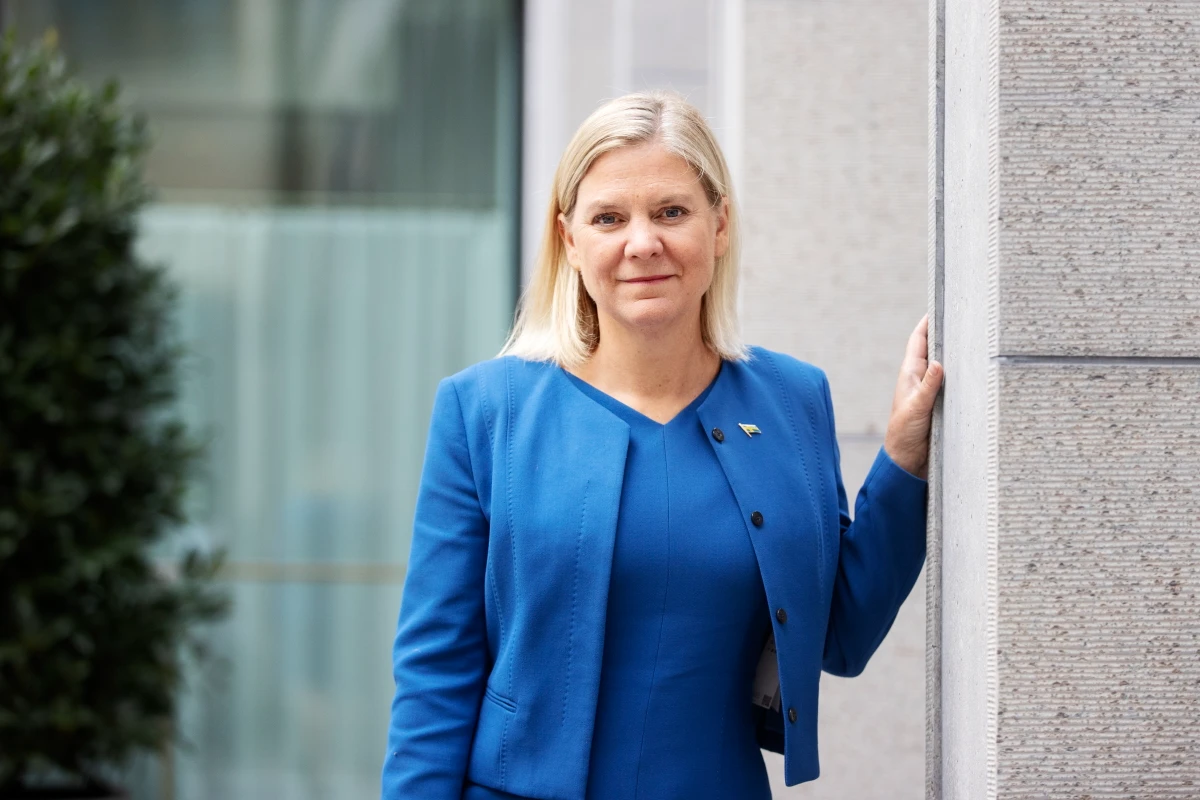
При первой женщине-премьере LO надеется все же сохранить независимость в решении трудовых проблем, но при этом получить «движущий фактор» со стороны правительства в устранении гендерного разрыва.
Другой вопрос на повестке — ментальное и физическое здоровье работников. «Штат компании должен быть укомплектован, потому что если работодатель экономит на команде и часах, а вам приходится дольше работать и больше напрягаться, то через некоторое время вы так или иначе будете чувствовать себя плохо», — описывает проблему Гуовелин. В профсоюзах ожидают, что вопрос сохранения здоровья и безопасности сотрудников станет темой на следующих парламентских выборах: «Правительство создало комиссию для изучения такой проблемы, как «трудовое преступление». Работодатели в Швеции используют труд людей из стран ЕС и третьих стран и не платят им по достоинству. Это же касается работодателей, которые после приватизации не могут нанять достаточное количество людей и обеспечить нормальную работу коллектива. Мы должны как-то это регулировать. Психическое здоровье людей на рынке труда сегодня становится более острым вопросом, но оно по-прежнему связано с безопасностью на рабочем месте».
Но прежде чем заключать новые коллективные договоры на национальном уровне, профсоюзам предстоит вернуть былую популярность. Гуовелин признает, что шведы реже голосуют за политиков с профсоюзным прошлым, поэтому сейчас рабочее движение будет стараться реализовывать программы обучения и продвигать своих членов в местные и региональные парламенты. «Кто лучше всех знает, как работают школы и предприятия? Конечно же те, кто там был, — ваш коллега, сосед, друг. Важно иметь в политической партии кандидата, которого знаешь лично по работе, а не профессионального политика с академическим образованием. Социал-демократическая партия должна оставаться партией для рабочих», — говорит она.
Но партия и связанные с ней профсоюзы продолжают терять голоса. Рабочие все чаще отдают предпочтение другим партиям левого спектра — «Зеленым» и собственно «Левым».
«Мы дискутируем по поводу того, как доказать, что сотрудничество профсоюзов и социал-демократов это выгодно. Но, думаю, если мы потеряем еще больше членов, наше политическое влияние окажется под вопросом», — заключает Гуовелин.