
Translated material
There is a threat, there is no unity
How the West is preparing for January negotiations with Moscow on security problems
The next week, representatives of the United States, NATO, Russia and Ukraine in various formats will discuss security issues - amid increased military activity of Russia near the Ukrainian border.
US President Joe Biden in a telephone conversation on December 31 last year already promised Vladimir Putin that in the event of Russian military aggression against Ukraine, economic sanctions will follow much more powerful than after the annexation of Crimea. Vladimir Putin replied to this that sanctions could lead to a complete breakdown of relations between Moscow and Washington.
At the same time, the root of the problem remains unchanged: Russia is categorically against the expansion of NATO to the East and requires the alliance not to accept Ukraine and Georgia into its ranks. The West represented by the United States and other NATO members is not ready to make Russian demands.
At the same time, there is no unity in the ranks of NATO allies either: Europeans believe that they have a too passive role in the current negotiations.
The agenda for the next week is dense. On January 10, Russia and the United States will negotiate in Geneva on the situation on the border of Ukraine, Russian proposals for guarantees of security and control over weapons. The parties will be represented by US Department of Minister Wendy Sherman and the Deputy Minister of Foreign Affairs of the Russian Federation Sergey Ryabkov. On January 12, a meeting of the Russia -NATO Council will be held in Brussels. The Deputy Minister of Foreign Affairs Alexander Glushko, as well as senior representatives of the Ministry of Defense, will represent Russia. This will be the first meeting over the past two and a half years, on Tuesday, NATO Secretary General Jens Stoltenberg announced that its main topic will also be the situation on the Ukrainian border. On January 13, Vienna should meet in Russia's format - the Organization for Security and Cooperation in Europe.
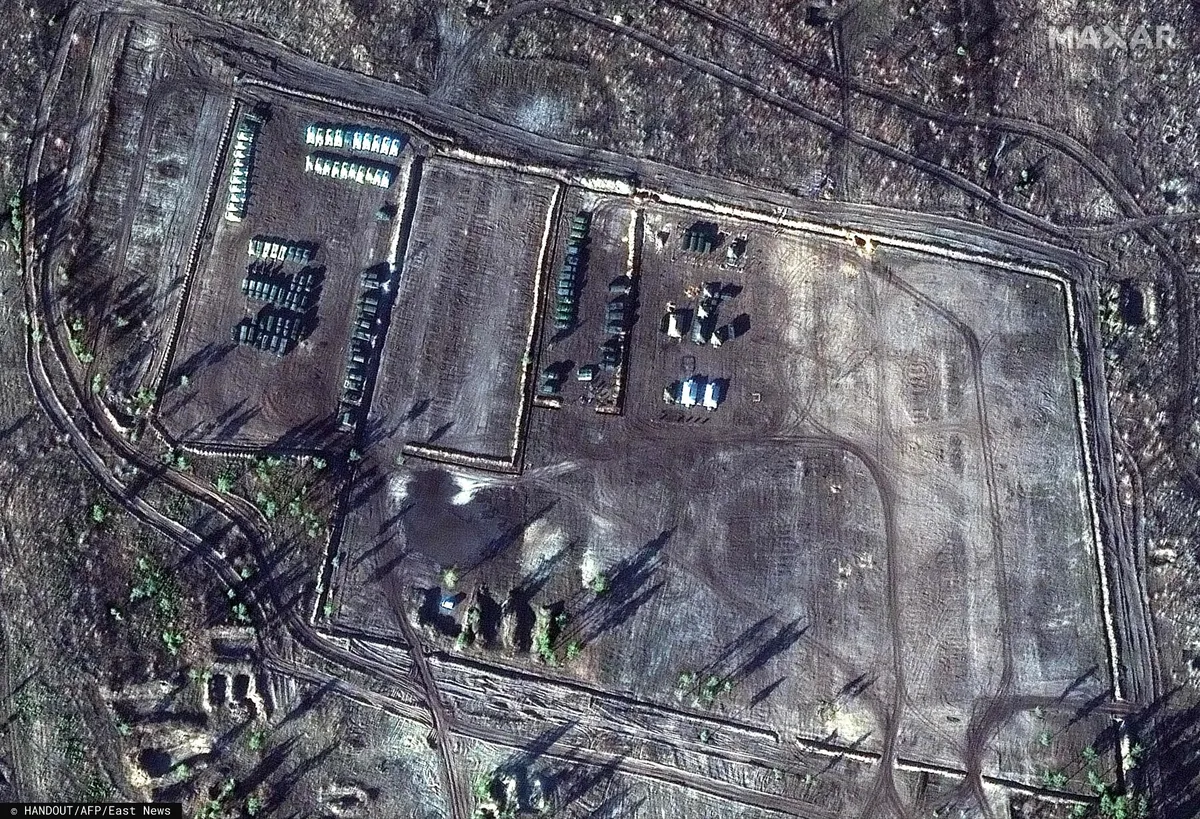
Europe is not very pleased with the role that is assigned to it in these negotiations, and wants to attend the meeting of Russia and the USA in Geneva. Brussels cannot “remain indifferent to the audience in these negotiations,” said Josep Borrel, the Supreme Special Representative of the European Union for Foreign Affairs and Security Policy, going on a three -day trip around Ukraine. Borel also noted on his Twitter that this is his first foreign visit in 2022, and the purpose of this visit is to “express the support of the European Union to the sovereignty and the territorial integrity of Ukraine”.
Already on Wednesday, from the village of Lugansk, where Borell spoke at a joint press conference with the Minister of Foreign Affairs of Ukraine Dmitry Kuleboy, the head of the EU in diplomacy once again expressed disagreement with a bilateral format of upcoming negotiations in Geneva.
“There is no safety in Europe without the safety of Ukraine,” Borel said . - And it is obvious that any discussions about the security of Europe should include the European Union and Ukraine.
In parallel, some European countries are independently preparing for the next week.
Advisor to the new German chancellor on foreign policy issues Jens Pletnener and his French colleague Emmanuel Bonne on January 6 meet with the deputy head of the administration of Vladimir Putin Dmitry Kozak. After that, they plan a meeting with representatives of the Ukrainian administration.
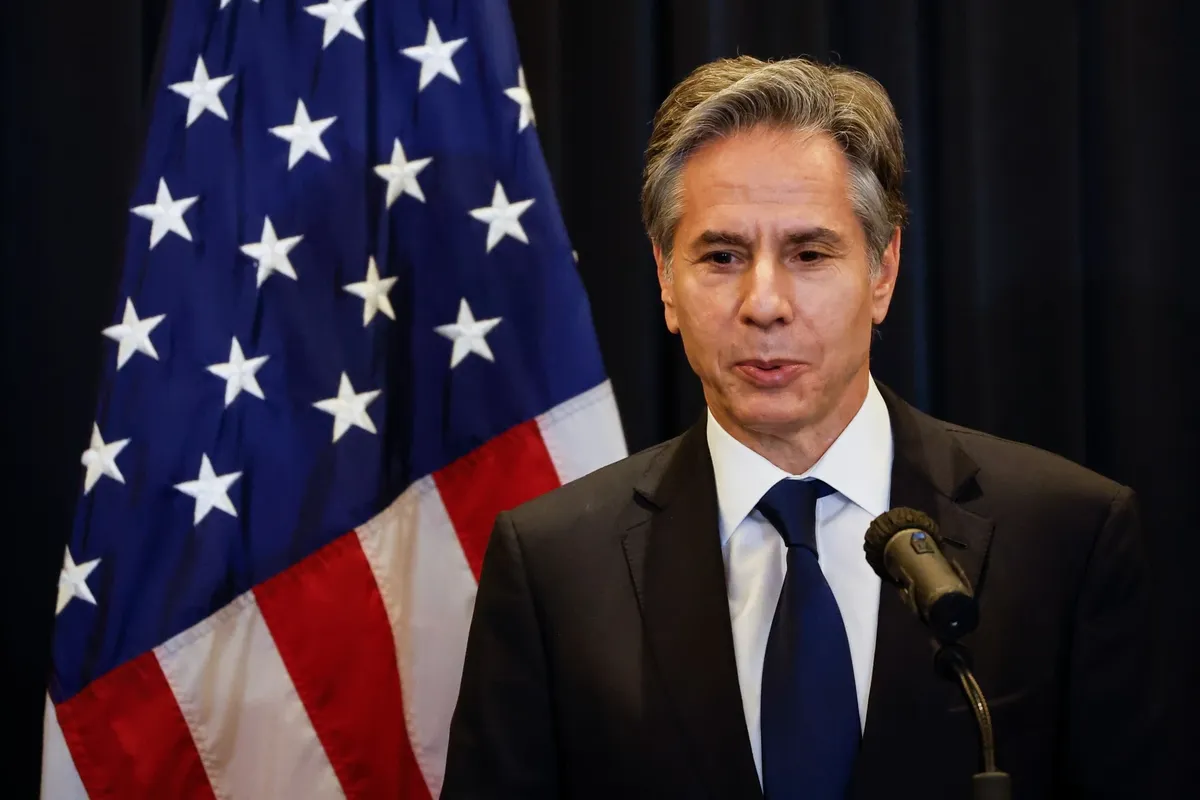
US Secretary of State Anthony Biginen on Monday called for a “unified position” in Ukraine from NATO members. He held telephone conversations with the countries of the Bucharest Nine - the association of nine members of NATO from Central and Eastern Europe. According to the press secretary of the State Department of Ned Price, Blinken confirmed the adherence of the United States to “consultations and close interaction with all transatlantic allies and partners on the path to de-escalation through holding, protection and dialogue.” Blinken once again recalled the 5th article in the founding agreement of NATO, according to which the attack on one member of the Alliance will be regarded as an attack on the entire alliance.
Meanwhile, within the European Union itself, 21 out of 27 members of which are also in the North Atlantic Alliance, there is no unity on the topic of interaction with NATO.
The European Union and NATO are developing a new joint declaration, which should supplement the document signed in 2018. However, the positions of the declaration diverge: a number of countries within the EU (in particular, France) believes that the European Union should rely less on the Alliance and more actively increase its own military capacities.
According to the Vice President of the Carnegie Foundation Andrew Vaisa, whom he shared with the Financial Times, "the limited role of the EU in the current discussion with Moscow is a reflection of his own lack of unity." The political scientist believes that Moscow has a “zero interest in communicating with the European Union as such.”
Another opportunity to supervise the positions on the eve of the negotiations with Moscow on NATO allies on Friday January 7 - the foreign ministers of the alliance countries will hold a meeting in a video conference format. And on January 10, a meeting of the Ukraine -NATO commission will be held in Brussels.