
Translated material
Alarming device
What is remembered by the past year by the inhabitants of Russia and what they expect from the year of the coming: the sociologist answers
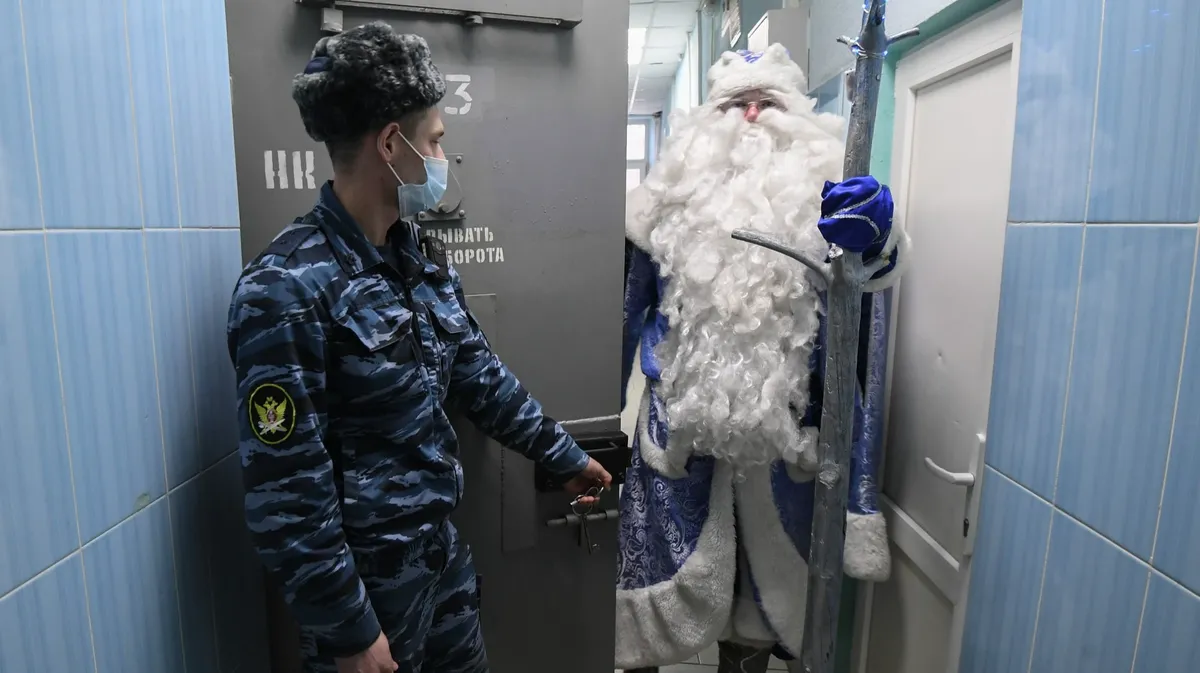
How did 2021 reflect in the mirror of the Levada Center sociological surveys?*For one year, he ended “terribly”, which was the symbol of which was the liquidation of the Memorial **, for others, and this is the majority (almost 60% of the population of Russia), the year was difficult, worse than the 2020, but nothing special that was concerned about themselves. Almost half of the Russians surveyed could not name the remembered events in the past year, which indicates the weakness of society, the lack of intellectual reflection and the mechanisms of retention of collective memory.
Life worsened
In the information stream, first of all, what constitutes a threat to the everyday world of the layman. The main events of the year (what was called from 35% to 48% of respondents) are negative: the continuation of the coronavirus epidemic and mass distrust of vaccination, catastrophes and misfortune (the death of people at the Listeniya Mine, unmotivated murders in educational institutions in Kazan and Perm, fires in Yakutia, etc.). Conditionally positive events are mentioned by a much smaller number of surveyed (20–23%), mainly by the audience of Kremlin television channels: “Gosaduma Elections”, the Football Championship, the Summer Olympiad in Tokyo, Space Food Fulfits, etc.
Life in a pandemic was rutinized, the restrictions became familiar, as well as the reluctance to observe them.
The framework of the existence of the bulk of the population is determined by the concerns of holding a falling standard of living, an increase in prices, intensified by inflation, especially sensitive to the layman - “tolerance” and the consumer, and not a citizen. “The life of the family worsened,” said 54% of Russians, “improved” with 10%, the rest “remained the same, as last year”. According to the two -thirds of the surveyed at the end of 2021, the prices for the main products, services and goods rose from 15 to 50%, and over 90% are inclined to the fact that they will continue to grow. Salaries remain the same, and the indexation of pensions is lower than official inflation. Worse, Russians believe, clinics and hospitals, educational institutions began to work. 60% are alarming at their future (families and countries as a whole), expecting all kinds of troubles. In public opinion, the idea that the social distribution of goods became even more unfair than before, that freedom of speech and personal security has decreased. 56% is worried about the prospect of constant deterioration in relations with the West.
At the same time, the specific foreign policy agenda of the past year worried people significantly less than internal problems: in the New Year's survey, respondents noted only the meeting of Biden and Putin (20%), the capture of Afghanistan by the Taliban *** (17%), the migration crisis on the boundaries of Belarus, Poland and Lithuania (13%), floods in Europe (8%).
What excites the liberal public in Russia is on the periphery of mass attention: the return of Alexei Navalny to Russia, arrest and trial of it, only 10%noted prison, a video with torture in Russian colonies - 9%. Protest actions in Russian cities in support of Alexei Navalny, the FBK **** film “Palace for Putin”, the Nobel Peace Prize Dmitry Muratov collected 7%each, the inclusion of a number of media in the list of “foreign agents” - 4%. And the point here is not so much in the Kremlin censorship as in the priorities of the population.
The prospects are disturbed
60–63% believe that 2022 will be very tense for the Russian economy and political life, primarily due to the consequences of the epidemic and the appearance of new infections. These threats consider these threats to be real. In second place among the expected or very likely events - loud corruption scandals in the highest administration, in law enforcement agencies, the resignation of ministers, etc. (69% of Russians allow them, 21% consider them unlikely), large technogenic disasters (53%, given the total negligence and disorder, these numbers do not seem too high). Mass protests caused by the fall of income and living standards expect 45%. The possibility of bloody ethnic and national conflicts (35%) is less concerned about people, riots in the republics of the North Caucasus, and it seems very unlikely to the threat of a “coup d'etat” (a conspiracy, a split in the elites, the removal of the current leadership allow only 22%of respondents, most, 68%, such a prospect in Russia today seems fantastic in Russia).
Reasons for concern are seen in the war with Ukraine (37% consider it possible) or in armed conflicts from some of the neighboring countries, in the danger of military clashes with the United States, NATO (25% of Russians think), although most of the surveyed (from 53% to 64%) considers such scenarios unlikely or impossible.
The horizon of the future is outlined by the fears of the economic crisis (it is considered a “very probable” 63%, 27%do not believe these forecasts) and the approaching threat of a large war. The fear of the Russians before the World War at the end of the year reached a maximum for all the time of sociological surveys (71% are afraid of it, including 57% of the respondents and another 14% - “from time to time”, frightening the aggressive statements of officials).
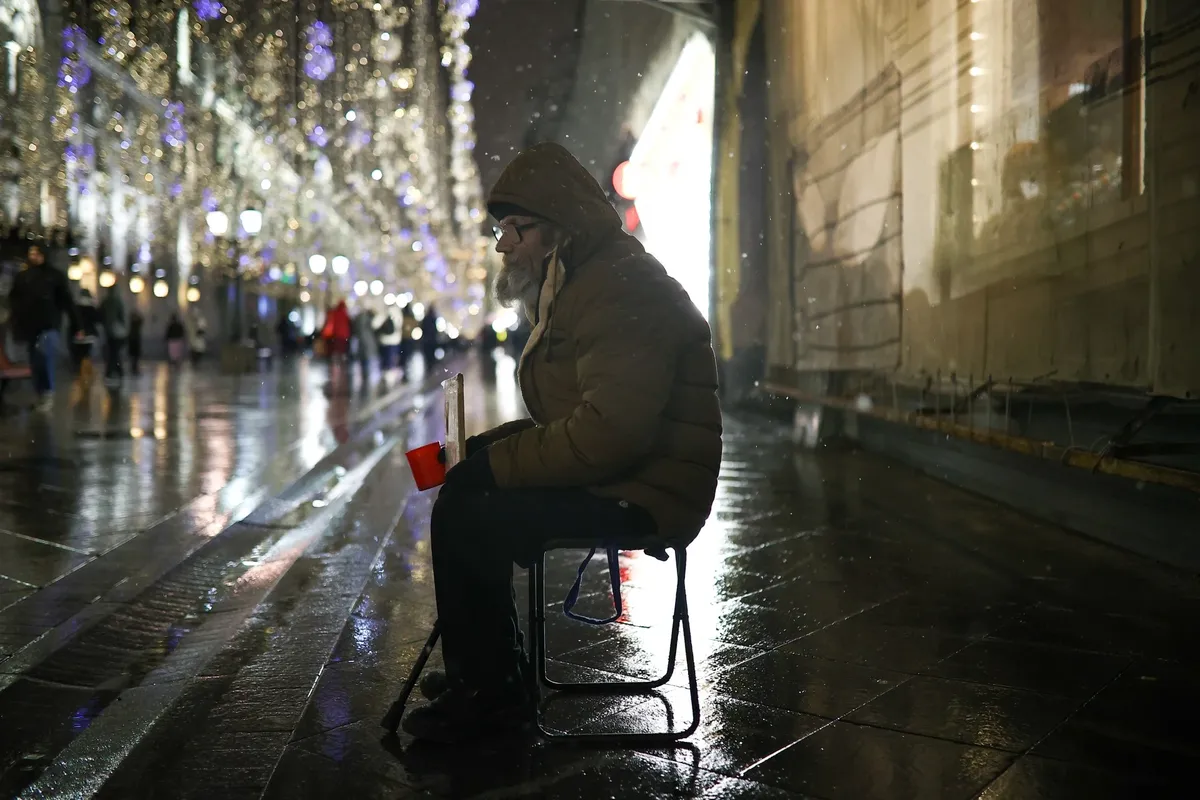
In anticipation of mass repressions
The consciousness of the tightening of the political regime, the expansion of the sphere of police arbitrariness, lawlessness and violence sharply intensified (47% are constantly afraid of becoming its victim and another 13% - “from time to time”). They are more afraid of criminals than the police. 59% of respondents live with anxious expectation of the return of mass repressions. It is interesting that it is the most afraid of arbitrariness and repressions that is precisely public servants, leaders, bureaucracy (well aware that large -scale repressions, starting against the opposition, will quickly switch to themselves), as well as elderly people, especially the inhabitants of the periphery, where administrative arbitrariness is especially full, where the memory of Soviet times and terror has been more preserved.
Or maybe he will carry it?
But the vast majority of the respondents hopes that it will not affect them, everything will dashingly bypass them. Such a breakdown of causal relations of politics and private life is an effective adaptation to political decisions of the authorities, not controlled by the layman: it is better to close your eyes and not see all the unpleasant. The given indicators of anxiety do not mean that events of this kind will certainly occur. It would be more correct to consider them indicators of involvement in what is happening and magical spell of troubles (“I do not want to believe that it can be possible”). The population protects itself in this way, displacing the fact of such threats from consciousness. Therefore, every time in polls about the results of the year, we receive the prevailing number of “answers of hope” - “I would like to hope that the next year will be better than the outgoing.”
The worse the situation is in the country, the greater the share of such answers (the last three years it is 63–71%).
The mobilization effect is over
An ordinary Russian connects the growth of repression and intimidation of dissatisfied not so much with the activity of the opposition or critics of abuse of higher management, but with the reaction of the authorities to the inevitability of mass protests and the growth of discontent due to a decrease in the standard of living. Against the backdrop of a clear degradation of the social sphere, first of all - healthcare, education, social and pensions, science, infrastructure, the aggressive foreign policy of Russia, the policy of provocations and blackmail seem to many absurd and contradictory real national interests. The mobilization effect ("Crimea - ours") is over. An increasing number of Russians cease to see the threat from the West, believing that all this hype and militaristic rhetoric need the ruling elite to aggravate fear within the country and thereby - the retention of his weakening government, that this is only a way to avoid the responsibility of power, a reflection of the desire to ensure the inability to ensure the development of Russia and an increase in the welfare of citizens. Therefore, the reasons for the fear of the war are moved from external threats to security to the consciousness of the unpredictability of the actions of the Russian authorities, which loses its sense of reality from its own greatness and the possession of new types of weapons and the possibilities of nuclear blackmail. It is this process that undermines the authority and legitimacy of the Russian government.
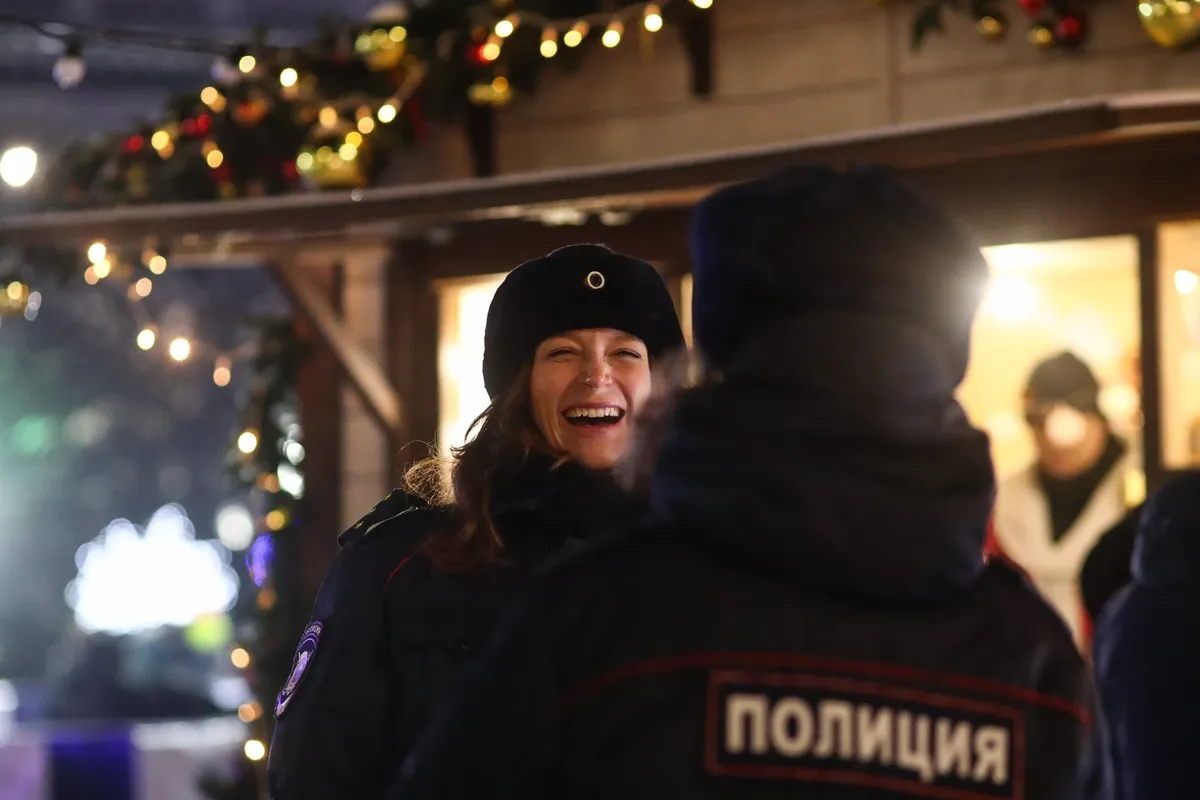
The layman does not want to be a hostage to the crazy course of the country's leadership, he is very expensive for his life and well -being of his loved ones. He is less and less the Kremlin mantra “Russia has become a great power” that “everyone respects us because they are afraid,” and, on the contrary, the belief is growing that “everyone despises us”, “they are not respected, although they are afraid.” The latter does not require special arguments and evidence, since the spontaneous occurrence of such complexes in the collective consciousness is a symptom of the degradation of the social sphere, the stagnation of the economy, obvious to everything except higher leadership, deputies and bureaucracy.
Delegitimation of power
In other words, polls indicate a hidden process of delegating power. The regime also retains significant support resources generated by the sustainability of paternalistic illusions in relation to the state, on the one hand, and fear of the power of the police violence - on the other, that is, by the political culture of non -alternativeness, helplessness and humility broadcast from Soviet times. But at the same time, the disappointment in the current rule, the consciousness of the injustice of the state, corruption, selfishness and greed of the Putin environment, blurring confidence in the regime and authority of power, becomes more noticeable.
The ratio of these opinions has been changing in recent years: from 60% loyal to the regime with 30% critical of it up to 45% to 40%, respectively.
According to some parameters, such as the idea of the moral qualities and legal capacity of the deputy corps of the State Duma, the ratio is 41% by 57%, the government - 49% by 49%.
Behind all the separate large and minor political changes (the “zeroing” of the president, the destruction of the foundations of the Constitution, the repression against civil society and independent media, the non -legal trials, the liquidation of the Memorial, etc.), the general trend is visible. Its meaning can be briefly expressed as follows: “state” (those groups and persons who appropriated the means of violence and usurped the right to act on behalf of the national whole) becomes sovereign in relation to the population. It ceases to be related to the company, including liability for crime committed on behalf of the state. This means that those abuses of the authorities that the higher leadership, the functionaries of the power (including “law enforcement”) of departments and the judicial system are not subject to legal qualifications as “crimes” (whether corruption, embezzlement, police violence, non -fulfillment of their duties, murder and attempt on murder, and the warning of war, and the warfare, and the defense of the war, and the murder of war, and the murder of war, and the murder of war. Ave.), since the authorities have disappeared that could maintain independence from the executive branch and give appropriate qualifications to such actions, moreover, to force to be responsible for the criminal actions of this kind. Therefore, the adoption of non -legal laws (that is, the legal execution of the arbitrariness of power), which contradict the basic principles of the rule of law and the moral foundations of the previous constitution, indicates a radical change in the nature of the authorities itself and the state itself. We know examples of such laws in world history and know how their authors finished.
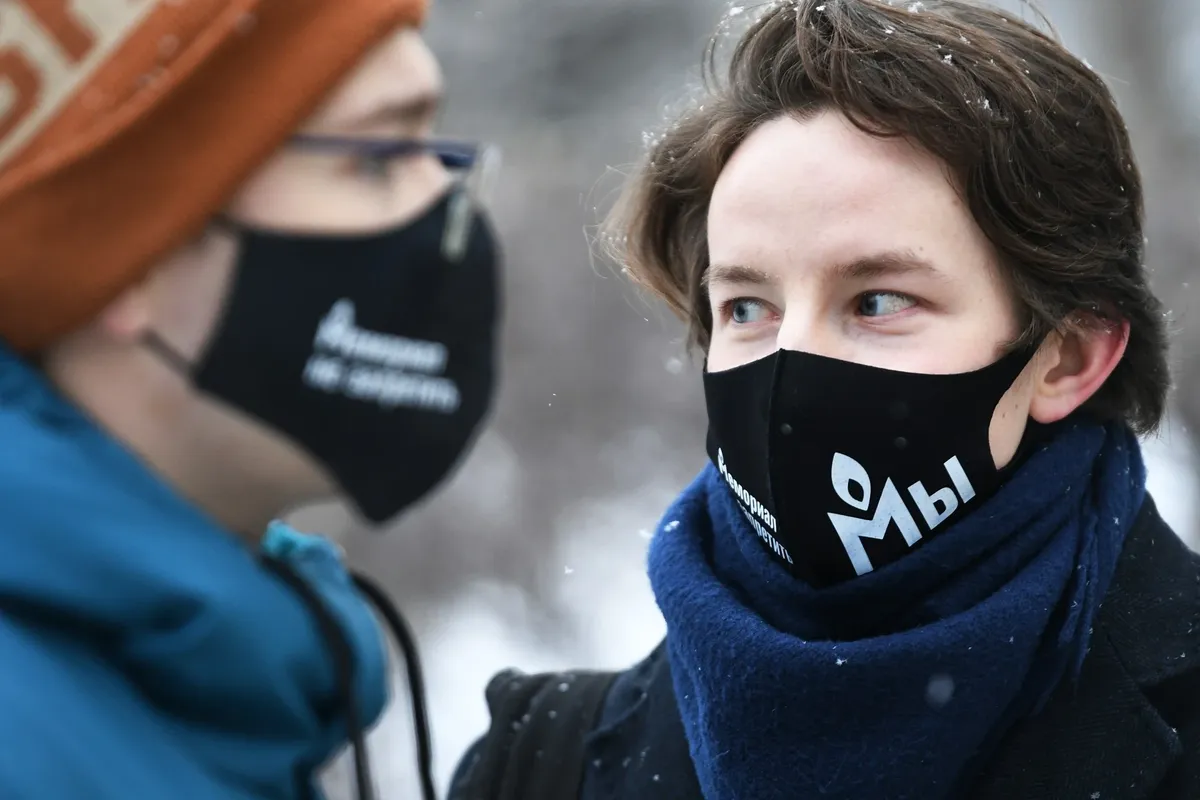
The meaning of the liquidation of the “memorial” is not that this organization did not always march its publications with a dick of “foreign agency”, but that the “memorial” consistently raised questions about the responsibility of the state for its crimes in the past and in the present. The same applies to journalists, the media, NPOs, public movements, acting with a public expression of discontent and criticism of the administration (whether ecologists, nationalists or Ingush elders). Therefore, the process of usurpation of the state with individual power groups cannot be limited to individual actions or steps, the logic of protecting its positions and interests makes the field of repression, since the very fact of public awareness of the abuse and corruption of higher persons in the state, neglect the law (and more than 70% of Russians do not doubt it) undermines the legitimacy of the regime, forcing holders of power Sources of expression of disagreement.
The increasing part of society in Russia begins to understand that the madness of geopolitical plans, the militarism and adventurism of Russian generals and Chekists can do it very expensive to the population, against their will of the state drawn into crimes. To some extent, it can even be proud of the “gangster chic” (O.E. Mandelstam) of our leadership, but at the same time (and with an increasing speed than before) society begins to realize that 20 atomic submarines, corvettes will appear on the water, new hypersonic missiles will appear, life in Penza, Vologda, Voronezh or Prokopyevsk will not become better and safer. Rather - on the contrary.