
Translated material
My Khamovniki: Restorer Peter Sabil
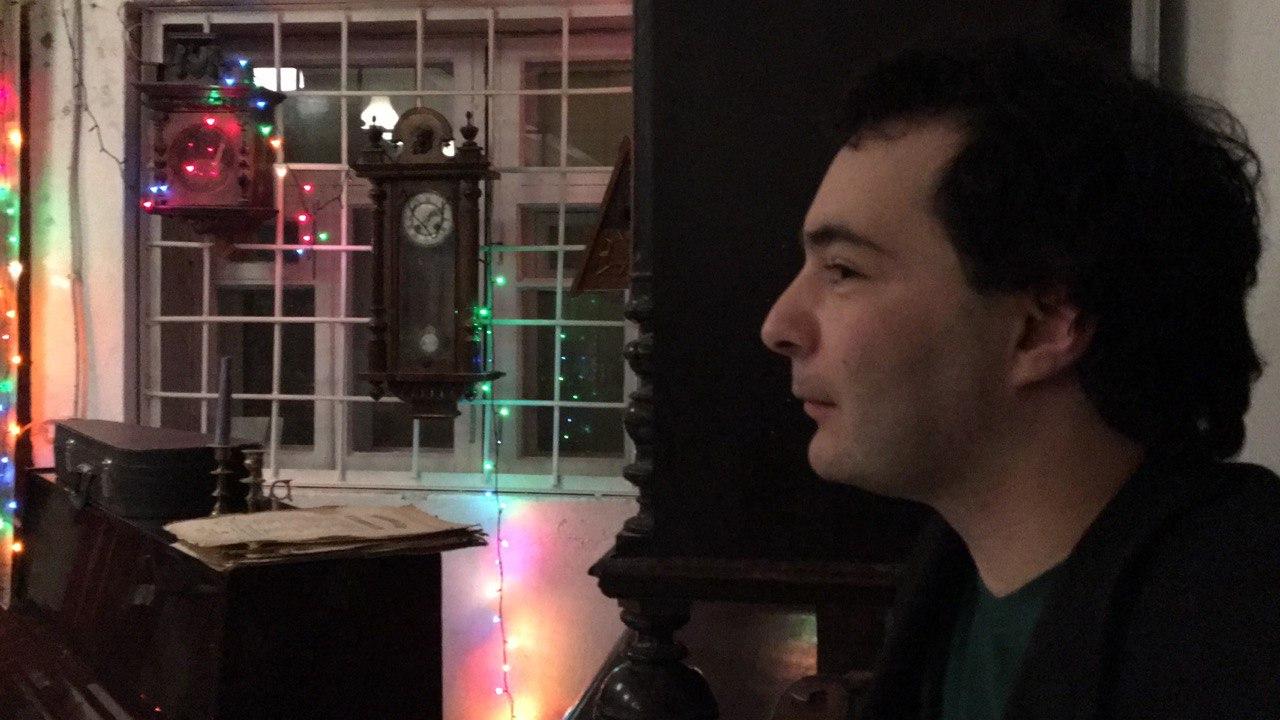
The workshop of the restorer and former journalist Peter Sabille until 2019 was in Khamovniki, in the former Vinogradovsky baths in the 2nd Basy Lane. In the 2010s, the baths, recalls Sabil, was a cross between the squat and the creative plant, artists, animators, musicians, and restorers of ancient cars and motorcycles worked and hung out there. Moh publishes the emotional and nostalgic story of Seibil about this place.
If you look at the Moscow map and imagine that the areas are not distributed geographically, but metaphysically, then for me, Khamovniks will be a place of formation. In a teenager, in the baubles I wandered around Gogols, drank port in Arbat lanes and did not forget about the lessons of solfeggio in his native Beethoven musical. At twenty -five, I started my own first business - a designer shop in Mansurovsky Lane.
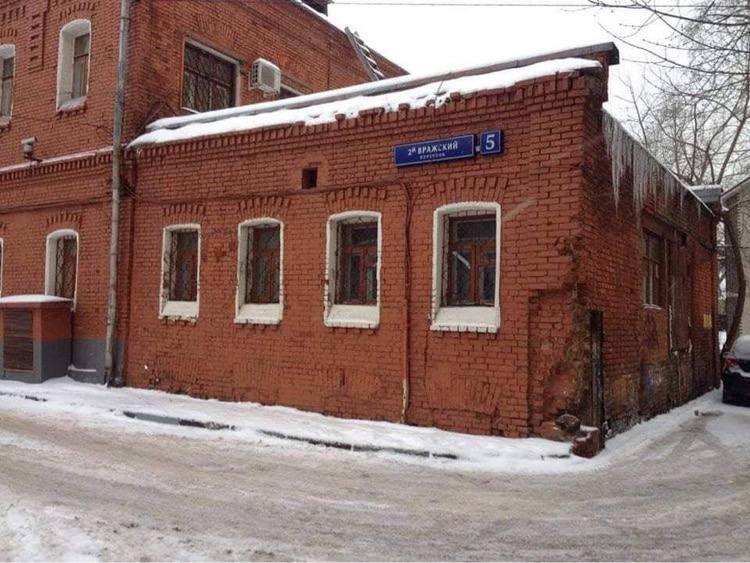
But the main thing was the ivy, lying before that from my paths. More precisely, the former Vinogradovsky baths in the 2nd Benefic Lane, where I was already desperate to find a place for a restoration workshop. At the beginning of the century, they were visited by Andrei Bely, in Soviet times the house of life settled here, in the seventies was rumored to rehearse the “time machine”, and in perestroika there was a cooperative to sell Japanese equipment, the line in which stood from the Khamovniki court.
In the 2010s, the baths were a cross between the squat and the creative plant where artists, animators, musicians, and restorers of ancient cars and motorcycles were hanging out.
“And here we have a magician! - They showed me the house. “True, in parallel, he works as a photographer in Novaya Gazeta and therefore organized a photo laboratory, where everyone can try the seal in a wet way.” The smiling Lena Kostyuchenko looked from the photograph on the wall, with whom we walked along the same corridors at the journalism faculty of Moscow State University. In general, I stayed.
Max
He was riding on the 2nd Bage Max. He restored ancient cars, walked in a stylized biker outfit, was rumored to serve in Mossad and was stably in Dugarina in the evening. But the main thing is that he held several cats and tried to attach them to everyone who was in sight. Puska and Kobzik were favorites. “The loss of the cat is strictly punished,” he warned new tenants. In my memory, Max drove the guys who accidentally released animals. Until morning, a crowd of bikers with lanterns combed the surrounding nooks in search of fugitives.
Akbar
Another genius of the place was the janitor of Akbar. Thin, slightly shy and always ready to help.
Like all the janitors, Akbar was engaged in scrap metal, and we were afraid as if once he did not cut the beams of the building, which once launched the written-off rails of the Nikolaev railway.
“Akbar is not so simple,” the old -timers told me. - Imagine, once I took off the hangar at the former factory. At an altitude of seven meters, a multi -ton steel structure hung on chains. For a week, my partner and I, two engineers, came and looked at her. How to remove? Then who remembered Akbara more smartly, and we told him that there was scrap metal for him. An hour later he was in place, in the evening he gave the keys. "But how?!" “Slowly, slowly,” Akbar said. With me, with me, with the help of a grinder, screwdrivers and pliers, he gently sawed old Lada and loaded into the Gazelle.
Ivy
At the beginning of the tenth of ivy, it was probably the quietest place near the garden ring. It seemed even to some kind of uninhabited. A separate flavor was added by the inhabitants of local hostels. I remember how for the first time I went to the nearest store for a cake for tea and found a crowd of half -naked hard workers in training and slippers. A few years later, the first “intersection” opened next to it, followed by coffee houses and eco-products stores. In parallel, dormitories were also eliminated. Unfortunately, along with the monuments of constructivism in which they were located.
Italian porn magazines
Khamovniki is a residential center, and where are the old apartments - there are repairs and finds. And the best in this part was my master, a restorer of Dima furniture. From the end of the eighties, he examined the resettlements, had a special forces and knew all the local janitors. So once within a month they brought him part of the Pushkin time chair, which the owners for some reason slowly carried it into the trash. Somehow Dima was a closed suitcase: "Relatives, see, sold an apartment and take out grandfather's barakhlo."
In the suitcase there were empty Mid folders and four Italian pornographic magazines in 1968. “You know, this is a rarity even in Italy. -Italyanka's friend told me. - In Rome or Milan, it was possible to find some more, and in our Pian - a Catholic country, strict morals! ”
Shelter
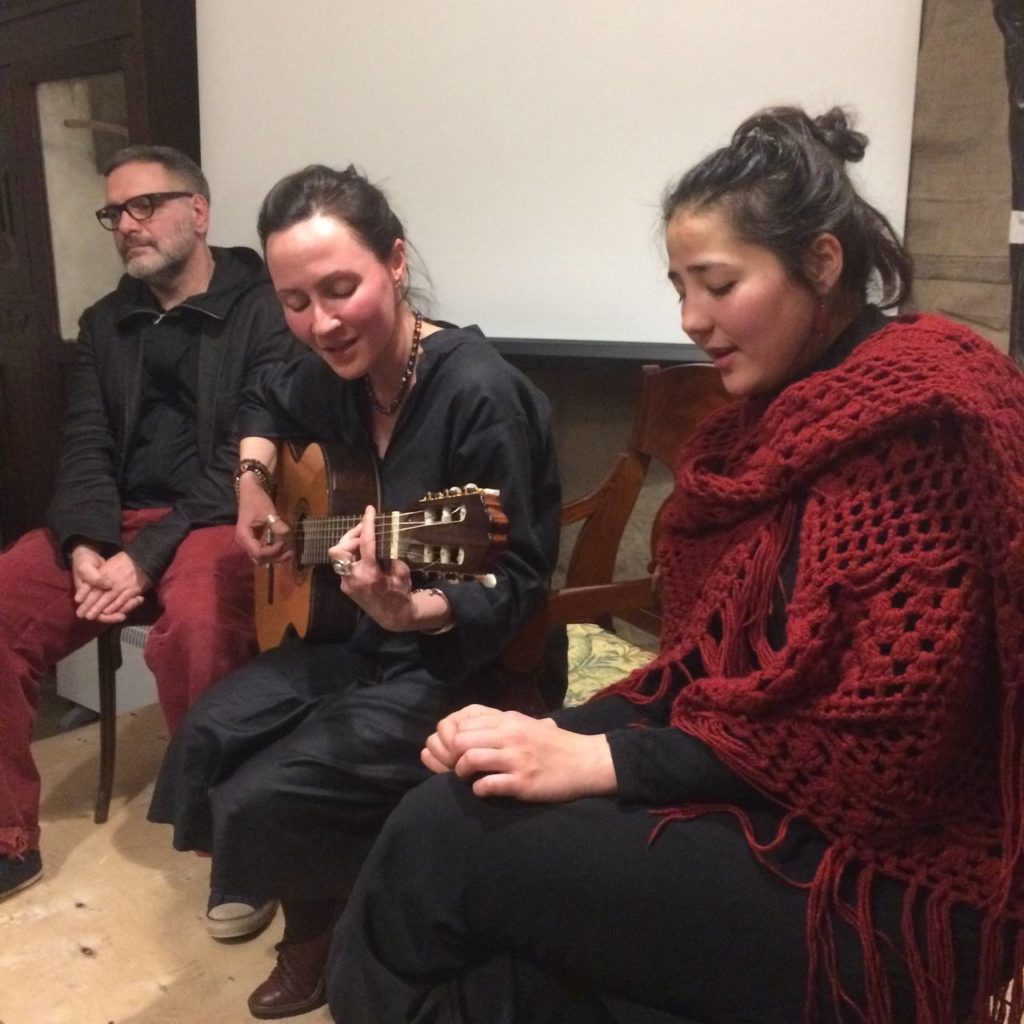
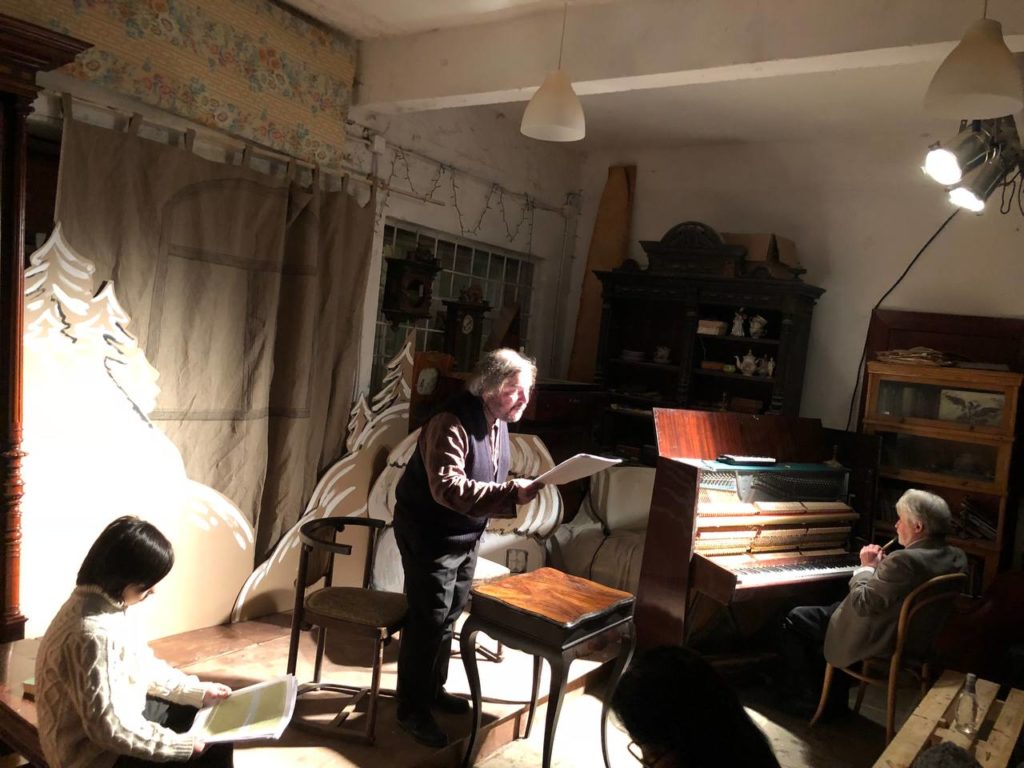
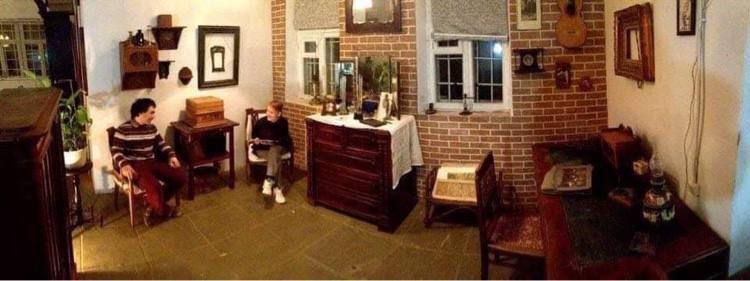
“When you come to you, the feeling that time has stopped. Are we in Moscow? " - every second guest said. And she was only partly a workshop. Of course, in the afternoon we restored ancient furniture, but in the evening I received friends. Once every couple of months I raked the hall, set up a piano and, together with numerous theatrical friends, we celebrated the New Year, read the stories of Konstantin Korovin on Shrovetide, celebrated Vertinsky’s birthday with a concert, pulled a table under a tree in the yard, drowned a samovar, cooked jam in a copper basin.
Crimea and Donbass took place around, the Malaysian Boeing fell, the Nashists picked up the Turkish embassy. On the way to the workshop, I often attributed the programs to the detainees at rallies or curtailed the next standing near the Khamovniki court. Bezhsky was then the best hole and shelter for himself and friends, and the ivy was a personal "province by the sea."
What would I do without it.
The material was first published in the newspaper "Lenivka" (number 10 for December 2021)