
Translated material
It is better, of course, to suffer
The intrigue around the “torture” bill shows how much the security forces do not want to part with this “tool”
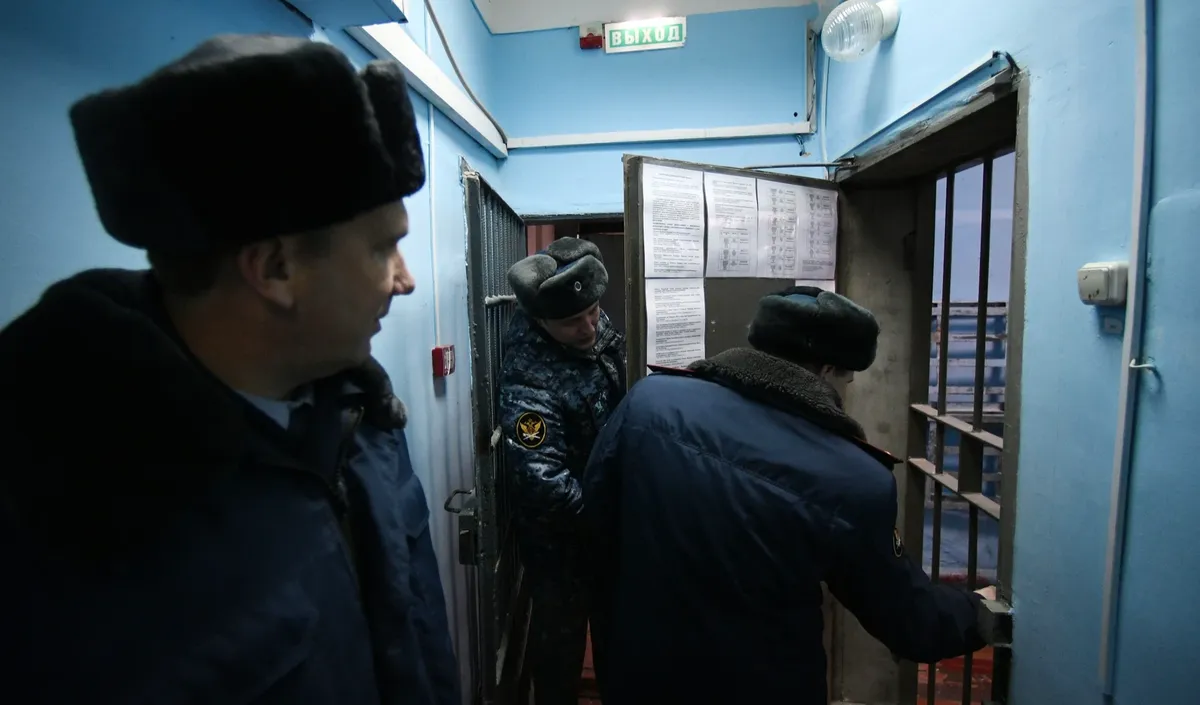
On January 21, on the initiative of the Duma faction “New People” in the column hall, a round table dedicated to the Torture bills in the Duma and on the approach of torture was held next door. At the event, where Lev Ponomarev*, the Committee against torture*, the Public Verdict Foundation*and other organizations and persons recognized as “foreign agents” were invited, not only they performed (with whom the deputies are not recommended to be friends), but also the co -author of one of the bills Pavel Krasheninnikov.
The intrigue lies in the fact that until December 20, when the project of Klishas and Krasheninnikov was included in the Duma, which everyone learned only from an interview with the last press service of the Duma, a project was considered a priority that was preparing in the Council of Lyudmila Narusov together with HRC members, including Igor Kalyapin, as well as the Public Verdict Foundation. As Narusova told us, she heard a message about she had just made by Klishas and Krasheninnikov in the car on the way to the Federation Council, where Valentina Matvienko was just appointed a meeting on making her project. Klishas and Krasheninnikov were also invited there.
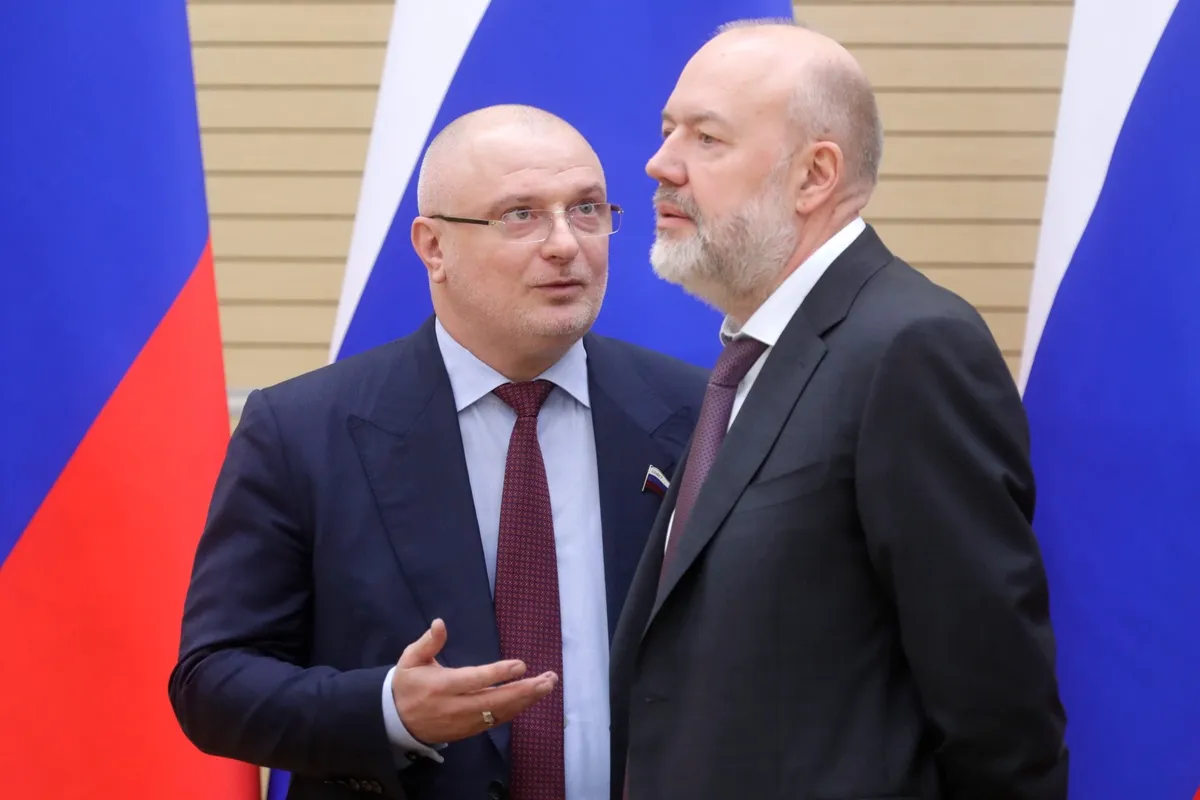
Earlier, Andrei Klishas invited her to sign instead of the project developed with the participation of human rights activists of the project, which was as a result of entered into the Duma. When she refused, a colleague Klishas explained that "the project was lowered from the main legal administration, and nothing can be changed in it anyway." In fact, after three days - unprecedented efficiency - a positive review was received from the government, in which the deputy chairman of the Council of Ministers Grigorenko pointed out that this project “complies with the Agreement on the Eurasian Economic Union of May 29, 2014”, which Senator Narusov finally put it into a dead end (a copy of the conclusion is in the editorial office).
Of the three generalized options for projects, which were discussed on January 21 in the column hall, the Krasheninnikov Krasheninnikov project is the softest: it provides only for tightening the punishment under Art. 302 of the Criminal Code for “coercion of a suspect, accused, victim, witness to the testimony ... by applying threats, blackmail or other illegal actions ...”, as well as some changes in other compositions, but without making a separate article on torture, which human rights activists continue to insist on.
Some of them were supported by the “package of Narosova”, which also provides for changes to the Code of Criminal Procedure, which depreciating the testimonies, data without a lawyer, to the Federal Law “On Containing in Custody ...” On the rules for moving prisoners from the cell to the camera (this would make it difficult to use the so-called press khats) and the three-day period of examination when applications about the beatings. Another part of the human rights activists, convinced by Krasheninnikov, is that his project has already been registered and can work only within the framework set by him, offers to reconcile, supplementing the project for the second reading part of the proposals from the “Narisova package” and detailed the relevant articles of the Criminal Code, but also without allocation of torture into a separate corpus delicti.
According to the “Parliamentary Newspaper”, published on January 20, that is, on the eve of the round table, the draft law “On Amendments to the Criminal Code of the Russian Federation”, as the co -authors modestly called it, may be considered in the first reading on February 8. Human rights activists, including those who remain as part of the HRC, hope that they will still be able to agree with one of the deputies in order to make radical amendments to the second reading.
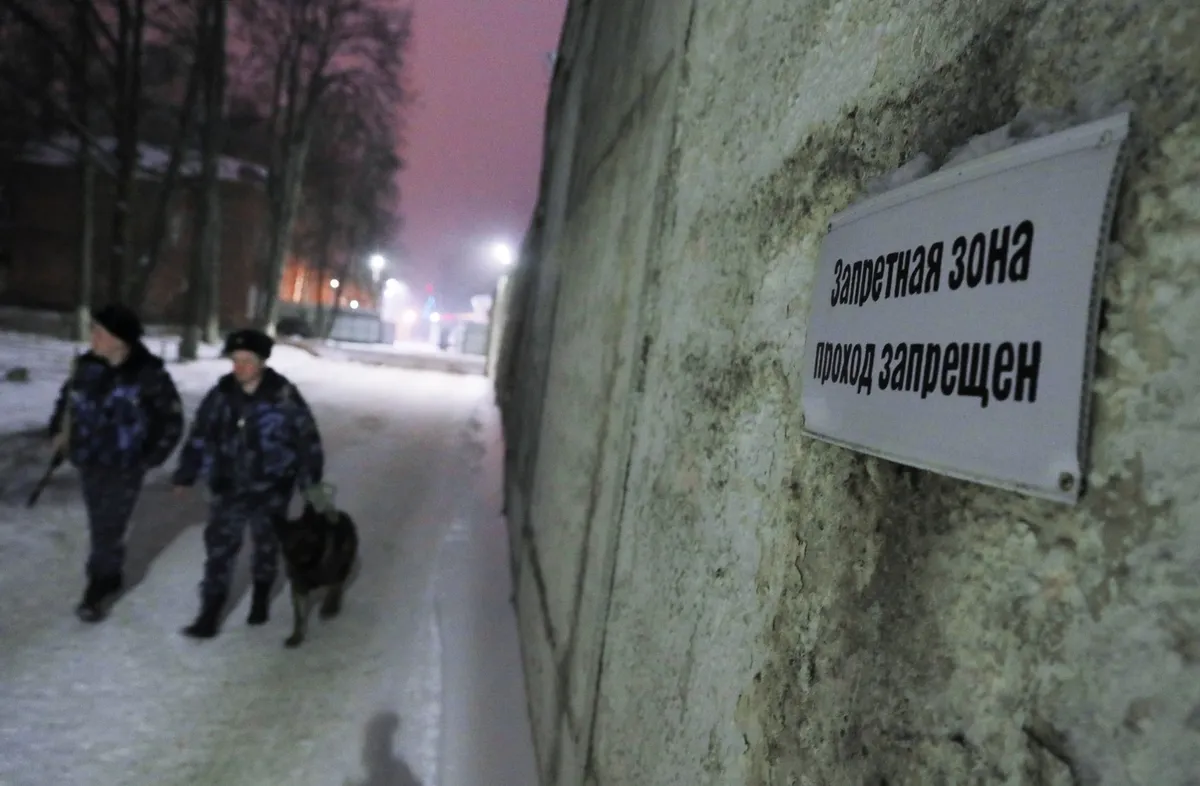
The security forces-investigators, operatives of the Ministry of Internal Affairs and the FSB, as well as, alas, the FSIN employees associated with them-have a sufficient lobby in the Federal Assembly to carry out such a law “On torture”, which still will not particularly constrain them in the application of this tool. As I already wrote in a note, which was published on the News website on January 11, investigators who have learned to receive evidence is different in the preservation of torture practice as by “recognition”, and some of the FSIN employees who cover the extortion of “activists” in places of imprisonment and receiving part of the “profit”.
After the emergence of video evidence about torture in the public, at the end of last year, it is already impossible to hide this problem in the public space. On January 6, the Kremlin published a list of presidential instructions based on the results of his December press conference. In paragraph No. 11, the president gently instructed the Ministry of Justice and the Prosecutor General’s Office “to analyze the practice of applying criminal-executive legislation and ... prepare proposals aimed at preventing the use of illegal methods of influence to persons detained and convicted of imprisonment”. It is impossible to fulfill the president’s order at all, but you can report on the implementation by lobbying a little change, in fact, the law, as it were, about torture.