
Translated material
Life in oil
Report from the taiga villages of the Komi Republic, surrounded by drilling wells
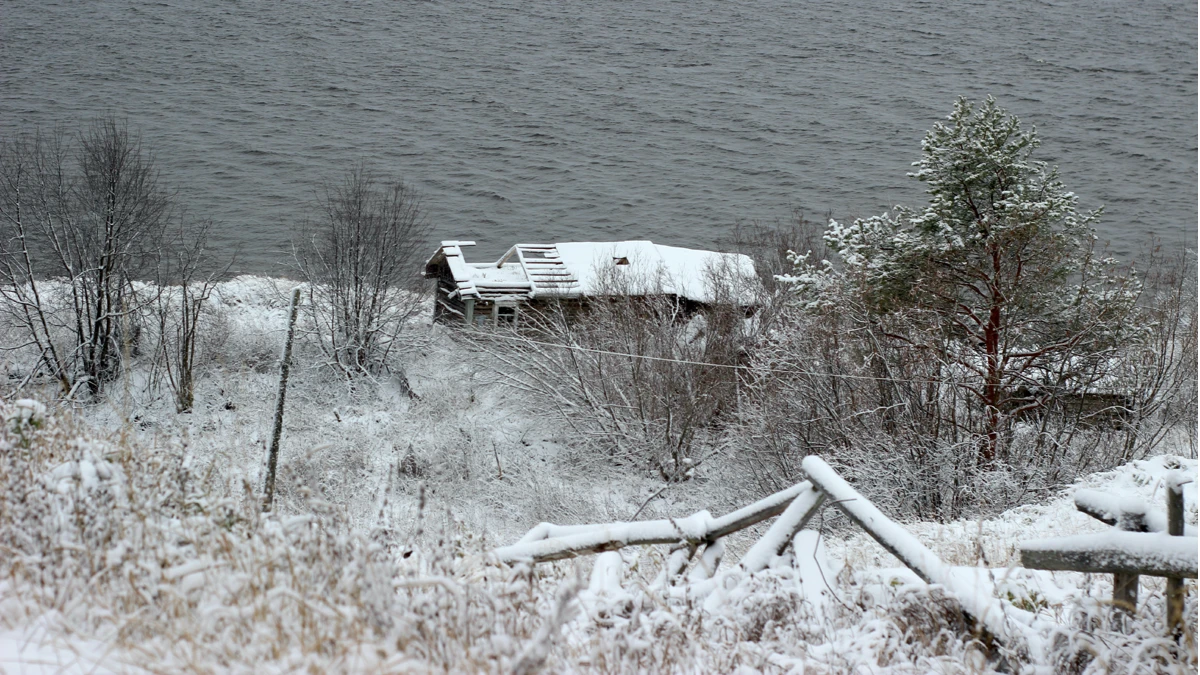
In Komi, dozens of oil excesses occur annually. The largest of them occurred in 1994 near Usinsky, having broken world records as the largest on land. After decades, statistical reports recorded in the area a jump in cancerous diseases, but experts are in no hurry to connect it with the spill. A report from the hinterland, where residents have to get out to catch fish without chemical impurities.
Authors: Julia Kulikova, Kirill Kruglikov
Black boats
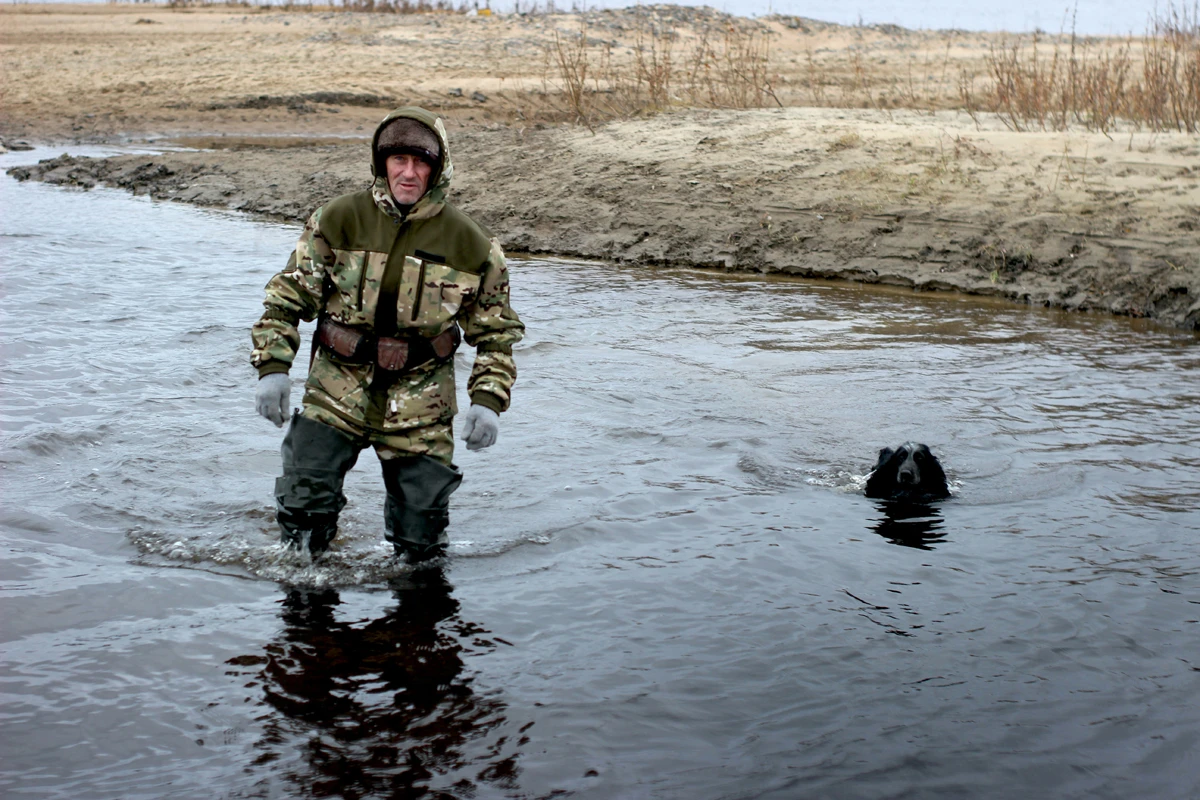
- Found eel yesterday - all in oil. I already have almost no one, everyone died, because they ate. Smelly fish, the whole table of Mendeleev, ”says Vasily, a resident of the village of Kolva, located 10 km from the Usinsk Republic of Komi.
Vasily carries a gun and a rubber boat. Like most local ones, it depends on the forest and the river. His pension is 16 thousand rubles. Of these, he spends 12 thousand on cigarettes: ten blocks are obtained per month. At the mention of oil companies, it switches to curses: "They polluted nature, and in return - Shish." Immediately asks to turn off the recorder, "so that there are no problems."
The pensioner has both sons on oil shifts. Despite the negative attitude, many have to put up with toxic neighbors: drilling rigs and gas torches.
Less than a million people live in the Republic of Komi. The economy of the region is the extraction of oil, coal, gas and processing of wood. Among the largest companies: the Syktyvkar paper manufacturer Mondi, Vorkutinskaya Vorkutangol (part of Severstal) and Lukoil, working in deposits in Ukhta and Usinsk.
Every year, the region supplies about 12 million tons of oil, this is 2% of all production in Russia. Located in the north of Komi Usinsk generates 70% of production. The city includes such villages as Kolva, Ust-Usa and Novikbozh, surrounded by hundreds of oil-producing “bushes”. The development of deposits here is carried out by Lukoil, Rosneft, Rusvomet Petro and others.
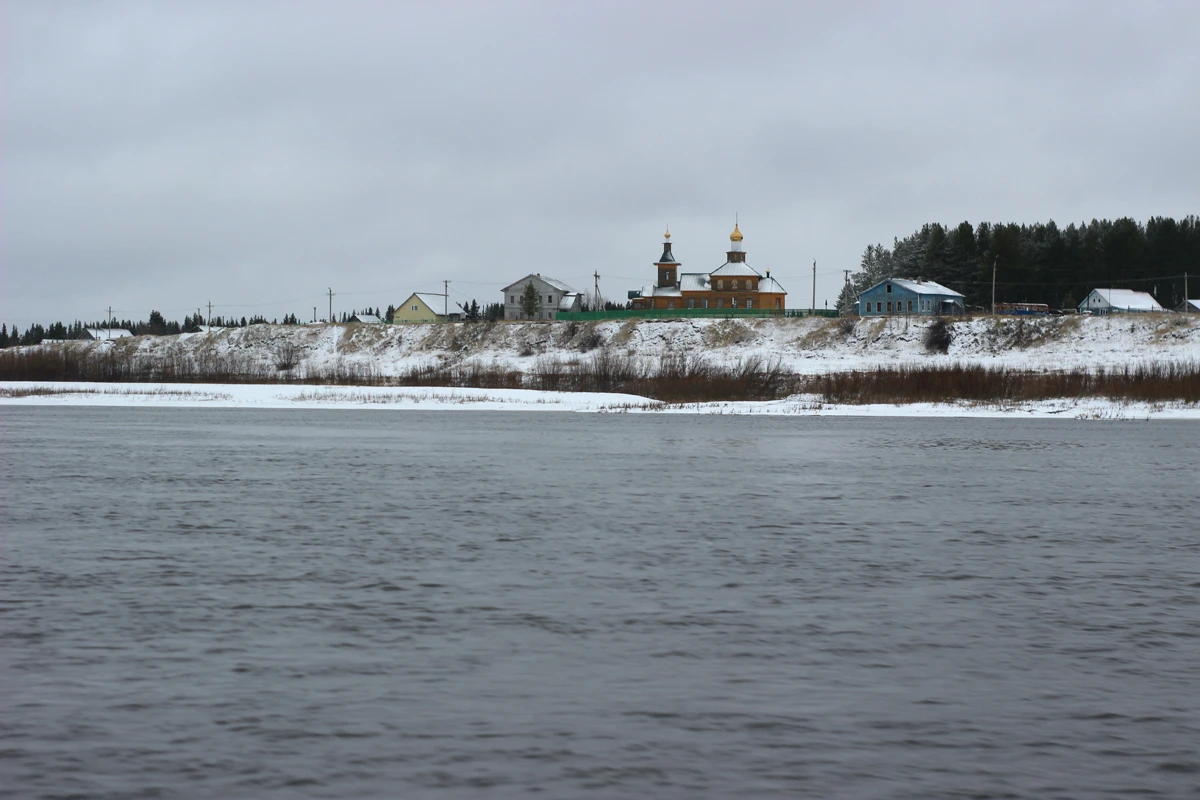
There are 400 inhabitants in Kolva. The village stands on the river of the same name, which flows into the larger River of the Usa, and that, in turn, in Pechora, is the most important waterway of the European North.
In August 1994, near Kolva, a spill occurred at the Komneft oil pipeline, which was later included in the Guinness Book of Records as the largest on land. Due to corrosion of pipes, up to 300 thousand tons of oil spilled onto the surface. She polluted 270 hectares of the tundra and reached the Barents Sea along the rivers. The presence of hydrocarbons then recorded off the coast of Norway.
-We have a grandmother in a kettle, except Pechora, never poured it until the 94th happened. I remember I went to the river, I wanted to wash the tracks, got into the boat-firstly, the boat was black, and secondly, the water is black. I did not understand what was with water. She took the oar and buried in the middle of the river-and there is all the same! Then there was no Internet, no one said anything. Only the "Committee for Salvation of Pechora" released ballots. When all the cows were cut here, then it only reached the population, what is happening, ”says Ekaterina Dyachkova, a resident of the neighboring village of Ust-Usa.
- Everything was completely clogged with oil. Could not go to the river on boats: there was such a layer! -recalls the former tractor driver of the already non-existent state farm "Ust-Usinsky" Vladimir Ignatov.
After the spill, agriculture in the colum did not last long: along with the spring flood, oil flooded the flood meadows.
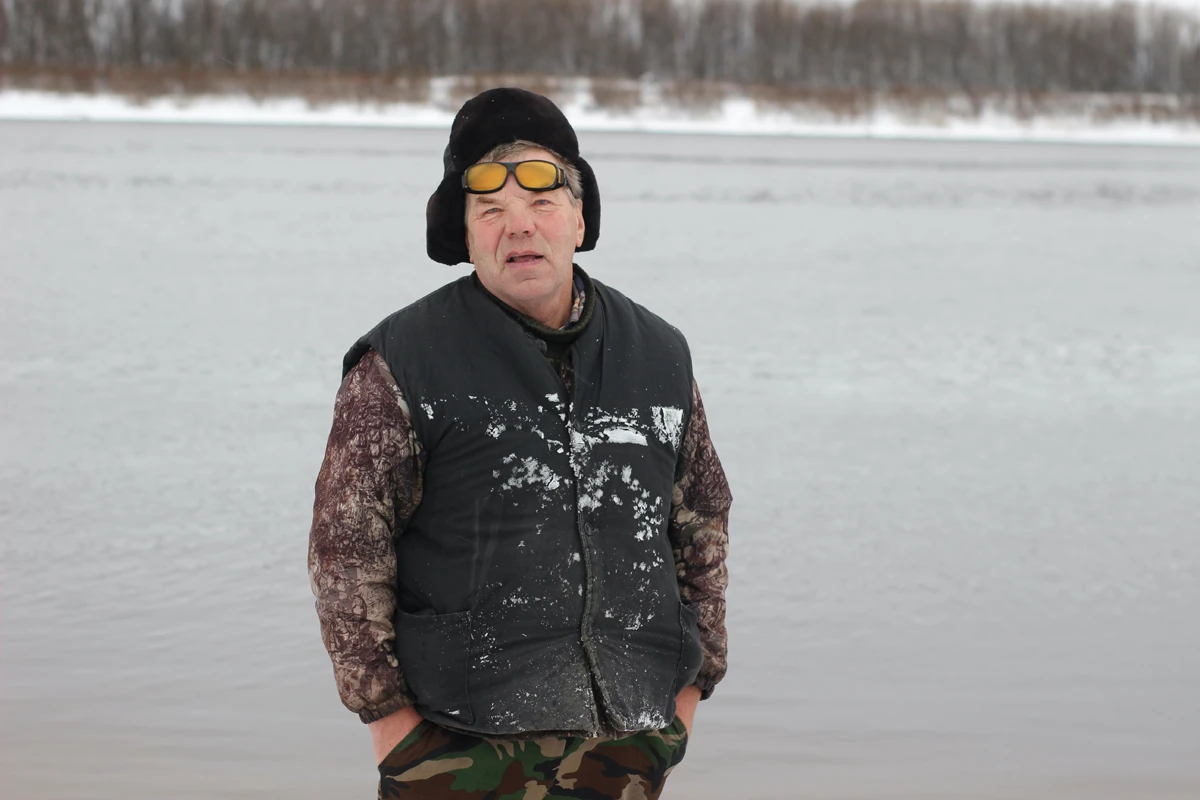
- People began to abandon the cows, my mother -in -law had a cow. The animals began to die, they were scored. Then it was impossible to fish. On the bushes, the layers of oil, because the water fell, the oil remained. We tried to burn this oil with gasoline. Now I am fishing mostly on the mustache, I rise above. In principle, the fish does not smell there, ”says Gennady Sundukov, a resident of Kolva.
The oil industry (no longer as large -scale as in 1994) occur in the republic every year. According to the report of the Komi Ministry of Natural Resources, in 2020 38 accidents occurred, which polluted 20 hectares of land. As the former regional Minister of Natural Resources, Roman Polshvedkin, 70% of cases, oil companies are silent.
In May 2021, due to the depressurization of the oil pipeline in the area of the Kharyaginsky deposit in the neighboring Nenets Autonomous Okrug, 90 tons of oil products resulted in the soil. In Komi introduced the emergency mode. According to Ecologists, WWF who studied space pictures, oil poured within a month, but it became noticeable only when the snow melted and ice drift began.
A resident of Kolva nicknamed the foreman participated in the liquidation of this accident. The foreman has cancer, so he is not afraid to go to spills. It’s only scary to perform in the press, so we speak anonymously.
- I drove people on my boat, everyone in the Taviki went - in white costumes. In the morning they put on, threw it in the evening, all the grimy. They paid 250 thousand rubles for two months. For the boat, for the motor and what you work. Then he left, tired of breathing with this oil. We are no longer scared, we are pensioners. The rest do not want to clean, because oil. This is nothing for the pensioners to us, but to them, boys from the villages, it will all affect! They will be born from oil ... I don’t know what will happen, but this does not threaten us anymore, ”he suggests.
Duker - an underwater pipeline passes along the Kolva River.
This is part of the oil route, which begins in the Nenets Autonomous Okrug. After hundreds of mining wells, the branch goes to the village of “head structures” in Usinsk for further transportation in Russia and the world.
Fishing with a veteran
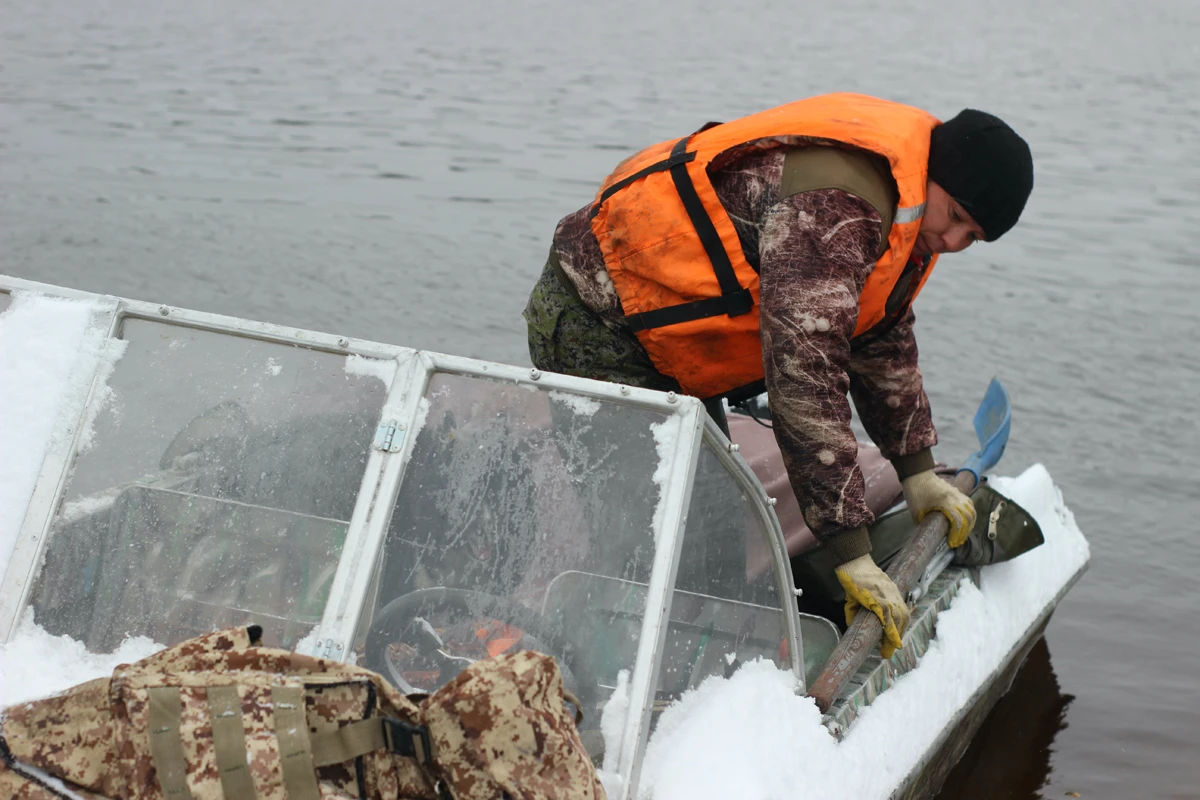
To find a fish that does not smell of chemistry, you have to get out. With 36-year-old Ivan Ignatov, veteran of the second Chechen campaign, and pensioner Alexander Kanev, we go to one of the islands not touched by the oil industry.
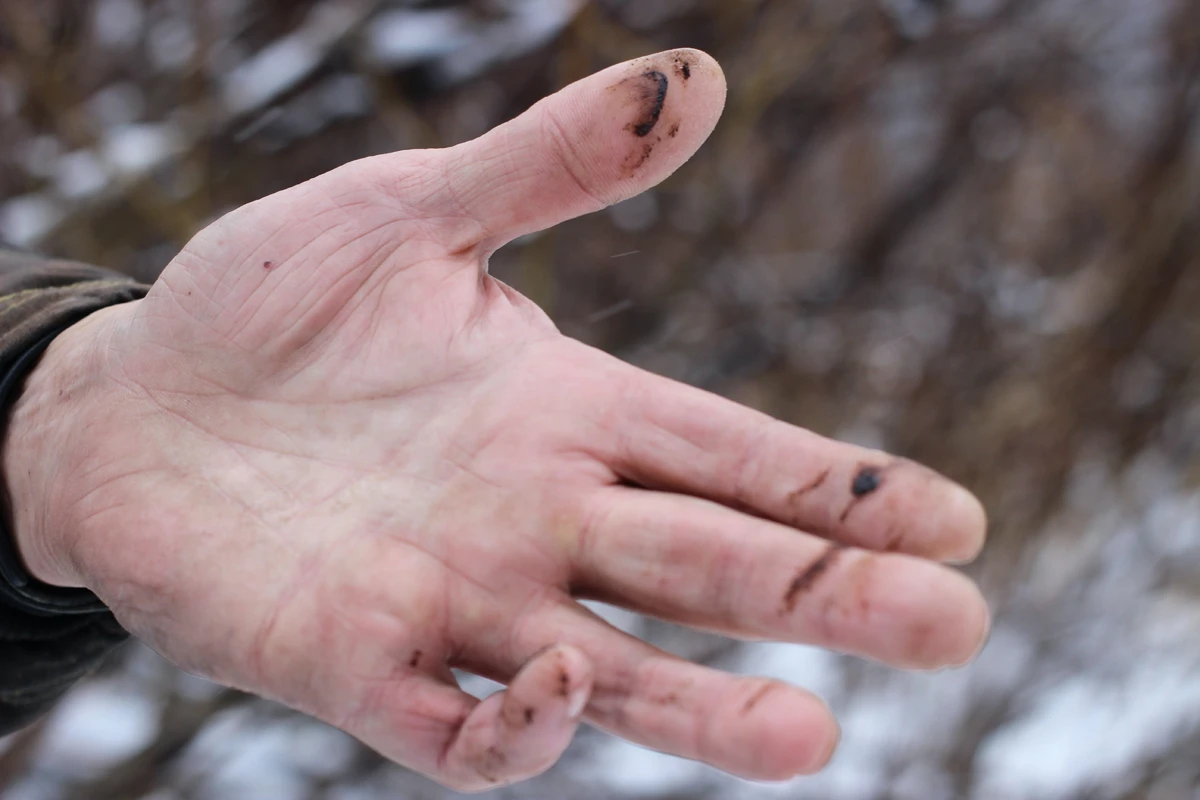
- Here she does not even wash it, it all stuck. The whole shore in oil: sorbent, oil, this is all in a heap, - Ivan shows the bushes that preserved oil mud with a recent spill. - There is nothing to catch on the colum: the cats do not even eat that fish. And this lake did not drown, oil did not go here, and the fish here was preserved.
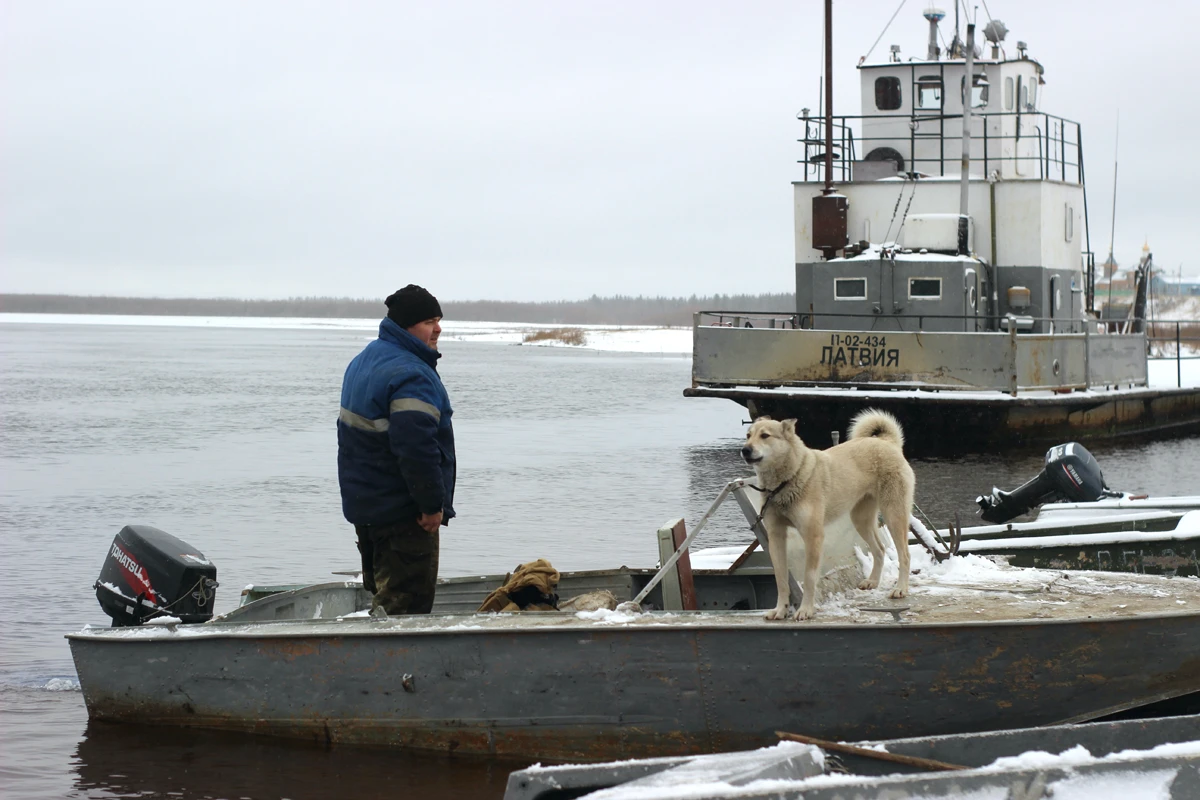
On Lake Kelchaty (translated from Komi "Lake Roach"), the fishermen have a snares. Behind pure fish we go several kilometers along the Babelny. Kanev does not stop exclaiming on the road: “Look around! Beauty! Why should I destroy her if she gives me joy? " At the same time, he knows the technology of nature pollution better than others.
Alexander Kanev was born near Usinsky, began to work in wells immediately after the army. First, in the UBR-2 (control of drilling operations) an assistant to the driller, then the master in the companies Komneft, North Neft, Rosneft. Today it receives a rather significant oil pension for these places of 40 thousand rubles.
- Rosneft was paid very well, for which I respect this company, now I also have 8500 every month - the “corporate party” is called. Come on! - He rejoices.
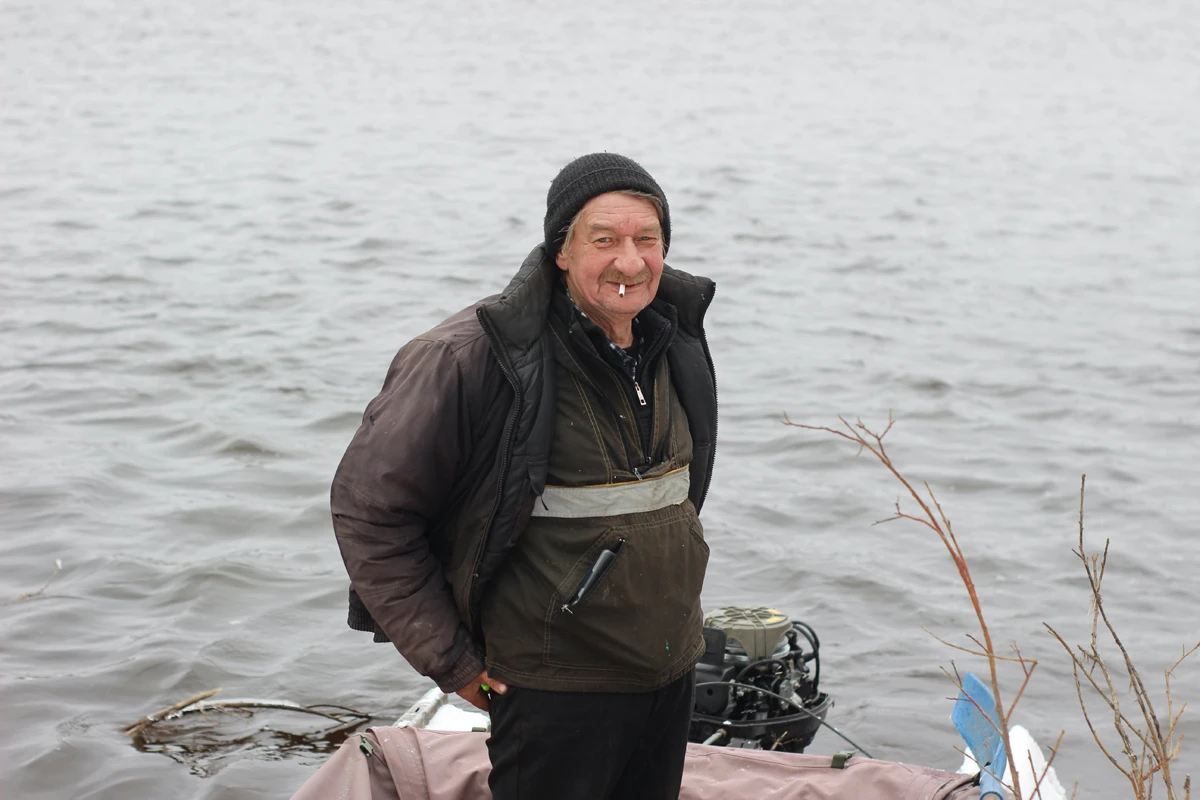
The spills were always, says Kanev: both in the USSR and now. The reason is most often in people.
- The point is in pipes, but this is a purely human factor. So I am sitting for 12 hours. There is a pumping. Night, dark. Somewhere I have a bottle there. The pipe broke, the pressure on one atmosphere fell. And Duker goes under water. Go to repair? No, of course, why do I need? Dark! Where? I'm scared. It fell - and okay, phoned, described in the magazine. And it all leaves and leaves. One hundred tons can come out during the night. The shifter comes, and he is also from a hangover. He sits before lunch, then running begins, - explains Kanev.
Polluted not only with oil products. Industrialists pump out lamb gas and drilling liquid to the surface. These are production waste requiring special disposal, but most often the fractions fall into watercourses. Because of this, streams stop in the taiga and tundra and the paths are “asphalt”.
- This is such a gray slurry that flows into the river. This is the worst. This all should lie in the barn - that was how it was in Soviet times. Now everything is in the river, ”says Kanev.
“It fell - and okay, phoned, described in the magazine. And it all leaves and leaves. 100 tons can come out during the night. ”
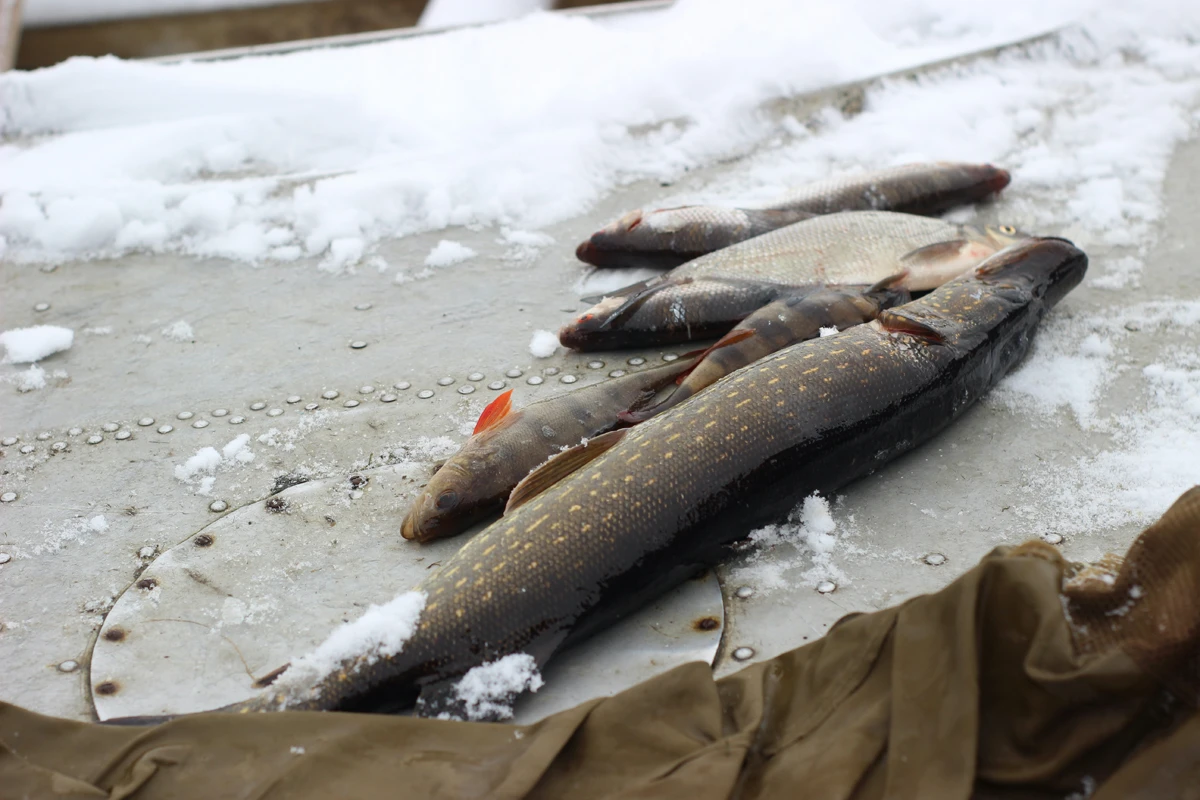
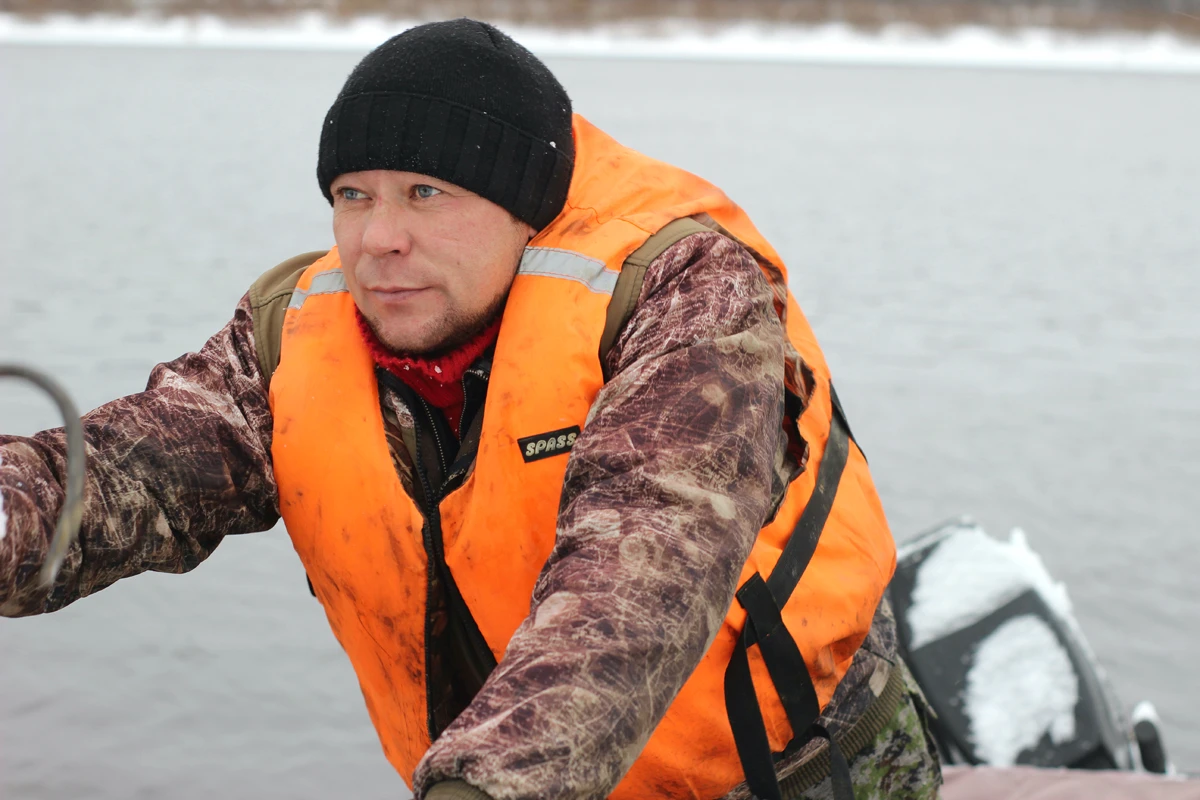
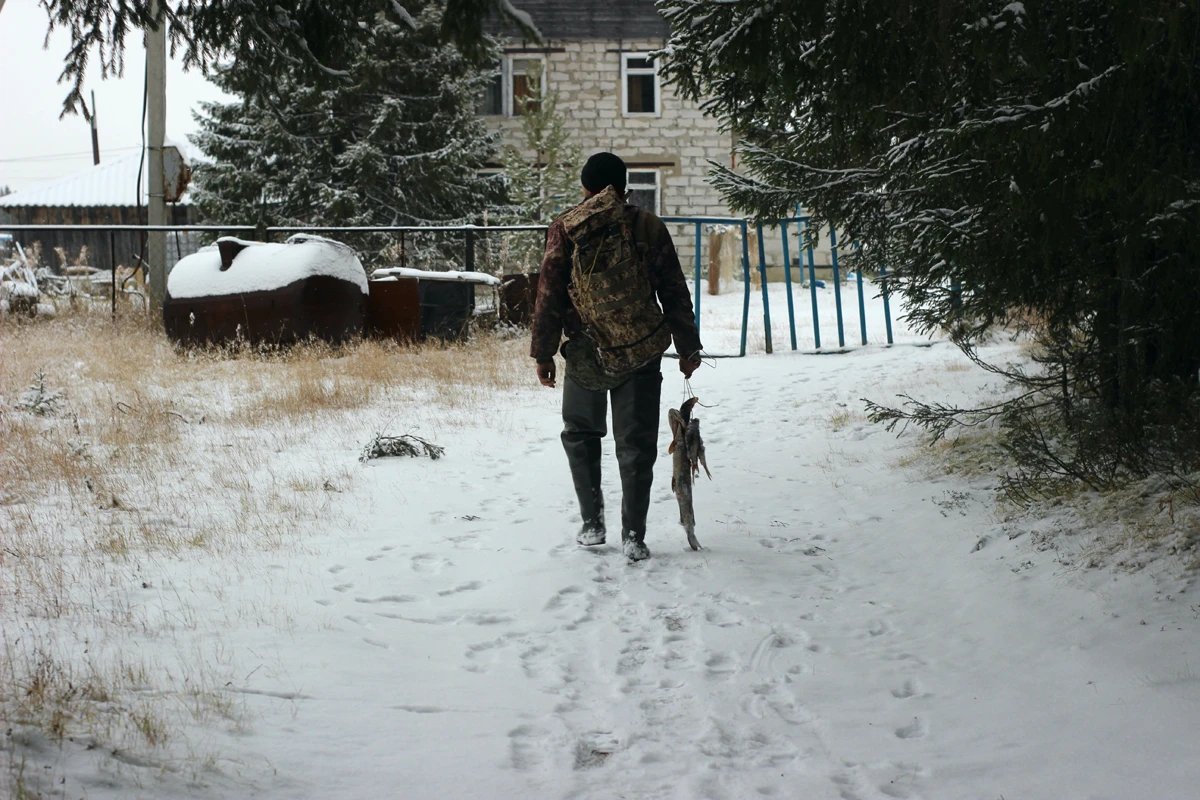
At that time, Ivan Ignatov sets off on oars to the snaps and returns with a living catch: pike, perch, magpie, bream. Ivan is the father of three children. Like most of the male population of Usinsk, he had experience working on the drill.
- I worked on the shifts too: 45 each, left for 60 days. A little loss of the wife did not happen. A family person is better not to work on shifts. You have worked, come and drink, your wife does not see you, ”he shares.
Ignatov is not going to return to the oil industry and is sure that they will not take it to the drill: he speaks too negatively about industrialists in the press. The resident of Kolva criticizes the absence in the village of Feldsher-Oskushera (FAP), a good kindergarten, treatment facilities for drinking water and air that cannot be breathed after the next spill.
- I want Lukoil from here the fuck to leave. So that he was not here, ”he exclaims.
The pipes are in order
In June 2021, on the sidelines of the International Economic Forum in St. Petersburg, a group of journalists drove Vagit Alekperov into the circle of president and co -owner of Lukoila. The billionaire says quietly, forcing reporters to come very close. They asked mainly about oil prices, but it was about the spring spill on the colum.
At the forum, the head of Lukoil reported to the federal channel that the nature of the Komi after the spill in the spring of 2021 was “completely restored”.
- Our infrastructure is in perfect condition. Today we conducted a second examination of our entire infrastructure both in Western Siberia and in Usinsk. We have identified thin places, but the main thing, I think, is a task ... There are different cases, we cannot 100% insure ourselves from breakthroughs. When large numbers say, we must understand that we have only 92% in our product - this is water. And when people say, 20 tons - it spilled two tons or one and a half tons. The main thing is that we are open, we immediately report to all regulatory authorities and public organizations. We instantly accept the liquidation actions, ”Alekperov assured.
"The ecosystem has already been restored because we have taken all exhaustive measures."
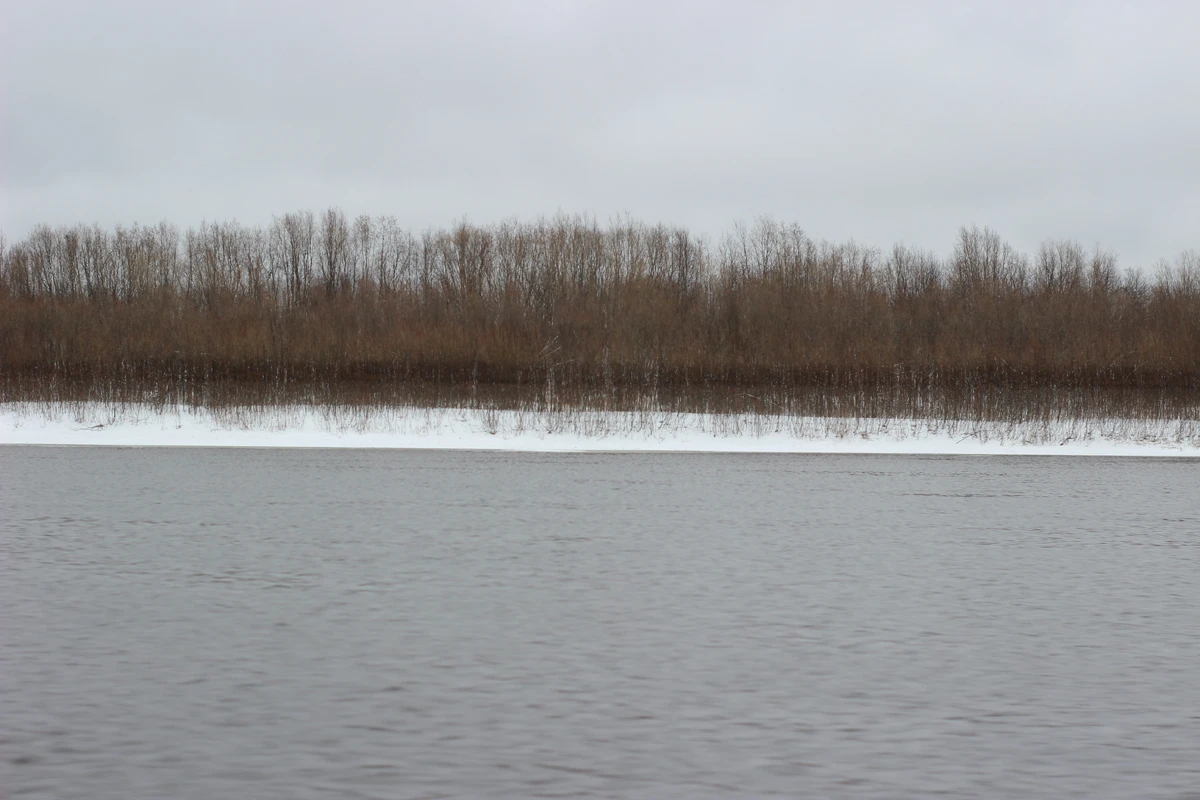
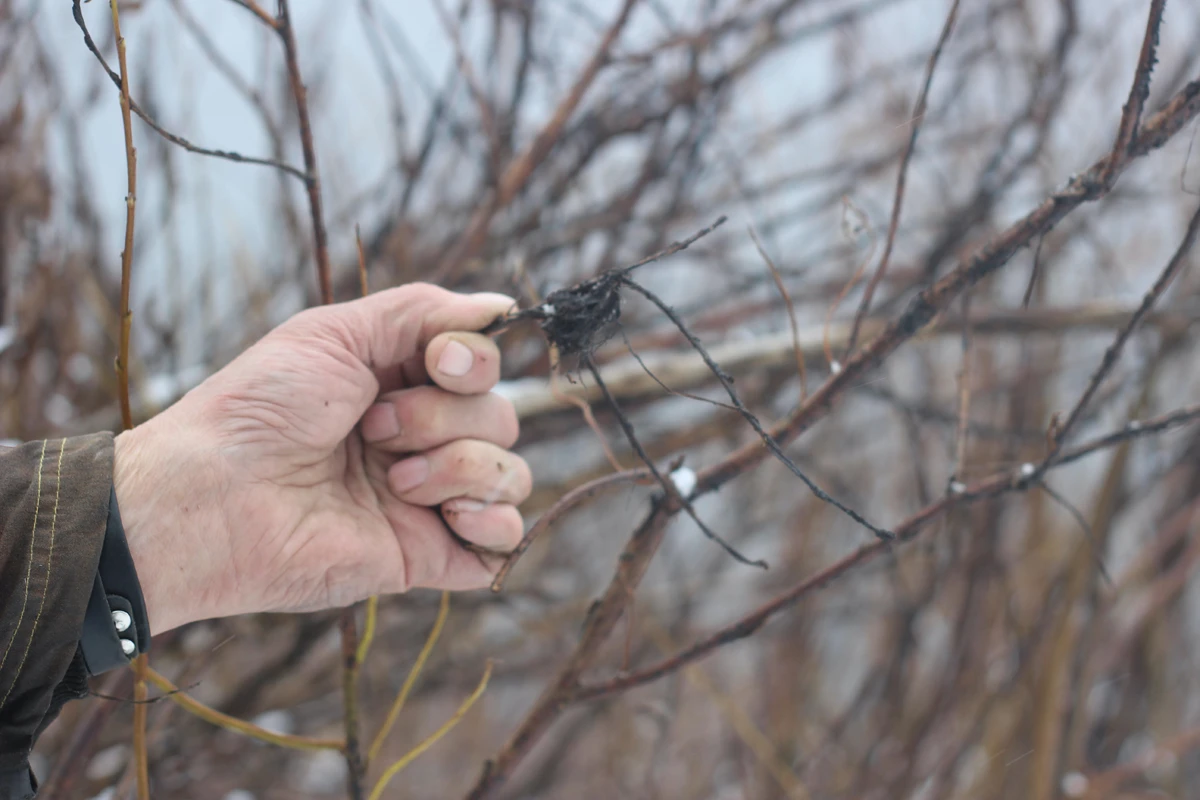
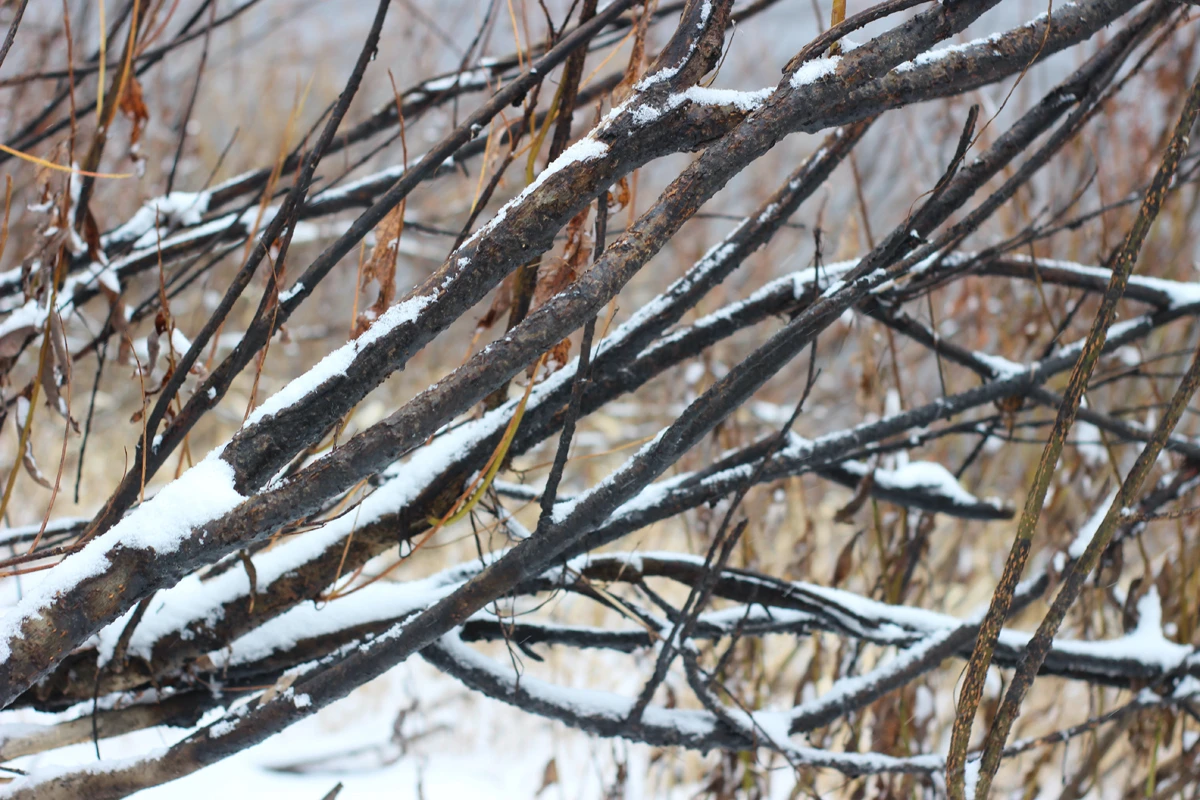
Five months later, Ignatov shows me oil deposits on the colum: a dark strip remaining on the bushes after the fall of the water level stretches tens of kilometers along the shore. Oil dirt with a pungent smell is easy to remove from any branch.
REACTION
In early January, New Gazeta sent a request to Lukoil about what measures the company is taking to clean the coast, but we did not receive an answer.
In the circle of drill
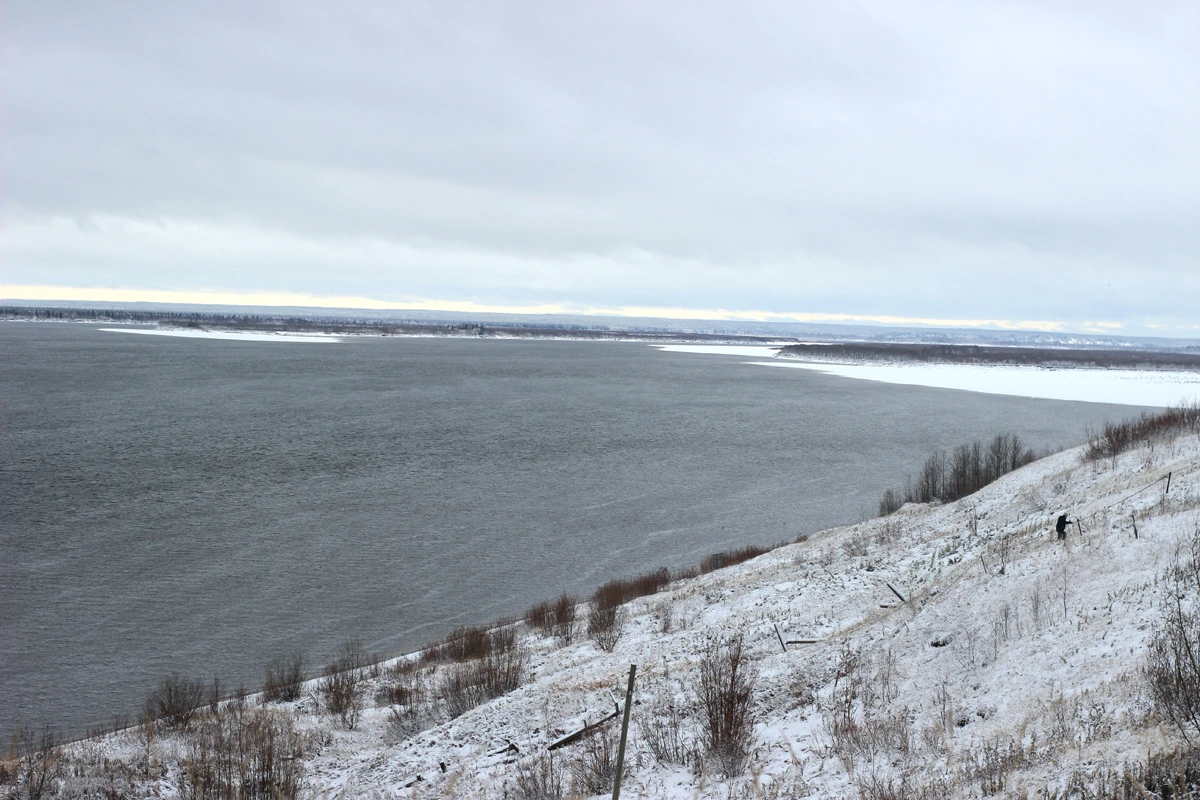
The village of Ust-Usa is 70 kilometers from Kolva. Here, from the high bank, you can observe how Pechora turns towards the Barents Sea. From here the “candles” are visible: industrial torches next to drilling plants that burn passing gas during production. The locals have repeatedly opposed the village of Lukoil contractors: they wanted to start intelligence even two kilometers from Ust-Usa. After protests, it was possible to move the work by 2.5 kilometers.
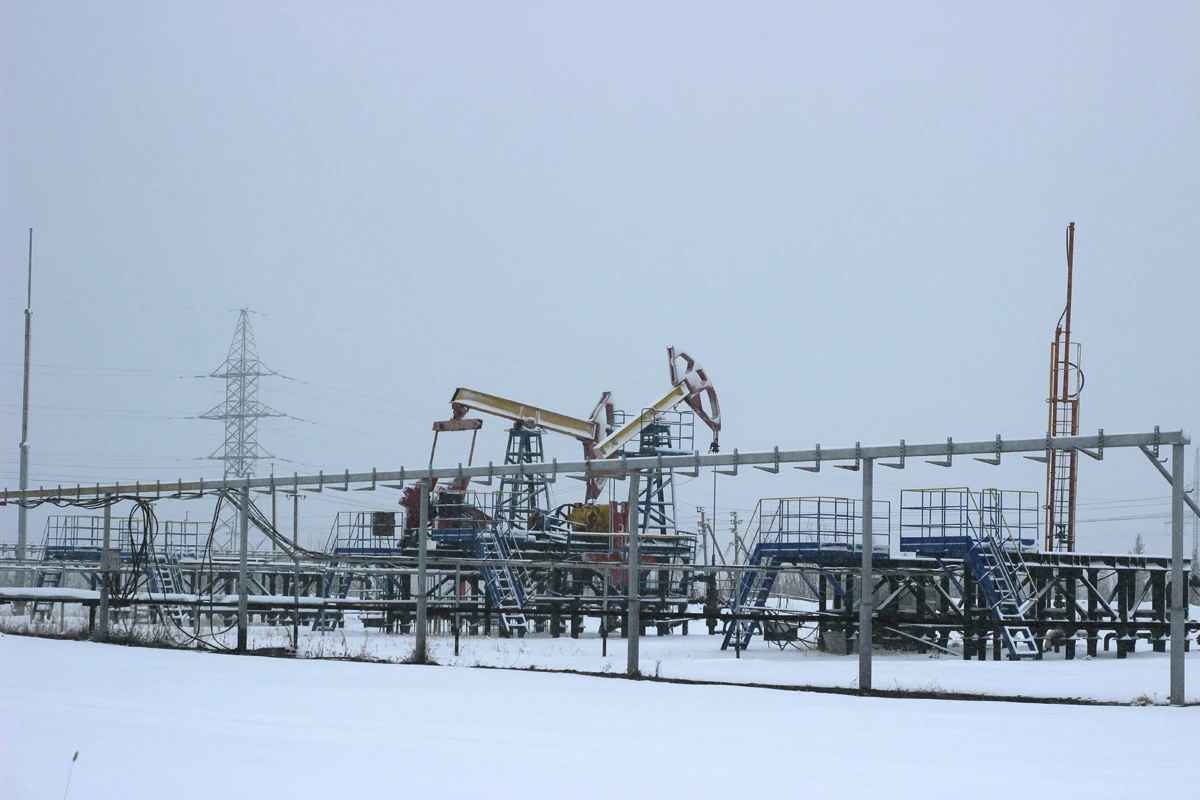
- “Lukoil” says: here we did it well - water treatment, water treatment. And now, to allow us to put a drill in the center of the village? This is a dangerous gas, death occurs, if you breathe, ”says Ekaterina Dyachkova, director of the school of Ust-Usa.
Dyachkov in the village is called a “deputy” - it represents the interests of local in the State Council of Komi from the Party of the Communist Party. After the spring spill, the social activist flew around by a helicopter, which the authorities provide a flood commission every spring.
-When I saw this whole picture: this oil river in a rainbow film, somewhere the birds flew out-I could not do anything else, I cried. I was horrified. How much we flew on Kolva, she sparkled, ”she recalls. -We need to change something from above, we need a new law. We went out three times already with the bill so that we did not have the right to operate pipes over 20 years old. We are supported by a 30 person, because there United Russia prevails, they all voted against.
“When I saw this picture: an oil river in a rainbow film - I couldn’t do anything else, I cried.”

Children of reindeer herders study in Ust-Usa, they live in a boarding school near the school. The herds themselves left here back in the 90s: there were more and more drilling ones, there are fewer pastures.
-I will never forget when we took place in our school, so that we agreed to give some territory to master some company. Representatives of our Ust-Usin state farm rose and said: here we have nothing to feed, maybe we will give you this territory, and you are a car feeding car. Or they will bring a TV to school. The beads gave it! - recalls Catherine.
On the phone, a social activist shows a video with drilling fluid, stopping a stream near the Kharyaginsky deposit. The sample of Dyachkova sent to Rosprirodnadzor, but there they dismissed: for analysis we need sterile containers.
- They always reproach us: you want to ride horses, you use gasoline! And we do not mind, but if you get, then why are you pouring? Get so that it is clean everywhere. Moreover, the north is the most fragile, here nature is not restored. Once they have shit, it will last hundreds of years, ”added a social activist.
Infertility and cancer
Oil diseases are the fastest to amaze workers in drilling wells. According to the National Research Tomsk Polytechnic University, for 15 years, almost half (43%) of drillers come to incapacity for work. Of the 7.5 thousand oil workers they examined, they revealed pathologies in the majority (72%). These are respiratory diseases, circulatory systems, digestive and musculoskeletal systems.
The US National Center for Biotechnological Information studied the influence of annual spills in the Niger River Delta. There, oil polluted both surface and groundwater. Spills led to a decrease in the food safety of households by 60%, reduced by a third the maintenance of vitamins in vegetables. Animal studies have shown that raw oil can lead to infertility and cancer.
“Of the 7.5 thousand oil workers of pathology in 72%. These are respiratory diseases, circulatory systems, digestive and musculoskeletal systems. ”
Owing district is included in the three Komi regions with the fastest growing statistics on death from cancer and diseases of the digestive organs. According to the Federal State Statistics Service for the Republic of Komi (comicist), from 1993 to 2015 the number of deaths from neoplasms in Usinsk doubled: from 6.9 to 14.2 cases per year by 10 thousand people.
Before the pandemic Covid-19, according to the NMIC of radiology, the mortality from neoplasms in Russia was an average of 20 people per 10 thousand. The highest rates (25 to 10 thousand) in 2019 were recorded in the Pskov, Kurgan, Oryol, Kostroma regions and in St. Petersburg. The lowest-less than 10 people-in the Republic of Tuva, the Yamal-Nenets Autonomous Okrug, as well as the southern republics of Dagestan, Ingushetia and Chechnya. The Republic of Komi is in this list in 40th place.
Experts emphasize that in such ratings it is necessary to take into account, including proximity to nuclear enterprises, the presence of oncological dispensaries, as well as the features of autopsy in the region, when for religious reasons, autopsy may not be carried out at all.

- Constant research is conducted in this area. There is no such factor and he immediately caused some process. The development of the tumor process is very long: 10-15 years. This has already happened all the events that would allow the cell to turn into malignant. It should pass for some time to realize the effect of this carcinogen. And how and what a carcinogens against the background of this period of time, no one knows. It falls in different ways: through the skin, through the air, with food. In this situation, a lot of things can affect the trigger mechanism for the development of this process. And how to connect this, how to establish a temporary connection? The research that is underway is required, ”says Vyacheslav Chubenko, head of the antitumor drug therapy department of the St. Petersburg Oncocenter.
Pollution in the environment affect the development of cancer in the same way as, for example, smoking and poor nutrition, but it is almost impossible to prove the connection of the influence of a particular carcinogen on the development of a tumor.
— Нефтедобывающие регионы отличаются повышенной смертностью от болезней органов ЖКТ и от рака. Если посмотреть на статистику Росгидромета, то северные реки выносят огромное количество нефтепродуктов. В определенных местах они воздействуют на ихтиофауну, рыбу и другие водные организмы. И собственно этим потом человек питается. В целом фактор окружающей среды влияет примерно на 20% нездоровья у людей. Есть еще фактор здравоохранения, образа жизни и так далее. Если человек пьет, курит, то это на его здоровье будет гораздо сильнее влиять. Но, естественно, [нефтеразливы] это такой усугубляющий эффект, — отмечает руководитель направления «Климат и энергетика» в российском Greenpeace Василий Яблоков.
«Знакомого жена запилила, что дома сидит. Пошел работать на разливы. And all. Через два месяца его похоронили, потому что это ядовитое все. Ему было меньше 60».
Игорь Паншин , житель Усть-Усы.
— Нефтеразливы — это неотъемлемая часть нефтедобычи, но есть регионы, в которых более ответственно подходят к процессу, — отмечает Яблоков.
— С точки зрения климата у нас вообще не должно появляться новых проектов по добыче. Сейчас остро стоит вопрос, что делать с такими монопрофильными регионами. Это по аналогии с угольными регионами: что будет с людьми, когда уголь закончится или на него не будет спроса. Мы видели в той же Коми, что происходило в Воркуте или Инте. Никто не заботился о людях и их будущем. Есть подозрение, что с нефтяными регионами будет такая же история, — предполагает эколог.
Иван Игнатов добавляет, что из-за грязной воды у жителей «сыпятся зубы», а после разливов еще долго приходится выводить из легких грязь. По словам местных, в лучшем случае в будущем нефтяные компании исчезнут из района, выкачав все, что нужно. В худшем — территория тайги и тундры превратится в один сплошной асфальт из-за застывших отходов нефтяной промышленности.