Date
Author
Светлана Прокопьева; Софья Рогачева
Source

Preserved copy
Translated material
"Dumb language of the Cold War." What is the danger of a decree about traditional values?
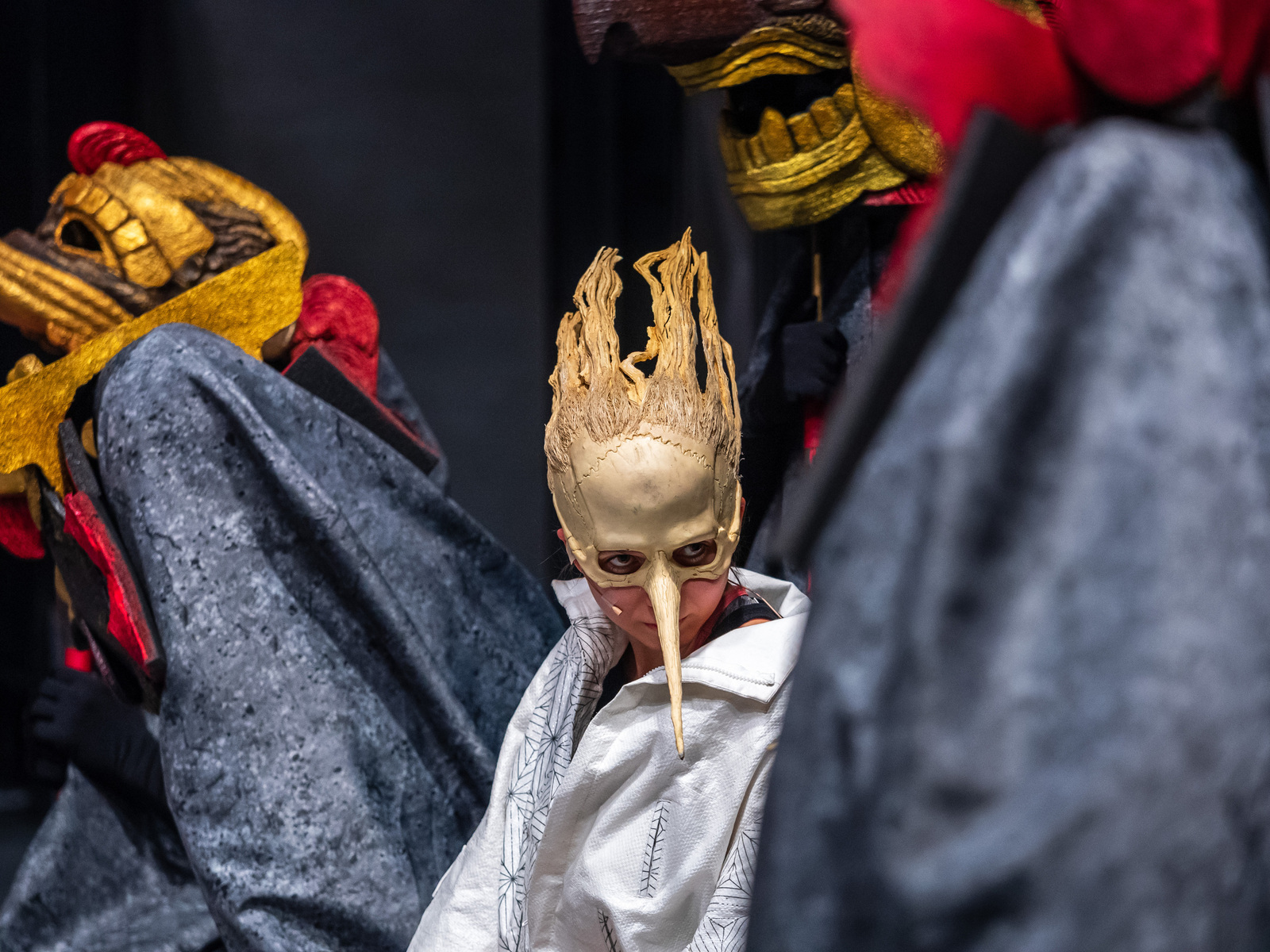
On the regulation.gov.ru website, a discussion of the Presidential Decree on "Fundamentals of stateliness in the preservation and strengthening of traditional Russian values" ended. The race of votes for and against continued until the last moment, gathering an unprecedented tens of thousands of votes on both sides. The chairman of the Union of Theater Workers Alexander Kalyagin made a public disapproval of the decree, in an open letter he was supported by the leaders of large theaters in Moscow and St. Petersburg. What they did not like in the planned protection of traditional values, the correspondents of the North. Realia understood.
The foundations approved by the Decree of "State Policy on the Preservation and Strengthening of Traditional Russian Spiritual and Moral Properties", as stated in the text of the project, "are inter-industrial document of strategic planning in the field of national security." It gives a definition of "traditional values" (this is the moral standards that form the worldview of Russian citizens, which are transmitted from generation to generation), as well as their detailed list.
According to the developers of the document, they include “life, dignity, rights and freedom of man, patriotism, citizenship, service to the Fatherland and responsibility for his fate, high moral ideals, strong family, creative work, the priority of the spiritual over material, humanism, mercy, justice, collectivism, mutual assistance and succession of generations, and unity of peoples. Russia ". The “destructive ideology” confronts them, that is, alien ideas and values, such as the cult of egoism, immorality and permissiveness, as well as the denial of the ideals of patriotism and so on.
The decree and sources of threats to traditional Russian values are listed in the draft. In addition to terrorist and extremist organizations, "the actions of the United States and its allies, transnational corporations, foreign non -profit organizations are considered here."
The spread of destructive ideology will sooner or later lead to the destruction of Russia, the authors of the project of the foundations believe, therefore it is necessary to resist this. Organizational instruments of stateliness are the responsibility of authorities for financing "measures that contradict the goals and objectives of state policy" and public control. It is also proposed to conduct research and monitor.
The public discussion of the decree on the state of Mortal officially ended on February 4, but during all weekends the number of votes and for, and continued to grow against. Now more than 100 thousand people have supported the project, they did not support - more than 78 thousand. On the last day of the vote, users noticed that the votes “for” are added ”by one hundred pieces per minute.” This was announced in Facebook by the editor -in -chief of the magazine "Theater" Marina Davydova. “The state that turns itself at all levels into a scam is something new in political science. I have no more words or strength to write about it. Despair. Black hopeless despair,” the theater critic wrote.
The head of the Union of Theater Workers, the Hudor of the ET Cetera Theater, Alexander Kalyagin, said: the establishment of additional control over culture is nothing more than censorship.
“But how will the culture develop?” Kalyagin asks the question . “But how then to effectively convey its traditional values and increase the role of Russia in the world without the constant development of the artistic language? But what then with the impending control, but simply, censorship (forbidden, I recall, our constitution), will a creative experiment be carried out?”
His performance was supported by the leaders of the largest Russian theaters (including the Khudruk of the St. Petersburg BDT named after G.A. Tovstonogov Andrei Moguchy). The adoption of the decree "in no way will contribute to the preservation and increase of spiritual and moral values, the education of patriotism and love for our homeland," the letter says. Directors and arts from theaters are confident that to protect Russian traditions is enough for the current regulatory framework. The new decree, they believe, duplicate the previous ones - on the strategy of national security and the foundations of state cultural policy.
"Before us is common evil"
Theater critic, editor-in-chief of the Petersburg Theater Journal, Marina Dmitrevskaya, does not remember that theatrical people have ever united in such a single impulse. In her opinion, this is due to the fact that the provisions of the Decree are absolutely unconstitutional and lead us away during the time of deep Soviet stagnation with censorship and practice of acceptance of performances and a litter of texts.
“Those who lived in these times shuddered from returning to the nightmare, and those who did not live shudder from the embodiment of terrible legends about the Soviet regime,” says Dmitrevskaya. -It’s still scary that for many years the theater community fought for the adoption of the Law on Culture, has achieved something, and now everything rolled out half a century ago with one stroke of the pen of one person. As a result, even those who have never united, because we have a common evil, have now united. This law gives the right to cave people to behave as it is customary in their cave, and not in a civilized world. Having pulled out this or that thesis from this document, any dark citizen, any official will be able to influence the cultural process and be guided by this document, and not the constitution.
Dmitrevskaya believes that it was theatrical people who so sharply reacted to the draft of this decree, because the theater is living art, it breathes today in the hall, and already in the Investigative Committee, denunciations of performances are received.
- Eight investigative cases have now experienced the Contemporary Theater in connection with the play by Renat Tashimov. This play was going on before, but times are changing, and how the trolls poured the Pers of Gun to another person, so our population shimmers, taking the form in which it is immersed, and the officials are here in the forefront. The decree is dangerous in that it allows you to interpret, which means interpreting art. It is quite obvious that they will use it if they want to press someone. Therefore, everyone is so concerned - Kalyagin is a very cautious person, and it was not for nothing that STD acted in friendly rows. As for this decree, they did not consult with anyone that creative unions did not take any part in his compilation.
According to the theater critic, the chief editor of the site of the magazine Theater Zhanna Zaretskaya, to the draft decree of the President of the Russian Federation on the "Basics ..." was to respond to the entire cultural community, since the decree concerns absolutely all. She believes that now it would be logical to initiate a wide public discussion of this decree, with the participation of representatives of all creative unions. Zaretskaya also outrages a dishonest vote for and against this decree.
- It is clear that there are scorches there, and we are completely out of business there. The strangest thing that the vote was supposed to end on February 4 at 23.59 - this is how the document was in the passport, and at that time the alignment was not in favor of the decree - there were much more votes. But for some reason the vote continues-the bots are fighting with each other, everything turned into a vulgar booth.
In her opinion, now the main thing is to unite against the very essence of the decree, which consists in the undisguised restoration of censorship.
“The decree wrote in the stupid language of the Cold War - Russia in the ring of enemies, and through a comma listed the United States and their supporters, terrorists, organizations with foreign financing - this is absurd,” said Zaretskaya. - The culture should unite, and not disconnect people, and I would like all these disconnecting practices and the theory of the enemy to remain in the twentieth century - this cannot lead to anything good. The word "control" is constantly found there, and this is censorship - the emergence of the state acceptance. Traditional values should not go down from above, they are transmitted from generation to generation, they are recorded in religious books, but in general - each himself determines their spiritual values. The freedom of any person, including creative, can be limited only by the Criminal Code.
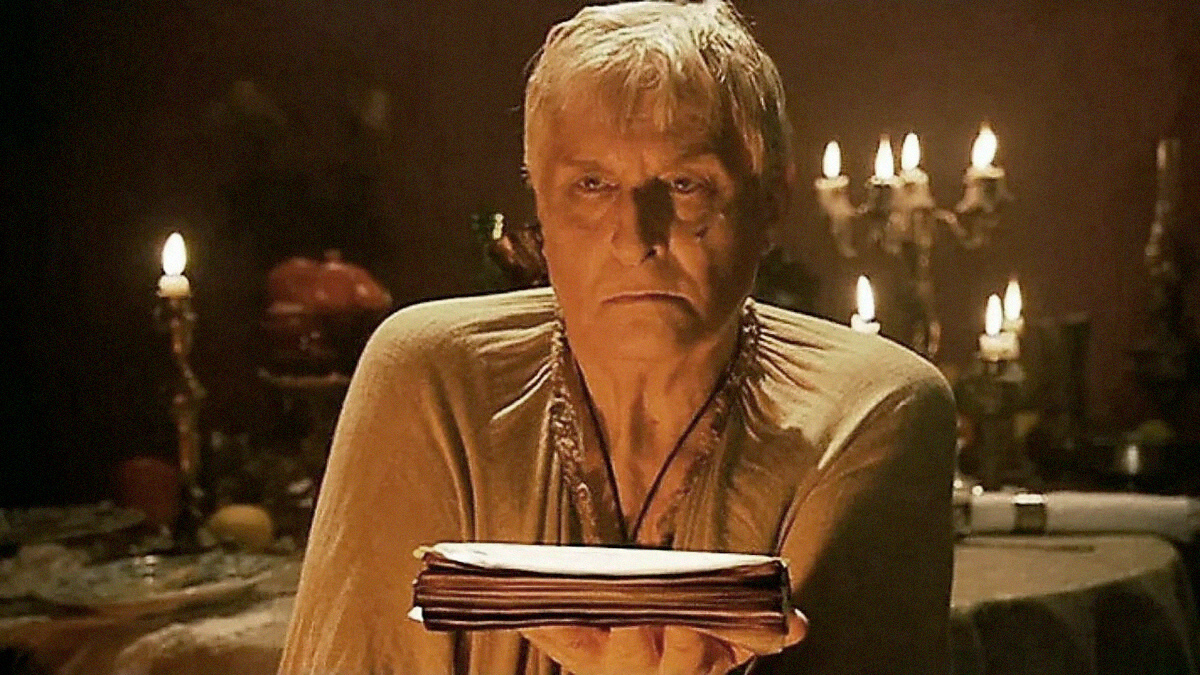
People's Artist of the USSR Oleg Basilashvili believes that it is necessary to maintain traditional values, by which he understands the best traditions of theatrical art - the theater of Stanislavsky, Tovstonogov, Rimas Tuminas and other outstanding directors. But, according to the artist, the participation of the state can only be expressed in the support of the best theater groups, but not in the creation of Soviet -modeling regulatory authorities.
“Do they really not understand that this will be a return to artistic advice, acceptance commissions - this is completely not necessary,” says Basilashvili. - Yes, the heads of ministries should have a good education, understand art, but it is wrong to endow them with such rights. What is written in this document seems to me a mistake, absurdity - this is a return to the old forms of observation, to commissions and prohibitions. Recall the fate of Efros, Tovstonogov, Lyubimov. And after all, this will concern not only the theater. Such a decree was not even under the Soviet regime. There were all kinds of internal orders, but there was no published and approved document. So I join the opinion of Kalyagin and those who performed with him, I understand the same mighty well. In my opinion, such decrees will only lead to inhibition of the development of art.
According to Basilashvili, on the one hand, the state should give the art of a great meaning than this is being done today, and support it, since art is brought up by the people. On the other hand, he is strongly against state control of art.
- What morality and traditional values can we talk about when a grandmother sitting in the museum hall receives 5 thousand? Get with your fat back on this bench, sit there for six months and live on this money-it would be better if the officials thought about it than compose such decrees. And then again we shackle everyone in the chain, again Meyerhold as a result will be beaten with rubber batons on the stomach, ”says Basilashvili.
"This is not a harmless project"
Anthropologist, professor of the European University in St. Petersburg, Ilya Urukhin, believes that this decree is essentially a continuation of the legislation on foreign agents.
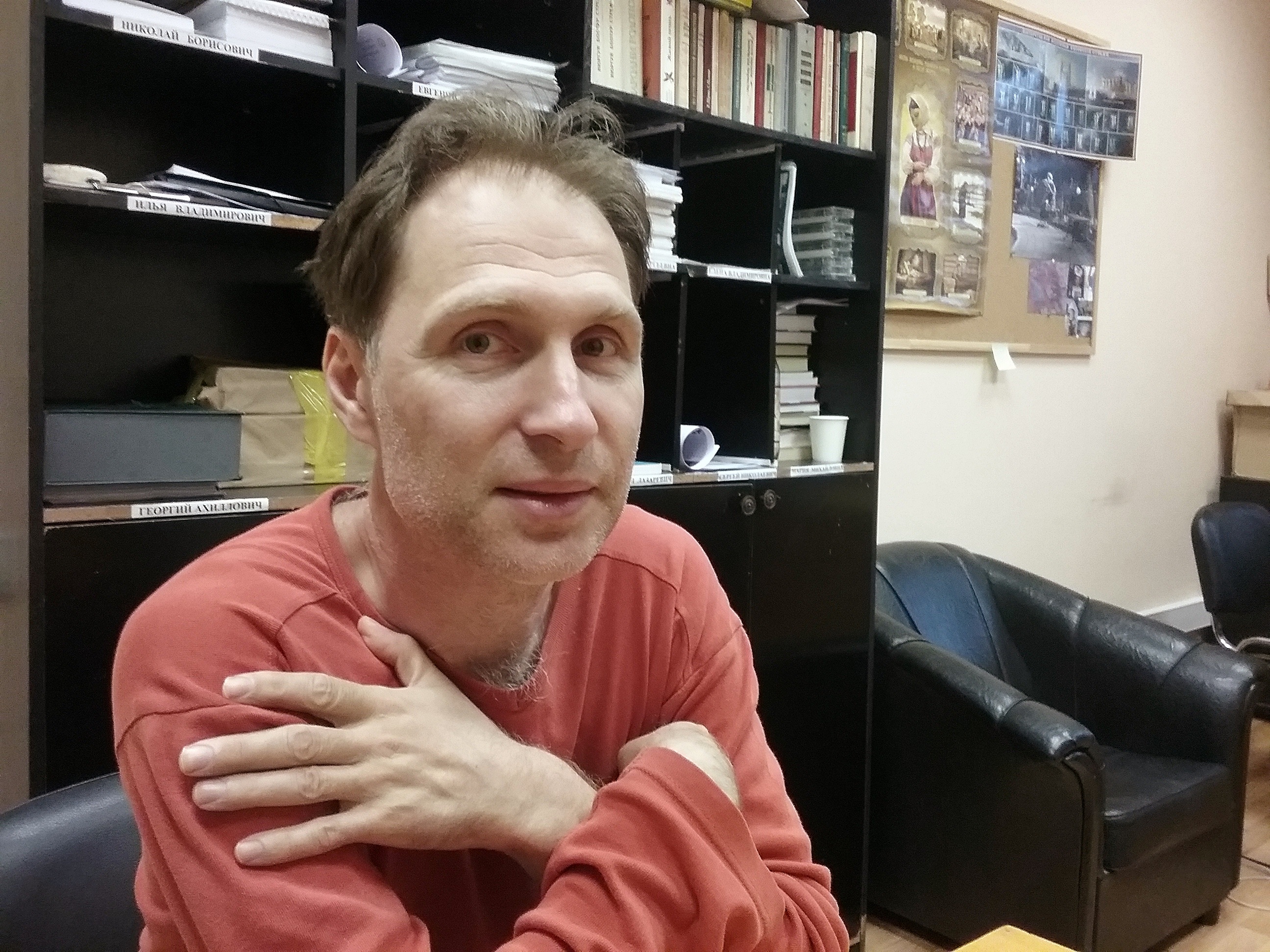
-It is inconvenient to rule authoritarianism without ideology-this has long been expressed, the conservative-guardian line is visible here completely clearly, and what consequences, including censorship, can only be guessed, ”Consoles thinks. - This text is actually a continuation of the law on foreign agents. The most important thing here: for some time after the crash of the Council, the state pretended that it did not engage in values, but today we see the nose of the state everywhere - from the bed of citizens to what God they pray. This decree involves the creation of a certain state infrastructure to promote values, and the most terrible - to control creative content. Let us recall how rock music looked in the early 1980s. It was a purely stylistic phenomenon that attracted young people, but the KGB saw in it a threat pulled out of an alien ideology and alien behavior on the stage. As soon as the state begins to paranoid attributing to stylistic things the ideological meaning in the spirit of the Council of People's Commissars, this is already dangerous. The text of the Decree has chapter 21: "To exercise the powers of the interagency coordination body, additional financing from the federal budget is required." There is a scope for corruption, someone will maintain values, and someone to check their preservation, this can be spent on the share of GDP. This increases the complexity of the bureaucratic system that, I hope, the more this nonsense will be, the sooner it will collapse.
The project of the presidential decree refers to the national security strategy developed by the Security Council and approved by the presidential decree in July 2021, political scientist Ekaterina Shulman explains.
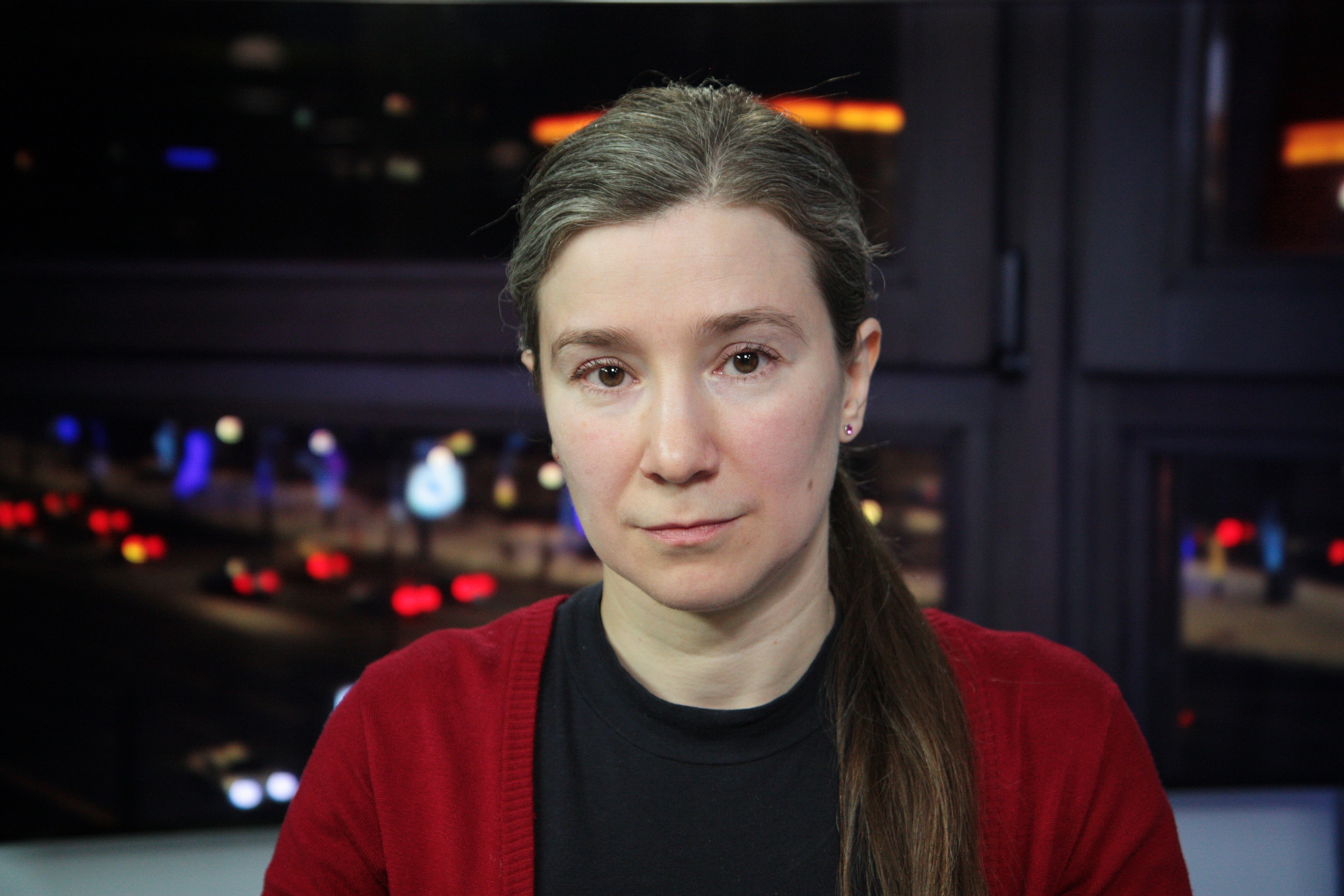
“It was developed not because the Ministry of Culture came to the head, but because he is obliged to do this: each department is developing his own department,” said Schulman. “Most of what is written in these foundations is a copy-paste from that section of the Council of Security Strategy, which is called" Protection of traditional Russian spiritual and moral values, culture and historical memory. " This is the law of the production of regulatory acts: each lower document refers to a higher one. The question is - what will be the practical consequences of this document? In principle, no applied organizational measures are provided for in it. The only thing that seemed to me more or less practical is a foggy proposal to create a certain coordination body that will track how much values are observed, including when making personnel decisions. That is, how much the appointments to state posts correspond to this set of rather vaguely designated values.
Such documents formulate a set of state goals and priorities, on which people who "who want to be in line, stream and mainstream," the political scientist notes. In the development of the provisions of the foundations, then programs of school extracurricular work or regional plans to preserve traditions and counteracting destructive ideology can be created.
“This project is slurred, but not harmless,” Schulman summarizes. - One senseless paper produces another senseless paper, but also produces a public discussion, which shows many people, conformists in nature, what are the times and what needs to be consistent if you want social success. The main function of such documents is exactly in this. At the same time, this also causes a protest that we see, firstly, on the example of Kalyagin and other theater figures, who are also loyalists and cannot be different. Theater is not a protest art. On the one hand, it depends on the viewer, on the other, on state funding. Nevertheless, even these meek people were still indignant. Secondly, we see a completely epic, unprecedented battle for regulation.gov.ru with tens of thousands of votes and for, and against. The falsifications and wraps themselves on such a vote are a sign of socio-political interest. No one needs the election and there is nothing to falsify. Obviously, the issue of people's values worries: maybe not like QR codes, but to a large extent. This is a characteristic feature.