
Translated material
"This is a chain reaction"
Why do many countries evacuate embassies from Kyiv or ask their citizens to leave Ukraine? Russia really needs a war?
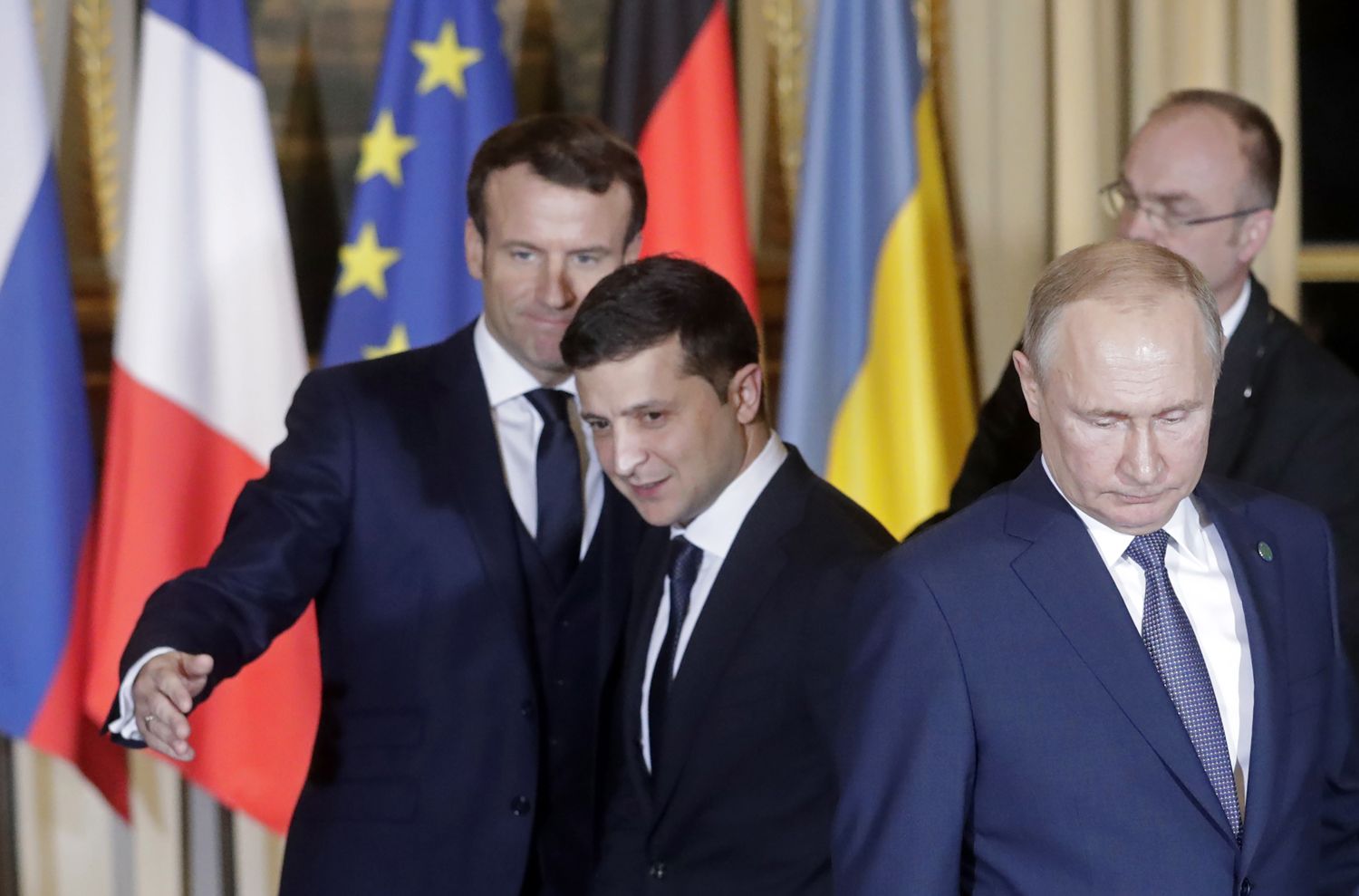
On February 12, the situation around Ukraine has noticeably aggravated: dozens of countries called on their citizens to leave Ukrainian territory, some countries evacuated diplomatic employees from Kiev to Lviv. All this happens against the backdrop ofthe statements of the White House that Russia can attack Ukraine "at any time." At the request of Medusa, the General Director of the Russian Council for International Affairs Andrei Kortunov commented on an increase in tension around Ukraine.
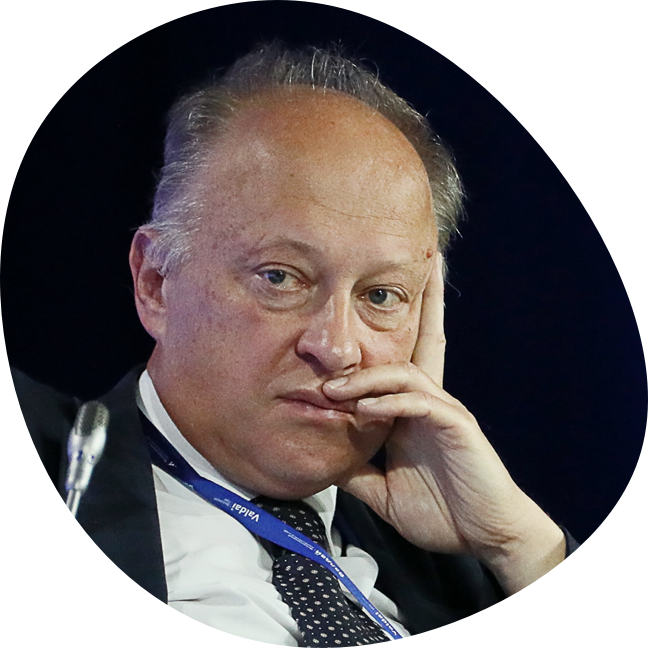
I think that the evacuation of embassies is still evidence of a nervous situation that exists not so much in Kiev as in the capitals of a number of Western states. This is a chain reaction. There, politicians convinced themselves that the war is inevitable, or almost inevitable. Memories are still alive, as at the last moment the evacuation of citizens from Afghanistan was very unorganized. Probably, taking into account this unsuccessful experience, they try to insure themselves and [in advance] to prepare for hostilities.
At the same time, the leadership of Ukraine speaks quite restrained : Zelensky said that there is no need to dramatize events. It is clear why Ukraine takes this position - collective psychosisis reflected in the mood of investors. We see how the main indicators go down, how investment trust collapses. Of course, all this affects the most negative way in the economy of [Ukraine].
Probably, with a slightly different approach from the media and the expert community of this [exacerbation] could be avoided. But, unfortunately, the escalation of negative expectations is continuing now, which, of course, affects many.
In Russia, there is a very centralized system for making the main foreign policy decisions, so only one person can convincingly answer the question of whether there will be war. I think I want to hoped for this that the threat of war is not as great as some of our Western colleagues from the journalistic and expert community represent it.
It seems to me that there are several factors that make the war unlikely. Firstly, of course, the Russian leadership for several months-not even weeks-says that he is not going to fight and attack Ukraine. Of course, all these statements form a certain background. If the war begins after this, then the image losses will be very high.
Secondly, it is approximately clear that Russia will lose due to war. There will be sanctions of a completely different level that will affect both energy and the financial system, perhaps, personally, the country's leadership, which is discussed a lot about in the West. In addition to sanctions, of course, this means the end of the Minsk agreements -but still, these agreements, no matter how judgment, is a major diplomatic victory for Russia and President Putin personally. In addition, it is clear that in this case there will be no repetition of the “Crimean scenario”, since Russia will have to face the hostile population [Ukraine]. And if you do not occupy the whole country (and, apparently, [Russia] does not have resources), then the part that remains beyond Russian control will create constant and very serious problems. Western weapons, Western money will go there - in general, it is clear that in this case Russia will lose. But what she will acquire is somehow still incomprehensible.
And the third argument is this: I think that if such a task was set [to start a war], then it would be solved in completely different ways. See how surgery was carried out in Kazakhstan - very quickly, within a few hours. Everything was done without excessive pump - and the Crimean operation of 2014 was the same. The modern level of mobility - including the Russian armed forces - does not require the accumulation of forces for several months in order to finally get and start the offensive. This is an archaic characteristic of 1914: mobilization, troops travel by rail and all in this spirit.
Now, in order to minimize losses and demoralize the enemy, they act quickly - no one had time to blink with an eye, and they are already marching in the central squares of Mariupol and Kharkov. What is happening is too obvious too obvious.
I do not want to say that war is impossible. There is such a factor as an unintentional escalation. There is such a factor as an accident, an error. There is an incident that can lead to a clash-and not even on the Russian-Ukrainian border, but on the border of Ukraine and the self-proclaimed republics, the DPR and the LPR. There, of course, on both sides there are lovers of fighting, there are interests. Given the fact that the last meeting of the representatives of the Norman Four , judging by what the [deputy head of the Russian Presidential Administration Dmitry] Kozak, failed, has failed, this causes concern.
We hoped that the [advisers of the heads of the “Norman Four”] in Paris [at the end of January] moved something, and in Berlin [two weeks later] again rolled back, and comments from the Russian side on this subject are quite tough. Therefore, of course, there is reason to be afraid, there is reason to take additional steps so that there is no war. Moreover, in addition to Donbass, there is a Black Sea. The Black Sea is a very dangerous region, there is intense military activity. And if we talk about an international conflict-not Russia-Ukraine, but Russia-NATO-I would be more afraid of [military operations in] this territory.
Recorded Svetlana Reuters