
Translated material
Ballet school, love and the People's Commissar. Walking in the places of Yesenin and Duncan in Khamovniki
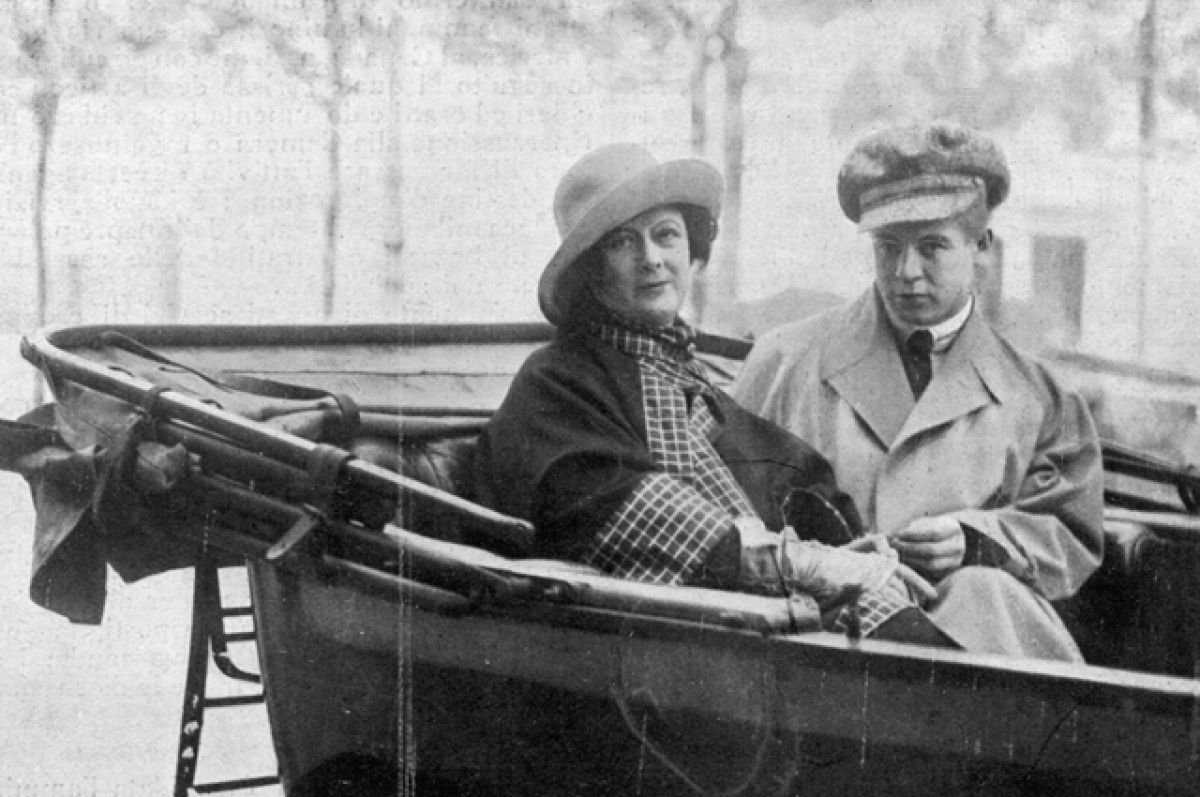
The story of the tragic love of Isadora Duncan and Sergey Yesenin, who spoke different languages with an 18-year difference in age, unfolded in Khamovniki, where, upon arrival in Moscow, an American dancer settled. Here lived the People's Commissar of Education Anatoly Lunacharsky, who played his role in the life of Yesenin and Duncan. Anastasia Kaganovich offers to take a walk in places where the meetings of Yesenin and Duncan were held a century ago.
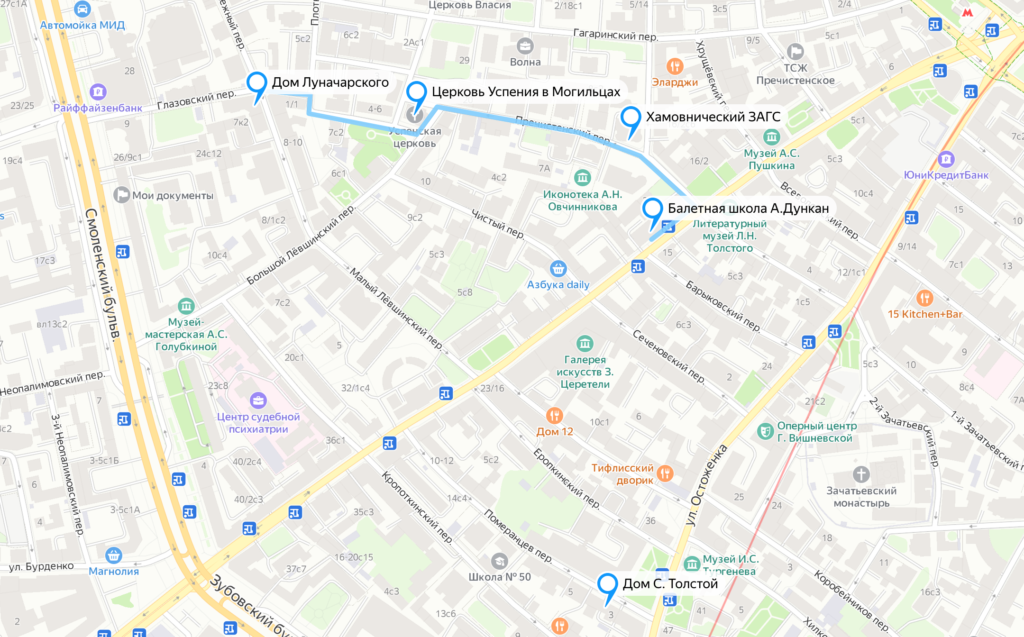
The walking route of Yesenin and Duncan in Khamovniki: the house of Lunacharsky (Money, 9) - the Church of the Assumption in the Mogilts (Bolshoi Vlasyevsky, 2/2) - the former Khamovniche registry office (old -flowered lane, 1) - ballet school and house Duncan (Prechistenka, 20) - Tolstoy House (Pomerantsev, 3)
In the spring of 1921, the People's Commissar of Education of the RSFSR Anatoly Lunacharsky sent a telegram to the American dancer Isadore Duncan with a proposal to open a dance school in Moscow, promised financial support.
Duncan at that time was disappointed in the possibility of succeeding in Europe and went to a young country, crowded with rainbow plans and hopes to create a school where the dance would be a means of raising children of a new world, harmoniously developed physically and spiritually.
She wrote in memoirs: “I did not carry any dresses with me. I imagined that I would spend the rest of my life in a red flannel blouse among comrades dressed with the same simplicity and fulfilled fraternal love. ” Duncan then believed that an ideal state was created on Earth, deprived of all the shortcomings of "bourgeois Europe."
In Moscow, she was given a luxurious two -story mansion on Prechistenka for the ballet school, after the war of 1812 belonging to General Ermolov. The house was rebuilt many times, and his last mistress before the revolution was the ballerina Alexander Balashov. It was she who arranged a ballet rehearsal hall with mirror walls in the building (it is curious that the ballerina, who lived in Paris at that time, settled there in the former Duncan apartment).
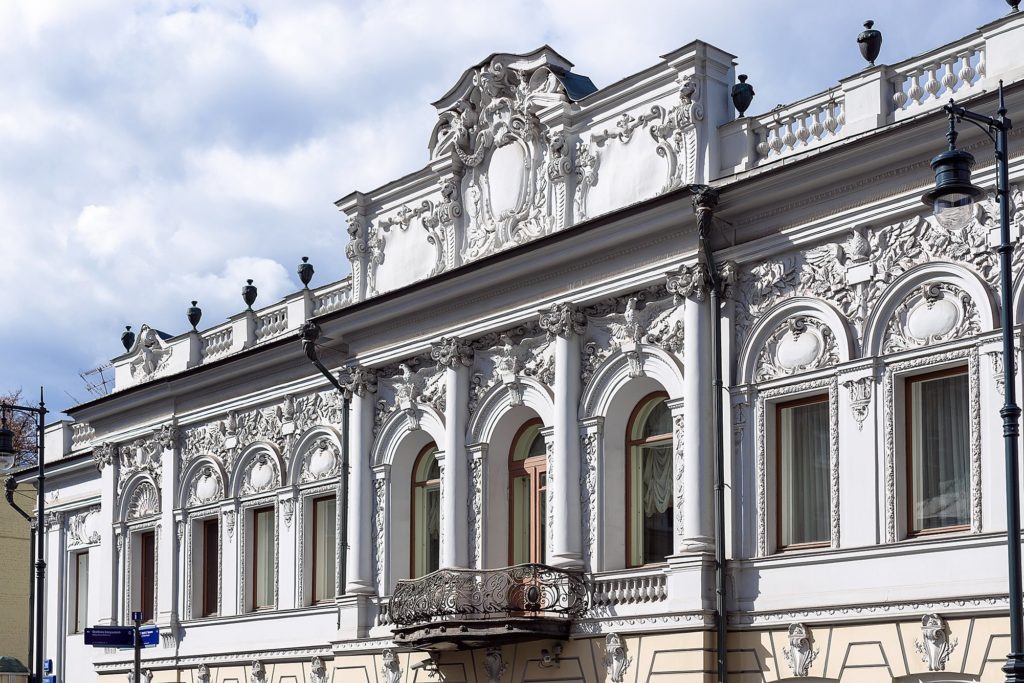
A house with a huge ladder made of white marble in the lobby, gold stucco, frescoes of Roman and Greek beauties, the paintings of Napoleon and even the winter garden amazed the imagination. Isadora Duncan, however, considered all this to be excesses and did not appreciate the “merchant empire” of the former mistress, but decided not to rebuild the mansion. She only hung all the lamps and sconces brought with her pinkish-yellow fabrics, because “she could not stand white light”, and walls with bas-reliefs and paintings-a pale blue cloth.
The house on the Prechistenka immediately became a school with the staff of the maintenance staff and its organizational council, and the ballerina apartment, and the place of meetings with friends.
Although Duncan immediately took up active work on the creation of a ballet school with a boarding school and began to take away students, there were no difficulties: bugs, rats, inaccurated rooms and hunger. At the same time, they began to call her at the party leadership parties. Seeing the scope and wealth of the holidays of the Soviet leadership, Duncan was disappointed in the new government.
She even made a scandal on the rake of the People's Commissariat of Foreign Affairs, which was then located in the luxurious house of the first Russian insurance company on the corner of the Kuznetsk bridge and Big Lubyanka. “You managed to throw out sugar kings from their palaces. But why did you retain the bad taste of their dwellings? - Duncan was indignant. “I thought to see a new one here today, but you are not enough only tailcoat and cylinders, like all diplomats.”
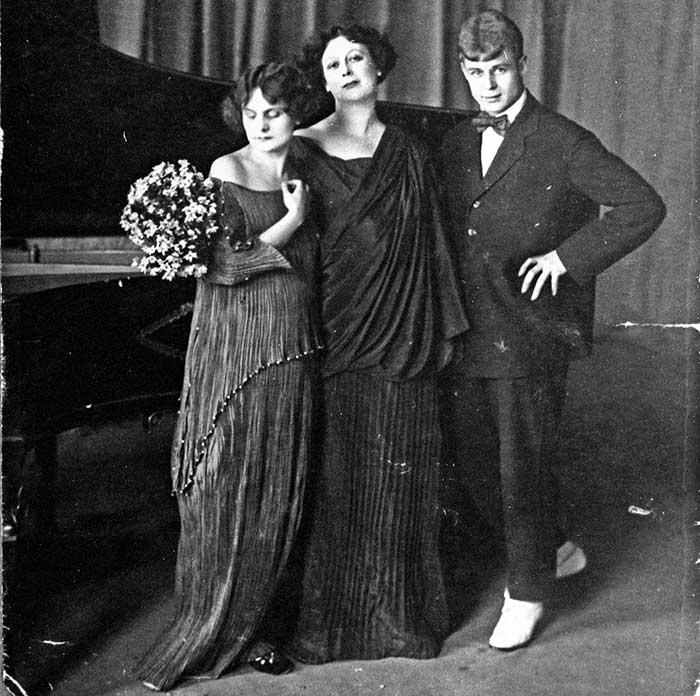
On October 3, 1921, in the workshop of the artist Georgy Yakulov (by the way located in the same house with the "bad apartment" Bulgakov) Duncan met a young and charming poet Sergei Yesenin.
Despite the fact that Yesenin did not speak any foreign language, and Duncan did not speak Russian, they talked all evening and, it seems, completely understood each other.
Yesenin read poetry to the ballerina, to which she said "I did not understand anything, but I hear that it was music and that the genius wrote these poems." The translator of Isadora Duncan Ilya Schneider captured this moment in the book of memoirs: “She was reclining into a sofa. Yesenin was standing near her knees, she stroked his hair, chanting Russian: "Za-la-ya-la-va ...".
In the evening of dating, Duncan and Yesenin went to her house on a cab, and on the way he fell asleep, and the horse began to walk around the church. Perhaps it was the Church of the Assumption in the Mogilts in Prechistensky Lane. Schneider, who accompanied the ballerina, woke the cabman: “Hey father! Are you crowning us, or what? Around the church, like analia around the third time, you go. ” This case had fun, and Duncan and Yesenin really got married in six months.
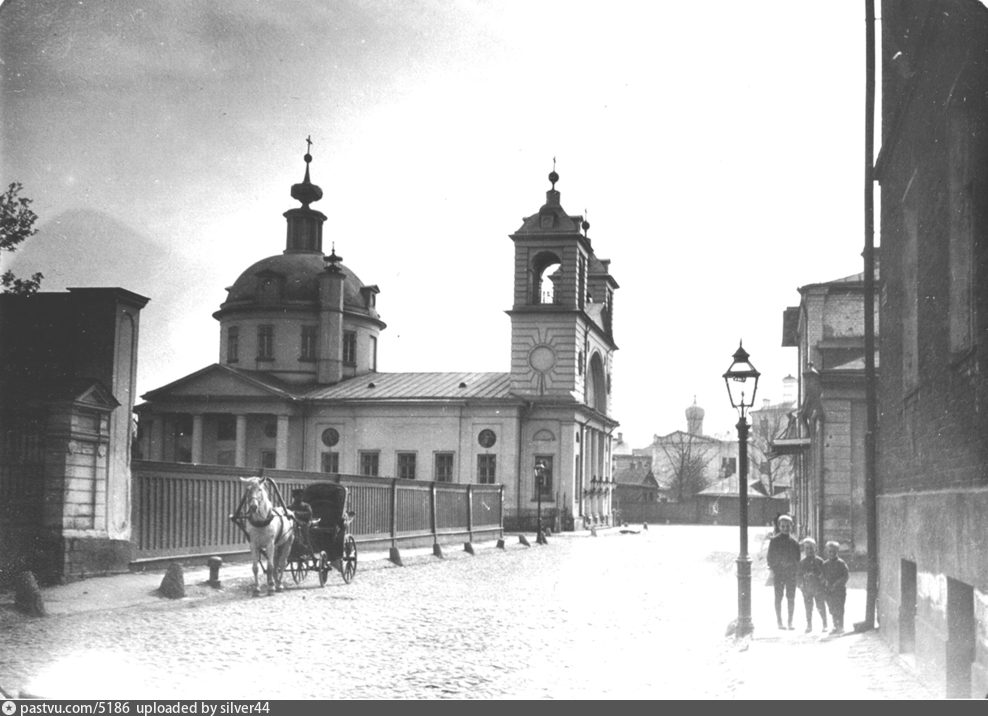
A few days after meeting, Yesenin moved to the Duncan mansion on the Prechistenka. Parties began to arrange parties in the hall on the second floor, in which the poets of the Imazhinists Mariengof, Shershenevich, Ivnev often visited. Food and alcohol were supplied from the Kremlin for these evenings: such a connection with officials no longer annoyed the ballerina. Although Duncan often said that she “fled from Europe from art, closely related to commerce”, and at first categorically refused paid performances, but the People's Commissar of Lunacharsky convinced her to give performances for a fee. By the way, the People's Commissar of 1924 also settled in Khamovniki. The official occupied a ten -room apartment in house number 9 in a monetary alley, for which he even received a reprimand from the All -Russian Central Executive Committee.
Yesenin, like Duncan, was close to the authorities. Although he possessed a reputation as a bully and was not shy in expressions, speaking of the Soviet regime, he was patronized by the same Lunacharsky: he was entrusted with the poet, when he was arrested by false denunciation, approved the charter of the “Association of Volunteers”, the organization of the Imazhinists created by Yesenin, and assisted in the structure of literary evenings.
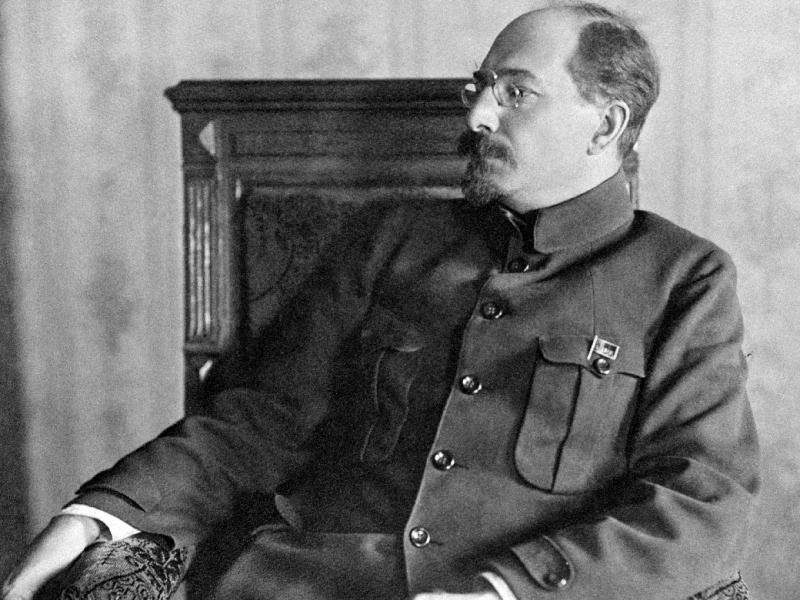
However, the imaginists quickly fell out of favor, they began to criticize them in the Soviet press. On April 14, 1921, the newspaper Izvestia of the All -Russian Central Executive Committee published a letter from Lunacharsky, where he responded about the books of the Imazhinists he read as “abuse of his own talent, and over humanity and over modern Russia,” called to punish those who allowed to print their books. In a personal meeting, Lunacharsky suggested that Yesenin leave the Association of Freedomes.
The poet did not resist the requirements of the authorities: he abolished the rally at the request of the Cheka in defense of the freedom of creativity, which he tried to organize in the summer of 1921, and in 1924, at the request of Lunacharsky, he broke with the imazhinists.
As a result, Yesenin remained one of the few poets of this group, who almost did not affect repression, and even got the opportunity to leave the country and return.
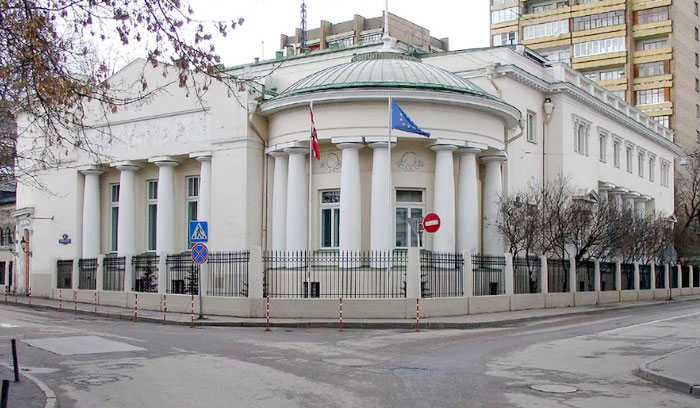
In the spring of 1922, the mother of Duncan died in Paris, and the ballerina decided to leave Moscow, taking Yesenin with her. To do this, in May 1922, they signed in the Khamovnicheskaya registry office, which was then located in house No. 1 at Starokonyunny Lane (now there is the Austrian embassy). After the marriage, Duncan received Soviet citizenship, and Yesenin - a foreign passport.
Duncan and Yesenin toured a year in Europe and America. Discwardment began on the trip between the spouses - they constantly quarreled. “The longing is mortal, unbearable. I feel myself here by stranger and unnecessary. And as I recall Russia, I remember what awaits me there, I don’t want to return, ”Yesenin wrote to Alexander Kusikov.
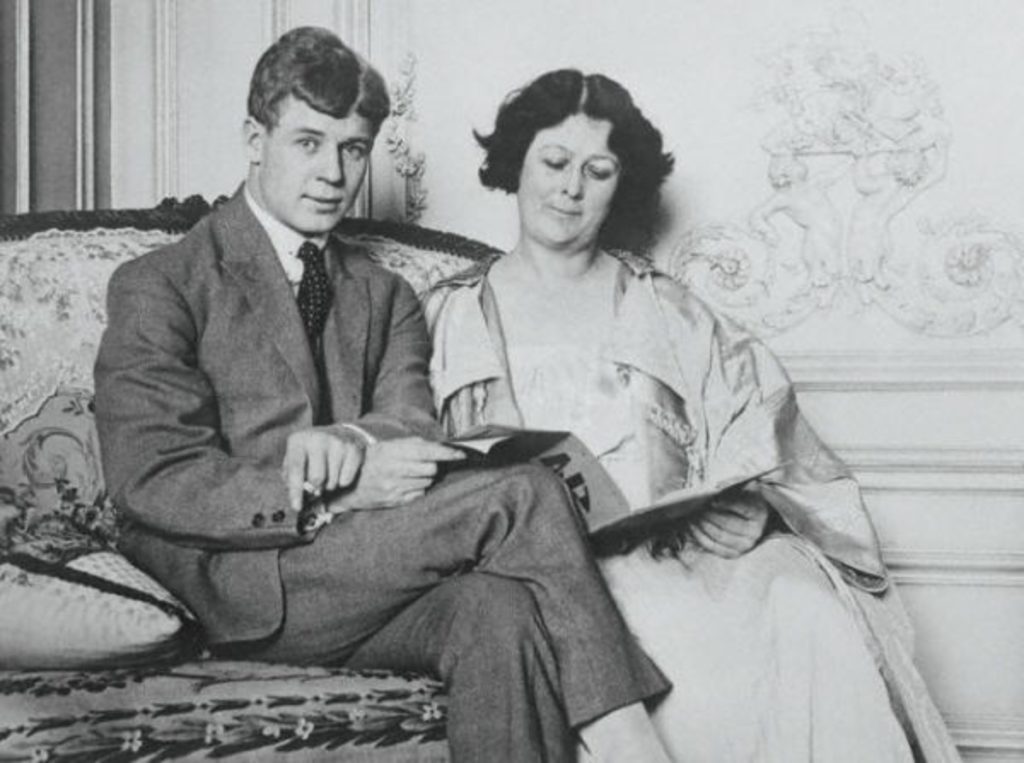
In August 1923, the couple returned to Russia, again settling in the mansion on the Prechistenka. However, after two weeks, Yesenin moved from Duncan and filed for divorce. Duncan left Russia forever in 1924. The last wife of Yesenina Sofya Tolstaya, the granddaughter of Leo Tolstoy, also lived in Khamovniki-in the profitable house of Fokin at the address of the Pomeranians, 3. Anna Akhmatova stopped in her apartment when she came to Moscow to see Mandelstam, and Yesenin lived in 1925.
The fate of both spouses broke off tragically: Yesenin in 1925 (according to the most popular version) committed suicide at the Angletter hotel in Leningrad, and Duncan died two years later in Nice due to the fact that her scarf was wound on the wheel of a traveling car. Despite the conflicts, Lunacharsky regretfully responded to Yesenin’s suicide: “All of us, his contemporaries, are more or less to blame. It was necessary to beat him tightly for him. ”